

We may earn a commission when you buy through links on this page, at no extra cost to you. Learn more.
Ribera del duero wine tasting reveals the bold, structured character of Spain’s high-altitude Tempranillo wines, with flavors of dark berries, plum, spice, and oak. Located in Castile and León, this historic wine region produces everything from youthful, fruit-driven reds to complex, oak-aged Reservas and Gran Reservas. Understanding its grapes, vineyard conditions, aging classifications, and tasting techniques makes it easier to recognize the differences between bottles and appreciate the region’s distinctive character.
Ribera del Duero deserves attention from anyone interested in Spanish red wine. Although Tempranillo is also the foundation of Rioja, the wines from Ribera del Duero often have a darker fruit profile, firmer tannins, and a more concentrated structure. The region’s high vineyards, continental climate, and varied soils contribute to those characteristics. A thoughtful tasting can reveal how vineyard location, grape maturity, and oak treatment influence the finished wine. Whether sampling young reds or mature bottles, knowing what to look for makes each glass more informative.
What Makes Ribera del Duero Wine Distinctive?
Ribera del Duero is best known for structured red wines made primarily from Tempranillo, a grape that produces deeply colored wines with concentrated fruit and noticeable tannins. The region’s high elevation and continental climate help create wines that combine ripe flavors with refreshing acidity and substantial structure.

The appellation follows the Duero River through four provinces in Castile and León: Burgos, Segovia, Soria, and Valladolid. Its vineyards occupy an elevated section of Spain’s northern plateau, with many planted between approximately 2,360 and 3,600 feet above sea level, according to Wine Enthusiast. This elevation contributes to substantial differences between daytime and nighttime temperatures during the growing season. Warm days encourage grape ripening, while cooler nights help preserve freshness. The Wine Enthusiast overview of Ribera del Duero provides additional regional background on its geography, climate, and grapes.
Rainfall is relatively limited, and summers are typically dry. Winters can be long and cold, creating demanding conditions for grape growers. These environmental factors encourage slow ripening and contribute to grapes with concentrated flavors and substantial skins. In the finished wines, these characteristics often appear as dark fruit, firm tannins, and a substantial palate.
Soil variation also matters. Limestone, clay, sandy material, and calcareous deposits appear throughout the appellation. According to the regional regulatory council, vineyard altitudes extend from approximately 720 meters to more than 1,000 meters. Different combinations of soil, elevation, slope, and exposure influence grape development, so wines from different vineyards can have noticeably different expressions even when they use the same grape variety.
The appellation received official recognition in 1982, although winemaking in the area has a much longer history. The regional regulatory body identifies archaeological evidence suggesting more than 2,500 years of local wine production. Modern Ribera del Duero has developed an international reputation through its concentration on high-quality red wines and the work of established producers and smaller vineyard-focused wineries.
Its identity is not limited to powerful wines. Some producers favor freshness, restrained oak, and a more elegant expression of Tempranillo. Others emphasize concentration, extraction, and long barrel aging. This stylistic range makes it useful to compare several bottles rather than assume that every Ribera del Duero wine will taste alike.
Tempranillo and the Other Authorized Grapes
Tempranillo is the central grape of Ribera del Duero, appearing under the local names Tinto Fino and Tinta del País. It provides the dark color, berry fruit, structure, and aromatic intensity associated with the appellation, although smaller quantities of other grapes contribute additional dimensions.
Tempranillo commonly produces aromas of black cherry, blackberry, plum, and ripe raspberry. Depending on the growing conditions and winemaking choices, tasters may also find violet, dried herbs, tobacco, vanilla, cedar, and baking spices. Its tannins are generally medium to high, giving the wine a firm grip that can become smoother with bottle aging.
The regional climate can encourage considerable ripeness, but temperature differences between day and night help maintain balance. This combination explains why a Ribera del Duero red can feel generous and concentrated without necessarily tasting flat or heavy. Acidity provides structure, while tannins create a longer, more substantial finish.
Other authorized red grapes include Cabernet Sauvignon, Merlot, Malbec, and Garnacha Tinta. Producers may use these varieties in blends to modify texture, fruit expression, and overall structure. Cabernet Sauvignon can contribute additional tannin and dark-fruit character. Merlot may provide a softer texture, while Malbec can contribute color and concentrated fruit. Garnacha Tinta can add a different expression of ripe red fruit.
Albillo Mayor is the region’s principal authorized white grape. It offers an opportunity to explore a less familiar side of the appellation. White Ribera del Duero wines can display orchard fruit, citrus, floral aromas, and a textured palate. Some are made to emphasize freshness, while barrel-aged examples can develop more pronounced spice and creamy notes.
What to look for in the glass
When tasting Tempranillo, begin by identifying the main fruit family. Black cherry and blackberry suggest a darker expression, while red cherry and raspberry can indicate a fresher fruit profile. Then look for secondary aromas such as cedar, vanilla, clove, dried herbs, and tobacco. These notes help distinguish a wine that emphasizes primary fruit from one that has developed additional complexity through oak aging or bottle maturation.
Compare the weight of the wine with its acidity and tannins. A concentrated red should not necessarily feel harsh. Good balance allows ripe fruit, acidity, alcohol, and tannins to work together. The finish is especially useful: a longer, more layered finish can reveal details that are less obvious during the first sip.
How to Organize a Ribera del Duero Tasting Flight
A structured tasting flight makes it easier to recognize differences in fruit, tannin, oak, and aging. Start with a younger, fruit-focused Tempranillo, progress to a Crianza, and finish with a Reserva or Gran Reserva if available.
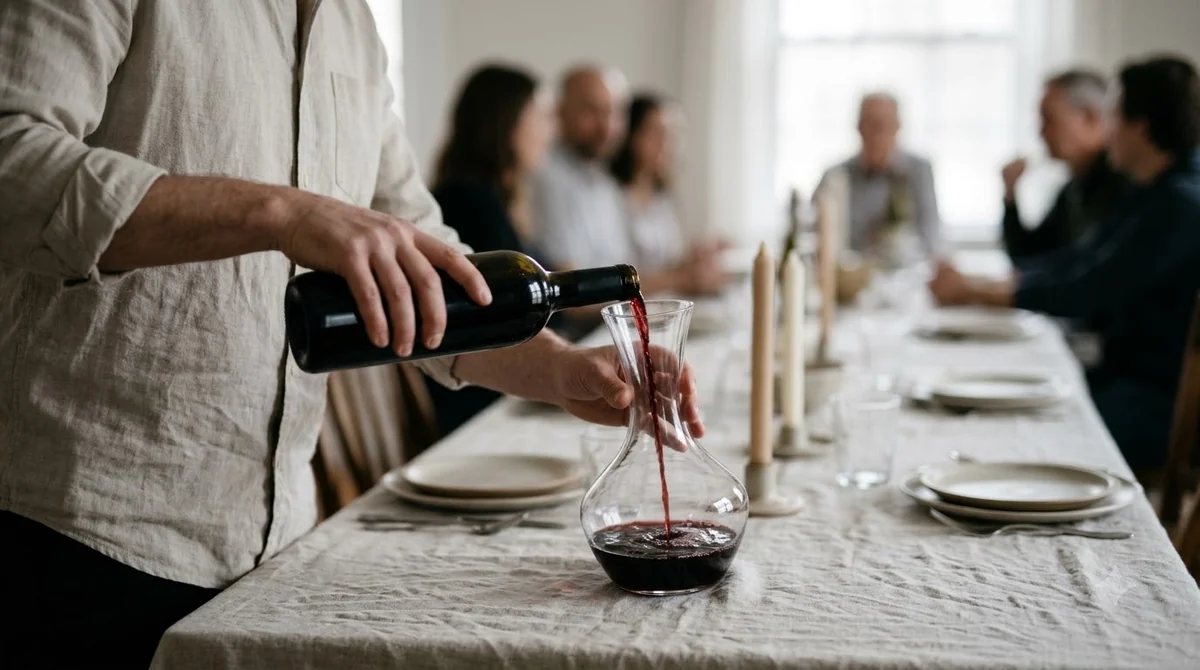
Three or four wines are sufficient for a focused comparison. Pour approximately 5 ounces per serving when drinking a single glass, but use smaller tasting portions of around 1 to 2 ounces when comparing several wines. A standard 750-milliliter bottle contains approximately five conventional 5-ounce servings, so one bottle can accommodate a small tasting group with modest pours.
Arrange the wines from the least oak-influenced to the most developed. A young Cosecha or Joven offers a useful starting point because its fruit character is often easier to identify. A Crianza introduces greater oak influence and more developed structure. Reserva and Gran Reserva examples provide an opportunity to explore how additional aging changes aromas, tannins, and texture.
A practical tasting sequence
- First wine: Young Tempranillo. Look for fresh cherry, blackberry, plum, and a lively fruit-forward palate. Pay attention to acidity and the initial tannin impression.
- Second wine: Roble or a lightly oaked red. Compare the fruit with notes of vanilla, toast, and spice. Observe whether the oak adds complexity without overpowering the grape.
- Third wine: Crianza. Look for greater integration between fruit, oak, and tannins. Dried herbs, cedar, and darker fruit may become more apparent.
- Fourth wine: Reserva or Gran Reserva. Examine the additional aromatic development, including tobacco, leather, dried fruit, and savory notes where present.
For each wine, follow the same sequence. Observe the color, smell the wine before swirling, swirl gently, and smell again. Take a small sip and allow the wine to cover the palate. Notice its acidity, tannin, alcohol warmth, body, and finish. Writing down three aroma observations and two structural observations for each glass creates a useful record for future comparisons.
Use identical glassware whenever possible. A medium-sized wine glass with a bowl that allows the aromas to collect is appropriate for these reds. Avoid filling the glass too high, since a little space makes swirling easier and allows aromas to develop.
Tip: Taste the wines before serving food, then repeat the comparison with a small piece of bread or cheese. This helps reveal how salt and fat soften tannins and how food changes the perception of fruit, acidity, and oak.
Temperature makes a meaningful difference. Serve younger, lighter reds around 55 to 60 F and fuller-bodied examples around 60 to 65 F. If a bottle feels overly warm, a short period in the refrigerator can restore freshness. Excessive warmth can make alcohol more noticeable and obscure the wine’s aromatic detail.
Understanding Crianza, Reserva, and Gran Reserva
The aging classification on a Ribera del Duero label provides a useful indication of the minimum time a wine has spent developing before release. Crianza, Reserva, and Gran Reserva reds have progressively longer aging requirements, including specified minimum periods in oak barrels.
These classifications are particularly useful during a tasting because they help establish a framework for comparing different styles. A younger wine generally emphasizes primary fruit, while longer-aged examples may show additional aromas from oak and bottle development. However, aging classification alone does not guarantee a particular flavor or quality level.
| Classification | Total aging | Minimum oak aging | Typical tasting direction |
|---|---|---|---|
| Cosecha | Variable | None required for unoaked wines | Fresh fruit or lightly oaked styles |
| Crianza | 24 months | 12 months | Dark fruit, spice, and integrated oak |
| Reserva | 36 months | 12 months | Greater aromatic development and structure |
| Gran Reserva | 60 months | 24 months | Developed fruit, savory notes, and mature tannins |
These figures reflect the minimum requirements for Ribera del Duero red wines reported by the regional regulatory body. White and rosé wines have different minimum aging requirements. Cosecha is a broad category for wines that do not necessarily follow the traditional aging classifications, and its style can vary substantially between producers.
Crianza: Fruit and oak in balance
Crianza is a useful introduction to oak-aged Ribera del Duero. Its minimum requirement is 24 months of total aging, including at least 12 months in oak. This combination allows the wine to retain substantial fruit while developing additional complexity.
Expect possible aromas of blackberry, cherry, vanilla, cedar, and baking spices. Tannins are usually noticeable, but a well-integrated Crianza should not feel excessively drying. These wines are versatile at the table and can accompany grilled pork, roasted chicken, lamb chops, and mature cheeses.
Reserva: Greater aromatic development
Reserva requires at least 36 months of total aging, with a minimum of 12 months in oak. Additional time before release allows fruit and oak characteristics to integrate and can encourage the development of more complex aromas.
Alongside dark cherry and plum, tasters may find tobacco, leather, dried herbs, cedar, and subtle earthy notes. The exact profile depends on the producer, vintage, oak selection, and storage conditions. Reserva is a strong choice for a tasting focused on the relationship between grape character and maturation.
Gran Reserva: Extended maturation
Gran Reserva requires at least 60 months of total aging, including a minimum of 24 months in oak. These wines represent a more mature expression of the region’s red wine tradition. Their aromas may include dried fruit, leather, tobacco, cedar, and savory spice, with softened tannins in well-developed examples.
Not every Gran Reserva tastes heavier than every Crianza. Extended aging can produce greater aromatic complexity and a more integrated texture rather than simply increasing body. A good comparison involves tasting the wines side by side and observing how their structures differ.
How to Recognize Oak, Fruit, and Regional Differences
Oak treatment is one of the most important influences on the final style of Ribera del Duero wine. Some producers emphasize traditional barrel aging, while others favor more restrained oak use to preserve the natural expression of Tempranillo.
American oak can contribute recognizable aromas of vanilla, coconut, sweet spice, and dill. French oak may offer notes of cedar, clove, toast, and subtle baking spices. These are broad tendencies rather than fixed rules: barrel age, toast level, size, and length of maturation all influence the result.
Decanter explains that traditional producers have often favored American oak, while some modern producers use newer French oak. The choice is not simply a matter of old-fashioned versus modern winemaking. Different oak treatments can create different interpretations of the same grape, and producers may combine barrel types to achieve a particular balance. Decanter’s guide to finding the right Ribera del Duero wine also discusses the influence of altitude, soils, and vineyard location on regional styles.
During a tasting, separate primary fruit aromas from oak-related notes. Blackberry, black cherry, and plum are fruit characteristics. Vanilla, toast, and coconut can suggest oak influence. Leather, tobacco, and dried herbs may become more apparent as a wine develops. This distinction makes it easier to understand the winemaker’s choices.
Comparing different parts of the region
Ribera del Duero stretches across a considerable area, and vineyard conditions vary from east to west. The eastern areas around Soria include particularly elevated vineyard locations, while Burgos and Valladolid offer other combinations of altitude, soil, and exposure.
Decanter describes the broad tendency for the landscape to descend from east to west, with somewhat warmer conditions as the elevation drops. This provides a starting point for comparison, but it should not be treated as a strict quality ranking. Local soil conditions can change over very short distances, and vineyard management may have a greater influence than a broad geographical label.
Pay attention to the producer and vineyard information when comparing wines. A bottle from an old-vine site may express a different balance of fruit, concentration, and structure from one made with younger vines. Exposure, yields, and harvest decisions also influence the grapes that enter the winery.
For a wider understanding of regional wine styles, compare Ribera del Duero with Bolgheri wine tasting, where international red varieties and Italian vineyard conditions produce a different interpretation of structured red wine. You can also explore Alsace wine tasting to see how a French region known for aromatic white varieties approaches grape expression and regional identity.
Planning a Winery Visit in Ribera del Duero
Visiting Ribera del Duero offers the opportunity to taste wines in the landscape where they are produced. The regional wine route connects wineries, historic towns, underground cellars, and traditional Castilian food destinations across four provinces.
According to Spain’s official tourism website, the wine route extends approximately 115 kilometers along the Duero River. Important destinations include Aranda de Duero, Peñafiel, Roa de Duero, and Valbuena de Duero. Each offers a different way to explore the area’s wine culture, from historic cellar traditions to contemporary winery architecture.
Aranda de Duero is an excellent starting point for exploring the region. The town is known for its historic underground wine cellars, which reflect the area’s long relationship with wine storage and production. A visit can provide useful historical context before moving on to contemporary winery tastings.
Peñafiel is another important destination. It is associated with the region’s Golden Mile, a well-known stretch connecting wineries around Peñafiel and Tudela de Duero. Producers in this area include Bodegas Protos, Vega Sicilia, and Pago de Carraovejas. Winery visits can introduce visitors to different approaches to Tempranillo, barrel selection, and vineyard management.
Roa de Duero is particularly relevant to the appellation because it is home to the Consejo Regulador, the regional regulatory body. The surrounding area also offers opportunities to explore vineyards and smaller producers. Valbuena de Duero provides another worthwhile stop, with its wine heritage and association with the wider Duero Valley.
Making the most of a tasting appointment
Arrange winery visits in advance, especially if you want a guided tasting or a cellar tour. Ask whether the tasting includes young wines, Crianza, Reserva, or single-vineyard selections. A flight that includes several styles will provide a more useful comparison than tasting several similar bottles.
Allow approximately 60 to 90 minutes for a standard winery visit, although some experiences may take longer. If visiting two wineries in one day, leave enough time for travel, meals, and discussion. Avoid scheduling too many tastings close together, since fatigue can make it harder to distinguish aromas and textures.
Consider visiting during the spring or autumn for vineyard walks and more moderate conditions. Harvest season offers an especially interesting perspective on grape production, although winery schedules can be busier. Summer brings warmer weather and dry conditions, while winter visits provide a different view of the region’s continental climate.
For additional inspiration when comparing tasting destinations outside Spain, explore Willcox wine tasting in Arizona. It provides an interesting contrast in climate, geography, and grape-growing conditions. The broader Wine Regions resource can also help put Ribera del Duero into the context of other major wine-producing areas.
Food Pairings and Serving Ribera del Duero
Ribera del Duero reds are particularly well suited to flavorful foods with enough protein, fat, and seasoning to balance their tannins. Roasted lamb, grilled beef, pork, sausages, and aged cheeses are natural companions for the region’s structured Tempranillo wines.
One of the most traditional regional combinations is roast Castilian lamb. Spain’s tourism authority highlights milk-fed lamb cooked in traditional clay ovens at approximately 180 C as an important part of local gastronomy. The rich meat and browned exterior work well with the tannins and dark fruit of a mature Ribera del Duero red.
Grilled beef is another dependable pairing. The protein and fat help soften tannins, while the roasted flavors complement the wine’s darker fruit and oak notes. A young Tempranillo can work especially well with grilled pork, while a more mature Reserva may suit slow-roasted beef or lamb.
Pairing by wine style
Young Tempranillo: Serve with grilled sausages, roasted chicken, pork tenderloin, or tapas featuring mushrooms and roasted peppers. Fresh fruit and lively acidity can balance savory flavors without overwhelming lighter dishes.
Crianza: Pair with grilled lamb chops, pork ribs, roasted vegetables, or semi-hard cheeses. The combination of fruit and oak provides enough flavor intensity for dishes with moderate richness.
Reserva: Choose roast beef, braised lamb, slow-cooked pork, or aged sheep’s milk cheese. More developed aromas of tobacco, leather, and spice can complement the deeper flavors of these foods.
Gran Reserva: Consider roasted game, mature cheeses, and carefully prepared beef dishes. The wine’s mature aromas can be particularly appealing alongside foods with developed savory flavors.
Food texture is as important as flavor intensity. Salt and fat soften tannin, making firm red wines more approachable. Acidic foods need wines with equal or higher acidity to avoid making the wine taste flat. Very spicy dishes require care because chili heat can be amplified by alcohol and tannin.
Avoid pairing strongly tannic Ribera del Duero reds with delicate oily fish. The combination can create an unpleasant metallic impression. For fish dishes, a fresh Albillo Mayor or another white wine is generally a more suitable choice.
Serving temperature and glassware
Serve lighter reds at approximately 55 to 60 F and fuller-bodied reds at approximately 60 to 65 F. This distinction helps preserve fruit expression in younger wines while allowing fuller examples to show their aromatic complexity without excessive alcohol warmth.
Use a large-bowled red wine glass to encourage aromatic development. A young, full-bodied Tempranillo may benefit from 30 to 60 minutes of decanting, particularly if it has a tight structure or noticeable reduction when first opened. Older wines should be handled more carefully because prolonged aeration can diminish delicate developed aromas.
For storage, keep unopened bottles on their sides in a cool, dark place near 55 F, with stable temperature and humidity. After opening, reseal the bottle and refrigerate it. Most still wines are best consumed within approximately three to five days, depending on their condition and storage.
Frequently Asked Questions
Is Ribera del Duero the same as Rioja?
No. Both regions are in Spain and rely heavily on Tempranillo, but they have separate appellations and different growing conditions. Ribera del Duero is located in Castile and León, while Rioja lies farther north. Their labeling systems and producer traditions also differ, so a Crianza from one region does not necessarily taste like a Crianza from the other.
Does Ribera del Duero produce sparkling wine?
Ribera del Duero is primarily recognized for its still wines, particularly red Tempranillo. The region’s best-known traditional classifications concern still reds, rosés, and whites rather than sparkling wine. Visitors looking specifically for Spain’s traditional bottle-fermented sparkling wine should also explore Cava-producing areas in Catalonia.
Can Ribera del Duero wine age for more than 20 years?
Some carefully made, ageworthy Ribera del Duero reds can develop for 20 years or longer under suitable cellar conditions. Longevity depends on the producer, vintage, tannin structure, acidity, alcohol balance, and storage history. Gran Reserva and selected premium bottlings are particularly interesting candidates for long-term cellaring, although not every bottle is intended for extended aging.
What does Tinto Fino mean on a Ribera del Duero label?
Tinto Fino is a local name for Tempranillo in Ribera del Duero, and Tinta del País is another regional synonym. These names refer to the principal red grape used in the appellation. A label carrying either name identifies the grape’s regional identity rather than indicating a separate international grape variety.
Are there organic wineries in Ribera del Duero?
Yes, organic viticulture is represented among producers in the wider Ribera del Duero region. Certification and vineyard practices differ between wineries, so visitors interested in organic production should ask about the specific vineyard and cellar practices during a tasting appointment. Organic certification concerns production standards and does not automatically determine the wine’s flavor or quality.
Ribera del Duero offers an engaging introduction to Spain’s structured Tempranillo wines, from fresh young reds to complex, mature Gran Reservas. Comparing several aging classifications, paying attention to oak and fruit, and pairing the wines with traditional Castilian dishes makes the region easier to understand. Whether exploring a local wine shop or visiting wineries along the Duero River, a thoughtful tasting reveals why this appellation has become one of Spain’s most recognized destinations for red wine.
More in Wine Regions
 Willcox Wine Trail: Discover Arizona’s High-Elevation Wine CountryUpdated Nov 20, 2026
 Yakima Valley Wine Region: Find the Best Styles to TryUpdated Nov 20, 2026
 Vosne Romanee Wine Tasting: Identify Aromas and Choose Better PairingsUpdated Nov 20, 2026
 Yakima Valley Wine Festival: Find the Best Seasonal Wine EventsUpdated Nov 20, 2026
 Wales Vineyards: Discover Cool-Climate Wines and Where to VisitUpdated Nov 20, 2026
 Yountville Wine Festival: Discover Napa Wines and Local FoodUpdated Nov 20, 2026