

We may earn a commission when you buy through links on this page, at no extra cost to you. Learn more.
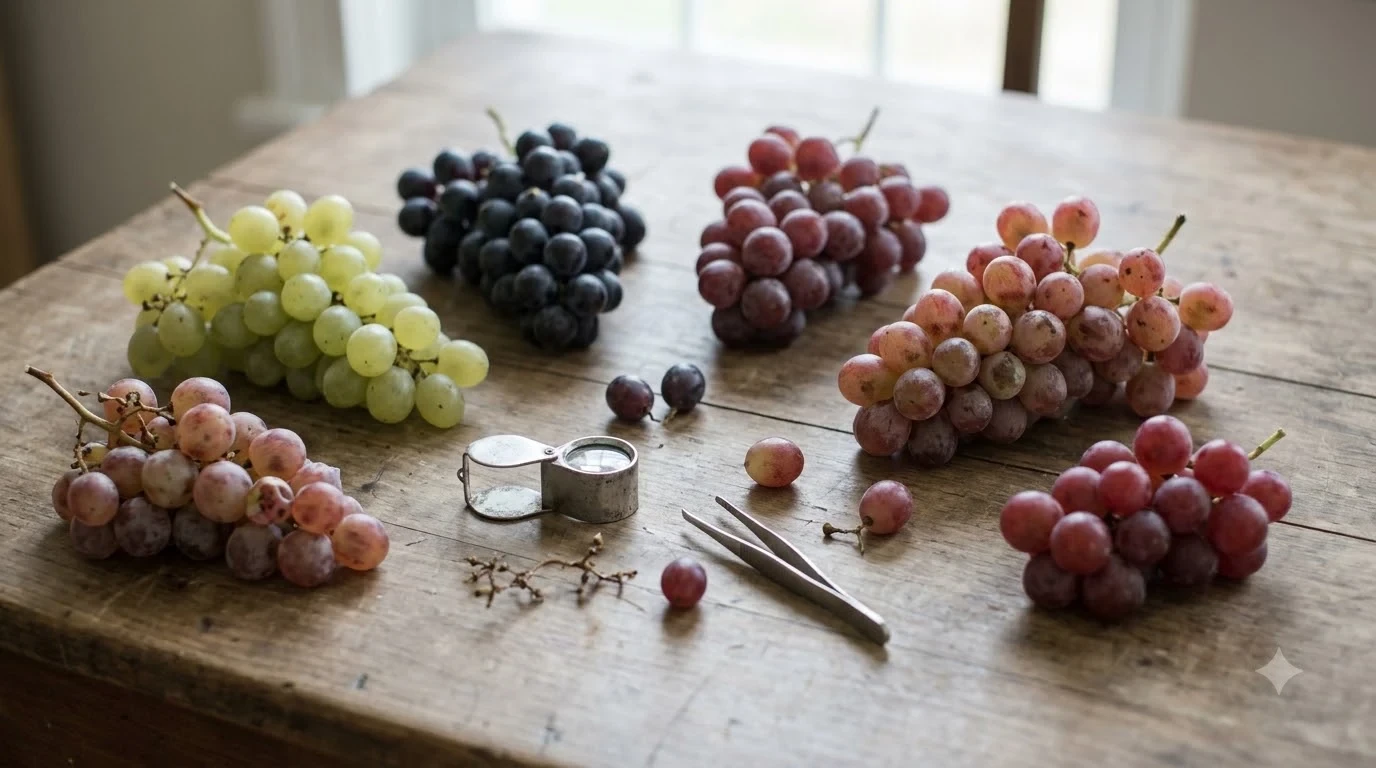
Pauillac wine grapes are six authorized red varieties, led by Cabernet Sauvignon and supported by Merlot, Cabernet Franc, Petit Verdot, Malbec, and Carmenère. Together, these grapes create some of Bordeaux’s most recognizable wines, known for dark fruit, firm tannins, cedar-like aromas, and impressive aging potential. Cabernet Sauvignon provides the foundation, while the other varieties contribute fruit, freshness, color, and complexity. Understanding their individual roles makes it easier to appreciate why Pauillac wines taste the way they do.
Pauillac sits in the Médoc on Bordeaux’s Left Bank, where gravelly vineyard terraces and a temperate maritime climate favor Cabernet Sauvignon. Its famous estates, including Château Lafite Rothschild, Château Latour, and Château Mouton Rothschild, have helped establish the appellation’s reputation for structured red blends. Although Cabernet Sauvignon dominates most vineyards, the smaller contributions of other varieties are essential to the finished wine. Here is how each grape works, what flavors it contributes, and what wine drinkers should expect from a bottle of Pauillac.
The Six Authorized Grape Varieties in Pauillac
Pauillac permits six red grape varieties, although Cabernet Sauvignon and Merlot account for most of the plantings and blending volume. Cabernet Franc, Petit Verdot, Malbec, and Carmenère are additional authorized varieties that provide winemakers with more options for balancing structure, fruit, and aromatic complexity.
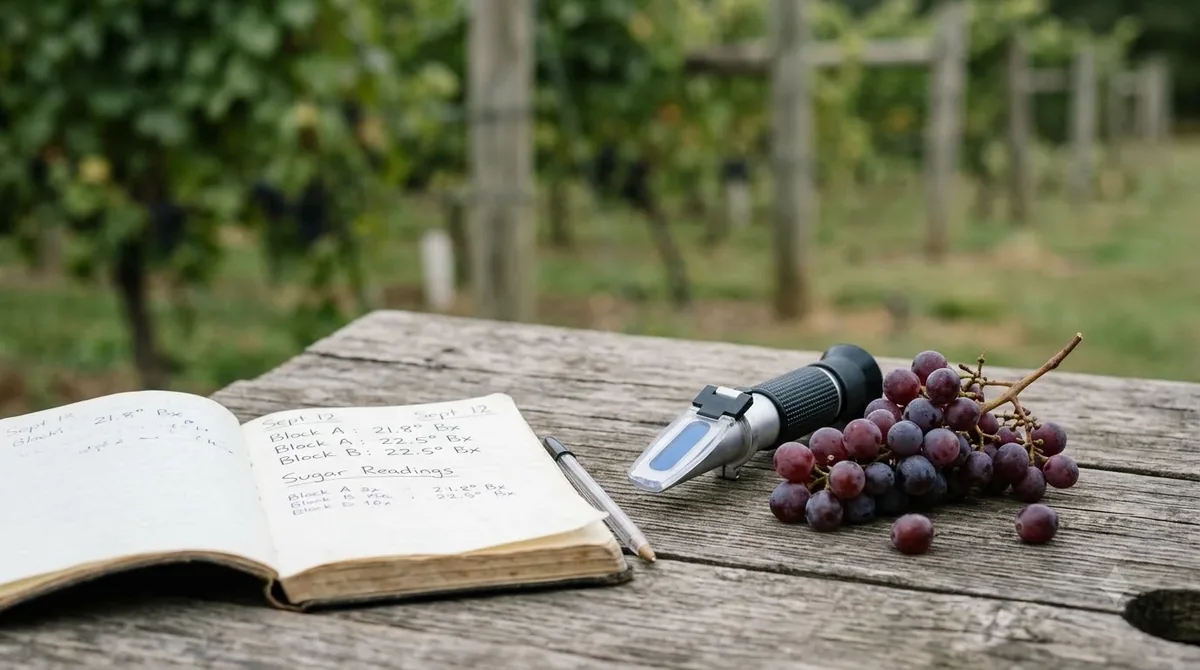
The Institut National de l’Origine et de la Qualité (INAO) identifies Cabernet Sauvignon, Cabernet Franc, Merlot, and Petit Verdot among the principal varieties associated with the appellation. The official specifications also recognize Carmenère and Cot, the French name for Malbec. These rules matter because a wine carrying the Pauillac appellation must follow its geographical and production requirements rather than simply use the name as a general description of Bordeaux-style red wine. The INAO’s Pauillac appellation information provides the official regulatory context for these varieties.
The six varieties have different growing characteristics and winemaking functions. Cabernet Sauvignon is particularly suited to the gravelly Left Bank, while Merlot provides a fruitier counterpoint. Cabernet Franc can add aromatic lift, Petit Verdot contributes color and structure, and the less common Malbec and Carmenère offer additional blending possibilities.
| Grape variety | Main contribution | Typical flavor associations | Role in Pauillac |
|---|---|---|---|
| Cabernet Sauvignon | Structure and tannin | Blackcurrant, cedar, mint | Dominant foundation |
| Merlot | Roundness and fruit | Plum, strawberry, blackberry | Softens the blend |
| Cabernet Franc | Aromatic complexity | Raspberry, redcurrant, violet | Supporting component |
| Petit Verdot | Color and tannin | Blueberry, dark fruit, coffee | Small blending component |
| Malbec | Color and fruit intensity | Blackberry, plum, dark fruit | Permitted minor variety |
| Carmenère | Color and aromatic character | Dark fruit, herbal and spicy notes | Permitted minor variety |
These flavor descriptions are general varietal associations, not guarantees that every bottle will show all six profiles. Growing conditions, harvest timing, fermentation, oak aging, and the proportions used in the final blend influence the finished wine. Two Pauillac wines can therefore taste quite different even when Cabernet Sauvignon is the leading grape in both.
Another important distinction is that authorized does not mean equally common. Cabernet Sauvignon and Merlot dominate commercial production, while the other four varieties are generally used in smaller quantities. Some wines may contain only two or three varieties, while others draw on a broader selection of estate-grown grapes.
For a wider comparison of grape-growing traditions around the world, the Wine Regions resource provides useful geographical context. Pauillac is a particularly clear example of how a small group of permitted varieties can develop a recognizable regional identity.
Cabernet Sauvignon: The Foundation of Pauillac Wine
Cabernet Sauvignon is the most important grape in Pauillac and provides the structure that defines the appellation’s classic red wines. At Château Batailley, for example, Decanter reports that Cabernet Sauvignon represents approximately 70% to 80% of vineyard plantings, illustrating the variety’s importance in traditional Pauillac viticulture.
The grape performs especially well on the Médoc’s gravelly soils. These soils drain efficiently, allowing vines to establish deep root systems while the stones help regulate ground temperature. Cabernet Sauvignon is a relatively late-ripening variety, and the warmer, well-drained conditions of suitable Left Bank sites can help it reach maturity.
In the finished wine, Cabernet Sauvignon contributes several defining characteristics:
- Dark fruit: Blackcurrant, cassis, and blackberry are common associations.
- Firm tannins: These create a drying sensation in the mouth and give the wine its substantial structure.
- Freshness: Acidity helps balance concentrated fruit and supports development during bottle aging.
- Herbal and savory aromas: Mint, cedar, graphite-like impressions, and sometimes tobacco contribute complexity.
- Longevity: Its combination of tannin, acidity, and concentrated fruit helps many well-made examples develop over time.
According to INAO, Cabernet Sauvignon contributes blackcurrant, mint, and cedar aromas to Pauillac. These characteristics help explain why the appellation is often associated with a distinctive combination of dark fruit and savory complexity.
Young Cabernet Sauvignon-dominant Pauillac can feel firm and compact. The tannins may initially dominate the fruit, especially in wines from concentrated vintages or estates that favor a traditional style. With bottle age, the texture can become more integrated, and the fruit may develop alongside secondary aromas associated with cedar, earth, tobacco, and dried leaves.
Cabernet Sauvignon also provides consistency across different blending decisions. A winemaker can adjust Merlot or Petit Verdot proportions while retaining a recognizable structural foundation. This is one reason the grape remains central to the identity of the appellation.
It is useful to distinguish Pauillac’s dominant grape from the character of the finished wine. A high percentage of Cabernet Sauvignon does not automatically mean a wine will be harsh or excessively tannic. Vineyard conditions, fruit maturity, extraction, oak treatment, and bottle age all influence how that structure is perceived.
Merlot, Cabernet Franc, and Petit Verdot in the Blend
Merlot, Cabernet Franc, and Petit Verdot perform different supporting roles in Pauillac. Merlot adds roundness and fruit, Cabernet Franc brings aromatic complexity, and Petit Verdot contributes color and additional tannic weight, allowing winemakers to shape the final balance.
Merlot: fruit and roundness
Merlot is usually the second most important variety in Pauillac. Although it is commonly associated with Bordeaux’s Right Bank, where it can dominate blends, it is also essential to Left Bank wines. Its earlier-ripening character offers a useful alternative to Cabernet Sauvignon, particularly in seasons when the later-ripening variety faces difficult weather.
INAO associates Merlot with strawberry, raspberry, and blackberry aromas. It generally has softer, more approachable tannins than Cabernet Sauvignon, making it useful for balancing a firm blend. It can also contribute plum-like fruit, a fuller mid-palate, and a smoother impression in the finished wine.
Merlot does not simply make Pauillac sweeter or less structured. It remains a dry red wine, and its fruit character works alongside Cabernet Sauvignon’s tannins and acidity. The result can be a wine that feels more complete and balanced without losing its Left Bank identity.
Cabernet Franc: freshness and aromatic detail
Cabernet Franc generally appears in smaller proportions than Cabernet Sauvignon and Merlot. It is valued for its aromatic contribution, with INAO identifying raspberry, redcurrant, and violet-like characteristics. Depending on growing conditions and ripeness, the grape can also show herbal and floral notes.
Its contribution is particularly useful when a blend needs additional aromatic detail rather than simply more weight. Cabernet Franc can help connect the darker fruit of Cabernet Sauvignon with the softer fruit profile of Merlot. Its relatively delicate character means that its influence can be noticeable even when it forms only a small percentage of the final blend.
Petit Verdot: color and intensity
Petit Verdot is another traditional Bordeaux blending variety. It ripens late and is often used in limited amounts, partly because successful ripening depends on suitable seasonal conditions. Its thick skins and naturally substantial tannins make it useful for increasing the color and structure of a red blend.
INAO associates Petit Verdot with blueberry and coffee aromas. Dark fruit, spice, and a firmer finish may also appear depending on the wine’s maturity and production choices. Too much Petit Verdot can make a blend feel overly firm, so the winemaker must consider how its tannins interact with Cabernet Sauvignon.
These three varieties illustrate why blending is more complicated than selecting the strongest grape and adding smaller quantities of everything else. Each component must contribute something useful to the finished wine. The desired balance depends on the vineyard, the vintage, and the character of the fruit available at harvest.
Malbec and Carmenère: The Lesser-Known Pauillac Grapes
Malbec and Carmenère are authorized Pauillac varieties, but they are much less prominent than Cabernet Sauvignon and Merlot. Their presence in the appellation’s regulations is important because it demonstrates that Pauillac’s traditional grape identity is broader than the four varieties most commonly discussed.
Malbec: a Bordeaux variety with a wider reputation
Malbec is known in France as Cot and is included among Pauillac’s permitted red grapes. Today, many American wine drinkers associate Malbec more strongly with Argentina, particularly the wines produced in Mendoza. However, the variety has a long history in southwestern France and remains part of Bordeaux’s broader viticultural heritage.
In a red blend, Malbec can contribute deep color, dark fruit, and a substantial palate. Its fruit associations commonly include blackberry, plum, and black cherry. Depending on the growing environment and ripeness, it can also bring a more savory character.
Malbec’s presence does not mean that Pauillac should taste like a typical Argentine Malbec. The climate, soils, vineyard practices, and blending decisions are different. In Pauillac, the variety is permitted as a supporting option rather than the principal grape that defines the appellation.
Carmenère: an old Bordeaux connection
Carmenère is another permitted variety with historical connections to Bordeaux. It became much more closely associated with Chile after its rediscovery and development in South American vineyards. It is now particularly recognized for its dark fruit, herbal character, and sometimes distinctive peppery notes.
In Pauillac, Carmenère is a minor variety rather than a major component of the region’s commercial identity. Its possible contribution includes color, dark fruit, and additional aromatic complexity. Its precise influence depends on how successfully the grapes ripen and how the winemaker incorporates them into the final blend.
Neither variety should be assumed to appear in every Pauillac bottle. The permitted list defines what producers can use under the appellation rules, not a mandatory recipe. A wine made primarily from Cabernet Sauvignon and Merlot can be entirely representative of Pauillac without containing any Malbec or Carmenère.
Tip: Do not assume that all six authorized varieties appear on every Pauillac label. The appellation allows several blending choices, and producers can make excellent wines using different combinations. If a bottle’s technical information lists the grape percentages, use those figures to understand the individual wine rather than relying on a regional average.
This distinction is helpful when comparing Pauillac with other French wine regions. For example, the varieties associated with orange wine grapes can include white grapes used in a completely different production style. Pauillac, by contrast, is a red-wine appellation with a specific set of permitted red varieties.
How Pauillac’s Gravel Soils and Climate Shape Its Grapes
Pauillac’s gravelly terraces and temperate maritime climate help explain why Cabernet Sauvignon dominates the vineyard landscape. The combination of well-drained soils, river influences, and suitable growing conditions favors structured red wines with concentrated fruit and substantial aging potential.
The appellation lies in the Médoc peninsula of the Gironde department, between Saint-Estèphe to the north and Saint-Julien to the south. The nearby Gironde estuary and Atlantic influences moderate temperatures, creating a temperate oceanic climate. This geographical setting is important for late-ripening varieties that need sufficient time to develop mature flavors.
Féret describes Pauillac’s northern and southern vineyard areas as gravelly rises, with Garonne gravels that are often mixed with sand. These soils generally drain well and can encourage deep vine rooting. In some locations, the subsoil includes alios, a hardened layer associated with iron-rich deposits, while other sites contain marl or calcareous material.
Gravel is particularly valuable for Cabernet Sauvignon. Its drainage properties can reduce excessive water retention, while the stones absorb warmth during the day and release it later. This can help support ripening in a maritime environment where rainfall and cooler conditions may otherwise complicate the growing season.
However, not every Pauillac vineyard has exactly the same soil profile. Gravel depth, sand content, underlying clay, and proximity to the estuary can differ between individual parcels. These variations help explain why neighboring estates can produce wines with different textures and fruit profiles despite using similar grape varieties.
The appellation also has strict vineyard-management requirements. Its official specifications establish a minimum planting density of 7,000 vines per hectare. They also set a maximum distance of 1.50 meters between rows and a minimum distance of 0.80 meters between vines in a row.
High planting density encourages competition between vines for resources. In suitable conditions, this can help control excessive vegetative growth and support concentrated fruit. However, density alone does not determine wine quality. Rootstock, vine age, pruning, canopy management, soil conditions, and seasonal weather remain important factors.
For Cabernet Sauvignon, the ability to achieve full ripeness is particularly significant. Under-ripe fruit can produce more noticeable green or herbaceous flavors and firmer tannins. When the grapes reach a suitable level of maturity, the resulting wine is more likely to show the expected blackcurrant fruit, integrated tannins, and savory complexity.
Merlot benefits from a slightly different set of conditions because it ripens earlier. Its performance can therefore complement Cabernet Sauvignon in variable seasons. Rather than treating the entire vineyard as one uniform environment, producers can harvest individual parcels at different times according to each grape variety’s maturity.
To learn more about the geographical differences between appellations, compare Pauillac with the broader Pauillac wine region profile. The relationship between soil, climate, and grape selection is also useful when comparing Bordeaux with New World regions such as those producing Texas wine grapes.
How the Grape Blend Influences Pauillac Flavor and Aging
The proportions of Cabernet Sauvignon, Merlot, and supporting varieties influence how a Pauillac wine feels, smells, and develops over time. A Cabernet Sauvignon-heavy blend generally emphasizes firm tannins and dark fruit, while additional Merlot can create a rounder impression and smaller quantities of other grapes add aromatic and structural detail.
There is no single mandatory percentage formula for every producer. The final blend depends on the estate’s vineyards, the growing season, and the winemaker’s objectives. Even within one château, the proportions can change from one vintage to another as the quality and maturity of individual vineyard parcels vary.
Château Batailley provides a useful illustration. Decanter describes its vineyard plantings as approximately 70% to 80% Cabernet Sauvignon, with much of the remaining area planted to Merlot and smaller quantities of Cabernet Franc and Petit Verdot. The combined contribution of the latter two varieties is reported at approximately 1% to 4% of plantings.
These figures describe one estate’s vineyard composition, not a compulsory recipe for the whole Pauillac appellation. They nevertheless demonstrate how a typical Cabernet Sauvignon-led approach can leave room for other varieties without changing the wine’s fundamental identity. Decanter’s Château Batailley profile provides further detail about this estate’s vineyard composition and production approach.
Understanding the structure of the finished wine
The most noticeable effect of Cabernet Sauvignon is often its tannin structure. Tannins create a drying, slightly grippy sensation, particularly in young wines. Merlot can soften the overall impression by contributing rounder fruit and less aggressive tannins, although it does not remove the structure provided by Cabernet Sauvignon.
Acidity also matters. A well-balanced red blend needs sufficient freshness to support its fruit and tannins. Cabernet Sauvignon can contribute that balance, while the other varieties influence how the acidity is perceived alongside fruit concentration and alcohol.
Oak aging adds another layer. Pauillac producers commonly use oak barrels to develop texture and complexity, with the amount of new oak varying between estates and wines. Cedar, spice, and toasted notes from oak can complement the natural blackcurrant and herbal characteristics of the grapes.
Château Batailley’s grand vin, for example, undergoes approximately 16 to 18 months of aging in French oak, with 55% to 60% new barrels, according to Decanter. Its second and third wines receive different oak treatments, illustrating how a producer can create different drinking styles from fruit grown within the same appellation.
Why bottle age matters
Young Pauillac often emphasizes concentrated black fruit, firm tannins, and a powerful structure. With time, these elements can integrate, creating a more layered aromatic profile. Fresh fruit notes may gradually develop alongside cedar, tobacco, earth, dried herbs, and other savory characteristics.
Not every Pauillac needs decades in the cellar. Less concentrated wines and approachable second labels may be enjoyable earlier, while more structured examples from strong vintages can benefit from extended aging. Storage conditions also matter: a stable environment near 55 degrees Fahrenheit, away from strong light and temperature fluctuations, is preferable for long-term bottle storage.
The important point is that grape varieties provide the raw material for aging, but they do not determine the exact drinking window on their own. Harvest maturity, vineyard quality, fermentation, extraction, oak, and vintage conditions all influence how the finished wine evolves.
Serving Pauillac and Pairing It With Food
Pauillac is best served slightly below typical room temperature, around 60 to 65 degrees Fahrenheit for a full-bodied red wine. Its Cabernet Sauvignon-led structure also makes it particularly suitable for rich, savory foods such as roast lamb, grilled beef, and slow-cooked dishes.
Serving temperature can change how the wine feels. If Pauillac is served too warm, its alcohol can seem more prominent and the fruit may appear heavier. If it is excessively cold, the tannins can feel harder and the aromas may become less expressive.
A practical approach is to chill the bottle briefly before serving if it has been stored in a warm room. Pour a small amount into a glass and allow the wine to open as it gradually warms. A standard serving is approximately 5 ounces, and a 750-milliliter bottle provides about five such glasses.
Food pairings for Cabernet Sauvignon-led wine
Protein-rich and savory dishes are natural companions for Pauillac. Fat and salt can soften the perception of tannins, helping the wine feel more balanced alongside a meal. Suitable pairings include:
- Roast lamb: Lamb is a classic Médoc pairing, and its savory richness works well with Cabernet Sauvignon’s structure.
- Grilled ribeye: The fat in ribeye helps soften tannins, while the browned crust complements cedar and dark fruit notes.
- Beef short ribs: Slow cooking creates tender meat and concentrated savory flavors that suit a structured red.
- Roast duck: The richer texture and savory character of duck work particularly well with the fruit and tannin balance of Merlot and Cabernet Sauvignon.
- Hard aged cheeses: Firm cheeses such as aged cheddar can provide enough salt and richness to complement the wine’s tannins.
Preparation matters as much as the main ingredient. A grilled steak with a savory crust will usually be more compatible than a dish dominated by hot chili sauce. Chili heat can be amplified by alcohol and tannin, making a structured Pauillac less comfortable alongside heavily spiced food.
Oily fish is another less suitable choice. Tannic red wine can clash with the texture and flavors of oily fish, particularly when the dish is not prepared with a rich sauce or other ingredients that bridge the pairing. A lighter white wine is often a better match.
Decanting and glassware
Young, full-bodied Pauillac can benefit from decanting for approximately 30 to 60 minutes. Exposure to air can help some wines become more expressive, allowing dark fruit and savory aromas to emerge while the wine’s initial tightness becomes less pronounced.
Older bottles require more care. Their sediment may need to be separated from the wine, and extended aeration is not always beneficial. A mature bottle can lose its delicate aromas if it remains exposed to air for too long.
Choose a large red-wine glass with enough room to allow the aromas to develop. You do not need expensive specialist equipment to appreciate Pauillac, but a clean glass and suitable serving temperature make a meaningful difference.
Frequently Asked Questions
Is Pauillac always a blend of different grape varieties?
No. Pauillac is known for blended wines, but its production rules do not require every permitted variety to appear in each bottle. A producer can make a wine using a combination such as Cabernet Sauvignon and Merlot without including Cabernet Franc, Petit Verdot, Malbec, or Carmenère. The final composition depends on the producer’s vineyard holdings and winemaking decisions.
Can Pauillac wine contain white grapes?
No. The Pauillac appellation is reserved for still red wines, and its authorized grape varieties are red varieties. A white wine produced by an estate in the geographical area cannot simply be sold under the Pauillac red-wine appellation. It must qualify under a different applicable designation.
What does the French term Cot mean on a wine document?
Cot is another name for Malbec, the same grape variety recognized internationally for its Argentine wines. The French appellation specifications use Cot when identifying this permitted variety. It is not a separate grape from Malbec, and the two names refer to the same variety.
Are Pauillac grapes harvested at the same time?
No. Different varieties and vineyard parcels reach their ideal maturity at different times. Merlot generally ripens earlier than Cabernet Sauvignon, while late-ripening varieties such as Petit Verdot can require a longer growing season. Harvest teams therefore assess individual parcels rather than treating the entire vineyard as ready on one date.
Does the 1855 classification determine which grapes a Pauillac estate can grow?
No. The 1855 classification ranks eligible Bordeaux estates rather than establishing their permitted grape varieties. Appellation regulations govern which varieties may be used in Pauillac wine. The classification includes 18 classified growths in Pauillac, among them three First Growth estates, but classification status does not dictate a specific blending percentage.
Pauillac’s reputation rests on the relationship between its gravelly vineyards and its Cabernet Sauvignon-centered red blends. Merlot, Cabernet Franc, Petit Verdot, Malbec, and Carmenère provide additional options that help producers create wines with distinctive fruit, structure, and complexity. Once you understand what each grape contributes, comparing Pauillac estates and vintages becomes much more rewarding.
More in Wine Regions
 Willcox Wine Trail: Discover Arizona’s High-Elevation Wine CountryUpdated Nov 20, 2026
 Yakima Valley Wine Region: Find the Best Styles to TryUpdated Nov 20, 2026
 Vosne Romanee Wine Tasting: Identify Aromas and Choose Better PairingsUpdated Nov 20, 2026
 Yakima Valley Wine Festival: Find the Best Seasonal Wine EventsUpdated Nov 20, 2026
 Wales Vineyards: Discover Cool-Climate Wines and Where to VisitUpdated Nov 20, 2026
 Yountville Wine Festival: Discover Napa Wines and Local FoodUpdated Nov 20, 2026