

We may earn a commission when you buy through links on this page, at no extra cost to you. Learn more.
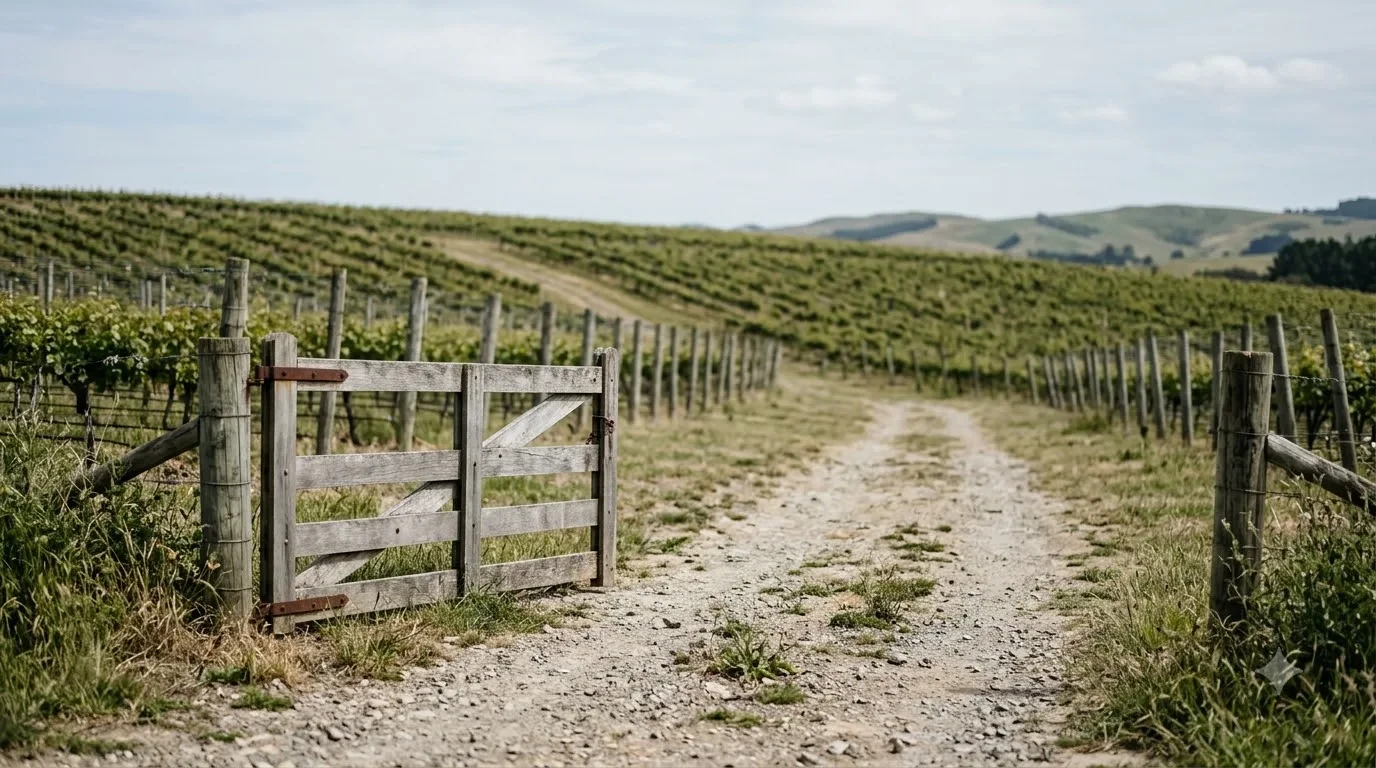
Pauillac vineyards are located on Bordeaux’s Left Bank along the Gironde Estuary in the northern Médoc, where gravel-rich soils produce some of France’s most celebrated Cabernet Sauvignon-based red wines. Covering approximately 1,220 hectares, this historic appellation is home to 18 classified growths, including Château Lafite Rothschild, Château Latour and Château Mouton Rothschild. Its combination of maritime climate, deep gravel terraces and traditional Bordeaux blending gives Pauillac wines their characteristic structure, blackcurrant fruit, cedar aromas and impressive aging potential.
Few wine-growing areas have such a strong connection between geography, grape variety and reputation as Pauillac. The vineyards occupy a relatively compact stretch of the Médoc, yet their wines have influenced how collectors, sommeliers and wine enthusiasts understand classic Bordeaux. Exploring Pauillac means looking beyond famous château labels to understand the land, individual vineyard parcels, grape-growing conditions and winemaking decisions that shape every bottle.
Where Pauillac Vineyards Are Located and How Large They Are
Pauillac occupies the Left Bank of the Gironde Estuary in the northern Médoc, approximately 40 kilometers north of Bordeaux. Its position between Saint-Estèphe and Saint-Julien places it within one of the most important concentrations of Cabernet Sauvignon vineyards in France.
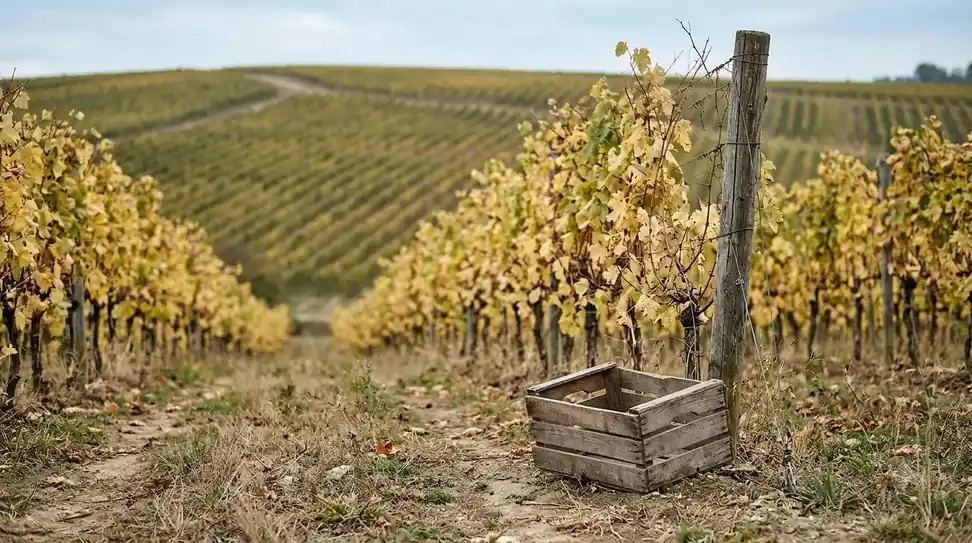
The appellation centers on the town of Pauillac, where vineyards extend across gently rolling terrain toward the estuary and inland Médoc countryside. According to Bordeaux.com, the appellation contains approximately 1,220 hectares of planted vines and accounts for 7.5% of the Médoc’s vineyard area. Its relatively compact geography makes it easier to understand the relationship between neighboring estates, although individual properties can have substantially different soil compositions and vineyard exposures.
The appellation was officially established in 1936. Bordeaux.com identifies 47 winegrowers, encompassing independent châteaux, estates and cooperative production. The area is bordered by Saint-Estèphe to the north and Saint-Julien to the south, with the Gironde providing an important geographical and climatic influence.
According to the Bordeaux appellation profile, Pauillac has 18 classified growths in the 1855 classification, including three First Growth properties. Its vineyards form part of a landscape where the estuary, gravel terraces and surrounding Médoc countryside all contribute to local growing conditions.
The appellation’s proximity to the estuary is particularly important. Water moderates temperature fluctuations, helping nearby vineyards avoid some of the more severe effects of spring frost and summer heat. The landscape also includes different gravel terraces, gentle slopes and underlying geological formations, creating meaningful variations between vineyard sites.
For readers comparing established wine regions, Pauillac offers an interesting contrast with the southern hemisphere’s maritime growing areas. The Tasmania vineyards experience a different combination of latitude, ocean influence and grape-growing conditions, while Pauillac’s identity is closely tied to the Gironde and its ancient gravel deposits.
Gravel Soils, Drainage and the Pauillac Terroir
Gravel is the defining feature of Pauillac’s vineyard landscape. These deposits provide excellent drainage, influence soil temperature and create growing conditions particularly favorable to Cabernet Sauvignon.
The gravel terraces developed through geological processes involving rivers and sediment deposits over millions of years. The Garonne and other waterways transported gravel, pebbles and sand into the broader Gironde basin. Over time, these materials formed layers across the Médoc, creating the distinctive rounded elevations known locally as gravel ridges or croupes.
According to Château Pichon Baron, the appellation’s soils contain large pebbles and sand associated with Quaternary gravel deposits. The upper layers drain efficiently, while the composition of the underlying subsoil helps retain water that can support vine roots during drier periods. This combination matters because vines need access to moisture without remaining in excessively wet soil.
Gravel also absorbs warmth during daylight hours and releases some of that heat after sunset. Cabernet Sauvignon ripens relatively late, so the additional warmth can help grapes reach maturity in a climate influenced by the Atlantic Ocean.
How different soil components influence the vines
Although gravel dominates the regional identity, Pauillac is not composed of identical vineyard soils. Sand, clay and limestone also contribute to the character of individual sites.
- Gravel: Promotes drainage, limits excessive water retention and helps store warmth. Deep gravel terraces are especially important for Cabernet Sauvignon.
- Sand: Changes soil texture and drainage characteristics. Sandy layers can influence how quickly water moves through the root zone.
- Clay: Retains more moisture than gravel and sand. Clay beneath gravel can contribute to different growing conditions and wine textures.
- Limestone: Appears in deeper geological layers and influences the underlying soil structure of certain vineyard sites.
These components are not distributed evenly. Two neighboring estates can have different proportions of gravel and clay, resulting in differences in vine development, harvest timing and blending decisions.
The distinctions are visible in the vineyards of Château Lafite Rothschild and Château Latour. Decanter describes Lafite’s vineyard as containing deep gravel, aeolian sands and limestone subsoil, while Latour’s soils have more clay beneath the gravel. These differences help explain why their wines can have distinct textures despite sharing the same appellation.
Soil alone does not determine wine quality. Rootstock, vine age, vineyard management, weather and harvest decisions also matter. However, Pauillac’s geological foundations provide a useful starting point for understanding why Cabernet Sauvignon has become the region’s defining variety.
Tip: When comparing Pauillac wines, pay attention to the producer and vineyard location rather than relying only on the appellation name. Differences in gravel depth, clay content and vineyard exposure can produce noticeably different expressions of Cabernet Sauvignon.
Cabernet Sauvignon and the Grapes Grown in Pauillac
Cabernet Sauvignon dominates Pauillac’s vineyards and provides the structure that defines the region’s red wines. Merlot, Cabernet Franc and Petit Verdot complement it in traditional Bordeaux blends, contributing different textures, aromas and flavor characteristics.
Decanter estimates that Cabernet Sauvignon accounts for approximately 62% of Pauillac’s vineyard plantings. This proportion reflects the suitability of the region’s gravel soils and maritime conditions for a grape that needs a relatively long growing season to ripen fully.
Cabernet Sauvignon contributes blackcurrant, dark cherry and sometimes cassis-like fruit aromas. Its naturally high tannin content creates a firm framework, while its acidity helps preserve freshness and supports extended bottle aging. In Pauillac, these characteristics are frequently accompanied by cedar, graphite and tobacco-like notes as the wine develops.
The four principal red grape varieties
- Cabernet Sauvignon: The dominant grape, responsible for much of the wine’s structure, dark fruit character and aging potential.
- Merlot: Adds a softer texture, medium tannins and ripe plum or black cherry flavors. It can help balance Cabernet Sauvignon’s firmer structure.
- Cabernet Franc: Contributes aromatic complexity, freshness and additional layers of red fruit and herbal character.
- Petit Verdot: Often used in smaller proportions, adding color, concentrated fruit and firm tannins to the finished blend.
The proportions vary from château to château. There is no single mandatory recipe that every producer follows, and the final blend reflects each estate’s vineyard conditions and the characteristics of a particular harvest.
Château Pichon Baron provides a useful example of how vineyard composition influences estate identity. Its published planting breakdown is 66% Cabernet Sauvignon, 28% Merlot, 5% Cabernet Franc and 1% Semillon. Although Semillon is traditionally associated with white Bordeaux wines, its presence in this particular estate’s vineyard illustrates that planting information and the grape varieties permitted for a particular wine are not necessarily identical.
Château Pichon Baron also divides its vineyard into separate plots, giving individual attention to the characteristics of each parcel. Its Butte de Pichon Baron, an historic vineyard area already in use in 1694, is reserved for the estate’s Grand Vin.
This parcel-based approach is important because grapes from different sections of an estate can ripen at different rates. Cabernet Sauvignon growing on a particularly warm gravel ridge may reach maturity at a different time from Merlot growing in a soil with greater moisture retention. Harvesting and fermenting parcels separately allows winemakers to evaluate their characteristics before deciding how to blend them.
Historic Châteaux and the 1855 Bordeaux Classification
Pauillac is especially famous for its concentration of classified Bordeaux estates. Three of the five First Growth properties in the 1855 Médoc classification are located here, making the appellation one of the most recognizable names in fine wine.
The three First Growth estates are Château Lafite Rothschild, Château Latour and Château Mouton Rothschild. Their presence has played a major role in Pauillac’s international reputation, but the region’s quality extends beyond these celebrated names.
The three First Growth estates
Château Lafite Rothschild is particularly associated with finesse, aromatic complexity and a high proportion of Cabernet Sauvignon. Decanter describes its vineyard as covering 112 hectares, with deep gravel, aeolian sand and limestone subsoil. Its blends commonly contain approximately 80% to 90% Cabernet Sauvignon, although proportions vary according to the vintage.
Château Latour is recognized for powerful, structured wines with considerable aging potential. Decanter reports that its blends contain at least 90% Cabernet Sauvignon. The estate’s famous l’Enclos vineyard benefits from its position near the Gironde, while clay beneath the gravel contributes to its distinctive vineyard conditions.
Château Mouton Rothschild is known for rich fruit, depth and expressive aromas that can include cedar and cigar box. Its vineyard covers approximately 83 hectares, with more than 80% planted to Cabernet Sauvignon according to Decanter. The estate became a First Growth in 1973, an important change to the established 1855 hierarchy.
Other important Pauillac properties
Beyond the three First Growth estates, Château Pichon Baron and Château Pichon Comtesse are important Second Growth properties. Their wines are frequently discussed among the leading examples of Pauillac, with Pichon Baron generally associated with depth and power and Pichon Comtesse with elegance and finesse.
Other notable classified estates include Château Lynch-Bages, Château Grand-Puy-Lacoste, Château Pontet-Canet, Château Clerc Milon and Château d’Armailhac. Their individual styles demonstrate that Pauillac cannot be reduced to the characteristics of its three most famous properties.
Château Lynch-Bages, for example, has a 100-hectare vineyard according to Decanter. Its Cabernet Sauvignon-based wines have become particularly recognizable for their combination of concentrated fruit and firm structure.
Château Pontet-Canet is another important name because of its commitment to organic and biodynamic viticulture. Decanter reports that the property has held certifications for both approaches since the 2010 vintage.
The 1855 classification remains a useful historical reference, but it should not be treated as a complete measure of current wine quality. Vineyard management, winemaking precision and vintage conditions all influence the wine in the bottle. A less famous château can produce an excellent Pauillac, while a prestigious label still reflects the particular strengths and limitations of its growing season.
Maritime Climate, Vineyard Conditions and Vintage Differences
Pauillac has a temperate maritime climate influenced by the Atlantic Ocean and the Gironde Estuary. These geographical features help moderate temperatures, while seasonal rainfall and sunshine influence how successfully Cabernet Sauvignon ripens.
The estuary plays a particularly important role in reducing temperature extremes. Vineyards near the water can benefit from greater climatic moderation during spring and summer, helping limit the impact of some frost events and periods of excessive heat.
According to Decanter, Pauillac’s gravel ridges rise approximately 3 to 30 meters above sea level. Their position and exposure influence drainage, airflow and the relationship between vineyard parcels and the estuary.
The maritime climate also creates challenges. Rainfall during the growing season can increase disease pressure, while wet weather close to harvest can complicate decisions about picking dates. Cabernet Sauvignon requires sufficient time to develop mature tannins, so producers must balance the benefits of additional ripening against the risks of unfavorable weather.
Why vintage conditions matter
Vintage variation is an important consideration when buying Pauillac. A warm, relatively dry growing season can produce ripe fruit, substantial body and mature tannins. Cooler conditions or rain around harvest can result in different levels of concentration, acidity and tannin maturity.
These differences do not necessarily mean that one vintage is universally better than another. A producer with careful vineyard management may make balanced wines in a challenging year, while a celebrated vintage can still produce bottles that require substantial aging.
Several factors influence the finished wine:
- Spring temperatures: Affect bud development and the risk of frost damage.
- Summer rainfall: Influences water availability and the rate of grape development.
- Late-season sunshine: Helps Cabernet Sauvignon develop ripe flavors and tannins.
- Harvest rainfall: Can influence berry condition, picking decisions and fruit concentration.
- Vineyard exposure: Changes the amount of sunlight and warmth available to individual parcels.
Producers can also respond to vintage differences by adjusting the proportions of their blends. A parcel that performs exceptionally well in one growing season may play a smaller role in another. Selective harvesting and separate fermentation help estates maintain their preferred house styles while respecting the characteristics of each harvest.
For wine enthusiasts, understanding vintage conditions is especially useful when buying bottles intended for long-term cellaring. A wine with firm tannins and concentrated fruit may need several years to become approachable, while a more accessible vintage may offer enjoyable drinking earlier.
What Pauillac Wines Taste Like and How to Enjoy Them
Pauillac wines are generally full-bodied, dry red wines with concentrated dark fruit, firm tannins and refreshing acidity. Their signature combination of Cabernet Sauvignon structure, gravel-influenced vineyard conditions and careful blending gives them both immediate aromatic complexity and the capacity to develop in the bottle.
Young Pauillac commonly shows blackcurrant, blackberry, black cherry and dark plum. Cedar, graphite, tobacco and licorice can provide additional complexity. With bottle age, the fruit can become more integrated, while earthy, savory and cigar-box characteristics become increasingly noticeable.
The tannin level is one of the most important features of the style. Cabernet Sauvignon has high tannin, which contributes to the wine’s firm mouthfeel and helps explain why many Pauillac bottles benefit from aging. Merlot can soften the blend, while Cabernet Franc and Petit Verdot contribute additional aromatic and structural elements.
Serving temperature and decanting
Serving temperature can make a meaningful difference to how Pauillac tastes. Full-bodied red wines are generally best served between 60 and 65 degrees Fahrenheit. Excessive warmth can emphasize alcohol and make the wine seem heavier, while serving it too cold can suppress aromatic development and make tannins appear more pronounced.
Young, concentrated Pauillac wines may benefit from decanting for approximately 30 to 60 minutes. Exposure to air can help release aromas and soften the impression of tightly wound tannins. Older bottles require more care because extended aeration can diminish delicate developed aromas.
For a bottle with significant age, decanting should be guided by its condition rather than automatically applying the same procedure used for a young red. Separating sediment may be more important than giving the wine prolonged exposure to oxygen.
Food pairings for Pauillac
Cabernet Sauvignon’s firm tannins make Pauillac particularly suitable for foods containing protein and fat. These characteristics can soften the perception of tannin, while savory flavors complement the wine’s dark fruit and earthy notes.
Good pairings include:
- Roast lamb: A classic pairing, particularly with rosemary, garlic and roasted vegetables. Pauillac’s structure works well with the richness of lamb.
- Grilled steak: Ribeye, strip steak and other well-marbled cuts provide fat that softens tannin.
- Beef short ribs: Slow-cooked meat with concentrated savory flavors complements the wine’s depth.
- Duck breast: Roasted or pan-seared duck works particularly well with the dark fruit character of Cabernet Sauvignon-based blends.
- Aged hard cheese: Mature cheeses such as aged cheddar or Comté can provide enough richness and savory intensity to complement structured red wine.
- Mushroom dishes: Roasted mushrooms and mushroom-based sauces can complement the earthy and savory notes found in mature Pauillac.
Very spicy dishes are generally less suitable because alcohol and tannin can amplify chili heat. Oily fish can also clash with strongly tannic red wine. For a seafood meal, a different wine style is usually a more natural choice.
For readers interested in how different growing environments shape red wines, Uruguay vineyards provide another useful comparison. Uruguay’s maritime influences and Tannat-based wines create a different relationship between grape variety, tannin and regional identity.
Storage and bottle development
Proper storage helps preserve Pauillac’s structure and aromatic complexity. Bottles with natural cork closures are generally best stored horizontally, away from direct sunlight, with relatively stable temperatures close to 55 degrees Fahrenheit.
Temperature fluctuations are more damaging than a modest variation from the ideal storage temperature. A dark, stable environment helps limit premature development, while excessive warmth can accelerate aging and diminish freshness.
Young, structured Pauillac wines can require several years of bottle aging before their tannins become more integrated. Particularly age-worthy examples can develop for decades under suitable conditions, although drinking windows differ between estates, vintages and individual bottles.
Once opened, still red wines generally keep for approximately 3 to 5 days in the refrigerator when properly resealed. Bringing the wine gradually back toward its preferred serving temperature before pouring helps restore its aromas and texture.
Understanding Pauillac Labels, Classifications and Wine Selection
Choosing a Pauillac involves more than recognizing the appellation name. Understanding the château, the 1855 classification, the vintage and the distinction between a grand vin and a second wine helps buyers make more informed decisions.
The words Pauillac on a label identify the wine’s geographical appellation. The classification designation provides additional information about the historical standing of the estate, while the vintage identifies the harvest year. These details offer different kinds of information and should not be confused with one another.
First Growth, Second Growth and Fifth Growth labels
The 1855 classification ranks selected Bordeaux estates into different categories, traditionally called growths. First Growth is the highest historical category, followed by Second Growth, Third Growth, Fourth Growth and Fifth Growth.
Pauillac has 18 classified growths according to Bordeaux.com, including three First Growth estates. Its remaining classified properties include Second, Fourth and Fifth Growth châteaux.
The classification is useful for understanding historical reputation, but it does not establish that every bottle from a higher-ranked property will outperform every wine from a lower-ranked estate. Individual vintage quality, storage conditions and the producer’s decisions remain important.
Understanding second wines
Many established Pauillac châteaux produce a second wine using grapes from different vineyard parcels or selections that are not included in the grand vin. These wines provide another way to explore the estate’s winemaking identity.
Château Pichon Baron, for example, produces Les Tourelles de Pichon Baron and Les Griffons de Pichon Baron as second wines. Their existence reflects the estate’s selection process and the differences between vineyard parcels.
Second wines are not simply inferior versions of the main label. They can have their own character, blending proportions and drinking windows. Some are designed to be more approachable earlier, while others retain considerable structure.
A practical selection checklist
| Selection factor | What to look for | Why it matters |
|---|---|---|
| Appellation | Pauillac AOC | Identifies the wine’s geographical origin. |
| Classification | 1855 First to Fifth Growth | Provides historical estate context. |
| Main grape | Cabernet Sauvignon | Provides characteristic structure and tannin. |
| Vintage | Harvest year | Indicates the growing season behind the wine. |
| Wine category | Grand Vin or second wine | Identifies the estate’s different selections. |
| Drinking stage | Young or mature | Helps determine whether decanting or further aging is appropriate. |
| Storage history | Stable, cool conditions | Helps assess the bottle’s preservation. |
For a broader understanding of Bordeaux’s position among international wine-growing regions, the Wine Regions resource provides a useful starting point. Comparing regions can help clarify why Cabernet Sauvignon performs particularly well in Pauillac and why other places develop very different signature styles.
Ultimately, a thoughtful selection begins with the producer and vintage rather than the prestige of a label alone. A well-preserved bottle from a less famous classified château can offer an excellent introduction to Pauillac’s traditional style.
Frequently Asked Questions
Are Pauillac vineyards open to visitors?
Yes, several Pauillac estates welcome visitors through organized tours and tasting appointments. Château Lynch-Bages is particularly associated with wine tourism in the village of Bages, where visitors can also find hospitality and cultural facilities. Reservations are advisable because access arrangements differ between properties.
What does the word Pauillac mean on a French wine label?
Pauillac identifies a protected wine appellation rather than a grape variety or a particular château. It is part of France’s Appellation d’Origine Contrôlée system, which establishes geographical and production requirements. A Pauillac label therefore identifies a regulated regional origin, even when the producer is less internationally famous.
Are all Pauillac wines made from Cabernet Sauvignon?
No. Cabernet Sauvignon dominates the plantings, but traditional Pauillac blends can include Merlot, Cabernet Franc and Petit Verdot. The precise proportions differ between producers and harvests. Individual vineyard planting percentages should also not be confused with the composition of a finished wine.
What is the difference between Pauillac and Saint-Julien?
Both are Left Bank Médoc appellations, but they have different vineyard landscapes, estate histories and wine identities. Pauillac is particularly associated with Cabernet Sauvignon concentration, powerful tannins and three First Growth châteaux. Saint-Julien is also known for Cabernet-based blends, often with a reputation for balance and consistency across its classified estates.
What is the significance of the Médoc Marathon in Pauillac?
The Médoc Marathon is a distinctive annual running event that combines sport with local wine and food culture. Bordeaux.com describes tasting stations along the route where participants can encounter wine, cheese and oysters. Its celebration of regional products reflects the close relationship between Pauillac’s community, vineyard economy and wine tourism.
Pauillac’s reputation rests on more than famous château names. Its gravel terraces, maritime climate and Cabernet Sauvignon-dominated vineyards create a distinctive style that combines power, elegance and remarkable aging potential. Understanding the differences between its estates, soils and vintages makes exploring this historic Bordeaux appellation far more rewarding, whether choosing a first bottle or studying its most celebrated wines.
More in Wine Regions
 Willcox Wine Trail: Discover Arizona’s High-Elevation Wine CountryUpdated Nov 20, 2026
 Yakima Valley Wine Region: Find the Best Styles to TryUpdated Nov 20, 2026
 Vosne Romanee Wine Tasting: Identify Aromas and Choose Better PairingsUpdated Nov 20, 2026
 Yakima Valley Wine Festival: Find the Best Seasonal Wine EventsUpdated Nov 20, 2026
 Wales Vineyards: Discover Cool-Climate Wines and Where to VisitUpdated Nov 20, 2026
 Yountville Wine Festival: Discover Napa Wines and Local FoodUpdated Nov 20, 2026