

We may earn a commission when you buy through links on this page, at no extra cost to you. Learn more.
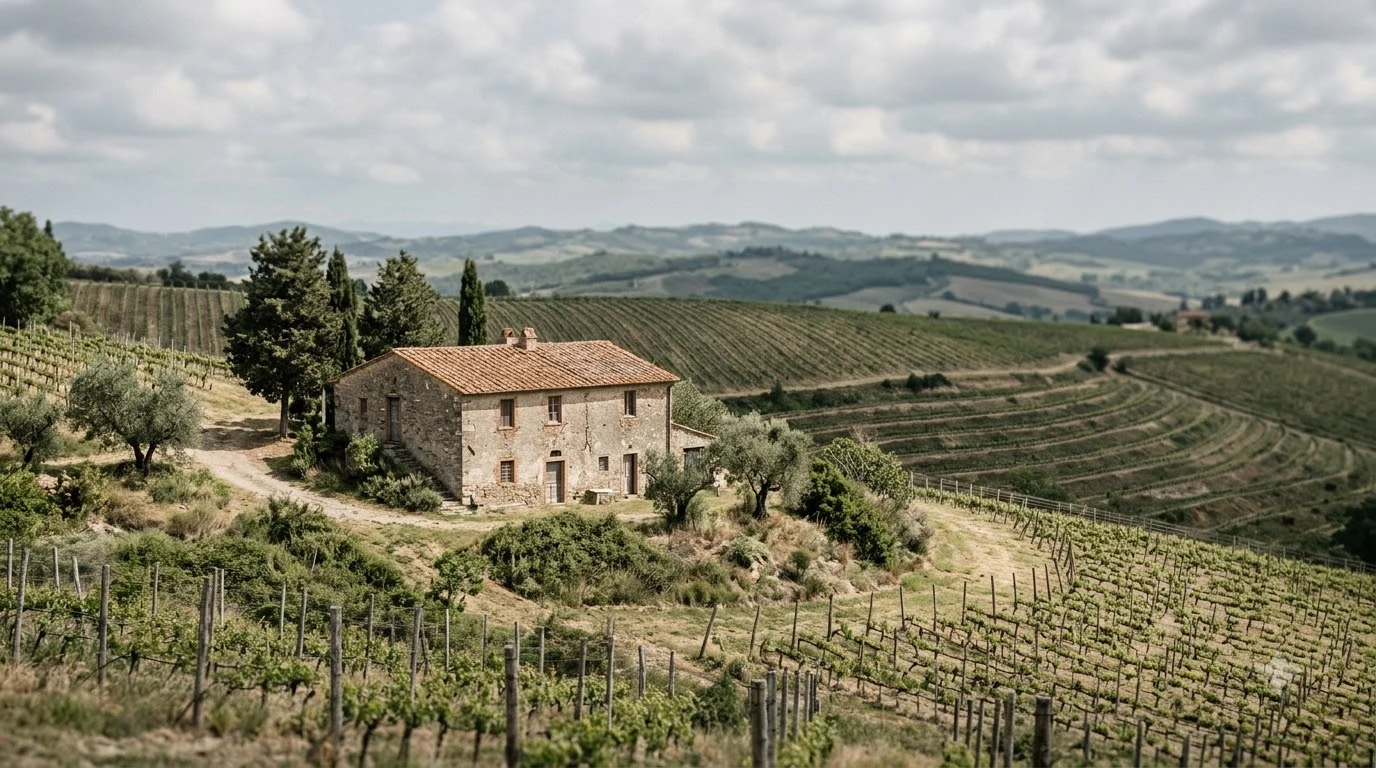
Orange Wine Country is centered on Georgia and the northern Adriatic borderlands of northeastern Italy and Slovenia, where white grapes are fermented with their skins to make textured, often amber-colored wines. Georgia preserves the best-known ancient qvevri tradition, while Friuli, Collio, Oslavia, and Slovenia’s Brda helped shape the style’s modern revival. Producers now make skin-contact whites in many wine regions, so the country of origin is a starting point rather than a guarantee of one flavor or method.
For wine drinkers, the most useful way to understand orange wine is to connect place, grape, and cellar practice. A bottle from Kakheti may reflect a long-standing village custom and months in buried clay, while one from Friuli or Brda may express a modern interpretation of local white grapes. The shared technique creates a family resemblance, but the regions tell different stories.
What Makes a Wine an Orange Wine?
Orange wine is white wine made with extended contact between the juice and grape skins, using a step more commonly associated with red winemaking. Skin contact can last from a few days to several months, changing the wine’s color, texture, aroma, and tannin.
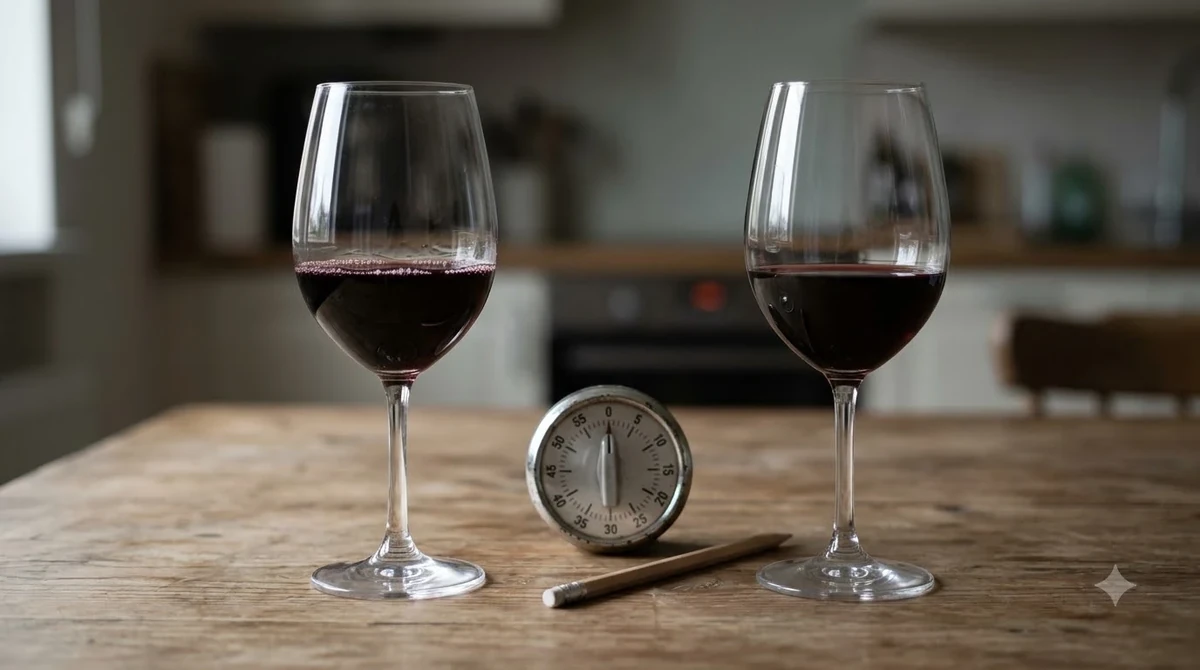
Conventional white wine is usually pressed and separated from its skins early. For an orange wine, crushed white grapes remain with their skins during fermentation, and sometimes afterward. Pigments and phenolic compounds create colors from pale gold and copper to deep amber. The name refers to the hue, not to oranges or citrus flavor.
Skin contact changes texture as well as color. A short maceration can add grip to familiar white-fruit flavors; a long one can bring firmer tannin, dried fruit, herbs, and savory notes. WSET describes a style that combines white-grape character with texture often associated with red wine. The Orange Wine Festival says maceration can range from a few days to half a year.
There is no single recipe. Producers may use stainless steel, wood, concrete, or clay, and may choose commercial or ambient yeast. Some filter the finished wine; others do not. Skin contact defines the style but does not establish whether a wine is organic, biodynamic, or made with minimal cellar additions.
Georgia and the Kakheti Qvevri Tradition
Georgia is the historic heartland most closely associated with amber wine, especially the eastern region of Kakheti and its buried qvevri vessels. The traditional method keeps white grapes in contact with skins and other grape solids through fermentation and an extended period of maturation.
A qvevri is an egg-shaped earthenware vessel used to ferment, age, and store wine, usually buried with its opening accessible in the cellar. Georgia’s National Wine Agency traces the tradition back roughly 8,000 years, and UNESCO inscribed the method on its Representative List of the Intangible Cultural Heritage of Humanity in 2013. The clay vessel and its burial are integral to the practice, not decorative details.
In Kakheti, grape skins, pips, and sometimes stems stay with the juice during fermentation and afterward. The National Wine Agency says white-grape wine can remain on these solids until spring, while UNESCO describes a traditional process lasting five to six months. Contact time helps determine the wine’s color and structure, so qvevri wines are not all alike.
Rkatsiteli is a key grape for Georgian skin-contact wine, and its profile changes with maceration length. Qvevri practice also varies across Georgia: Kakheti uses the full amount of grape solids, while the Imeretian method adds no more than one-third. For a first bottle, compare grape and region, then ask about skin-contact time. The Georgian National Wine Agency’s qvevri overview explains the vessel and regional differences.
Friuli, Collio, Brda, and the Adriatic Borderlands
The second major center of orange wine culture sits around the border between northeastern Italy and western Slovenia, close to Gorizia. Friuli-Venezia Giulia, Collio, Oslavia, and Slovenia’s Brda form a close-knit landscape where producers on both sides of the border helped renew interest in skin-macerated white wines.
In Italy, Oslavia is closely associated with Ribolla Gialla. The modern revival is linked to Joško Gravner, who experimented with skin-fermented Ribolla after a hail-damaged 1996 harvest. He later traveled to Georgia to learn about qvevri and made his first wine in the vessels in 2001. WSET also names Stanko Radikon and Dario Prinčič as important Oslavia producers.
Across the border, Slovenia’s Brda is known for Rebula, the local name for Ribolla Gialla, and skin-contact wines from other white grapes. WSET names Aleks Klinec in Medana and Movia in Brda among the region’s producers. The landscape crosses the national border: some specialist wineries are about 15 minutes by car from Gorizia, and some growers have vineyards in both countries.
Not every bottle from Friuli or Brda is orange wine; both regions also make conventional white wines. WSET reports that skin contact in Oslavia and Brda ranges from a few days to three months, while some traditional white-wine estates offer one skin-contact bottling with up to about a month of maceration. Gravner’s wines show the extended end: six months on skins, a further six months in amphorae after pressing, then six years in old Slavonian oak before release seven years after harvest. That is an individual producer’s method, not a regional rule. For more on this borderland revival, read WSET’s account of the modern orange-wine movement.
Other Countries Making Skin-Contact Whites
Georgia and the Italy-Slovenia borderlands are the most useful reference points, but orange wine is no longer confined to those places. Producers across Europe and in newer wine-growing countries use skin contact to reinterpret local white grapes, so the style is better understood as a technique than a protected regional name.
The Orange Wine Festival describes a northern Adriatic arc from Friuli and Collio through Brda, the Vipava Valley, and the Karst to Istria in Croatia. The corridor includes Slovenia and Italy as well as Croatia. Rebula is a key Slovenian grape, while producers elsewhere in the area also work with Vitovska and Malvazija. The blend and cellar approach remain individual choices.
Producers also make skin-contact whites in France, Spain, Greece, Hungary, Germany, Slovakia, the Czech Republic, and Serbia; the festival also identifies examples in New Zealand and the United States. WSET names Gewürztraminer, Chardonnay, and Pinot Gris alongside Ribolla Gialla and Rkatsiteli. A grape that makes a crisp, simply pressed white in one cellar can become a textured, tannic wine in another.
For American readers, this map is context rather than proof that every domestic region specializes in orange wine. To explore U.S. regional identities, compare Yadkin Valley wine country, Hill Country vineyards, and the wider Wine Regions overview. When asking a U.S. retailer for an orange wine, name skin contact directly instead of assuming a particular state or appellation uses the method. Also separate “orange” from “natural”: producers may use controlled temperature, cultured yeast, filtration, and sulfur dioxide, or choose a lower-intervention approach. Those are separate cellar decisions.
Flavor, Grapes, and What the Numbers Mean
Orange wine can be light and gently textured or deeply colored and tannic, so a bottle’s grape and maceration period are more useful clues than the color name alone. Expect possible notes of orange peel, dried apricot, tea, herbs, nuts, or savory spice, with the balance shaped by acidity, tannin, and age.
Ribolla Gialla from Oslavia and Brda is a useful reference point: shorter maceration can preserve fresh fruit, while longer contact brings orange peel, nuts, and tea-like notes. Georgian Rkatsiteli in qvevri can show deeper color and firmer texture. Gewürztraminer contributes strong aromatics, while Chardonnay and Pinot Gris offer different starting points for texture.
Use the following figures as orientation, not as rules that every winery must follow. The durations below are documented examples or broad ranges described by the Georgian National Wine Agency and WSET. A region’s identity does not dictate the exact maceration length of every wine, and a producer may change the method from one vintage to the next.
| Region or example | Grape or vessel | Skin-contact reference | What it helps explain |
|---|---|---|---|
| Kakheti, Georgia | White grapes in qvevri | About 5–6 months in the traditional UNESCO description | Long contact is part of a living regional practice |
| Oslavia, Italy | Ribolla Gialla in buried amphorae | 6 months in Gravner’s described method | An extended, structured interpretation of the grape |
| Oslavia and Brda | Several local white grapes | A few days to 3 months in WSET’s regional overview | Regional producers make a wide range of styles |
| Conventional-white-focused Friuli estates | One or more skin-contact bottlings | Often up to about 1 month | Skin contact can be one part of a broader white-wine range |
Color alone is not a quality test. A pale copper wine can have freshness and texture, while a dark amber wine can be unbalanced. Some bottles are bright and filtered; others show haze or sediment. Judge the wine’s balance rather than treating cloudiness or deep color as proof of quality.
Serving, Pairing, and Planning a Tasting
Serve orange wine cool enough to preserve freshness without muting its texture: lighter examples often suit 50–55°F, while fuller, more tannic wines can be served closer to 55–60°F, like a light red. Choose temperature by body—a delicate Pinot Gris or gently macerated Ribolla belongs at the cooler end, while structured Rkatsiteli can take more warmth. A standard 5-ounce pour gives you room to assess acidity, tannin, and finish before food.
Texture and gentle tannin suit roasted poultry, pork, mushrooms, grilled eggplant, lentils, and aged cheese. Salt and fat soften tannin, while acidity helps with rich sauces; match acidic dishes with a wine of equal or higher acidity and choose a wine at least as sweet as dessert. Use caution with chili and oily fish: alcohol and tannin amplify chili heat, while deeply tannic orange wines can clash with oily seafood. A fresh, lightly macerated example with restrained tannin is a better seafood choice.
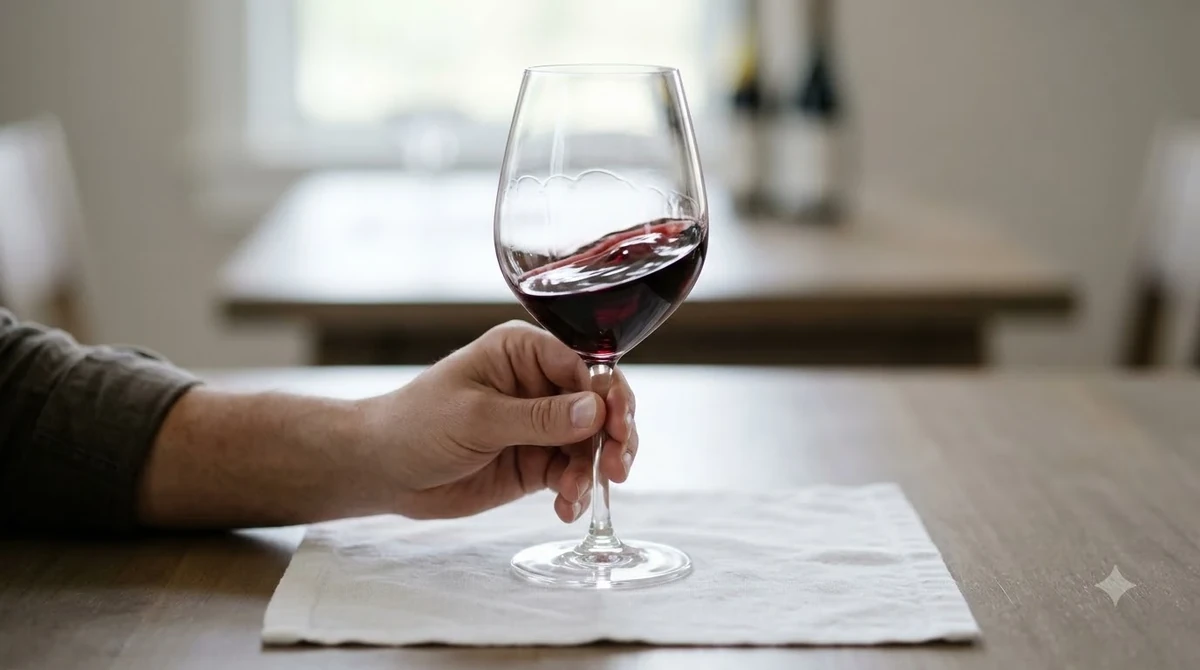
Tip: Put two different skin-contact wines side by side: a shorter-macerated white from Friuli or Brda and a Georgian qvevri wine. Use the same glass and serving temperature, then compare color, grip, fruit, and savory detail. The contrast makes it easier to recognize how grape variety and time on the skins shape the style.
For a visit, begin around Gorizia and Oslavia, where specialist wineries cluster in the hills; WSET says some are about 15 minutes by car from Gorizia. In Georgia, Kakheti offers a different experience rooted in family cellars and harvest traditions. Before booking, ask whether the winery pours skin-contact whites, which grapes it uses, and whether you can compare a short and a long maceration.
Frequently Asked Questions
These answers clarify the relationship between Georgia’s qvevri tradition and the broader skin-contact category. They also cover vessel sizes, cellar practice, and the difference between orange and amber wine terminology.
Are qvevri and orange wine the same thing?
No. Qvevri is a type of Georgian earthenware vessel and a traditional winemaking method, while orange wine describes white-grape wine made with extended skin contact. Georgia also makes red qvevri wines; the National Wine Agency describes a ceremonial red wine called Zedashe that is used in church rituals.
Does qvevri have to be small enough for one person to move?
No. The Georgian National Wine Agency says common qvevri capacity is around one to two tons, and some large vessels in Kakheti hold 6,000 to 8,000 liters. They are built for cellar use and are generally buried, not handled like portable fermentation jars.
Does orange wine always need to be decanted?
No. Decanting depends on the wine’s age, sediment, and structure rather than its color category. A young, tightly wound bottle may benefit from a little air, while a delicate or older wine can lose its best aromas if left open too long.
Is amber wine a separate category from orange wine?
The terms overlap. “Amber wine” is commonly used for Georgian skin-contact whites and describes the color that can develop during maceration; “orange wine” is a widely used international term for the same general white-grape technique. Labels and local usage may favor one term over the other.
How long does it take to make a traditional qvevri?
The Georgian National Wine Agency says making a qvevri takes an average of three months, with much of that time devoted to construction and drying. It also reports that a buried qvevri maintains a relatively steady temperature of about 13–15°C during fermentation.
Orange wine country is best understood as a meeting point between Georgia’s deep qvevri heritage and the creative borderland tradition shared by northeastern Italy and Slovenia. Start with a Georgian amber wine and a Ribolla Gialla or Rebula from Friuli or Brda, then compare how grape, vessel, and maceration length change the glass. Once those reference points are clear, skin-contact whites from other countries become easier to understand on their own terms.
More in Wine Regions
 Willcox Wine Trail: Discover Arizona’s High-Elevation Wine CountryUpdated Nov 20, 2026
 Yakima Valley Wine Region: Find the Best Styles to TryUpdated Nov 20, 2026
 Vosne Romanee Wine Tasting: Identify Aromas and Choose Better PairingsUpdated Nov 20, 2026
 Yakima Valley Wine Festival: Find the Best Seasonal Wine EventsUpdated Nov 20, 2026
 Wales Vineyards: Discover Cool-Climate Wines and Where to VisitUpdated Nov 20, 2026
 Yountville Wine Festival: Discover Napa Wines and Local FoodUpdated Nov 20, 2026