

We may earn a commission when you buy through links on this page, at no extra cost to you. Learn more.
The orange wine festival is an annual celebration of the wines, wineries, food and winemaking traditions of Orange, New South Wales, Australia. Held across multiple venues throughout the region, the festival brings together local producers, restaurants and wine enthusiasts for tastings, vineyard experiences, food pairings and educational events. Its appeal comes from the region’s distinctive cool-climate wines, particularly Chardonnay, Shiraz, Sauvignon Blanc and Cabernet Sauvignon.
Located in the Central Tablelands of New South Wales, Orange is one of Australia’s notable high-altitude wine regions. Its vineyards benefit from cool nights, moderate summer temperatures and varied soils influenced by the ancient Mount Canobolas volcano. The annual festival provides an opportunity to explore these characteristics through individual winery visits and organized events. Understanding the region, its grapes and its festival format makes it easier to plan a rewarding visit, whether you are an experienced wine enthusiast or simply interested in discovering Australian wine.
Understanding the Orange Wine Festival and Its Annual Program
The Orange Wine Festival celebrates the producers and wines of an established cool-climate region rather than a single grape variety or winemaking technique. Its program combines wine education, regional food, cellar-door experiences and community celebrations, making it suitable for visitors with different levels of wine knowledge.
The event is coordinated around the wider Orange wine community, with participating venues spread across Orange and neighboring districts. According to the New South Wales Government’s event information, the program features more than 40 individual experiences. These can include intimate tastings, vineyard visits, winemaker-led masterclasses, special dinners and food-focused gatherings. Rather than attending one large exhibition for the entire festival, visitors can select activities according to their interests.
The festival generally takes place in October, during the Southern Hemisphere spring. The timing is particularly appealing because the surrounding countryside is entering a season of fresh growth, while local restaurants and producers can showcase seasonal ingredients. The 2026 edition ran from October 16 through October 25, offering a 10-day schedule of events throughout the region.
Some activities are designed for casual visitors, while others appeal to people interested in detailed wine comparisons. A public tasting allows participants to sample several producers’ wines in one place. A masterclass, by contrast, may concentrate on a specific grape, vintage or selection of award-winning bottles. Vineyard experiences provide another perspective by connecting the wine in the glass with its growing environment.
The festival also gives visitors a chance to meet the people behind the region’s wines. Conversations with winemakers can explain why a particular vineyard favors Chardonnay, why a producer chooses a certain harvesting time or how differences in elevation affect the finished wine. These discussions help make regional wine tasting more informative than simply comparing labels.
For an overview of the official program, visitors can consult the Orange Wine Show and festival events information, which provides details of featured activities and regional celebrations. Individual events can have separate admission arrangements, schedules and booking requirements.
It is useful to distinguish the Orange Wine Festival from a festival devoted to orange wine as a winemaking category. In this case, Orange is the name of the Australian wine region. The celebration showcases its broader wine production, including traditional white, red and sparkling styles. Visitors should therefore expect a varied selection rather than an event exclusively devoted to skin-contact white wines.
What Makes the Orange Wine Region Distinctive?
Orange’s identity is closely connected to altitude, geology and a cool growing climate. Vineyards occupy elevations of approximately 600 to 1,390 meters above sea level, creating different growing conditions within the same geographical region.
Wine Australia identifies the region as being west of Sydney, with a geographical indication covering approximately 3,422 square kilometers. Its recorded vineyard area is 1,075 hectares. This combination of substantial geographic diversity and relatively concentrated vineyard production helps explain why wines from different parts of Orange can have noticeably different characteristics.
Mount Canobolas, also known by its Aboriginal name Gaanha-bula, is a major influence on the landscape. This ancient volcano reaches approximately 1,395 meters and has contributed basalt-derived soils to the surrounding countryside. The region also contains clay loams, shale, gravelly soils and patches of terra rossa associated with limestone.
These differences matter because grapevines respond to soil drainage, available water, slope and exposure to sunlight. A vineyard on a warmer western-facing slope may suit a different variety or wine style from a higher, cooler site. The region’s geological diversity therefore gives winemakers several options when selecting vineyard locations and matching grape varieties to growing conditions.
Altitude also affects the growing season. Wine Australia reports that Orange experiences mild to warm summer temperatures, seldom exceeding 32 degrees Celsius, while nights remain cool to very cool. These conditions can allow grapes to develop ripe flavors while retaining natural acidity. That balance is particularly useful for varieties such as Chardonnay, Sauvignon Blanc and Pinot Noir.
Orange360 describes a broad contrast between the region’s higher and lower vineyards. Sites at elevations above 1,000 meters generally favor aromatic, lighter-bodied wines, while warmer vineyards closer to 600 meters can produce fuller-bodied styles. The difference means that two wines made from the same grape variety may express quite different fruit profiles and structures.
Weather also presents challenges. Spring frost and hail can threaten developing vines, and site selection is important for achieving reliable ripeness. Winemakers must consider vineyard orientation, air movement, slope and the characteristics of individual growing seasons.
For visitors, this geographical variety is one of the strongest reasons to explore more than one producer. A tasting at a lower-elevation vineyard followed by a visit to a higher site can demonstrate how climate and location influence the wine. The experience also helps explain why Orange is associated with freshness, aromatic detail and balanced structure.
For broader background on the region’s different wine-growing areas, see our guide to Wine Regions.
Which Orange Wines Should You Taste?
Chardonnay, Shiraz, Sauvignon Blanc and Cabernet Sauvignon are the key varieties to explore at the Orange Wine Festival. They provide a useful introduction to the region’s range of white and red wines, while Pinot Noir, Riesling and other varieties add further interest.
Chardonnay is one of the region’s most important white grapes. Orange producers make styles ranging from crisp and restrained to richer, fuller-flavored wines. Depending on the vineyard and winemaking approach, a bottle may show citrus, stone fruit, melon, orchard fruit or more developed notes from oak maturation. Cooler sites can produce particularly fresh expressions, while warmer locations may support broader fruit flavors and a fuller texture.
Chardonnay is especially useful for comparing vineyard influences because it grows successfully across different elevations in Orange. Wine Australia notes that carefully made regional Chardonnay can respond well to medium-term cellaring of four to five years. At a tasting, try comparing two examples with different levels of oak influence rather than assuming every regional Chardonnay has the same profile.
Shiraz is the region’s most widely planted variety. Orange Shiraz can combine ripe dark or red fruit with spice, freshness and a balanced structure. Some examples are relatively restrained and elegant, while others have more concentrated fruit and a fuller palate. Differences in elevation and site exposure contribute to this variation.
Sauvignon Blanc offers a different expression of the region. Wine Australia describes Orange examples as aromatic whites with pronounced tropical fruit character. Depending on the producer, the wines may also show citrus, herbal notes and lively acidity. They are particularly useful for visitors who prefer fresh white wines rather than richer, oak-influenced styles.
Cabernet Sauvignon is another important regional variety. It is frequently blended with Merlot, producing medium-bodied wines with fine tannins, dark berry fruit and herbaceous or earthy characteristics. The resulting structure makes these reds useful companions for grilled meat and dishes with richer sauces.
Other varieties worth looking for include Pinot Noir, Riesling, Pinot Gris and Cabernet Franc. Pinot Noir from cooler, higher sites can emphasize delicate red fruit and aromatic detail. Riesling offers another way to explore the region’s natural acidity, while Pinot Gris provides a different texture and fruit profile from Chardonnay.
| Grape variety | Typical regional characteristics | What to compare |
|---|---|---|
| Chardonnay | Citrus, stone fruit, melon and varied textures | Oak influence and vineyard elevation |
| Shiraz | Red and dark fruit with spice | Body, tannin and fruit intensity |
| Sauvignon Blanc | Tropical fruit, citrus and aromatic freshness | Fruit expression and acidity |
| Cabernet Sauvignon | Dark berries, herbal notes and fine tannins | Single-variety wines and blends |
| Pinot Noir | Red fruit, aromatic detail and refined structure | Differences between cooler and warmer sites |
| Riesling | Citrus, floral character and fresh acidity | Fruit intensity and sweetness level |
When tasting these wines, consider more than the grape name. Compare acidity, body, tannin, aroma and finish. A Chardonnay from a cooler vineyard may feel leaner and more citrus-driven than one from a warmer site. Similarly, Shiraz can range from relatively restrained to more powerful depending on the vineyard and producer’s decisions.
A useful approach is to taste the same grape from two or three producers before moving to another variety. This makes regional differences easier to recognize and provides a better understanding of the choices winemakers make.
Festival Tastings, Cellar Doors and Winemaker Experiences
The best way to experience the Orange Wine Festival is to combine larger tasting events with smaller winery visits. Public tastings offer breadth, while cellar doors and masterclasses provide more detailed explanations of individual wines and production methods.
One of the major attractions is the opportunity to sample wines from multiple local producers in a shared setting. The 2026 program included Sip & Savour, an event designed to showcase wines recognized through the Orange Wine Show. Such gatherings are particularly useful for comparing different interpretations of Chardonnay, Shiraz and other regional varieties without traveling between several vineyards.
The Orange Wine Show also plays an important role in the region’s wine culture. Orange360 identifies it as an established annual competition, with its first judging taking place in 2002. The show provides a platform for recognizing producers and highlighting the qualities of regional wines.
For visitors interested in more focused tasting experiences, the Trophy Masterclass is an attractive option. The 2026 program included a session featuring award-winning wines from the Orange Wine Show. Guided tastings of this kind can explain why particular bottles receive recognition and how judges evaluate balance, aroma, structure and overall quality.
Winery visits provide a more personal experience. Orange has approximately 40 cellar doors, according to Orange360, and visitors can encounter producers with different approaches to vineyard management, fermentation, blending and maturation. Some venues focus on a small selection of wines, while others offer broader ranges.
It is also useful to explore the relationship between vineyards and the region’s geography. A producer working with fruit from a high-altitude site may emphasize aromatic freshness, while another may focus on fuller-bodied wines from warmer locations. Asking about the elevation of the vineyard and the grape variety can make a tasting more informative.
What to expect from different festival experiences
Public tasting events are generally the most convenient way to sample several wines in a short period. They are appropriate for visitors who want an overview of regional production and an opportunity to discover unfamiliar producers.
Winemaker dinners offer a different perspective. Food courses are matched with selected wines, allowing guests to observe how acidity, tannin, texture and fruit intensity interact with particular ingredients. The Vintners Table Series, featured in the 2026 festival program, followed this general format through dining experiences involving regional winemakers.
Markets and community events bring wine together with local food and entertainment. The Orange Wine Festival Night Market, scheduled for October 16 in 2026, combined regional wines, food stalls and live music at Robertson Park. These activities can be appealing to visitors who want a less formal introduction to the area’s producers.
Some events have limited capacity, particularly guided masterclasses and special winery dinners. A popular tasting may also require a separate booking from general festival attendance. Reviewing individual event details before traveling helps avoid disappointment.
Tip: Choose one major tasting event and one or two smaller winery experiences rather than attempting to visit every participating venue. Allow enough time to speak with producers, compare wines and enjoy the food without rushing between appointments.
Planning a Wine Festival Visit to Orange, Australia
A successful visit requires attention to event scheduling, transport, accommodation and the distance between venues. Since the festival is spread across the Orange region, a little advance planning makes it easier to enjoy several experiences without spending the entire day traveling.
Orange is located in the Central Tablelands of New South Wales, west of Sydney. The city serves as a convenient base for exploring vineyards, restaurants and nearby communities. Individual festival activities may take place in Orange itself or in surrounding districts, so the location of each booking should be considered before arranging transportation.
The October festival period is a useful starting point for planning. The 2026 edition covered 10 days, from October 16 to October 25. The annual October timing offers visitors a defined seasonal window, although the dates and specific events can differ between editions.
Accommodation is an important consideration because special dinners, tastings and other events can attract visitors from outside the region. Staying in or close to Orange makes it easier to attend evening activities without arranging a long return journey. Options may include hotels, motels, cottages, apartments and vineyard accommodation.
Transportation deserves particular attention. Wine tasting should never be combined with driving. Visitors planning several winery stops can arrange a designated driver, book an organized wine tour or use suitable local transport services. Checking pickup and drop-off arrangements before confirming winery appointments is especially important when visiting venues outside the city center.
A practical two-day itinerary
A two-day visit can provide a balanced introduction without making the schedule too demanding. The following outline is a planning suggestion rather than an official festival itinerary.
Day one: Regional introduction and public tasting. Begin with a relaxed breakfast in Orange before visiting a winery or tasting venue. Focus on Chardonnay and Sauvignon Blanc to understand the region’s white wines. In the afternoon, attend a scheduled public tasting or a producer-led experience. Finish with a restaurant dinner featuring regional ingredients and a suitable local wine.
Day two: Vineyard exploration and regional reds. Arrange a morning visit to a winery in a different elevation zone. Compare Shiraz, Cabernet Sauvignon and Pinot Noir, paying attention to differences in fruit, tannin and body. After lunch, consider a second cellar-door appointment or a guided masterclass. Leave time for a relaxed meal before departing.
Visitors with three or four days available can add more winery visits and explore surrounding communities. This longer schedule allows for a greater variety of vineyard settings and reduces the pressure to fit several appointments into one day.
It is also sensible to check accessibility information before attending. The New South Wales Government’s event listing advises visitors with access needs to contact individual venues or organizers for specific arrangements. This is particularly relevant because festival activities take place across different buildings, outdoor spaces and vineyard properties.
For travelers interested in comparing regional celebrations in the United States, our articles about the Indiana wine festival, Livermore wine festival and Utah wine festival offer additional examples of wine-focused events.
Food Pairings and Wines to Enjoy at the Festival
Food is an important part of the Orange Wine Festival experience because the region produces both wine and a wide range of agricultural products. Matching local ingredients with suitable wines can help visitors understand the relationship between fruit, acidity, texture and regional cuisine.
Chardonnay is a versatile choice for meals involving roast chicken, grilled seafood, creamy pasta and dishes with mushrooms. A fresher, unoaked Chardonnay can work particularly well with shellfish and lighter preparations. Fuller-bodied examples are better suited to richer sauces, roasted poultry and dishes with browned or toasted flavors.
Sauvignon Blanc is an excellent partner for fresh seafood, salads, goat cheese and dishes featuring herbs or citrus. Its high acidity helps it complement ingredients with similar freshness. A simple grilled fish dish with lemon, fresh herbs and vegetables can provide a particularly clear demonstration of this pairing.
Shiraz works well with grilled lamb, beef, roasted vegetables and dishes featuring pepper or savory herbs. Its fruit intensity and tannin provide structure for richer foods. Salt and fat soften tannin, making fatty cuts of meat and appropriately seasoned dishes useful companions for fuller-bodied reds.
Cabernet Sauvignon and Cabernet-Merlot blends are suitable for grilled beef, lamb and aged hard cheeses. Their tannin and dark-fruit character can stand up to richer proteins and savory preparations. Merlot’s softer tannins can make blended wines particularly approachable alongside a broader range of meals.
Pinot Noir offers a lighter alternative for roast chicken, duck, mushrooms and dishes featuring earthy ingredients. Its relatively high acidity and lower-to-medium tannin make it more adaptable than many fuller-bodied reds. It can also be an interesting pairing with roasted salmon, although the preparation and richness of the fish should influence the final choice.
Riesling is useful with spicy Asian-inspired dishes, aromatic herbs and foods that contain a little sweetness. A wine with some residual sugar can help balance spicy flavors. The key is to select a wine that is at least as sweet as the dish, rather than choosing a very dry wine for a noticeably sweet sauce.
Serving temperatures for regional wines
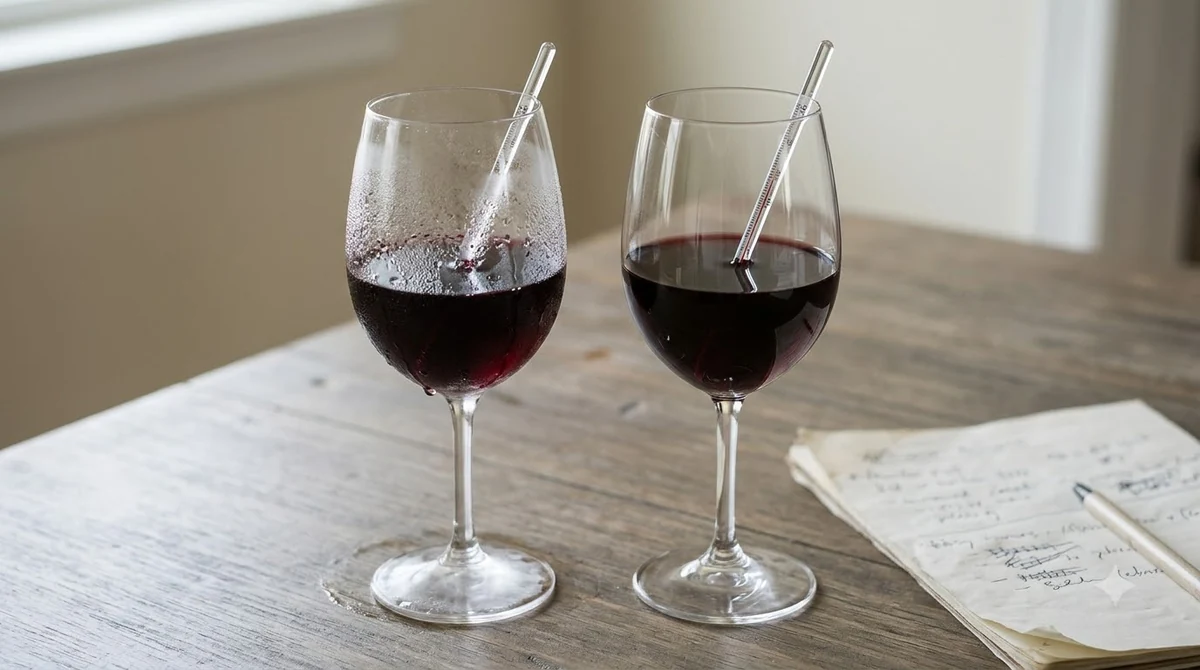
Serving temperature affects aroma, acidity, texture and the perception of alcohol. Very cold white wine can conceal some of its aromatic character, while warm red wine can seem heavier and more alcoholic than intended.
For Orange wines, the following general temperature ranges provide a useful starting point:
- Chardonnay: 50–55 degrees Fahrenheit for fuller-bodied examples.
- Sauvignon Blanc: 45–50 degrees Fahrenheit.
- Riesling: 43–50 degrees Fahrenheit, depending on sweetness.
- Pinot Noir: 55–60 degrees Fahrenheit.
- Shiraz: 60–65 degrees Fahrenheit for fuller-bodied examples.
- Cabernet Sauvignon: 60–65 degrees Fahrenheit.
For a structured tasting, begin with lighter-bodied whites and progress toward fuller-bodied reds. This sequence helps prevent powerful flavors and tannins from overwhelming more delicate wines. It also makes comparisons between producers more useful.
Visitors attending a formal tasting can take brief notes about each wine. Record the grape variety, producer, acidity, body, fruit character and finish. These observations make it easier to remember favorite bottles and identify the styles worth exploring again after the festival.
Frequently Asked Questions
Is the Orange Wine Festival an event dedicated to orange-colored wine?
No. The name refers to Orange, the Australian wine region in New South Wales, rather than exclusively to orange wine made through white-grape skin maceration. The festival celebrates conventional regional red, white and sparkling wines. Visitors can explore many grape varieties and production styles rather than a single category of wine.
How is the Orange wine region geographically defined?
The Orange geographical indication is distinctive because its wine-growing boundary is based on elevation rather than simply a conventional circular boundary around the city. The qualifying wine-growing area begins at approximately 600 meters above sea level. It encompasses eligible vineyard land across the Orange, Cabonne and Blayney local government areas.
When did the Orange Wine Show begin?
The first Orange Wine Show was judged in 2002, following the registration of the Orange geographical indication in 1996. The competition provides a formal opportunity to recognize the quality and diversity of the region’s wine production. Its awards also contribute to the region’s annual wine calendar.
Can visitors explore Orange wineries outside the festival period?
Yes. The region has approximately 40 cellar doors, providing opportunities to explore local wines throughout the year. Individual winery opening schedules and tasting arrangements vary, so appointments can be useful, particularly for smaller producers. Visitors can also explore regional food producers and restaurants between winery visits.
What is the traditional Aboriginal name associated with Mount Canobolas?
Mount Canobolas is also known as Gaanha-bula. The mountain is a prominent geographical feature of the Orange region and an important part of its landscape and cultural setting. Its ancient volcanic geology has contributed to the basalt-influenced soils found around nearby vineyards.
The Orange Wine Festival offers a rewarding way to discover one of Australia’s distinctive cool-climate wine regions. Its combination of high-altitude vineyards, varied grape varieties, regional food and producer-led experiences makes it suitable for both newcomers and experienced wine enthusiasts. Plan around a few well-chosen tastings, explore different vineyard locations and allow enough time to appreciate what makes Orange wines distinctive.
More in Wine Regions
 Willcox Wine Trail: Discover Arizona’s High-Elevation Wine CountryUpdated Nov 20, 2026
 Yakima Valley Wine Region: Find the Best Styles to TryUpdated Nov 20, 2026
 Vosne Romanee Wine Tasting: Identify Aromas and Choose Better PairingsUpdated Nov 20, 2026
 Yakima Valley Wine Festival: Find the Best Seasonal Wine EventsUpdated Nov 20, 2026
 Wales Vineyards: Discover Cool-Climate Wines and Where to VisitUpdated Nov 20, 2026
 Yountville Wine Festival: Discover Napa Wines and Local FoodUpdated Nov 20, 2026