

We may earn a commission when you buy through links on this page, at no extra cost to you. Learn more.
Nemea wine tasting introduces visitors to Greece’s signature Agiorgitiko red wines, from fresh, fruit-driven bottles to structured, oak-aged expressions. Located in the northeastern Peloponnese, Nemea is Greece’s largest protected designation zone for red wines. Its different vineyard elevations, varied soils, and traditional winemaking practices give visitors an opportunity to compare remarkably different expressions of the same native grape. Understanding the region’s geography and wine styles makes every tasting more rewarding.
For wine enthusiasts interested in Greek wine, Nemea offers a particularly useful introduction to the country’s indigenous red varieties. The region combines ancient cultural associations, an established appellation system, and a thriving network of wineries. Rather than treating every Agiorgitiko as the same wine, visitors can explore how vineyard location, harvest conditions, fermentation, and oak aging influence what appears in the glass. A thoughtful visit can include comparative tastings, conversations with producers, local food, and stops at historic sites around Ancient Nemea.
Understanding the Nemea Wine Region and Its Appellation
Nemea is best known for PDO red wines made entirely from Agiorgitiko, a native Greek grape with a broad range of expressions. Its location in the northeastern Peloponnese and its long association with wine production make it one of Greece’s most important destinations for understanding indigenous red wine.
The Protected Designation of Origin, or PDO, establishes the identity of authentic Nemea wine. According to Wines of Greece, the appellation was established in 1971 and extends across 17 eligible villages and communes. Most of the designated area lies in Corinthia, with a smaller portion extending into Argolida. This administrative geography matters because a bottle bearing PDO Nemea represents a defined growing area rather than simply a Greek wine made from Agiorgitiko.
The appellation is particularly distinctive because its regulations require 100% Agiorgitiko for PDO Nemea wines. This makes it easier to understand the influence of vineyard location and winemaking when comparing bottles. A wine from a lower valley and one from a cooler mountainous site can have noticeably different structures despite sharing the same grape variety and appellation. The official Wines of Greece PDO Nemea overview provides further information about the appellation’s geographical boundaries, permitted wines, and traditional styles.
The region also has a connection to Greek mythology. Nemea is traditionally associated with Hercules and the Nemean Lion, the legendary creature defeated during the hero’s first labor. Local tradition refers to Agiorgitiko wine as Hercules Blood, a nickname inspired by its deep red color and the area’s mythology.
Ancient Nemea is an interesting stop for visitors who want more than a winery itinerary. The archaeological landscape provides cultural context for the region’s historic relationship with agriculture, celebrations, and wine. The ancient sanctuary and stadium also make a useful addition to a day spent exploring the surrounding vineyards.
Travelers researching other established wine destinations can compare Nemea with Bolgheri wine tasting, where the emphasis is on Italian coastal red wines and a different approach to regional identity. Nemea offers a more concentrated opportunity to study the character of one indigenous Greek grape across several vineyard environments.
How Altitude and Soil Shape Agiorgitiko
Altitude is one of the most important factors to investigate during a Nemea tasting because the vineyards range from approximately 200 meters to 850 meters above sea level. The differences between lowland, semi-mountainous, and mountainous sites influence grape ripening, freshness, fruit concentration, and the overall structure of the finished wine.
The lower vineyards generally occupy elevations between 200 and 350 meters, including areas around Nemea, Ancient Nemea, Ancient Kleones, and Leontio-Gymno. These warmer locations can produce generous, ripe fruit flavors and approachable wines. Their Agiorgitiko expressions are particularly interesting for visitors who enjoy soft textures, juicy red fruit, and reds intended for relatively early drinking.
The semi-mountainous zone includes vineyards around 300 to 600 meters in the classification used by ENOAP, including Koutsi and Dafni. These sites provide a different combination of exposure, soil, and temperature. Some producers use grapes from these areas to make wines with more pronounced structure, freshness, and complexity. Koutsi is particularly interesting because its limestone soils and sloping vineyards offer a recognizable contrast with the deeper soils of the lower valleys.
For more detailed regional information, the ENOAP vineyard and soil overview describes the different elevations, valleys, soil types, and climatic conditions across the Peloponnese, including Nemea.
The mountainous vineyards generally occupy elevations between 600 and 850 meters. Asprokambos, Psari, Kefalari, Kastraki, Bozika, and Titani are among the locations associated with this higher zone. Cooler growing conditions can extend ripening and help preserve freshness. Wines from these locations may have firmer structure and greater aging potential, making them valuable comparisons during a tasting.
Soil differences add another layer of complexity. ENOAP identifies clay-loam soils around Ancient Nemea, limestone around Koutsi, gravelly and sandy soils around Achladias, and gravelly soils around Gymno. These descriptions help explain why tasting several village or vineyard expressions can reveal differences that are not immediately apparent from the grape name alone.
| Vineyard zone | Typical altitude | Example locations | What to investigate |
|---|---|---|---|
| Lowland | 200–350 meters | Nemea, Ancient Nemea, Ancient Kleones | Ripe fruit and approachable texture |
| Semi-mountainous | 300–600 meters | Koutsi, Dafni | Freshness, structure, and mineral character |
| Mountainous | 600–850 meters | Asprokambos, Psari, Kefalari | Firmer structure and aging potential |
The altitude ranges in this table are broad regional classifications, not strict boundaries for every individual vineyard. Different sources use slightly different dividing points, and some locations occupy transitional elevations. For visitors, the useful approach is to ask where the grapes were grown and compare wines from clearly identified sites.
According to the regional vineyard information published by ENOAP, Nemea’s growing environment also varies considerably over short distances. Its seven small valleys, surrounding slopes, and differing vineyard orientations create multiple local conditions. This makes a village-specific tasting more informative than sampling several unrelated bottles without considering their origins.
Agiorgitiko: The Grape Behind Nemea’s Reputation
Agiorgitiko is the defining grape of Nemea and one of Greece’s most important indigenous red varieties. It can produce fresh, approachable wines as well as concentrated reds with oak influence, making it an excellent grape for a comparative tasting.
The name Agiorgitiko is commonly associated with Agios Georgios, the former name of Nemea. It is also known as Aghiorgitiko and St. George. Wine Enthusiast identifies the variety as native to Greece and notes that Nemea is its historical home, although it is cultivated in other Greek wine regions as well.
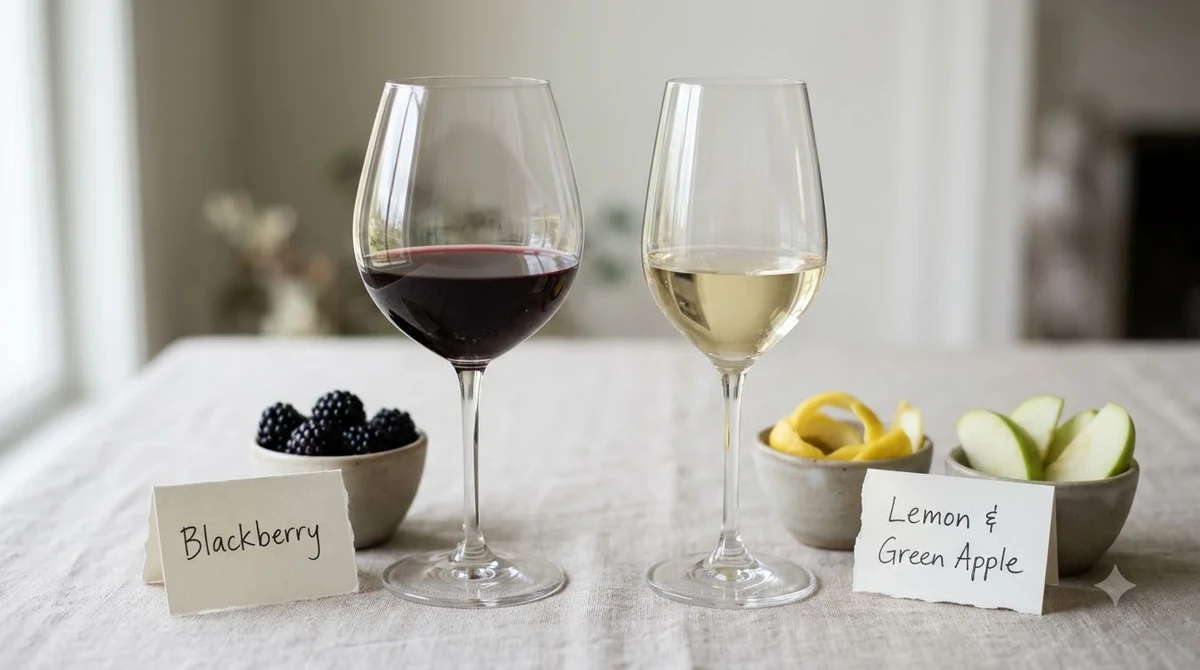
In the glass, Agiorgitiko commonly shows a deep ruby color and generous red-fruit character. Cherry, sour cherry, ripe plum, and strawberry are useful aromas to look for. Depending on the producer and winemaking approach, additional notes can include sweet spice, dried herbs, vanilla, cocoa, and subtle earthy characteristics.
Its texture is one of its defining attractions. Many examples have relatively soft, rounded tannins and balanced acidity, creating a wine that feels generous without necessarily becoming excessively heavy. However, structure differs between producers and vineyard sites. A young, fruit-driven wine may feel smooth and accessible, while a more concentrated, oak-aged bottle can have a firmer finish and more pronounced tannins.
Three useful styles to compare
Fresh, young Agiorgitiko: This style emphasizes primary fruit and immediate drinkability. Expect juicy cherry, plum, and a relatively supple palate. It is a good starting point for visitors who are unfamiliar with Greek red wines because it communicates the variety’s natural fruit character without requiring extensive experience with structured reds.
Oak-aged Agiorgitiko: More ambitious versions may spend time in oak barrels before bottling. Oak can contribute vanilla, baking spice, cocoa, and additional textural complexity. The fruit remains important, but the wine often feels more concentrated and structured. These bottles are especially interesting when compared with younger examples from similar vineyard elevations.
Rosé and lighter red expressions: Agiorgitiko is not restricted to full-bodied red wine. Producers can also make rosé and lighter reds, including wines produced through carbonic maceration. These styles highlight the grape’s versatility and offer an alternative for visitors who prefer lighter textures and more immediate fruit.
PDO Nemea also permits several sweet red wine categories, including semi-sweet, fortified sweet, and wines made from dried grapes. These are less commonly encountered than dry reds, but they offer another perspective on the grape’s potential. A tasting room that includes one of these styles can demonstrate how concentration and residual sweetness change the experience.
For a useful comparison, ask the tasting host to pour a younger Agiorgitiko before an oak-aged example. Focus on the difference in fruit intensity, tannin, acidity, and finish. Keeping the grape constant makes it easier to identify the effect of production choices.
Planning Winery Visits and a Nemea Tasting Itinerary
A good Nemea itinerary combines at least two contrasting winery experiences with time to explore the surrounding villages and vineyard landscapes. Visiting producers from different altitude zones is particularly useful because it connects what you taste with the geography of the region.
Start with Nemea town or the nearby lower vineyards to establish a baseline for Agiorgitiko. A tasting here can introduce the region’s characteristic red-fruit profile and show how approachable the grape can be. Ask about the vineyard’s elevation, fermentation approach, and whether the wine spends time in oak. These questions help distinguish the producer’s choices from the general characteristics of the grape.
Next, consider visiting the Koutsi area. Its semi-mountainous location and limestone-influenced vineyards make it an interesting contrast with the lower valleys. Compare a wine from this area with the earlier pour, paying attention to acidity, the shape of the tannins, and the persistence of fruit on the finish.
For a third perspective, investigate producers associated with Asprokambos, Psari, or Kefalari. These higher locations provide an opportunity to explore wines from cooler mountainous vineyards. Ask whether the producer bottles individual vineyard expressions or blends grapes from several locations. Either approach can reveal how a winery interprets the regional landscape.
Many visitors prefer to arrange winery appointments before arriving, particularly when visiting smaller family-run estates. Confirm the available tasting languages, opening arrangements, number of wines included, and whether food is offered. A planned appointment also gives the producer time to prepare wines from different vintages or vineyard locations.
The wider Nemea area has approximately 40 wineries according to ENOAP’s regional information. This makes it possible to build an itinerary around different production approaches without trying to visit every estate. Two or three carefully selected visits generally offer more useful comparisons than rushing through a long list of appointments.
Tip: Ask for one young Agiorgitiko, one oak-aged example, and one wine associated with a higher-altitude vineyard. This three-wine comparison gives you a practical introduction to Nemea’s fruit profile, winemaking choices, and vineyard differences.
Allow time between appointments for lunch and sightseeing. Ancient Nemea is a natural cultural stop, while the surrounding villages offer a closer look at the agricultural landscape. September is particularly interesting because it coincides with the region’s late-summer harvest period, although winery activities and appointment availability vary.
Visitors planning broader wine travel can also explore Willcox wine tasting for a comparison with Arizona’s growing wine industry. The two destinations illustrate how climate, elevation, local grape choices, and regional identity can shape distinctive wine experiences.
How to Taste, Serve, and Evaluate Nemea Wines
A structured tasting helps reveal the differences between Agiorgitiko styles, particularly when several wines share the same grape variety. Begin with appearance and aromas, then assess fruit, acidity, tannins, body, and finish in that order.
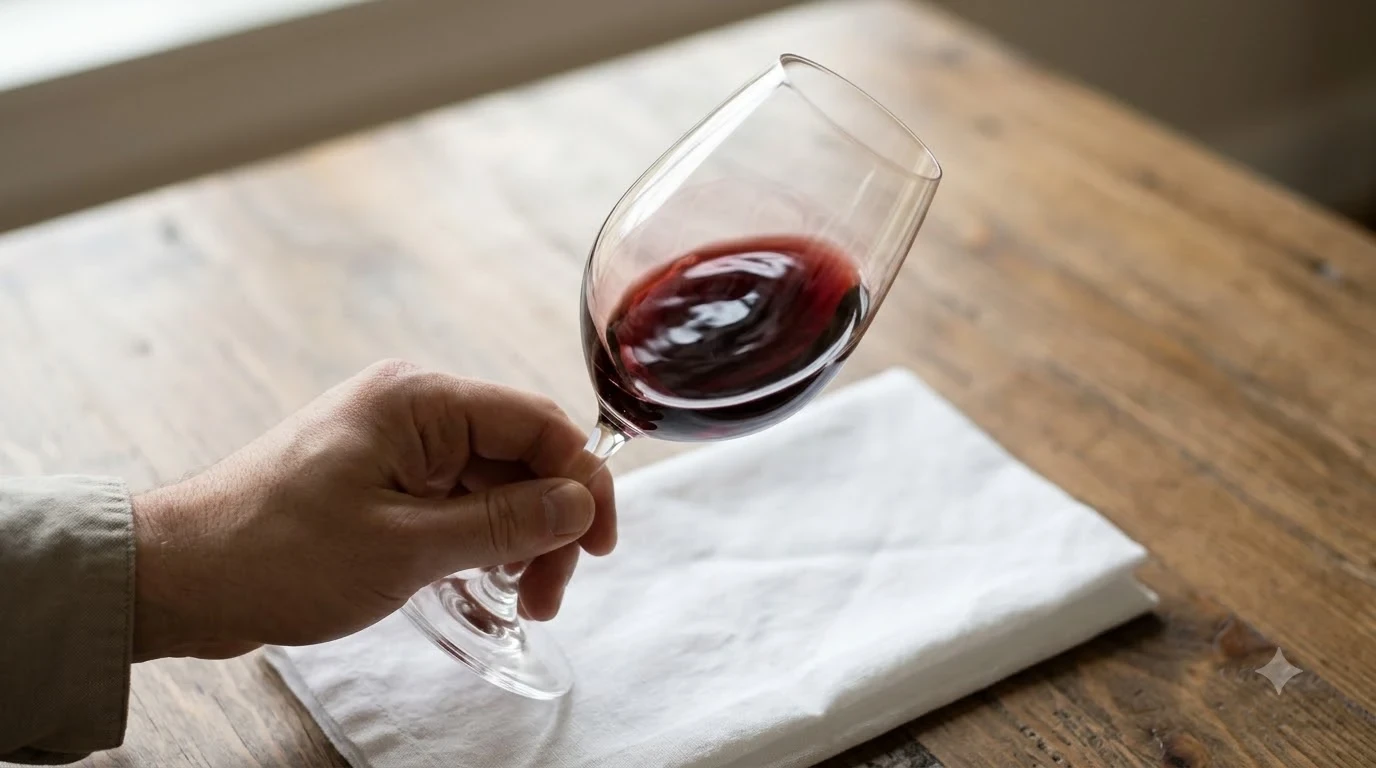
First, examine the color. Young Agiorgitiko commonly displays a deep ruby or red-purple appearance, while more developed bottles may show garnet tones. Color alone cannot establish quality or age, but it provides an initial visual impression before the wine is swirled.
Next, smell the wine before and after gently swirling the glass. Look for cherry, plum, strawberry, and other red-fruit aromas. Oak-aged versions may introduce vanilla, sweet spice, cocoa, or toasted notes. Notice whether the fruit remains fresh and clearly defined or moves toward cooked and concentrated characteristics.
The palate deserves particular attention. Acidity gives the wine freshness and helps balance ripe fruit. Tannin contributes structure and a drying sensation, especially around the gums. Agiorgitiko often has a softer tannin profile than Cabernet Sauvignon, but more concentrated examples can still feel substantial.
Body is another useful point of comparison. A light-bodied expression may feel relatively delicate and easy to drink, whereas an oak-aged example can have a fuller texture and a longer finish. Pay attention to whether the alcohol feels integrated with the fruit and structure rather than dominating the palate.
Serving temperature and glassware
Agiorgitiko generally benefits from being served slightly cooler than typical room temperature. A practical starting range for lighter red expressions is 55–60°F, while fuller-bodied, oak-aged examples are best served around 60–65°F. Excessive warmth can make alcohol feel more prominent and obscure the wine’s freshness.
Use a medium-to-large red wine glass that provides enough room to swirl the wine. A standard 5-ounce pour allows sufficient space for aromas to develop while leaving room to compare several wines. A 750-milliliter bottle provides approximately five standard glasses.
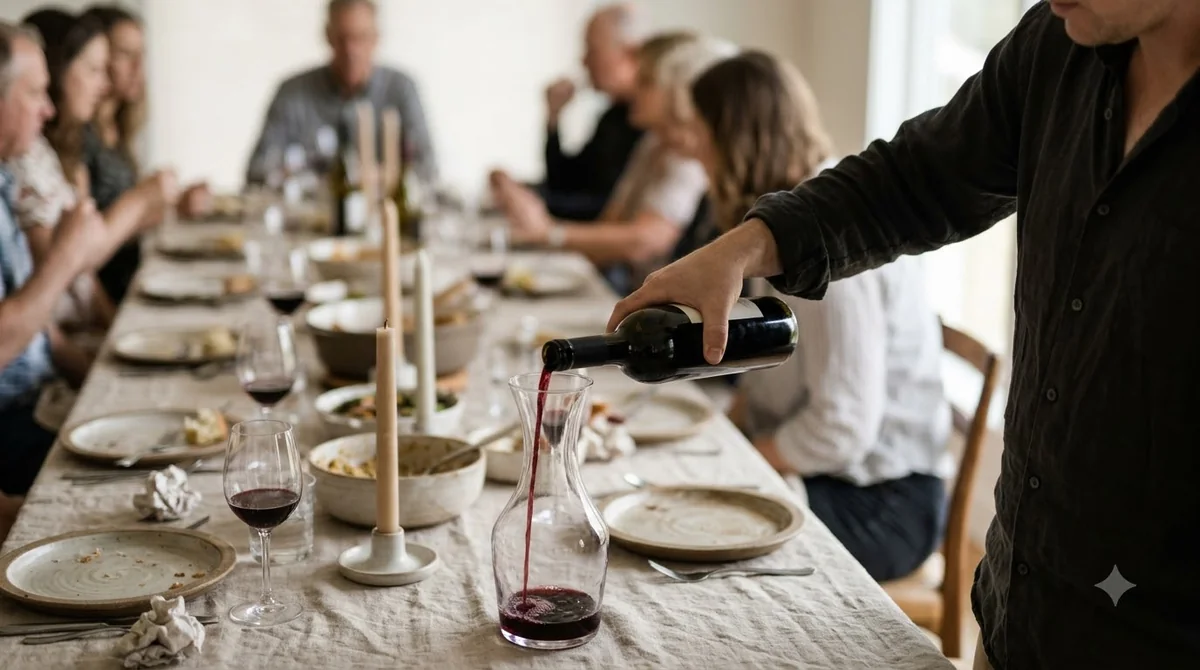
Young, full-bodied reds can benefit from 30–60 minutes of decanting, especially when they have pronounced tannins or a tightly concentrated profile. Older bottles require more care because extended exposure to oxygen can reduce delicate aromas. Ask the producer whether decanting is recommended for a particular vintage.
Keeping useful tasting notes
Record the producer, wine name, vintage, vineyard location, and altitude whenever these details are available. Then add a few observations about fruit, acidity, tannins, body, oak, and finish. Notes such as ripe plum, medium acidity, soft tannins, and moderate oak are more useful for later comparisons than a general description such as smooth or delicious.
Try to taste wines in a consistent order. Start with lighter, younger expressions before moving to more concentrated oak-aged reds. If a sweet wine is included, taste it after the dry wines. This approach helps prevent stronger flavors and sweetness from obscuring the more delicate wines.
Food Pairings and Local Greek Cuisine
Agiorgitiko is a versatile food wine, especially alongside grilled meat, lamb, tomato-based dishes, roasted vegetables, and aged cheese. Its fruit character and generally supple tannins make it suitable for a wide range of Mediterranean dishes.
Grilled lamb is a natural pairing for a fuller-bodied Nemea red. The savory flavors and fat in the meat soften the perception of tannin, while the wine’s acidity helps refresh the palate. Try grilled lamb with rosemary, oregano, garlic, and olive oil, or a slow-cooked lamb dish with a rich tomato sauce.
Beef dishes also work well, particularly grilled steak, beef skewers, and braised beef with herbs. A more structured Agiorgitiko can complement the intensity of roasted or grilled meat without overwhelming its flavor. For a lighter young expression, consider meatballs, grilled chicken with herbs, or pasta with a moderate tomato and meat sauce.
Traditional Greek dishes offer several other opportunities. Moussaka combines eggplant, minced meat, tomato, and a creamy topping, making it a suitable partner for a fruit-driven red. Tomato-based stews and roasted vegetables also provide useful acidity and savory flavors that complement the wine.
Cheese is another strong pairing category. Aged hard cheeses can work particularly well with oak-aged Agiorgitiko because their savory intensity and fat help soften the wine’s tannins. Try mature graviera, kefalotyri, or other firm Greek cheeses. Softer cheeses may suit younger, less structured versions.
For a vegetarian meal, choose grilled eggplant, mushrooms, lentils, roasted peppers, or tomato-based vegetable dishes. Earthy mushrooms can complement the savory notes of a developed red, while roasted vegetables bring sweetness and depth that work with ripe fruit.
Matching intensity and sweetness
The intensity of the food should broadly match the intensity of the wine. A delicate young Agiorgitiko may disappear beside a heavily spiced beef stew, while a concentrated oak-aged wine can overwhelm a simple salad. Consider the preparation method as carefully as the main ingredient.
Acidic tomato dishes benefit from wines with equal or higher acidity. Salt and fat soften tannin, making grilled meat and aged cheese especially suitable for more structured examples. Very spicy dishes require additional care because chili heat can feel stronger with wines high in alcohol and tannin.
Sweet Nemea wines require a different approach. Choose desserts that are at least as sweet as the wine so that the wine does not taste sour or thin beside the food. Fruit-based desserts with cherries or plums can provide a natural flavor connection to Agiorgitiko’s red-fruit character.
Travelers interested in another European tasting culture can compare these pairings with Alsace wine tasting, where aromatic white wines and regional food traditions offer a different approach to matching wine with meals.
What to Look for When Choosing Nemea Wines
The most useful way to choose a Nemea wine is to begin with the style you enjoy and then consider the producer, vineyard location, and aging approach. The PDO designation confirms the grape variety and origin, but individual wines can still differ substantially in concentration, texture, and intended drinking window.
For an approachable introduction, look for a young dry Agiorgitiko with a strong red-fruit profile. These wines are useful for understanding the grape without the additional influence of extensive oak aging. They can also be suitable for casual meals and relaxed gatherings.
If you prefer more structured reds, explore oak-aged examples. Look for information about barrel aging and the length of maturation. Newer oak may contribute more obvious vanilla and toasted spice, while used barrels can provide a subtler influence. The objective is to find a wine in which oak complements rather than obscures the fruit.
Vineyard origin is another useful selection criterion. A bottle identifying Koutsi, Asprokambos, or another specific location can provide an opportunity to explore differences between the semi-mountainous and mountainous zones. Ask whether the wine represents a single vineyard or a selection from multiple sites.
Vintage also deserves attention. Weather conditions influence the timing of ripening and the balance between fruit concentration, acidity, and tannin. A producer can explain how a particular growing season affected the grapes and whether the wine is intended for immediate enjoyment or additional bottle aging.
Consider buying different styles rather than several bottles that taste almost identical. A young Agiorgitiko, a more structured oak-aged wine, and a bottle from a higher-altitude site provide a more informative selection. This approach also gives you a useful reference point when exploring other Greek varieties and wine regions.
For storage, keep bottles away from direct sunlight and temperature fluctuations. A cool environment around 55°F is a useful target for longer-term storage, with bottles positioned on their sides when sealed with natural cork. Once opened, still red wines generally keep for three to five days in the refrigerator when properly recorked. Allow a chilled bottle to warm slightly before serving.
Nemea is a region where the same grape can produce several distinct styles, so choosing a bottle according to its intended use is more helpful than assuming every Agiorgitiko will have the same body or aging potential. A fresh young wine may be the better choice for a weekday meal, while a more structured mountain-site expression can be appropriate for a substantial dinner or a dedicated tasting.
Frequently Asked Questions
What does the name Agiorgitiko mean?
Agiorgitiko is commonly translated as the grape of Saint George and is associated with the former name of Nemea, Agios Georgios. The variety also appears under the names Aghiorgitiko and St. George. These names refer to the same Greek red grape rather than separate varieties.
When does the Nemea grape harvest usually take place?
Agiorgitiko is a late-ripening variety, and the harvest generally takes place in September, with timing varying according to vineyard altitude and growing conditions. Higher locations can ripen later than warmer lowland sites. This difference can influence the scheduling of harvest activities among producers in the same region.
Is Agiorgitiko grown outside the Nemea appellation?
Yes. Agiorgitiko is cultivated in other Greek wine-producing areas, including parts of Attica and Macedonia. However, PDO Nemea has a specific geographical identity and requires 100% Agiorgitiko. A wine made from the same grape outside the designated area cannot use the PDO Nemea designation.
How long can an aged Nemea wine remain in the cellar?
The potential aging period depends on the producer, vineyard, vintage, and winemaking approach. Some fresh, fruit-focused examples are intended for relatively early drinking, while selected structured wines from higher vineyards can develop over several years. Follow the producer’s vintage-specific recommendations rather than assuming every bottle has the same cellar life.
What is the Great Days of Nemea wine festival?
Great Days of Nemea is a regional celebration associated with Agiorgitiko and the local wine community. Activities have included winery open days, tastings, and events celebrating the harvest and regional food culture. Visitors should consult local tourism and winery announcements for the specific program and participating estates.
Nemea offers an especially rewarding introduction to Greek red wine because Agiorgitiko expresses the differences between lowland, semi-mountainous, and mountainous vineyards while retaining a recognizable regional identity. Comparing young and oak-aged bottles, asking producers about their vineyard locations, and enjoying local Greek food will make a visit more memorable. For anyone interested in discovering indigenous varieties, Nemea deserves a place among the Mediterranean’s most interesting wine destinations.
More in Wine Regions
 Willcox Wine Trail: Discover Arizona’s High-Elevation Wine CountryUpdated Nov 20, 2026
 Yakima Valley Wine Region: Find the Best Styles to TryUpdated Nov 20, 2026
 Vosne Romanee Wine Tasting: Identify Aromas and Choose Better PairingsUpdated Nov 20, 2026
 Yakima Valley Wine Festival: Find the Best Seasonal Wine EventsUpdated Nov 20, 2026
 Wales Vineyards: Discover Cool-Climate Wines and Where to VisitUpdated Nov 20, 2026
 Yountville Wine Festival: Discover Napa Wines and Local FoodUpdated Nov 20, 2026