


We may earn a commission when you buy through links on this page, at no extra cost to you. Learn more.
Nemea wine is a red wine from a protected appellation in the Peloponnese of Greece, made mainly from the indigenous Agiorgitiko grape. The vineyards surround the town of Nemea, roughly 30 kilometers from Corinth, on limestone-rich soils at around 300 to 320 meters of elevation. The wines are typically dry, medium to full bodied, with red and dark berry fruit and a soft, spicy finish, and they are one of the best-known reds in southern Greece.
This guide explains what Nemea wine is, how the appellation’s landscape shapes its character, what the Agiorgitiko grape tastes like, and how to serve and pair these wines. It is written for buyers who want to explore Greek reds beyond the familiar names.
What Nemea wine is
Nemea is a protected designation of origin for wine produced in and around the town of Nemea in the Corinthia regional unit. The appellation is often described as the most important red wine area in southern Greece, and some sources go further and call it among the most significant red wine districts in all of Greece. Its vineyards are among the largest in the Balkans, which gives the area an outsized role in the country’s wine trade.
Most Nemea wine is red and made from Agiorgitiko, but the grape is versatile. Producers make dry reds, rosé and some sweeter styles, and the best examples are the full-bodied reds that show the region’s identity most clearly. For a buyer, the key is to look for the appellation name on the label, because the grape alone does not guarantee the origin.

The landscape behind the wine
The town of Nemea sits in a basin surrounded by mountains. The basin’s floor is at about 300 meters, while the surrounding ridges reach around 750 meters. That range of altitude gives growers a mix of warm sun and cooler nights, which helps the grapes hold acidity while they ripen. The soils contain weathered limestone, and drainage on the slopes helps keep the vines from becoming too vigorous.
Geology and altitude together are often cited as the reasons the area suits viticulture so well. Compared with lowland vineyards, the higher sites tend to produce wines with more structure and a longer finish. Growers also manage canopies carefully to protect the fruit from heat during the summer months.
The Agiorgitiko grape
Agiorgitiko is Greece’s most widely planted red grape, and it is the heart of Nemea wine. It is an indigenous variety, which means it has been grown in Greece for a long time and is not a French or Italian import. The grape can produce wines across a wide range of styles, from rosé to deep red, and its character changes with the site and the winemaking.
A typical Nemea red shows raspberry, blackberry and plum fruit, with black pepper and nutmeg in the background. The tannins are usually medium-high and the acidity medium, so the wine feels structured without being austere. Wine Folly’s grape guide describes the style as bone-dry, with a medium-full body and an alcohol range of roughly 11.5 to 13.5 percent, which is moderate for a red wine of this weight.
| Feature | Typical Nemea red |
|---|---|
| Grape | Agiorgitiko |
| Sweetness | Dry |
| Body | Medium-full |
| Tannins | Medium-high |
| Acidity | Medium |
| Alcohol | About 11.5 to 13.5 percent |
| Main flavors | Raspberry, blackberry, plum, black pepper, nutmeg |
Tip: Agiorgitiko is sometimes sold as a rosé or a lighter red. If you are not sure which style you are buying, check the label for the producer’s description of body and tannin, or ask the shop for a red with moderate tannins.
How to serve Nemea wine
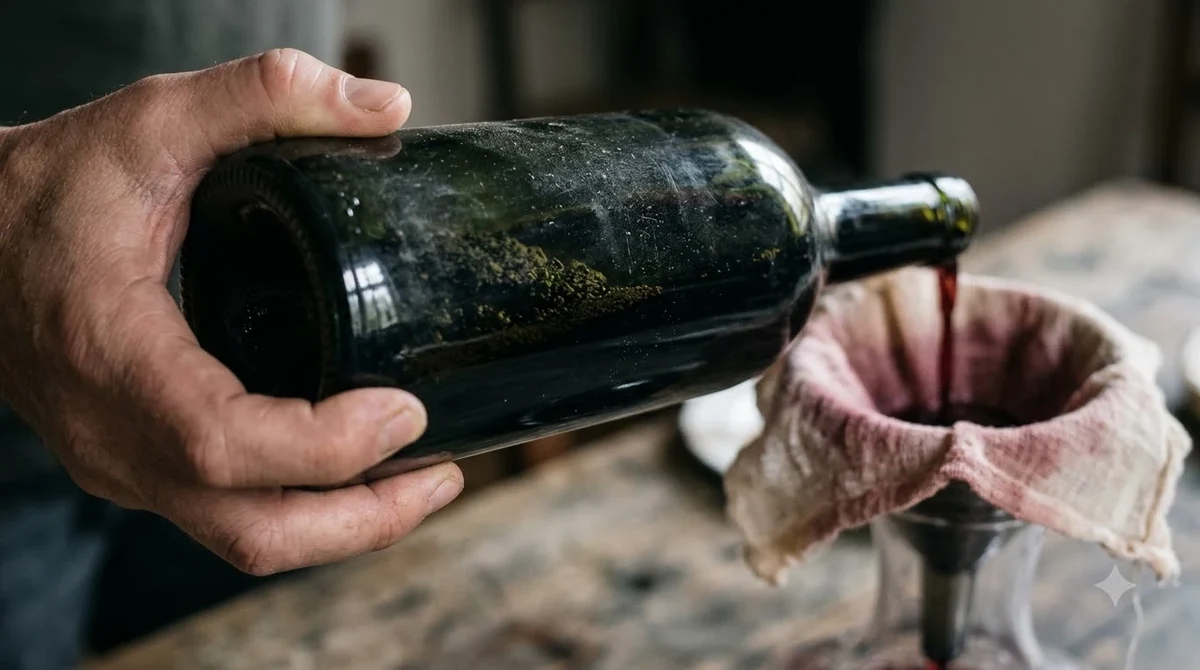
Serve Nemea red at about 15 to 20 degrees Celsius, which is close to 60 to 68 degrees Fahrenheit. That range lets the fruit show clearly without the tannins feeling harsh. Many examples benefit from decanting for about an hour before serving, especially younger reds with firm structure. A large glass lets the aromas open up.
Nemea reds can also age. Wine Folly suggests that a well-made bottle can be cellared for ten years or more, so buyers who like to keep a few bottles should look for vintages from producers with a track record of structure. Most everyday bottles are best drunk within a few years of release.
Food pairing with Nemea wine
Agiorgitiko is a natural match for the Greek table. Roasted lamb, grilled meats and slow-cooked stews all suit its medium-full body. Tomato-based sauces, such as those used in baked pasta or braised dishes, balance the wine’s fruit and acidity well. The same qualities also make it a good partner for spiced cuisines, from Middle Eastern dishes to Indian curries with warm spices.
The wine’s nutmeg and cinnamon notes can echo the spices in a dish, which is why it works so well with roasted vegetables and rich, herb-driven sauces. For a simple dinner, pair a Nemea red with grilled chicken thighs, a Greek salad with feta and olives, or a lentil stew with smoked paprika.
How to choose a Nemea bottle
Start with the appellation name and the producer. Because the region has a long history of red wine making, many estates have decades of experience with Agiorgitiko, and their labels usually describe the style clearly. Look for information about vineyard altitude, whether the wine was aged in oak, and the vintage.
If you are new to Greek reds, a Nemea with moderate oak and a clear fruit profile is a good place to begin. If you prefer lighter wines, look for a rosé or a younger red, which tends to be fresher and more approachable. Buyers who want something bolder can look for reserve or single-vineyard bottlings, which often show more concentration.
Where Nemea fits among Greek wines
Greece has many indigenous varieties, and Nemea is one of its most recognized red appellations. Compared with the aromatic whites that dominate some Greek islands, Nemea reds are richer and more structured, which makes them a good choice for buyers who prefer red wine with dinner. The region’s position in the Peloponnese also links it to a long agricultural tradition that shapes local food.
Visitors who travel to Greece often find Nemea wines at local restaurants, where they pair naturally with grilled meats and mezes. Buying a bottle to take home is a good way to remember the region, and it gives a practical look at how a Greek red can compare with wines from other warm, dry areas.
Frequently Asked Questions
What kind of wine is Nemea?
Nemea is a protected appellation for red wine, most often made from the Agiorgitiko grape. The wines are usually dry, with medium-full body and fruit-forward flavors.
What does Agiorgitiko taste like?
Typical flavors include raspberry, blackberry, plum, black pepper and nutmeg. Tannins are medium-high and acidity is medium, so the wine feels structured but approachable.
Should Nemea wine be decanted?
Many examples benefit from about an hour of decanting, especially younger reds. Lighter styles and rosés usually do not need it.
What food goes well with Nemea red?
Roasted lamb, grilled meats, tomato sauces and spiced dishes pair well with Nemea red. A simple lentil stew or a Greek salad with feta is also a good match.
Nemea wine is a rewarding place to start if you want to explore Greek reds. Choose a dry Agiorgitiko for a first bottle, serve it slightly cool, and pair it with grilled meat or a tomato-based dish. For more on the grape’s style and serving guidance, the Wine Folly guide to Agiorgitiko is a useful next step, and the alentejo wine page offers a comparison with another warm, dry red region. For broader context on regions, see the Wine Regions guide.
More in Wine Regions
 Willcox Wine Trail: Discover Arizona’s High-Elevation Wine CountryUpdated Nov 20, 2026
 Yakima Valley Wine Region: Find the Best Styles to TryUpdated Nov 20, 2026
 Vosne Romanee Wine Tasting: Identify Aromas and Choose Better PairingsUpdated Nov 20, 2026
 Yakima Valley Wine Festival: Find the Best Seasonal Wine EventsUpdated Nov 20, 2026
 Wales Vineyards: Discover Cool-Climate Wines and Where to VisitUpdated Nov 20, 2026
 Yountville Wine Festival: Discover Napa Wines and Local FoodUpdated Nov 20, 2026