

We may earn a commission when you buy through links on this page, at no extra cost to you. Learn more.
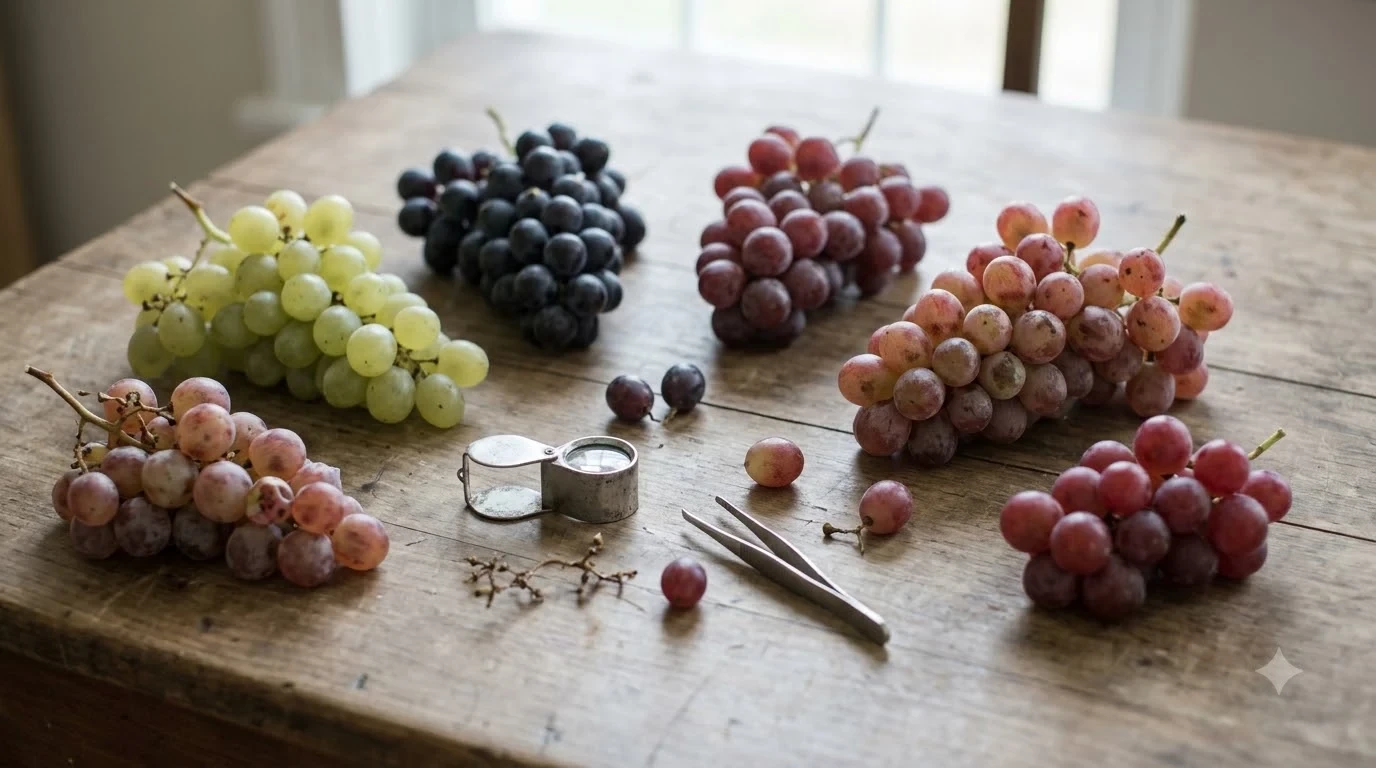
An agiorgitiko grape is a red grape from Greece and the most widely planted red variety in the country. It makes medium-full bodied wines with medium-high tannins and flavors of ripe berries, plum, and warm spice. Nemea is the area where the grape is most often praised for full-bodied reds, and the same variety also appears in rosé and lighter red styles.
If you have spotted agiorgitiko on a Greek wine list or in a shop, you may be wondering whether it tastes like the Italian or French reds you already know. This guide explains the flavor profile, the main styles, how to serve the wine, and the foods that match it best.
Why agiorgitiko matters in Greek wine
Agiorgitiko is the most widely planted red grape in Greece, which makes it the country’s everyday red as much as a specialty variety. Because it is so common, you will find it in a wide price range, from simple table reds to more serious bottles that aim for depth and structure. That range is one reason the grape is worth knowing if you enjoy exploring wines outside the usual Cabernet, Merlot, and Pinot Noir lineup.
Wine Folly points to Nemea as the source of the best examples, which it describes as the full-bodied reds from that area. For a wine shopper, that is a useful clue: when a label names Nemea, you can expect a wine that is generally more concentrated and structured than a light, fresh rosé from the same grape.
Flavor profile and body
Agiorgitiko is a red wine with medium-full body and medium-high tannins. According to Wine Folly’s agiorgitiko grape guide, the typical flavors are raspberry, blackberry, plum sauce, black pepper, and nutmeg. The same source notes medium acidity and an alcohol range of 11.5 to 13.5 percent ABV, which places the wine in a middle zone between light reds and bigger, heavier styles.
The tannins are what give agiorgitiko its structure. They create the grip you feel on the gums and tongue, and they help the wine hold up to rich food. Medium-high tannin is noticeable, but it is usually softer than the tannin in a young Cabernet Sauvignon, which makes the wine approachable for drinkers who want a red with some backbone but not a heavy finish.
The fruit is dark and ripe rather than tart. Plum and blackberry lead, and the black pepper and nutmeg notes add a warm, spiced finish. Wine Folly also mentions subtle cinnamon and nutmeg character, which is why the grape pairs so well with spiced dishes.
| Feature | What to expect from agiorgitiko |
|---|---|
| Body | Medium-full |
| Tannin | Medium-high |
| Acidity | Medium |
| Main flavors | Raspberry, blackberry, plum sauce, black pepper, nutmeg |
| Alcohol (ABV) | 11.5% to 13.5% |
| Styles | Rosé to full red |
Styles from rosé to full red
Agiorgitiko is made in a range of styles, from rosé to red, and that flexibility is part of its appeal. A rosé from the grape tends to be fresher and lighter, with more berry character and less tannin. A red made for ageing will show more depth, more spice, and firmer structure, and it usually benefits from time in the glass or decanter before drinking.
When you choose a style, think about the occasion. A lighter rosé suits warm afternoons and simple salads, while a fuller red fits a long dinner with roasted meat. If you are unsure, check the label for the producer’s description and whether the wine is labeled as rosé or red, since that difference matters more than the grape name alone.
Tip: Agiorgitiko rosé is often the easiest entry point for drinkers who are new to the grape. It shows the fruit character without the heavier tannin of the red styles.
How to serve agiorgitiko
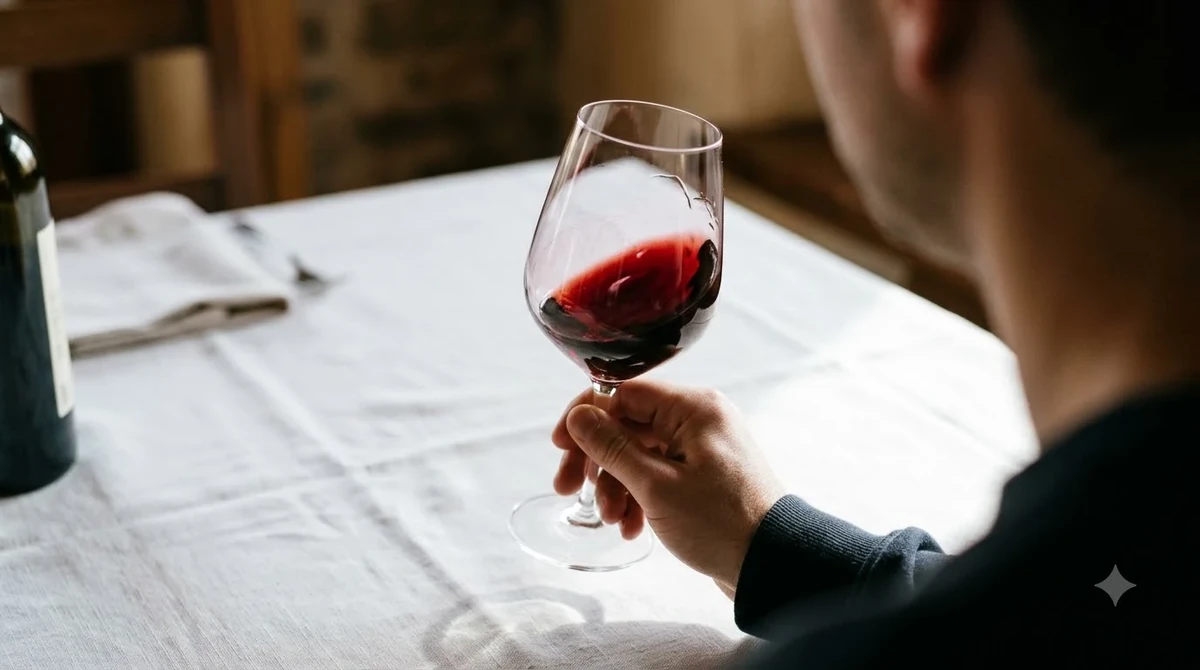
Wine Folly recommends serving agiorgitiko at 60 to 68°F (15 to 20°C), which is a little cooler than many people serve red wine at room temperature in a warm home. Serving the wine slightly cool helps keep the fruit bright and stops the alcohol from feeling too prominent. Use an oversized red wine glass so the aromas have room to open.
The same source suggests decanting agiorgitiko for about one hour. This gives the tannins time to soften and lets the spice notes develop. For a younger red, decanting is especially useful, because the wine can taste tight straight from the bottle. If you are serving a rosé, skip the decanter and chill the bottle more than you would a red.
Wine Folly also describes a cellaring window of 10 years or more for agiorgitiko. Most bottles are enjoyed sooner, but a structured red from a good vintage can develop more complexity over time, so there is no need to drink every bottle in its first year.
Food pairings that suit agiorgitiko
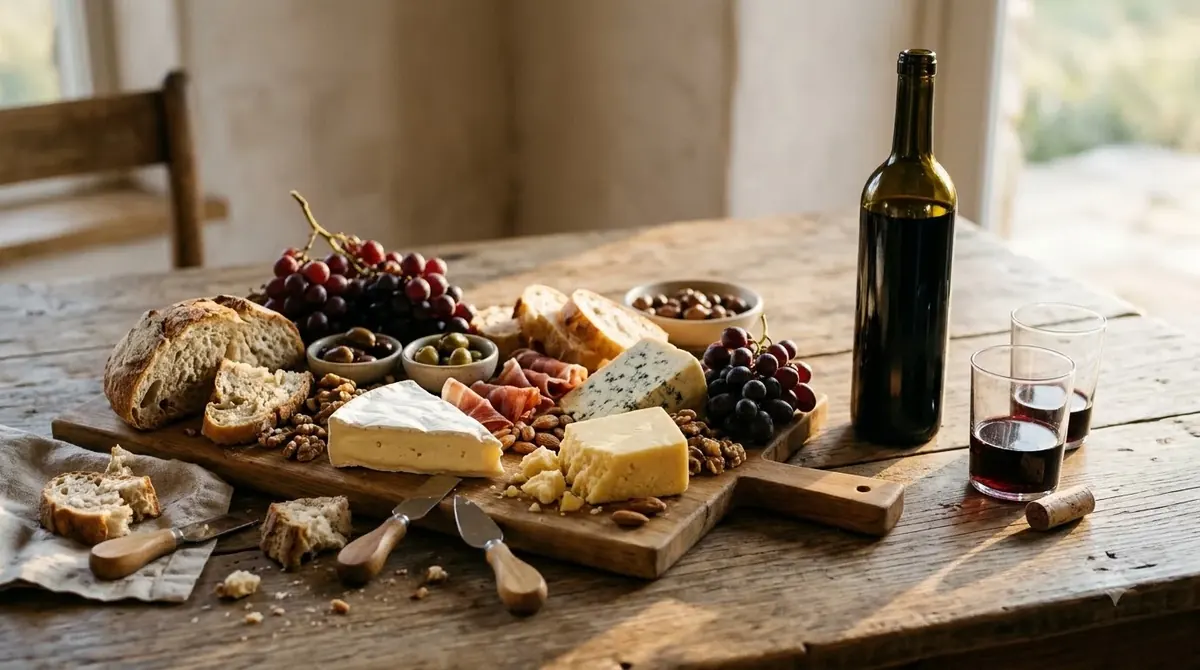
Wine Folly lists roasted meats, tomato sauces, and spiced cuisines from the Middle East to India as strong partners for agiorgitiko. The medium-high tannin works well with roasted lamb, beef, or pork, while the fruit and acidity handle tomato-based dishes without overwhelming them. The grape’s spice notes also suit dishes built on cumin, cinnamon, and coriander.
For a simple dinner, try a braised beef stew, a roasted pork shoulder, or a baked dish with tomato and herbs. Spiced rice with lamb or a plate of grilled vegetables with garlic and yogurt also work well. Keep the pairing rich enough to match the wine’s body, since a delicate fish dish will be overpowered by a red with this much structure.
How to choose a bottle of agiorgitiko
Start with the style you want. If you enjoy a fresh, fruity red for everyday meals, look for a bottle that describes the wine as medium-bodied with ripe berry fruit. If you want a fuller wine for a special dinner, look for a red from a producer who highlights the structure and spice. Read the back label or the producer’s description rather than relying on the grape name alone.
Producer and region matter as well. Greek labels can be less familiar than those from France or Italy, so a short conversation with a retailer can save time. If you already drink Italian reds and want to compare styles, our guide to antinori red wine offers a useful reference point for how a structured Mediterranean red can differ in fruit and oak character.
For a broader look at how wines are grouped by brand and origin, the wine brands guide is a good next stop after this article.
Frequently Asked Questions
What does agiorgitiko taste like?
Agiorgitiko typically tastes of raspberry, blackberry, plum sauce, black pepper, and nutmeg. It has medium-full body and medium-high tannins, so it feels structured without being as heavy as the biggest red styles.
Is agiorgitiko a dry wine?
Yes, the red styles are dry, and Wine Folly describes the sweetness as bone-dry. The grape is also used for rosé, which is typically lighter and fresher than the red wines made from the same variety.
How should agiorgitiko be served?
Wine Folly suggests serving it at 60 to 68°F (15 to 20°C) in an oversized glass. For a red, decanting for about one hour helps the tannins soften and lets the spice notes come forward.
What foods go well with agiorgitiko?
Roasted meats, tomato sauces, and spiced dishes from the Middle East to India are good matches. The medium-high tannin pairs well with rich, savory food, so lighter fish dishes are usually a poorer match for a full red.
Agiorgitiko rewards drinkers who like red wines with ripe fruit, a little spice, and a clear structure. Start with a rosé or a medium red, serve it at the right temperature, and pair it with roasted meat or spiced food. Once you know the grape, the next step is to compare a Greek red with a red from another Mediterranean country.
More in Wine Brands
 Underwood Wine Price: Compare Bottles, Cans, and Pack SizesUpdated Nov 21, 2026
 Zenato Wine Price: Compare Styles and Choose the Right BottleUpdated Nov 21, 2026
 Zuccardi Wine Price: Compare Bottles and Find the Right RangeUpdated Nov 21, 2026
 Yellow Tail Moscato Review: Taste, Sweetness and Serving TipsUpdated Nov 21, 2026
 Wolf Blass Yellow Label Review: Choose Your Best StyleUpdated Nov 21, 2026
 Wolffer Estate Rose Review: Choose the Right Bottle for Your TableUpdated Nov 21, 2026