

We may earn a commission when you buy through links on this page, at no extra cost to you. Learn more.
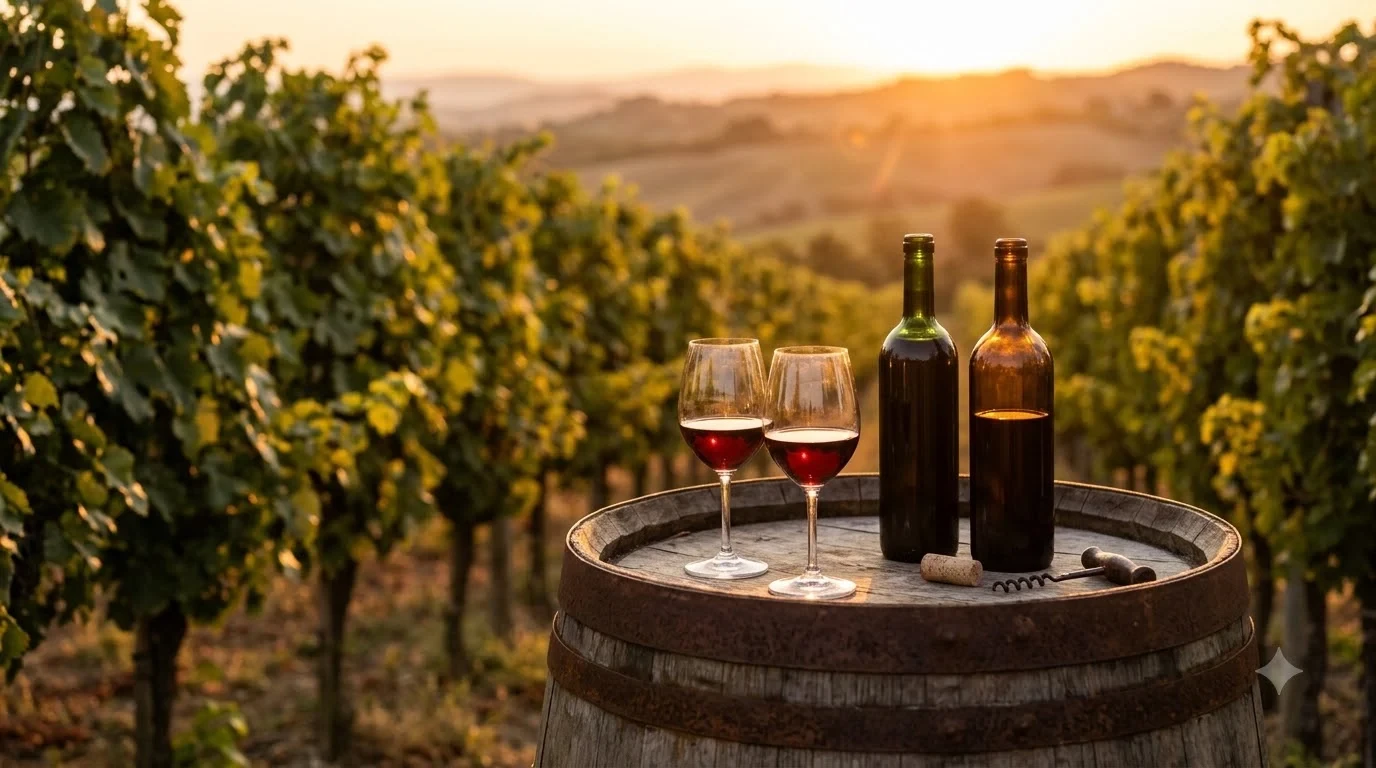
Nevada wine country is a collection of small wineries and vineyards spread across the state’s southern desert valleys and northern high-desert communities. Pahrump is the best-known destination for traditional vineyard visits, while Reno, Fallon, Lovelock, and Amargosa Valley offer additional opportunities to discover locally produced wines. Visitors can find everything from Zinfandel and Syrah to Chardonnay, Viognier, and the distinctive Symphony white wine.
Nevada might be better known for Las Vegas entertainment, Lake Tahoe scenery, and vast desert landscapes than for vineyards, but its wine industry has developed a character of its own. Growing grapes here requires careful attention to heat, water, soil, and elevation. The result is a small but interesting collection of producers experimenting with varieties suited to the Silver State’s challenging growing conditions. A wine trip can combine vineyard visits, mountain views, agricultural history, and tasting rooms that offer a very different experience from the established wine routes of California or Oregon.
Where Nevada’s Wine Regions Are Located
Nevada does not have one continuous wine-producing valley. Instead, its wineries are distributed across several geographically separated communities, with Pahrump in the south and Reno, Fallon, and Lovelock in the north providing different ways to experience local wine production. Understanding these locations makes it easier to plan a realistic visit rather than attempting to cover the entire state in one trip.

Pahrump Valley is the most recognizable starting point for visitors interested in vineyards. Located west of Las Vegas, the valley sits between desert landscapes and mountain ranges, creating a setting where vineyards can stand out against the surrounding dry terrain. Sanders Family Winery, Artesian Cellars, and Charleston Peak Winery make this area particularly relevant to wine travelers. The combination of established producers and newer operations gives visitors an opportunity to explore several approaches to Nevada grape growing.
Northern Nevada provides another perspective. Reno has an urban wine-production scene, while Fallon is associated with estate agriculture and Churchill Vineyards. Lovelock offers a smaller rural tasting experience at Kruze Road Winery. Amargosa Valley, meanwhile, provides a southern desert setting near Death Valley through Tarantula Ranch Vineyard. These locations are not neighboring tasting rooms, so visitors should organize their trip around one geographic area at a time.
The following overview helps distinguish the principal destinations:
| Area | Notable producer | Wine experience | Travel reference |
|---|---|---|---|
| Pahrump Valley | Sanders Family Winery | Vineyard tours and tastings | West of Las Vegas |
| Pahrump Valley | Artesian Cellars | Estate-grown varieties | West of Las Vegas |
| Pahrump Valley | Charleston Peak Winery | Locally grown wines and sparkling wine | West of Las Vegas |
| Amargosa Valley | Tarantula Ranch Vineyard | Estate wine and desert scenery | Near Death Valley |
| Reno | Nevada Sunset Winery | Urban production and hosted tastings | Northern Nevada |
| Fallon | Churchill Vineyards | Estate vineyard and white wines | East of Reno |
| Lovelock | Kruze Road Winery | Outdoor vineyard tastings | Northeastern Nevada |
These destinations represent different stages and styles of the state’s wine industry. Pahrump is the strongest choice for a traditional vineyard-focused outing, whereas Reno is more convenient for travelers who want an urban tasting experience. Fallon is especially interesting for visitors curious about the connection between Nevada agriculture and winemaking. For a broader understanding of how American wine-growing areas differ, the Wine Regions resource provides useful context for comparing states and growing environments.
How Nevada Developed Its Wine Industry
Nevada’s modern wine industry developed through experimentation rather than a long-established commercial tradition. Pahrump became an important early center, and subsequent vineyard projects in northern Nevada helped establish a broader understanding of which grapes could survive the state’s demanding growing conditions.
One of the most important early names is Sanders Family Winery. Founded by Jack Sanders in 1988, it became Nevada’s first state-licensed winery. Its establishment helped demonstrate that commercial winemaking could take place in a state more commonly associated with mining, ranching, and desert agriculture. The winery’s continued emphasis on vineyard tours and visitor participation also makes it a useful destination for understanding the development of local wine production.
Pahrump’s agricultural history is closely connected to the challenge of cultivating vines in a dry environment. Early vineyard attempts faced difficulties that included animal damage and the need to identify suitable planting material. Growing grapes in a desert setting required more than abundant sunshine. Producers needed to understand irrigation, soil conditions, vine protection, and the effects of changing temperatures throughout the growing season.
University research later helped provide a more systematic approach. The University of Nevada, Reno conducted experimental grape-growing trials for more than 25 years, examining the performance of different varieties in northern Nevada’s high-desert conditions. Its experimental vineyard evaluated 12 varieties, including Chardonnay, Sauvignon Blanc, Riesling, Pinot Gris, Pinot Noir, Gewurztraminer, Cabernet Franc, Tempranillo, and Merlot.
The university’s Desert Farming Initiative partnered with Nevada Grape Growers & Winemakers in 2021 to support the state’s developing wine industry. This work connects practical vineyard experience with research into grape survival, berry development, harvest quality, and suitable planting locations. The university’s research program is particularly important because Nevada cannot simply copy the vineyard practices of established coastal wine regions.
For additional background on the state’s agricultural wine-growing experiments, the University of Nevada, Reno’s vineyard research program explains the varieties, partnerships, and practical challenges involved in developing local production.
Climate, Soil, and the Challenges of Growing Grapes
Nevada’s wine-growing environment is shaped by dry conditions, substantial sunshine, elevation differences, and significant temperature variation. These factors can help grapes develop concentrated flavors, but they also create challenges involving irrigation, frost, water quality, and soil composition.
Pahrump’s warm days and cooler nights are frequently identified as favorable features for local wine production. Warm daytime conditions help grapes ripen, while cooler nighttime temperatures can help preserve freshness. However, desert sunshine alone does not guarantee a successful harvest. Growers must manage water carefully and select varieties that can handle the particular conditions of their vineyards.
Northern Nevada presents a different combination of growing conditions. Elevation, slope, seasonal frost, and changing temperatures can have a substantial effect on vine performance. A vineyard site that succeeds in one valley may not produce the same results in another. Even relatively short distances can create differences in exposure, soil composition, and growing-season conditions.
Soil and water are particularly important. WineAmerica identifies elevated boron content, salinity, and hard water as obstacles for Nevada grape growers. These factors can affect vine development and make irrigation management more complicated. Growers need to consider the mineral composition of their water supply and the ability of the soil to support healthy root growth.
The University of Nevada, Reno’s research program specifically examines soil type, elevation, slope, water quality, temperatures, frost events, pests, and disease. This is practical site-selection work rather than simply an effort to identify grapes that produce attractive wines in a tasting room. Long-term vine survival and consistent fruit quality are necessary for a commercially sustainable vineyard.
Water management deserves particular attention. In a dry agricultural environment, irrigation decisions influence both plant health and fruit development. Too little water can stress vines, while poorly managed irrigation can create problems with growth and grape maturity. Growers must balance water availability with the needs of each variety and the conditions of each growing site.
Research into Riesling provides a useful example of this careful approach. Between 2021 and 2023, the university and its industry partners established a network of seven vineyard sites across Nevada. The project included 490 own-rooted Clone 12 Riesling vines distributed among university and private vineyard locations. Its purpose is to improve understanding of the grape’s performance under Nevada conditions and provide growers with better guidance about commercial planting decisions.
Tip: Do not assume that every Nevada winery produces exclusively estate-grown wine. Some producers use grapes from multiple Nevada vineyards, while others also work with fruit from California. Ask about the grape’s growing location if supporting Nevada agriculture is an important part of your visit.
These environmental differences explain why Nevada wine should be approached as a developing collection of local growing areas rather than a single uniform style. Pahrump’s desert vineyards, Fallon’s agricultural setting, and Reno’s high-desert surroundings each contribute different opportunities for grape growing.
Pahrump Valley Wineries Worth Visiting
Pahrump Valley is the most practical destination for visitors seeking a traditional Nevada vineyard experience. Sanders Family Winery, Artesian Cellars, and Charleston Peak Winery provide different perspectives on the area’s development, from an early licensed producer to operations focusing on locally grown fruit and distinctive regional wines.
Sanders Family Winery
Sanders Family Winery is an important part of Nevada’s modern wine history. Founded by Jack Sanders in 1988, the winery established an early commercial presence in Pahrump and helped demonstrate the potential of the region for winemaking. Its location offers views of the surrounding mountain landscape, creating a setting that contrasts with the urban image many travelers associate with southern Nevada.
Visitors can experience wine tastings and vineyard tours, and the winery also offers opportunities to participate in bottling. These activities make the property particularly appealing to people who want to understand more than the finished product. Seeing the vineyard and learning about the production process provides context for the decisions involved in making wine in a desert environment.
Artesian Cellars
Artesian Cellars opened in September 2020 under winemaker Tim Burke. The operation has an important connection to Nevada agriculture, harvesting more than eight tons of Nevada grapes annually from four vineyards across the state. Its portfolio includes Cabernet Sauvignon, Zinfandel, Syrah, Chardonnay, and Viognier.
This variety of grapes gives visitors a chance to explore both red and white wines. Cabernet Sauvignon generally produces a fuller-bodied wine with substantial tannin, while Zinfandel often offers ripe fruit characteristics. Syrah can bring darker fruit and spice, and Chardonnay provides a contrasting white-wine style with a different balance of acidity and texture.
Artesian Cellars also offers sensory workshops, paint-and-sip classes, a restaurant, and a monthly First Friday community event. These activities provide alternatives for visitors who want to combine wine tasting with a longer afternoon rather than making a brief stop at a tasting counter.
Charleston Peak Winery
Charleston Peak Winery, formerly known as Pahrump Valley Vineyards, has reopened under new ownership. The winery’s locally grown selection includes Symphony white and Amargosa red blend. Its identity is closely connected to the desert setting and the use of grapes cultivated in Nevada.
One particularly interesting distinction is its sparkling wine. Charleston Peak Winery became the first Nevada winery to produce a sparkling white wine from Nevada-grown grapes. This is an important development for a state whose wine industry is still relatively small and experimental.
The Symphony white is another wine worth asking about during a visit. Rather than focusing only on familiar international grape names, tasting a regional wine can introduce visitors to the distinctive styles being developed by Nevada producers. The Amargosa red blend provides a contrasting option for people who prefer red wine.
These three wineries make Pahrump a natural starting point for a southern Nevada wine itinerary. However, visitors should confirm opening arrangements and tasting availability directly before traveling, particularly when planning several stops in one day.
Northern Nevada Wineries and Distinctive Local Wines
Northern Nevada offers a different wine experience from Pahrump, combining urban production in Reno with agricultural vineyards around Fallon and smaller rural operations near Lovelock. Churchill Vineyards and Nevada Sunset Winery are especially interesting for visitors seeking to understand the relationship between grape growing, winemaking, and the state’s agricultural economy.
Churchill Vineyards in Fallon
Churchill Vineyards was established in 2001 on the historic Frey Ranch property. Located seven miles south of Fallon, the vineyard became the first estate vineyard in Churchill County and was planted with ten varieties of wine grapes.
One of its most recognizable wines is Symphony, an aromatic white wine that illustrates the potential of grape varieties beyond the familiar Chardonnay and Sauvignon Blanc categories. The winery specializes in white wines, making it an interesting destination for visitors who prefer aromatic and refreshing styles.
Churchill Vineyards also provides an opportunity to observe the connection between growing grapes and producing wine. Travel Nevada identifies it as one of the state’s wineries where visitors can follow much of the grape-to-glass process. Its location alongside Frey Ranch Distillery creates another agricultural connection, although wine and whiskey production are distinct activities.
Nevada Sunset Winery in Reno
Nevada Sunset Winery provides an alternative for travelers who prefer a city-based tasting experience. Located in Reno’s Downtown Brewery District, it operates as an urban production winery rather than a traditional rural vineyard destination.
The winery works with both Nevada-grown and California-grown grapes, including wines made entirely from Nevada varieties. This distinction is important because a winery’s physical location does not necessarily identify where all its grapes were cultivated. Asking about fruit origin provides a clearer understanding of the relationship between the wine and the state.
Visitors can take hosted tours and participate in seven-wine tastings led by winemaker Kate Boyle MacDonald. The educational approach helps explain production methods and the differences between wines made from different growing areas. For travelers already spending time in Reno, this can be a convenient way to explore Nevada wine without arranging a longer rural excursion.
Kruze Road Winery near Lovelock
Kruze Road Winery offers a smaller-scale rural experience. Located on a two-acre vineyard just north of Lovelock, the operation features an outdoor tasting area where visitors can enjoy wine in a setting surrounded by sagebrush and the sounds of local agriculture.
The winery offers tasting flights called the Hay Ride and Country Slam. Its usual visitor season runs from April through October, with appointments available from November through March. This seasonal schedule makes planning especially important for travelers passing through northern Nevada on a longer road trip.
The experience is quite different from a large commercial tasting room. The vineyard’s modest size and outdoor setting make it particularly interesting for visitors who appreciate small producers and informal wine experiences. It is also a useful reminder that Nevada wine production is not limited to the better-known destinations around Las Vegas and Reno.
Travelers interested in comparing different American wine regions might also enjoy exploring Yadkin Valley wine country, where a very different climate and growing environment shape the wines. The comparison helps demonstrate how local geography influences the varieties and styles produced in each state.
Planning a Nevada Wine Country Trip and Choosing Wines
The best way to explore Nevada wine is to choose one geographic area and build a manageable itinerary around its wineries. Pahrump works well for a southern Nevada wine-focused day, while Reno and Fallon are more suitable for a northern Nevada trip. Visiting every destination in a single outing is impractical because the state’s wineries are widely separated.
For a Pahrump visit, begin by identifying which wineries are welcoming visitors on your preferred day. Sanders Family Winery is a strong historical starting point, while Artesian Cellars and Charleston Peak Winery provide additional opportunities to explore Nevada-grown varieties. Allow enough time for vineyard tours, tasting flights, and meals rather than scheduling several visits too closely together.
A northern Nevada trip can combine Reno and Fallon if the travel schedule allows. Start with an urban tasting experience at Nevada Sunset Winery, then plan a separate excursion to Churchill Vineyards. Lovelock is better suited to a dedicated rural stop or a longer road trip through northern Nevada.
Timing matters because Nevada’s desert climate can make outdoor visits less comfortable during the hottest part of the day. Spring and fall are sensible seasons for vineyard-focused travel, although opening schedules vary by producer. Summer visitors should favor earlier appointments and confirm that outdoor tasting experiences are operating.
Understanding the Wines to Taste
Nevada’s producers work with a range of grape varieties, so tasting both red and white wines gives a broader impression of the state. Zinfandel and Syrah are particularly relevant to the southern wine-growing scene, while Chardonnay, Viognier, Symphony, and Riesling provide opportunities to explore white-wine production.
For red wine, compare the structure of Zinfandel, Syrah, and Cabernet Sauvignon. Cabernet Sauvignon generally has high tannin, which creates a firm sensation in the mouth. Syrah often has medium-plus to high tannin, while its darker fruit and spice can make it a useful partner for grilled meats and roasted vegetables. Zinfandel can provide a fruit-forward alternative.
White wines offer another useful comparison. Chardonnay generally has medium acidity, while Riesling and Sauvignon Blanc are known for higher acidity. Viognier is often more aromatic and textured. Symphony is worth exploring as a regional white-wine option because it appears in the selections of Nevada producers such as Churchill Vineyards and Charleston Peak Winery.
Serving Temperature and Food Pairing
Temperature has a noticeable effect on wine aromas and texture. Serve light white wines and rosé around 45 to 50 degrees Fahrenheit, while fuller-bodied whites are generally better at 50 to 55 degrees. Light reds can be served around 55 to 60 degrees, and fuller reds around 60 to 65 degrees.
For food, match the wine’s structure to the dish. Cabernet Sauvignon and Syrah work well with grilled beef, lamb, and other richly flavored meats because their tannins complement protein and fat. Chardonnay can pair with roast chicken, creamy pasta, and grilled vegetables. High-acidity Riesling can complement salty dishes and foods with noticeable acidity.
Sweetness also matters. A dessert wine should be at least as sweet as the dessert being served; otherwise, the wine can taste harsh or sour. Salty and fatty foods can soften the perception of tannin, while chili heat can become more pronounced with high-alcohol or tannic wines. Oily fish generally works better with white wines than with tannic reds.
Practical Tasting Tips
A standard wine pour is approximately five ounces, and a 750-milliliter bottle provides about five standard glasses. During a tasting day, smaller samples make it easier to compare several wines without losing the ability to appreciate their individual aromas and flavors.
For bottles purchased during a trip, storage conditions are important. Keep unopened bottles on their sides in a cool location near 55 degrees Fahrenheit, away from direct sunlight and substantial temperature changes. Once opened, refrigerate still wines and generally consume them within three to five days for the best quality.
Ask winery staff about the grapes, growing location, production methods, and recommended serving temperature. These questions can reveal more about Nevada’s developing wine industry than simply choosing a familiar grape variety. They also help distinguish genuinely local wine from wines made using fruit brought in from other states.
Visitors comparing Nevada with other American destinations can also explore Hill Country vineyards or Pennsylvania wine country. Each region has its own grape-growing challenges, local specialties, and tasting-room traditions.
Frequently Asked Questions
Does Nevada have an official American Viticultural Area?
Nevada’s wine destinations are not organized around a single federally recognized statewide American Viticultural Area. The state’s wine industry is geographically dispersed, with individual growing areas such as Pahrump, Churchill County, and northern Nevada developing their own identities. Visitors should distinguish between a tourism description of Nevada wine country and a legally designated wine appellation.
Can Nevada wine be shipped directly to customers in other states?
Direct-to-consumer shipping depends on the destination state’s alcohol regulations, not simply on whether a Nevada winery is willing to ship. Winery shipping privileges, permits, reporting requirements, and quantity limits vary by state. Buyers should confirm the applicable rules before arranging delivery across state lines.
What does Symphony wine mean in Nevada?
Symphony is a white wine grape variety associated with aromatic wines, rather than a generic name for sparkling wine or a tasting category. Nevada producers including Churchill Vineyards and Charleston Peak Winery feature Symphony in their selections. It provides an interesting alternative to more familiar white varieties such as Chardonnay and Sauvignon Blanc.
Does Nevada produce sparkling wine?
Yes. Charleston Peak Winery is recognized as the first Nevada winery to produce sparkling white wine using Nevada-grown grapes. This distinction is particularly interesting because it demonstrates that local producers are experimenting with more than conventional still red and white wines. Visitors interested in sparkling styles should ask about current releases and production details.
Why is Riesling important to Nevada’s vineyard research?
Riesling has become the focus of a coordinated research effort involving seven Nevada vineyard sites. The project uses 490 own-rooted Clone 12 vines to investigate grape growth, fruit quality, and commercial production potential under different local conditions. The findings are intended to help growers make better decisions about future vineyard development and suitable planting locations.
Nevada wine country offers an unusual opportunity to discover American wines shaped by desert agriculture, high-desert climates, and determined local producers. Start with Pahrump for its established wineries, or explore Reno, Fallon, and Lovelock for a different perspective on the state’s growing wine scene. The most rewarding visits combine regional wines with an understanding of the environmental challenges and agricultural experimentation behind every bottle.
More in Wine Regions
 Willcox Wine Trail: Discover Arizona’s High-Elevation Wine CountryUpdated Nov 20, 2026
 Yakima Valley Wine Region: Find the Best Styles to TryUpdated Nov 20, 2026
 Vosne Romanee Wine Tasting: Identify Aromas and Choose Better PairingsUpdated Nov 20, 2026
 Yakima Valley Wine Festival: Find the Best Seasonal Wine EventsUpdated Nov 20, 2026
 Wales Vineyards: Discover Cool-Climate Wines and Where to VisitUpdated Nov 20, 2026
 Yountville Wine Festival: Discover Napa Wines and Local FoodUpdated Nov 20, 2026