

We may earn a commission when you buy through links on this page, at no extra cost to you. Learn more.
Moldova wine country is an Eastern European wine destination known for its 5,000-year winemaking heritage, indigenous grape varieties, four protected wine regions, and extraordinary underground cellars. Its most distinctive wines include the elegant red Rară Neagră, the richer Fetească Neagră, and aromatic white varieties such as Fetească Albă and Viorica. Visitors can explore historic wineries, taste regional blends, and discover underground wine cities at Cricova and Mileștii Mici.
Located between Romania and Ukraine, the Republic of Moldova has developed a wine identity that combines traditional Black Sea Basin grapes with familiar European varieties. Its vineyards extend across rolling countryside, river valleys, and sunny southern plains. Although Moldova is relatively small, its wine industry covers an impressive range of styles, from crisp white wines and traditional-method sparkling wines to structured reds and oak-aged spirits. Understanding its regional differences and native grapes makes it easier to recognize what distinguishes Moldovan bottles from those of neighboring countries.
Understanding Moldova’s Wine Heritage and Geography
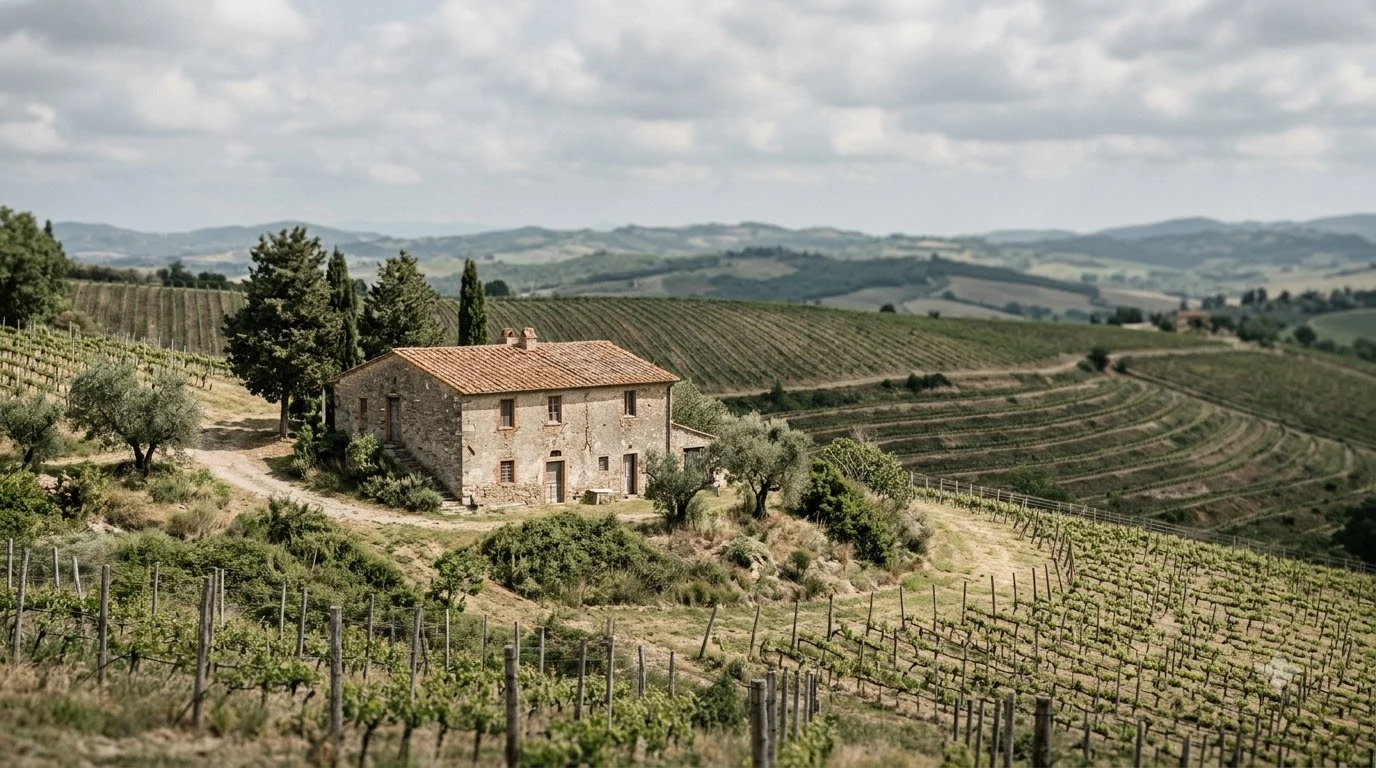
Moldova’s wine identity reflects thousands of years of viticulture, a favorable growing environment, and the continued importance of wine in its agricultural and cultural traditions. Its location between Romania and Ukraine places it within a historically significant European wine-growing area influenced by the Black Sea.
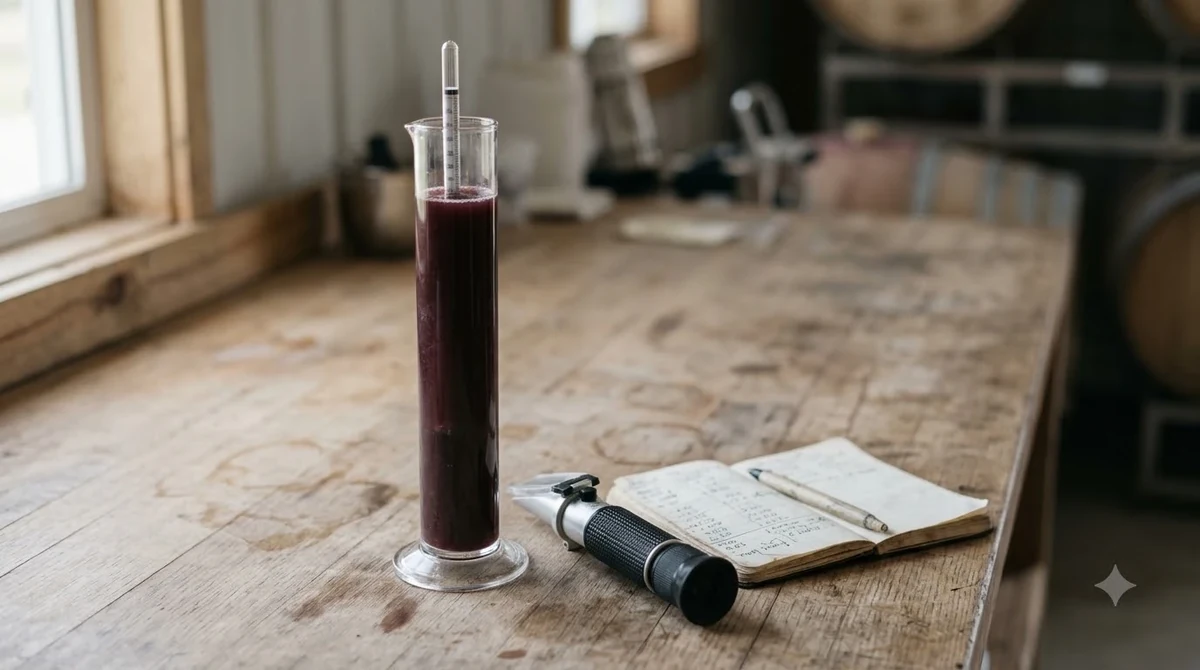
Archaeological evidence indicates that wine production in the territory dates back approximately 5,000 years. This long history is not simply a marketing detail. Vine cultivation, cellar traditions, grape selection, and winemaking knowledge have developed through successive generations, creating a strong relationship between wine and Moldovan rural life.
Wine Enthusiast identifies Moldova as a country with an exceptionally high vineyard density. Its coverage of the country’s wine industry also highlights the diversity of grapes grown there, including indigenous varieties and internationally recognized cultivars. The combination is important because Moldova does not rely on a single grape or style to define its wines.
The country’s vineyards benefit from a moderate continental climate. Summers are generally warm, while winters can be cold. The Black Sea influences parts of the growing area, helping moderate conditions in certain southern and southeastern locations. Differences in elevation, soil composition, rainfall, and exposure create distinct environments for growing white and red grapes.
Several factors explain Moldova’s importance to wine enthusiasts:
- Historical continuity: Viticulture has been practiced in the area for approximately five millennia.
- Native varieties: Grapes such as Fetească Neagră, Rară Neagră, Fetească Albă, and Viorica provide distinctive local character.
- Regional diversity: Codru, Ștefan Vodă, and Valul lui Traian have different growing conditions and wine specialties.
- International varieties: Cabernet Sauvignon, Merlot, Chardonnay, and Sauvignon Blanc are also established parts of the industry.
- Wine tourism: Underground cellars, historic estates, tasting rooms, and vineyard restaurants attract visitors interested in regional culture.
Moldovan wine production has also undergone considerable changes in its international positioning. Wine Enthusiast describes how trade restrictions and export-market changes in the 2000s encouraged producers to pursue quality improvements and develop new markets. This shift helped bring greater attention to regional identity, grape selection, and more carefully made wines.
For American wine drinkers, the result is an interesting combination. Some bottles offer familiar Bordeaux-style blends or recognizable Chardonnay profiles, while others provide opportunities to explore grapes rarely encountered in mainstream American wine shops. Readers exploring international appellations can also compare Moldova with established destinations in our guide to Wine Regions.
Wine is also deeply connected to Moldovan celebrations and hospitality. Family gatherings, harvest traditions, and national events frequently involve local wines. The annual National Wine Day, held during the first weekend of October, is an especially important celebration of the country’s winemaking culture.
The Four Moldovan Wine Regions and Their Characteristics
Moldova has four Protected Geographical Indication categories: Codru, Ștefan Vodă, Valul lui Traian, and Divin. The first three represent distinct wine-growing regions, while Divin identifies a countrywide category of oak-aged grape distillate.
The PGI system helps consumers understand where a wine originates and connects its production to regional conditions and established standards. Each designation offers a different starting point for exploring Moldovan wine.
Codru: Central Moldova’s White and Sparkling Wine Heartland
Codru occupies central Moldova and is especially associated with white wines and sparkling wine production. According to Wine of Moldova, white grape varieties account for approximately 63 percent of plantings in this region.
The region includes wooded hills, valleys, and vineyard areas influenced by surrounding landscapes. Its growing conditions favor grapes that retain freshness and aromatic character. Fetească Albă, Fetească Regală, Chardonnay, Sauvignon Blanc, and other white varieties are important names to recognize.
Codru is also the home of several internationally recognized Moldovan wine destinations. Cricova and Mileștii Mici are famous for their extensive underground cellars, while Castel Mimi combines winemaking with hospitality and dining. Château Vartely and Asconi are additional producers associated with the region.
For visitors, Codru is a particularly convenient starting point because several well-known wineries and underground cellar experiences are located within reach of Chișinău, the national capital.
Ștefan Vodă: Southeastern Moldova’s Red Wine Region
Ștefan Vodă occupies southeastern Moldova, where vineyards extend along the Dniester River. Its landscapes include terraces, plains, and slopes, with an average vineyard altitude of approximately 120 meters.
The Wine of Moldova enotourism guide describes annual rainfall of approximately 450–550 millimeters. The region’s moderate continental climate receives some influence from the Black Sea. Its soils include different forms of chernozem, with clay in certain locations.
Red varieties are particularly important here. Rară Neagră, Fetească Neagră, Merlot, Saperavi, and Cabernet Sauvignon contribute to the area’s regional identity. Purcari is the best-known winery associated with the region, particularly for its established red blends.
Valul lui Traian: The Southwestern Wine Region
Valul lui Traian covers southwestern Moldova and takes its name from an ancient defensive monument traditionally associated with the Roman emperor Trajan. It is generally regarded as the country’s warmest and driest major wine-growing area.
Its geography includes the Tigheci Hills, the Bugeac Plain, and terraces along the Prut River. The region produces both white and red wines, but its warm conditions are particularly favorable for ripe, structured reds.
Fetească Neagră, Cabernet Sauvignon, Merlot, and other red grapes are important choices for producers. The region also makes aromatic whites, rosés, and sparkling wines. Some producers are particularly interested in blending local grapes with internationally recognized varieties to create wines with both familiarity and regional personality.
Divin: Moldova’s Oak-Aged Wine Distillate
Divin differs from the other three designations because it does not describe a conventional vineyard region producing a particular style of grape wine. Instead, it identifies Moldovan oak-aged wine distillate, which can be produced throughout the country.
According to Wine of Moldova, Divin must mature in oak for at least three years. Its color can range from light gold to amber, depending on maturation, while its aromatic profile can include vanilla, dried fruit, flowers, chocolate, and wood.
Producers associated with Divin include Kvint, Barza Albă, and Călărași Divin. American consumers familiar with aged brandy will find the category easier to understand than its unfamiliar name might suggest.
| Designation | Location | Primary identity | Examples |
|---|---|---|---|
| Codru | Central Moldova | White and sparkling wines | Fetească Albă, Chardonnay |
| Ștefan Vodă | Southeastern Moldova | Structured and blended reds | Rară Neagră, Cabernet Sauvignon |
| Valul lui Traian | Southwestern Moldova | Ripe reds, whites, and rosés | Fetească Neagră, Merlot |
| Divin | Throughout Moldova | Oak-aged wine distillate | Divin aged 3+ years |
These distinctions are useful when choosing a bottle. Someone interested in fresh white wines can begin with Codru, while a drinker who prefers red blends can explore Ștefan Vodă or Valul lui Traian. Divin offers a separate experience for those interested in aged grape spirits.
Indigenous Moldovan Grapes Every Wine Enthusiast Should Know
Moldova’s native grape varieties provide some of the strongest reasons to explore its wines. Fetească Neagră, Rară Neagră, Fetească Albă, Fetească Regală, and Viorica each offer different aromatic and structural characteristics.
International varieties remain important, but local grapes help distinguish Moldovan wines from bottles produced in France, Italy, Spain, and other established wine countries.
Fetească Neagră: The Important Indigenous Red
Fetească Neagră is one of Moldova’s most significant indigenous red grapes. Its wines can show dark berries, black cherry, plum, and warm spice. Depending on the producer’s approach, the result may be a fruit-forward red with approachable tannins or a more concentrated wine with additional structure from oak aging.
Some producers use Fetească Neagră on its own, while others blend it with Cabernet Sauvignon, Merlot, or other grapes. Blending can balance its fruit character with additional tannin, acidity, and complexity.
For drinkers familiar with Merlot or Cabernet-based blends, Fetească Neagră offers a useful bridge between familiar red wine styles and Moldova’s local traditions.
Rară Neagră: A Lighter and More Elegant Red
Rară Neagră is an especially interesting grape for people who prefer freshness and moderate tannins over heavy extraction. It generally produces lighter-colored reds with delicate tannins, bright acidity, and red-fruit characteristics.
Wine of Moldova describes aromas including rosehip, red currant, and wild blackberry. These characteristics can make Rară Neagră appealing to Pinot Noir drinkers who enjoy a fresh, fruit-driven red with a lighter structure.
The grape has a long history in the region. It is also known as Băbească Neagră in Romania and Sereksiya in some other markets. Its strongest Moldovan associations include Purcari, Răscăieți, Leuntea, Talmaza, and Căușeni.
Rară Neagră is also suitable for rosé and sparkling wine production because of its naturally high acidity. This flexibility makes it one of the most interesting varieties to explore across different winemaking styles.
Fetească Albă: Freshness and Floral Character
Fetească Albă is a traditional white grape associated with delicate, fresh wines. Its aromatic profile can include flowers, citrus, orchard fruit, and subtle herbal notes.
Rather than emphasizing heavy oak or pronounced richness, many examples focus on freshness and a relatively light texture. This makes the variety a useful choice for people who enjoy aromatic white wines with moderate weight.
Fetească Regală: A Versatile White Variety
Fetească Regală is another important local white grape. Its wines are often associated with freshness, crispness, and floral or citrus characteristics. Producers can use it for still wines as well as sparkling styles.
It is a good introduction for someone who enjoys fresh Sauvignon Blanc but wants to discover a different European grape variety.
Viorica: Moldova’s Aromatic Specialty
Viorica stands apart because it is a Moldovan-developed variety with a strongly aromatic profile. Its fragrance is often compared with Muscat, with floral, fruity, and expressive notes.
It can be particularly appealing to drinkers who prefer aromatic whites rather than neutral or heavily textured wines. Its distinctive identity also makes it an interesting grape to look for when exploring lesser-known Moldovan producers.
Other grapes grown in Moldova include Chardonnay, Sauvignon Blanc, Cabernet Sauvignon, Merlot, Pinot Noir, Saperavi, and Pinot Gris. These varieties give local winemakers additional options for blending and producing wines that appeal to different international markets.
The most useful way to explore the indigenous varieties is to compare them side by side. A tasting of Fetească Albă, Viorica, Rară Neagră, and Fetească Neagră offers four distinct expressions of Moldova’s wine-growing heritage.
Famous Moldovan Wineries and Underground Cellars
Moldova’s wineries range from large underground wine complexes to historic estates and smaller family-run producers. The country’s underground cellars are particularly remarkable, but traditional tasting rooms and vineyard properties also provide valuable opportunities to understand its wines.
Cricova: An Underground Wine City
Cricova is one of Moldova’s most recognizable wine destinations. Located in the central wine-growing area, it is known for an extensive network of underground galleries used for wine storage and maturation.
Rather than functioning like a conventional cellar with a few rooms, Cricova has an underground network of streets named after grape varieties and wine styles. Visitors can encounter large collections of bottles, sparkling wine production facilities, and extensive underground storage spaces.
The underground environment provides relatively stable conditions that are useful for wine storage. Guided visits typically introduce guests to the cellar’s history, production methods, and collections before moving to tasting experiences.
Cricova is particularly interesting for visitors who want to understand Moldova’s sparkling wine tradition. Its scale makes the cellar experience as memorable as the wines themselves.
Mileștii Mici: A Remarkable Underground Collection
Mileștii Mici is another celebrated underground wine destination. Its galleries extend through a large subterranean network, with extensive bottle collections and long corridors that create the impression of an underground town.
The winery is particularly famous for its collection of stored wines and its place in international wine records. Its underground environment allows bottles to mature under relatively stable temperature and humidity conditions.
A visit provides an opportunity to learn how Moldova developed large-scale wine storage and collection traditions. It is also an interesting contrast with smaller wineries that focus on limited production and more individualized tasting experiences.
Château Purcari: Historic Wines from Ștefan Vodă
Château Purcari is one of Moldova’s best-known wine producers and an important destination in the southeastern region. Its wines are especially associated with structured red blends, including the famous Negru de Purcari.
The winery is particularly relevant to visitors interested in Fetească Neagră and Rară Neagră. These indigenous grapes demonstrate how local varieties can work alongside international grapes to create distinctive regional blends.
Purcari is a useful destination for understanding the relationship between Moldovan wine heritage and modern winemaking. Its estate setting also provides a different experience from the underground cellars of central Moldova.
Castel Mimi: Wine, Architecture, and Hospitality
Castel Mimi is another important stop for visitors exploring Codru. The property combines wine production with hospitality, dining, and an estate atmosphere.
Its architecture and visitor facilities make it particularly appealing to travelers who want more than a technical cellar tour. A visit can combine wine tasting with regional food and an opportunity to learn about the central wine region.
Other Producers Worth Exploring
Château Vartely and Asconi are additional names associated with Codru. They provide further opportunities to compare different winemaking approaches and grape combinations.
In Valul lui Traian, producers such as Gitana and Fautor offer opportunities to discover the wines of southwestern Moldova. Their regional context is especially interesting for people who want to compare the richer reds of the south with the fresher styles associated with central Moldova.
For a broader overview of vineyard destinations and travel experiences, the official Moldova Wine Road and Iter Vitis route information provides a useful starting point.
Moldovan Wine Tourism: Planning a Regional Visit
Moldova offers a relatively concentrated wine tourism experience, with established cellars, boutique producers, vineyard estates, and cultural attractions connected by organized wine routes. A visit can focus on one region or combine several destinations into a longer journey.
The official Wine Road of Moldova became part of the European Iter Vitis network in 2020. Moldova Tourism identifies 28 participating producers on the route, including 11 smaller wineries, two major underground cellars, and 15 established wineries.
Start in Chișinău and Explore Codru
Chișinău is a practical starting point for wine tourism because of its position near several major producers in central Moldova. Travelers can arrange visits to Cricova, Mileștii Mici, Castel Mimi, and other wineries depending on available tour schedules.
For a first visit, Codru offers a particularly varied introduction. It combines white wine producers, sparkling wine specialists, impressive underground cellars, and properties with dining and accommodation facilities.
A full day in the region can include an underground cellar visit, a guided tasting, and a winery meal. Visitors interested in technical details can ask about grape varieties, fermentation methods, sparkling wine production, and the differences between local and international cultivars.
Continue to the Southeastern Vineyards
Travelers interested in red wines can plan a separate visit to Ștefan Vodă. Purcari is a natural focal point because of its association with Negru de Purcari and the region’s indigenous grape varieties.
Visiting a winery in this area provides a better understanding of the Dniester River landscape and its influence on the region’s wine identity. Tastings can focus on Rară Neagră, Fetească Neagră, and blends combining local grapes with Cabernet Sauvignon or Saperavi.
Discover the Southwestern Wine Route
Valul lui Traian offers a different perspective on Moldovan viticulture. Its warmer growing conditions and southern location contribute to a range of styles, including full-bodied reds and aromatic whites.
Producers such as Gitana and Fautor can be included in a regional itinerary. Travelers who enjoy comparing terroirs should pay attention to differences in fruit ripeness, tannin, acidity, and overall wine weight.
What to Expect During a Winery Visit
Most organized winery experiences combine some explanation of production with a tasting. Larger establishments may offer cellar tours, historical exhibits, and restaurants, while smaller wineries may emphasize personal interaction with the producer.
It is sensible to arrange visits ahead of time, particularly for underground cellar tours and tastings at smaller properties. Transportation should also be planned before the day begins, especially when visiting multiple wineries.
Wine tourism is not limited to tasting rooms. Visitors can also discover local cuisine, village traditions, architecture, and harvest celebrations. These experiences help explain why wine remains such an important part of Moldova’s cultural identity.
Tip: For a first Moldovan wine trip, allow at least two days for Codru and its underground cellars, then dedicate another day to Ștefan Vodă if red wines and Purcari are priorities. Book guided tours in advance and plan transportation between wineries rather than relying on last-minute arrangements.
Travelers comparing Moldova with American wine destinations may also find it useful to explore Yadkin Valley wine country, Hill Country vineyards, and Pennsylvania wine country. These regions offer different climates and grape traditions, but the same general approach of connecting wine styles with their growing environments.
How to Taste, Serve, and Pair Moldovan Wines
Moldovan wines are versatile at the table because their range includes crisp whites, aromatic varieties, lighter reds, structured blends, and sparkling wines. Choosing the right serving temperature and food pairing helps reveal the differences between local grapes and familiar international styles.
Serving Temperatures
White wines from Codru generally benefit from cool serving temperatures that preserve freshness and aromatic detail. Light whites and rosés are best served around 45–50°F, while fuller-bodied whites are more expressive at approximately 50–55°F.
Rară Neagră is often best treated like a lighter red rather than a powerful Cabernet Sauvignon. Serving it at approximately 55–60°F helps preserve its freshness and red-fruit character. Fuller-bodied Fetească Neagră blends can generally be served at 60–65°F.
For sparkling wines, a temperature of 40–50°F helps maintain freshness and lively bubbles. Divin, by contrast, is an aged distillate and is typically served in a smaller spirit glass rather than treated like ordinary table wine.
Food Pairings for Moldovan White Wines
Fetească Albă and Fetească Regală pair naturally with lighter dishes. Consider grilled chicken, fresh salads, mild cheeses, river fish, and vegetables prepared with herbs.
Viorica’s aromatic profile makes it a particularly interesting partner for fragrant dishes. Herb-roasted poultry, lightly spiced vegetables, and dishes with fresh citrus or floral ingredients can complement its expressive aromas.
For Chardonnay, pairing depends on its winemaking style. A fresher, unoaked example works well with seafood and grilled vegetables, while a richer, oak-influenced version can accompany roast chicken, creamy sauces, or richer fish dishes.
Pairing Indigenous Red Wines
Rară Neagră is an excellent choice for dishes that benefit from a lighter red wine. Roast chicken, mushroom dishes, grilled vegetables, pork, and charcuterie are natural options.
Its relatively delicate tannins and bright acidity allow it to accompany food without overwhelming lighter flavors. It can also be a useful alternative to Pinot Noir for meals where a fresh red is more appropriate than a powerful, tannic wine.
Fetească Neagră generally has more concentrated dark-fruit character and can work well with roasted lamb, grilled beef, duck, and mushroom-based dishes. Cabernet Sauvignon and Merlot blends from Ștefan Vodă can accompany grilled meats and dishes with richer sauces.
Pairing Sparkling Wine and Divin
Moldovan sparkling wines can be served as aperitifs or alongside food. Dry sparkling styles pair well with salty appetizers, seafood, fried foods, and mild cheeses. Sweeter sparkling wines can accompany fruit desserts and pastries.
Divin is best approached as an after-dinner drink or a spirit served alongside suitable desserts. Chocolate, dried fruit, nuts, and pastries can complement its oak-derived aromas. Older examples may show additional complexity from prolonged maturation.
Understanding Acidity, Tannin, and Sweetness
Acidity is particularly important when pairing food with Moldovan white wines and lighter reds. A dish with lemon, vinegar, or a strong tomato component generally works better with a wine that has equal or higher acidity.
Tannin becomes more noticeable when paired with foods that lack fat or salt. Salt and fat can soften the perception of tannin, making structured Cabernet Sauvignon blends more comfortable with grilled meats and rich dishes.
Sweetness also matters. A wine served with dessert should generally be at least as sweet as the dessert itself. Otherwise, the wine can taste sharp or overly acidic beside the food.
Spicy dishes require some care because alcohol and tannin can intensify the sensation of chili heat. For strongly seasoned dishes, a fresh white or a softer red is often a better choice than a powerful, high-tannin wine.
Practical Bottle and Storage Guidelines
Standard wine service generally uses a 5-ounce pour. A 750-milliliter bottle provides approximately five glasses, making it a convenient format for comparing several Moldovan grape varieties at a small tasting.
Once opened, still wines generally remain in good drinking condition for approximately three to five days when refrigerated and properly sealed. Sparkling wines are more delicate and usually retain their best character for approximately one to three days with a suitable sparkling-wine closure.
For long-term storage, keep bottles away from strong light, excessive heat, and frequent temperature changes. A consistent temperature near 55°F is a useful target, and bottles sealed with natural cork are generally stored on their sides.
Young, fuller-bodied Fetească Neagră blends may benefit from approximately 30–60 minutes of decanting when they are particularly concentrated or tightly structured. Lighter Rară Neagră usually requires less aeration, so it is sensible to begin tasting without automatically decanting every bottle.
Frequently Asked Questions
Is Moldova considered an Old World wine country?
Yes. Moldova is generally classified as an Old World wine-producing country because of its long-established European viticultural traditions. Its wine culture developed alongside neighboring Romanian and Eastern European wine regions, although its indigenous grape varieties give it a distinct identity.
What does the stork symbol on Moldovan wine bottles represent?
The stork is the emblem associated with the national Wine of Moldova brand. The national brand is used as a quality and identity symbol for wines that meet the applicable requirements established through Moldova’s wine industry quality-control system.
What is Negru de Purcari made from?
Negru de Purcari is a recognized Moldovan red blend associated with Château Purcari. Its traditional composition combines Cabernet Sauvignon, Saperavi, and Rară Neagră, bringing together international and regional grape varieties in one wine.
Can Moldovan wineries produce ice wine?
Yes. Moldovan producers have made ice wine, although it is a specialized category rather than the country’s main wine style. Production depends on suitable grape conditions and the ability to harvest grapes frozen on the vine, which concentrates sugars and other components.
What language is commonly used during Moldovan winery tours?
Romanian is the country’s official language, but some wineries also accommodate international visitors in English, Russian, or other languages depending on their staff and tour arrangements. Visitors who need a particular language should request it when booking rather than assume every scheduled tour offers multilingual guidance.
Moldova offers far more than a collection of unfamiliar grape names. Its four protected wine designations, distinctive indigenous varieties, celebrated underground cellars, and historic estates make it one of Eastern Europe’s most interesting wine destinations. Whether exploring the crisp whites of Codru, the expressive reds of Ștefan Vodă, or the aged specialties of Divin, wine enthusiasts will find plenty of reasons to discover Moldova bottle by bottle.
More in Wine Regions
 Willcox Wine Trail: Discover Arizona’s High-Elevation Wine CountryUpdated Nov 20, 2026
 Yakima Valley Wine Region: Find the Best Styles to TryUpdated Nov 20, 2026
 Vosne Romanee Wine Tasting: Identify Aromas and Choose Better PairingsUpdated Nov 20, 2026
 Yakima Valley Wine Festival: Find the Best Seasonal Wine EventsUpdated Nov 20, 2026
 Wales Vineyards: Discover Cool-Climate Wines and Where to VisitUpdated Nov 20, 2026
 Yountville Wine Festival: Discover Napa Wines and Local FoodUpdated Nov 20, 2026