

We may earn a commission when you buy through links on this page, at no extra cost to you. Learn more.
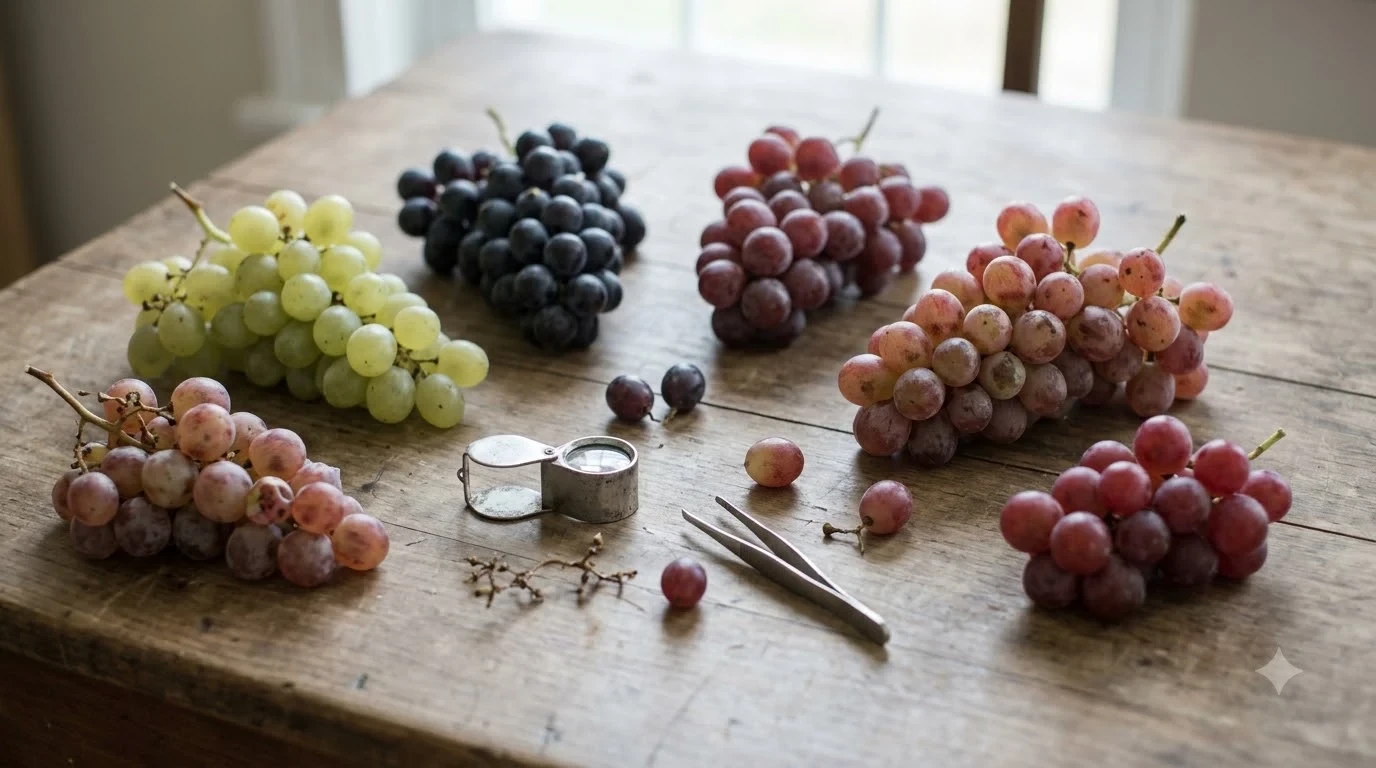
Minnesota wine grapes are primarily cold-hardy hybrid varieties, including Marquette, Frontenac, La Crescent, Frontenac gris, Frontenac blanc, and Itasca, developed to produce quality wines despite the state’s severe winters. These grapes combine winter survival, disease resistance, and distinctive fruit characteristics that allow vineyards to operate in a climate where many traditional European wine grapes struggle. Their wines range from spicy, cherry-driven reds to aromatic whites with apricot, citrus, peach, and tropical-fruit flavors.
Minnesota might not be the first state that comes to mind when considering American wine, but its grape-growing industry has developed a recognizable identity through decades of agricultural research and experimentation. The University of Minnesota has played a central role in developing grapes that can withstand freezing temperatures while retaining the acidity, sugar levels, and aromatic qualities needed for winemaking. Today, these varieties help define a distinctive northern wine style. Understanding the grapes makes it easier to appreciate Minnesota’s vineyards, choose bottles from local wineries, and recognize what makes this region different from traditional American wine-producing areas.
Why Minnesota Needs Cold-Hardy Wine Grapes
Minnesota’s wine industry depends on grape varieties that can survive winter temperatures far below what most conventional European wine grapes tolerate. Breeding programs have produced hybrids that combine the hardiness of native North American grapes with desirable winemaking characteristics from European and French-American varieties.
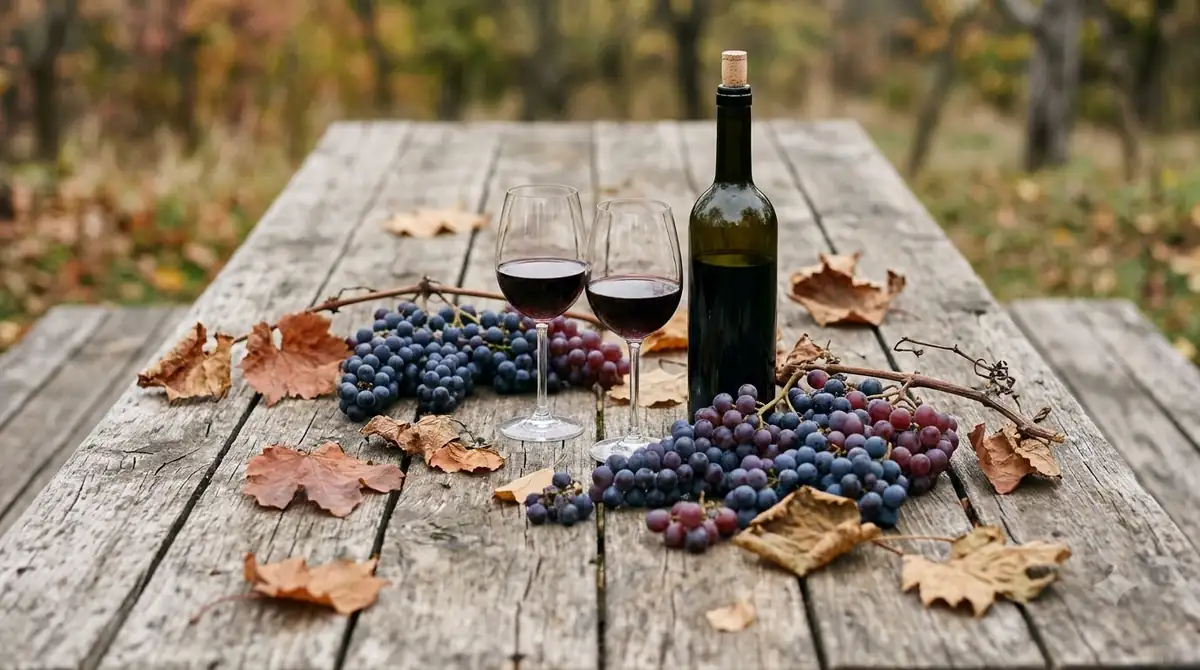
The main challenge is winter cold. Minnesota can experience temperatures below -30 degrees F, particularly in northern and inland areas. Traditional Vitis vinifera varieties, including Cabernet Sauvignon, Merlot, and Chardonnay, generally cannot survive these conditions reliably without significant protective measures. In some colder locations, growers would need to bury vines or use other winter-protection techniques, adding labor and expense to vineyard management.
Cold-hardy hybrids offer another approach. These grapes incorporate genetic material from several grape species, including Vitis riparia, a native North American species found along Minnesota’s rivers and lakes. The result is a group of cultivars better adapted to freezing conditions, shorter growing seasons, and the challenges of northern viticulture.
The University of Minnesota has been central to this development. Its grape breeding program began in the mid-1980s, building on earlier work involving regional growers and private breeders. An enology laboratory and research winery opened at the Horticultural Research Center in 2000, helping researchers study how newly developed grapes perform during fermentation and winemaking.
The program evaluates more than 12,000 experimental vines across 12 acres. Researchers assess winter hardiness, disease resistance, fruit quality, productivity, cluster characteristics, bud development, and ripening time before selecting varieties for release. A new cultivar can undergo 15 years or more of evaluation before nurseries receive a tested selection.
This research is important because surviving winter is only the first requirement. A successful wine grape must also ripen sufficiently, produce useful sugar and acidity levels, resist damaging diseases, and deliver flavors that winemakers can develop into appealing wines. Minnesota’s leading varieties represent different solutions to these requirements.
The state’s developing wine identity also has similarities to other emerging American wine regions. For comparison, Texas wine grapes demonstrate how climate and growing conditions influence the varieties that become important in a regional wine industry. Minnesota’s defining challenge, however, is extreme winter cold rather than the heat and drought experienced in many Texas vineyards.
Marquette and Frontenac: Minnesota’s Leading Red Grapes
Marquette and Frontenac are two of the most recognizable red wine grapes associated with Minnesota. Both produce richly colored wines, but Marquette generally offers a more approachable combination of cherry, berry, and spice, while Frontenac is known for intense fruit character and naturally high acidity.
Marquette
Introduced by the University of Minnesota in 2006, Marquette has become an important red grape for cold-climate vineyards. Its parentage includes genetic contributions from Frontenac and Pinot Noir, combining northern hardiness with characteristics that support structured red winemaking.
Marquette wines are generally medium-bodied and dry. Typical aromas and flavors include black cherry, red berries, black pepper, and baking spices. Some examples also develop earthy characteristics, particularly when winemakers use oak maturation to add complexity.
Compared with a heavily structured Cabernet Sauvignon, Marquette generally offers a less imposing tannin profile and a fruit-forward character. It can nevertheless produce substantial red wines with enough acidity and structure to work well alongside food.
Marquette is considered suitable for USDA Zone 4, although severe cold events between -20 and -30 degrees F can cause bud death or damage to permanent vine structures. It also prefers well-drained soils and can struggle in locations with high water tables.
Its early bud break creates another challenge. Spring frost can damage developing shoots, so vineyard location and management are important. Harvest generally takes place in late September, usually before Frontenac.
According to the University of Minnesota’s Marquette cultivar information, harvest targets commonly include 22-26 degrees Brix, a pH between 2.9 and 3.3, and titratable acidity of 11-12 grams per liter. These measurements help explain why the grape can produce wines with ripe fruit flavors while retaining a noticeable fresh acidity.
Frontenac
Frontenac was introduced in 1996 and became one of the foundational varieties in Minnesota’s modern cold-climate wine industry. It produces dark-colored fruit and is particularly valued for its exceptional winter hardiness and vigorous growth.
The wine is typically rich in cherry and red-fruit flavors, with black currant characteristics appearing in some examples. Its naturally high acidity is an important part of its personality. Winemakers must manage that acidity carefully to create balanced finished wines.
Frontenac can produce several wine styles, including dry red wine, rosé, fortified wine, and dessert wine. Its ability to retain fruit quality late in the season also makes it useful for ice wine production when appropriate weather conditions allow.
One of its major advantages is cold tolerance. University of Minnesota research identifies Frontenac as capable of surviving temperatures around -35 degrees F with relatively little damage compared with many other wine grapes. This makes it a particularly useful option in USDA Zone 3, where growing choices are more limited.
Frontenac is usually harvested in October in Minnesota, later than Marquette. Allowing fruit to remain on the vine longer can help reduce excessive acidity and develop greater flavor maturity. However, harvest decisions must account for changing weather and the risk of autumn freezes.
The grape’s versatility also makes it useful for winemakers experimenting with different styles. A dry red emphasizes cherry fruit and acidity, while a rosé can offer a lighter presentation with bright fruit and a softer finish.
Tip: When comparing Minnesota red wines, look for Marquette if you prefer medium-bodied cherry and spice flavors. Choose Frontenac if you enjoy more intense fruit, pronounced acidity, and wines with potential for different production styles.
La Crescent, Itasca, and Other Important White Grapes
Minnesota’s white wine grapes provide considerable variety, from highly aromatic wines with tropical-fruit characteristics to drier, more restrained styles. La Crescent, Itasca, Frontenac gris, and Frontenac blanc are especially important because they demonstrate how different cold-hardy grapes can produce distinct white wine profiles.
La Crescent
La Crescent was introduced in 2002 and is one of Minnesota’s best-known aromatic white wine grapes. It takes its name from the Minnesota town of La Crescent, located along the Mississippi River.
Its wines are particularly expressive, with aromas and flavors of apricot, citrus, and tropical fruit. The variety has Muscat-related ancestry, which contributes to its aromatic personality. Depending on the winemaking approach, La Crescent can produce dry, off-dry, or sweet white wines.
Its natural acidity can be relatively pronounced, making it suitable for wines with a lively, refreshing character. Some winemakers balance that acidity through residual sugar, while others prefer a drier style that emphasizes the grape’s aromatic intensity.
La Crescent is very cold hardy, although its tolerance varies according to growing conditions and vine health. It can survive temperatures between approximately -20 and -35 degrees F with some bud injury. It is less winter-hardy than Frontenac and requires attention to downy mildew, particularly on leaves late in the growing season.
Harvest typically takes place in late September. The University of Minnesota identifies 22-25 degrees Brix as an acceptable harvest sugar range, with a target pH of 2.9-3.2. Growers also need to watch for berry shattering, a tendency for ripe berries to fall from their clusters before or during harvest.
Itasca
Released in 2017, Itasca is another important University of Minnesota white grape. It was named after Lake Itasca, the northwestern Minnesota lake recognized as the source of the Mississippi River.
Itasca is particularly interesting because of its relatively low acidity and high sugar levels. These characteristics make it useful for producing balanced dry white wines without relying on the pronounced acidity sometimes associated with northern grape varieties.
Typical wine descriptions include pear, quince, kiwi, starfruit, gooseberry, and honeydew melon. Depending on the winemaking approach, the result can be fresh and restrained or more expressive and fruit-driven.
Its winter performance is especially impressive. During the 2014 polar vortex, Itasca survived temperatures of -31 degrees F with more than 60 percent primary bud survival. During another extreme cold event in January 2019, it maintained approximately 80 percent primary bud survival after temperatures reached -28 degrees F.
These results help explain why Itasca is important to growers in northern climates. It combines strong cold tolerance with disease resistance, useful sugar accumulation, and a fruit profile suited to dry white wine production.
Frontenac Gris and Frontenac Blanc
Frontenac gris and Frontenac blanc provide additional options for Minnesota white wine production. Both are closely related to the original Frontenac grape, but their fruit characteristics and resulting wines offer different possibilities.
Frontenac gris was introduced in 2003. Despite its name, it produces wines classified as white rather than conventional red wines. Its fruit has a characteristic peach quality, and the variety can retain relatively high acidity. Its vigorous growth and disease resistance make it an important choice for northern vineyards.
Frontenac blanc became available in 2012. It is a white-fruited mutation associated with Frontenac and Frontenac gris, with an earlier harvest date than the original Frontenac family variety. It offers another way for winemakers to explore the characteristics of this adaptable grape lineage.
Clarion is another University of Minnesota white-wine cultivar, introduced in 2022. It produces wines described with pear, citrus, melon, apricot, and chamomile characteristics. Its cold hardiness is more limited than that of the principal Minnesota hybrids, with good performance in Zone 5 and marginal suitability for Zone 4.
Together, these grapes demonstrate that Minnesota white wines are not limited to one particular flavor profile. Aromatic La Crescent, lower-acid Itasca, peach-like Frontenac gris, and the related Frontenac blanc give winemakers several distinct options.
Comparing the Main Minnesota Wine Grape Varieties
Each major Minnesota wine grape has a different combination of flavor, growing characteristics, and winemaking potential. Comparing their introduction dates, wine styles, harvest periods, and temperature tolerance provides a useful starting point for understanding which grapes define the region.
| Grape | Wine Style | Introduction | Typical Minnesota Harvest | Notable Characteristics |
|---|---|---|---|---|
| Frontenac | Red, rosé, dessert | 1996 | October | Cherry, black currant, high acidity |
| La Crescent | White | 2002 | Late September | Apricot, citrus, tropical fruit |
| Frontenac gris | White | 2003 | Late September | Peach, fresh acidity |
| Marquette | Red | 2006 | Late September | Cherry, berries, black pepper |
| Frontenac blanc | White | 2012 | Varies by site | White-fruited Frontenac mutation |
| Itasca | White | 2017 | Mid-September | Pear, quince, melon, lower acidity |
| Clarion | White | 2022 | Varies by site | Pear, citrus, apricot, chamomile |
The introduction dates in this comparison refer to the University of Minnesota’s cultivar information. Harvest periods are typical Minnesota windows rather than fixed annual dates. Weather, vineyard elevation, soil conditions, crop load, and individual vineyard management can shift the timing.
For a red wine enthusiast, Marquette and Frontenac are the most useful varieties to understand first. Marquette generally provides a medium-bodied, dry red wine with cherry and spice, while Frontenac offers a more acidic, fruit-rich alternative. Both can be made in different styles, so the grape name alone does not determine the sweetness, body, or oak influence of a finished bottle.
For white wine drinkers, La Crescent is a strong starting point for aromatic wines, while Itasca is particularly interesting for those who prefer drier whites with less aggressive acidity. Frontenac gris adds another option for people who enjoy peach-like fruit characteristics.
These varieties also illustrate an important distinction between grape breeding and winemaking. A grape provides the raw material, but fermentation temperature, yeast selection, skin contact, malolactic fermentation, oak use, and residual sugar decisions influence the finished wine. Two wineries working with the same cultivar can therefore produce noticeably different bottles.
Minnesota’s Wine-Growing Regions and Vineyard Conditions
Minnesota’s most promising commercial vineyards are concentrated in the southern part of the state, particularly along the Mississippi, Minnesota, and St. Croix river valleys. These areas combine favorable terrain, suitable soils, and relatively advantageous local growing conditions for cold-climate grapes.
The University of Minnesota identifies the southern third of Minnesota as particularly promising for commercial grape production. The river valleys were shaped by glacial activity and contain hills, slopes, and areas of gravelly or sandy soil. These characteristics can help vineyards manage drainage and select sites with useful exposure to sunlight.
River valleys also create variations in local climate. Elevation, slope direction, air movement, and proximity to water can affect temperatures within relatively small areas. A vineyard on a well-drained slope may experience different frost risks from a vineyard located at the bottom of a valley.
Good site selection is especially important because cold-hardiness alone does not guarantee successful grape production. Spring frost can damage newly developing shoots, while excessive moisture can encourage fungal diseases. A suitable vineyard site must balance winter survival, summer ripening, drainage, and protection from damaging weather.
Southern Minnesota’s grape-growing areas also provide opportunities for winery tourism. Visitors exploring Minnesota wine country can encounter different approaches to growing and producing cold-climate wines. Winery visits are useful for understanding the local varieties because many producers offer several wines made from grapes that are less familiar to people accustomed to California or European bottles.
For broader comparisons of regional wine production, the Wine Regions resource provides additional context about how geography and climate influence grape selection and finished wine styles.
Why vineyard location matters
Cold air drainage is an important consideration in Minnesota. Because cold air tends to move downhill and collect in low areas, growers often prefer carefully selected slopes rather than frost-prone depressions. The right slope can improve air circulation and reduce some frost risks, although no site is completely protected from extreme weather.
Soil drainage also matters. Grapevines generally perform better when their roots are not exposed to prolonged waterlogging. Gravelly and sandy soils in some river valley locations can offer useful drainage characteristics, while heavier soils may require additional site preparation.
The region’s growing season remains relatively short. Early-ripening varieties can have an advantage in northern areas, while southern locations offer a broader selection of cultivars. This is one reason the University of Minnesota’s breeding program considers harvest timing alongside winter hardiness.
How Minnesota Grapes Are Grown and Harvested
Successful Minnesota vineyards require careful management throughout the growing season. Winter protection, pruning, canopy control, disease monitoring, and harvest decisions all influence whether a vine produces healthy fruit suitable for winemaking.
Cold-climate grapes are not automatically free from vineyard problems. Their genetic background helps them withstand winter conditions, but growers still need to manage spring frost, summer humidity, rainfall, and diseases such as downy mildew, powdery mildew, black rot, and botrytis bunch rot.
Winter survival and vine management
One advantage of many cold-climate hybrid grapes is their ability to recover from winter damage. University of Minnesota Extension explains that these varieties generally have root systems with inherent resistance to phylloxera and do not require grafting onto rootstock under ordinary circumstances.
This can make retraining vines easier after severe cold events. Although winter damage may destroy older trunks or cordons, healthy roots can provide a foundation for rebuilding the vine’s structure. Growers still need to evaluate bud survival and adjust pruning decisions according to the extent of injury.
Marquette, for example, benefits from careful pruning and shoot thinning. Its open, semi-upright growth habit can be managed with either a single-high-wire system or vertical shoot positioning. The cultivar information from the University of Minnesota identifies typical in-row planting distances of 6-7 feet, depending on soil conditions.
Vineyard management also includes balancing fruit production and vegetative growth. Excessive canopy growth can reduce sunlight penetration and increase humidity around grape clusters. Appropriate shoot thinning and leaf removal help improve airflow and expose fruit to sunlight.
Spring and summer challenges
Spring frost is a major concern because several Minnesota varieties begin bud development relatively early. A sudden temperature drop after bud break can damage developing shoots and reduce the crop. Vineyard managers must consider frost exposure when selecting planting locations and training systems.
Summer rainfall and humidity create a different set of problems. Wet conditions can increase pressure from fungal diseases, making vineyard monitoring and timely disease management important. Some varieties have stronger resistance to particular diseases than others, but resistance should not be confused with complete immunity.
La Crescent is a useful example. Although its fruit can show resistance to downy mildew, the leaves are more susceptible, especially later in the growing season. If growers fail to manage this disease, the resulting loss of healthy foliage can affect the vine’s ability to prepare for winter.
Harvest timing and fruit maturity
Harvest timing varies considerably among Minnesota grape varieties. According to University of Minnesota Extension, some of the earliest-ripening varieties can be harvested in mid-August, while later varieties may remain on the vine until mid-to-late October.
Marquette commonly ripens in late September, while Frontenac is usually harvested in October. Itasca generally ripens around mid-September, and La Crescent is typically ready in late September. These windows can shift according to seasonal weather and the individual vineyard.
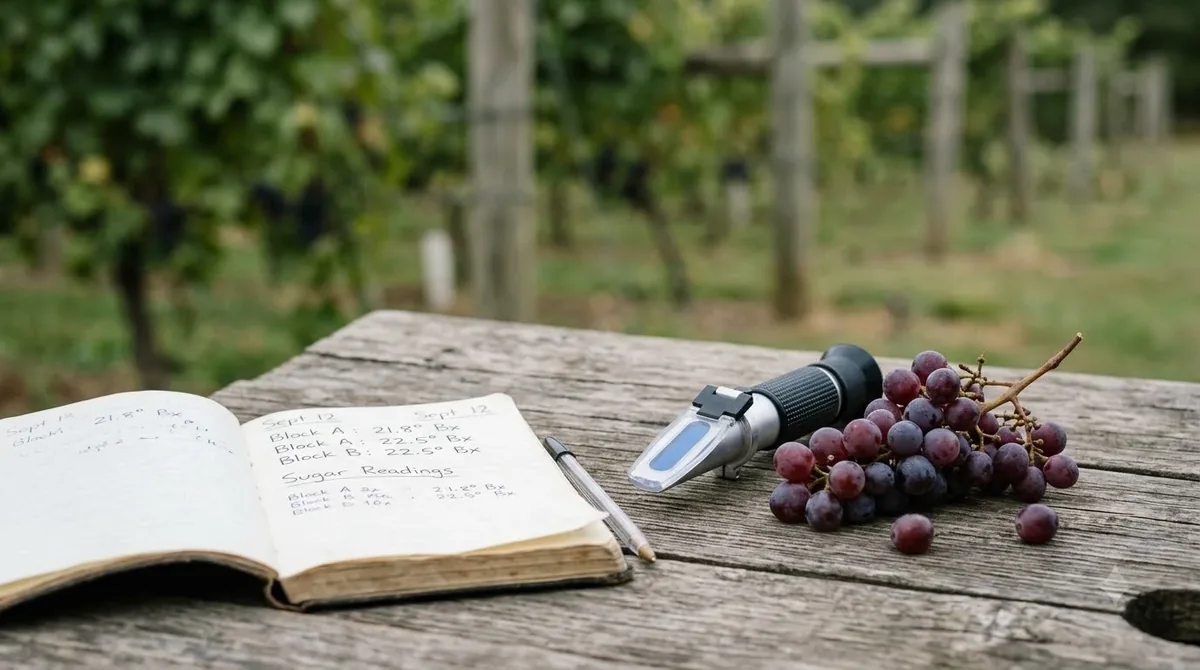
Growers monitor fruit maturity through sugar, pH, and total acidity measurements. A refractometer estimates sugar concentration in degrees Brix, while pH meters and titration equipment help determine acidity. These measurements are considered alongside berry flavor and physical condition.
Harvesting too early can leave wines with excessive acidity and insufficient flavor development. Waiting too long, however, can increase the risk of weather damage, berry deterioration, or unwanted fruit loss. La Crescent’s tendency toward berry shattering makes careful harvest planning particularly important.
For more detailed production information, the Minnesota Grape Growers Association’s vineyard management manual covers cultivar selection, site preparation, training systems, pruning, pest management, and grape maturation.
What Minnesota Wines Taste Like and How to Enjoy Them
Minnesota wines generally emphasize fresh fruit, noticeable acidity, and aromatic expression rather than reproducing the flavor profiles of warmer wine regions. Red varieties offer cherry, berry, and spice, while white varieties can provide apricot, peach, citrus, pear, and tropical-fruit characteristics.
However, there is no single Minnesota wine style. The differences between Frontenac, Marquette, La Crescent, and Itasca are substantial, and individual wineries make their own decisions about fermentation, sweetness, aging, and blending.
Pairing Minnesota red wines
Marquette is a useful companion for roasted chicken, grilled pork, mushroom dishes, and moderately seasoned beef. Its cherry and berry flavors complement roasted ingredients, while its acidity helps balance richer preparations.
Frontenac can work particularly well with barbecue, tomato-based dishes, roasted meats, and hard cheeses. Its higher acidity provides freshness alongside foods with rich sauces or savory flavors. A slightly chilled serving can also make a fruit-forward Frontenac rosé a good match for grilled vegetables and lighter summer meals.
For red wine service, lighter examples of Marquette can be served around 55-60 degrees F, while fuller-bodied reds generally benefit from 60-65 degrees F. Serving them excessively warm can make alcohol seem more prominent and reduce the perception of freshness.
Pairing Minnesota white wines
La Crescent works well with aromatic dishes, roasted poultry, lightly spiced Asian-inspired foods, and fruit-based salads. Its apricot and citrus characteristics can complement ingredients with similar flavors. Off-dry versions are particularly useful with moderately spicy dishes because a touch of sweetness can soften the perception of heat.
Itasca is a versatile choice for grilled fish, shellfish, roasted vegetables, and creamy poultry dishes. Its comparatively lower acidity can create a rounder impression, while its pear and melon characteristics provide a fresh fruit profile.
Frontenac gris can complement soft cheeses, herb-roasted chicken, seafood preparations, and dishes featuring peaches or apricots. Its peach-like character gives it an especially interesting connection with lightly sweet or savory fruit-based preparations.
Serve light white wines and rosé at approximately 45-50 degrees F. Fuller-bodied whites are generally better around 50-55 degrees F. If an aromatic wine is served too cold, some of its fruit and floral characteristics can become less noticeable.
Choosing a Minnesota wine for the occasion
For someone exploring the region for the first time, a practical approach is to taste one red and one white made from different varieties. A dry Marquette alongside a La Crescent or Itasca provides a useful introduction to the state’s contrasting wine styles.
It is also helpful to compare dry and off-dry versions of aromatic whites. The same grape can feel quite different depending on residual sugar, acidity, and fermentation choices. This comparison is particularly interesting with La Crescent, which is suitable for several sweetness levels.
Wine labels can provide useful information about grape variety, vintage, sweetness, and alcohol content. A varietal designation helps identify the grape behind the wine, while tasting notes from the winery can indicate whether the finished bottle emphasizes fruit, oak, freshness, or sweetness.
Minnesota wines are also worth considering for regional food pairings. Local cheeses, roasted meats, freshwater fish, mushrooms, and seasonal produce can provide excellent companions for wines with bright acidity and expressive fruit.
Frequently Asked Questions
Are Minnesota wine grapes genetically related to wild grapes?
Yes. Many cold-hardy hybrids incorporate genetic material from Vitis riparia, a grape species native to Minnesota and other parts of North America. Its genetic contribution helps breeders develop varieties adapted to severe winter conditions. The University of Minnesota also uses diverse genetic material from European grapes and French hybrids in its breeding program.
Can Minnesota grapes produce sparkling wine?
Yes. Cold-climate grapes can be used in sparkling wine production, depending on the grape’s acidity, fruit maturity, and the winemaker’s intended style. Higher-acid varieties can provide a useful foundation for sparkling wines. Traditional-method sparkling wine undergoes its second fermentation in the bottle, while other production methods use different fermentation vessels.
Does Minnesota produce wine from Concord grapes?
Concord grapes are grown in some parts of Minnesota, particularly in warmer southern locations. However, they are better known for juice and table use than for the modern dry wine styles associated with Marquette and other cold-hardy hybrids. Their characteristic fox-like aroma comes from their substantial Vitis labrusca heritage.
Can Minnesota grape varieties grow in other countries?
Yes. Minnesota-bred cultivars have attracted interest in other northern wine regions, including areas of Canada and northern Europe. Their cold tolerance makes them relevant to growers dealing with short seasons and severe winter temperatures. Their suitability still depends on local rainfall, disease pressure, soil conditions, and the length of the growing season.
Can home gardeners visit a collection of Minnesota wine grapes?
Yes. The University of Minnesota Landscape Arboretum’s Farm at the Arb has demonstration plantings featuring University of Minnesota grape varieties. Late summer and early fall are generally good times to see the grapes growing and compare their characteristics. The demonstration area provides an opportunity to learn about commercial northern grape production without establishing a vineyard.
Minnesota’s wine identity is built around grapes developed for a climate that challenges conventional wine production. Marquette, Frontenac, La Crescent, Itasca, and Frontenac gris demonstrate how careful breeding can produce distinctive wines while expanding the possibilities for northern vineyards. Whether you prefer structured reds, aromatic whites, or refreshing rosés, exploring these varieties offers a rewarding introduction to one of America’s most interesting cold-climate wine regions.
More in Wine Regions
 Willcox Wine Trail: Discover Arizona’s High-Elevation Wine CountryUpdated Nov 20, 2026
 Yakima Valley Wine Region: Find the Best Styles to TryUpdated Nov 20, 2026
 Vosne Romanee Wine Tasting: Identify Aromas and Choose Better PairingsUpdated Nov 20, 2026
 Yakima Valley Wine Festival: Find the Best Seasonal Wine EventsUpdated Nov 20, 2026
 Wales Vineyards: Discover Cool-Climate Wines and Where to VisitUpdated Nov 20, 2026
 Yountville Wine Festival: Discover Napa Wines and Local FoodUpdated Nov 20, 2026