

We may earn a commission when you buy through links on this page, at no extra cost to you. Learn more.
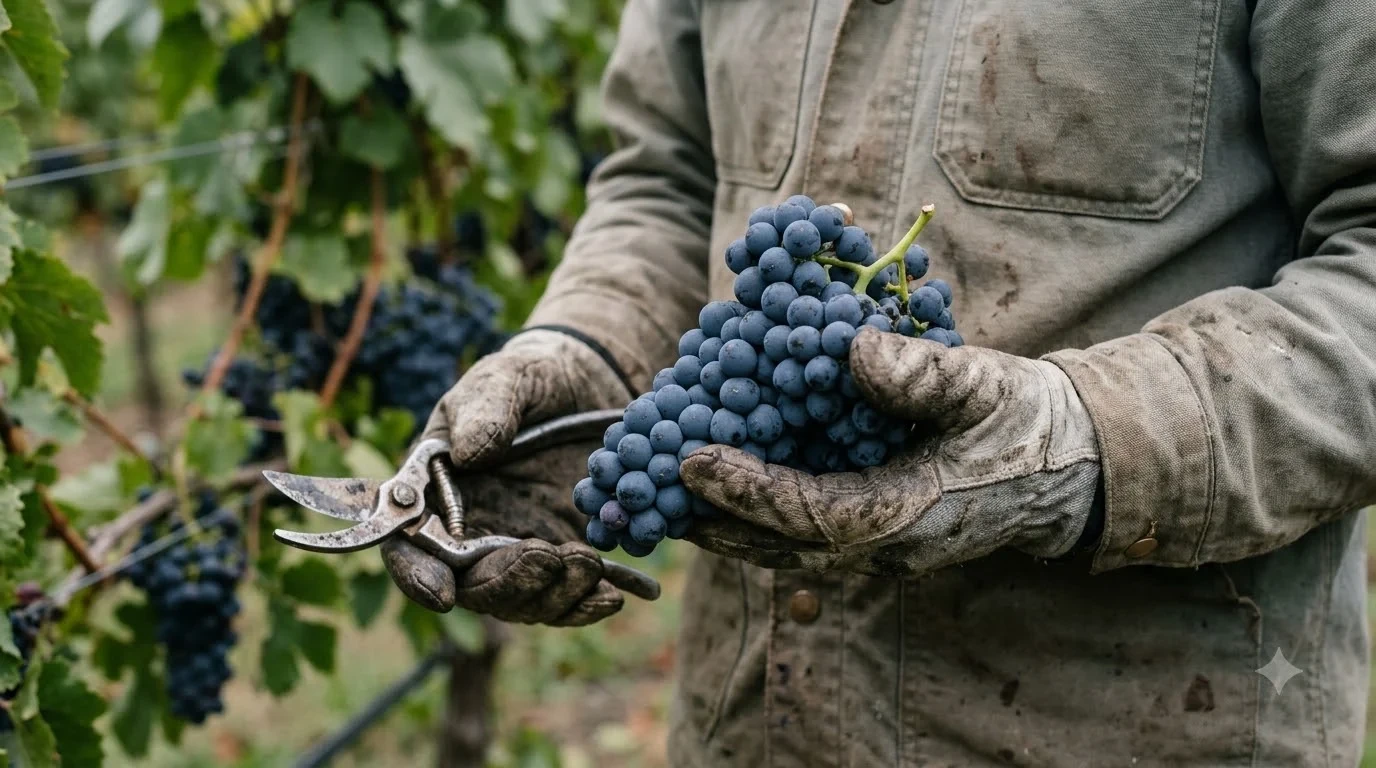
Minnesota vineyards are cold-climate vineyards that grow hardy hybrid grapes such as Frontenac, La Crescent and Marquette, and the state now counts more than 70 commercial wineries. Vines here have to survive long, severe winters, so growers pick varieties bred for cold and, in many cases, bury their vines under soil before the freeze. The result is a wine scene built on grapes that most of the country never sees on a label.
This guide covers where Minnesota vineyards are located, how the state’s wine industry grew from almost nothing into a network of tasting rooms, which grapes handle the climate, and what to keep in mind if you plan to visit or buy a bottle. Most of the background comes from the state’s wine history as summarized in Minnesota wine history on Wikipedia, along with the University of Minnesota’s cold-climate research, which has shaped the industry for more than a century.
Where Minnesota vineyards are located
Minnesota vineyards are spread across the southern and central parts of the state, where the growing season is long enough and the land is suited to grapes. The climate is harsh by any standard. Minnesota is described in viticulture references as a very cold climate, and the state sits in the coldest band of the Winkler scale used to rate grape-growing heat. That is the core challenge every grower here faces, and it explains why the state’s vineyards look so different from those in California or Oregon.
Wine-growing areas in the region are recognized under federal rules as American Viticultural Areas, or AVAs. Minnesota is part of the Upper Mississippi River Valley AVA, a larger zone that also reaches into southwest Wisconsin, northeast Iowa and northwest Illinois. The Alexandria Lakes AVA is a smaller, more specific designated area within the state. Knowing which AVA a bottle comes from helps you understand the climate behind the wine, even when the label is simple.
How the state’s wine industry developed
Grapes have been part of the Minnesota landscape for a long time. Native peoples, including the Dakota and Ojibwa, relied on wild grapes. After the Civil War, European immigrants began crossing those native vines with cultivated species to create hybrids that could handle the cold. University of Minnesota horticulturists continued that work through the late 1800s and early 1900s, and in 1944 they released four hybrid varieties.
Commercial winemaking was slow to return. After Prohibition, Minnesota’s first winery license went to the Old Sibley House Winery in West St. Paul, which operated until 1949. The modern industry started in 1973, when David Bailly planted what is recorded as the first Minnesota vineyard at Alexis Bailly Vineyard in Hastings. In 1978, Alexis Bailly produced the first commercial wine made entirely from Minnesota grapes, a milestone that opened the door for the state’s later growth.
The change since then has been large. In 1997, only three wineries operated in Minnesota. Today the state reports more than 70 commercial wineries, and the industry has built its own competition, the International Cold Climate Wine Competition, run by the Minnesota Grape Growers Association together with the University of Minnesota. It is one of the few contests devoted to wines made mainly from cold-hardy grapes, and its entries show how far the craft has moved beyond simple fruit wines.
Grapes that survive Minnesota winters
Most Minnesota vineyards depend on cold-hardy hybrids rather than classic European vinifera grapes. Several of the most important varieties were bred right in the state. Edelweiss and St. Croix were developed by Elmer Swenson, and Frontenac came out of University of Minnesota oenology programs. Other common names on Minnesota wine lists include La Crescent, La Crosse, Marquette, St. Pepin, Vignoles, Seyval blanc, Vidal blanc, Chambourcin and Marechal Foch.
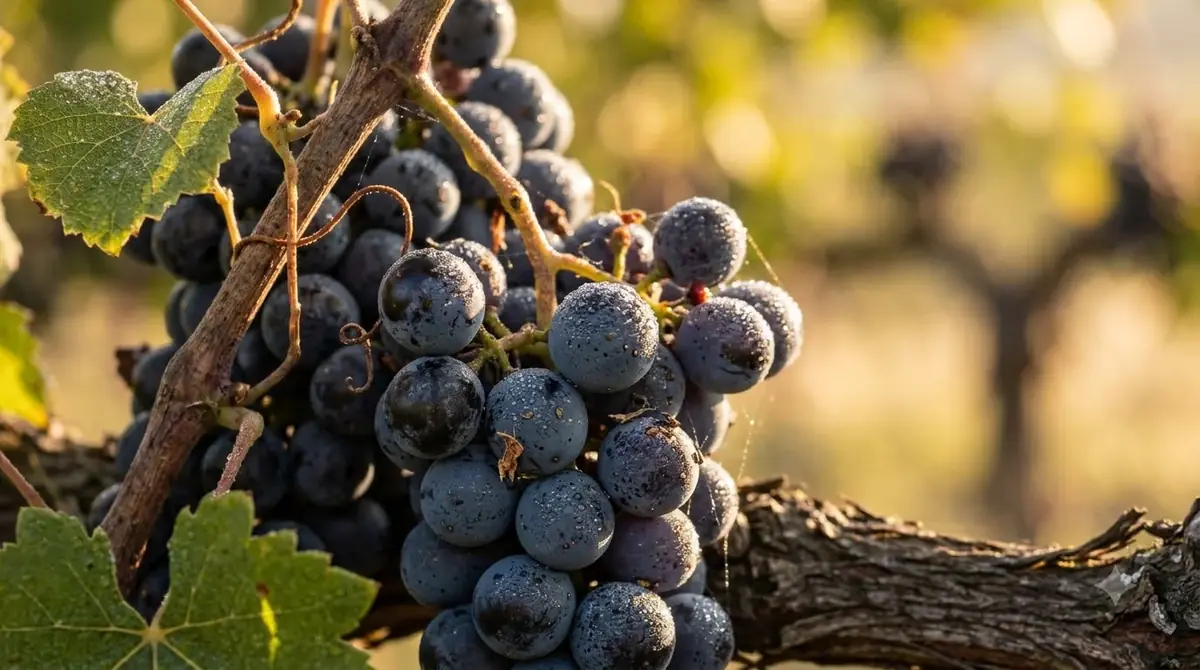
Some growers also work with vinifera varieties such as Chardonnay, Riesling, Gewurztraminer, Malbec, Syrah and Zinfandel, though these need more protection and more luck with the weather. The table below sums up the main groups you will see in the state.
| Grape group | Examples grown in Minnesota | What it usually brings |
|---|---|---|
| Cold-hardy red hybrids | Frontenac, Marquette, Chambourcin, Marechal Foch | Dark fruit, moderate tannin, often dry reds |
| Cold-hardy white hybrids | La Crescent, St. Pepin, Vignoles, Vidal blanc | Crisp acidity, floral or citrus notes, often off-dry |
| Vinifera varieties | Chardonnay, Riesling, Gewurztraminer, Zinfandel | Classic varietal styles, but more winter risk |
Winter protection and the main challenges
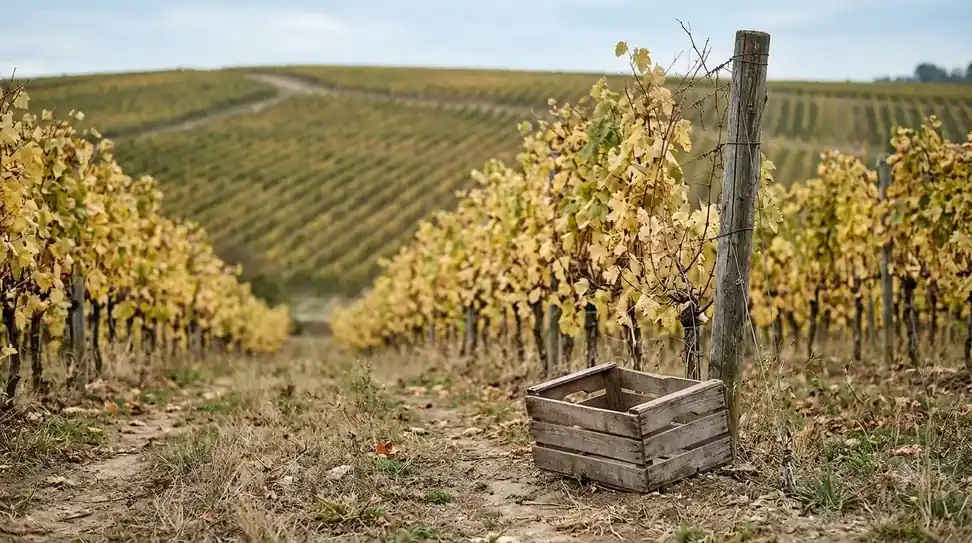
Surviving winter is the first job of any Minnesota vineyard. Many varieties must be buried under soil in the fall and uncovered again in spring, a labor-heavy routine that larger commercial vineyards in warmer states never have to perform. Growers also watch for late spring frosts that can damage new shoots, and for summers that are short compared with the regions where most American wine is made.
These pressures shape what ends up in the bottle. Cold-hardy hybrids are chosen because they keep producing fruit after a rough winter, not because they match the textures of a Napa Cabernet. Many Minnesota wineries lean into that difference, making fruit-forward reds, bright whites and sweeter styles that show off the character of the local grapes.
Visiting and buying Minnesota wine
Minnesota’s wineries are spread across the state, so the easiest way to plan is by region. Tasting rooms often sit on farms or in small towns, and many offer tours of the vineyard or the winemaking area. Hours and tour availability change by season, so check a winery’s website or call ahead before you drive out, especially in the winter months when some rooms run reduced schedules.
When you buy, look for the variety and the region on the label. A bottle that names a cold-hardy grape and a specific place tells you what to expect on the palate and how the wine was grown. Many shops in the state carry local bottles alongside imports, so it is easy to compare a Minnesota Frontenac with a red from somewhere warmer.
Tip: If you are new to cold-climate wine, ask the tasting room staff which hybrid they make in the driest style. That is often the easiest starting point before you move on to the sweeter or oak-aged bottles.
For a wider view of where American wine grows, the Wine Regions guide shows how Minnesota compares with other cool and warm areas. If you want another example of a cold-climate region worth knowing, Lake Erie vineyards offer a useful point of comparison for Midwestern and eastern growers.
Frequently Asked Questions
How many vineyards and wineries are in Minnesota?
Minnesota’s wine industry reports more than 70 commercial wineries, and the number has grown quickly since the late 1990s, when only three operated. Exact vineyard counts change from year to year, so the state’s grape growers association and the University of Minnesota extension are the best places to check current figures.
What grapes grow best in Minnesota vineyards?
Cold-hardy hybrids are the backbone of the state’s industry. Frontenac, La Crescent, Marquette and St. Pepin are among the names you will see most often. Some growers also plant vinifera varieties such as Riesling or Chardonnay, but these need more winter protection.
Why do Minnesota vines need to be buried for winter?
Many grape varieties cannot survive the state’s cold winters on their own. Growers bury the vines under soil in the fall to shield the trunks and buds from freezing, then uncover them in spring. It is a demanding routine, and it is one of the main reasons cold-hardy hybrids are so popular here.
Is Minnesota wine made from local grapes?
Yes. Since 1978, when Alexis Bailly produced the first commercial wine made entirely from Minnesota grapes, the state’s wineries have relied heavily on local fruit. Labels that name a Minnesota appellation or grape variety make the origin easy to confirm.
Minnesota vineyards are a good example of how a wine region can be built on grapes bred for difficult conditions. Whether you visit a tasting room or pick up a bottle at a local shop, you will taste the choices growers made to survive the cold, and that is a story worth following.
More in Wine Regions
 Willcox Wine Trail: Discover Arizona’s High-Elevation Wine CountryUpdated Nov 20, 2026
 Yakima Valley Wine Region: Find the Best Styles to TryUpdated Nov 20, 2026
 Vosne Romanee Wine Tasting: Identify Aromas and Choose Better PairingsUpdated Nov 20, 2026
 Yakima Valley Wine Festival: Find the Best Seasonal Wine EventsUpdated Nov 20, 2026
 Wales Vineyards: Discover Cool-Climate Wines and Where to VisitUpdated Nov 20, 2026
 Yountville Wine Festival: Discover Napa Wines and Local FoodUpdated Nov 20, 2026