

We may earn a commission when you buy through links on this page, at no extra cost to you. Learn more.
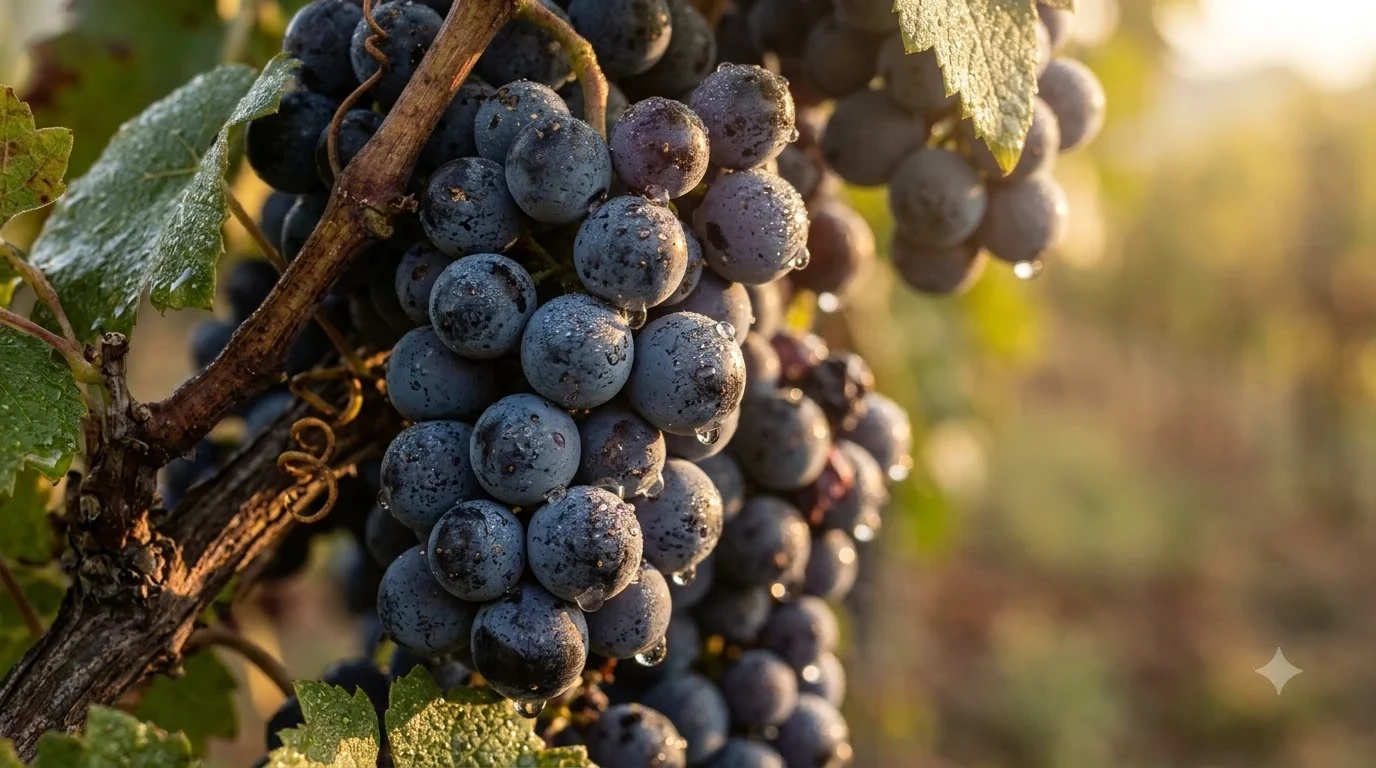
St Croix wine is made from the St. Croix grape, a cold-hardy hybrid variety developed in Wisconsin in 1981 by the breeder Elmer Swenson. It is a cross of two North American grape species, which gives it a different profile from classic European wine grapes. Shoppers who see the name on a label are usually looking at a Midwestern wine that sits outside the familiar Old World styles.
The name can be confusing. St. Croix is also a place name, and it is easy to mix it up with a red or white from other regions. This guide focuses on the grape variety, how it was bred, what the name means on a bottle, and how to think about serving and pairing a wine made from it.
Where the St. Croix Grape Comes From
St. Croix is a wine grape variety developed by the American grape breeder Elmer Swenson of Osceola, Wisconsin. Breeding programs in the northern United States focused on vines that could survive long, cold winters, and St. Croix was one result of that work. The variety is also known by several synonyms in breeding records, including Saint Croy and the code names E.S. 2-3-21 and Elmer Swenson 242, as summarized in the encyclopedia entry for the grape.
The grape is linked to Polk County, Wisconsin, in the record that describes its origin. That location helps explain why the variety is most often discussed in cool-climate growing conversations rather than in the warm, sunny regions where many famous wine grapes are grown.
How the Grape Was Bred
St. Croix is a cross of two North American species, Vitis labrusca and Vitis riparia. Those parents are native to the eastern and central parts of the continent, and they are known for hardiness rather than the delicate structure of European wine grapes. Breeders combined them to produce vines that can handle winter temperatures that would damage many traditional varieties.
The specific crosses are recorded under breeding numbers that mix a Minnesota selection with other hybrids. The parentage matters because it shapes what the grape can do in the vineyard and what kind of wine it tends to make. Hybrids like this one are often valued for reliability in harsh climates first, and for flavor second.

Flavor and Style of St. Croix Wine
Wines made from North American hybrid grapes often show a fruit-forward character that differs from Old World wines. Many people describe them as more direct and fruity, with a clear aroma that stands out in the glass. Sweetness, acidity, and tannin can vary a great deal depending on the producer and how the wine is finished.
Because St. Croix wines are made by many small producers, a single bottle may tell you more about the winery than about the grape. Read the label for the words dry, semi-dry, or sweet, and pay attention to whether the wine is listed as red, rosé, or white. Those details help you predict the style better than the variety name alone.
| Question | What to look for |
|---|---|
| Is the wine dry or sweet? | Check the back label or the winery description for dryness terms |
| How fruity is it? | Hybrid wines often lead with fruit aromas on the nose |
| How much acidity? | Look for words like crisp or bright in the tasting notes |
| Who made it? | Producer notes help because styles vary widely between wineries |
How to Serve St. Croix Wine
Serving temperature depends on the color and style of the bottle. Lighter, crisper wines are usually more pleasant when they are cool, while fuller red styles benefit from a little time out of the fridge. If you are unsure, start cooler and let the glass warm slowly in your hand, since this lets you taste how the wine develops.
A standard wine glass works well for most styles. A glass with a generous bowl gives the aroma room to open, which is helpful for fruit-forward wines. Pour a modest amount so the wine has space to show its character as it warms.
Decanting is usually optional for a young, fruit-driven wine. It can help a fuller red show more of its aroma, though many people simply open the bottle and enjoy it over an evening.
Food Pairing Ideas
Pairing comes down to matching the weight and acidity of the wine with the dish. A fruit-forward red can be a comfortable match for roasted poultry, grilled sausages, and dishes with barbecue sauce, while a crisp white style can handle lighter fare such as fish, salads, and soft cheeses.
For a dinner table with mixed guests, choose a wine with moderate body and balanced acidity. That kind of bottle is less likely to overwhelm delicate dishes and still holds up next to richer food. A short tasting before the meal can help you decide which dish to pair with which glass.
If you want to compare how other grape families behave on the table, the Wine by Type guide covers a broad range of varieties. Readers who like the fruit-driven side of this family may also enjoy learning about cabernet franc wine, which shows a similarly bright, aromatic profile in many bottles.
How to Choose a Bottle
When you shop for a St. Croix wine, start with the style you want. If you prefer a lighter, brighter glass, look for a wine labeled dry or crisp. If you like a softer, sweeter finish, check whether the winery describes the wine as semi-sweet or off-dry.
It also helps to try a bottle from more than one producer. Because the variety is used by many smaller wineries, the same grape can taste quite different depending on who made the wine. Keeping notes on what you liked will make future choices easier.
Storage matters as well. Keep an unopened bottle somewhere cool and dark, away from heat and direct sunlight, and once opened, recork it and keep it chilled if the style is light and fruity. Fresh fruit-driven wines are usually best within a few days of opening, while fuller styles can hold a bit longer.
Tip: If you enjoy the St. Croix profile, try a similar fruit-forward style from another region to see how the flavors compare side by side.
Frequently Asked Questions
What is St Croix wine made from?
It is made from the St. Croix grape, a hybrid variety developed in Wisconsin in 1981. The grape is a cross of the North American species Vitis labrusca and Vitis riparia.
Is St. Croix a place or a grape?
In the wine world, St. Croix usually refers to the grape variety. The name can also refer to a place, so check the label or the producer’s description to confirm what you are buying.
Who developed the St. Croix grape?
The variety was developed by the American grape breeder Elmer Swenson of Osceola, Wisconsin, and is recorded under several breeding names and synonyms.
Should St. Croix wine be served chilled?
It depends on the style. Lighter, crisper bottles are often best cool, while fuller reds benefit from being served a little warmer than straight from the fridge. Taste a small amount at a few temperatures to find your preference.
St Croix wine offers a clear look at what cold-climate breeding can produce in the glass. Check the label, learn the style, and pair the wine with food that matches its weight, and you will get the most from the bottle.
Find more wine explainers from the same family of guides in the St. Laurent article, which covers another variety that often comes up in similar conversations.
More in Wine Types & Grapes
 Zinfandel Sugar Content: Dry Red vs. White Zinfandel GramsUpdated Nov 21, 2026
 Best Zinfandel Substitute Options for Sipping and CookingUpdated Nov 21, 2026
 Zweigelt Food Pairing: Best Dishes, Cheeses, and Serving TipsUpdated Nov 21, 2026
 Zinfandel Tannins Explained: How Structure Shapes Every BottleUpdated Nov 21, 2026
 Zinfandel Sweetness Level: Dry Red vs. Sweet White Zin ExplainedUpdated Nov 21, 2026
 Xinomavro Food Pairing: Best Dishes, Styles, and Serving TipsUpdated Nov 21, 2026