

We may earn a commission when you buy through links on this page, at no extra cost to you. Learn more.
Marquette wine is a dry, light- to medium-bodied red wine made from a cold-hardy hybrid grape developed by the University of Minnesota and released in 2006. Descended from Pinot Noir, it delivers bright aromas of red cherry, cranberry, black pepper, and forest floor paired with crisp natural acidity and moderate tannins. It thrives across harsh northern wine regions such as Minnesota, Wisconsin, Vermont, Michigan, and New York where traditional European vines cannot survive winter freezes.
For decades, wine drinkers in the Upper Midwest and New England assumed serious dry red wine could only come from warmer coastal climates. That assumption changed once northern growers began harvesting this resilient red variety, proving that cold-climate vineyards can turn out complex, structured bottles built for the dinner table.
What it is
Marquette wine is a red table wine crafted from the marquette grape, an interspecific hybrid bred specifically to endure subzero North American winters while offering genuine cellar complexity. Unlike older cold-climate hybrids that often tasted thin or overly grapey, this variety bridges the gap between winter durability and classic Old World flavor profiles.
According to University of Minnesota Hardy breeding records, the variety was introduced in 2006 after crossing MN 1094 with Ravat 262. Because Ravat 262 is a cross of Seibel 8365 and Pinot Noir, the resulting grape carries direct Pinot Noir heritage alongside hardy native American Vitis riparia genetics. This lineage allows the vine to survive winter lows down to minus 20 to minus 30 degrees Fahrenheit while resisting common vineyard threats like downy mildew, powdery mildew, and black rot.
In the winery, it behaves much closer to traditional European Vitis vinifera varieties than earlier northern crosses. Winemakers prize its balanced sugar accumulation—often reaching 22 to 26 degrees Brix at harvest—combined with lively natural acidity. Because it carries blue-tinged skin and colored flesh, it yields an inviting ruby hue even with gentle extraction, standing apart from paler cold-climate reds and contrasting sharply with white varieties like the catarratto grape.
Flavor and styles
The signature flavor profile of marquette wine centers on bright red cherry, wild berry, and cranberry layered with savory notes of black pepper, earth, dried herbs, and spice. Depending on how a winemaker handles fermentation and barrel aging, bottles range from brisk, Beaujolais-like reds to structured, oak-aged pours reminiscent of Pinot Noir or northern Rhône Syrah.
Reviewers at Wine Enthusiast note that the variety frequently shows aromas of fresh roses, mushrooms, and forest floor alongside tart red fruit. Because its natural tannins sit in the low-to-moderate range while its titratable acidity starts high, winemakers rely on specific cellar techniques to shape the final texture. Malolactic fermentation is standard practice, converting sharp malic acid into softer lactic acid so the wine feels round and supple on the palate.
Across northern tasting rooms, you will encounter several distinct expressions of the grape:
- Oak-aged dry reds: Matured in French or American oak barrels for seven to 18 months, these bottles develop toasted vanilla, tobacco, leather, and smoky spice notes that frame the dark cherry core.
- Carbonic and unoaked reds: Fermented whole-cluster or in stainless steel without heavy wood, these lighter pours highlight juicy red cherry, cola, and cracked pepper with refreshing snap.
- Rosé and field blends: Winemakers often press the fruit early for dry, aromatic rosés or blend it with heartier regional reds to lift aromatics and brighten the mid-palate.
Where it grows
Marquette wine is produced primarily across the northern United States and eastern Canada, anchored by Minnesota, Wisconsin, Vermont, Michigan, and New York. Anywhere winter temperatures routinely plunge below zero and growing seasons are brief, this variety has become the flagship red grape.
In Minnesota—its birthplace—vineyards across the St. Croix River Valley and southern counties rely on it as their premier dry red. Just across the border in western Wisconsin, producers along the St. Croix Valley even formed the Marquessa Consortium, setting regional quality standards that require qualifying bottles to use at least 75 percent Marquette fruit and spend a minimum of one year in oak barrels.
Further east, growers in Vermont’s Champlain Valley and New York’s Finger Lakes and Hudson Valley have embraced the grape for its ability to ripen reliably by late September before autumn frosts arrive. In northern Michigan’s Tip of the Mitt AVA, where brutal Lake Michigan winds limit European vines, it stands alongside Maréchal Foch as the most widely planted red wine grape.
How to serve
Serve marquette wine slightly cool, ideally between 55 and 62 degrees Fahrenheit, to keep its vibrant red fruit and brisk acidity in sharp focus. Serving it too warm—above 70 degrees—can make its natural tartness feel sharp and flatten its delicate floral aromatics.
Giving the bottle 15 to 20 minutes in the refrigerator before pouring brings out the best balance in lighter, unoaked bottlings, while fuller oak-aged reserves shine closer to cellar temperature around 60 to 62 degrees. A standard tulip-shaped Burgundy or all-purpose red wine glass works well, concentrating its cherry, rose petal, and black pepper aromatics without over-aerating its moderate tannin frame.
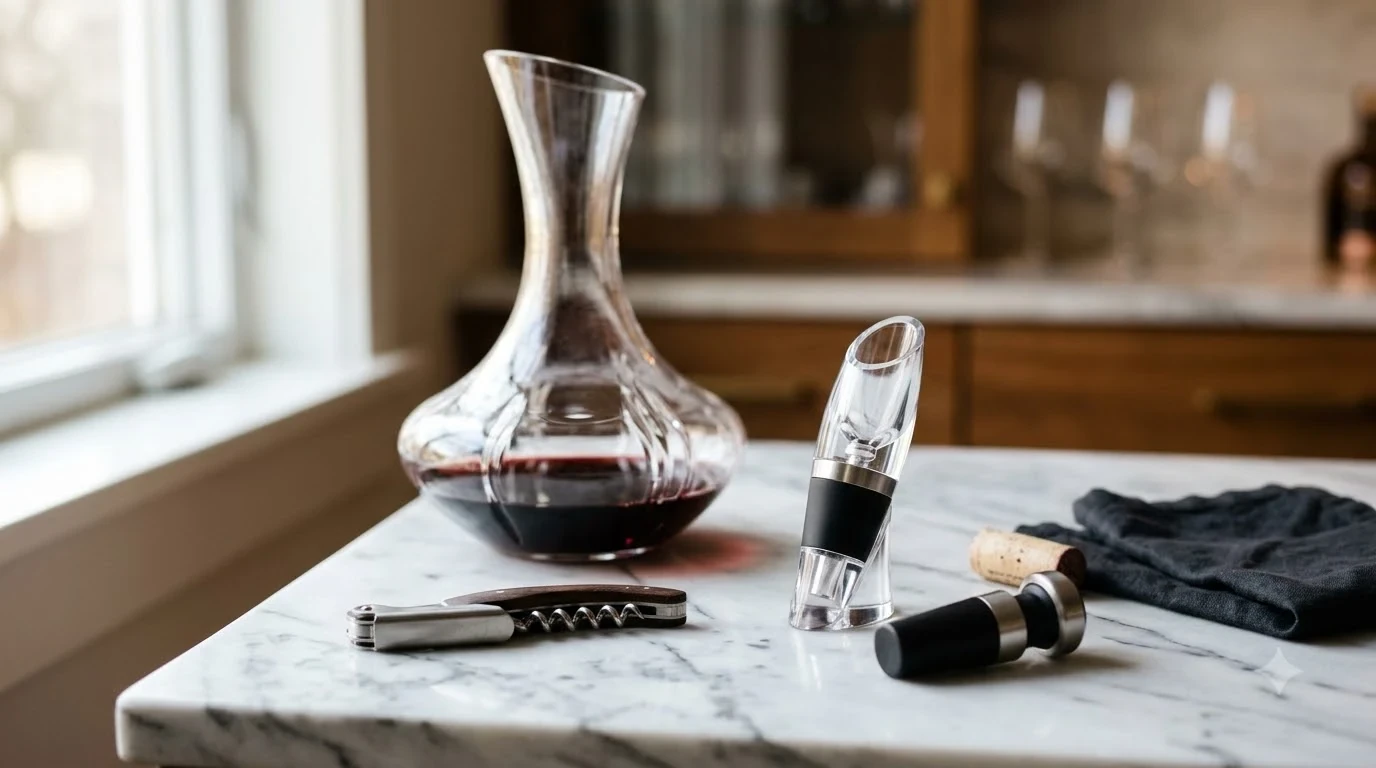
Younger, barrel-aged bottles benefit from 20 to 30 minutes in a decanter to soften any tight oak spice and open up earthy undertones. Most bottles drink best within two to six years of vintage, though structured, oak-aged selections from top northern producers can age gracefully for eight years or longer in a cool cellar.
Food pairing
Marquette wine is exceptionally versatile at the dinner table because its brisk acidity cuts through rich fats while its moderate tannins never overpower delicate proteins. Think of it the same way you would a cool-climate Pinot Noir or a medium-bodied Sangiovese made from the chianti grape.
Earthy, umami-rich dishes bring out the savory mushroom and forest-floor notes in the glass. Roast duck, wild mushroom risotto, grilled pork tenderloin, and seared salmon all match its weight without clashing. In its Midwestern home turf, local chefs frequently pair it with pan-seared walleye, wild rice pilaf, and venison or bison burgers.
| Dish Category | Recommended Pairings | Why It Works |
|---|---|---|
| Poultry and Game | Roast duck, herb-roasted chicken, venison loin | Bright acidity balances rich skin and gamey depth while cherry notes echo savory glazes. |
| Seafood | Cedar-plank salmon, ahi tuna poke, blackened walleye | Low tannins prevent metallic bitterness while crisp acid refreshes the palate. |
| Vegetarian and Earthy | Wild mushroom risotto, grilled portobello sandwich, roasted beets | Umami and earthy flavors mirror the grape’s natural forest-floor and herbal aromatics. |
| Cheese and Charcuterie | Aged Gouda, triple-cream Brie, smoked sausages | Tart cranberry and pepper notes slice cleanly through creamy fat and smoky salt. |
Avoid pairing dry expressions with heavily sweetened barbecue sauces or ultra-spicy chili, as high sugar and capsaicin can accentuate the wine’s natural acidity and make it taste tart. Stick to savory, herb-driven, or lightly smoked preparations for the cleanest harmony.
How to choose a bottle
To find a bottle of marquette wine that matches your palate, check the back label for alcohol by volume, oak aging notes, and sweetness cues. Because northern winemakers craft everything from crisp, lighter reds to richer barrel reserves, a quick scan of the technical details tells you what to expect inside.
Alcohol levels typically land between 12.5 and 14.5 percent ABV. Bottles around 12.5 to 13 percent tend to be lighter, zippier, and focused on tart cranberry and red cherry, whereas bottles closer to 14 or 14.5 percent usually signal riper late-September harvests, fuller body, and richer black cherry depth. Look for mentions of French or American oak aging if you prefer rounder tannins and vanilla-spice complexity, or stainless steel fermentation if you want pure, energetic fruit.
Tip: Check the residual sugar or dryness scale on regional labels—most serious bottlings are vinified completely dry, though a few wineries produce slightly off-dry styles meant for casual sipping or spicy fare.
If you are exploring different Wine by Type and want a regional American red with genuine sense of place, look for estate-bottled releases from established cold-climate producers in Minnesota, Wisconsin, Vermont, or northern New York. Single-varietal bottles showcase the grape’s true Pinot-adjacent character, while blends with Petite Pearl or Frontenac offer a deeper color and broader mid-palate.
Frequently Asked Questions
Is Marquette wine sweet or dry?
Marquette wine is predominantly made in a dry style, similar to Pinot Noir or Chianti. While a handful of northern wineries bottle lightly off-dry versions to balance its crisp natural acidity, most single-varietal releases contain zero residual sugar.
What popular wine does Marquette taste like?
It tastes closest to a cool-climate Pinot Noir or a rustic Cru Beaujolais, thanks to its direct Pinot Noir parentage. Unoaked bottles lean toward bright, tart red cherry and cranberry, while oak-aged versions take on savory notes of black pepper, earth, and subtle spice.
Where is Marquette wine produced?
It is grown and bottled primarily across cold-climate regions of North America, led by Minnesota, Wisconsin, Vermont, Michigan, New York, and Quebec. Its exceptional cold hardiness allows vineyards in these states to produce quality dry reds where traditional European vines would freeze.
Can you age Marquette wine?
Yes, structured and oak-aged bottlings of Marquette wine can age gracefully in a cool cellar. While lighter unoaked styles are best enjoyed within two to three years of release, barrel-aged reserves often develop greater complexity over five to eight years or more.
Whether you discover it at a Midwest tasting room or pick up a bottle from a New England producer, marquette wine proves that harsh winters can still yield expressive, food-friendly red wines. Keep a bottle slightly chilled for your next mushroom risotto or roast duck dinner to experience one of North America’s most successful modern hybrid grapes firsthand.
More in Wine Types & Grapes
 Zinfandel Sugar Content: Dry Red vs. White Zinfandel GramsUpdated Nov 21, 2026
 Best Zinfandel Substitute Options for Sipping and CookingUpdated Nov 21, 2026
 Zweigelt Food Pairing: Best Dishes, Cheeses, and Serving TipsUpdated Nov 21, 2026
 Zinfandel Tannins Explained: How Structure Shapes Every BottleUpdated Nov 21, 2026
 Zinfandel Sweetness Level: Dry Red vs. Sweet White Zin ExplainedUpdated Nov 21, 2026
 Xinomavro Food Pairing: Best Dishes, Styles, and Serving TipsUpdated Nov 21, 2026