

We may earn a commission when you buy through links on this page, at no extra cost to you. Learn more.
A lisbon wine festival is an opportunity to discover Portuguese wines, meet regional producers, and explore the distinctive flavors of the Lisbon wine region through guided and open tastings. The Lisboa Wines Festival takes place at Estúdio Time Out inside Time Out Market Lisboa, bringing together dozens of regional producers and more than 50 wines. Visitors can also enjoy Portuguese food specialties, musical performances, and opportunities to learn directly from the people who make the wines.
Lisbon offers much more than a convenient setting for wine events. Its surrounding vineyards stretch along Portugal’s Atlantic coast, producing everything from crisp, aromatic whites to structured reds, sparkling wines, and traditional fortified specialties. Understanding the region before attending a tasting makes it easier to recognize different grape varieties, compare styles, and choose wines that suit your preferences. This guide explains what to expect, how to plan a visit, and which regional characteristics deserve particular attention.
What to Expect at the Lisboa Wines Festival
The Lisboa Wines Festival brings together regional wine producers, local food, and entertainment in a central Lisbon venue. Its four-day program provides an accessible introduction to the wines of the Lisbon Demarcated Region, with more than 50 wines available for tasting and opportunities to speak directly with producers.

The event takes place at Estúdio Time Out, inside Mercado da Ribeira, also known as Time Out Market Lisboa. Rather than focusing exclusively on wine professionals, the festival is designed to introduce regional wines to a wider audience. Visitors can compare different producers, discover unfamiliar grape varieties, and ask questions about production methods, vineyard conditions, and regional traditions.
The festival is organized by Vinhos de Lisboa in collaboration with the Comunidade Intermunicipal do Oeste. Its selection includes white, red, sparkling, fortified wines, and grape spirits. This range gives visitors an opportunity to explore several categories without traveling to individual wineries across the region.
Wine is the central attraction, but the program also incorporates regional food products and live entertainment. Musical performances and gastronomy contribute to the atmosphere, making the event suitable for visitors who want a social introduction to Portuguese wine rather than a formal technical seminar. The indoor location is also practical for a late-autumn visit.
The published schedule covers four consecutive days:
| Date | Opening | Closing | Suggested Visit |
|---|---|---|---|
| November 28, 2026 | 3 p.m. | 10 p.m. | Late afternoon |
| November 29, 2026 | Noon | 10 p.m. | Early afternoon |
| November 30, 2026 | Noon | 10 p.m. | Early afternoon |
| December 1, 2026 | Noon | 9 p.m. | Afternoon |
The opening afternoon begins later than the remaining days, so visitors should account for that difference when arranging transportation or meeting friends. The final day also closes one hour earlier than the two full daytime sessions. The published venue address is Avenida 24 de Julho 49, Lisbon, 1200-479.
For first-time visitors, a two- to three-hour visit provides a reasonable starting point. That allows time to sample several wine styles, speak with exhibitors, enjoy some food, and explore the atmosphere without rushing between tasting stations. Enthusiasts who want to compare a larger selection can devote more time to the experience.
For event-specific details, the Time Out Lisboa festival listing provides the published schedule, venue information, and event description. Visitors should check the listing before departure for any program changes or additional announcements.
Location, Transportation, and Planning Your Visit
Estúdio Time Out at Mercado da Ribeira gives the festival a convenient location in central Lisbon, close to the Cais do Sodré transport area and the waterfront. Its indoor setting, central position, and established food facilities make it a practical destination for visitors combining a wine event with sightseeing.
The market is located along Avenida 24 de Julho, near the Cais do Sodré railway station and metro interchange. This area connects central Lisbon with destinations along the coast and the southern bank of the Tagus River. Visitors staying in central neighborhoods such as Baixa, Chiado, or Bairro Alto can generally include the market in a walking itinerary, although the city’s hills and cobbled streets make comfortable footwear useful.
Public transportation is a practical alternative to driving. Cais do Sodré is served by the Lisbon Metro’s Green Line and suburban rail connections. Trams and buses also serve the surrounding area. Anyone arriving from another part of the city should check the route and service schedule before leaving, particularly for a visit ending close to 10 p.m.
For international visitors, planning the festival as one part of a broader Lisbon itinerary makes sense. A morning exploring Praça do Comércio, the riverside, or the historic streets of Chiado can lead naturally into an afternoon tasting session. Alternatively, visitors can spend the morning exploring the city’s museums and neighborhoods before arriving when the festival opens.
Choosing the Best Day
The four-day schedule provides flexibility, but the best day depends on the type of experience you want. The first day offers a late-afternoon start, which may suit travelers who prefer to spend the morning sightseeing. The two middle days provide the longest opening windows, while the final day is useful for anyone who needs to fit a wine event into a shorter afternoon itinerary.
Visitors particularly interested in meeting producers should avoid assuming that every exhibitor will remain available throughout every session. Wine professionals sometimes have other commitments, and individual activity schedules can differ from general opening hours. If a particular producer or wine is a priority, checking the organizer’s updates before attending is a useful precaution.
What to Bring
A small notebook or phone note can make a tasting considerably more useful. Record the producer, grape variety, wine style, and one or two memorable characteristics of each wine. A simple record helps distinguish similar bottles later and provides a reference when exploring Portuguese wines after returning home.
Comfortable clothing and shoes are more useful than formal attire. Bring identification if required by the event’s entry arrangements, and keep personal belongings manageable because tasting spaces can become crowded. A reusable water bottle is also useful when permitted by the venue. Water between samples helps keep the palate refreshed and makes it easier to concentrate on differences between wines.
Tip: Plan your first tasting around a white wine, then move to rosé, lighter reds, and fuller-bodied reds. This progression helps prevent tannin and heavier flavors from dominating your impressions of delicate wines.
Understanding the Wines of the Lisbon Region
The Lisbon wine region is one of Portugal’s most varied wine-producing areas, shaped by Atlantic weather, different soil formations, and a broad selection of native grape varieties. Festival visitors can expect a combination of refreshing whites, fruit-forward reds, sparkling wines, rosés, and distinctive regional specialties.
The region extends along the Atlantic coast north of the Tagus estuary. Its vineyards experience a mixture of maritime and more sheltered inland conditions. According to Portugal’s Instituto da Vinha e do Vinho, annual rainfall in the region is approximately 600–700 millimeters, while the influence of the Atlantic and surrounding relief helps preserve freshness in many wines.
Soil conditions also contribute to regional differences. Clay-limestone and sandy-clay formations are widespread, while particular locations have distinctive geological characteristics. Bucelas has substantial marl and hard limestone formations, whereas Colares includes vineyards planted in sandy coastal soils. These differences help explain why wines from separate parts of the region can have noticeably different structures and aromatic profiles.
White wines are especially important to the region’s identity. Arinto, Fernão Pires, Malvasia, Seara Nova, and Vital are among the principal white varieties. Arinto is particularly associated with freshness and lively acidity, making it an interesting variety for visitors who enjoy dry whites with a crisp finish.
Fernão Pires offers a different aromatic direction. Depending on the growing conditions and winemaking choices, it can produce expressive wines with floral and fruit characteristics. Malvasia also contributes to the region’s diversity, appearing in different local wine styles. Sampling two white wines made from different varieties can reveal how much grape selection influences aroma, body, and finish.
Red wines introduce another dimension. Important varieties include Castelão, Touriga Nacional, Aragonez, Alicante Bouschet, Tinta Miúda, and Trincadeira. International varieties such as Cabernet Sauvignon, Chardonnay, and Syrah also contribute to the region’s production.
Castelão is a particularly useful grape to recognize when exploring Portuguese reds. It can produce wines with red-fruit character and a balanced structure. Touriga Nacional is often associated with more concentrated fruit, pronounced aromas, and firmer tannins. Syrah and Cabernet Sauvignon can provide familiar reference points for visitors accustomed to international wine varieties.
There is also considerable diversity beyond still wines. The Lisbon designation includes sparkling wines, rosés, lightly sparkling wines, and fortified specialties. This range makes the region suitable for visitors with different preferences rather than only those interested in traditional red and white table wines.
One distinctive category is Vinho Leve, a light Portuguese wine style. The Instituto da Vinha e do Vinho describes the regional category as having approximately 9–10% alcohol. Its lighter structure and refreshing character make it an interesting contrast to fuller-bodied wines, particularly for people who prefer a less powerful style.
Visitors interested in comparing Lisbon with other Portuguese wine-producing areas can explore the broader Wine Regions collection for additional geographical and grape-variety context.
Nine Wine Appellations and Their Distinctive Styles
The Lisbon wine region contains nine designations of origin, distributed across southern, central, and northern areas. Understanding these geographical divisions gives festival visitors a useful framework for recognizing where different wines originate and why their characteristics vary.
The southern group includes Bucelas, Colares, and Carcavelos. These appellations are particularly interesting because they combine proximity to Lisbon with distinct historical and geographical identities. Bucelas is associated with dry white wines, Colares has an unusual coastal vineyard tradition, and Carcavelos is recognized for its fortified wine heritage.
Bucelas deserves particular attention from visitors interested in white wine. Arinto is the defining grape, and its naturally high acidity can produce refreshing wines with a long finish. These characteristics make Bucelas an excellent starting point for comparing the region’s white wine styles. A good example can be paired with seafood, grilled fish, or dishes featuring lemon and fresh herbs.
Colares offers a very different experience. Its sandy soils and coastal position distinguish it from many other Portuguese wine areas. The appellation is associated with the Ramisco red grape and traditional vineyards planted in sandy terrain. Visitors interested in unusual regional wines should look for Colares examples when available, as they provide a distinctive perspective on Portugal’s viticultural heritage.
Carcavelos is a smaller and historically important fortified wine appellation. Its wines are associated with richer flavors and traditional fortified styles rather than the crisp, light profile commonly associated with coastal whites. It is an interesting category for anyone who wants to understand the full diversity of the Lisbon region.
The central group includes Alenquer, Arruda, Lourinhã, Óbidos, and Torres Vedras. These areas represent a broad range of vineyard environments and wine styles. Inland positions, changes in elevation, and differences in exposure create conditions that contrast with the more directly maritime vineyards.
Alenquer is an important area for structured red wines as well as aromatic whites. Arruda contributes to the diversity of the central region, while Torres Vedras combines Atlantic influence with varied vineyard conditions. Óbidos is associated with refreshing wines and sparkling production, making it worth remembering for visitors who prefer lighter styles.
Lourinhã is particularly unusual within the regional classification because its protected designation is dedicated to high-quality wine spirits. This gives it a different role from the other appellations, which are more commonly associated with still and sparkling wines.
Encostas d’Aire forms the northern group. Its more northerly position and varied terrain contribute to another set of wine characteristics. The wider area includes the Alcobaça and Ourém subdivisions, reflecting the geographical diversity within this part of the regional classification.
These nine appellations demonstrate why the Lisbon region should not be treated as a single uniform wine style. Comparing a fresh Bucelas Arinto with a structured Alenquer red or a distinctive Colares wine can reveal meaningful differences in grape variety, vineyard environment, and winemaking tradition.
The Wines of Portugal regional overview provides further information about these appellations, their geographical groupings, and the grape varieties associated with the region.
How to Taste and Compare Wines at the Festival
A thoughtful tasting approach makes a large wine selection easier to understand. Start with lighter wines, compare similar varieties when possible, and pay attention to acidity, tannin, aroma, and body rather than simply choosing the most powerful or unusual wine.
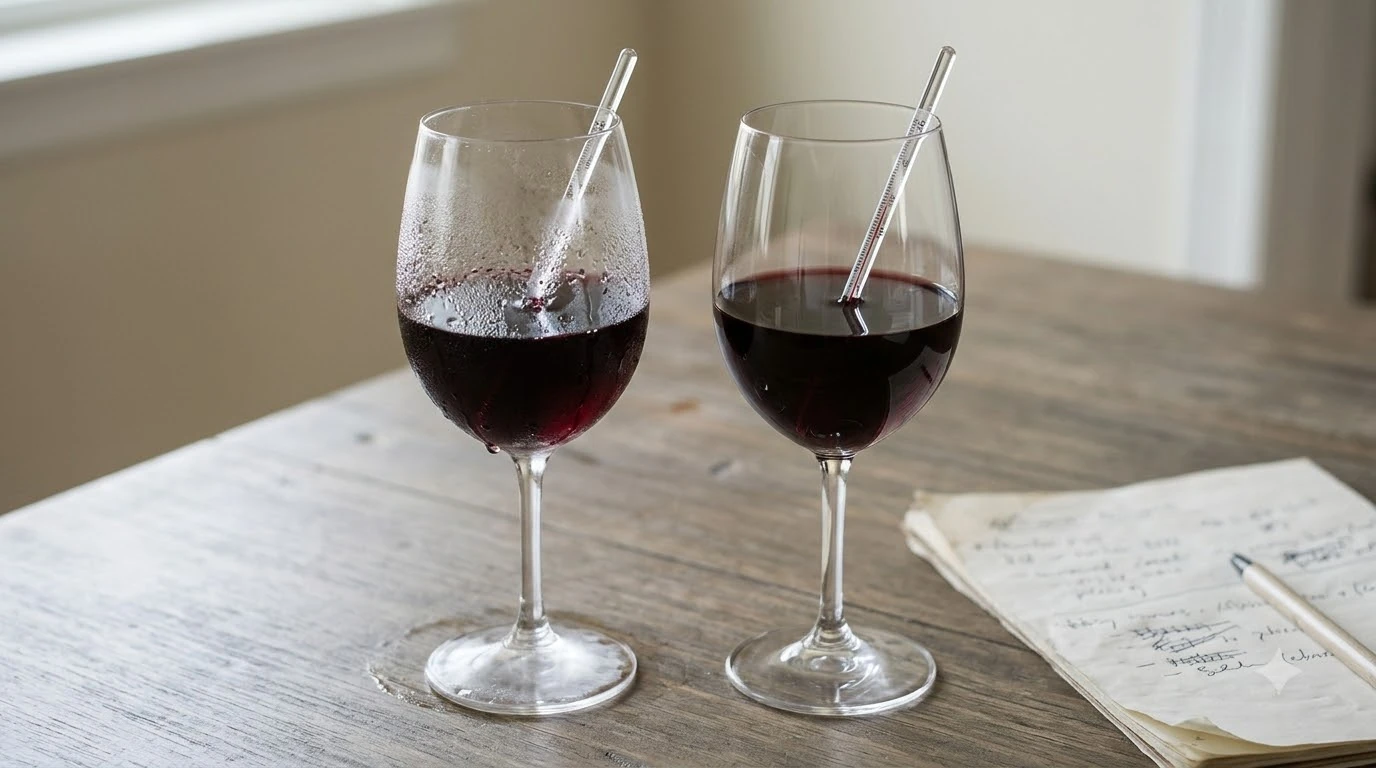
Begin with sparkling wines and fresh whites if they are available. Sparkling wines are generally best served at 40–50°F, while light whites and rosés are most enjoyable around 45–50°F. Full-bodied whites benefit from slightly warmer temperatures of approximately 50–55°F, allowing their texture and aromatic complexity to become more apparent.
Move to rosé and lighter reds before approaching more structured reds. Light reds such as many Pinot Noir styles are best served around 55–60°F. Fuller-bodied reds, including Cabernet Sauvignon and many Syrah wines, are better suited to approximately 60–65°F. Although the exact temperature of every tasting sample may be controlled by the organizer, understanding these ranges helps visitors recognize why serving temperature matters.
Pay particular attention to acidity. Arinto is a useful regional example of a grape capable of producing lively wines with refreshing acidity. Compare it with a white based on Fernão Pires or Malvasia and notice whether the wine feels lean, rounded, aromatic, or particularly persistent.
When tasting reds, look at tannin and body as well as fruit. Cabernet Sauvignon generally has high tannin, while Merlot tends to have medium tannin with a softer texture. Pinot Noir usually has low-to-medium tannin and high acidity. Syrah commonly offers medium-plus to high tannin, depending on the wine and its production style.
These comparisons are useful because tannin and acidity influence how a wine works with food. A high-tannin red can feel more balanced alongside a fatty or protein-rich dish, while a fresh white can be particularly appealing with seafood. No single grape variety is automatically better than another; the goal is to recognize which style you enjoy.
Use a Consistent Tasting Method
For each wine, follow the same basic sequence. First, look at the wine’s color and clarity. Next, smell it and identify its main aromas. Finally, take a small sip and consider the balance between acidity, sweetness, tannin, alcohol, and body.
Try to distinguish fruit aromas from other characteristics. Citrus, apple, pear, and tropical fruit are common reference points for whites. Red wines may suggest cherry, raspberry, plum, or darker berry fruit. Floral, herbal, mineral, and spice notes can add further complexity.
Comparing two wines side by side is often more informative than tasting many unrelated examples. If two producers offer Arinto wines, for example, compare their acidity, texture, aromatic intensity, and finish. Then consider whether differences might come from vineyard location, ripeness, fermentation, or maturation choices.
Use a tasting notebook to record three things: the grape or blend, the main flavor characteristics, and whether you would want to explore that style again. This simple system creates a useful personal reference without turning an enjoyable festival into a technical examination.
It is also sensible to take breaks between groups of wines. Water, neutral food, and short pauses can help restore concentration. If tasting several reds, avoid allowing one powerful, tannic wine to determine your impression of the lighter wines that follow.
Portuguese Food Pairings and Wine Styles to Explore
Food is an important part of understanding the Lisbon wine region, where Atlantic seafood, grilled fish, traditional meat dishes, cheeses, and regional specialties provide many opportunities for pairing. The most useful approach is to match the wine’s acidity, body, tannin, and sweetness with the intensity and texture of the food.
Fresh Arinto-based whites are natural candidates for seafood. Their lively acidity can complement grilled fish, shellfish, and dishes featuring lemon or fresh herbs. The acidity also helps refresh the palate between bites of richer food. Other aromatic white wines can work well with grilled vegetables, mild cheeses, and seafood preparations that use olive oil.
For dishes with substantial acidity, choose a wine with equal or greater acidity. A sharp vinaigrette or a tomato-based preparation can make a softer wine seem flat. A crisp white is generally a better starting point than a low-acidity wine when the food contains pronounced lemon, vinegar, or citrus flavors.
Rosé provides flexibility with dishes that combine several ingredients. It can work with grilled seafood, salads, vegetable dishes, and lighter meats. A dry rosé with refreshing acidity is especially useful when the meal includes both fresh ingredients and moderately rich sauces.
Red wines from Alenquer, Arruda, and other central areas can be considered alongside grilled meats, roasted poultry, and dishes with earthy flavors. Medium-bodied reds often provide enough structure to complement these foods without overwhelming them. More tannic examples made with Touriga Nacional, Cabernet Sauvignon, or Syrah can be appropriate with richer meat preparations.
Salt and fat can soften the perception of tannin, which explains why structured red wines often work better with a fatty or protein-rich dish than with a delicate preparation. However, tannic reds are generally poor companions for oily fish. A fresh white or rosé is a safer choice for many seafood dishes, especially when the fish has a pronounced oily texture.
Spicy dishes require another consideration. Alcohol and tannin can amplify the sensation of chili heat. If a dish contains substantial pepper or chili, a lower-alcohol white with refreshing acidity can provide a more comfortable match than a powerful, tannic red.
Sweet Wines and Dessert
Sweetness needs careful attention when pairing dessert. A wine should be at least as sweet as the dessert it accompanies; otherwise, the wine may taste sour or thin. Fortified wines and sweeter regional specialties can provide interesting options with desserts containing dried fruit, nuts, caramel, or chocolate.
For fresh fruit desserts, an aromatic sweet wine can be a good choice. Sweet whites are generally best served at approximately 43–50°F, preserving freshness while allowing their aromas to remain expressive. For desserts with pronounced chocolate or caramel flavors, consider the intensity of the wine rather than choosing solely by sweetness.
Cheese is another useful pairing category. Fresh whites can complement young and mild cheeses, while structured reds are often better with mature, savory cheeses. Salt can soften the perception of tannin, so a more structured red may become noticeably smoother alongside a suitably salty cheese.
When tasting regional foods at the festival, think of each pairing as an experiment in balance. A refreshing white may work beautifully with seafood, while a fuller red may suit a roasted meat dish. The best pairing is the one in which neither the food nor the wine overwhelms the other.
Exploring Other Wine Festivals and Regional Events
Lisbon is a useful starting point for discovering wine events across Portugal and beyond. Visitors who enjoy the Lisboa Wines Festival can also explore wine fairs, producer tastings, and regional celebrations in other destinations. These events offer different perspectives on grape varieties, local food traditions, and the relationship between wine and regional identity.
Wine festivals vary considerably in format. Some concentrate on one appellation or a specific group of producers, while others bring together wineries from multiple regions. A regional event may provide more opportunities to understand local grape varieties and vineyard conditions, whereas a large wine fair can make direct comparisons between different wine-producing areas easier.
Visitors interested in American wine events can also explore the Indiana wine festival for a different perspective on regional wine culture. The experience of comparing local producers in the United States with Portuguese Atlantic-influenced wines can make the differences between wine regions more apparent.
Another option is the Livermore wine festival, which provides an opportunity to explore California wine culture. Comparing the wines and regional traditions of California with those around Lisbon illustrates how climate, grape selection, and winemaking decisions contribute to different wine identities.
For travelers planning several wine-related stops, the important consideration is the type of event rather than simply its size. Check whether the program emphasizes consumer tastings, professional exhibitions, educational sessions, or winery visits. A smaller regional event may provide more personal conversations, while a larger gathering can offer a broader selection.
Allow time for food and sightseeing alongside wine activities. A festival is often more enjoyable when it forms part of a wider visit rather than being the only scheduled activity. Visitors can also look for producer-led tastings outside festival dates, particularly in areas such as Bucelas, Colares, and Alenquer.
Travelers interested in American regional celebrations can also consider the Utah wine festival when exploring different approaches to wine events. Comparing festivals across regions is a useful way to understand how local producers introduce their wines to consumers and celebrate their agricultural heritage.
Frequently Asked Questions
What is the historical significance of Bucelas wine?
Bucelas wine became popular in England during the Napoleonic Wars of 1808–1810. According to Wines of Portugal, the Duke of Wellington appreciated the wine and transported it to England for George III. This historical connection helped establish Bucelas as one of Portugal’s internationally recognized white wine traditions.
Why is Bucelas wine sometimes called Lisbon Hock?
The name Lisbon Hock was used in England for Bucelas wine during the second half of the 16th century. The historical nickname reflects the wine’s international reputation long before modern regional wine classifications developed. It is associated with the distinctive white wines of Bucelas rather than all wines produced around Lisbon.
What makes Colares vineyards unusual?
Colares is known for traditional Ramisco vines growing in sandy coastal soils. These vineyards are particularly distinctive because the sandy terrain has historically helped protect vines from phylloxera. The region’s unusual vineyard conditions and limited production make its wines especially interesting to collectors of traditional Portuguese wine styles.
Which Portuguese wine region is dedicated to producing wine spirits?
Lourinhã is Portugal’s distinctive wine-spirit appellation. Its protected designation focuses on high-quality grape-based spirits rather than ordinary still table wines. The region is recognized for its production and maturation traditions, making it a different kind of destination for people interested in Portuguese wine culture.
What is the difference between DOP and IGP wine classifications?
DOP means Protected Designation of Origin, while IGP means Protected Geographical Indication. DOP production rules generally impose more specific geographical and production requirements, including restrictions on permitted grape varieties and winemaking practices. IGP Lisboa covers a broader geographical area and accommodates a wider range of wine styles and grape combinations.
The Lisbon wine region offers an unusually varied introduction to Portuguese wine, from fresh Arinto whites and structured central-region reds to distinctive coastal specialties. The Lisboa Wines Festival provides an accessible way to explore that diversity, meet producers, and discover wines that may be unfamiliar outside Portugal. Plan enough time to compare different styles, enjoy regional food, and make the most of the festival’s central Lisbon setting.
More in Wine Regions
 Willcox Wine Trail: Discover Arizona’s High-Elevation Wine CountryUpdated Nov 20, 2026
 Yakima Valley Wine Region: Find the Best Styles to TryUpdated Nov 20, 2026
 Vosne Romanee Wine Tasting: Identify Aromas and Choose Better PairingsUpdated Nov 20, 2026
 Yakima Valley Wine Festival: Find the Best Seasonal Wine EventsUpdated Nov 20, 2026
 Wales Vineyards: Discover Cool-Climate Wines and Where to VisitUpdated Nov 20, 2026
 Yountville Wine Festival: Discover Napa Wines and Local FoodUpdated Nov 20, 2026