

We may earn a commission when you buy through links on this page, at no extra cost to you. Learn more.
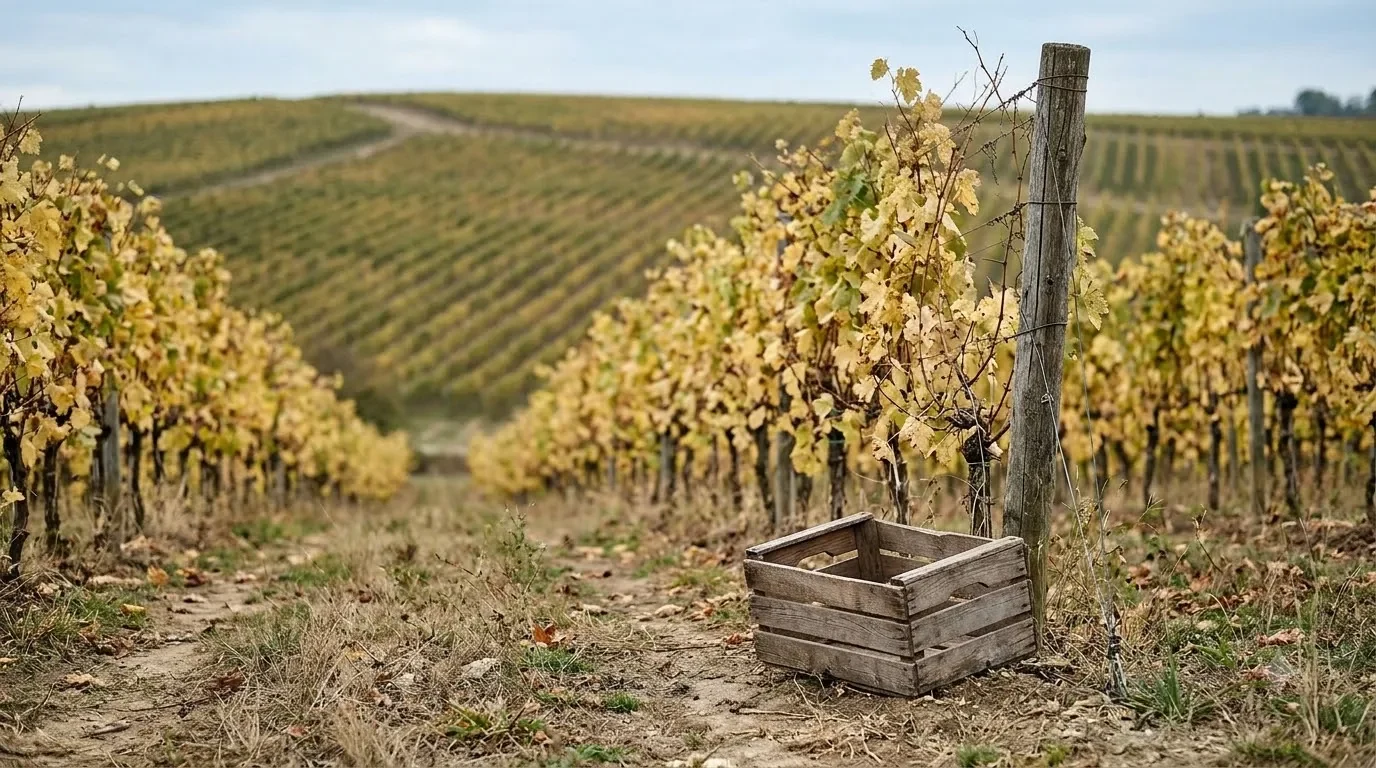
Knights Valley vineyards are known for producing powerful, structured Cabernet Sauvignon and other distinctive wines from the volcanic slopes and warm mountain valleys of northeastern Sonoma County. Located near the Napa Valley boundary, this relatively secluded American Viticultural Area (AVA) combines sunny growing conditions with cool nighttime temperatures. Its combination of rocky soils, varied elevations, and Bordeaux grape varieties creates wines with ripe fruit, pronounced structure, and refreshing natural acidity.
Knights Valley is one of Sonoma County’s more distinctive wine-growing areas, although it receives less attention than neighboring Alexander Valley and the better-known appellations of Napa Valley. Its vineyards occupy a rugged landscape beneath Mount St. Helena, where mountain slopes, volcanic geology, and changing exposures create different growing conditions across individual properties. Cabernet Sauvignon remains the region’s defining grape, but Chardonnay, Sauvignon Blanc, Merlot, and other varieties contribute to its broader identity. Understanding the area’s geography, vineyard history, and leading producers makes it easier to appreciate why Knights Valley wines have developed such a strong reputation.
Where Knights Valley Vineyards Are Located
Knights Valley occupies a remote northeastern corner of Sonoma County, California, between Healdsburg and Calistoga. Its position near Napa Valley, beneath Mount St. Helena and alongside the Mayacamas Mountains, gives it a geographical identity distinct from Sonoma’s coastal wine regions.
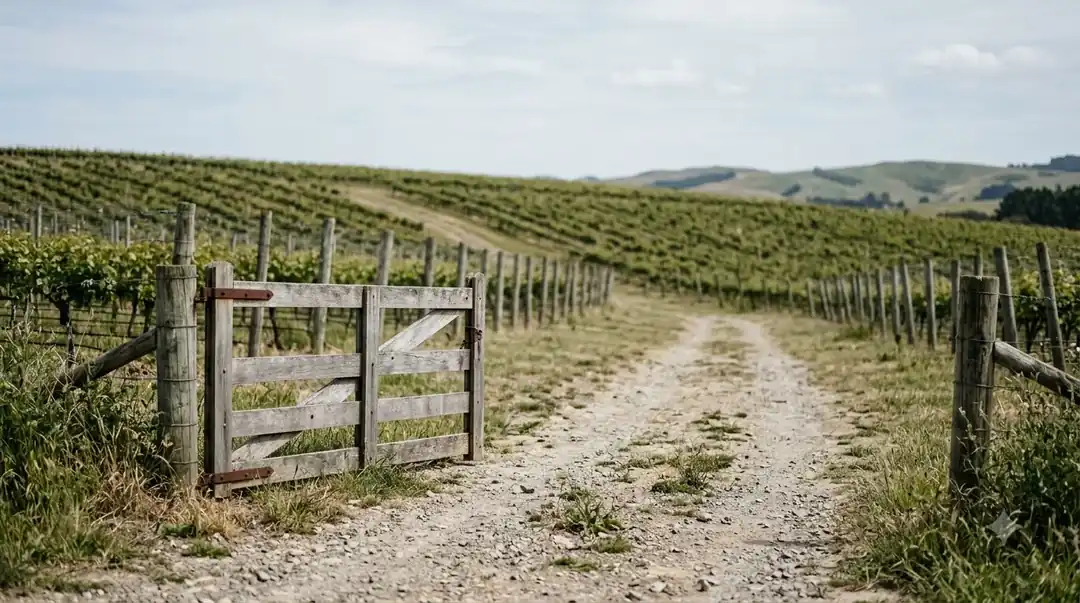
The appellation borders Alexander Valley to the west, Chalk Hill to the south, and Calistoga, within Napa Valley, to the east. This location puts Knights Valley within a transition zone between Sonoma County’s inland vineyards and the mountainous terrain separating Sonoma and Napa. Highway 128 provides the principal access through the area, winding through hills before reaching the more open agricultural valley.
Mount St. Helena is the area’s most recognizable geographical landmark. The mountain reaches 4,343 feet and rises above vineyards, woodland, and rugged slopes. Its presence influences local terrain, exposure, and the distribution of vineyard sites. Rather than forming one uniform growing environment, Knights Valley includes valley-floor properties, rolling hillsides, and higher-elevation vineyards with different sunlight and drainage characteristics.
The original Knights Valley AVA petition described a watershed covering approximately 39,258 acres. It measured the valley at 5.3 miles long and 1.8 miles wide at its widest point. These figures help explain why the appellation can feel relatively compact despite its considerable variation in landscape.
The area was officially recognized as an AVA in October 1983, following a petition submitted in February 1982. Its historical name was associated with Thomas P. Knight, who acquired land in the area in 1853. Earlier, the property was part of the Mexican land grant known as Rancho Malacomes.
Wine production has a longer history than the modern appellation designation suggests. According to Sonoma County Winegrowers, Knight himself reportedly grew 17 acres of wine grapes, while the region also supported commercial wine production before Prohibition. The modern industry developed gradually, with vineyards returning to prominence during the decades after Prohibition.
For wine enthusiasts comparing Sonoma’s different growing areas, Knights Valley offers an interesting contrast with neighboring Dry Creek Valley vineyards, where Zinfandel and other varieties play a particularly important role. The distinction is not simply geographic. Different temperature patterns, soils, and exposures influence the character of wines produced in each appellation.
Climate and Volcanic Soils Shape the Wines
Knights Valley is the warmest AVA in Sonoma County, but its climate is not simply hot throughout the growing season. Warm afternoons, cooler nights, western ocean breezes, and rocky volcanic soils combine to support ripe fruit while helping retain acidity and structure.
The region’s inland position provides more warmth than Sonoma’s coastal vineyards. During the growing season, abundant sunshine helps Cabernet Sauvignon and other late-ripening Bordeaux varieties reach maturity. However, the surrounding mountains and incoming air currents contribute to significant changes in temperature between daytime and nighttime.
These cooler nighttime conditions are important. Grapes continue their development during the day, but cooler evenings help moderate the overall ripening process. This day-to-night temperature variation, often called diurnal variation, can help preserve acidity in fruit that receives considerable daytime warmth.
Western ocean breezes also influence the valley. Although Knights Valley is relatively inland, it is not entirely isolated from maritime weather patterns. The surrounding terrain helps shape how cooler air moves into individual vineyard areas. Differences in elevation and exposure can create meaningful variations between neighboring properties.
Geology is another defining characteristic. Many vineyards grow in soils containing volcanic ash, clay, rocky material, and weathered volcanic formations. At Peter Michael Winery’s Les Pavots Vineyard, the documented soil type is volcanic-origin rhyolite. Other properties have combinations of gravel, cobbles, clay, and sandy loam.
Well-drained, rocky soils can encourage vines to develop deep root systems while limiting excessive water retention. Lower-fertility vineyard sites may also restrict vegetative growth and naturally moderate crop production. These conditions can be useful for Cabernet Sauvignon, where balanced yields and properly ripened fruit are important to the final wine’s concentration and structure.
However, volcanic soil should not be treated as a guarantee of a particular flavor. Vineyard exposure, rootstock, vine age, farming practices, harvest timing, and winemaking decisions all contribute to the finished wine. Two vineyards on similar geological formations can produce noticeably different results.
The region’s terrain makes these differences especially interesting. A south-facing hillside, an east-facing ridge, and a sheltered valley-floor vineyard can receive different amounts of sunlight and experience different temperature patterns. Growers must match grape varieties and vineyard management practices to these individual conditions.
Sonoma County’s broader diversity is explained by its many appellations and contrasting climates. Readers interested in how these regional distinctions work can explore Wine Regions for additional background on appellations and vineyard geography.
Cabernet Sauvignon and the Main Grape Varieties
Cabernet Sauvignon is the signature grape of Knights Valley, producing full-bodied red wines with dark fruit character, substantial tannins, and a firm structure. Other Bordeaux varieties, including Merlot, Cabernet Franc, Petit Verdot, and Malbec, contribute to the region’s red-wine identity.
Cabernet Sauvignon thrives in the area’s warm growing conditions because it needs sufficient time and heat to develop ripe fruit and mature tannins. Its naturally substantial tannin structure gives Knights Valley Cabernet Sauvignon the capacity to accompany rich foods and, in suitable vintages, develop additional complexity with bottle age.
Common flavor characteristics include blackcurrant, blackberry, dark cherry, plum, and hints of herbs or spice. Depending on the vineyard and winemaking approach, wines may also show cedar, cocoa, tobacco, or earthy notes. Oak aging can introduce additional aromas and texture, although the amount of new oak varies between producers.
Merlot is frequently used in blends to provide a softer texture and additional red-fruit character. Cabernet Franc can contribute aromatic complexity, herbal notes, and freshness. Petit Verdot is often valued for its deep color, concentrated character, and structural contribution. Malbec can add dark fruit and further dimension to a Bordeaux-style blend.
These varieties allow winemakers to work with individual vineyard blocks rather than relying on Cabernet Sauvignon alone. A blend can combine the concentration of Cabernet Sauvignon with the softer fruit of Merlot and the color and structure of Petit Verdot.
White wines are also an important part of the region’s identity. Sauvignon Blanc performs well in Knights Valley, where its acidity provides a contrast to the area’s richer red wines. Depending on ripeness and winemaking choices, it may show citrus, tropical fruit, herbal aromas, and a fuller texture than examples from cooler coastal areas.
Chardonnay is another established variety. Vineyard elevation and exposure influence how quickly its fruit ripens, while fermentation and aging choices determine whether the finished wine emphasizes fresh fruit, mineral character, creamy texture, or oak-derived flavors.
Peter Michael Winery’s vineyard portfolio illustrates this diversity. Its Les Pavots Vineyard grows Cabernet Sauvignon, Cabernet Franc, Merlot, Petit Verdot, Sauvignon Blanc, and Sémillon. Its higher-elevation Ma Belle-Fille Vineyard is devoted to Chardonnay.
| Grape variety | Typical wine style | Role in Knights Valley |
|---|---|---|
| Cabernet Sauvignon | Full-bodied, high tannin | Signature structured red wine |
| Merlot | Medium tannin, softer texture | Blending and varietal red wines |
| Cabernet Franc | Structured, aromatic red | Blending and vineyard-designated wines |
| Petit Verdot | Deep color, firm structure | Blending component |
| Malbec | Dark fruit, moderate-to-firm structure | Blending component |
| Sauvignon Blanc | Fresh, aromatic, high acidity | Distinctive white wines and blends |
| Chardonnay | Medium acidity, varied texture | Rich and balanced white wines |
| Sémillon | Textured, aromatic white | White Bordeaux-style blends |
For readers familiar with Eden Valley vineyards, the contrast is instructive. Eden Valley in Australia is particularly associated with Riesling, while Knights Valley has developed its identity around warm-climate Bordeaux varieties. Both regions demonstrate how elevation, temperature, and soil conditions influence grape selection.
Notable Wineries and Estate Vineyards
Knights Valley has a relatively small collection of wineries and tasting destinations compared with some of Sonoma County’s larger wine regions. Peter Michael Winery and Knights Bridge are two particularly important estate producers, while Beringer, Anakota, and other producers have helped establish the area’s reputation for Cabernet Sauvignon.
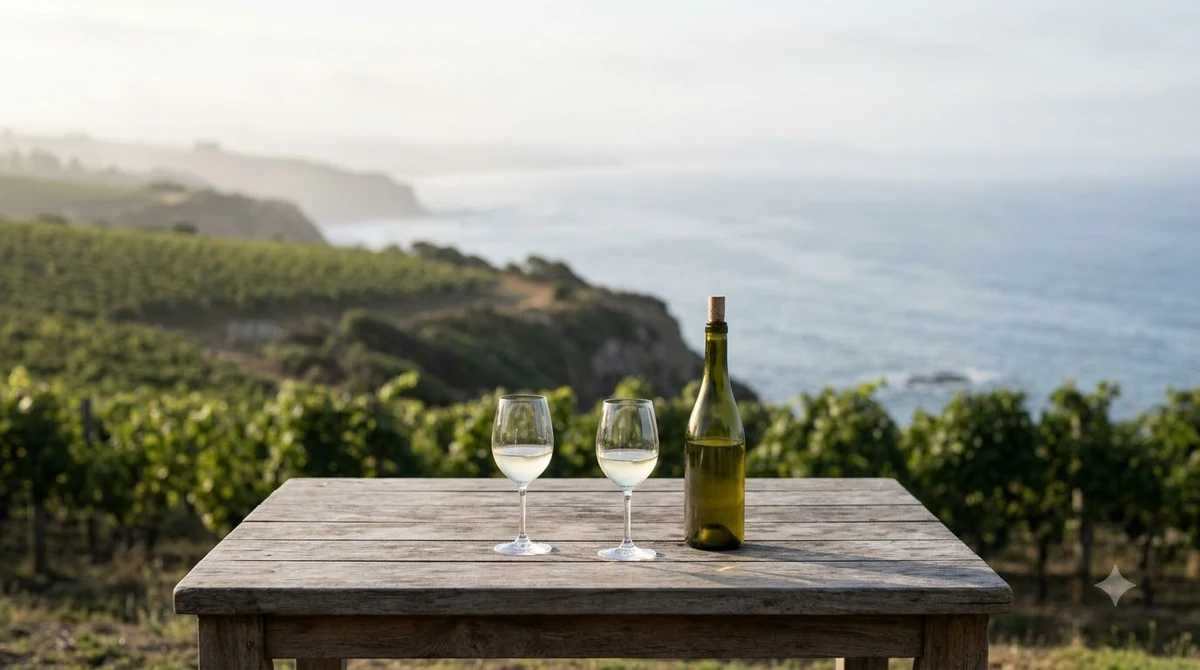
Peter Michael Winery is closely associated with the mountainous vineyard landscape beneath Mount St. Helena. Its Knights Valley Ranch covers nearly 750 acres, with 149 acres planted to vineyards. The remaining land is maintained as natural habitat, making the property more than simply a collection of cultivated vineyard blocks.
The winery’s estate vineyards occupy different elevations and exposures. Les Pavots sits between 900 and 1,400 feet, with a south-facing orientation and rocky volcanic-origin rhyolite soils. Its Bordeaux varieties provide the foundation for the estate’s Cabernet-based wines.
Other Peter Michael vineyard properties demonstrate the range of conditions found within the estate. Ma Belle-Fille occupies elevations between 1,700 and 1,900 feet and is planted to Chardonnay. Belle Côte sits between 1,700 and 1,800 feet, while La Carrière occupies a lower elevation range of 1,200 to 1,700 feet and includes particularly rocky, shallow soils.
The estate’s wines include Les Pavots, a Cabernet blend, and L’Après-Midi, a Sauvignon Blanc and Sémillon blend. These wines demonstrate that Knights Valley is not exclusively a Cabernet Sauvignon destination.
Knights Bridge Winery is another prominent property within the appellation. Its hillside vineyard was established on a 100-acre parcel in 2006, with 50 acres planted to vines. The estate grows Chardonnay, Sauvignon Blanc, Cabernet Sauvignon, and other Bordeaux varieties across five soil types.
The winery is known for its barrel cave, custom concrete tanks, and tasting salon with large windows overlooking the property. Its combination of hillside vineyards and modern winemaking facilities makes it an interesting destination for visitors interested in the production side of wine.
Beringer Vineyards has a particularly important historical connection to Knights Valley. The winery began farming vineyards there in the mid-1960s, when it identified the area’s cobbled alluvial soils as suitable for quality grape production.
Beringer’s first Knights Valley-designated wine was a 1973 Johannisberg Riesling Auslese released in 1974. Its first Knights Valley Cabernet Sauvignon followed in 1976. This history demonstrates that the appellation’s winemaking identity developed before its official AVA recognition in 1983.
Anakota is another notable name associated with the region’s Cabernet Sauvignon. Its vineyards developed from a search for exceptional mountain growing sites during the mid-1990s. The estate’s hillside vineyards are divided into smaller blocks and sub-blocks, reflecting the importance of individual exposures and growing conditions.
Other wineries also work with Knights Valley fruit. Some have tasting rooms elsewhere in Sonoma County, while others focus on estate production. This distinction matters for visitors: a winery producing wine from Knights Valley grapes is not necessarily located inside the appellation.
According to Sonoma County Tourism, Peter Michael Winery and Knights Bridge are the two wineries with tasting rooms located within Knights Valley itself. Other producers, including Ehret Family Winery and Donelan Family Wines, have important connections to the region’s vineyards.
For additional background on the region’s vineyards, history, and producers, the Sonoma County Winegrowers’ overview of Knights Valley provides useful regional context.
What Knights Valley Wines Taste Like
Knights Valley wines are generally recognized for ripe fruit, substantial structure, and a balance between warm-climate concentration and retained acidity. Cabernet Sauvignon is the clearest expression of this combination, although the region’s white wines offer a different perspective on its varied vineyard conditions.
A typical Knights Valley Cabernet Sauvignon is full-bodied, with blackcurrant, blackberry, plum, and dark cherry at the center of its flavor profile. Additional aromas can include dried herbs, cedar, tobacco, cocoa, and baking spices. The precise combination depends on the vineyard, vintage, blending choices, and oak treatment.
Tannin is an important feature. Cabernet Sauvignon naturally has high tannin, and wines from warm, well-drained vineyard sites can develop considerable concentration. This gives them a firm palate structure, particularly when young. Some bottles benefit from time in the cellar, while others are made to be approachable earlier.
Cabernet-based blends may be more approachable because winemakers can adjust the proportions of Merlot, Cabernet Franc, and Petit Verdot. The resulting wine may have a rounder texture, additional aromatic complexity, and a different balance between fruit and tannin.
Knights Valley Chardonnay offers a contrasting style. Its character can range from fresh citrus and orchard fruit to ripe pear, apple, and stone fruit. Some examples have a richer texture resulting from oak fermentation, lees contact, or malolactic fermentation. Others emphasize freshness and the character of the vineyard.
Sauvignon Blanc is generally more aromatic and higher in acidity than Chardonnay. Citrus, grapefruit, tropical fruit, and herbal notes are common possibilities. When blended with Sémillon, it may develop additional texture and complexity.
Producer style is especially important when choosing a bottle. A vineyard-designated Cabernet Sauvignon may highlight a particular hillside’s character, while a regional blend can combine fruit from multiple blocks to create a more consistent house style.
Alcohol level, oak treatment, tannin intensity, and fruit ripeness all influence how a wine feels. A richer Cabernet with substantial new-oak aging may seem more powerful than a more restrained example from a different producer, even when both carry the Knights Valley designation.
Serving temperature also affects perception. Full-bodied red wines are generally best served between 60 and 65 degrees Fahrenheit. Serving Cabernet Sauvignon too warm can make alcohol seem more prominent, while serving it too cold can mute its aromas and make tannins feel firmer.
Tip: Serve Knights Valley Cabernet Sauvignon at approximately 60 to 65 degrees Fahrenheit. If the wine is young and particularly full-bodied, open it 30 to 60 minutes before serving or transfer it to a decanter. This gives the wine time to develop its aromas and can soften the initial impression of concentrated tannin.
Food Pairings and Serving Knights Valley Wines
Knights Valley Cabernet Sauvignon is particularly well suited to rich foods with enough protein, fat, and savory flavor to complement its tannins. Grilled beef, roasted lamb, and aged cheeses are natural partners, while the region’s Chardonnay and Sauvignon Blanc work with lighter dishes.
Cabernet Sauvignon’s high tannin content makes it a strong companion for grilled ribeye, New York strip steak, and slow-roasted beef. The fat and protein in these foods soften the wine’s tannic impression, while the wine’s concentrated fruit stands up to the meat’s rich flavors.
Roasted lamb is another excellent choice. Rosemary, thyme, garlic, and black pepper complement the herbal and savory notes that can appear in Cabernet-based wines. For a simpler meal, grilled hamburgers with aged cheddar can also work well.
Merlot-based blends are useful when the meal calls for a slightly softer red wine. Try them with roast chicken, pork tenderloin, mushroom dishes, or braised short ribs. Their medium tannin and softer texture can make them more flexible at the dinner table than a particularly powerful Cabernet.
Chardonnay offers different pairing possibilities. Richer examples can accompany roast chicken, lobster, creamy pasta, and dishes prepared with butter-based sauces. A fresher, less oaked Chardonnay can work with grilled fish, scallops, and herb-seasoned poultry.
Sauvignon Blanc is particularly useful with foods that benefit from acidity. Goat cheese, fresh herbs, asparagus, green vegetables, and citrus-seasoned seafood are suitable options. The wine’s acidity can refresh the palate between bites, particularly when a dish contains olive oil or a rich dressing.
Food sweetness and acidity should also be considered. A wine should generally be at least as sweet as a dessert to avoid tasting excessively tart or bitter alongside it. Acidic foods need wines with equal or higher acidity. This is one reason high-acid Sauvignon Blanc is often a better match for lemon-seasoned seafood than a tannic Cabernet Sauvignon.
Avoid pairing powerful Cabernet Sauvignon with delicate oily fish such as salmon or tuna when the dish is prepared simply. The combination of fish oils and substantial red-wine tannin can produce an unpleasant metallic or harsh impression. A fresher white wine is usually a more reliable option.
Chili heat requires additional attention. Alcohol and tannin can amplify the sensation of spice, so a powerful Knights Valley Cabernet may be difficult to pair with very hot chili dishes. For spicy food, a fresher white wine or a wine with some residual sweetness is generally more comfortable.
For a practical serving reference, the following temperatures work well for the main styles of wine:
| Wine style | Serving temperature |
|---|---|
| Sparkling wine | 40–50°F |
| Light white wines | 45–50°F |
| Full-bodied white wines | 50–55°F |
| Light-bodied red wines | 55–60°F |
| Full-bodied red wines | 60–65°F |
| Sweet white wines | 43–50°F |
A standard wine pour is approximately 5 ounces, and a 750-milliliter bottle provides about five glasses. These measurements are useful when planning a tasting or serving wine with a multi-course dinner.
Once opened, still wines generally keep for three to five days in the refrigerator when properly resealed. Refrigeration slows oxidation even for red wines, which can be allowed to warm toward their preferred serving temperature before pouring.
Visiting Knights Valley and Exploring Its Vineyards
Visiting Knights Valley requires more planning than exploring some of Sonoma County’s larger tasting-room districts. Its rural roads, dispersed estates, and limited number of visitor destinations make advance reservations particularly important.
Highway 128 is the main route through the region, but its winding mountainous sections mean visitors should allow time for driving. The road passes through agricultural land and wooded terrain, with views of the surrounding hills and Mount St. Helena. It is a scenic way to understand the landscape that shapes the area’s vineyards.
Peter Michael Winery offers an appointment-based estate experience at Knights Valley Ranch. Visitors are hosted on a journey through the property, including its steep vineyard slopes, before returning to the winery for a tasting. This approach provides an opportunity to see how vineyard elevation, exposure, and soils relate to the finished wines.
Knights Bridge is another important destination for visitors interested in estate Cabernet Sauvignon and the winery’s hillside vineyards. Its tasting facilities include a barrel cave and a tasting salon overlooking the surrounding property.
Both wineries are located within the appellation itself. This makes them particularly relevant for travelers who want to experience the region rather than simply taste wines made from its grapes at a winery elsewhere.
Other producers have connections to Knights Valley without operating tasting rooms there. Ehret Family Winery, for example, has its tasting room in Healdsburg, while its Bavarian Lion Vineyard is located in Knights Valley. Donelan Family Wines is also associated with the appellation through its Obsidian Estate vineyard, although its tasting room is in Santa Rosa.
It is useful to distinguish vineyard visits from ordinary tasting appointments. A tasting room may offer several wines from the region without providing access to the vineyard itself. An estate visit, by contrast, can help visitors understand the relationship between vineyard blocks, topography, and winemaking.
Before setting out, confirm the winery’s current appointment requirements, available tasting experiences, and transportation arrangements. The rural location means visitors should avoid assuming that every producer welcomes unscheduled walk-in guests.
A productive visit can include two contrasting experiences: one focused on Cabernet Sauvignon and another exploring Chardonnay or Sauvignon Blanc. Comparing a full-bodied red with a higher-acid white provides a useful introduction to the diversity of the appellation.
Visitors who have additional time can also explore nearby wine regions. Alexander Valley lies to the west, while Calistoga provides access to the Napa Valley side of the surrounding mountain landscape. These neighboring areas offer useful comparisons in grape varieties, vineyard terrain, and wine styles.
Peter Michael Winery provides further information about its individual properties and vineyard characteristics through its Knights Valley Ranch and estate vineyard information. The vineyard descriptions are especially useful for understanding how dramatically elevation and exposure can differ within one estate.
Frequently Asked Questions
Is Knights Valley part of Napa Valley?
No. Knights Valley is an AVA within Sonoma County, California, although it borders Napa Valley near Calistoga. The appellation is part of the larger Northern Sonoma wine-growing landscape rather than a Napa Valley subappellation.
How many wineries are located in Knights Valley?
The number depends on whether wineries using regional grapes or operating tasting rooms are counted. Sonoma County Tourism identifies two wineries with tasting rooms inside the appellation: Peter Michael Winery and Knights Bridge. Other producers own or source fruit from Knights Valley vineyards while operating visitor facilities elsewhere.
Can Knights Valley Cabernet Sauvignon age in the cellar?
Yes. Well-made Cabernet Sauvignon from the region can develop additional complexity with bottle age because its concentration, acidity, and tannin provide structural support. The ideal aging period varies by producer, vintage, and bottling, so individual wine recommendations are more useful than applying one aging schedule to every bottle.
What does the name Knights Valley mean?
The appellation takes its name from Thomas P. Knight, who acquired land in the area in 1853. Before that, the area was associated with the Mexican land grant known as Rancho Malacomes. The region was also historically referred to as Mallacomes Valley.
Does Knights Valley produce wines other than Cabernet Sauvignon?
Yes. The appellation also produces Chardonnay, Sauvignon Blanc, Merlot, Cabernet Franc, Petit Verdot, and Sémillon. Some producers make white Bordeaux-style blends using Sauvignon Blanc and Sémillon, while others focus on estate Chardonnay from higher-elevation vineyard sites.
Knights Valley is a distinctive Sonoma County appellation where volcanic geology, mountain vineyards, warm afternoons, and cool nights combine to produce structured Cabernet Sauvignon and expressive white wines. Its small collection of estate producers and varied vineyard elevations reward closer attention, particularly for wine enthusiasts interested in the relationship between place and wine style. Exploring Knights Valley is an excellent way to discover a less familiar side of Sonoma County wine country.
More in Wine Regions
 Willcox Wine Trail: Discover Arizona’s High-Elevation Wine CountryUpdated Nov 20, 2026
 Yakima Valley Wine Region: Find the Best Styles to TryUpdated Nov 20, 2026
 Vosne Romanee Wine Tasting: Identify Aromas and Choose Better PairingsUpdated Nov 20, 2026
 Yakima Valley Wine Festival: Find the Best Seasonal Wine EventsUpdated Nov 20, 2026
 Wales Vineyards: Discover Cool-Climate Wines and Where to VisitUpdated Nov 20, 2026
 Yountville Wine Festival: Discover Napa Wines and Local FoodUpdated Nov 20, 2026