

We may earn a commission when you buy through links on this page, at no extra cost to you. Learn more.
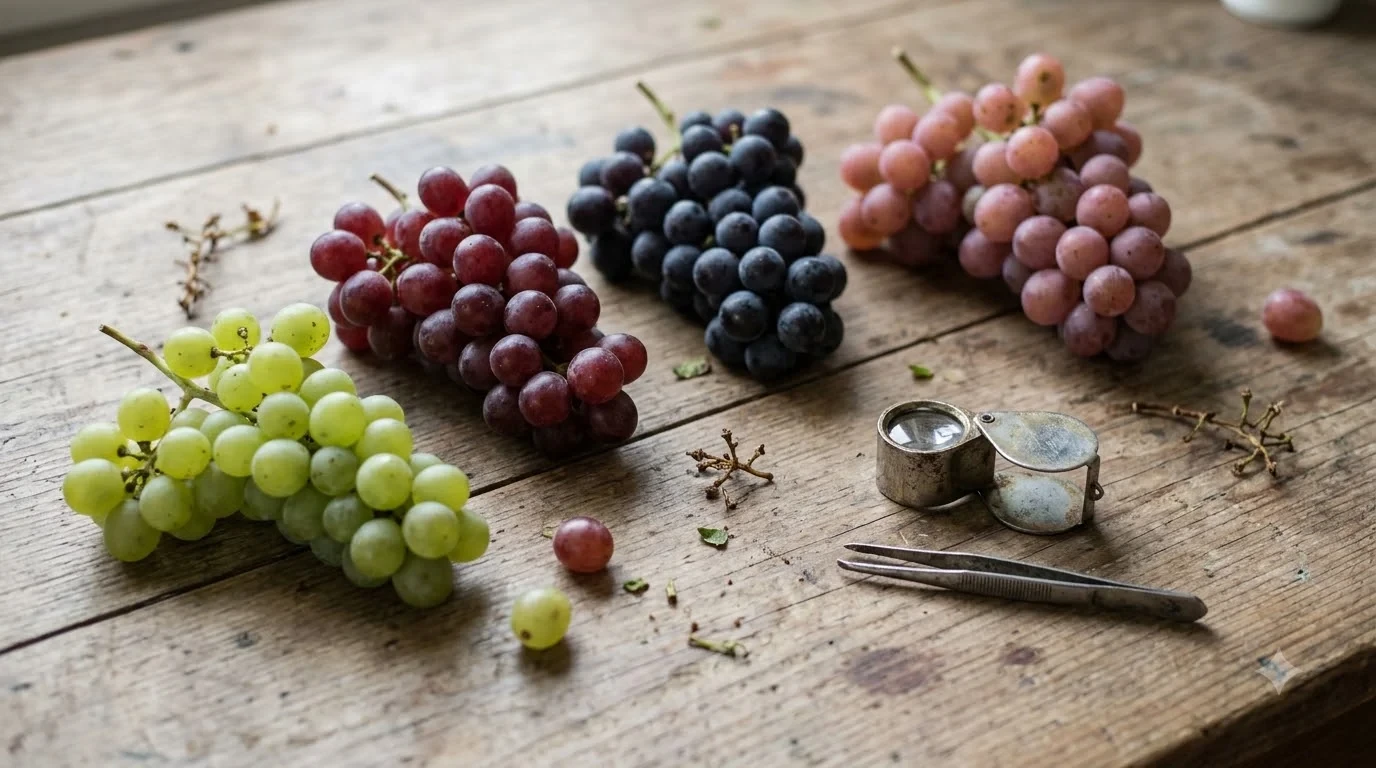
Kentucky wine grapes include Norton, Chambourcin, Vidal Blanc, Traminette, Cabernet Franc, and Chardonnay, with American and hybrid varieties particularly well suited to the state’s growing conditions. Kentucky’s continental climate creates challenges for grape growing, especially winter injury, spring frost, and summer humidity. These conditions favor carefully selected grape varieties that can ripen reliably while producing distinctive red, white, and rosé wines. Understanding the grapes behind Kentucky wine makes it easier to recognize local styles and choose bottles worth exploring.
Kentucky has a longer wine-growing history than many people realize. Grapes were planted in the state in 1798, and modern vineyards now combine traditional American varieties, French-American hybrids, and selected European grapes. From structured Norton reds to aromatic Traminette whites, Kentucky’s vineyards offer a range of wines shaped by regional soils, seasonal weather, and individual vineyard sites. The following guide explains the principal varieties, their growing requirements, and what to expect in the glass.
How Kentucky’s Climate Shapes Its Wine Grapes
Kentucky’s grape-growing conditions favor varieties that tolerate changing winter temperatures, humid summers, and unpredictable spring weather. The most dependable choices are generally American grapes and interspecific hybrids, although selected European varieties can succeed in favorable vineyard locations.
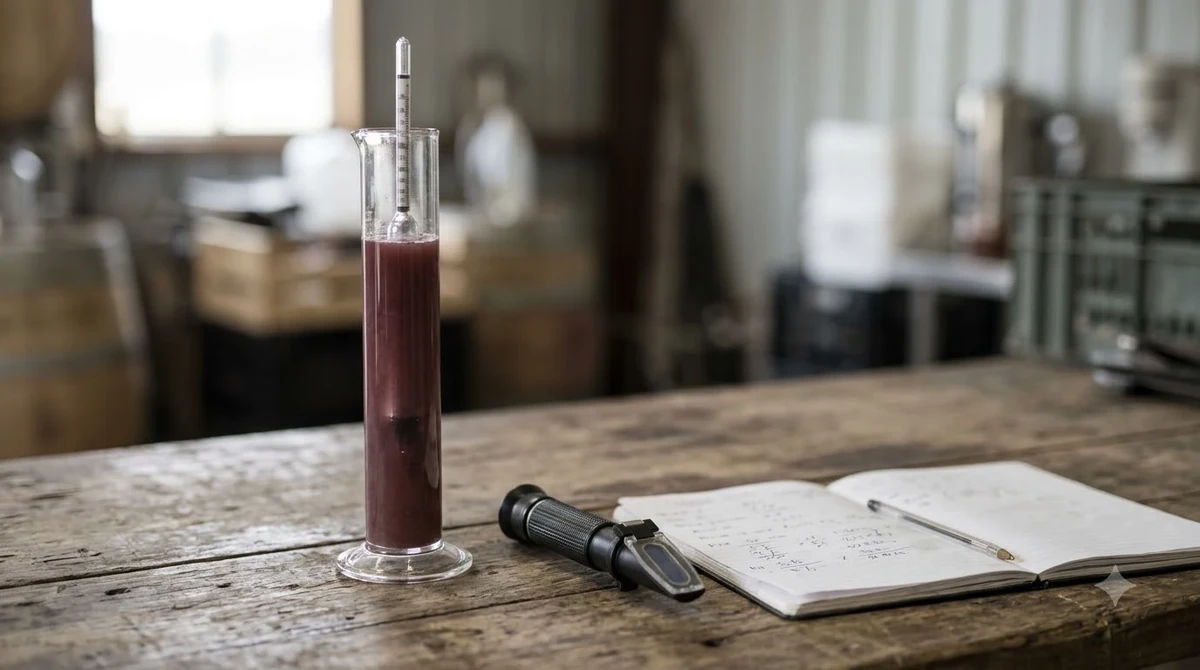
Kentucky experiences cold winter periods alongside warm, humid growing seasons. These conditions create several challenges for grapevines. Dormant buds can suffer winter injury, while early spring warmth can encourage bud development before a late frost damages young growth. Summer humidity also increases pressure from fungal diseases, making vineyard management particularly important.
According to Kentucky’s agricultural cultivar guidelines, favorable vineyard sites may experience significant winter damage approximately once every 8 to 10 years. Less suitable sites can experience comparable damage every 2 to 3 years. This difference illustrates why choosing the right location matters almost as much as choosing the right grape.
Winter temperatures also help explain the preference for hybrids. Kentucky’s agricultural guidelines describe potential dormant-bud injury around 8°F for European varieties, compared with approximately -15°F for hybrid cultivars. These figures are general reference points rather than guarantees, since vine age, variety, site exposure, and vineyard management all influence actual damage.
Three main grape categories
Kentucky vineyards generally grow three broad grape groups:
- American grapes: Native North American varieties, including Norton, that can offer useful adaptation to regional conditions.
- Interspecific hybrids: Grapes developed by crossing different grape species, often combining improved cold tolerance with desirable winemaking characteristics. Chambourcin, Vidal Blanc, and Traminette are important examples.
- European vinifera: Traditional wine grapes such as Cabernet Sauvignon, Cabernet Franc, and Chardonnay. These can produce familiar international styles but require more careful site selection in Kentucky.
The University of Kentucky identifies American and hybrid cultivars as generally better suited to the state’s conditions. European varieties can be attractive to growers because of their established wine styles and potential commercial value, but their susceptibility to winter damage and disease increases production risks.
Site selection should account for elevation, air drainage, sunlight, soil drainage, and exposure to cold winds. A vineyard on a well-drained slope with good airflow may perform considerably better than one in a low-lying area where cold air settles and moisture remains around the vines.
Tip: When evaluating Kentucky wine, look beyond the grape name. A variety grown on a favorable site can produce a very different result from the same variety grown under stressful conditions. Vineyard location and growing practices are important parts of the finished wine’s character.
Norton and Chambourcin Lead Kentucky’s Red Wine Selection
Norton and Chambourcin are two of the most recognizable red wine grapes associated with Kentucky. Norton brings a distinctly American grape identity, while Chambourcin offers a hybrid alternative that can produce versatile dry and fruit-forward reds.
Norton: Kentucky’s distinctive American red
Norton, also known as Cynthiana in some wine-growing contexts, is associated with the American grape species Vitis aestivalis. It is an established red wine variety in Kentucky and appears regularly among the state’s important vineyard grapes.
Norton is valued for its ability to tolerate cold conditions better than many European vinifera varieties. Kentucky’s agricultural cultivar list classifies it as winter hardy, with typical maturity in October. Its relatively late harvest makes site selection and autumn weather particularly important for growers.
In the glass, Norton commonly produces deeply colored red wines with noticeable acidity, firm structure, and flavors that can include dark berries, plum, and earthy or spicy notes. Its substantial tannins can make it a good choice for drinkers who enjoy structured reds rather than soft, immediately approachable styles.
Norton works particularly well alongside smoked meats, grilled beef, barbecue, and dishes featuring mushrooms. Salt and fat can soften the perception of tannin, making richer foods useful partners for a structured Norton. A serving temperature around 60–65°F helps reveal the wine’s aromas without making its alcohol seem overly prominent.
Chambourcin: A versatile hybrid red
Chambourcin is a French-American hybrid that has become an important red grape in Kentucky. It is listed as moderately winter hardy and typically matures in September, giving growers a different harvest window from the later-ripening Norton.
Its wines can range from fresh, medium-bodied reds to more concentrated examples shaped by vineyard conditions and winemaking decisions. Typical flavor impressions include cherry, blackberry, plum, and sometimes earthy or herbal characteristics. Compared with a firmly structured Norton, Chambourcin can offer a more approachable profile.
Some producers make Chambourcin as a dry red, while others use it for sweeter or fruitier styles. Oak aging, fermentation choices, and harvest timing influence the final result, so the grape name alone does not determine whether a bottle will be light, rich, or sweet.
Pair dry Chambourcin with roast pork, grilled sausages, tomato-based pasta, or barbecue chicken. Its fruit character can complement moderately spiced food, although particularly hot chili dishes may make the alcohol and tannins seem more pronounced.
Other red grapes worth recognizing
Kentucky’s approved cultivar list contains several additional red varieties. Frontenac and Foch are classified as winter hardy and typically mature in August, making them useful alternatives for vineyards that favor earlier harvests.
Other listed varieties include Chancellor, Corot Noir, Crimson Cabernet, Noiret, GR7, St. Vincent, and Villard Noir. Their suitability depends on the vineyard site, local market demand, and the wine style a producer wants to make.
Cabernet Franc and Cabernet Sauvignon also appear in Kentucky’s wine selection. These European varieties provide a familiar reference point for consumers accustomed to wines from California, Bordeaux, or other established regions. Their presence demonstrates that Kentucky wine production is not limited to hybrids, even though the latter generally offer more reliable growing conditions.
Vidal Blanc, Traminette, and Other Kentucky White Grapes
Kentucky produces several distinctive white wines, with Vidal Blanc and Traminette among the most recognizable varieties. These grapes offer different aromatic profiles and winemaking possibilities, ranging from crisp, refreshing dry whites to aromatic and sweeter bottlings.
Vidal Blanc: A dependable white hybrid
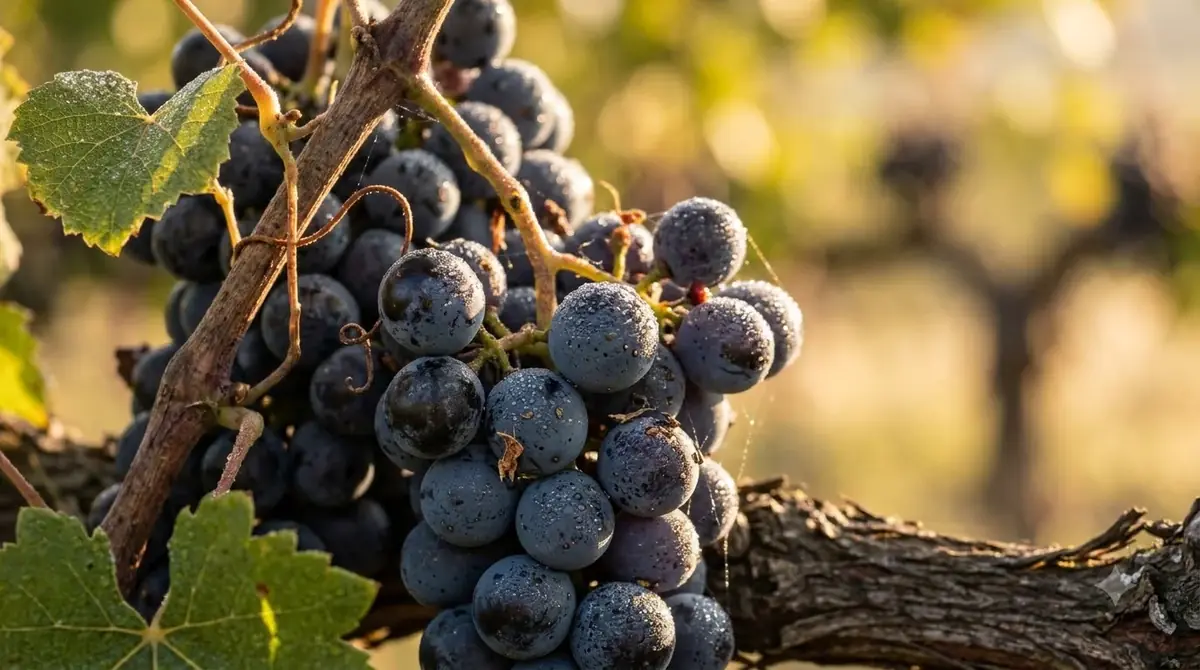
Vidal Blanc is a French-American hybrid that performs well in many eastern and Midwestern wine-growing regions. Kentucky’s agricultural guidelines classify it as winter hardy, with typical maturity in September.
The grape is particularly useful because it can produce different wine styles. Dry Vidal Blanc often displays citrus, green apple, pear, and floral notes, while sweeter versions can emphasize ripe fruit and honeyed impressions. Some winemakers also use it in sparkling wine production.
Its relatively fresh acidity makes Vidal Blanc a flexible food wine. Serve a dry version with grilled chicken, freshwater fish, shrimp, salads, or soft cheeses. Sweeter examples can accompany spicy Asian-inspired dishes, provided the wine has enough sweetness to balance the food.
Traminette: Aromatic and expressive
Traminette is an aromatic hybrid grape known for its floral and spice-driven character. It is moderately winter hardy and generally reaches maturity in September in Kentucky.
Its aromatic profile can include jasmine, rose, lychee, citrus, and spice. The variety has a connection to Gewürztraminer in its breeding background, which helps explain its distinctive perfume and expressive character.
Kentucky Traminette may be produced as a dry, off-dry, or sweeter white wine. The degree of sweetness makes a meaningful difference to food pairing. A dry version can complement roasted poultry and mild cheeses, while an off-dry bottling can work especially well with spicy dishes and fruit-based sauces.
Cayuga White and Chardonel
Cayuga White is another important hybrid variety. Released by Cornell University in 1972, it is recognized for reasonable cold-hardiness and a flavor profile that WineAmerica compares with medium-dry Riesling.
Kentucky’s agricultural cultivar list classifies Cayuga White as winter hardy, with typical August maturity. Its early harvest window makes it an interesting option for vineyards where later-ripening grapes face greater autumn weather risks.
Chardonel is a white hybrid that typically matures in September and is also classified as winter hardy. It offers an alternative for producers seeking Chardonnay-like characteristics with a grape better adapted to challenging regional growing conditions.
Other white varieties on Kentucky’s cultivar list include Vignoles, Niagara, La Crescent, Frontenac Gris, Aromella, Golden Muscat, Valvin Muscat, and Seyval Blanc. Vignoles is particularly notable for its October maturity, while Niagara and La Crescent generally mature in August.
European Wine Grapes in Kentucky Vineyards
European wine grapes can grow in Kentucky, but they require more careful vineyard management than many American and hybrid varieties. Cabernet Franc, Cabernet Sauvignon, and Chardonnay are among the European grapes associated with the state’s commercial wine production.
Vitis vinifera includes many of the world’s most familiar wine grapes. Cabernet Sauvignon, Merlot, Pinot Noir, Chardonnay, and Sauvignon Blanc all belong to this group. Their popularity comes from their established wine styles, recognizable flavor profiles, and ability to produce high-quality wines in suitable climates.
In Kentucky, however, winter injury can make these grapes more difficult to cultivate consistently. A variety that thrives in California or a temperate European wine region may experience serious losses in a Kentucky vineyard exposed to severe cold or spring temperature fluctuations.
Cabernet Franc and Cabernet Sauvignon
Cabernet Franc is a familiar red wine grape that can produce medium-bodied wines with red berry, herbal, and sometimes peppery notes. It generally has less tannin than Cabernet Sauvignon and can be more approachable when young.
Cabernet Sauvignon typically produces fuller-bodied wines with substantial tannin, dark fruit flavors, and firm structure. Its performance in Kentucky depends heavily on site suitability and the ability to ripen fruit before unfavorable autumn weather.
Both grapes are useful comparisons when exploring Kentucky wines because they allow consumers to recognize international varieties in a different growing environment. Their local expressions may differ from versions produced in Bordeaux, Napa Valley, or Washington State.
Chardonnay and other vinifera whites
Chardonnay is among the European white varieties encountered in Kentucky. Its flavor profile can range from green apple and citrus in fresher styles to peach, melon, vanilla, and toast in richer or oak-aged versions.
Chardonnay generally has medium acidity, making it versatile with roasted poultry, creamy pasta, seafood, and dishes with butter-based sauces. However, its vineyard performance depends on local conditions, including winter exposure, disease pressure, and harvest timing.
The Kentucky Department of Agriculture cautions against planting European grape varieties in most areas because of winter-injury mortality, while recognizing that suitable locations exist. Growers considering these varieties should seek site-specific advice rather than assuming that a successful vineyard elsewhere in the state guarantees similar results.
Kentucky Wine Grapes, Harvest Seasons, and Growing Requirements
Harvest timing and winter hardiness help explain why certain grapes are more common in Kentucky vineyards than others. The state’s cultivar requirements provide useful reference information about typical maturity periods and relative winter hardiness.
The following table summarizes selected approved cultivars. Maturity months are typical guidelines rather than fixed harvest dates; weather, vineyard location, crop load, and seasonal development can change the actual picking schedule.
| Grape variety | Wine category | Winter hardiness | Typical maturity |
|---|---|---|---|
| Norton | Red | Hardy | October |
| Chambourcin | Red | Moderate | September |
| Frontenac | Red | Hardy | August |
| Foch | Red | Hardy | August |
| Corot Noir | Red | Hardy | August |
| Vidal Blanc | White | Hardy | September |
| Traminette | White | Moderate | September |
| Cayuga White | White | Hardy | August |
| Chardonel | White | Hardy | September |
| Vignoles | White | Hardy | October |
These differences in maturity can influence vineyard planning. Early-ripening varieties such as Frontenac, Foch, and Cayuga White generally reach maturity in August, while September varieties include Chambourcin, Vidal Blanc, and Traminette. Norton and Vignoles are among the examples that typically mature in October.
Soil, drainage, and vineyard location
Kentucky’s vineyard soils include limestone, shale, and clay. Local winemakers have identified these geological features as important parts of the state’s vineyard character, although soil composition alone does not determine the quality or flavor of a wine.
Good drainage is particularly important. Grapevines generally perform better in soils that provide sufficient moisture without remaining waterlogged. Poor drainage can weaken vines and complicate disease management, particularly during Kentucky’s humid growing season.
Air drainage also matters. Cold air tends to move downhill and accumulate in low areas, increasing frost exposure. A gently sloping vineyard can help reduce this risk, especially during spring when developing buds are vulnerable.
Diseases and vineyard management
Black rot is one of the most important grape diseases identified by the University of Kentucky. Other potential problems include powdery mildew, downy mildew, crown gall, and insect pests such as Japanese beetles, grape berry moths, and grape leafhoppers.
Successful grape production therefore requires more than choosing a winter-hardy cultivar. Growers must manage canopy growth, monitor disease pressure, maintain trellises, and select varieties suited to local conditions.
The University of Kentucky’s grape production and crop resources provide additional information about cultivar selection, disease management, vineyard infrastructure, and commercial growing considerations.
How to Taste and Pair Kentucky Wines
Kentucky wines offer several different styles, so the best food pairing depends on the grape, sweetness level, acidity, and tannin structure. Norton and Chambourcin suit richer meals, while Vidal Blanc and Traminette offer flexible options for lighter dishes and aromatic food combinations.
For red wines, start with the distinction between Norton and Chambourcin. Norton generally offers firmer structure and more noticeable tannin, making it a natural match for beef, lamb, smoked meats, and rich barbecue. Chambourcin is often more approachable and can work with grilled chicken, pork, roasted vegetables, and tomato-based pasta.
White wines offer a different range of possibilities. Dry Vidal Blanc pairs well with freshwater fish, chicken, shellfish, and mild cheeses. Traminette’s floral aromas and possible residual sweetness make it especially useful with aromatic dishes, ginger, lightly spiced foods, and Southeast Asian-inspired cuisine.
Serving temperatures
Temperature affects how wine smells and tastes. A wine served too cold can conceal its aromas, while excessive warmth can emphasize alcohol and make the wine seem heavier.
- Norton: Serve around 60–65°F for a fuller-bodied red style.
- Chambourcin: Serve around 55–60°F for a lighter or medium-bodied red.
- Dry Vidal Blanc: Serve around 45–50°F.
- Traminette: Serve around 45–50°F for a fresh, aromatic presentation.
- Sweet Vidal Blanc or Traminette: Serve around 43–50°F.
Pairing sweetness and acidity
Sweetness is particularly important when matching wine with spicy food. An off-dry Traminette can complement moderately spicy dishes because its sweetness balances some of the perceived heat. However, very high chili intensity can still overwhelm the wine.
Acidic foods such as tomato sauces, citrus dressings, and vinegar-based dishes generally need wines with equal or higher acidity. Fresh Vidal Blanc can be a useful match for these meals. Rich or salty foods can soften tannin, which helps explain why Norton can work well with grilled beef and barbecue.
For a broader understanding of how grape varieties influence color and wine styles, see our guide to orange wine grapes. The grape itself, skin contact, and winemaking method all contribute to the character of the finished bottle.
What to look for on a Kentucky wine label
Start with the grape variety and the producer’s description of the wine. A bottle labeled Norton will generally be a different experience from one labeled Chambourcin, even if both are dry reds.
Pay attention to sweetness descriptions as well. Dry, off-dry, semisweet, and sweet wines can all be made from the same grape, depending on the winemaker’s decisions. Alcohol level, oak influence, and production methods can also help explain differences between bottles.
A useful tasting exercise is to compare Norton with Chambourcin, followed by Vidal Blanc and Traminette. This provides four distinct reference points for understanding the balance between fruit, acidity, tannin, and aroma in Kentucky wine.
Kentucky Wine History, Regions, and Vineyard Visits
Kentucky has a significant historical connection to American wine production, beginning with grape planting in 1798. Modern wineries combine this heritage with regional vineyard experimentation and a growing selection of American, hybrid, and European grape varieties.
WineAmerica identifies the Indiana Uplands and Ohio River Valley as American Viticultural Areas with acreage associated with Kentucky. These geographic designations help establish the regional context for vineyard production, although Kentucky’s wine industry also includes producers outside formally designated AVAs.
The state’s early wine history was interrupted by Prohibition, which severely damaged the established wine industry. Modern commercial vineyards have helped renew interest in grape growing and wine production, with producers exploring varieties that can succeed in Kentucky’s particular climate.
According to WineAmerica’s Kentucky state profile, Stonebrook Winery in northern Kentucky grows Cayuga White, Vidal Blanc, Concord, Cabernet Franc, Norton, and Foch. This selection illustrates how one producer can combine American grapes, hybrids, and European varieties within a single vineyard operation.
Exploring Kentucky wine country
Visitors can discover different local wine styles through the state’s winery network and regional wine trails. Tasting rooms provide opportunities to compare grape varieties, sweetness levels, and winemaking approaches without needing to understand every technical detail beforehand.
The Kentucky wine trail is a useful starting point for planning a vineyard visit. Depending on the itinerary, travelers can explore wineries in areas around Lexington, Louisville, northern Kentucky, and other parts of the state.
For a more comprehensive comparison with other American wine-growing regions, our guide to Texas wine grapes provides another example of how regional climates influence grape selection. Kentucky and Texas have different growing challenges, but both demonstrate why successful wine production depends on matching grape varieties to local conditions.
What to taste during a visit
Begin with a white wine such as Vidal Blanc or Traminette, then compare a red Chambourcin with Norton. If the winery offers Cabernet Franc or Cabernet Sauvignon, tasting these alongside the hybrid and American varieties provides an interesting comparison.
Ask whether the wines are dry, off-dry, or sweet, and whether they have been aged in stainless steel or oak. These details help explain why wines made from the same grape can have noticeably different textures and aromas.
Visitors interested in understanding regional wine production more broadly can also explore our Wine Regions resource for information about the relationship between geography, climate, grape varieties, and local wine styles.
Frequently Asked Questions
Is Norton the same grape as Cynthiana?
Norton and Cynthiana are names commonly associated with the same American wine grape, although historical naming and regional usage have sometimes created confusion. The variety belongs to Vitis aestivalis rather than the European Vitis vinifera species. Its American heritage is an important part of its identity among eastern U.S. wine grapes.
Can Kentucky grapes be used to make sparkling wine?
Yes. White grapes such as Vidal Blanc and Cayuga White can be used in sparkling wine production, depending on fruit quality and the producer’s approach. Sparkling wines can be made using traditional bottle fermentation or other production methods, creating differences in texture and complexity.
Are Kentucky wine grapes used for fruit wine?
Kentucky producers make both grape wines and wines from fruits such as blackberries and raspberries. These fruit wines are part of the state’s broader agricultural wine identity, rather than a category made exclusively from traditional wine grapes. Some wineries offer grape and fruit wines within the same tasting room.
Does Kentucky have an official wine grape?
Kentucky does not have a single exclusive official wine grape that represents every vineyard in the state. Norton is an especially recognizable American variety, while Vidal Blanc and Chambourcin are prominent in local wine production. The diversity of these varieties reflects Kentucky’s different vineyard sites and production styles.
Can Kentucky wine grapes grow in a home garden?
Several grape varieties suitable for Kentucky vineyards can also be considered for home growing, provided the location offers adequate sunlight, drainage, and trellis support. Table grape cultivars such as Mars, Reliance, and Canadice appear on Kentucky’s approved grape cultivar list. Their suitability for eating fresh differs from the characteristics sought in wine grapes, so the intended use should guide variety selection.
Kentucky wine grapes reflect a distinctive combination of American grape heritage, cold-hardy hybrids, and carefully selected European varieties. Norton, Chambourcin, Vidal Blanc, and Traminette are excellent starting points for understanding what the state’s vineyards can produce. Exploring these wines side by side offers a rewarding introduction to Kentucky’s growing wine identity and the influence of regional climate on American wine.
More in Wine Regions
 Willcox Wine Trail: Discover Arizona’s High-Elevation Wine CountryUpdated Nov 20, 2026
 Yakima Valley Wine Region: Find the Best Styles to TryUpdated Nov 20, 2026
 Vosne Romanee Wine Tasting: Identify Aromas and Choose Better PairingsUpdated Nov 20, 2026
 Yakima Valley Wine Festival: Find the Best Seasonal Wine EventsUpdated Nov 20, 2026
 Wales Vineyards: Discover Cool-Climate Wines and Where to VisitUpdated Nov 20, 2026
 Yountville Wine Festival: Discover Napa Wines and Local FoodUpdated Nov 20, 2026