

We may earn a commission when you buy through links on this page, at no extra cost to you. Learn more.
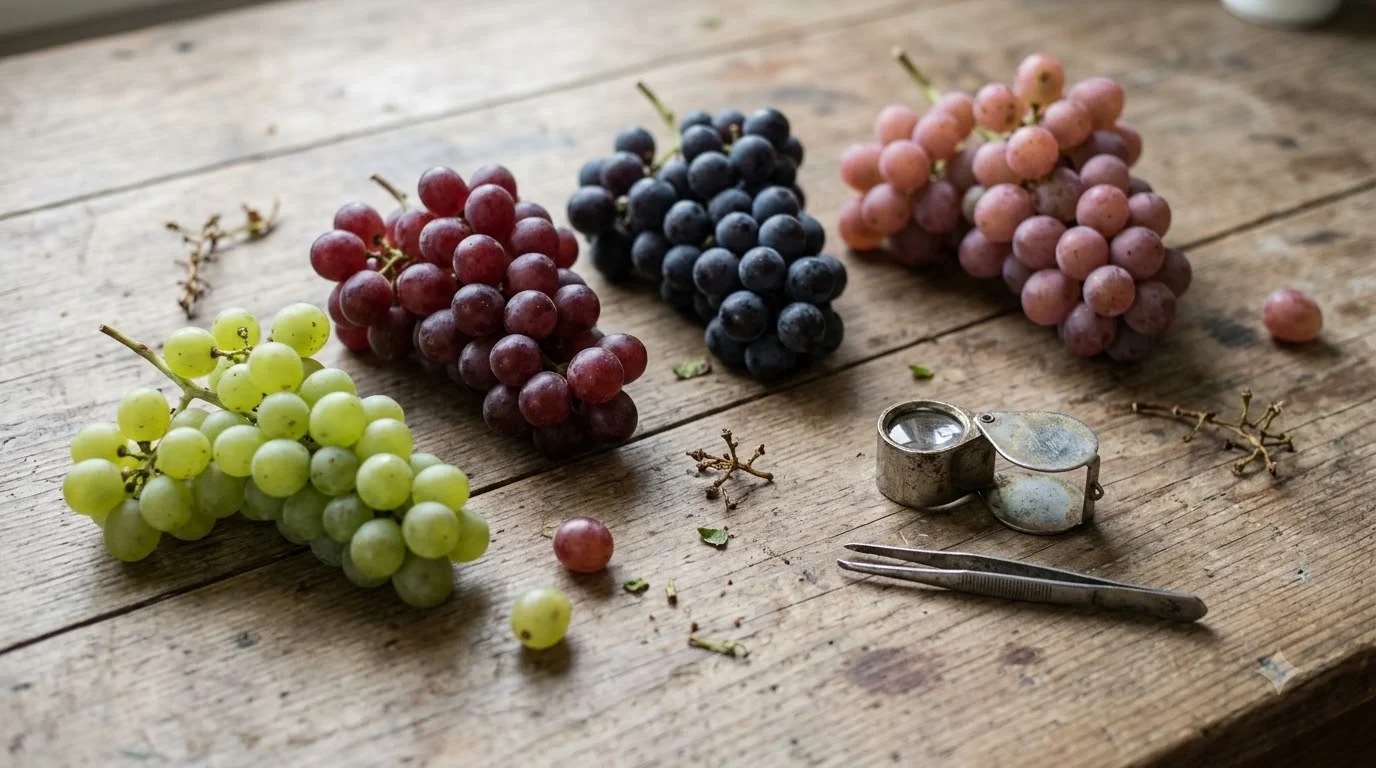
Indiana wine grapes are primarily cold-hardy hybrid varieties such as Traminette, Chambourcin, Marquette, Vidal Blanc, and Vignoles, selected to thrive in the state’s cold winters and humid summers. These grapes produce an unusually diverse selection of wines, including aromatic whites, structured reds, refreshing rosés, sparkling wines, and sweet dessert styles. Understanding the varieties and their regional growing conditions makes it easier to recognize what gives Indiana wine its distinctive character.
Indiana has a longer wine-growing history than many people expect. The state’s modern vineyards combine traditional American grapes, French-American hybrids, and newer cold-climate varieties developed specifically for challenging growing conditions. Although the state’s climate limits some familiar European grapes, it supports a fascinating collection of alternatives. From the floral character of Traminette to the dark-fruit intensity of Marquette, Indiana’s vineyards offer plenty to explore.
Indiana’s Climate Shapes Its Wine Grape Selection
Indiana’s wine industry depends on matching grape varieties to local temperatures, growing-season length, and rainfall patterns. The state’s northern and southern vineyards experience sufficiently different conditions that the same grape does not necessarily perform equally well in both locations.
Winter temperatures are one of the biggest considerations. Purdue Extension reports that average midwinter minimum temperatures range from approximately 0 to -5°F in southwestern Indiana to -15 to -20°F in the northwest and north-central regions. These differences matter because grapevines vary considerably in their ability to survive freezing temperatures. A variety that performs reliably near the Ohio River may suffer substantial winter injury farther north.
The length of the growing season creates another important distinction. Southern Indiana typically receives approximately 190-200 frost-free days, compared with around 150-160 days in the north. Purdue also estimates growing-season heat accumulation at approximately 3,800 degree days in the south and 2,500 in the north, calculated using the base-50 method. This additional warmth gives southern vineyards more opportunities to ripen grapes that mature late in the season.
Rainfall and humidity also influence vineyard management. Wet conditions can encourage fungal diseases, particularly downy mildew, powdery mildew, black rot, and Botrytis bunch rot. Varieties with stronger disease resistance can reduce some of these challenges, although no grapevine is completely maintenance-free. Growers must manage foliage, maintain suitable airflow, monitor fruit development, and time vineyard treatments carefully.
Site selection is just as important as grape selection. Vineyards generally benefit from full sunlight, good drainage, and elevated ground where cold air can move away from the vines. Low-lying areas can collect cold air and become frost pockets, while poorly drained soils can restrict root development. Purdue Extension notes that grape roots may penetrate 6 feet or more in suitable, well-drained soil, giving vines better access to water and nutrients.
These conditions explain why Indiana relies heavily on French-American hybrids and other interspecific grapes. Their mixed genetic backgrounds offer useful combinations of cold tolerance, disease resistance, and wine quality. Traditional European varieties can grow in selected favorable locations, but they generally demand more careful site selection and vineyard management.
Leading Red Wine Grapes Grown in Indiana
Indiana’s red wines come from several varieties with different ripening schedules and flavor profiles. Chambourcin, Marquette, Maréchal Foch, Norton, and Noiret are particularly useful examples of how the state’s climate influences its red wine styles.
Chambourcin is one of the most recognizable hybrid red grapes associated with Indiana. It ripens relatively late, producing blue berries in moderately loose clusters. When the fruit reaches full maturity, it can make deeply colored, appealing red wines with good structure. The variety is productive, so growers may need to thin clusters to prevent excessive cropping and maintain vine vigor. Its late ripening and moderate cold hardiness make southern Indiana a more suitable home than the colder northern parts of the state.
Marquette offers a different approach. Developed through a University of Minnesota breeding program, this cold-hardy grape can ripen early enough for production throughout Indiana, including northern locations. Its wines are often recognizable by their ruby color, cherry and blackberry aromas, and notes of black pepper and other spices. Purdue describes its finished wines as having pronounced tannins and moderate acidity at ripeness, making Marquette a useful option for structured red wine production.
Maréchal Foch, commonly called Foch, is another important variety. Its early ripening period and cold hardiness make it particularly useful in northern Indiana. The berries and clusters are relatively small, and birds can be attracted to the fruit. Depending on winemaking choices, Foch can become a light, fruity red or a fuller-bodied wine. Its flexibility makes it interesting for consumers who enjoy comparing different expressions of the same grape.
Norton, also known as Cynthiana, has a different genetic background from many French-American hybrids. It is associated with the native eastern North American species Vitis aestivalis. The vine is vigorous and resistant to many diseases, but its late ripening makes southern Indiana the more suitable growing area. Its small berries and clusters can limit yields, while careful vineyard and winery management help preserve wine quality.
Noiret and Corot noir provide additional choices. Noiret can produce richly colored wines with aromas of black pepper, raspberry, blackberry, and mint. Corot noir offers cherry and berry characteristics, with moderate tannin and relatively low acidity at harvest. These varieties give Indiana winemakers more options for producing distinctive red wines without relying entirely on traditional European grapes.
How the principal red grapes differ
| Grape | Ripening | Regional suitability | Typical wine character |
|---|---|---|---|
| Chambourcin | Late | Southern Indiana | Structured, deeply colored red |
| Marquette | Early | North and south | Cherry, blackberry, pepper, pronounced tannin |
| Maréchal Foch | Early | Especially northern Indiana | Fruity, ranging from light to full-bodied |
| Norton | Late | Southern Indiana | Vigorous native-species red wine grape |
| Noiret | Mid to late season | Suitable for northern production | Blackberry, raspberry, mint, and pepper |
| Corot noir | Mid to late season | Adapted to Indiana trial conditions | Cherry, berry, and moderate tannin |
For wine drinkers, these differences provide a useful starting point. Marquette is a good choice for someone seeking a structured hybrid red, while Foch may appeal to those who prefer lighter fruit-driven wines. Chambourcin offers another direction, particularly when produced from fully ripened fruit in warmer southern vineyards.
White Wine Grapes and Indiana’s Signature Traminette
White wine production is an important part of Indiana’s identity, with Traminette, Vidal Blanc, Vignoles, Cayuga White, Chardonel, and La Crosse offering a broad range of aromas, acidity, and sweetness levels.
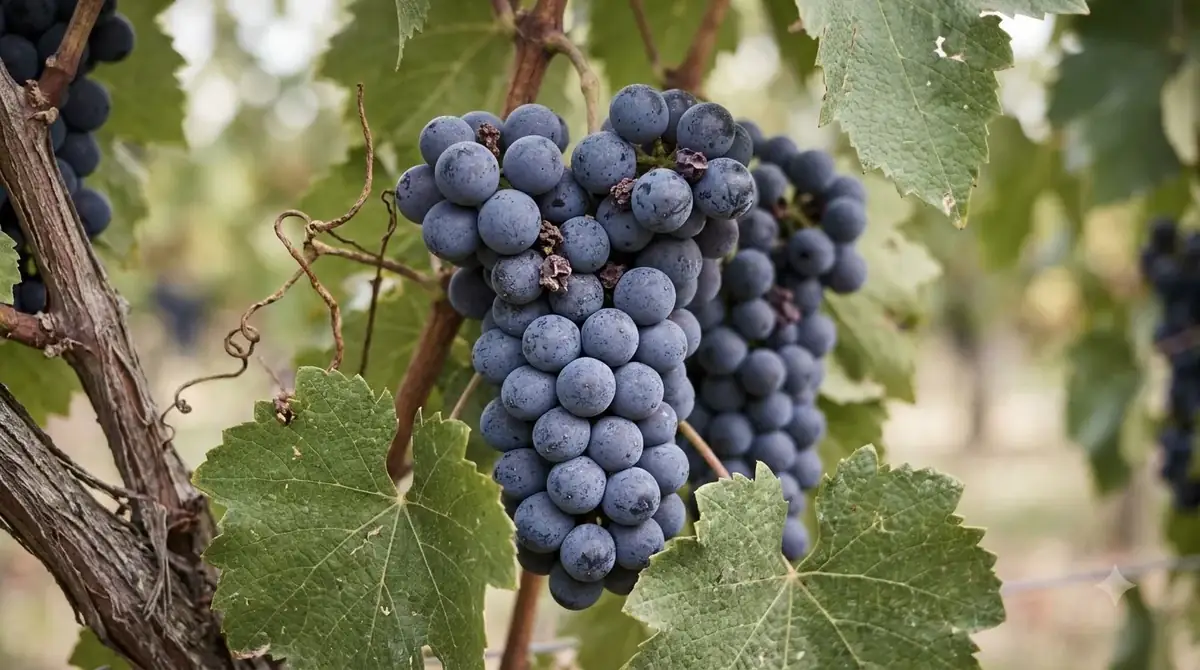
Traminette is arguably the most recognizable Indiana white wine grape. Introduced by Cornell University in 1996, it is a cross between Joannes Seyve 23.416 and Gewürztraminer. The variety combines some of the aromatic appeal of Gewürztraminer with improved cold hardiness. Its flowers, roses, and jasmine aromas are often accompanied by nutmeg, black pepper, cloves, and cinnamon. These characteristics give the wine an expressive personality that stands out among Midwestern whites.
Traminette has vigorous vines and moderate productivity. It is adapted to all regions of Indiana, although growers still need to manage its canopy carefully. Good fruit exposure helps develop its aromatic compounds, while attention to downy mildew and Phomopsis cane and leaf spot helps protect vine health. Its resistance to Botrytis bunch rot is another useful characteristic.
Traminette is versatile in the winery. Dry examples emphasize aromatic freshness and spice, while off-dry and semisweet versions can highlight floral and ripe-fruit characteristics. This range makes it an approachable introduction to Indiana wines, particularly for drinkers who enjoy aromatic whites.
Vidal Blanc is another important variety. It has thick-skinned berries, large clusters, and late budbreak, which can reduce exposure to damaging spring frosts. Its relatively good resistance to fruit rots makes it useful for different wine styles. Vidal can produce still white wine, sparkling wine, and dessert wine. Its association with ice wine production comes from its ability to remain on the vine for an extended period under suitable conditions.
Vignoles is especially interesting for consumers who enjoy wines with a balance of sweetness and acidity. The grape can accumulate substantial sugar while retaining high acidity, making it suitable for late-harvest and dessert wines. It can also produce dry or sweeter table wines. One vineyard challenge is its compact clusters, which are highly susceptible to Botrytis bunch rot. Careful canopy management and disease monitoring are therefore important.
Cayuga White is a productive hybrid with useful disease resistance. It can produce dry, semisweet, and sparkling wines. Harvest timing influences its style: earlier picking can preserve acidity for sparkling wine, while different fermentation and aging decisions can create a fuller or sweeter expression. It is not quite as cold hardy as some other hybrids, so colder-than-average winters can present challenges.
Chardonel combines Seyval and Chardonnay genetics. Released by Cornell University in 1990, it has performed well in the Midwest and offers potential for sparkling wine production. Its wine can reflect characteristics of both parents. La Crosse, meanwhile, is derived from Seyval and ripens somewhat earlier, with greater cold hardiness and a fruitier wine profile. These characteristics make it particularly useful for northern Indiana vineyards.
Other white varieties include Valvin Muscat, La Crescent, Frontenac gris, and Seyval. Valvin Muscat offers distinctive muscat aromas, while La Crescent can produce wines with apricot, peach, and citrus characteristics. Frontenac gris provides another aromatic option, with peach, apricot, and tropical-fruit notes. Together, these grapes demonstrate how varied Indiana’s white wine production can be.
American Grapes and Other Regional Varieties
Indiana’s vineyards are not limited to French-American hybrids. Traditional American grapes and newer cold-climate selections also contribute to the state’s wine production, particularly where growers want distinctive regional flavors or additional options for challenging vineyard sites.
Concord is among the best-known American grapes. It belongs to the Vitis labrusca group and has the characteristic grapey or foxy aroma associated with that species. Its tough skin separates readily from the soft flesh, a feature commonly described as slipskin. Concord is widely used for juice, jelly, preserves, and some wines. When made into wine, it is often finished with residual sweetness to balance its pronounced flavor.
Concord is vigorous and productive, with fruit typically ripening in mid- to late September in Indiana. It is better suited to northern Indiana because warmer southern conditions can contribute to uneven ripening. In that situation, some berries remain green and hard even when the rest of the cluster appears mature.
Catawba is another traditional American variety. It has a spicy flavor and characteristic labrusca aroma. Its vigorous vines are hardy and productive, and its fruit is used for juice, pink or white dessert wines, and fresh-market purposes. However, its foliage can be more susceptible to downy mildew than Concord.
Several newer cold-climate varieties also deserve attention. Frontenac is particularly notable for its winter tolerance. Purdue reports that vines produced a full crop after winter temperatures reached -33°F in trials. Its fruit can develop high sugar and acidity, and the grape can be used for red wines, rosés, and Port-style dessert wines. Its pronounced acidity can make blending useful in certain styles.
Marquette, already important in Indiana’s red wine category, belongs to this broader movement toward cold-climate grape breeding. Other examples include La Crescent, Frontenac gris, and Itasca. These varieties expand the range of grapes that growers can consider in northern locations where traditional European varieties face greater winter risks.
The state’s range of varieties also includes Steuben, Brianna, Petite Pearl, and Valvin Muscat. Not every grape is used in the same quantities or for the same wine styles. Some are grown primarily for table or juice production, while others are selected specifically for winemaking. Distinguishing between wine grapes and table grapes is important because a variety’s suitability for fresh eating does not automatically make it a preferred choice for commercial wine production.
Ohio State University Extension’s Midwest comparison lists approximately 600 acres of grape production for Indiana and identifies Vidal Blanc, Vignoles, Chambourcin, Catawba, Petite Pearl, Marquette, Cayuga White, Steuben, Traminette, and La Crescent among the state’s leading cultivars by acreage. This selection illustrates the importance of both traditional hybrids and newer cold-climate varieties.
Northern and Southern Indiana Vineyard Differences
Indiana’s wine-growing areas should not be treated as one uniform climate. Northern vineyards generally benefit from early-ripening and especially cold-hardy grapes, while southern vineyards have more opportunities to grow varieties that need a longer season to reach full maturity.
In northern Indiana, winter temperatures can be particularly demanding. Marquette and Maréchal Foch are useful red grapes because they combine cold hardiness with relatively early ripening. La Crosse is a promising white option because it ripens earlier than Seyval and has greater cold hardiness. Traminette is another adaptable variety, although growers still need to monitor its susceptibility to certain fungal diseases.
The northern growing season is typically around 150-160 frost-free days. This shorter window means that late-ripening varieties may struggle to reach the maturity needed for balanced wine. Choosing an early or midseason grape can help reduce the risk of harvesting fruit with insufficient sugar development or undesirable green characteristics.
Southern Indiana offers a longer growing season, generally around 190-200 frost-free days. Additional heat accumulation makes varieties such as Chambourcin and Norton more practical. These grapes need more time to mature, and warmer sites offer better opportunities for achieving desirable fruit ripeness. Vidal Blanc and Vignoles can also perform well in suitable southern vineyards.
The Ohio River Valley is particularly relevant to the state’s wine-growing history. Its relatively mild winter conditions help create opportunities for grape varieties that might struggle farther north. Vevay, Indiana, is an important historical reference point because Jean Jacques Dufour established an early wine-growing community there in the early 1800s.
Climate alone does not determine vineyard success. Elevation, exposure, drainage, soil composition, and proximity to water can create meaningful differences between nearby properties. A well-drained hillside can offer better air movement than a low-lying field, while a site near a large body of water may experience a somewhat moderated temperature pattern.
Growers also need to consider the timing of spring budbreak. A variety that begins growing early may be vulnerable to a late frost, even if it is relatively hardy during winter dormancy. Vidal Blanc’s late budbreak, for example, is a useful characteristic because it can reduce the risk of spring freeze injury.
These regional distinctions explain why a successful Indiana vineyard begins with site evaluation rather than simply choosing a popular grape. A variety that thrives in southern Indiana should not automatically be recommended for a colder northern site.
How Indiana Grapes Become Different Wine Styles
Indiana’s grape diversity supports several wine categories, from aromatic whites and structured reds to sparkling and dessert wines. The grape provides the foundation, but harvest timing, fermentation, blending, and aging determine the final expression.
Dry white wines are often made from Traminette, Chardonel, Seyval, Vidal Blanc, and other suitable varieties. Their flavor profiles differ considerably. Traminette is particularly aromatic and spicy, while Chardonel can offer a combination of Chardonnay-like and Seyval-like characteristics. Vidal Blanc is versatile enough to work in both still and sparkling styles.
Off-dry and semisweet whites are also common possibilities. Traminette can retain a little residual sugar while preserving its floral character, and Cayuga White can be made in either dry or semisweet styles. La Crescent is another option for wines with noticeable fruit aromas and refreshing acidity.
Red wine styles depend heavily on the variety and its maturity at harvest. Marquette can produce structured wines with pronounced tannins and dark-fruit character. Chambourcin offers another route to a deeply colored red, while Maréchal Foch can produce wines ranging from lighter and fruitier to fuller-bodied. Norton provides an additional native-species alternative with its own distinctive identity.
Rosé production is another possibility. Some varieties, including Frontenac, can be used for rosé wines as well as reds. The winemaker can limit the time that grape skins remain in contact with the juice to produce a lighter color and a different balance of fruit and tannin.
Sweet and dessert wines are important parts of the state’s potential. Vignoles can develop high sugar while retaining acidity, making it particularly suitable for late-harvest and dessert styles. Vidal Blanc is also used for ice wine production because its thick-skinned berries can remain on the vine for extended periods when conditions permit.
Sparkling wine production adds another dimension. Cayuga White and Chardonel are among the varieties with recognized sparkling potential, while Vidal Blanc can also be used for sparkling styles. Their acidity, fruit characteristics, and harvest timing help winemakers determine the most suitable approach.
Consumers who want to explore these styles can begin with the grape name rather than assuming that every Indiana white or red will taste alike. A Traminette and a Vidal Blanc are both white wines, but their aromas and structure can be quite different. Similarly, Marquette and Chambourcin are both reds, yet they offer different ripening characteristics and wine profiles.
Tip: When comparing Indiana wines, try two bottles made from different grapes rather than comparing only sweetness levels. A dry Traminette alongside a Vidal Blanc, or a Marquette alongside a Chambourcin, can reveal how much grape variety influences aroma, acidity, color, and structure.
Choosing and Exploring Indiana Wine Grapes
The easiest way to explore Indiana wine is to start with a few representative varieties and compare their styles. A tasting flight that includes Traminette, Vidal Blanc, Marquette, and Chambourcin offers a useful introduction to the state’s white and red wine traditions.
For aromatic white wine drinkers, Traminette is an obvious starting point. Look for its floral, spicy character and consider comparing a dry version with an off-dry bottling. The difference can demonstrate how residual sugar changes the perception of fruit and spice without changing the grape itself.
Those who prefer crisp whites can explore Vidal Blanc, Cayuga White, or La Crosse. Vidal is especially versatile, while Cayuga White can provide a refreshing expression with good acidity. Chardonel is another option for someone interested in a white wine with a somewhat different texture and potential for sparkling production.
Red wine enthusiasts can begin with Marquette and Chambourcin. Marquette is particularly interesting because of its cold-climate origins and distinctive pepper and berry aromas. Chambourcin offers a different style and is closely connected to warmer Indiana growing conditions. Foch is a useful alternative for drinkers who enjoy fruit-driven reds.
For dessert wine lovers, Vignoles and Vidal Blanc deserve attention. Their ability to support late-harvest or sweet wine styles makes them useful examples of how Indiana growers work with the state’s seasonal conditions. A well-made dessert wine should have sufficient acidity to balance its sweetness rather than tasting simply sugary.
Visitors can also use local wine events to learn more about regional grapes. The Indiana Wine Festival is a useful starting point for discovering the state’s wine culture and producers. Tasting several varieties side by side can help clarify which grapes and styles best match individual preferences.
For additional background, it helps to understand how regional grape varieties differ across the country. Comparing Texas wine grapes with Indiana varieties, for example, illustrates how climate shapes the grape choices available to growers in different states. Readers interested in unusual wine colors can also explore orange wine grapes to understand the role of skin contact in winemaking.
The Indiana Wine and Vineyard Association’s Explore Indiana Wineries resource identifies more than 100 wineries across the state and highlights varieties including Traminette, Vignoles, Vidal, Marquette, Norton, and Chambourcin. Its Indiana grape variety and winery information is a useful resource for planning a regional tasting trip.
For vineyard owners and prospective growers, the priorities are different. Begin by evaluating winter temperatures, frost exposure, drainage, and growing-season length. Then select varieties according to their cold hardiness, disease resistance, intended wine style, and expected market demand. Purdue’s Grape Varieties for Indiana publication provides detailed information about cultivar performance and regional suitability.
Whether exploring a tasting room or considering a vineyard planting, the main lesson is that Indiana’s wine identity comes from adaptation. Its grapes are selected to meet local growing conditions, and that practical approach has helped create a diverse regional wine culture.
Frequently Asked Questions
Is Indiana’s state wine grape Traminette?
Traminette has been selected as Indiana’s signature wine grape and is an important part of the state’s wine identity. Its recognition reflects the combination of distinctive floral aromas, spicy flavors, and suitability for Indiana’s climate. The grape is also associated with a Purdue University initiative to promote a recognizable regional wine style.
Are Norton and Cynthiana genetically different grapes?
Norton and Cynthiana are generally treated as synonymous names for the same grape variety. Historical accounts disagree about whether the original seedling came from Virginia or Arkansas. The uncertainty surrounding its precise origin has not prevented the variety from developing a strong reputation in American wine production.
Can Indiana wineries make ice wine?
Yes. Vidal Blanc is particularly associated with ice wine because its thick-skinned berries can remain on the vine for an extended period. Genuine ice wine requires grapes to freeze naturally on the vine under suitable conditions before harvest, rather than simply freezing harvested grapes in a winery.
What does the term French-American hybrid mean?
French-American hybrids are grape varieties developed through crosses involving European wine grapes and North American grape species or related hybrid varieties. Their breeding aims can include improved resistance to pests, diseases, and winter cold. These characteristics help explain their importance in eastern and Midwestern American wine regions.
Why are some Indiana vineyards interested in newer Minnesota grape varieties?
Breeding programs in Minnesota have developed varieties suited to very cold climates, including grapes such as Marquette, Frontenac, and La Crescent. Their winter hardiness makes them attractive to growers facing severe cold in northern Indiana. These varieties also provide different aroma, acidity, and wine-style possibilities compared with older hybrids.
Indiana wine grapes demonstrate how a region can build a distinctive wine identity around varieties suited to its own climate rather than relying exclusively on famous European grapes. From aromatic Traminette and versatile Vidal Blanc to structured Marquette and Chambourcin, the state’s vineyards offer plenty of variety for curious wine drinkers. Exploring these grapes side by side is one of the best ways to appreciate what makes Indiana wine different.
More in Wine Regions
 Willcox Wine Trail: Discover Arizona’s High-Elevation Wine CountryUpdated Nov 20, 2026
 Yakima Valley Wine Region: Find the Best Styles to TryUpdated Nov 20, 2026
 Vosne Romanee Wine Tasting: Identify Aromas and Choose Better PairingsUpdated Nov 20, 2026
 Yakima Valley Wine Festival: Find the Best Seasonal Wine EventsUpdated Nov 20, 2026
 Wales Vineyards: Discover Cool-Climate Wines and Where to VisitUpdated Nov 20, 2026
 Yountville Wine Festival: Discover Napa Wines and Local FoodUpdated Nov 20, 2026