


We may earn a commission when you buy through links on this page, at no extra cost to you. Learn more.
Howell Mountain wine tasting introduces visitors to Napa Valley mountain wines, particularly structured Cabernet Sauvignon shaped by high elevations, volcanic soils and a distinctive growing environment. Located above St. Helena, this mountain appellation offers a different experience from the valley floor, with vineyard-focused visits, smaller winery settings and panoramic views. Understanding the region’s geography, grape varieties and reservation requirements makes it easier to plan a rewarding visit.
Howell Mountain sits on the eastern side of Napa Valley, where vineyards occupy elevated terrain above the morning fog that often covers lower vineyards. Its combination of sunshine, shallow soils and mountain conditions has helped establish a reputation for concentrated red wines, especially Cabernet Sauvignon. Whether you are planning a winery visit or comparing bottles before buying, knowing what distinguishes this appellation will help you recognize its character and choose wines that suit your preferences.
Where Howell Mountain Is and What Makes Its Appellation Different
Howell Mountain is an elevated wine-growing area in the Vaca Mountain Range, east of St. Helena in Napa Valley. Its distinctive boundaries, beginning at 1,400 feet above sea level, help explain why its wines can taste different from Cabernet Sauvignon grown closer to the valley floor.
The Howell Mountain American Viticultural Area was established in 1983. According to the Napa Valley Vintners, it was the first mountainous nested appellation established within Napa Valley. Unlike many wine regions defined by rivers, roads or property boundaries, its southern boundary follows an elevation contour. The 1,400-foot line was selected because it represents the approximate point where the fog crests above the valley.
The appellation is located near Angwin, overlooking St. Helena. Its vineyards occupy elevations ranging from approximately 1,400 to 2,600 feet. The Howell Mountain Vintners & Growers Association identifies approximately 14,000 acres within the AVA, including 1,500 acres under vine. This relatively limited vineyard area helps explain why Howell Mountain is a more specialized part of Napa’s wine landscape than the broader valley appellation.
Elevation is important because mountain vineyards experience different conditions from lower sites. While fog can linger over the valley floor during the morning, Howell Mountain receives substantial sunshine above the fog line. The resulting growing environment combines strong sunlight with cooler daytime conditions and distinctive temperature patterns. These factors influence grape development, fruit concentration and the balance between ripeness and acidity.
The terrain also creates practical differences for visitors. Wineries are spread across mountain roads rather than concentrated along one convenient highway. A visit may involve winding routes, limited mobile reception and a longer drive between appointments. The setting rewards travelers who plan ahead rather than trying to fit several unconfirmed stops into one afternoon.
For visitors comparing Napa appellations, Howell Mountain belongs alongside other distinctive regional experiences such as red mountain wine tasting. Both offer opportunities to understand how elevated vineyard conditions influence powerful red wines, although their climates, soils and regional identities differ.
Volcanic Soils, Elevation and the Howell Mountain Climate
Howell Mountain’s wine character begins with its mountain environment. Shallow volcanic soils, red clay, abundant sunshine and elevation combine to create conditions that favor concentrated grapes and structured wines.
According to the Howell Mountain Vintners & Growers Association, two principal soil types are decomposed volcanic ash, known as tufa, and red clay. The volcanic material can appear pale and rocky, while the red clay contains iron-rich components. These soils are generally nutrient-poor and drain water effectively, limiting excessive vine growth.
The association reports an average topsoil depth of approximately 12 to 24 inches. It also describes vineyard slopes ranging from 10 to 30 degrees. These figures illustrate the physical conditions growers manage when cultivating mountain vineyards. Thin soils and uneven terrain can make vineyard work more demanding than on flatter agricultural land.
Good drainage is particularly important. Water moves through porous volcanic material rather than remaining around vine roots for extended periods. Combined with relatively low soil fertility, this can limit vegetative growth and encourage smaller berries. Smaller berries have a greater proportion of skin relative to juice, which can contribute to color, flavor concentration and tannin in red wines.
Sunshine is another important factor. Howell Mountain’s position above the fog line gives many vineyards extended exposure to sunlight. The Napa Valley Vintners describes the area as warmer and drier than some other Napa appellations, with little marine influence. Annual rainfall can reach approximately 50 inches, although the actual amount varies by location and season.
These conditions should not be reduced to the assumption that every Howell Mountain wine is equally powerful. Vineyard elevation, exposure, grape variety, harvest decisions and winemaking choices all affect the finished bottle. One producer may favor firm, structured Cabernet Sauvignon, while another may emphasize aromatic complexity and a softer presentation.
For additional regional detail, the Howell Mountain Vintners & Growers Association’s regional facts and FAQs explains the appellation’s elevation boundaries, soil composition and principal growing conditions.
Tip: During a tasting, ask whether the wine comes from a higher or lower vineyard site and whether the producer emphasizes freshness, fruit concentration or tannin structure. These questions can reveal more about the wine than simply asking whether it is full-bodied.
Which Wines and Grapes to Look for During a Tasting
Cabernet Sauvignon is the leading reference point for Howell Mountain wine tasting. Visitors should also explore Merlot, Zinfandel, Cabernet Franc and other varieties to understand how different grapes respond to the mountain’s growing conditions.
Cabernet Sauvignon is especially important because it combines naturally substantial tannin with dark fruit flavors and good aging potential. Howell Mountain examples commonly show blackberry, blackcurrant, dark cherry and plum, accompanied by notes of cedar, tobacco, earth, mocha or dried herbs. The wines often have a firm structure that makes them suitable for extended bottle aging.
Merlot offers a useful comparison. It generally has softer tannins than Cabernet Sauvignon, with flavors that may include plum, black cherry and chocolate. A Howell Mountain Merlot can still have considerable concentration, but its texture may feel rounder and more approachable. Tasting both varieties side by side helps visitors identify the influence of grape variety rather than attributing every difference to geography.
Cabernet Franc is another interesting choice. It can contribute aromatic freshness, herbal notes and red-fruit character. Some producers use it in blends with Cabernet Sauvignon to add complexity and adjust the wine’s overall balance. Petit Verdot and Malbec may also appear in regional blends, adding color, structure or additional fruit dimensions.
Zinfandel deserves attention because it offers a different expression from the appellation’s Cabernet-focused reputation. Depending on the producer, mountain Zinfandel may show ripe blackberry, raspberry, pepper and spice. Syrah and Petite Sirah provide further opportunities to explore wines with substantial color, texture and dark-fruit character.
White wines are less central to Howell Mountain’s identity, but Chardonnay, Viognier and Sauvignon Blanc are among the varieties associated with the wider appellation. They can provide a useful contrast to the region’s structured reds, particularly during a longer tasting itinerary.
The following table summarizes what visitors can expect from the principal varieties. These are general stylistic characteristics rather than fixed tasting notes for every producer.
| Grape variety | Typical style | What to look for |
|---|---|---|
| Cabernet Sauvignon | Full-bodied, high tannin | Blackcurrant, blackberry, cedar and firm structure |
| Merlot | Medium tannin, softer texture | Plum, black cherry and chocolate |
| Cabernet Franc | Medium-bodied, aromatic | Red fruit, herbs and savory complexity |
| Petit Verdot | Full-bodied, substantial tannin | Dark fruit, color and firm structure |
| Zinfandel | Medium to full-bodied | Raspberry, blackberry and pepper |
| Syrah | Medium-plus to full-bodied | Black fruit, pepper and savory notes |
| Chardonnay | Medium acidity | Apple, citrus and possible oak influence |
| Viognier | Aromatic white wine | Peach, apricot and floral aromas |
When comparing bottles, pay attention to tannin, acidity and finish rather than relying only on fruit intensity. A concentrated Cabernet Sauvignon may initially seem powerful, but its balance becomes clearer when you notice how acidity supports the fruit and how the tannins develop across the palate.
How to Choose Howell Mountain Wineries and Plan Reservations
Most Howell Mountain estate visits require advance planning, so visitors should select wineries according to their interests and confirm appointments before driving up the mountain. Vineyard walks, cellar visits and focused Cabernet tastings are among the experiences worth considering.
Black Sears offers a mountain estate experience that combines wine with the property’s working agricultural setting. Its official visitor information describes visits hosted personally at the family-owned winery. Guests can expect a tasting, a vineyard walk and cellar exploration, making it an interesting choice for travelers who want more than a conventional tasting-room appointment.
Black Sears welcomes visitors Monday through Saturday between 9 a.m. and 4 p.m., by appointment only. Its visit is particularly suited to people interested in the relationship between the vineyard, the wines and the family operating the estate. Because the experience takes place at a working winery and private home, arranging a visit beforehand is essential. Its official winery visit information provides details about the experience and appointment requests.
Robert Foley Vineyards provides another appointment-based option in Angwin. The winery generally welcomes adult visitors on Thursdays, Fridays and Saturdays at 10:30 a.m. Other dates or times may sometimes be possible by request. Its visitor permit limits attendance to 10 guests per day, and reservations must be secured at least 48 hours in advance.
The approximately one-hour visit at Robert Foley Vineyards is useful for visitors who prefer a focused winery appointment. The property is located at 1300 Summit Lake Drive, around 20 minutes east of St. Helena. Its location also makes route planning especially important because some mapping applications may direct drivers onto a closed road.
Other Howell Mountain producers may offer estate visits, private tastings or experiences through nearby tasting locations. Availability and the style of the appointment can vary considerably. A tasting room away from the mountain can be a convenient introduction to a producer’s wines, but it does not necessarily provide the same vineyard and landscape experience as visiting the estate.
Before choosing wineries, consider what you want to learn. A Cabernet-focused visitor may prefer an estate with several vineyard-designated wines. Someone interested in agriculture might prioritize a vineyard walk. Visitors with limited time may prefer one substantial appointment rather than attempting to reach three distant wineries in a single afternoon.
For a broader comparison of wine destinations, the regional differences covered in Willcox wine tasting can also help illustrate how geography and growing conditions influence the wines associated with a particular appellation.
What to Expect During a Howell Mountain Wine Tasting
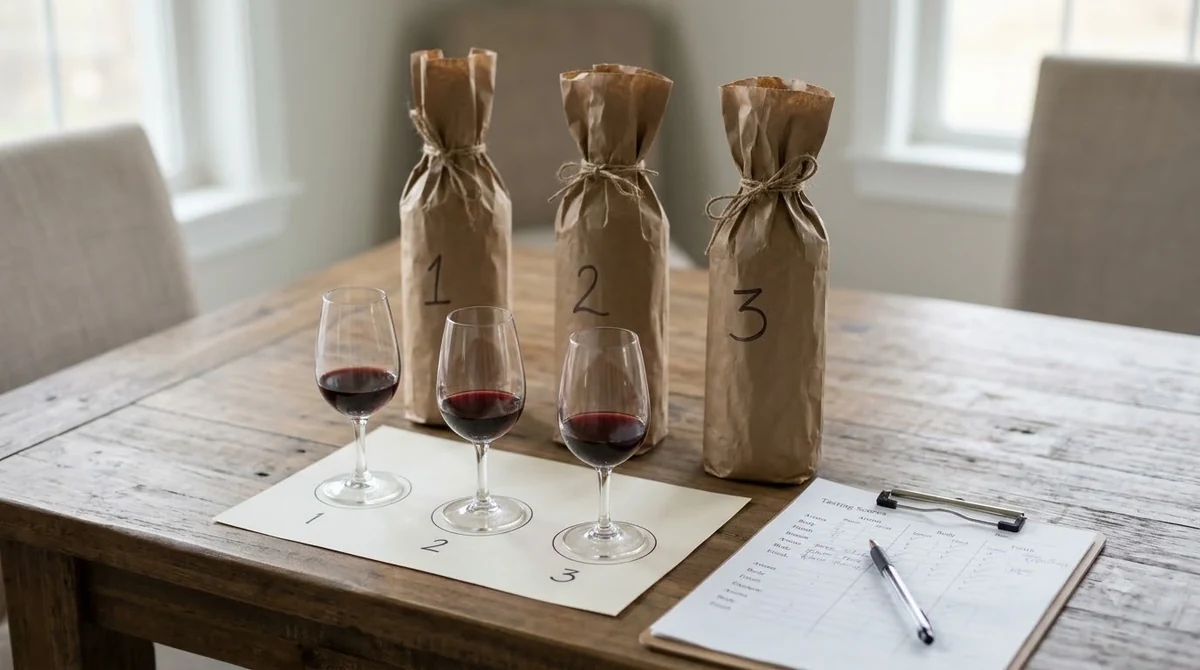
A typical Howell Mountain tasting focuses on comparing individual wines and understanding their relationship with the vineyard environment. Rather than treating every pour as a separate experience, pay attention to how the wines differ in fruit character, tannin, acidity and finish.
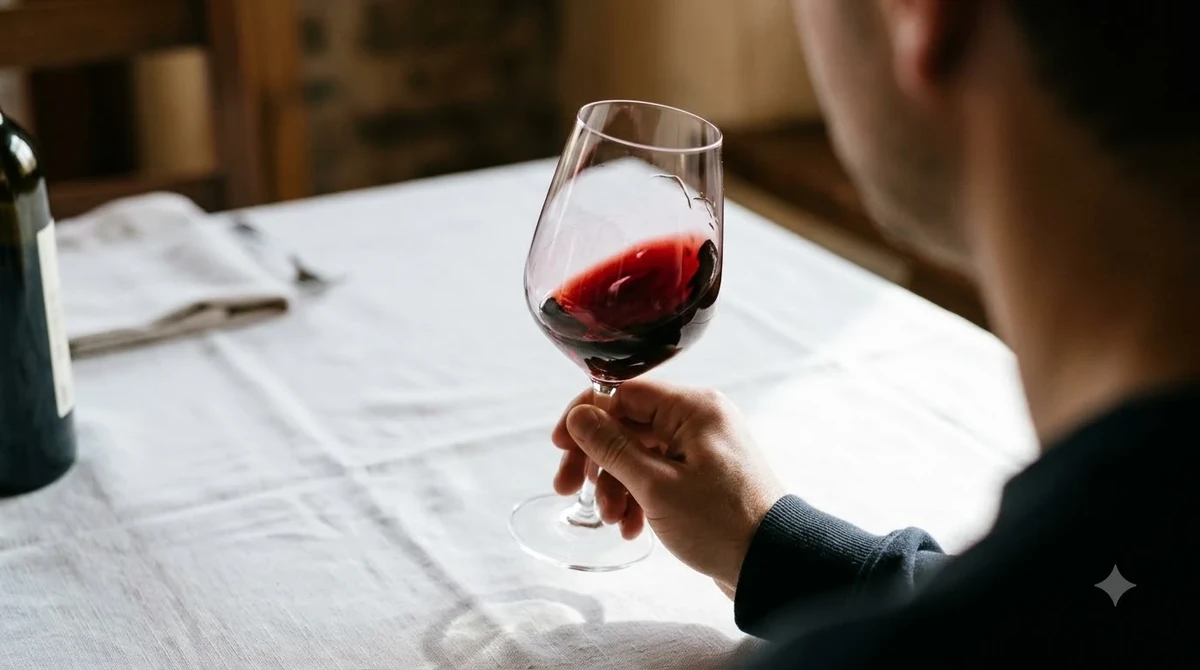
Start by examining the color. Cabernet Sauvignon from mountain vineyards can have a deep ruby or garnet appearance, depending on its age and production style. Swirling the glass releases aromas that may include blackberry, cassis, dark cherry, cedar and spice. Some wines also show earthy, mineral or herbal notes.
Take a small sip and allow the wine to spread across the palate. Notice whether the tannins feel fine and integrated or particularly firm and drying. Cabernet Sauvignon naturally has high tannin, so a structured mountain example may create a pronounced sensation along the gums and sides of the mouth.
Next, consider acidity. Although concentrated red wines can feel powerful, acidity remains important for freshness and balance. A wine with sufficient acidity will generally feel more lively and less heavy than one dominated by ripe fruit and alcohol. The finish is also informative: notice whether fruit, spice, oak or savory flavors remain after swallowing.
If the tasting includes several vintages, compare their development. A younger Cabernet may show primary fruit and pronounced tannins, while an older bottle may reveal more developed aromas such as leather, tobacco, dried herbs and cedar. Bottle age can soften the perception of tannin, although the speed of development depends on the wine and storage conditions.
Ask the tasting host about vineyard elevation, soil composition and grape varieties. A producer may explain why a particular vineyard produces more concentrated fruit or why Cabernet Franc is included in a blend. These details make it easier to connect the wine in the glass with the landscape outside.
It is also useful to compare wines from different producers rather than assuming the AVA produces one uniform style. Winemaking choices, barrel programs, harvest decisions and blending practices can create meaningful differences even when the grapes come from relatively similar elevations.
Visitors interested in expanding their regional knowledge can also explore Alsace wine tasting, where aromatic white varieties and different climatic conditions offer a contrasting perspective on wine styles.
Food Pairings, Serving Temperatures and Bringing Bottles Home
Howell Mountain Cabernet Sauvignon pairs particularly well with rich foods containing protein and fat. Its substantial tannin and concentrated fruit can complement grilled meats, braised dishes and aged cheeses, while softer wines from the region work with a wider selection of meals.
For Cabernet Sauvignon, consider grilled ribeye, roast beef, lamb chops or slow-cooked short ribs. The protein and fat in these foods soften the perception of tannin, making the wine feel less astringent. Mushroom dishes can also complement the earthy and savory notes that appear in some mountain Cabernets.
Merlot is a versatile option with roast chicken, pork tenderloin, mushroom risotto and moderately aged cheeses. Its softer tannin profile makes it easier to pair with dishes that do not have the richness needed to balance a powerful Cabernet Sauvignon.
For Zinfandel or Syrah, grilled sausages, pepper-crusted beef and roasted vegetables can work well. However, be careful with heavily spicy dishes. Chili heat can feel stronger when paired with wines high in alcohol or tannin, so intensely hot food may overwhelm a powerful Howell Mountain red.
Temperature also affects the tasting experience. Full-bodied red wines are generally best served around 60 to 65 degrees Fahrenheit rather than at warm room temperature. Excessive warmth can emphasize alcohol, while moderate cooling helps the wine retain freshness and definition.
For visitors bringing wine home, proper storage matters. Keep bottles in a cool, dark environment near 55 degrees Fahrenheit, with relatively stable conditions. Bottles sealed with traditional corks are generally stored on their sides to keep the cork from drying out. Avoid prolonged exposure to sunlight, heat and repeated temperature changes.
Young, full-bodied Cabernet Sauvignon can benefit from decanting for approximately 30 to 60 minutes before serving. This allows the wine to interact with oxygen and can help its aromas become more expressive. Older bottles require more care because excessive aeration can cause delicate developed aromas to fade.
After opening, store remaining still wine in the refrigerator, even if it is red. Most opened still wines retain reasonable quality for approximately three to five days, depending on the wine, closure and storage conditions. Allow a red wine to warm slightly before serving again.
When buying bottles at a winery, ask about the producer’s preferred drinking window, recommended serving temperature and whether the wine benefits from additional cellaring. These details are more useful than assuming every mountain Cabernet needs the same amount of aging.
Practical Travel Tips for Visiting Howell Mountain
A successful Howell Mountain wine trip requires more attention to transportation and scheduling than a casual afternoon in a concentrated tasting district. Mountain roads, appointment times and limited mobile coverage make advance preparation particularly important.
Most visitors approach the area from St. Helena using the Silverado Trail and Deer Park Road. The drive then continues toward White Cottage Road and the mountain’s vineyard properties. However, individual wineries can have different recommended routes, so use the directions supplied by each producer rather than assuming every mapping application will select the correct entrance.
Robert Foley Vineyards specifically recommends a route from Silverado Trail via Deer Park Road, White Cottage Road and Summit Lake Drive. Its visitor information notes that some navigation applications may send drivers toward a closed road. The winery also warns that mobile coverage is limited in the area.
Transportation deserves particular attention if your itinerary includes wine tastings. Robert Foley Vineyards explains that rideshare drivers may take visitors up the mountain without returning to collect them. Arrange a designated driver, private transportation or another reliable return plan before leaving St. Helena.
Allow additional time between appointments. A route that appears short on a map may take longer because of winding roads, changes in elevation and the need to find individual winery entrances. Two well-planned appointments can produce a more enjoyable day than trying to visit several properties without sufficient time.
Food is another practical consideration. Some small estate wineries do not provide snacks or allow picnics. Robert Foley Vineyards, for example, states that it does not provide food during its approximately one-hour visit and does not permit picnics. Eating before an appointment or arranging a meal in St. Helena can prevent an uncomfortable gap between tastings.
For visitors staying in Napa Valley, St. Helena and Calistoga provide convenient starting points for exploring the mountain. St. Helena is particularly useful because of its proximity to the eastern mountain roads. A broader regional itinerary can include other appellations and wine destinations, with Wine Regions providing additional background for planning a longer trip.
Finally, remember that an estate visit is not the same as visiting a public tasting room. Some wineries operate by appointment only, have limited daily capacity or require advance confirmation. Check the individual winery’s visitor information before departure and retain its directions and contact details in case phone reception disappears during the drive.
Frequently Asked Questions
Howell Mountain wines are made at what minimum elevation?
The Howell Mountain AVA begins at 1,400 feet above sea level. This elevation boundary is unusual because it follows the approximate point where the fog crests above Napa Valley rather than a conventional geographic feature. The appellation’s highest vineyard sites reach approximately 2,600 feet.
Is Howell Mountain part of the Vaca Mountains or the Mayacamas Mountains?
Howell Mountain is part of the Vaca Mountain Range on the eastern side of Napa Valley. The Mayacamas Mountains form the western mountain range of the valley. This distinction helps explain why Howell Mountain has a different geological and geographical setting from western Napa mountain appellations.
What is the historical origin of the name Howell Mountain?
The appellation takes its name from the Isaac Howell family, who moved into the mountain area in 1846. Early vineyard development followed several decades later, including plantings by Jean Adolph Brun and Jean V. Chaix in 1877. Their early winemaking efforts helped establish the area’s reputation before Prohibition interrupted regional wine production.
Why are Howell Mountain vineyards considered difficult to cultivate?
The region’s slopes, shallow soils and rocky volcanic ground create practical challenges for vineyard management. The Howell Mountain Vintners & Growers Association reports average vineyard slopes ranging from 10 to 30 degrees. These conditions can make vineyard access, soil management and harvesting more demanding than on flatter valley-floor properties.
Can visitors explore Howell Mountain without visiting a winery?
Yes. Visitors can explore the surrounding Napa Valley communities and mountain roads without entering a private winery property. Angwin and St. Helena are useful reference points for understanding the geography. However, private vineyard driveways and winery grounds should not be treated as public sightseeing areas without permission from the property owners.
Howell Mountain offers a distinctive perspective on Napa Valley, combining elevated vineyards, volcanic soils and concentrated wines with a more private, appointment-focused winery experience. Start with Cabernet Sauvignon, compare other regional varieties and leave enough time for the mountain roads. With a little preparation, Howell Mountain wine tasting can become one of the most informative and memorable parts of a Napa Valley wine trip.
More in Wine Regions
 Willcox Wine Trail: Discover Arizona’s High-Elevation Wine CountryUpdated Nov 20, 2026
 Yakima Valley Wine Region: Find the Best Styles to TryUpdated Nov 20, 2026
 Vosne Romanee Wine Tasting: Identify Aromas and Choose Better PairingsUpdated Nov 20, 2026
 Yakima Valley Wine Festival: Find the Best Seasonal Wine EventsUpdated Nov 20, 2026
 Wales Vineyards: Discover Cool-Climate Wines and Where to VisitUpdated Nov 20, 2026
 Yountville Wine Festival: Discover Napa Wines and Local FoodUpdated Nov 20, 2026