

We may earn a commission when you buy through links on this page, at no extra cost to you. Learn more.
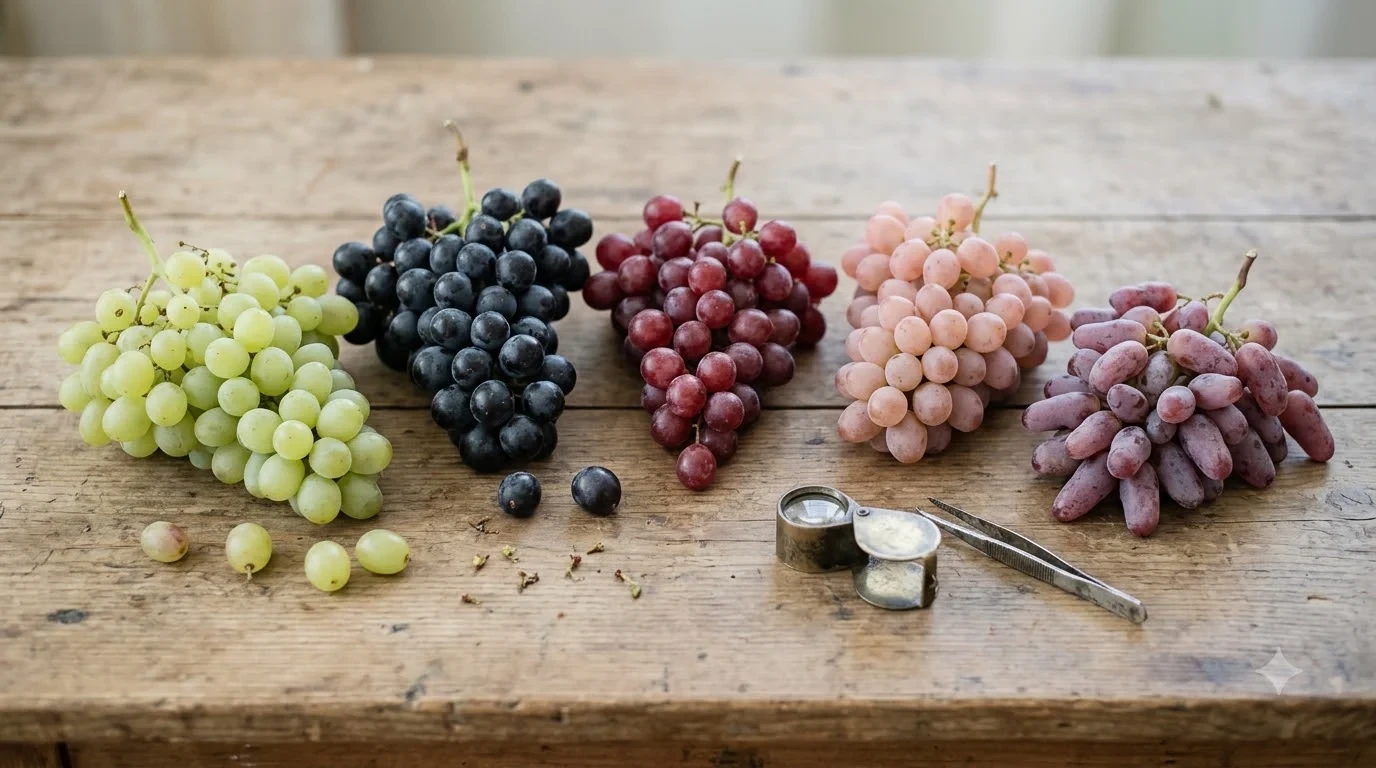
Florida wine grapes are primarily native muscadines and disease-resistant hybrid bunch grapes developed to withstand the state’s hot, humid climate. Carlos and Noble are two important muscadine varieties used for wine, while Blanc du Bois is a notable white-wine grape. Together, these grapes give Florida winemaking a distinctive identity that differs from traditional European wine regions.
Florida may be better known for citrus and tropical fruit than for vineyards, but its grape-growing history stretches back centuries. Native muscadines have long been used for winemaking in the southeastern United States, and university breeding programs have introduced additional grape varieties suited to Florida’s challenging growing conditions. Understanding the grapes behind these wines makes it easier to recognize their flavors, production methods, and regional character. It also helps explain why a Florida wine list can look quite different from one in California, Oregon, or France.
Florida’s Climate and the Grapes That Thrive There
Florida’s grape-growing conditions favor varieties that can withstand heat, humidity, heavy rainfall, and significant disease pressure. Muscadines are particularly well adapted, while specialized hybrid bunch grapes provide additional possibilities for local winemakers.
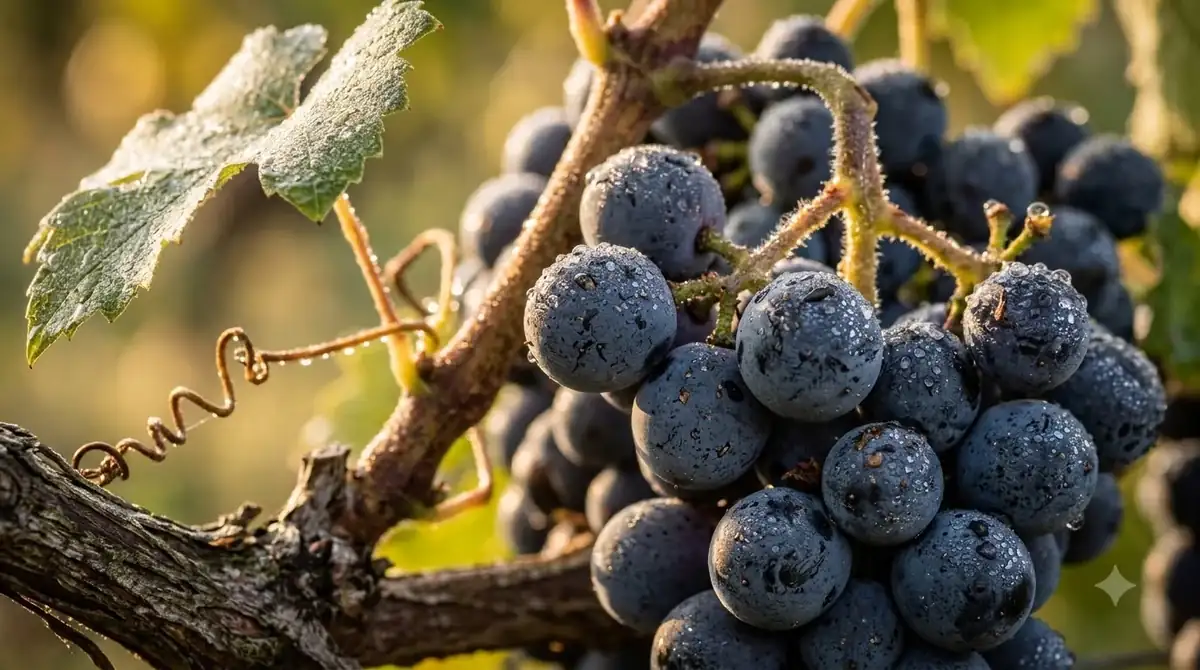
Traditional European wine grapes, scientifically classified as Vitis vinifera, generally prefer growing conditions with more predictable disease pressure and less persistent summer humidity. Florida’s long, warm growing season presents a different set of challenges. Frequent rainfall, high temperatures, and moisture around the vines can encourage fungal diseases that damage leaves, shoots, and fruit. Pierce’s disease is another major obstacle for susceptible grape varieties.
Muscadines offer a practical alternative. These grapes belong to a different botanical group, Muscadinia rotundifolia, and are native to the southeastern United States. Their natural resistance to several pests and diseases makes them particularly useful in Florida vineyards. According to UF/IFAS, Florida muscadine production covers more than 1,000 acres, with fruit grown for fresh consumption and processing into products such as wine, juice, and jelly.
The distinction between muscadines and conventional bunch grapes is important. Muscadines generally produce relatively large, individual berries within loose clusters rather than the tightly packed bunches familiar from Cabernet Sauvignon or Chardonnay vineyards. Their thick skins, substantial seeds, and distinctive aromas also contribute to a different finished wine profile.
Florida growers also use hybrid bunch grapes selected for disease resistance. These varieties combine genetic characteristics from different grape species to improve their ability to survive in southeastern growing conditions. Blanc du Bois is one of the best-known examples, offering winemakers a light-colored grape suited to producing white wine.
For a closer look at the characteristics and growing requirements of native Florida muscadines, the University of Florida’s muscadine grape growing guide explains their varieties, planting conditions, harvest periods, and disease resistance.
The result is a regional wine industry built around agricultural adaptation rather than simply reproducing European vineyard practices. Florida’s most interesting grape varieties are those that work with the local climate instead of fighting against it.
Muscadine Grapes: Florida’s Native Wine Grapes
Muscadines form the foundation of Florida’s traditional grape-wine identity. Carlos, Noble, Alachua, and Welder are important varieties for processing, with different colors, sugar levels, and winemaking applications.
Muscadines are native to the southeastern United States, where wild vines have grown for generations. The name Scuppernong is also familiar in Southern wine history, although it refers to a particular bronze muscadine variety rather than every muscadine grape. The Florida Department of Agriculture and Consumer Services describes the use of native muscadines by early Spanish settlers as part of the state’s long winemaking tradition.
Unlike conventional wine grapes, muscadines have thick, leathery skins and relatively large seeds. Their flavor is distinctive, often combining pronounced fruit character with a recognizable muscadine aroma. Depending on the cultivar and winemaking approach, finished wines can range from sweet and aromatic to drier, more structured styles.
The grapes also differ in appearance. Bronze varieties generally produce light-colored wines, while dark purple and black varieties provide the pigmentation needed for red and rosé-style wines. This difference is particularly useful when comparing Carlos with Noble.
Carlos: A leading bronze muscadine
Carlos is one of the most important muscadine varieties for Florida wine production. It is a self-fertile bronze grape that produces medium-sized berries and is widely used for juice and wine. UF/IFAS measurements place its average berry weight at approximately 6 grams, with soluble solids typically reaching around 14%.
The grape is particularly associated with aromatic white wine. Its production characteristics also make it useful to commercial growers seeking a productive variety for processing. Carlos is a recognizable example of the traditional Southern muscadine style.
Noble: A dark-skinned wine grape
Noble provides a contrasting style. This self-fertile muscadine produces small, deep purple-to-black berries, averaging approximately 3 grams. UF/IFAS reports typical soluble solids around 17%, and identifies it as an important grape for wine and juice production.
Its dark pigmentation makes Noble especially useful when winemakers want a deeper-colored muscadine wine. It ripens during the middle of the season and is valued for its suitability for processing rather than its size as a fresh-market grape.
Other useful processing varieties include Alachua and Welder. Alachua is a black muscadine, while Welder is bronze. Both appear in UF/IFAS commercial recommendations, giving Florida growers additional options for producing wine, juice, and related grape products.
For readers exploring different grape families, the distinction between native muscadines and other varieties is also useful when learning about orange wine grapes. Orange wine is a winemaking style rather than a grape category, but understanding grape skin color and structure helps explain how different wines acquire their appearance and character.
Blanc du Bois and Florida’s Hybrid Bunch Grapes
Blanc du Bois is one of Florida’s most recognizable hybrid wine grapes. Along with Lake Emerald, Stover, and Suwannee, it represents an alternative to traditional muscadines for producing light-colored wines in the southeastern climate.
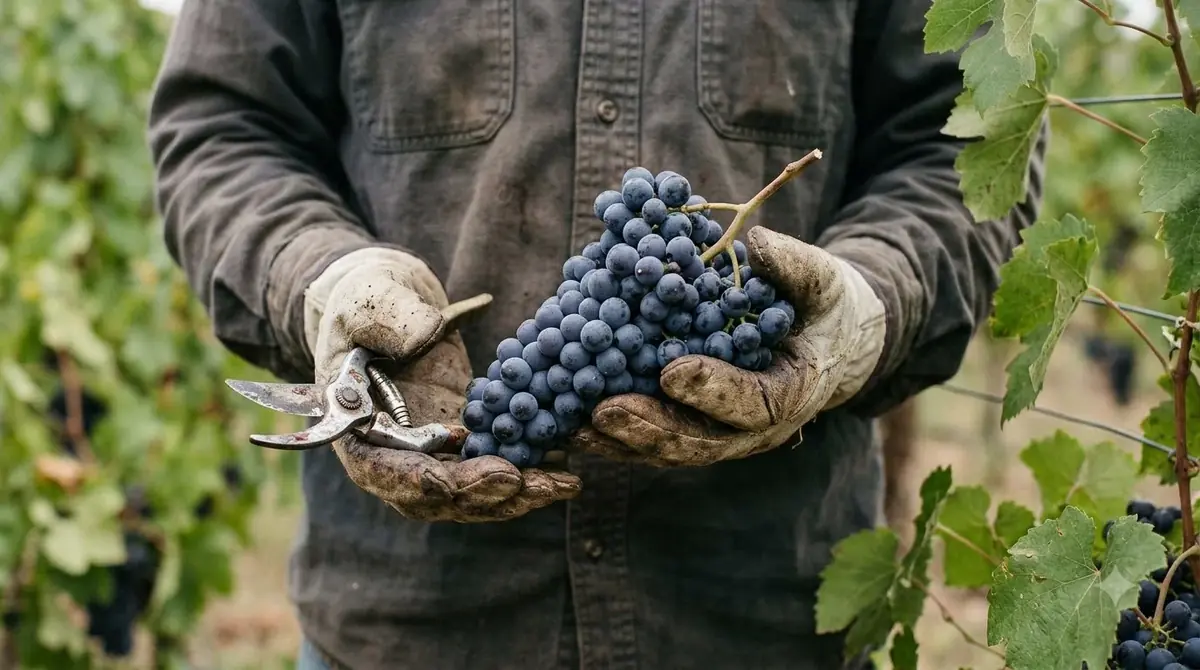
Blanc du Bois was developed through University of Florida grape-breeding work. Its development involved crossing Pierce’s disease-resistant native Florida grapes with susceptible Vitis vinifera selections. The resulting hybrid was selected for resistance to Pierce’s disease, a bacterial infection that has historically devastated susceptible bunch grape vineyards in Florida.
The variety is especially important because it gives local producers an option for making wines that resemble more familiar white-wine styles. Muscadines have a distinctive aromatic profile, while Blanc du Bois offers a different starting point for winemakers seeking fresh, fruit-oriented white wines.
UF/IFAS lists Blanc du Bois among its recommended commercial wine grapes. Its published cultivar comparison gives it an average berry weight of approximately 2.9 grams and an average bunch weight of approximately 133 grams. Those measurements distinguish it from the larger individual berries associated with muscadines.
Other light-colored bunch grapes
Lake Emerald is another light-colored bunch grape included in Florida’s commercial wine recommendations. Stover and Suwannee are also listed as suitable wine cultivars. These varieties give growers a selection of grapes with different vineyard characteristics and processing possibilities.
Among the purple bunch grapes, Conquistador is listed for wine production. This provides an alternative to dark-skinned muscadines for producers interested in red-wine styles.
However, disease resistance does not eliminate every vineyard challenge. Bunch grapes can still require careful management for fungal diseases, particularly during wet growing seasons. Growers must consider vineyard airflow, trellising, pruning, and disease-control practices when deciding which hybrid to plant.
Blanc du Bois is therefore not simply a substitute for Chardonnay or another European variety. It is a grape developed for a particular growing environment, and its importance comes from giving Florida winemakers a locally adapted route to producing white wine.
Important Florida Wine Grape Varieties Compared
Florida’s main wine grapes can be divided into two broad groups: muscadines and hybrid bunch grapes. Comparing their colors, berry characteristics, and typical applications helps explain why different varieties appear in different Florida wines.
The following figures are cultivar measurements and production recommendations published by UF/IFAS. Berry weights refer to individual grapes, not finished wine production or bottle weight.
| Grape variety | Grape group | Color | Average berry weight | Main use |
|---|---|---|---|---|
| Carlos | Muscadine | Bronze | 6 g | Wine and juice |
| Noble | Muscadine | Black | 3 g | Red wine and juice |
| Alachua | Muscadine | Black | 6.5 g | Wine, juice, and processing |
| Welder | Muscadine | Bronze | 4.2 g | Wine and juice |
| Blanc du Bois | Hybrid bunch grape | Light green | 2.9 g | White wine |
| Lake Emerald | Hybrid bunch grape | Light green | 1.8 g | White wine and juice |
| Stover | Hybrid bunch grape | Light green | 2.3 g | White wine |
| Suwannee | Hybrid bunch grape | Light green | 3.0 g | White wine and juice |
| Conquistador | Hybrid bunch grape | Purple | 2.5 g | Red wine and juice |
One important distinction is that a grape’s color does not determine whether the finished wine will be sweet or dry. Winemaking decisions, including fermentation management and residual sugar, influence the final style. A bronze Carlos wine may be sweet and aromatic, but the grape variety alone does not guarantee a particular sweetness level.
Similarly, a dark grape such as Noble does not automatically produce a heavily structured wine. Skin contact, extraction, fermentation conditions, and blending all influence the final result. The table is most useful as a guide to identifying the grapes and understanding their principal agricultural applications.
Tip: When choosing a Florida wine, start with the grape and the stated sweetness level. Try Carlos if you enjoy aromatic bronze muscadine wines, Noble if you want to explore dark muscadine styles, and Blanc du Bois if you prefer a locally grown hybrid white wine.
What Florida Grapes Taste Like in the Glass
Florida wines can be aromatic, fruit-forward, and distinctly regional. Muscadines often provide recognizable Southern grape flavors, while hybrid bunch grapes such as Blanc du Bois offer a different expression that may appeal to drinkers accustomed to conventional white wines.
Muscadine wines are frequently associated with ripe fruit aromas and noticeable sweetness. Carlos is particularly known for its floral character and sweet white-wine style. Noble, by contrast, is a dark-skinned grape used for red muscadine wines and juices, providing the color that bronze varieties cannot supply in the same way.
However, Florida muscadine wine is not limited to sweet styles. Fermentation can be managed to produce wines with less residual sugar, and producers can adjust blending and finishing decisions to create different expressions. The finished wine’s sweetness is a winemaking choice as well as a reflection of the fruit’s composition.
Blanc du Bois offers another tasting experience. As a light-colored hybrid grape, it is used to make white wines with fruit-forward profiles. The grape is valuable to producers seeking a locally adapted alternative to more familiar white-wine varieties.
When comparing these wines, consider three characteristics:
- Fruit intensity: Muscadine wines can show pronounced grape and floral aromas. Carlos is a useful starting point for exploring this character.
- Color: Bronze grapes such as Carlos generally produce light-colored wines, while dark grapes such as Noble provide the pigmentation used for red styles.
- Sweetness: Some traditional muscadine wines are sweet, but the final level of sweetness depends on fermentation and finishing choices.
Food pairing can make these differences easier to appreciate. A sweeter Carlos wine can complement fruit-based desserts, particularly when the wine is at least as sweet as the dessert. The grape’s aromatic profile can also work with mildly spiced dishes and savory foods that have some sweetness of their own.
For a dry Blanc du Bois, consider seafood, fresh salads, grilled chicken, and dishes with citrus-based sauces. Acidic foods generally pair best with wines that have equal or greater acidity, so a lively white wine can be a good match for lemon-seasoned fish or vinaigrette-based salads.
Dark muscadine wines can work with grilled meats, roasted vegetables, and dishes with moderate seasoning. Salt and fat soften the perception of tannin, making them useful pairing partners for wines with more noticeable structure. Avoid pairing heavily tannic reds with oily fish, where the combination can create an unpleasant metallic impression.
Florida Vineyards, Wine Production, and a Changing Industry
Florida’s wine industry combines traditional muscadine production with continuing research into disease-resistant grape varieties. Its vineyards and wineries reflect the state’s agricultural diversity, while university research offers possibilities for expanding the range of grapes grown locally.
The Florida Department of Agriculture and Consumer Services recognizes Certified Florida Farm Wineries. To qualify, these businesses must grow grapes or other fruit used to make their wine, sell wine, offer tours, and register with the department. This certification is useful for visitors who specifically want to explore businesses involved in local agricultural production.
Florida wine production is not concentrated exclusively in one part of the state. Vineyards and wineries can be found in different regions, from northern Florida to the central and southern portions of the peninsula. Growing conditions, soil drainage, grape selection, and local management practices influence what each vineyard can produce.
The state agriculture department maintains a directory of Florida wineries and vineyards, including certified farm wineries in locations such as DeFuniak Springs, Jacksonville, Clermont, St. Augustine, and Homestead. This is a useful starting point for visitors who want to distinguish agricultural wine producers from businesses that primarily sell wines made elsewhere.
Visitors interested in local agricultural wine should look beyond the winery’s location and ask which grapes are actually grown and processed there. Some producers specialize in muscadine wines, while others make wines from different Florida-grown fruits. A winery visit can therefore provide a broader introduction to the state’s agricultural products.
Research into new disease-resistant varieties
University research is also creating new possibilities for Florida’s grape industry. In a project reported by the University of Florida, researchers successfully grew and harvested five grape varieties resistant to Pierce’s disease in Citra. The resulting harvest produced 13 cases of wine.
The collaboration involved Château Le Coeur, a winery in DeFuniak Springs. Its wine used 75% Florida-grown fruit and 25% Cabernet Sauvignon and Merlot. The hybrid grape involved in the project was Erante Noir, developed at the University of California, Davis.
This project demonstrates the potential of combining disease-resistant grape genetics with Florida vineyard conditions. It does not mean that every traditional European wine grape can now be grown successfully throughout the state. Rather, it shows that targeted research and careful variety selection may broaden the range of grapes available to Florida producers.
The distinction between established commercial muscadine production and experimental or developing hybrid projects is important. Muscadines remain the foundation of the state’s traditional grape-wine identity, while hybrid research may provide additional opportunities for growers in the future.
For more background on the state’s vineyards, winery destinations, and agricultural regions, explore Florida wine country. Readers interested in comparing the state’s growing conditions with another southern wine-producing region can also learn about Texas wine grapes.
Frequently Asked Questions
Are muscadines technically the same species as ordinary table grapes?
No. Muscadines belong to Muscadinia, while conventional bunch grapes belong to Vitis. Their botanical differences include vine structure, fruit arrangement, and reproductive characteristics. This distinction is one reason muscadines are treated as a separate grape group in viticulture.
Do Florida muscadines need a cold winter to produce fruit?
Muscadines are adapted to the southeastern United States and generally have relatively low winter chilling requirements compared with many traditional grape varieties. However, cultivar selection still matters because flowering, growth, and fruit development depend on local conditions. UF/IFAS recommends selecting varieties suited to the particular growing area.
Why are some muscadine vines planted with another grape variety?
Some muscadine cultivars have female flowers and require pollen from a compatible self-fertile variety. This is particularly important for varieties such as Supreme. Planting an appropriate pollinizer nearby helps ensure successful fruit set and consistent production.
How large can individual muscadine grapes become?
Berry size varies considerably by cultivar. UF/IFAS reports that Supreme averages approximately 16 grams per berry, while Gold Delight averages approximately 15 grams. These larger varieties are primarily associated with fresh-market use rather than being the leading choices for commercial wine processing.
Are Florida muscadine wines suitable for long-term cellaring?
Cellaring potential depends on the individual wine’s acidity, sugar, tannin, alcohol, and production method rather than simply its grape variety. Some muscadine wines are intended for relatively early drinking, while carefully made wines may have different aging potential. Ask the producer about the particular bottling and its recommended drinking window.
Florida’s grape identity begins with native muscadines such as Carlos and Noble, but hybrid varieties such as Blanc du Bois show how local research continues to expand the state’s winemaking possibilities. Exploring these grapes provides a better understanding of the relationship between climate, agriculture, and regional wine styles. For a broader introduction to American and international growing areas, visit our Wine Regions resource.
More in Wine Regions
 Willcox Wine Trail: Discover Arizona’s High-Elevation Wine CountryUpdated Nov 20, 2026
 Yakima Valley Wine Region: Find the Best Styles to TryUpdated Nov 20, 2026
 Vosne Romanee Wine Tasting: Identify Aromas and Choose Better PairingsUpdated Nov 20, 2026
 Yakima Valley Wine Festival: Find the Best Seasonal Wine EventsUpdated Nov 20, 2026
 Wales Vineyards: Discover Cool-Climate Wines and Where to VisitUpdated Nov 20, 2026
 Yountville Wine Festival: Discover Napa Wines and Local FoodUpdated Nov 20, 2026