

We may earn a commission when you buy through links on this page, at no extra cost to you. Learn more.
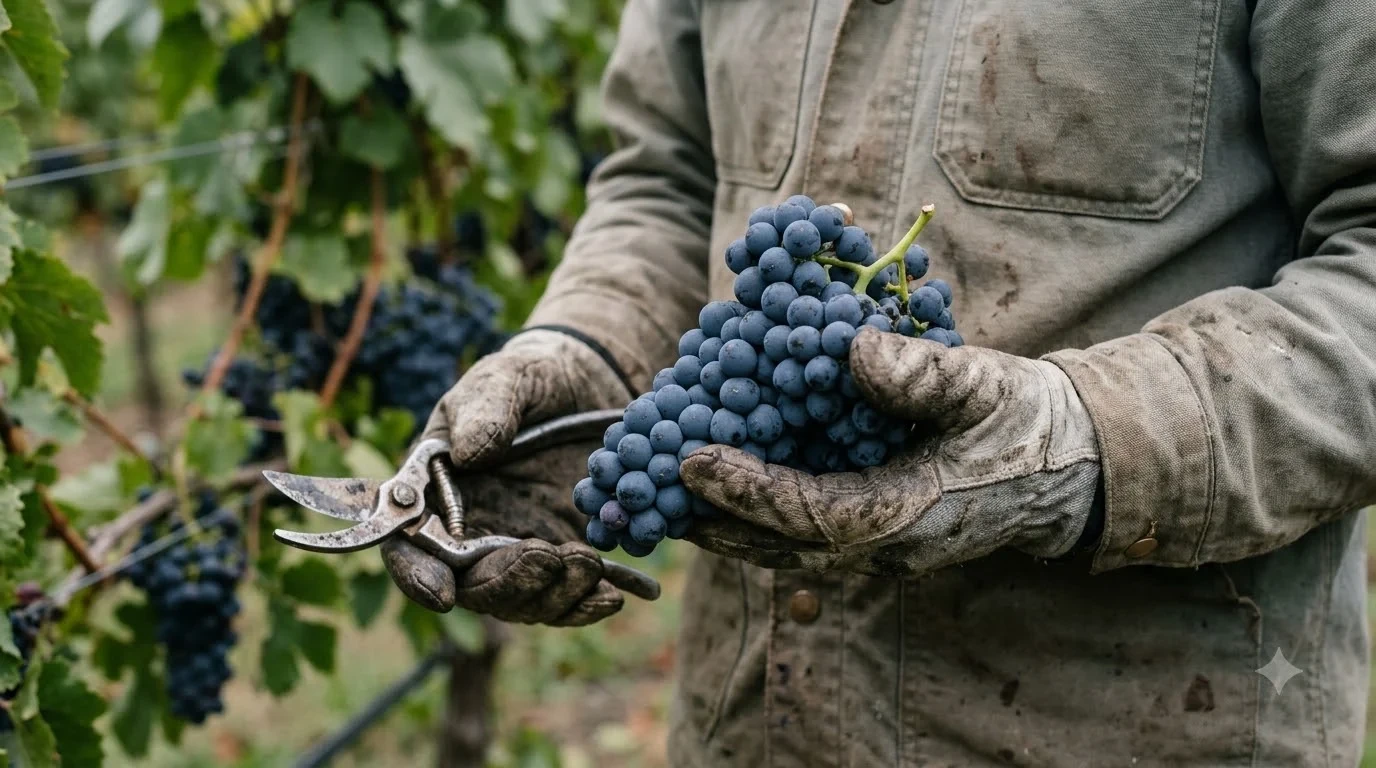
Florida vineyards grow mainly native muscadine grapes and hybrids bred to tolerate the state’s heat and humidity, rather than the European vinifera grapes common in California or France. Wine grapes have been grown in Florida since the sixteenth century, when Spanish missionaries planted them, and the state has a long history of breeding grapes suited to its climate. Today its vineyards are scattered across the state, and no area carries the federal appellation status that many wine regions use.
Florida is not the first place most people think of when they picture vineyards, yet the state has one of the longer winemaking histories in North America. The reason is practical: the climate is hot, wet, and humid, and the diseases that thrive in those conditions make many classic grapes difficult to grow. This guide explains how Florida vineyards developed, which grapes they rely on, the challenges they face, and what to look for if you plan to visit.
A long history with a difficult climate
According to the overview of Florida wine on Wikipedia, wine grapes were grown in Florida earlier than in almost any other part of North America. Spanish missionaries planted the first vines in the 1500s, mainly to make wine for religious ceremonies. Those early plantings were followed by other growers over the centuries, but the warm, humid environment made it hard to produce consistent wine from European grapes.
The main obstacle is the climate. Vitis vinifera, the family of grapes behind most fine wine, does not grow well in Florida’s tropical conditions, and disease pressure is high. Pierce’s disease, a bacterial illness spread by insects, has been a serious problem for growers who try to plant European varieties. Humidity also encourages fungal diseases that damage fruit before harvest, which is why many Florida growers focus on tougher native and hybrid vines.
Muscadine and the Florida hybrids
The grape most closely tied to Florida’s vineyards is the muscadine, a native American species that tolerates heat, humidity, and many diseases better than European vines. Muscadine has a distinctive musky aroma, and its wines are usually sweet, rich, and fruity. The older variety scuppernong is a well-known type of muscadine with a green-gold color, and it has a long association with Southern winemaking.
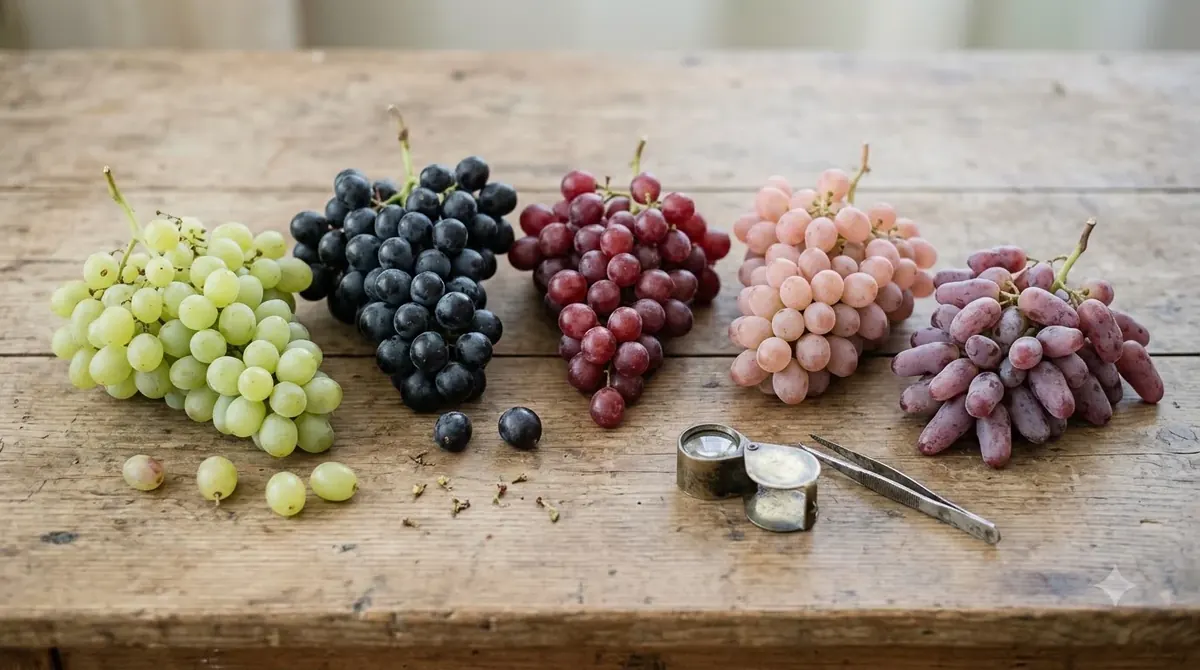
In the 1930s, researchers at the University of Florida began developing hybrids from native muscadine that were better suited to the local climate. The varieties they produced include Blanc du Bois, Stover, Swanee, Daytona, Orlando Seedless, and Miss Blanc. Blanc du Bois is the most widely recognized of these today, and it is used for white wines with bright acidity and citrus notes. Stover appears on the same list, and the list shows how much of the state’s grape history was shaped by university breeding programs rather than by imported European stock.
Where Florida’s vineyards are
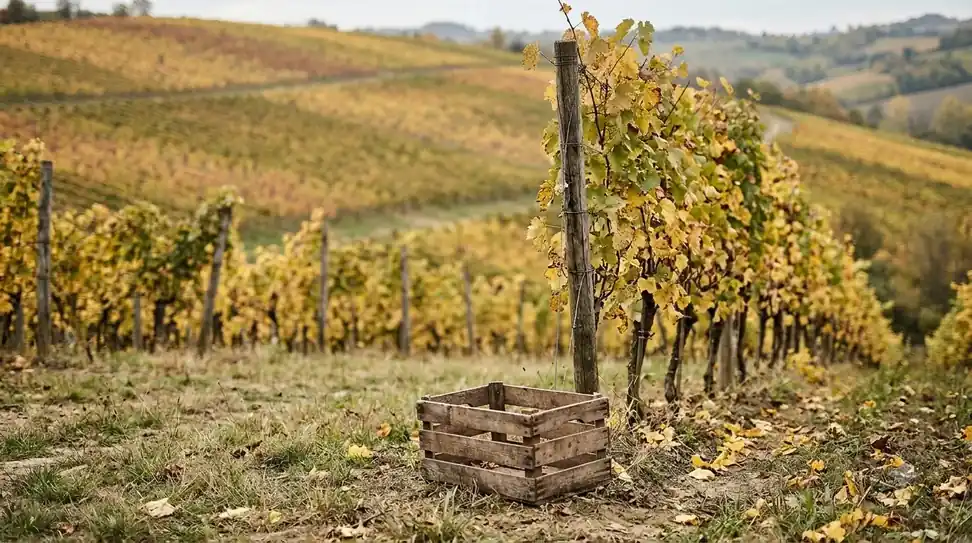
Florida does not have designated American Viticultural Areas, the formal appellations that describe a wine’s region in many other states. That makes it harder to point to a single “Florida wine country” on a map. Instead, vineyards and wineries are spread across the state, and visitors usually find them in the central and northern parts of Florida, where the soil and drainage suit grape growing better than in the far south.
Growers also look to state support for agriculture. The Florida Department of Agriculture and Consumer Services publishes its agricultural programs and services online, which can be a useful starting point for anyone researching the state’s farm sector. Because the state has no official appellation system, it is worth checking each winery’s own website for details about where its grapes were grown. Many producers source fruit from several growers, and some make wine from fruit grown outside the state. Reading the label and the producer’s notes is the best way to understand what you are buying.
Fruit wine and the modern vineyard
Florida’s wine scene is not limited to grapes. Some producers have built a reputation on fruit wines made from tropical and local ingredients, which suit the climate well. The Florida Orange Groves Winery, for example, has made wines from 100 percent tropical fruit since around 1991, and the state’s producers now offer wines made from mango, key lime, orange, grapefruit, blueberry, and strawberry. These fruit wines show how Florida winemakers have adapted to what grows best locally.
Fruit wines also raise a question that is easy to overlook: how much of the flavor comes from the fruit and how much from added sugar or blending. Ask the winery how each bottle is made, since sweetness and acidity can vary widely between a fruit wine and a grape wine. A clear answer from staff is a good sign that the producer is open about its process.
Many visitors find that fruit wines are an approachable way to start. They tend to be fresh and easy to drink, and they give a clear picture of Florida’s agriculture. Vineyard visits often combine grape wines with fruit styles, which gives a fuller view of what the state produces.
Visiting Florida vineyards
A visit to a Florida vineyard is less formal than many tours in traditional wine regions, and most tasting rooms are relaxed. Plan ahead for the weather, since the middle of the day can be very hot and humid, and early visits are often more comfortable. Tasting rooms may have limited hours or require reservations on busy weekends, so check the winery’s website before you go.
If you are planning a trip that combines vineyards with other regions, the same tips apply. Compare what each winery offers and whether it focuses on grape wines or fruit wines. A list of tasting room hours, tour options, and tasting fees is usually posted on each website, and those details change, so verify them before you travel.
Tip: Ask staff which wines are made from muscadine and which from vinifera or hybrids. The answer tells you a lot about the style you are about to taste.
How Florida vineyards compare with other regions
Florida vineyards are very different from the wine regions that many shoppers know best. A Bordeaux estate or a Napa Valley winery usually works with vinifera grapes in a temperate climate, and its wines are often dry. Florida producers instead work with muscadine and hybrids, and their wines are often sweeter and fruitier. Comparing Florida with other areas helps set expectations, which is why a visitor might also look at Fredericksburg vineyards in Texas, Cape May vineyards in New Jersey, or Traverse City vineyards in Michigan for contrast.
For a broader overview of how regions differ, the wine regions guide explains the factors that shape a wine’s character, including climate, soil, and grape choice. Florida is a clear example of how a region’s climate can drive the grapes it grows.
Frequently Asked Questions
Are there wineries in Florida?
Yes. Florida has a number of wineries, and Wikipedia’s Florida wine article lists roughly 35 wineries in its infobox. The count changes as wineries open and close, so check a current directory before planning a visit.
What grapes grow in Florida?
The main grapes are muscadine, scuppernong, and hybrids developed for the state, including Blanc du Bois and Stover. European vinifera grapes struggle in Florida’s humid climate, so they are less common than in other states.
Is Florida a recognized wine region?
Florida has no designated American Viticultural Areas. That means it does not have the formal appellation system that many other states use, so the wine’s origin is usually described by the producer rather than by an official region name.
What is the best time to visit Florida vineyards?
Cooler months are usually more comfortable because the heat and humidity are lower. Early visits on any day are also easier than mid-afternoon, and checking the winery’s events calendar helps you plan around busy weekends.
Florida vineyards reward curiosity. Their wines may not match the classic styles of Europe or California, but they reflect a long local history of breeding and adapting grapes to a difficult climate. Start with a muscadine or a Florida hybrid, compare it with a fruit wine, and you will get a clear sense of what the state’s vineyards do well.
More in Wine Regions
 Willcox Wine Trail: Discover Arizona’s High-Elevation Wine CountryUpdated Nov 20, 2026
 Yakima Valley Wine Region: Find the Best Styles to TryUpdated Nov 20, 2026
 Vosne Romanee Wine Tasting: Identify Aromas and Choose Better PairingsUpdated Nov 20, 2026
 Yakima Valley Wine Festival: Find the Best Seasonal Wine EventsUpdated Nov 20, 2026
 Wales Vineyards: Discover Cool-Climate Wines and Where to VisitUpdated Nov 20, 2026
 Yountville Wine Festival: Discover Napa Wines and Local FoodUpdated Nov 20, 2026