

We may earn a commission when you buy through links on this page, at no extra cost to you. Learn more.
The el dorado wine festival is an annual spring wine-country celebration in California’s Sierra Nevada foothills, best experienced through the El Dorado Wines Passport Weekend. The two-day event brings together more than 20 family-owned wineries for special tastings, regional food pairings, live entertainment, and opportunities to meet local winemakers. The next scheduled Passport Weekend is April 17–18, 2027, offering visitors an opportunity to discover the area’s distinctive mountain-grown wines.
El Dorado County offers a different experience from California’s better-known coastal wine destinations. Its vineyards climb mountainous terrain, its wineries produce an unusually broad range of grape varieties, and its small communities provide a welcoming setting for exploring wine and local agriculture. The annual festival brings these elements together, making it an appealing weekend for experienced wine enthusiasts and newcomers alike.
What to Expect at the El Dorado Wine Festival
The El Dorado Wine Festival centers on Passport Weekend, an annual celebration organized by the El Dorado Winery Association. It combines a self-guided winery tour with special tasting experiences, seasonal food, and entertainment across several distinct wine-growing communities.
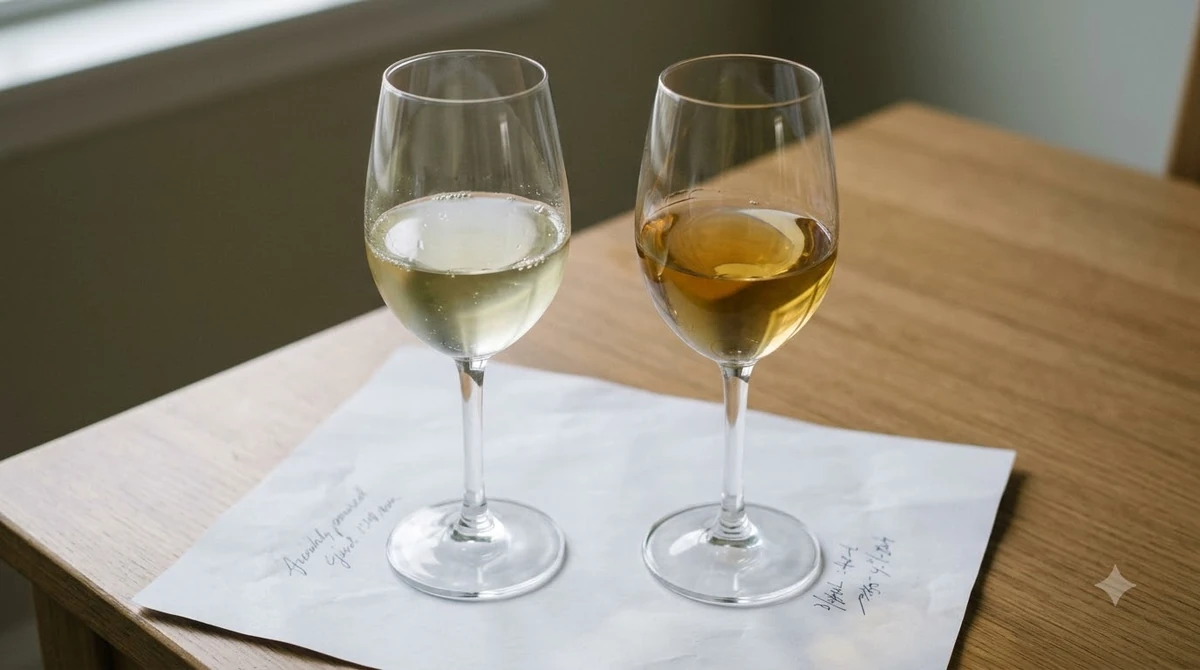
Passport Weekend has been a spring tradition for more than 30 years. The 2026 celebration marked its 35th annual edition, demonstrating the event’s long-standing place in the local wine calendar. The next scheduled gathering is April 17–18, 2027. Unlike a conventional wine fair held at one exhibition venue, this event encourages visitors to travel between participating wineries and discover the character of individual estates.
More than 20 family-owned wineries are expected to form the foundation of the experience. Each participating property creates its own atmosphere, so visitors may encounter different wines, hospitality styles, culinary pairings, and entertainment throughout the weekend. The association promotes special tastings, food and wine combinations, music, and opportunities to discover wines that may not normally appear in a standard tasting-room lineup.
One of the festival’s defining features is its emphasis on personal discovery. Rather than following a single predetermined tasting sequence, visitors can organize their stops around preferred grape varieties, winery locations, and special experiences. Some properties may emphasize Rhône-inspired wines, while others showcase Zinfandel, Cabernet Sauvignon, or lesser-known Mediterranean varieties.
The festival also provides an opportunity to learn about the people behind the bottles. Smaller wineries often offer a more direct connection between visitors and the individuals responsible for growing grapes, producing wine, and developing distinctive estate styles. Conversations with winery staff and winemakers can provide useful context about vineyard conditions, harvest decisions, fermentation, and aging.
Although Passport Weekend is the region’s signature annual celebration, it is not the only opportunity to experience El Dorado wine country. Individual wineries organize seasonal tastings, food events, outdoor concerts, and harvest celebrations throughout the year. Visitors who cannot attend the April gathering can still experience the region through its regular winery calendar.
When Is Passport Weekend and How Does It Work?
The principal El Dorado wine festival takes place during a spring weekend, with the exact dates changing annually. The next advertised event is April 17–18, 2027, and visitors should consult the organizers for ticket availability, participating wineries, and final event arrangements.
The 2026 Passport Weekend ran from 11 a.m. to 5 p.m. on both Saturday and Sunday, April 18–19. That schedule provides a useful indication of the event’s daytime format, although visitors should not assume that every detail will remain identical for the next celebration. The official Passport Weekend announcement provides information about the next event, participating areas, and the festival’s format.
Passport Weekend is designed as a self-guided experience. Participants visit designated wineries rather than remaining at one central festival site. This arrangement makes advance planning particularly important because participating properties are distributed across several communities, and driving between them takes time.
At registration or the designated starting location, visitors should follow the organizers’ instructions for receiving their event materials. The 2026 arrangements included a selected starting winery where ticket holders collected a commemorative glass and passport. Individual wineries could also have their own reservation or arrival requirements.
The passport format helps visitors keep track of participating destinations and organize their weekend. It also encourages exploration beyond familiar producers. Someone who regularly visits a winery near Placerville might use the festival to discover a smaller producer in Fair Play or another property in the Camino area.
Ticket options have included one-day and two-day experiences, as well as designated-driver passes. These arrangements make it possible to choose between a shorter visit and a more extensive weekend itinerary. The specific options for 2027 should be verified through the association rather than assumed from previous editions.
| Festival detail | Information |
|---|---|
| Event | El Dorado Wines Passport Weekend |
| Next scheduled dates | April 17–18, 2027 |
| Duration | 2 days |
| Previous edition | 35th annual event in 2026 |
| Participating wineries | More than 20 |
| Previous daily hours | 11 a.m.–5 p.m. |
| Primary format | Self-guided winery visits |
| Wine-country location | El Dorado County, California |
The schedule above distinguishes established event characteristics from details published for the previous edition. Visitors should use the current event announcement when confirming daily hours, participating wineries, ticket arrangements, and starting locations.
Where the Festival Takes Place: Four Wine-Country Areas
The festival extends across several communities in El Dorado County, with Apple Hill/Camino, Fair Play, Pleasant Valley, and the wider El Dorado area among the principal destinations. Each offers a different combination of landscape, winery atmosphere, and wine-growing conditions.
Apple Hill and Camino
Camino is a particularly recognizable destination within El Dorado County’s agricultural landscape. The wider Apple Hill area is known for orchards, farm stands, seasonal produce, and mountain scenery, creating an attractive setting for a spring wine-country visit.
Wineries in this area provide an opportunity to combine wine tasting with the agricultural character of the foothills. The atmosphere can vary considerably between properties, from traditional tasting rooms to outdoor settings with vineyard views. Visitors may also encounter producers incorporating local ingredients and seasonal foods into their festival experiences.
Bumgarner Winery is one example of a producer associated with the Camino area. Its 2026 Passport Weekend experience featured a country-fair theme, connecting the winery visit with regional agricultural traditions. Such themed activities illustrate how individual producers add personality to the larger festival.
Fair Play
Fair Play is one of the most important destinations for exploring El Dorado’s mountain-grown wines. Its vineyards and wineries are associated with the southern part of the county, where varied elevations and growing conditions support an interesting selection of grape varieties.
The Fair Play AVA was established in 2001. Its reputation is particularly connected with Rhône-style grapes and smaller wine producers. Visitors interested in Syrah, Grenache, Mourvèdre, and other Mediterranean varieties should consider including this area in their itinerary.
Producers such as Skinner Vineyards, Narrow Gate Vineyards, and Madrona Vineyards help illustrate the diversity of the area. Their individual approaches offer opportunities to compare different expressions of grapes grown in the foothills.
Pleasant Valley and Placerville
Pleasant Valley and the Placerville area provide additional opportunities to explore the county’s wine-growing heritage. Placerville is a useful reference point for visitors organizing a trip, with established wineries and access to surrounding communities.
Boeger Winery is an important part of the area’s modern wine history. The winery opened in 1973 in the historic Fossati-Lombardo property, helping revive commercial winemaking in El Dorado County. Its connection with the county’s agricultural past makes it a worthwhile destination for visitors interested in regional wine history as well as tasting.
Understanding the Wider Region
These communities belong to a broader wine-growing landscape with multiple appellations and distinctive vineyard conditions. The El Dorado, Fair Play, and Sierra Foothills appellations help explain why neighboring producers can grow different grapes and create contrasting wine styles.
For a broader overview of the area’s geography, vineyard communities, and wine traditions, explore our guide to El Dorado wine country. Understanding the distances between communities before the festival makes it easier to create a realistic route.
Wines to Discover at the Festival
El Dorado’s mountain vineyards support an unusually diverse selection of wine grapes. Visitors can expect to encounter familiar varieties such as Zinfandel and Cabernet Sauvignon alongside Rhône grapes, Mediterranean varieties, and less common white wine grapes.
The El Dorado Winery Association describes vineyard elevations ranging from approximately 1,200 to 3,500 feet, with hundreds of microclimates contributing to the region’s variety. Warm summer days encourage grape ripening, while cooler nights help preserve freshness and acidity. These conditions provide winemakers with opportunities to produce wines with concentrated fruit character and balanced structure.
Bold Red Wines
Zinfandel is one of the recognizable varieties associated with El Dorado wine country. Depending on vineyard conditions and winemaking choices, it can produce wines with ripe berry fruit, spice, and a substantial palate. Visitors interested in fuller-bodied reds should compare different producers rather than assuming that every Zinfandel will have the same degree of ripeness or tannin.
Cabernet Sauvignon is another important variety to explore. Its naturally high tannin makes it a suitable choice for visitors who enjoy structured reds. It can also provide an interesting comparison with Merlot, which generally has medium tannin and a softer texture.
Syrah deserves particular attention. The grape is well suited to the Rhône-inspired identity of several foothill producers and can show dark fruit, pepper, and savory characteristics. Its tannin level can range from medium-plus to high, depending on growing conditions and winemaking.
Rhône and Mediterranean Varieties
Grenache, Mourvèdre, and Tempranillo provide additional opportunities to explore the region’s diversity. Grenache can produce generous red-fruit flavors, while Mourvèdre often contributes darker fruit and structure. Tempranillo offers another perspective, with its own combination of fruit, spice, and savory character.
Barbera is also worth seeking out. It is known for lively acidity and can work particularly well with tomato-based dishes, roasted meats, and foods with herbs. A festival tasting that includes Barbera provides a useful example of how El Dorado producers work with varieties beyond the most familiar international grapes.
White Wines and Less Familiar Grapes
White wine enthusiasts should not overlook the region. Viognier, Marsanne, Picpoul, and Gewürztraminer demonstrate the range of white varieties that can grow in the foothills. Their styles differ considerably, from aromatic and generous to crisp and refreshing.
Viognier often has expressive floral and stone-fruit aromas. Picpoul is particularly interesting for visitors who prefer bright acidity and a fresh finish. Marsanne can offer a broader texture, while Gewürztraminer is known for its distinctive aromatic profile.
The association also highlights varieties such as Counoise, Cinsault, Primitivo, and Petite Syrah. These grapes illustrate why a festival visit is useful for discovering bottles that may be unfamiliar to visitors accustomed to the main varieties sold in large wine markets.
Visitors can learn more about the producers and vineyard landscape through our guide to El Dorado vineyards. Comparing wines from different locations is one of the most rewarding ways to understand the area’s diversity.
Food Pairings, Tasting Tips, and Festival Preparation
Food is an important part of Passport Weekend, with participating wineries creating individual pairings to complement their featured wines. Visitors should approach the culinary experiences as part of the regional discovery rather than treating the festival as a sequence of unrelated wine samples.
The 2026 event included examples such as Barbera paired with slow-cooked short ribs and Viognier served with a spring appetizer. Other winery experiences featured Italian-inspired food, hearty regional dishes, and seasonal specialties. These examples show how producers can connect wine styles with food traditions and local agricultural products.
How to Match the Wines with Food
Acidity is one of the most useful elements to consider when pairing wine with food. A dish with pronounced acidity generally works best with a wine that has equal or higher acidity. This is particularly important with tomato sauces, citrus-based dishes, and foods featuring vinegar or bright dressings.
Salt and fat can soften the perception of tannin in red wines. This makes structured Cabernet Sauvignon or Syrah a natural partner for grilled meats, braised beef, and rich savory dishes. A medium-tannin Merlot may provide a softer alternative for visitors who prefer less grip on the palate.
Wine sweetness should also be considered when choosing desserts. The wine should be at least as sweet as the dessert, otherwise the wine may taste thin or overly acidic beside a sugary dish. For spicy foods, be aware that alcohol and tannin can amplify the perception of chili heat.
White wine pairings deserve equal attention. Sauvignon Blanc and Riesling typically have high acidity, making them useful choices for fresh vegetables, seafood, and dishes with citrus. Chardonnay generally has medium acidity and can work well with richer preparations, depending on its style.
Practical Tasting Advice
A useful tasting strategy is to begin with lighter wines and progress toward fuller-bodied styles. Sparkling wines, lighter whites, rosés, and lighter reds can be sampled before more powerful reds. This sequence helps preserve your ability to recognize differences in aroma, acidity, body, and tannin.
Standard wine tasting pours are often around 5 ounces when wine is served as a full glass. Festival samples are usually smaller, but the number of wineries involved still makes pacing important. Drinking water between visits and allowing sufficient time for food breaks can make the experience more comfortable.
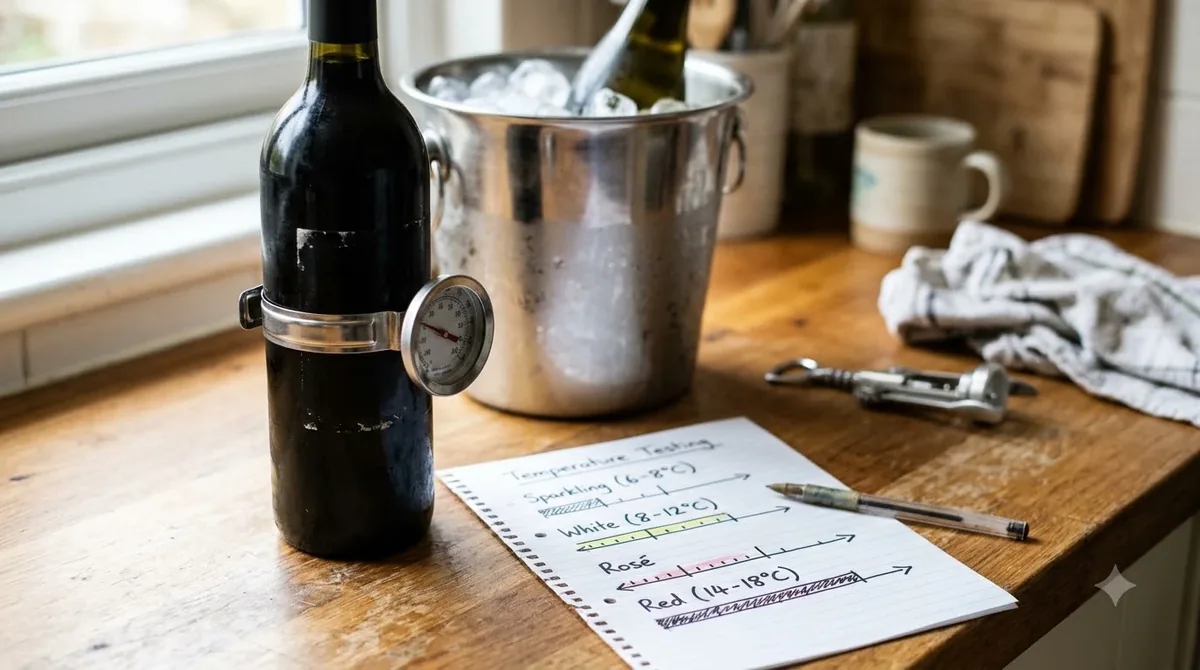
Temperature also influences how wine smells and tastes. Sparkling wines are generally served at 40–50 F, while light whites and rosés are best around 45–50 F. Full-bodied whites are generally served at 50–55 F, light reds at 55–60 F, and fuller reds at 60–65 F.
Tip: Choose a manageable group of wineries before setting out, leave time between appointments or tasting stops, and arrange a designated driver. The festival covers multiple mountain communities, so a realistic itinerary is more enjoyable than trying to visit every participating property in one afternoon.
What to Bring
Spring weather in the Sierra foothills can change throughout the day. Comfortable walking shoes are useful because some winery properties have sloping outdoor areas, gravel paths, or vineyard spaces. A light jacket is also sensible for cooler mornings and shaded tasting areas.
Visitors should bring their event confirmation, identification, and any required ticket materials. A small notebook or phone note can help record favorite wines, grape varieties, and producer names. This is particularly useful when visiting several wineries over two days.
It is also sensible to plan meals and water breaks. Wine tasting requires time, and a full day of visiting wineries can become tiring without regular breaks. Visitors who intend to purchase bottles should consider how they will transport them safely, particularly if they have a longer drive afterward.
Planning Your El Dorado Wine Country Weekend
A successful festival weekend starts with a sensible route and realistic expectations. El Dorado County’s wineries are spread across mountainous terrain, so the distance between properties can be more important than the number of wineries listed on a map.
The region is less than an hour from Sacramento and South Lake Tahoe, according to the El Dorado Wines Association. This makes it accessible for a day trip from nearby areas, although a two-day visit provides more time to explore multiple communities without rushing.
Build a Geographic Route
Begin by identifying the wineries you most want to visit. Group properties by location rather than selecting them solely according to their wine lists. For example, a visitor interested in Fair Play producers might dedicate a substantial part of the day to that area instead of repeatedly driving between distant communities.
Camino and Apple Hill can form another useful group of destinations. Placerville and Pleasant Valley provide additional options, particularly for visitors interested in the county’s historical wineries. Combining nearby properties helps reduce unnecessary driving and leaves more time for conversations and tastings.
Allow extra time for parking, checking in, enjoying food pairings, and moving between properties. The 2026 event’s six-hour daily schedule illustrates why attempting to visit every participating winery in one day is unrealistic for most visitors.
Choose Accommodation Strategically
For a two-day visit, staying in or near Placerville can provide a convenient starting point for exploring several wine-growing communities. Other accommodation options around Camino and Somerset may be useful depending on the wineries selected for the itinerary.
Visitors traveling from Sacramento can plan an overnight stay to avoid making a long return drive after a full day of wine tasting. Travelers coming from South Lake Tahoe may prefer to organize their route around the western foothills before continuing their journey.
Accommodation should be reserved early if the festival weekend coincides with other popular local events. Visitors should also check parking arrangements and transportation options before confirming their plans.
Check Winery Requirements
Although Passport Weekend is generally self-guided, individual wineries may have specific requirements. Some properties may require reservations, while others may have limited capacity or designated arrival procedures. The 2026 event included advance reservation requirements at certain stops, including Boeger Winery.
Read the event instructions carefully and confirm any special arrangements directly with participating wineries. This is particularly important for visitors planning to attend a themed experience, special food pairing, or tasting with a limited number of places.
For a broader overview of the appellations, grape varieties, and regional geography, visit our article on the El Dorado wine region. It provides useful background for understanding why wineries in different communities can produce such contrasting wines.
Enjoy the Region Beyond the Festival
Passport Weekend is an excellent introduction, but the area offers reasons to return throughout the year. Individual wineries organize special tastings, vineyard events, outdoor concerts, and seasonal celebrations. The El Dorado Wines events calendar is a useful resource for finding these experiences.
Harvest season offers another perspective on the region. Visitors may find special winery activities and opportunities to learn about grape picking and winemaking. Fall also brings agricultural attractions around Camino and Apple Hill, making it possible to combine wine tasting with other regional experiences.
Visitors interested in expanding their California wine knowledge can also explore our broader collection of Wine Regions. Comparing El Dorado with other California appellations provides a useful perspective on the influence of elevation, climate, grape selection, and winemaking traditions.
Frequently Asked Questions
Is the El Dorado Wine Festival suitable for first-time wine enthusiasts?
Yes. The festival offers opportunities to encounter both familiar and less common grape varieties in a relaxed winery setting. Beginners can ask staff about grape origins, winemaking methods, and differences between wine styles without needing advanced tasting knowledge. Starting with lighter wines and asking for smaller tasting samples can make the experience easier.
Can visitors buy wine directly from participating wineries?
Many participating wineries operate tasting rooms and sell bottles directly to visitors. Some festival experiences may also feature limited-production releases or library selections that are not regularly available. Bottle availability differs by producer, so visitors interested in a particular wine should ask the winery about purchasing and shipping arrangements.
Are there non-wine activities around the festival?
Yes. El Dorado County offers orchard visits, farm stands, historic communities, outdoor recreation, and seasonal agricultural attractions. The Camino and Apple Hill areas are particularly associated with orchards and farm experiences. Visitors can combine a winery itinerary with sightseeing rather than spending the entire weekend in tasting rooms.
What makes El Dorado wines different from Napa Valley wines?
El Dorado is characterized by mountainous vineyards, elevations reaching approximately 3,500 feet, and a broad selection of Mediterranean and Rhône grape varieties. Napa Valley is more widely associated with Cabernet Sauvignon and other established Bordeaux varieties. The differences in elevation, soils, growing conditions, and grape selection contribute to distinct regional identities.
Does El Dorado County have historic wineries?
Yes. The county’s wine history reaches back to the Gold Rush period of the 19th century. Boeger Winery occupies the historic Fossati-Lombardo property, connecting modern wine production with the area’s earlier agricultural heritage. The winery’s opening in 1973 also marked an important stage in the revival of commercial winemaking in El Dorado County.
The El Dorado Wine Festival offers an engaging introduction to one of California’s distinctive mountain wine regions. Passport Weekend combines family-owned wineries, diverse grape varieties, regional food, and beautiful foothill scenery in a format that rewards thoughtful planning. Mark April 17–18, 2027, on the calendar, follow the El Dorado Wines Association for ticket and winery announcements, and leave enough time to enjoy the people and places behind the wines.
More in Wine Regions
 Willcox Wine Trail: Discover Arizona’s High-Elevation Wine CountryUpdated Nov 20, 2026
 Yakima Valley Wine Region: Find the Best Styles to TryUpdated Nov 20, 2026
 Vosne Romanee Wine Tasting: Identify Aromas and Choose Better PairingsUpdated Nov 20, 2026
 Yakima Valley Wine Festival: Find the Best Seasonal Wine EventsUpdated Nov 20, 2026
 Wales Vineyards: Discover Cool-Climate Wines and Where to VisitUpdated Nov 20, 2026
 Yountville Wine Festival: Discover Napa Wines and Local FoodUpdated Nov 20, 2026