

We may earn a commission when you buy through links on this page, at no extra cost to you. Learn more.
The el dorado wine trail is a collection of wineries and tasting rooms throughout El Dorado County in California’s Sierra Foothills, where visitors can explore mountain-grown wines around Placerville, Camino, and Fair Play. The region combines elevations of approximately 1,200–3,500 feet, more than 70 wineries, and a remarkable selection of grape varieties. Visitors can organize a tasting trip around individual winery clusters, discover Rhône-style blends and Mediterranean grapes, and enjoy the area’s mountain scenery without trying to cover the entire county in one day.
Located between Sacramento and the Sierra Nevada mountains, El Dorado County offers a different experience from California’s better-known coastal wine destinations. Its wineries are spread across mountain roads, historic communities, and rural vineyard properties. A little planning makes it easier to discover the area’s distinctive wines while allowing enough time to enjoy the scenery, tasting rooms, and local food.
Understanding the El Dorado Wine Trail and Its Geography
The El Dorado wine trail is best understood as a collection of winery destinations rather than one continuous road with a single official starting point. Placerville, Camino, and Fair Play provide useful starting areas, with additional wineries scattered throughout the surrounding Sierra Foothills.
The region’s mountain geography is one of its most important characteristics. According to Sierra Highlands, the El Dorado AVA covers elevations from approximately 1,200 to 3,500 feet. Higher vineyards experience different temperature patterns, sunlight exposure, and growing conditions from vineyards in California’s Central Valley. These differences help explain why the county produces such a broad range of wines.
El Dorado is also part of a larger Sierra Foothills wine-growing area. Three appellations associated with the county are El Dorado, Fair Play, and Sierra Foothills. Each provides a different geographical context for understanding the wines, although the appellations are not interchangeable. The El Dorado AVA is particularly important for visitors who want to explore the county’s established wine-growing identity.
Placerville is a convenient reference point for planning because several wine destinations are located west and south of town. Camino, meanwhile, provides access to the Apple Hill area and several wineries along Carson Road. Fair Play is farther south and offers a more rural tasting experience among mountain vineyards.
For visitors researching the wider destination, the overview of El Dorado wine country provides useful geographical context before choosing individual winery stops. Understanding the distances between communities is particularly important because winding mountain roads can make short distances take longer to drive than expected.
Rather than treating the trail as a race to visit the largest possible number of tasting rooms, consider it a collection of smaller experiences. A focused itinerary around one or two nearby communities usually provides a more enjoyable introduction than driving across the entire county in a single afternoon.
Why Mountain Elevation Shapes El Dorado Wines
Elevation, cool nighttime temperatures, abundant sunlight, and varied soils give El Dorado wines their distinctive regional character. These conditions support both familiar international grapes and less common varieties that benefit from carefully selected mountain vineyard sites.
According to Sierra Highlands, temperatures in the region are approximately 10–15 degrees Fahrenheit cooler than in the Central Valley below. The organization also explains that temperatures decrease by around 4 degrees Fahrenheit per 1,000 feet of elevation gain. These differences matter because grape development depends on more than the amount of sunshine a vineyard receives.
Warm daytime conditions encourage ripening, while cooler nights can help preserve acidity and aromatic freshness. In El Dorado, later spring budbreak can delay the growing season by approximately 2–4 weeks. Ripening therefore often extends into September and October, when cooler conditions help grapes reach maturity without excessive sugar accumulation.
Sunlight is another important part of the equation. Sierra Highlands notes that the region generally receives more growing-season sunshine than many coastal California vineyards. At higher elevations, stronger ultraviolet exposure can also influence grape skin development and phenolic compounds, contributing to color and structure in red wines.
The county’s soils add another layer of diversity. Volcanic, granitic, and slate-based soils occur across the region, creating different drainage conditions and vineyard environments. Soil type alone does not determine wine quality, but it influences how growers manage vines and select appropriate varieties for particular sites.
These geographical differences help explain why El Dorado should not be associated with just one grape or wine style. Visitors may encounter powerful red blends, fresh aromatic whites, elegant Rhône-inspired wines, and Mediterranean varieties during the same trip.
The regional wine association describes the mountain-growing environment as a combination of warm summer days and cool nights. Its El Dorado Wines regional overview provides additional information about the area’s appellations, mountain vineyards, and grape diversity.
Best Winery Areas to Explore Around Placerville and Camino
Placerville and Camino are practical starting points for visitors who want to combine several winery experiences without spending most of the day driving. Both communities offer access to established vineyards, tasting rooms, and other local attractions.
Placerville is particularly useful as a base because it has a historic downtown and several nearby wine destinations. Boeger Winery is an established name in the local wine industry. Its range includes Aglianico, Barbera, Sauvignon Blanc, Tempranillo, and Zinfandel. This selection illustrates the county’s interest in varieties beyond the classic California Cabernet Sauvignon and Chardonnay combination.
David Girard Vineyards is another notable Placerville-area destination. The winery focuses on Rhône varieties and blends, including Grenache, Syrah, Mourvèdre, Counoise, Roussanne, Marsanne, and Viognier. These grapes offer an opportunity to explore wines associated with southern France while experiencing their expression in the Sierra Foothills.
Camino is a useful destination for visitors interested in Apple Hill and the Carson Road winery area. Madroña Vineyards grows an eclectic selection of grapes, including Nebbiolo, Barbera, Riesling, and Gewürztraminer. Its vineyard setting and range of varieties make it an interesting stop for visitors who enjoy comparing European grape traditions in different climates.
The Carson Road area provides another convenient way to structure a tasting day. Visit El Dorado identifies an informal group of six family-owned, small-production wineries along Carson Road between Placerville and Camino. This concentration makes the area particularly useful for travelers who want to visit multiple producers while keeping driving distances manageable.
Other wineries listed in the county’s regional directories include Nello Olivo, Rucksack Cellars, Lava Cap Winery, Sierra Vista Winery, and Myka Cellars. Their different locations and wine selections give visitors additional opportunities to build an itinerary around personal interests.
When selecting stops, consider the kind of experience you want rather than choosing wineries only by name recognition. Some visitors prefer outdoor vineyard settings, while others want structured tastings, food pairings, or a closer look at particular grape varieties. The selection of El Dorado vineyards can help narrow down the options before planning a route.
Exploring Fair Play and Its Mountain Vineyards
Fair Play is one of the most distinctive wine-growing destinations in El Dorado County, particularly for visitors interested in higher-elevation vineyards and small-production wineries. Its rural setting and concentration of producers make it a worthwhile destination for a dedicated tasting day.
Fair Play vineyards commonly occupy elevations between approximately 2,000 and 3,000 feet, according to Visit El Dorado. These higher locations experience the influence of the Sierra Nevada more directly than many lower-elevation vineyard areas. Warm growing-season afternoons and cooler nights provide conditions suitable for a range of red and white grape varieties.
The Fair Play Winery Association lists producers including Bumgarner Winery, Busby Cellars, Cantiga Wineworks, Cedarville Vineyard, E16 Winery, Element 79 Vineyards, Golden Leaves Winery, Saluti Cellars, Sentivo Vineyards, Shadow Ranch, Toogood Estate Winery, and Windwalker Vineyards.
Several of these producers illustrate the region’s emphasis on Mediterranean and Rhône grape varieties. Shadow Ranch, for example, grows Barbera, Cabernet Sauvignon, Grenache, Mourvèdre, Petite Sirah, Sauvignon Blanc, Syrah, Tannat, Tempranillo, and Zinfandel. Its variety selection provides plenty of opportunities for comparing different approaches to mountain-grown red wines.
Toogood Estate Winery offers another perspective on Fair Play, with varieties including Barbera, Cabernet Franc, Petite Sirah, Primitivo, and Zinfandel. Visitors interested in exploring grapes with Italian origins can pay particular attention to Barbera and Primitivo, while Cabernet Franc offers a comparison with more familiar Bordeaux varieties.
Fair Play is also a good choice for travelers who prefer a slower pace. Rather than moving rapidly between tasting rooms, visitors can concentrate on two or three wineries, learn about their vineyard sites, and compare the differences between individual producers.
Before setting out, confirm the locations of your selected tasting rooms. Fair Play wineries are distributed along rural roads rather than concentrated in one downtown district. Some producers operate on limited schedules or require advance appointments, so checking access arrangements can prevent unnecessary detours.
Wine Styles and Grapes to Look for Along the Trail
El Dorado offers an unusually broad range of wine styles for a relatively compact California wine destination. Visitors can explore structured mountain reds, aromatic whites, Rhône-inspired blends, and Mediterranean varieties that are less common in many American wine regions.
Red wines are an important part of the regional selection. Syrah, Grenache, Mourvèdre, Barbera, Zinfandel, Tempranillo, and Petite Sirah appear across the county’s winery portfolios. These varieties offer different combinations of fruit character, acidity, tannin, and body.
Syrah commonly produces medium-plus to high tannin wines with dark fruit and savory characteristics. Grenache is often more approachable, with red-fruit flavors and a softer tannin profile. Mourvèdre can contribute structure and earthy notes to blends, while Barbera is known for its lively acidity and relatively approachable tannin.
White wine drinkers should not overlook El Dorado. Riesling, Gewürztraminer, Viognier, Marsanne, Roussanne, Sauvignon Blanc, and Chardonnay appear among the varieties grown in the region. These grapes offer different aromatic and textural experiences, from crisp and refreshing whites to fuller-bodied wines with richer fruit character.
The following table provides a practical overview of grapes visitors may encounter and their typical characteristics. These are general varietal descriptions rather than fixed rules for every producer or vintage.
| Grape | Typical Wine Style | Acidity or Tannin | Food Pairing |
|---|---|---|---|
| Syrah | Full-bodied, dark-fruited red | Medium-plus to high tannin | Grilled lamb and beef |
| Grenache | Medium-bodied, fruit-forward red | Medium acidity, softer tannin | Roasted chicken |
| Barbera | Fresh, juicy red | High acidity, relatively low tannin | Tomato-based pasta |
| Zinfandel | Ripe, generous red | Medium to high tannin | Barbecue and grilled meats |
| Petite Sirah | Deeply colored, powerful red | High tannin | Rich braised beef |
| Riesling | Aromatic white, dry to sweet | High acidity | Spicy Asian dishes |
| Viognier | Fuller-bodied, aromatic white | Medium acidity | Roasted poultry |
| Chardonnay | Medium to full-bodied white | Medium acidity | Roasted fish and poultry |
| Tempranillo | Medium to full-bodied red | Medium tannin | Grilled pork and lamb |
| Gewürztraminer | Highly aromatic white | Medium acidity | Spiced dishes and aromatic cheeses |
One advantage of exploring a region with so many grape varieties is the opportunity to compare wines that are not always available together in mainstream wine shops. A tasting of Barbera, Syrah, and Tempranillo, for example, can demonstrate how different grapes respond to the same broad mountain-growing environment.
Visitors should also ask whether a wine is produced as a single-variety bottling or a blend. Blends can combine the acidity of one grape with the body, color, or tannin of another. This is particularly relevant when exploring Rhône-inspired wines from producers such as David Girard Vineyards.
Planning a One-Day or Weekend Wine Trail Itinerary
A successful El Dorado wine trip depends on grouping wineries by location and allowing sufficient time at each tasting room. Two or three winery visits make a comfortable starting point for a first day, while a weekend provides more flexibility for exploring Placerville, Camino, and Fair Play.
For a first visit, begin with Placerville and the nearby Carson Road area. This approach provides access to established producers and allows time to explore the historic downtown. Choose two wineries with contrasting selections rather than visiting several producers offering similar styles.
A second day can focus on Camino and the Apple Hill area, with a visit to Madroña Vineyards or another nearby winery. Visitors can combine wine tasting with seasonal farm experiences, local food, and the surrounding countryside. The additional time makes it easier to explore a broader selection of wines without rushing.
Travelers with a particular interest in mountain vineyards can dedicate another day to Fair Play. Choose producers that represent different grape varieties or winemaking approaches. For example, a visit to a producer specializing in Rhône grapes followed by one emphasizing Italian varieties creates a useful comparison.
Use the following sample itinerary as a planning framework rather than a fixed schedule. Actual driving times and opening hours depend on the individual wineries and road conditions.
| Suggested Time | Activity | Location |
|---|---|---|
| 10:00 AM | Arrive and begin the first winery visit | Placerville area |
| 11:30 AM | Explore a second tasting room | Carson Road |
| 1:00 PM | Take a lunch break | Placerville or Camino |
| 2:30 PM | Visit a winery specializing in mountain-grown varieties | Camino |
| 4:00 PM | Finish the tasting day and explore the local area | Apple Hill or Placerville |
For a weekend itinerary, consider moving the Fair Play wineries to the second day. This reduces unnecessary backtracking and gives visitors more time to appreciate the rural vineyard settings.
Tip: Make reservations where required, confirm tasting hours directly with each winery, and select a designated driver before leaving. Plan around two or three tasting stops per day rather than trying to visit every available winery. Rural mountain roads and longer tasting experiences can make an ambitious itinerary difficult to complete.
Visitors should also consider the time of year. Spring offers fresh vineyard scenery and generally pleasant conditions for outdoor tastings. Summer brings warm afternoons and opportunities to enjoy vineyard patios, while fall provides harvest-season atmosphere and seasonal agricultural activities around Camino and Apple Hill.
Winter can offer a quieter experience, although some tasting rooms operate on reduced schedules. Winery calendars are particularly important during holidays and special events. The El Dorado wine community also organizes group tasting experiences, making regional events another way to discover multiple producers.
Food Pairings, Tasting Etiquette, and Wine Storage
Food can make a wine tasting more memorable by highlighting differences in acidity, tannin, sweetness, and body. El Dorado’s varied grape selection creates opportunities to match wines with everything from grilled meats to fresh cheeses and vegetable dishes.
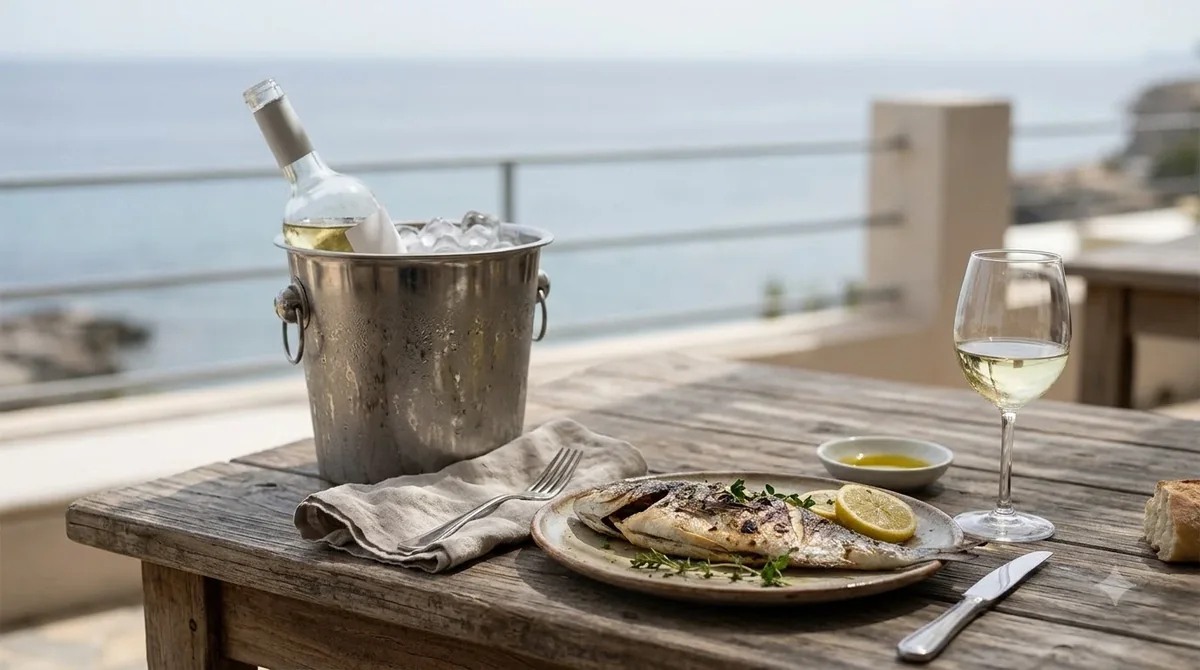
For structured reds such as Syrah and Petite Sirah, grilled beef, lamb, and slow-cooked meats are useful choices. Protein and fat help soften the perception of tannin, making full-bodied reds feel more balanced alongside rich dishes. Barbera, with its higher acidity and relatively low tannin, is particularly suitable for tomato-based pasta, roasted vegetables, and other dishes with pronounced acidity.
Grenache and Tempranillo can work well with roasted chicken, pork, grilled vegetables, and moderately seasoned dishes. Aromatic whites such as Riesling and Gewürztraminer offer different pairing possibilities, especially with spicy food. Their acidity and aromatic character can complement dishes that would overwhelm a heavily tannic red.
Temperature also makes a significant difference. Serving a wine too warm can emphasize alcohol and make it seem heavy, while excessive chilling can suppress aromas and flavor. Use these general serving temperatures as a starting point:
| Wine Style | Recommended Temperature |
|---|---|
| Sparkling wine | 40–50°F |
| Light white wines | 45–50°F |
| Full-bodied white wines | 50–55°F |
| Rosé wines | 45–50°F |
| Light-bodied red wines | 55–60°F |
| Full-bodied red wines | 60–65°F |
| Sweet white wines | 43–50°F |
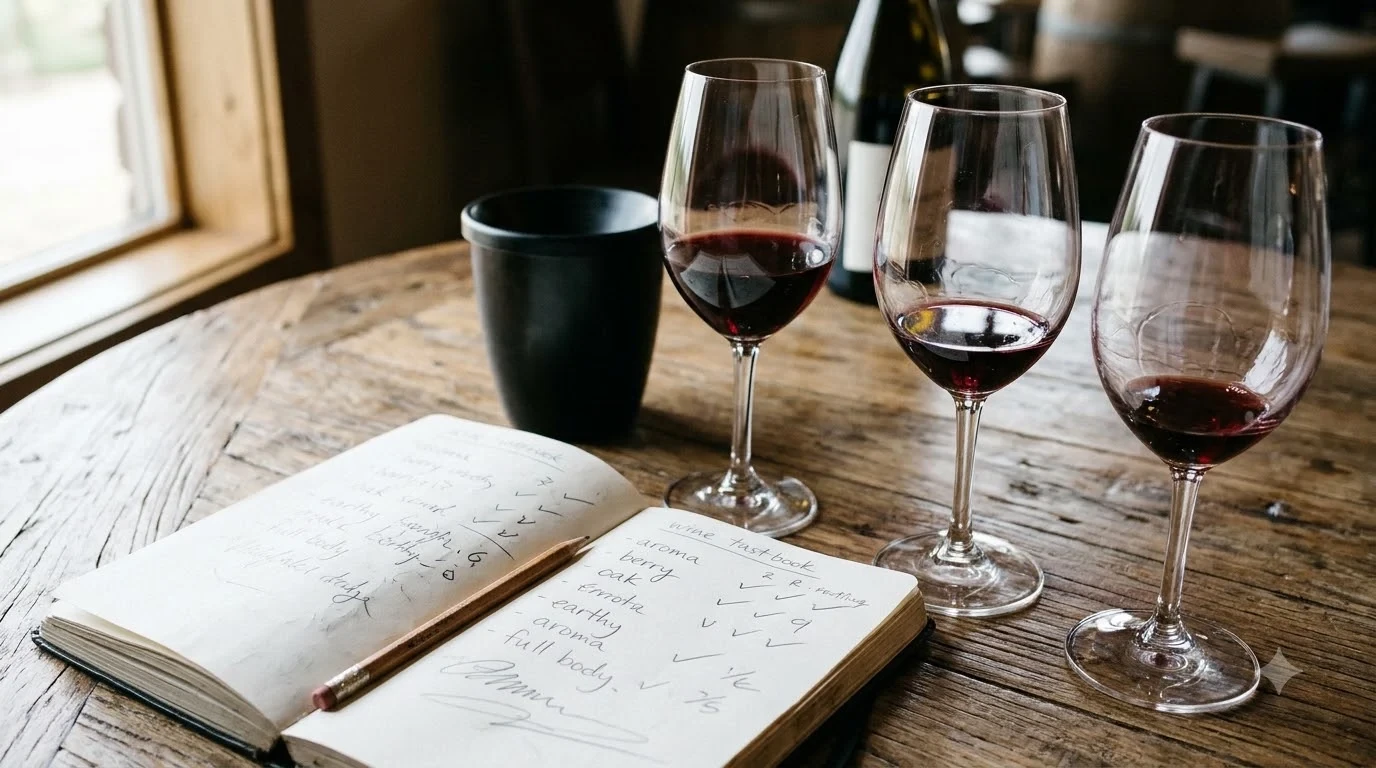
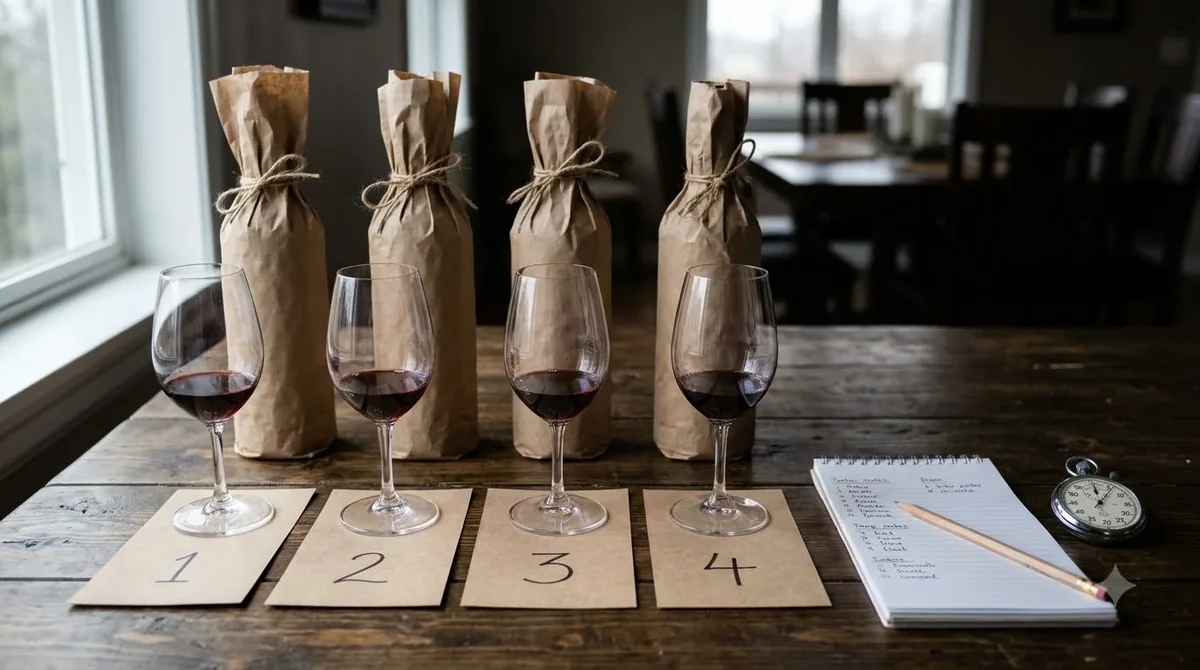
During a tasting, begin with lighter wines before moving to fuller-bodied reds. This sequence makes it easier to recognize differences in structure and flavor. Take small notes about the grape variety, acidity, tannin, and finish rather than relying entirely on memory.
A standard wine pour is approximately 5 ounces, and a 750-milliliter bottle contains about five such servings. During a tasting trip, individual samples are generally smaller, allowing visitors to compare several wines without treating every sample as a full glass.
If you purchase bottles during the trip, transport them carefully and avoid leaving them in a hot vehicle. For longer-term storage, bottles are generally best kept on their sides in a cool environment near 55°F, away from direct sunlight and large temperature fluctuations.
Opened still wines generally keep for approximately 3–5 days in the refrigerator when properly sealed. Sparkling wines usually retain their best character for around 1–3 days with an appropriate sparkling-wine stopper. Young, full-bodied reds may benefit from 30–60 minutes of decanting before serving, depending on their structure.
Most importantly, remember that wine pairing is a matter of balance. Match sweet wines with desserts at least as sweet as the wine, use acidic wines with acidic foods, and avoid pairing heavily tannic reds with delicate oily fish. These basic principles make it easier to enjoy the different styles encountered throughout the county.
Frequently Asked Questions
What is the historical connection between El Dorado wine and the California Gold Rush?
Winegrowing in El Dorado County developed during the Gold Rush after James Marshall discovered gold at Sutter’s Mill in 1848. The arrival of settlers helped establish agricultural activity alongside mining. By 1870, the county had become one of California’s significant wine-producing areas, creating a historical connection between its vineyards and Gold Country heritage.
What is the difference between the El Dorado AVA and the Sierra Foothills AVA?
The El Dorado AVA identifies a specific wine-growing area within the Sierra Foothills of California. Sierra Foothills is the broader appellation that includes multiple wine-growing areas across several counties. A wine carrying the El Dorado designation therefore identifies a more geographically specific origin than one labeled simply Sierra Foothills.
Can visitors explore El Dorado wineries without participating in a formal tour?
Yes. Many wineries operate individual tasting rooms where visitors can arrange tastings directly with the producer. Some offer scheduled experiences, while others have appointment-only access. Independent visitors can create their own route, although advance arrangements are important for smaller producers and groups.
Are there wine events that bring several El Dorado producers together?
Yes. The El Dorado Winery Association organizes Passport Weekend, a regional event featuring participating wineries and special tasting experiences. Such events provide an opportunity to discover several producers through coordinated activities rather than arranging every visit independently. Event schedules and participating wineries vary, so visitors should consult the association’s event calendar before traveling.
Why does El Dorado produce so many different grape varieties?
The region’s combination of elevation, varied terrain, and different soil conditions creates multiple vineyard environments. Growers can select varieties according to individual vineyard conditions rather than relying on a single dominant grape. The result is an unusually diverse regional selection that includes Italian, Spanish, Rhône, Bordeaux, and German varieties.
The El Dorado wine trail offers an engaging way to discover California mountain wines, from the historic wineries around Placerville to the higher-elevation vineyards of Fair Play. Start with a manageable group of tasting rooms, explore different grape varieties, and leave time to enjoy the region’s rural communities and scenery. With thoughtful planning, a visit can provide a rewarding introduction to one of the Sierra Foothills’ most diverse wine destinations.
More in Wine Regions
 Willcox Wine Trail: Discover Arizona’s High-Elevation Wine CountryUpdated Nov 20, 2026
 Yakima Valley Wine Region: Find the Best Styles to TryUpdated Nov 20, 2026
 Vosne Romanee Wine Tasting: Identify Aromas and Choose Better PairingsUpdated Nov 20, 2026
 Yakima Valley Wine Festival: Find the Best Seasonal Wine EventsUpdated Nov 20, 2026
 Wales Vineyards: Discover Cool-Climate Wines and Where to VisitUpdated Nov 20, 2026
 Yountville Wine Festival: Discover Napa Wines and Local FoodUpdated Nov 20, 2026