

We may earn a commission when you buy through links on this page, at no extra cost to you. Learn more.
The edna valley wine region is a cool-climate wine-growing area in San Luis Obispo County, California, best known for fresh, high-acid Chardonnay and elegant Pinot Noir. Its proximity to the Pacific Ocean brings morning fog, cooling breezes, and a long growing season that allows grapes to develop flavor without losing their natural freshness. Syrah, Sauvignon Blanc, and several Mediterranean varieties also contribute to the region’s distinctive wine selection.
California is famous for sunny vineyards and generously ripe wines, but Edna Valley offers a different expression of the state’s Central Coast. Located near San Luis Obispo, this relatively small wine region benefits from a maritime climate, varied geological formations, and a history of pioneering vineyard development. Understanding its geography, grape varieties, and winemaking traditions makes it easier to recognize what distinguishes its bottles and how to enjoy them.
Where Edna Valley Is Located and How Its AVA Developed
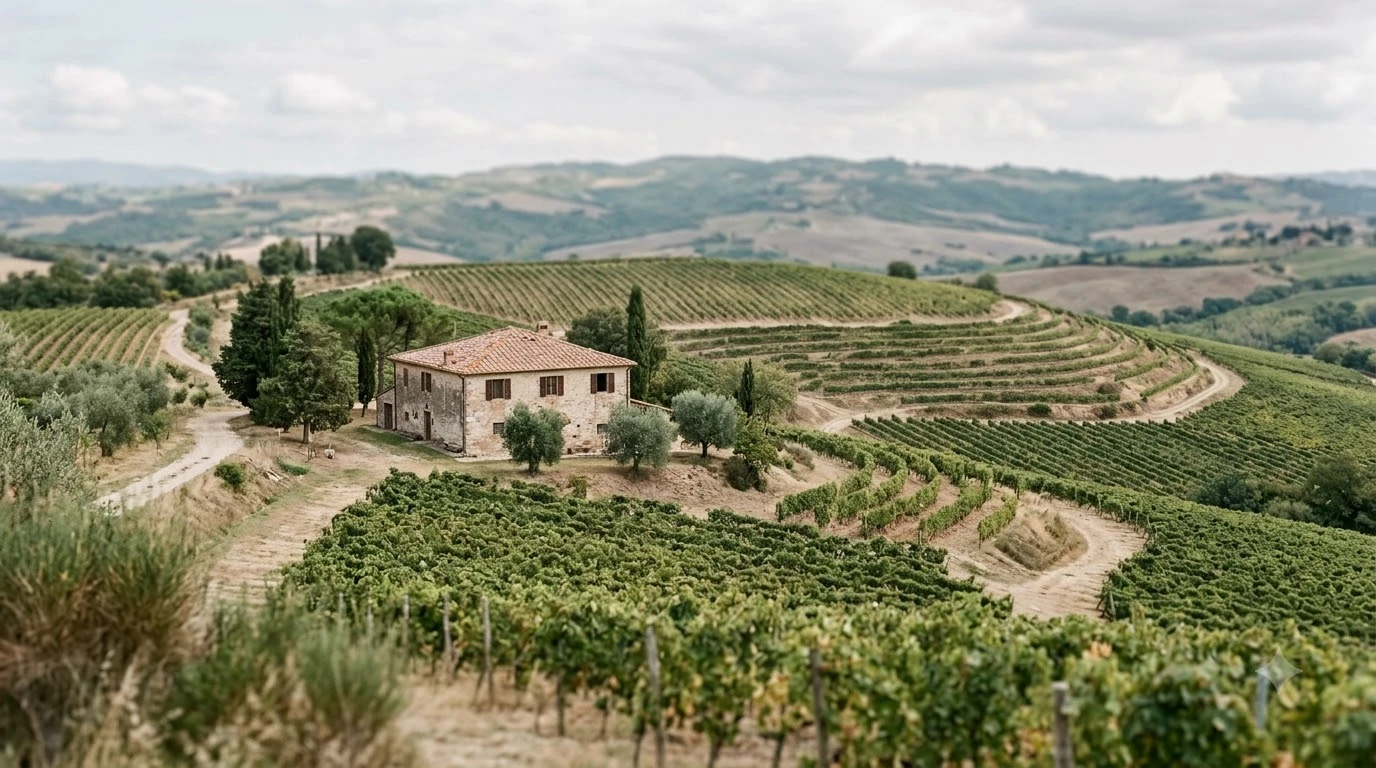
Edna Valley occupies a section of California’s Central Coast in San Luis Obispo County, southeast of the city of San Luis Obispo and north of Arroyo Grande. Its position between coastal mountains and the Pacific Ocean creates a distinctive environment for winegrowing, with marine air entering through nearby valleys and gaps in the surrounding hills.

The Edna Valley American Viticultural Area was established in 1982, making it the first AVA designated in San Luis Obispo County. According to the Wine History Project of San Luis Obispo County, the appellation covers approximately 22,400 acres. Its designation was amended in 1987. It is also part of the larger San Luis Obispo Coast wine region, an appellation that encompasses several coastal wine-growing areas.
The modern commercial wine industry in Edna Valley began taking shape during the early 1970s. Norman Goss established Chamisal Vineyard in 1973, while Jack and Catharine Niven developed Paragon Vineyard Company, planting vines in 1973 and 1974. These early plantings helped demonstrate that the valley’s relatively cool conditions could support high-quality wine grapes, particularly Chardonnay and Pinot Noir.
Jack Niven became one of the important figures in the region’s development. His work helped establish the identity of Edna Valley as a distinct winegrowing area, while the pioneering growers encouraged further investment in vineyards and winemaking facilities. The first Paragon harvest in 1977 included Chardonnay and Pinot Noir, with grapes sold to California wineries.
The area’s agricultural history extends much further back. Spanish missionaries introduced grape cultivation to the broader San Luis Obispo area during the eighteenth century, although the modern commercial wine industry developed much later. For much of the nineteenth and twentieth centuries, dairy farming and other agricultural activities played major roles in the local economy.
Today, Edna Valley is an important reference point for people interested in California Chardonnay and Pinot Noir. Its identity is more closely connected to cool maritime conditions and balanced wines than to the powerful, highly ripe styles often associated with warmer inland appellations. It is also useful to compare the region with other American wine destinations, including the Alexander Valley wine region, which has a notably different climate and red-wine profile.
Climate, Ocean Influence, and the Long Growing Season
The defining feature of Edna Valley’s climate is its strong Pacific Ocean influence. Cool maritime air and morning fog moderate vineyard temperatures, allowing grapes to ripen gradually and retain the acidity that gives many local wines their freshness.
Unlike many inland California wine regions, Edna Valley has a landscape that allows coastal conditions to penetrate well into its vineyards. Cool air moves inland from Morro Bay through Los Osos Valley, reaching vineyards across the appellation. The surrounding hills and the valley’s orientation help channel these influences through the growing area.
Morning fog is a regular feature of the local growing environment. It can reduce early-day sunlight and keep temperatures relatively low before warmer sunshine arrives. Afternoon breezes and changing marine conditions then moderate temperatures again, helping prevent excessive heat during important stages of grape development.
The Wine History Project describes the Pismo Venturi effect as a local phenomenon that helps clear evening fog from the valley. This changing pattern of fog, sunshine, and airflow contributes to the area’s extended growing season. The resulting conditions are particularly suitable for varieties that benefit from slow ripening.
For Chardonnay and Pinot Noir, a longer ripening period can encourage aromatic development while preserving natural acidity. Instead of relying on intense heat to produce high sugar levels quickly, growers have an opportunity to allow grapes to develop more gradually. This is one reason the region is associated with freshness, citrus character, and balanced fruit flavors.
Harvest timing varies by grape variety and vineyard location. Chardonnay can be harvested from August into September in many growing seasons, while Pinot Noir harvesting may extend from September into October. Later-ripening varieties such as Syrah may remain on the vines longer, depending on vineyard conditions and the season.
These dates are general regional patterns rather than fixed annual schedules. Weather conditions, vineyard elevation, crop exposure, and the winemaker’s preferred style can all influence the final picking decision.
The climate also helps explain why Edna Valley wines can appeal to drinkers who enjoy the freshness of cooler European wine regions but prefer California fruit character. The combination of ripe fruit and lively acidity gives the wines a distinctive balance.
Soils, Geology, and the Character of Edna Valley Vineyards
Edna Valley’s vineyard soils reflect a complicated geological history involving ancient marine deposits and volcanic activity. These different materials contribute to the region’s varied growing conditions and help explain why wines from individual vineyard sites can show different expressions.
According to the Wine History Project, marine sediments in the valley include material originating more than 25 million years ago. Changes in sea levels and geological activity left deposits containing shells and traces of ancient marine life. These materials contribute to the area’s distinctive soil structure.
Volcanic activity also played an important role. Fourteen ancient volcanoes contributed materials that have gradually eroded into the landscape. The resulting geological mixture includes volcanic ash, tufa, and other mineral components, alongside marine sediment and weathered rock.
Common soil descriptions for the area include black humus, loam, and clay. Some vineyard locations also contain calcareous materials and limestone-related components. This variation creates differences in drainage, water retention, and vine growth across the appellation.
Clay-rich soils can retain moisture, while other soil types drain more freely. These differences matter because grapevines respond to water availability and soil structure throughout the growing season. Vineyard managers must consider these characteristics when choosing planting locations, rootstocks, irrigation practices, and canopy management techniques.
The interaction between soil and climate is particularly important for Chardonnay and Pinot Noir. Both varieties can produce detailed, expressive wines in cooler environments, although their final characteristics depend on vineyard conditions and cellar decisions.
For example, Chardonnay grown in a cooler vineyard may emphasize lemon, green apple, and fresh pear rather than heavily tropical fruit. Pinot Noir may show red cherry, cranberry, raspberry, and subtle earthy notes. These characteristics are not guaranteed by soil alone, but the region’s geological and climatic conditions provide a useful foundation for these styles.
Individual vineyard sites can also influence texture and structure. Differences in slope, soil depth, drainage, and exposure affect how quickly grapes develop. Consequently, two wines made from the same grape variety in Edna Valley can have noticeably different personalities.
Tip: When comparing two Edna Valley wines, look beyond the grape variety and producer. Vineyard origin, soil conditions, fermentation choices, and barrel aging can explain why bottles made from the same variety have different aromas, textures, and acidity.
Chardonnay, Pinot Noir, and the Leading Grape Varieties
Chardonnay and Pinot Noir are the two signature grapes of Edna Valley. Both varieties benefit from the region’s cool maritime climate, although they produce very different wines and offer different food-pairing opportunities.
Chardonnay
Chardonnay is arguably the region’s most recognizable variety. Its reputation developed during the 1970s, when local growers demonstrated the potential of the valley for producing high-quality grapes. The variety was among the first to establish Edna Valley’s modern wine identity.
Typical Edna Valley Chardonnay emphasizes fresh fruit and acidity. Common aromas and flavors include lemon, green apple, pear, citrus blossom, and occasionally subtle mineral or herbal notes. The precise character depends on ripeness, fermentation, and aging.
Some producers prefer stainless-steel fermentation to preserve fruit and freshness. Others use oak barrels to introduce additional texture, spice, and complexity. Malolactic fermentation may also soften acidity and create a rounder impression. Neither approach defines the entire region; both can produce successful wines when appropriately balanced.
Pinot Noir
Pinot Noir is another important expression of the local climate. It generally produces lighter-bodied reds with relatively high acidity and low-to-medium tannin compared with varieties such as Cabernet Sauvignon and Syrah.
Typical flavors include red cherry, strawberry, raspberry, cranberry, and subtle earthy or savory notes. Cooler vineyard conditions can help preserve freshness and aromatic detail, while careful oak use may add gentle spice and additional texture.
The region’s pioneering vineyards helped establish Pinot Noir alongside Chardonnay. Its success also encouraged winemakers to explore individual vineyard sites and different approaches to fermentation and maturation.
Syrah and Other Varieties
Syrah offers a different side of Edna Valley. Although it is generally associated with medium-plus to high tannin, its cool-climate expression can emphasize pepper, savory spice, and dark fruit rather than simply intense ripeness.
John Alban became an important advocate of Rhône varieties in the region, establishing Alban Vineyards in 1989. His work helped demonstrate that Edna Valley could support varieties beyond the traditional Burgundian pairing of Chardonnay and Pinot Noir.
Other grapes add diversity to the appellation. These include Sauvignon Blanc, Pinot Gris, Albariño, Grenache, Lagrein, Mourvèdre, Teroldego, Viognier, and Petite Sirah. The broader neighboring winegrowing area also includes aromatic varieties such as Grüner Veltliner. Some grapes are less widely planted than Chardonnay and Pinot Noir, but they demonstrate that the region is not limited to two varieties.
| Grape variety | Typical regional character | General wine structure | Useful food pairing |
|---|---|---|---|
| Chardonnay | Lemon, apple, pear | Medium acidity | Roast chicken, seafood |
| Pinot Noir | Cherry, raspberry, earth | High acidity, low-medium tannin | Salmon, duck, mushrooms |
| Syrah | Blackberry, pepper, spice | Medium-plus to high tannin | Grilled lamb, beef |
| Sauvignon Blanc | Citrus, herbs, fresh fruit | High acidity | Goat cheese, shellfish |
| Albariño | Citrus, stone fruit | Fresh acidity | Oysters, grilled fish |
| Grenache | Red berries, herbs, spice | Generally moderate tannin | Roasted vegetables, pork |
| Viognier | Peach, apricot, flowers | Generally medium acidity | Roast poultry, aromatic dishes |
The table provides general grape characteristics rather than fixed tasting specifications. Ripeness, vineyard location, fermentation methods, and blending decisions can change the final wine considerably. For a useful comparison with another region that emphasizes a different combination of varieties, explore the Eden Valley wine region in South Australia, particularly its reputation for Riesling and Shiraz.
How Edna Valley Wines Taste and How to Serve Them
Edna Valley wines are generally associated with freshness, balanced fruit, and noticeable acidity. Chardonnay and Pinot Noir provide the clearest expressions of this style, while Syrah and aromatic white varieties offer additional choices for people seeking more structure or fragrance.
Chardonnay is often a useful starting point for understanding the region. A fresh, unoaked example may show lemon, green apple, and pear with a clean finish. Barrel-fermented versions can add vanilla, toast, baking spice, and a fuller mouthfeel. Both styles can retain considerable acidity when produced with careful attention to ripeness and fermentation.
Pinot Noir usually offers a lighter structure than Cabernet Sauvignon or Syrah. Its relatively delicate tannins and lively acidity make it suitable for meals that would overwhelm a heavier red wine. Red cherry, strawberry, raspberry, and earthy undertones are common reference points when describing the variety.
Syrah offers greater weight and a firmer tannin structure. Pepper, blackberry, plum, and savory notes can make it an appealing choice for people who prefer more concentrated reds. Cooler conditions may help preserve aromatic freshness and prevent the wine from becoming overly heavy.
Recommended Serving Temperatures
Serving temperature can significantly influence how these wines smell and taste. Chilling white wine too much can suppress its aromas, while serving red wine too warm can make alcohol seem more prominent and reduce its freshness.
Use these general temperature ranges as a starting point:
- Chardonnay: 50–55°F for fuller-bodied versions; lighter styles can be served closer to 45–50°F.
- Pinot Noir: 55–60°F to maintain freshness and reveal its aromatic character.
- Syrah: 60–65°F for fuller-bodied examples.
- Sauvignon Blanc: 45–50°F to emphasize its crisp acidity.
- Albariño: 45–50°F for a refreshing presentation.
For a standard tasting, a 5-ounce pour is a practical serving size. A 750-milliliter bottle provides approximately five such glasses. This makes it convenient to compare several wines during a meal without committing to large pours of each variety.
For storage, keep unopened bottles in a cool, dark environment near 55°F when possible. Bottles sealed with natural cork are generally stored on their sides to keep the cork from drying out. Avoid locations with frequent temperature changes, strong sunlight, or vibration.
After opening, refrigerate still wines and aim to enjoy them within approximately three to five days. Replacing the closure promptly and minimizing contact with air can help preserve their aromas and flavors.
Food Pairings That Complement Edna Valley Wines
The natural acidity and moderate structure of many Edna Valley wines make them versatile choices at the dinner table. Chardonnay works especially well with seafood and poultry, Pinot Noir complements lighter meats and earthy ingredients, and Syrah suits richer dishes with stronger seasoning.
Chardonnay is particularly adaptable because its body and texture can match a wide range of foods. A crisp, lightly oaked example pairs nicely with grilled halibut, shrimp, roast chicken, and vegetables prepared with olive oil. Fuller barrel-aged versions can work with creamy sauces, roasted poultry, and dishes featuring butter or mushrooms.
Acidity is important when pairing wine with rich food. A fresh Chardonnay can cut through the impression of butter or cream, leaving the palate refreshed between bites. If the dish includes lemon or another acidic ingredient, choose a wine with equal or greater acidity so the food does not make it seem flat.
Pinot Noir is an excellent choice for salmon, roast duck, mushroom dishes, and herb-seasoned pork. Its relatively low-to-medium tannin and lively acidity make it less demanding than many heavier red wines. Red fruit flavors also complement roasted vegetables, lentils, and dishes containing earthy ingredients.
Salt and fat can soften the perception of tannin, which is useful when pairing structured Syrah with grilled beef or lamb. Peppery seasonings and roasted vegetables can reinforce the wine’s savory characteristics. However, extremely spicy chili dishes may make alcohol and tannin seem more pronounced, so heavily concentrated or high-alcohol reds are not always the best match.
For Sauvignon Blanc, consider goat cheese, oysters, grilled shrimp, and fresh salads. Its high acidity provides a refreshing contrast to salty and tangy ingredients. Albariño can also be a good companion for shellfish, grilled white fish, and seafood dishes with citrus-based sauces.
Some practical pairing ideas include:
- Chardonnay with roast chicken: The wine’s fruit and acidity complement poultry without overpowering it.
- Pinot Noir with mushroom risotto: Earthy flavors and moderate body create a harmonious combination.
- Pinot Noir with salmon: Its lower tannin avoids the harsh interaction that oily fish can have with heavily tannic reds.
- Syrah with grilled lamb: The wine’s dark fruit, spice, and tannin match the richness of the meat.
- Sauvignon Blanc with goat cheese: Bright acidity balances the cheese’s tangy character.
- Albariño with oysters: Fresh acidity and citrus flavors complement the briny seafood.
Sweetness matters when serving wine with dessert. A wine should generally be at least as sweet as the dish, or the dessert can make the wine taste sour and thin. Dry Edna Valley Chardonnay and Pinot Noir are therefore better suited to savory courses than very sweet pastries or chocolate desserts.
The goal is not to follow rigid rules. Instead, consider the weight, acidity, saltiness, sweetness, and seasoning of the food. A lighter wine generally suits delicate ingredients, while richer dishes can accommodate wines with more body and structure.
Visiting Wineries and Understanding the Local Wine Culture
Edna Valley offers a convenient way to explore Central Coast wine culture, with vineyards and tasting experiences within reach of San Luis Obispo. Its combination of coastal scenery, agricultural history, and cool-climate wines makes it an appealing destination for both new wine drinkers and experienced enthusiasts.
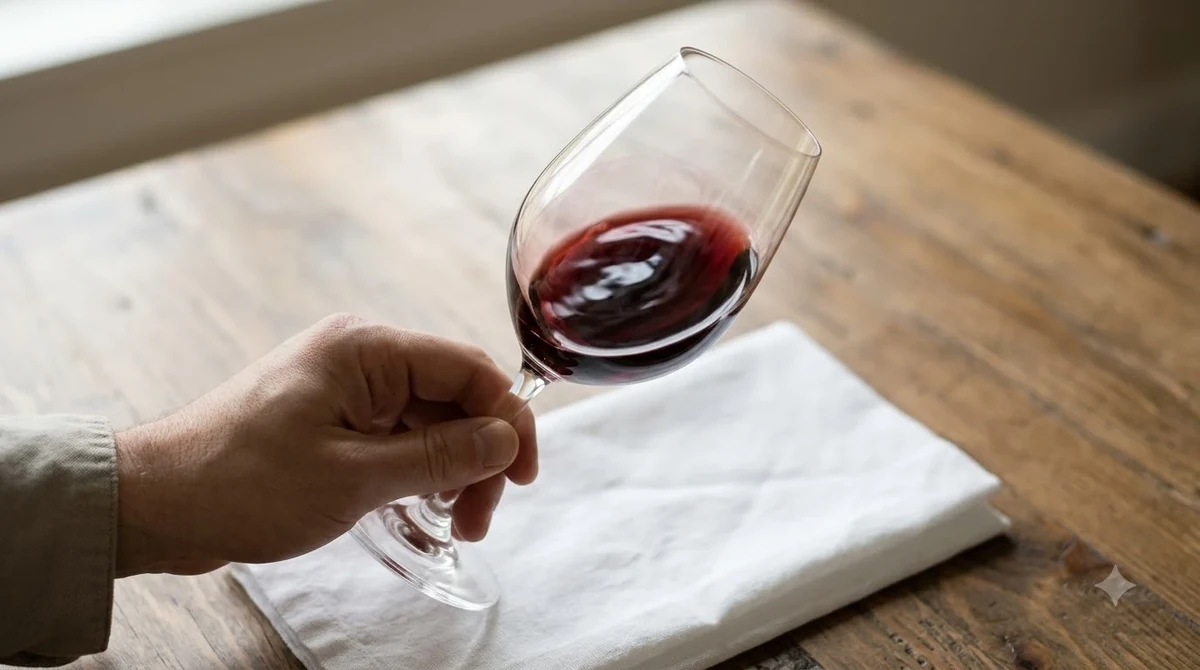
The area’s wine identity developed through the efforts of early growers and subsequent generations of winemakers. Chamisal and Paragon helped establish the modern commercial vineyard industry, while other producers explored the potential of Rhône varieties and aromatic whites. These pioneering efforts illustrate the region’s development from early experimental plantings into a recognized wine destination.
For additional background on the region’s early growers, vineyard development, and geology, the Wine History Project’s history of the Edna Valley AVA provides a detailed account of the people and plantings that shaped the appellation.
When planning a visit, Chardonnay and Pinot Noir are sensible starting points. Tasting both varieties side by side provides an introduction to the region’s characteristic acidity and fruit expression. A Syrah tasting can then show how the same cool maritime environment supports a more structured red wine.
Visitors can also compare different approaches to Chardonnay production. Some wines emphasize fresh fruit and restrained oak, while others receive barrel fermentation or aging that creates a fuller texture. Asking about fermentation vessels, aging periods, and vineyard sources can make a tasting more informative.
Vineyard visits are particularly useful for understanding the relationship between geography and wine. A view across the valley can reveal the surrounding hills and open pathways through which cool marine air reaches the growing area. The combination of morning fog and warmer afternoon conditions becomes easier to appreciate when experienced in person.
Harvest is another interesting time to learn about local wine production. Chardonnay picking can begin during August, Pinot Noir harvesting may continue into October, and Syrah can remain on the vine later. These different schedules reflect the ripening requirements of each variety.
For a broader perspective on the area’s producers and wine styles, Wine Enthusiast’s exploration of California’s lesser-known wine regions discusses Edna Valley’s pioneering vineyards, Rhône varieties, and Chardonnay and Pinot Noir traditions.
For a comfortable visit, plan appointments ahead of time and allow sufficient travel time between tasting rooms. Some producers operate by appointment, and tasting availability can differ depending on the day and season. Designating a driver or arranging transportation is also a practical way to enjoy a wine-country outing responsibly.
San Luis Obispo provides additional options for accommodation, restaurants, and other activities. Visitors can combine a vineyard visit with a meal in town or explore nearby coastal communities. The result is a wine-focused trip that does not require spending the entire day in tasting rooms.
People interested in comparing American wine regions can also explore the Yadkin Valley wine region in North Carolina. Its different climate, grape selection, and growing conditions provide a useful contrast to California’s maritime-influenced Edna Valley.
Frequently Asked Questions
Is Edna Valley the same as San Luis Obispo Coast?
No. Edna Valley is a distinct AVA within the larger San Luis Obispo Coast viticultural area. The broader appellation includes additional winegrowing districts with different vineyard locations and growing conditions. A bottle labeled Edna Valley identifies a more specific geographical origin than one labeled only San Luis Obispo Coast.
What does AVA mean on an Edna Valley wine label?
AVA stands for American Viticultural Area, a legally recognized grape-growing region in the United States. Federal labeling rules generally require at least 85% of the grapes in a wine carrying an AVA designation to come from that appellation. The designation identifies geographical origin rather than guaranteeing a particular quality level or winemaking style.
Is Edna Valley closer to Monterey or Santa Barbara?
Edna Valley is located in San Luis Obispo County, between the Monterey and Santa Barbara wine areas along California’s Central Coast. It lies south of Monterey County and north of Santa Barbara County. Its position gives it a distinctive coastal setting that differs from both neighboring areas.
Can Edna Valley wines age in the bottle?
Yes. Well-made Chardonnay, Pinot Noir, and Syrah can develop additional complexity with bottle aging, although their potential varies by producer, vineyard, vintage, and winemaking approach. Fresh, fruit-driven wines are often intended for earlier enjoyment, while more structured examples may reward several years of careful cellaring. Proper storage conditions are important for preserving their development.
What is the difference between Edna Valley and Arroyo Grande Valley?
Both are neighboring winegrowing areas in San Luis Obispo County, but they have separate AVA designations and distinct geographical identities. Edna Valley is especially recognized for its cool maritime influence and Chardonnay and Pinot Noir. Arroyo Grande Valley has greater variation in its growing conditions, with some vineyards experiencing warmer temperatures and different ripening patterns.
The Edna Valley wine region demonstrates how coastal geography, ancient soils, and a long growing season can shape distinctive California wines. Chardonnay and Pinot Noir remain its defining varieties, while Syrah and other grapes add depth to its selection. Whether exploring its vineyards or opening a bottle at home, the region offers an engaging expression of the Central Coast’s cool-climate wine character.
More in Wine Regions
 Willcox Wine Trail: Discover Arizona’s High-Elevation Wine CountryUpdated Nov 20, 2026
 Yakima Valley Wine Region: Find the Best Styles to TryUpdated Nov 20, 2026
 Vosne Romanee Wine Tasting: Identify Aromas and Choose Better PairingsUpdated Nov 20, 2026
 Yakima Valley Wine Festival: Find the Best Seasonal Wine EventsUpdated Nov 20, 2026
 Wales Vineyards: Discover Cool-Climate Wines and Where to VisitUpdated Nov 20, 2026
 Yountville Wine Festival: Discover Napa Wines and Local FoodUpdated Nov 20, 2026