

We may earn a commission when you buy through links on this page, at no extra cost to you. Learn more.
Dry creek valley wine tasting is best enjoyed through a relaxed visit to two or three wineries, with particular attention to the region’s celebrated Zinfandel, refreshing Sauvignon Blanc, and family-owned vineyard experiences. Located in Sonoma County, California, Dry Creek Valley combines historic vineyards, varied growing conditions, and scenic country roads. A little advance planning helps visitors choose the right tasting rooms, enjoy a leisurely lunch, and discover the differences between wines from individual vineyard sites.
Just outside Healdsburg, Dry Creek Valley offers a distinctive alternative to larger, more crowded wine destinations. Its wineries range from established producers with extensive tasting programs to small family operations where visitors can explore old-vine vineyards and less familiar grape varieties. Whether you are planning your first Sonoma County wine trip or returning to explore another vintage, understanding the region’s wines and geography makes the experience more rewarding.
Understanding Dry Creek Valley’s Wine Country Character
Dry Creek Valley is a compact Sonoma County appellation with a strong identity built around Zinfandel, family-owned wineries, and diverse vineyard conditions. Its relatively small geography makes it practical to visit several producers without spending the entire day driving.
The American Viticultural Area (AVA) measures approximately 16 miles long and two miles wide. According to the Winegrowers of Dry Creek Valley, more than 150 winegrowers and over 70 wineries contribute to the region’s wine industry. Nearly 9,000 acres of vineyards cover the valley, creating a landscape of vineyard blocks, rolling hills, and agricultural properties.
Dry Creek Valley received official AVA recognition in 1983. Its winegrowing history extends considerably further back. By the late 1880s, the area contained nine wineries and approximately 883 acres of vineyards, much of them planted with Zinfandel. Prohibition disrupted the industry, leaving only two wineries operating after its repeal in 1933. The region gradually recovered during California’s wine revival in the 1970s.
Today, the appellation is particularly associated with traditional Zinfandel production, although its wine selection extends well beyond that variety. Sauvignon Blanc, Cabernet Sauvignon, Merlot, Petite Sirah, Grenache, and other Rhône varieties contribute to the region’s diversity.
Geography also influences the visitor experience. Dry Creek Road and West Dry Creek Road run through much of the appellation, connecting tasting rooms, vineyards, farm properties, and picnic destinations. Healdsburg provides a convenient base for visitors who want restaurants, accommodation, and additional tasting opportunities within a short drive.
For a broader introduction to the appellation’s history, vineyards, and grape varieties, explore our guide to the Dry Creek Valley wine region.
Signature Wines to Taste During Your Visit
Zinfandel deserves priority during a Dry Creek Valley visit, but Sauvignon Blanc is another important regional specialty. Tasting both provides a useful introduction to the valley’s contrasting expressions of ripe fruit, freshness, and structure.
Zinfandel is the region’s best-known red grape. The Winegrowers of Dry Creek Valley report that approximately 2,400 acres are planted to the variety. Some vineyards contain vines more than a century old, giving visitors opportunities to compare traditional old-vine bottlings with wines produced from younger plantings.
Dry Creek Valley Zinfandel commonly displays blackberry, raspberry, black cherry, and plum flavors. Depending on the producer and vineyard, additional characteristics may include black pepper, baking spice, dried herbs, and earthy notes. Alcohol levels and tannin structures vary, so comparing several producers is more informative than assuming every bottle has the same profile.
Old-vine Zinfandel deserves particular attention. Frenchman Georges Bloch planted the valley’s first Zinfandel vineyard during the 1870s. Some historic vines survived the phylloxera crisis of the 1890s because growers replanted using St. George rootstock. These surviving vineyards form an important part of the region’s agricultural heritage. The Winegrowers of Dry Creek Valley’s Zinfandel overview provides additional background on the variety’s history and its importance to the appellation.
Sauvignon Blanc offers a refreshing contrast. Expect citrus, grapefruit, green apple, fresh herbs, and sometimes tropical fruit. Its naturally high acidity makes it especially useful alongside salads, seafood, goat cheese, and other foods with bright flavors.
Other varieties provide additional opportunities for comparison:
- Cabernet Sauvignon: A structured red with dark fruit, noticeable tannin, and potential cedar or herbal characteristics.
- Merlot: Generally softer than Cabernet Sauvignon, with plum, cherry, and a medium-bodied structure.
- Petite Sirah: A deeply colored red that can offer concentrated blackberry flavors and substantial tannin.
- Grenache: Often provides red berry fruit, spice, and a softer texture than more heavily structured reds.
- Chenin Blanc: An alternative white variety that can offer apple, citrus, floral notes, and refreshing acidity.
- Barbera and Sangiovese: Italian varieties that introduce brighter acidity and food-friendly red-fruit flavors.
One useful approach is to taste Sauvignon Blanc first, followed by lighter reds, then richer Zinfandel and Cabernet Sauvignon. This progression helps preserve your ability to recognize differences in acidity, fruit concentration, and tannin.
For visitors who want a wider selection, regional Dry Creek Valley vineyards offer a good starting point for comparing different producers and growing sites.
Best Wineries and Tasting Experiences to Consider
Dry Creek Valley has tasting experiences for different interests, from traditional Zinfandel flights to vineyard-view visits and unusual Italian grape varieties. Choosing two or three contrasting wineries generally provides a more satisfying day than attempting to visit every available tasting room.
Dry Creek Vineyard is a natural first stop for visitors seeking a broad introduction. Located at 3770 Lambert Bridge Road in Healdsburg, the winery offers guided tastings featuring regional Zinfandel, Sauvignon Blanc, Chenin Blanc, rosé, and Bordeaux-style wines. Its vineyard setting and established tasting program make it a useful place to begin comparing the region’s major styles.
The winery also offers dedicated Zinfandel flights featuring multiple expressions, including single-vineyard and blended wines. Visitors interested in comparing Cabernet Sauvignon and Bordeaux-style blends can choose a separate experience. Daily opening hours are listed as 10 a.m. to 4:30 p.m., with reservations strongly encouraged. The winery’s official tasting and visitor information describes its current tasting options, group arrangements, and vineyard experiences.
Bella Vineyards provides a different atmosphere on West Dry Creek Road. Its hillside wine cave offers a distinctive setting for tasting Zinfandel before visitors enjoy the surrounding vineyard views. This is a particularly interesting choice for travelers who appreciate architecture and scenery alongside the wines.
Ridge Lytton Springs is another worthwhile destination for Zinfandel enthusiasts. The producer is known for vineyard-focused wines, including field-blend expressions. Its tasting terrace overlooks the vineyard, making it a useful stop for understanding how individual growing sites contribute to the character of a wine.
A. Rafanelli Winery offers a smaller, family-operated experience. Its wines include Zinfandel, Cabernet Sauvignon, and Merlot. Visits require advance arrangements by phone, and groups are limited to six people. This makes it particularly suitable for travelers who prefer a more intimate appointment rather than a large tasting room.
Nalle Winery provides another perspective on traditional Zinfandel. Its wines include fruit from dry-farmed vines planted in 1927. The winery’s vineyard patio and family-oriented tasting atmosphere make it appealing to visitors interested in the history of local winegrowing.
Unti Vineyards is a good alternative for visitors who want something beyond the region’s familiar varieties. The estate grows Italian and Rhône grapes, including Sangiovese, Barbera, Grenache, and Vermentino, on 60 organically farmed acres. A tasting here can introduce visitors to styles that are less closely associated with mainstream California wine.
Each producer offers a different experience, so the best itinerary depends on your priorities. A Zinfandel enthusiast might combine Ridge Lytton Springs with Nalle Winery, while someone interested in grape diversity could pair Dry Creek Vineyard with Unti Vineyards.
Planning Reservations, Transportation, and Timing
Successful wine tasting requires more than selecting wineries. Reservations, travel time, and the number of appointments all affect how much visitors can enjoy during the day.
Start by selecting two or three tasting experiences. Although Dry Creek Valley contains more than 70 wineries, visiting too many in one afternoon can make the wines difficult to compare and leave little time for lunch or scenery. Two scheduled appointments and one flexible stop provide a comfortable structure.
Reservation policies vary between wineries. Dry Creek Vineyard strongly encourages advance bookings, while A. Rafanelli requires appointments arranged by phone. Nalle Winery has a Saturday open day, with other visits arranged by reservation according to its visitor information. Bella Vineyards and other producers may have different seasonal or group policies.
Before leaving, confirm opening hours, available tasting experiences, group-size restrictions, and cancellation policies directly with each winery. This is especially important for weekends, holidays, and larger groups.
Transportation deserves equal attention. If several adults are participating in tastings, arrange a designated driver, private wine tour, or suitable transportation service. Winery appointments can be spread across the valley, and rural roads are not a substitute for a planned transportation arrangement.
Allow approximately 90 minutes for a relaxed tasting appointment, including time to discuss the wines and enjoy the surroundings. Two or three visits, combined with a lunch break, can comfortably fill much of the day.
| Planning detail | Suggested approach | Why it helps |
|---|---|---|
| Winery visits | 2–3 stops | Allows time to compare wines |
| Individual tasting | 60–90 minutes | Provides a relaxed appointment |
| Lunch break | 60–90 minutes | Creates time for food and rest |
| Daily schedule | 5–7 hours | Leaves room for driving and scenery |
| Wine pour | 5 ounces | Standard reference serving size |
| Wine bottle | 750 milliliters | Approximately five standard glasses |
These are itinerary recommendations rather than fixed winery policies. Actual appointment durations and tasting formats depend on each producer.
Tip: Schedule your most important winery appointment early in the day, especially if it requires advance booking. Keep the final stop flexible so you can adjust the schedule if a tasting takes longer than expected or you find a particularly interesting wine.
Visitors who want to explore several producers during a special weekend can also investigate the Dry Creek Valley wine festival for additional opportunities to discover local wineries and their wines.
Scenic Routes, Picnics, and Food Stops
The roads through Dry Creek Valley are part of the attraction, and the choice between Dry Creek Road and West Dry Creek Road can shape the character of your visit. Both connect visitors with wineries, but their surroundings and driving experiences are different.
Dry Creek Road is generally the more practical route for moving between established tasting rooms and larger winery properties. West Dry Creek Road is narrower and particularly scenic, with vineyard views, smaller winery destinations, and several picnic-friendly properties.
A loop using both roads is a useful way to experience the valley. Visitors can travel up one road and return along the other, creating variety without repeatedly driving the same stretch. Leave additional time for rural traffic and unfamiliar entrances, particularly when visiting wineries by appointment.
Food is an important part of a successful tasting day. The Dry Creek General Store, an established landmark dating to 1881, is a convenient place to pick up provisions before heading into the vineyards. Troubadour in Healdsburg is another option for visitors who prefer to collect sandwiches before leaving town.
Some wineries also provide opportunities to enjoy food on their grounds. Preston Farm and Winery offers picnic tables, olive trees, estate olive oil, wood-fired bread, and other farm products. Its tasting and picnic arrangements require advance planning.
Dry Creek Vineyard has picnic grounds and seasonal outdoor experiences. Visitors can also explore its bocce offerings, which are available during part of the year. Quivira Vineyards is another destination associated with gardens, an olive grove, and shaded picnic facilities.
Food pairings can make the differences between wines easier to recognize. Zinfandel’s ripe fruit and substantial structure work well with grilled beef, barbecue, smoked meats, sausages, and hard cheeses. Salt and fat can soften the perception of tannin, making rich foods useful companions for structured reds.
Sauvignon Blanc is particularly suitable for goat cheese, fresh vegetables, grilled seafood, and salads with citrus dressing. Its acidity complements dishes with similar freshness. Chardonnay can work with roasted chicken, creamy pasta, and grilled fish, depending on its body and oak treatment.
One important consideration is that very spicy food can make alcoholic and tannic wines seem hotter. If your picnic includes chili-heavy dishes, a refreshing white with good acidity may be a more comfortable pairing than a powerful red.
Understanding Vineyard Differences and Tasting Techniques
Comparing wines from different vineyards is one of the most useful ways to understand Dry Creek Valley. Soil, elevation, sun exposure, and nighttime temperatures all contribute to the differences visitors encounter between producers.
According to the Winegrowers of Dry Creek Valley, the valley floor is characterized mainly by gravelly and sandy loam. These soils are generally deep and well drained. The surrounding benches and hills contain more gravelly clay loam, sometimes with a distinctive red appearance.
These variations influence how vines develop and how growers manage water and fruit production. Hillside vineyards with rocky soils can experience different growing conditions from properties on the valley floor. The resulting wines may differ in concentration, texture, and aromatic expression, although winemaking decisions also play a major role.
Climate adds another layer of distinction. Dry Creek Valley sits approximately 70 miles north of San Francisco and 20 miles east of the Pacific Ocean. Warm summer afternoons help grapes reach ripeness, while cooler nighttime temperatures influenced by coastal air help preserve acidity.
During July through September, daytime temperatures commonly reach the mid-80s Fahrenheit, according to the regional winegrowers’ organization. This combination of warm days and cool evenings supports both ripe red varieties and fresh white wines.
A simple approach to comparing wines
Rather than concentrating only on whether you like a particular bottle, compare the following characteristics:
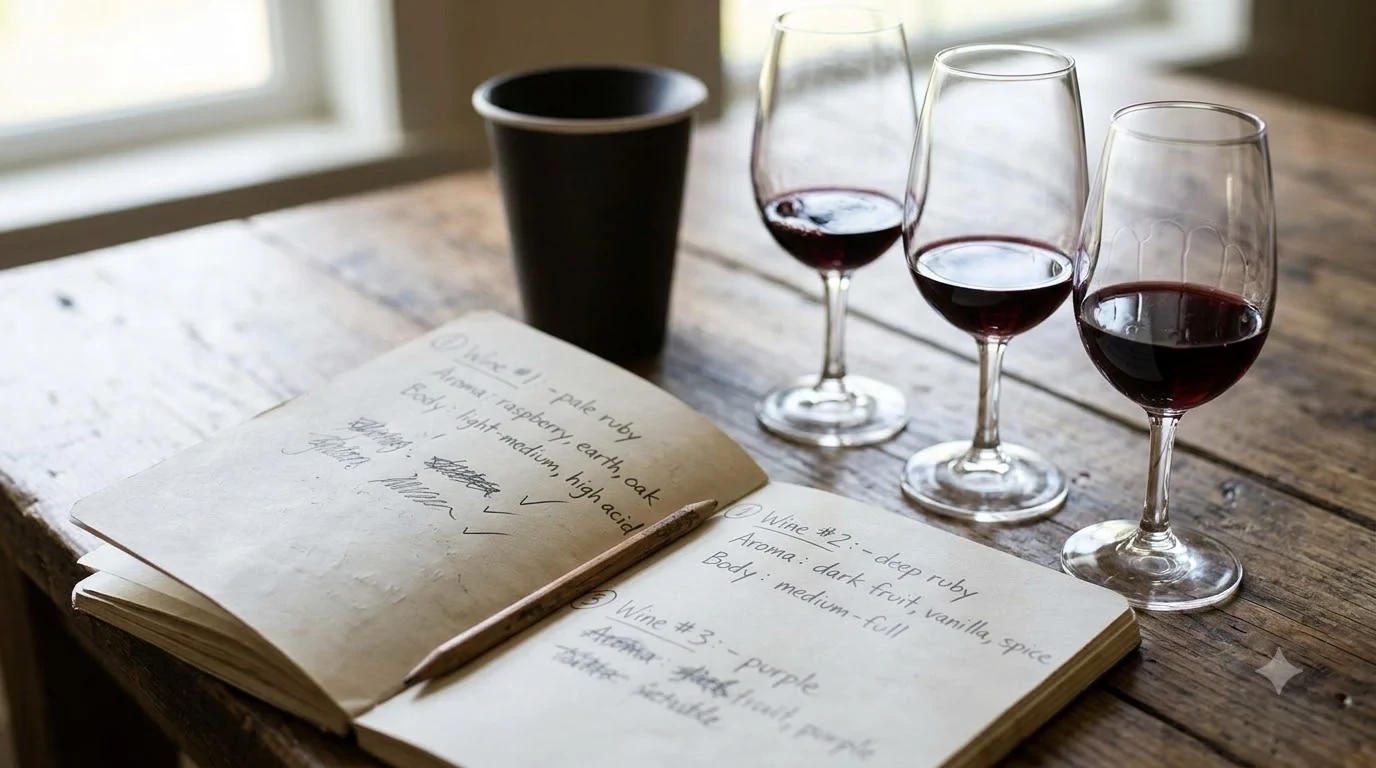
- Appearance: Notice color intensity and clarity. A deep purple-red Zinfandel may look quite different from a lighter ruby-colored red.
- Aroma: Look for fruit, herbs, spice, floral notes, and oak influences before tasting.
- Acidity: Notice whether the wine makes your mouth water. Sauvignon Blanc generally has more noticeable acidity than many full-bodied red wines.
- Tannin: Pay attention to the drying sensation along your gums and cheeks. Cabernet Sauvignon generally has higher tannin than Pinot Noir.
- Body: Consider how heavy or light the wine feels. Compare a concentrated Zinfandel with a lighter-bodied red to identify the difference.
- Finish: Notice how long the flavors remain after swallowing. Compare the length and character of the finish across producers.
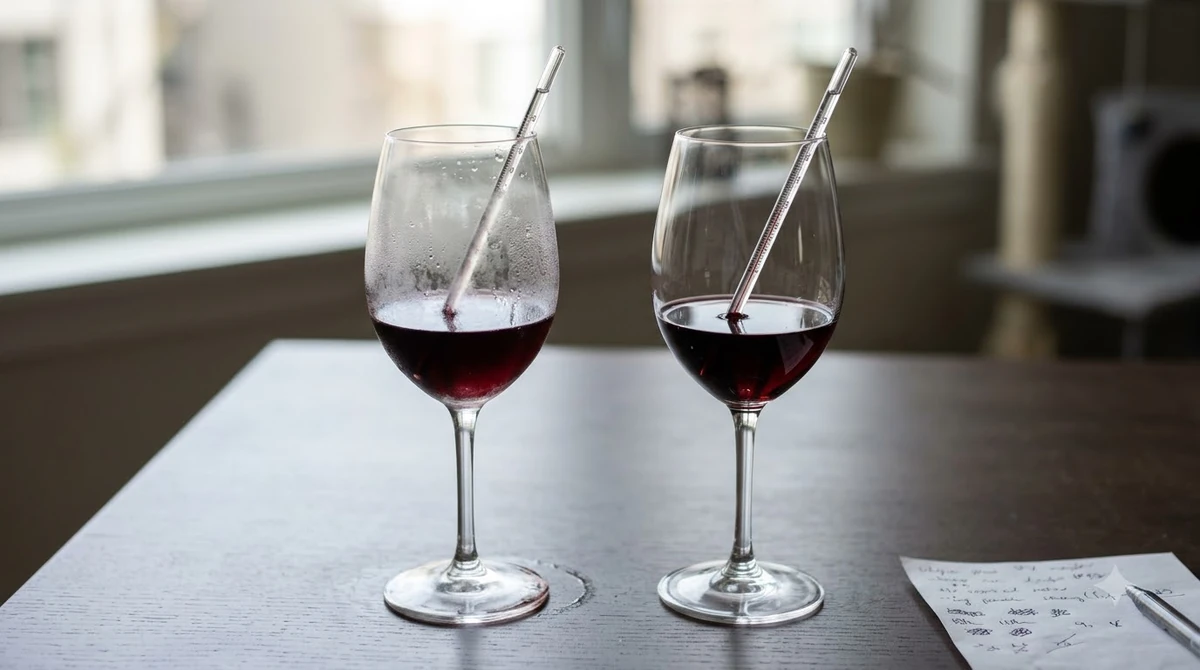
Serving temperature can also affect perception. Light whites and rosé are generally best served around 45–50 degrees Fahrenheit, while full-bodied reds are often more expressive around 60–65 degrees. A wine served too warm may seem more alcoholic, while an excessively cold red can appear harder and less aromatic.
Visitors do not need advanced wine knowledge to benefit from these comparisons. Asking a tasting-room host about vineyard location, grape growing conditions, and winemaking choices can provide useful context that makes each wine easier to understand.
A Practical One-Day Dry Creek Valley Itinerary
A well-organized day can combine a regional introduction, a focused Zinfandel tasting, a leisurely lunch, and a final visit featuring a different grape variety. The following schedule is a suggested route rather than a fixed appointment program.
9:30 a.m. – Start in Healdsburg. Have breakfast and collect any picnic provisions before heading toward the valley. Check the day’s winery reservations and confirm your transportation arrangements.
10:00 a.m. – Visit Dry Creek Vineyard. Begin with a tasting that introduces Sauvignon Blanc, Chenin Blanc, and Zinfandel. A mixed flight gives first-time visitors a useful overview of the appellation’s signature styles.
11:30 a.m. – Explore the central valley. Drive along Dry Creek Road or take the scenic West Dry Creek Road route, depending on your next appointment. Allow time to enjoy the vineyards and avoid rushing between tasting rooms.
12:00 p.m. – Enjoy lunch. Stop for sandwiches, local produce, or a planned winery picnic. Preston Farm and Winery is an option for visitors who have arranged a suitable appointment and picnic experience.
1:30 p.m. – Compare Zinfandel producers. Choose Bella Vineyards, Ridge Lytton Springs, or Nalle Winery according to your interests and confirmed availability. Consider tasting wines from different vineyard sites to explore differences in fruit character and structure.
3:00 p.m. – Finish with a different wine style. If time and reservations permit, visit Unti Vineyards for Italian and Rhône varieties. Sangiovese, Barbera, Grenache, and Vermentino offer a useful contrast to the region’s better-known wines.
4:30 p.m. – Return to Healdsburg. Finish the day with a relaxed drive back to town. Visitors who want to continue exploring can enjoy dinner in Healdsburg rather than adding another tasting appointment.
This itinerary can be shortened to two wineries if you prefer longer appointments or a more substantial lunch. Alternatively, dedicate the entire afternoon to Zinfandel by selecting three producers with different vineyard sites and winemaking approaches.
The important principle is to leave enough time for each visit. A smaller number of thoughtful tastings usually creates a better understanding of Dry Creek Valley than a rushed schedule involving five or six stops.
Frequently Asked Questions
What does the Dry Creek Valley AVA designation mean?
An American Viticultural Area is a federally recognized grape-growing region with defined geographic boundaries. The AVA system was established by the United States government to identify winegrowing areas with distinct geographic characteristics. Dry Creek Valley received its designation in 1983.
Can visitors find organic and sustainably farmed wines in Dry Creek Valley?
Yes. Some regional producers emphasize organic farming and other environmentally responsible practices. Unti Vineyards, for example, farms 60 acres organically. Visitors interested in particular certifications should ask individual wineries about their vineyard management and certification status.
Is Dry Creek Valley suitable for a wine trip during winter?
Yes. Winter visits can provide a quieter tasting experience than the busy summer and harvest periods. Vineyard landscapes change considerably after harvest, and visitors may encounter cooler, wetter weather. Reservations remain useful because individual wineries can adjust their seasonal schedules.
Which nearby towns are useful bases for visiting Dry Creek Valley?
Healdsburg is the most convenient base for many visitors because it offers accommodation, restaurants, and access to several Sonoma County wine regions. Geyserville is another useful nearby community, particularly for visitors exploring the northern part of Sonoma County. Both provide access to the broader Alexander Valley and Russian River Valley areas.
Are there wine tasting experiences for people who do not drink red wine?
Yes. Sauvignon Blanc is an important regional specialty, and wineries also produce Chenin Blanc, rosé, and other white wines. Some tasting programs offer dedicated white wine flights, allowing visitors to explore several styles without choosing red wine. Dry Creek Vineyard, for example, features Sauvignon Blanc, Chenin Blanc, and Petite Zin Rosé in its white wine and rosé selections.
Dry Creek Valley offers a rewarding combination of historic Zinfandel vineyards, distinctive white wines, family-owned producers, and scenic Sonoma County landscapes. Plan a manageable itinerary, reserve your preferred tasting experiences, and leave room to compare different vineyard expressions. A thoughtful visit provides a much clearer appreciation of what makes this small but important California wine region distinctive.
More in Wine Regions
 Willcox Wine Trail: Discover Arizona’s High-Elevation Wine CountryUpdated Nov 20, 2026
 Yakima Valley Wine Region: Find the Best Styles to TryUpdated Nov 20, 2026
 Vosne Romanee Wine Tasting: Identify Aromas and Choose Better PairingsUpdated Nov 20, 2026
 Yakima Valley Wine Festival: Find the Best Seasonal Wine EventsUpdated Nov 20, 2026
 Wales Vineyards: Discover Cool-Climate Wines and Where to VisitUpdated Nov 20, 2026
 Yountville Wine Festival: Discover Napa Wines and Local FoodUpdated Nov 20, 2026