

We may earn a commission when you buy through links on this page, at no extra cost to you. Learn more.
Clarksburg wine country is a Northern California wine region in the Sacramento River Delta, best known for its distinctive Chenin Blanc, Petite Sirah, family-owned wineries, and refreshing maritime-influenced growing conditions. Located approximately 20 minutes from Sacramento, the Clarksburg American Viticultural Area (AVA) offers a relaxed alternative to the state’s larger wine destinations. Visitors can explore historic vineyards, sample several grape varieties at the Old Sugar Mill, and enjoy the area’s agricultural landscapes and river scenery.
California’s wine reputation often centers on Napa Valley and Sonoma County, but the Sacramento Delta has a distinctive wine identity of its own. Clarksburg combines a long agricultural history with warm growing days, cool evenings, and fertile soils that support a broad selection of grapes. Its wines range from fresh, aromatic whites to concentrated reds, making the region an interesting destination for wine enthusiasts who want to discover a different side of California winemaking.
Where Clarksburg Sits in California’s Wine Country
Clarksburg is situated along the Sacramento River in Northern California’s Sacramento River Delta, primarily within Yolo County, with the AVA extending into portions of Sacramento and Solano counties. Its location provides convenient access from Sacramento while preserving the quieter atmosphere of a small agricultural community.
The Clarksburg AVA was established in 1984 and is geographically distinct from the better-known coastal wine regions. According to the Clarksburg Wine Growers Association, the appellation covers approximately 56,900 acres, measures about 16 miles long and eight miles wide, and contains approximately 10,000 acres of vineyards. Its boundaries encompass farmland, waterways, orchards, and residential communities rather than an uninterrupted landscape of vineyards.
The town itself is particularly small. Visit California describes Clarksburg as a community of slightly more than 400 residents, located at an elevation of approximately 10 feet above sea level. Its proximity to Sacramento makes it practical for a day trip, while its rural roads and riverside scenery give visitors a different experience from the busier tasting destinations farther west.
The Sacramento River Delta is central to understanding the region. Its waterways influence local temperatures, while its agricultural landscape supports a long tradition of farming. Wine grapes share the countryside with other crops, and vineyards often appear alongside orchards and open farmland.
Clarksburg also belongs to a wider Northern California wine landscape. Visitors interested in comparing different American wine destinations can explore Yadkin Valley wine country, which has its own distinctive regional grape-growing identity, or browse the broader collection of Wine Regions for additional destinations.
Climate, Delta Breezes, and Vineyard Soils
Clarksburg’s growing conditions are shaped by warm summer days, cooler evenings, and maritime air moving inland through the Sacramento Delta. This combination helps grapes develop ripe fruit flavors while retaining freshness and natural acidity.
The local Delta Breeze is one of the region’s defining climatic influences. Afternoon maritime winds carry cooler air inland, moderating temperatures after warm daytime conditions. These breezes contribute to the area’s distinctive growing environment and help explain why Clarksburg produces both aromatic white wines and structured reds.
Visit California describes summer temperature variations that can reach approximately 40 degrees Fahrenheit between daytime highs and nighttime conditions. Such substantial daily fluctuations help explain why Clarksburg can produce aromatic white wines with lively acidity alongside ripe, structured red wines.
Soil conditions also influence vineyard management and grape selection. The appellation contains fertile Delta farmland with alluvial deposits and varying combinations of clay, silt, and loam. These soils developed through the area’s river and agricultural history, providing a different growing environment from the rocky hillside vineyards associated with parts of Napa and Sonoma.
Flat terrain makes much of Clarksburg visually different from mountainous or rolling wine regions. Vineyards frequently occupy broad agricultural parcels, and irrigation, canopy management, and crop management play important roles in maintaining balanced grape development.
Tip: Pay attention to the growing conditions when comparing Clarksburg wines. The region’s warm afternoons and cool Delta-influenced evenings help explain why its Chenin Blanc can combine ripe fruit aromas with refreshing acidity.
For visitors, the climate also influences the best time to explore. Spring and fall can offer comfortable conditions for outdoor activities, while summer provides long days for winery visits and river excursions. During particularly hot afternoons, scheduling outdoor activities earlier in the day can make a visit more comfortable.
Chenin Blanc and the Grapes That Define Clarksburg
Chenin Blanc is the signature grape of Clarksburg and the variety most closely associated with its regional identity. The grape’s naturally versatile character allows producers to make crisp, dry wines, fruit-forward bottlings, and other expressions that emphasize freshness and texture.
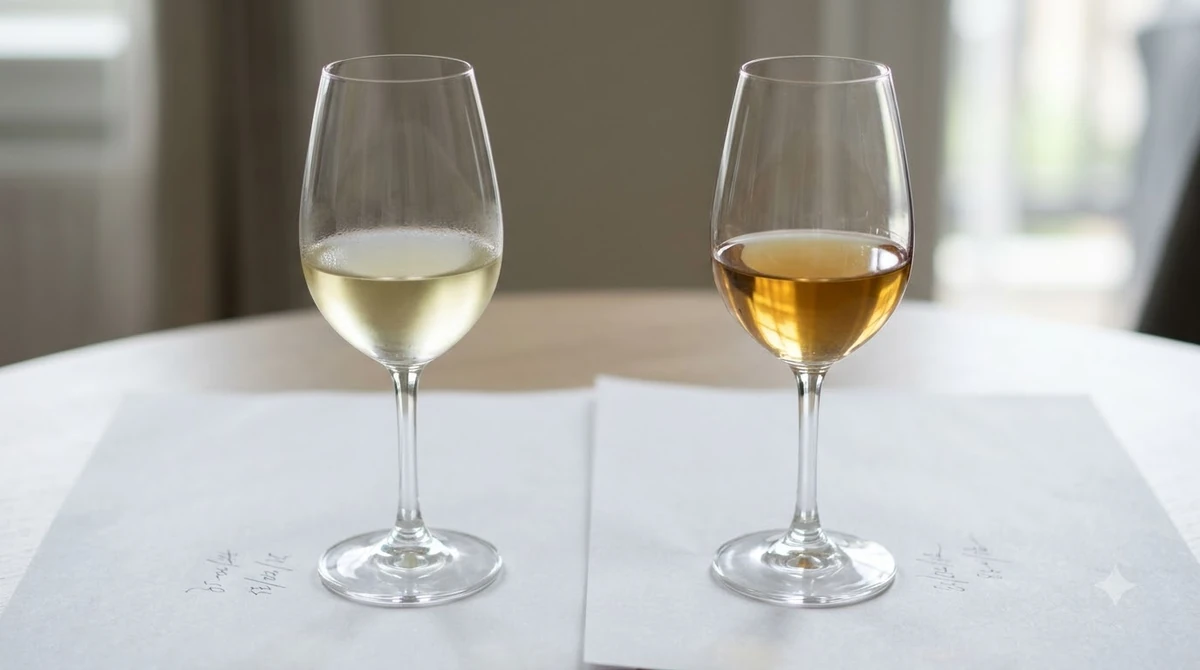
Clarksburg Chenin Blanc commonly displays aromas and flavors of apple, pear, citrus, melon, and stone fruit. Some examples also show floral, herbal, or mineral characteristics. The combination of ripe fruit and refreshing acidity makes the wines particularly useful at the dinner table.
Chenin Blanc’s versatility is one reason the grape has become so important to the appellation. Depending on vineyard conditions and winemaking choices, a bottle can emphasize crisp citrus, ripe orchard fruit, or a fuller texture. Stainless-steel fermentation often preserves fresh fruit character, while different aging approaches can contribute additional texture.
Although Chenin Blanc is the best-known variety, Clarksburg grows more than 25 grape varieties, according to the regional growers association. Chardonnay, Sauvignon Blanc, Albariño, Viognier, and Pinot Gris contribute to the area’s white-wine selection. Red varieties include Petite Sirah, Syrah, Merlot, Zinfandel, and Cabernet Sauvignon.
Petite Sirah is particularly important to the region’s red-wine reputation. It typically produces deeply colored wines with dark berry flavors, substantial body, and pronounced tannins. These characteristics make it suitable for richer meals, including grilled beef, smoked meats, and slow-cooked dishes.
Other red varieties offer different experiences. Merlot generally provides softer tannins and approachable fruit, while Cabernet Sauvignon tends to have more pronounced structure. Zinfandel can show ripe berry and spice characteristics, and Syrah may contribute dark fruit, pepper, and savory notes.
The following table summarizes the principal varieties visitors are likely to encounter. These are general grape characteristics rather than guarantees about every individual winery’s bottling.
| Grape variety | Wine style | Typical characteristics |
|---|---|---|
| Chenin Blanc | White | Apple, pear, citrus, melon, lively acidity |
| Chardonnay | White | Apple, pear, citrus, medium acidity |
| Sauvignon Blanc | White | Citrus, herbs, high acidity |
| Albariño | White | Citrus, stone fruit, refreshing acidity |
| Viognier | White | Floral aromas, peach, apricot |
| Petite Sirah | Red | Dark berries, deep color, strong tannins |
| Merlot | Red | Plum, cherry, softer medium tannins |
| Cabernet Sauvignon | Red | Blackcurrant, dark fruit, high tannins |
| Zinfandel | Red | Ripe berries, spice, generous fruit |
| Syrah | Red | Dark fruit, pepper, medium-plus to high tannins |
When exploring the appellation, begin with Chenin Blanc to understand its signature style, then compare a Petite Sirah and a Chardonnay. This simple three-wine comparison provides a useful introduction to the contrast between Clarksburg’s refreshing whites and its more structured reds.
Notable Clarksburg Wineries and Tasting Rooms
Clarksburg offers several ways to experience its wines, from concentrated tasting-room visits at the Old Sugar Mill to individual winery destinations surrounded by agricultural landscapes. First-time visitors can build a varied itinerary by combining established family wineries with smaller producers.
Old Sugar Mill
The Old Sugar Mill is one of the area’s most recognizable wine destinations. The historic brick complex originally operated as a sugar beet refinery, built in 1934, and was transformed into a wine destination around 2000. Its current website describes the property as home to 10 independent wineries and tasting rooms.
Its concentrated location makes it especially convenient for visitors who want to explore different producers without spending the entire day driving between vineyard properties. Elevation Ten Winery is among the businesses associated with the complex. The winery takes its name from Clarksburg’s approximate elevation of 10 feet above sea level.
Another producer worth investigating is Three Wine Company. Visit California highlights its traditional California varieties, including Zinfandel, Carignan, and Mataro. These wines provide an opportunity to compare grape varieties that differ considerably from the region’s familiar Chenin Blanc.
Bogle Family Vineyards
Bogle Family Vineyards is an important name in Clarksburg’s agricultural and wine history. Visit California traces the family’s local vineyard beginnings to Warren Bogle’s plantings during the 1960s and describes the business as a multigenerational family operation.
The winery is particularly associated with Petite Sirah, a variety that helps demonstrate the region’s ability to produce substantial, dark-fruited red wines. Its location on County Road 144 provides an alternative to the concentrated tasting-room experience at the Old Sugar Mill.
Heringer Estates
Heringer Estates offers another important perspective on the region’s agricultural heritage. The Yolo County wine tourism organization identifies the business as a family winery with deep roots in Clarksburg.
The estate is known for its vineyard history and diverse selection of wines. Visitors interested in understanding the relationship between family farming and winemaking can find its history particularly relevant.
Julietta Winery and Rendez-vous Winery
Julietta Winery is another destination associated with Clarksburg’s wine-growing identity. Visit California highlights its crisp Chenin Blanc and sunset views, making it an interesting option for visitors who want to experience the landscape as well as the wines.
Rendez-vous Winery also appears in regional tasting-room listings. Its presence alongside other producers demonstrates that the region offers several distinct tasting experiences rather than relying on a single winery or grape variety.
Before visiting, confirm individual tasting-room hours, reservation requirements, available flights, and event schedules. The Old Sugar Mill’s wineries operate independently, and its official visitor information notes that operating days and tasting arrangements can differ between businesses, especially during private events and seasonal celebrations.
For practical planning, consult the Old Sugar Mill’s official visitor information, which explains its winery layout, visitor policies, food options, and tasting arrangements.
Planning a Clarksburg Wine Country Day Trip
A Clarksburg visit is relatively easy to organize because the region is close to Sacramento and several wineries are concentrated in accessible locations. A practical itinerary combines tasting appointments, a meal, and time to explore the Delta’s agricultural scenery.
Start by deciding whether you prefer a tasting-room-focused day or a broader countryside experience. The Old Sugar Mill is a convenient first stop because its 10 currently listed wineries allow visitors to compare producers in one historic complex. Alternatively, a visit to Bogle Vineyards or Heringer Estates offers a more direct connection to individual winery properties and their agricultural settings.
For a relaxed day, allow approximately 60 to 90 minutes for each planned tasting destination, depending on the format and the number of wines available. Two or three winery visits are generally sufficient for a full day without making the schedule feel rushed.
A sample itinerary might look like this:
| Approximate time | Activity | Purpose |
|---|---|---|
| 10:00 a.m. | Arrive in Clarksburg | Begin with the countryside and local scenery |
| 10:30 a.m. | First winery visit | Explore Chenin Blanc and other white wines |
| 12:00 p.m. | Lunch break | Enjoy a meal before afternoon tastings |
| 1:30 p.m. | Old Sugar Mill | Compare wines from different producers |
| 3:30 p.m. | Scenic Delta drive | Explore river roads and historic bridges |
| 4:30 p.m. | Return toward Sacramento | Finish the day without rushing |
This schedule is an illustrative itinerary rather than a statement of winery operating hours. Actual appointments should determine the order of stops, and visitors should leave sufficient time between tasting appointments.
Transportation deserves attention. Arrange a designated driver or private transportation if several winery tastings are planned. Distances between wineries may appear short, but the rural road network, bridges, and river crossings can affect driving times.
For a longer visit, Sacramento provides a practical base with a broader selection of accommodation, dining, and other attractions. Visitors can also explore other parts of the surrounding wine landscape, including Hill Country vineyards, for a comparison with another American wine destination.
Delta Scenery, Food, and Outdoor Activities
Clarksburg offers more than tasting rooms. Its position within the Sacramento River Delta creates opportunities to combine wine visits with river scenery, cycling, historic bridges, and local dining.
River Road is one of the area’s appealing scenic drives. It follows the Sacramento River through a landscape of waterways, farms, and open countryside. The route provides a different perspective on California wine country, where agricultural activity remains a prominent part of everyday life.
Historic bridges are another part of the landscape. Visit California highlights the Freeport Bridge, a truss bridge built in 1929, as one of the area’s recognizable landmarks. These river crossings help connect the small communities and agricultural properties throughout the Delta.
Visitors interested in spending time on the water can investigate Sacramento River cruises. Regional tourism information highlights private two-hour guided excursions departing from Clarksburg Marina. These trips provide an alternative way to appreciate the waterways that influence the local climate and agricultural environment.
Cycling and hiking are additional possibilities. Flat agricultural roads can appeal to cyclists, although visitors should plan carefully around vehicle traffic and road conditions.
Local food and wine combinations
Food is an important part of a Clarksburg visit, especially because the region’s wines cover several different structural styles. Chenin Blanc, Sauvignon Blanc, and Albariño are natural choices for lighter meals, seafood, fresh vegetables, and poultry.
Chenin Blanc’s acidity makes it particularly adaptable. A dry example can complement roasted chicken, grilled shrimp, fresh goat cheese, and dishes with citrus-based sauces. If a dish contains substantial acidity, choosing a wine with comparable or higher acidity helps preserve the balance between the food and the glass.
For red wines, Petite Sirah works well with grilled beef, barbecue, smoked meats, and dishes with rich sauces. Its tannins are easier to balance when paired with protein and fat. Merlot can be a softer option for roasted pork, burgers, and mushroom-based dishes.
Visit California also highlights Husick’s Taphouse as a local dining destination. The restaurant occupies a former general store and post office building and is associated with dishes such as tri-tip, cornbread with honey butter, and cheddar-bacon macaroni and cheese.
Dinky Diner, located near the marina, provides another casual dining option. Its riverside setting makes it a natural stop for visitors combining food with a scenic drive or water-based activity.
Clarksburg’s rural setting also makes it worthwhile to leave time between winery appointments. A leisurely lunch, a walk near the river, or a drive past the vineyards can make the experience more varied than moving directly from one tasting counter to another.
Best Time to Visit and How to Enjoy the Wines
Clarksburg can be visited throughout the year, but spring and fall are particularly attractive for visitors who prefer moderate outdoor temperatures. Summer offers long daylight hours and active vineyard landscapes, although afternoon heat can make early appointments more comfortable.
Spring brings greener agricultural scenery and opportunities to enjoy outdoor dining and cycling. Fall is appealing for visitors interested in the grape-growing calendar and seasonal vineyard activity. Winery events and harvest-related experiences vary, so individual calendars are the best way to plan around special activities.
Summer is a useful time to understand the importance of the Delta Breeze. Warm afternoons followed by cooler evenings are a characteristic feature of the growing environment. Visitors can appreciate this contrast by arranging daytime tastings and spending some time outdoors later in the afternoon.
Wine service also affects how much detail visitors can appreciate in the glass. Chenin Blanc and Sauvignon Blanc are generally best served cool, around 45 to 50 degrees Fahrenheit. Chardonnay is often more expressive around 50 to 55 degrees Fahrenheit, depending on its style.
For red wines, lighter-bodied styles such as Pinot Noir generally benefit from serving temperatures of 55 to 60 degrees Fahrenheit. Fuller-bodied reds, including Petite Sirah and Cabernet Sauvignon, are often best around 60 to 65 degrees Fahrenheit. Serving them slightly cooler than a warm room temperature can help keep alcohol and tannin from dominating the fruit.
Food pairing can further highlight regional differences. Chenin Blanc’s refreshing acidity makes it suitable for fresh cheeses, poultry, seafood, and vegetable dishes. Petite Sirah’s stronger tannins are better matched with grilled meats and rich foods than delicate fish.
Visitors can also pay attention to the difference between grape varieties and winemaking choices. Two Chenin Blanc wines from the same region may have different textures depending on ripeness, fermentation choices, and aging. Some producers emphasize fresh citrus and apple, while others favor a fuller texture and more developed fruit character.
For a first visit, a simple tasting progression works well: start with a dry Chenin Blanc, move to a Chardonnay or Sauvignon Blanc, and finish with a red such as Petite Sirah or Merlot. This order makes it easier to appreciate differences in acidity, body, tannin, and fruit intensity.
Frequently Asked Questions
Is Clarksburg part of Napa Valley?
No. Clarksburg is a separate American Viticultural Area in the Sacramento River Delta, not a subdivision of Napa Valley. Its federal appellation designation is distinct from Napa’s AVA boundaries, and its agricultural landscape and maritime influences give it a different regional identity.
What does AVA mean on a Clarksburg wine label?
AVA stands for American Viticultural Area, a federally recognized grape-growing region with defined geographic boundaries. Under US labeling rules, at least 85% of the grapes in a wine labeled with an AVA designation must come from that appellation. The designation identifies grape origin rather than guaranteeing a particular flavor or quality level.
Can Clarksburg wines be found outside California?
Yes. Clarksburg grapes are used by producers beyond the immediate region, and some wines carrying the appellation designation are distributed through retailers in other states. Availability varies by producer, vintage, and distribution arrangements, so regional wines may appear in specialist wine shops and broader retail selections.
Is Clarksburg a suitable destination for visitors who do not drink wine?
Yes. The Sacramento Delta offers river scenery, historic bridges, cycling opportunities, and agricultural landscapes that can be enjoyed independently of wine tasting. Visitors can also investigate river cruises, local restaurants, and outdoor activities around Clarksburg Marina.
How many grape varieties grow in Clarksburg?
The Clarksburg Wine Growers Association identifies more than 25 varieties in the appellation, while the Clarksburg Winegrape Growers Association reports more than 35 varieties among its grower members. The figures reflect different regional descriptions, but both demonstrate the area’s considerable grape diversity. Chenin Blanc and Petite Sirah remain two of its most recognizable varieties.
Clarksburg wine country offers a distinctive introduction to California’s Sacramento Delta, combining signature Chenin Blanc, structured Petite Sirah, family farming traditions, and accessible tasting destinations. Whether exploring the historic Old Sugar Mill, visiting established wineries, or enjoying the river scenery, visitors can discover a wine region with a character that stands apart from the state’s better-known coastal destinations. Its combination of agricultural heritage, refreshing white wines, and diverse red varieties makes Clarksburg a worthwhile addition to any exploration of American wine regions.
More in Wine Regions
 Willcox Wine Trail: Discover Arizona’s High-Elevation Wine CountryUpdated Nov 20, 2026
 Yakima Valley Wine Region: Find the Best Styles to TryUpdated Nov 20, 2026
 Vosne Romanee Wine Tasting: Identify Aromas and Choose Better PairingsUpdated Nov 20, 2026
 Yakima Valley Wine Festival: Find the Best Seasonal Wine EventsUpdated Nov 20, 2026
 Wales Vineyards: Discover Cool-Climate Wines and Where to VisitUpdated Nov 20, 2026
 Yountville Wine Festival: Discover Napa Wines and Local FoodUpdated Nov 20, 2026