

We may earn a commission when you buy through links on this page, at no extra cost to you. Learn more.
Augusta wine tasting is an opportunity to explore America’s first federally recognized American Viticultural Area (AVA), sampling distinctive Missouri wines at historic wineries overlooking the Missouri River Valley. Located approximately 45 minutes west of St. Louis, Augusta offers several tasting rooms, scenic vineyard properties, local dining, and a winemaking heritage dating to the mid-1800s. Visitors can explore four principal wineries within roughly 10 miles, making this historic wine destination especially convenient for a one-day trip.
Missouri might not be the first place that comes to mind when planning an American wine getaway, but Augusta has a compelling story. Its combination of German winemaking traditions, distinctive growing conditions, historic estates, and contemporary tasting experiences makes it an interesting destination for wine enthusiasts. Whether you prefer dry reds, aromatic whites, sweet wines, or a relaxed afternoon with vineyard views, Augusta provides several ways to experience Missouri wine culture. Here is how to understand the region, choose wineries, and plan a rewarding visit.
Why Augusta Is an Important American Wine Region
Augusta holds a special place in American wine history because it became the country’s first federally recognized American Viticultural Area on June 20, 1980. Its designation preceded Napa Valley’s AVA recognition in January 1981, establishing Missouri as an important part of the development of the American wine appellation system. The Missouri Wine and Grape Board’s explanation of the state’s wine regions provides additional historical context for this distinction.
An AVA is a geographically defined grape-growing region recognized for distinguishing characteristics such as climate, soil, elevation, and geography. Unlike a simple marketing label, an AVA establishes an area’s identity and helps consumers understand where grapes originate. Augusta’s designation recognized approximately 15 square miles surrounding the town along the Missouri River.
The region’s wine-growing history began well before its official recognition. German immigrants arrived in the Missouri River Valley during the 19th century, bringing European agricultural knowledge and winemaking traditions. They recognized that the surrounding hills and soils offered opportunities for growing grapes and establishing vineyards.
Missouri subsequently became an important contributor to American viticulture. During the late 19th century, researchers and grape growers in the state also helped address the phylloxera crisis devastating European vineyards. Missouri native grape rootstocks demonstrated resistance to the destructive pest, and American rootstock was shipped to France to help restore its vineyards.
Prohibition, beginning in 1920, severely disrupted Missouri’s wine industry. Many vineyards disappeared, and established wineries closed or changed their operations. The industry gradually recovered during the 1960s and 1970s, eventually leading to Augusta’s historic AVA designation.
For visitors, this background makes a tasting more interesting than simply sampling several wines. Each winery represents part of a regional agricultural tradition that survived major economic and historical challenges. The Missouri wine industry also has its own official grape: Norton, also known as Cynthiana, which became the state’s official grape through legislation in 2003.
What to Expect From Augusta Wines
Augusta wine tasting offers an opportunity to explore wines associated with a continental climate and the distinctive grape-growing conditions of eastern Missouri. Visitors can encounter dry reds, lighter whites, fruit-forward selections, and sweeter wines, with individual winery portfolios reflecting different approaches to regional winemaking.
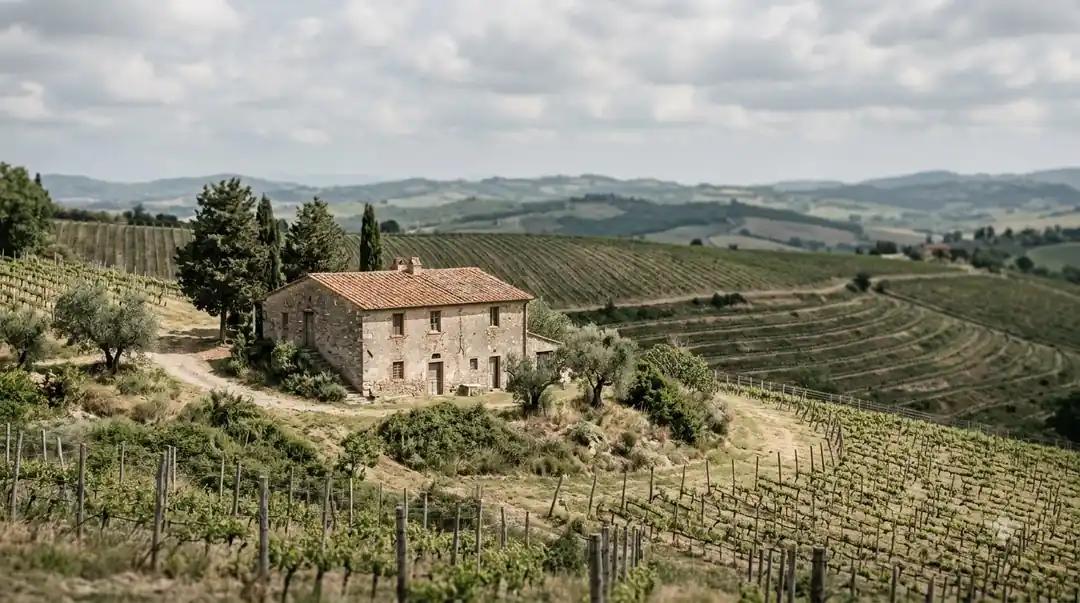
Norton deserves particular attention because of its connection to Missouri’s wine identity. This American grape is known for producing deeply colored red wines with substantial structure and distinctive fruit characteristics. Depending on the producer and winemaking approach, Norton can offer dark berry, cherry, and earthy notes. Its personality differs from familiar European varieties such as Cabernet Sauvignon and Pinot Noir.
Visitors may also encounter Chambourcin, a French-American hybrid grape that has found a place in Midwestern vineyards. It can produce red wines with dark fruit flavors, moderate structure, and approachable drinking characteristics. Its adaptability makes it an interesting variety to compare with Norton.
White wine drinkers should explore the selections available at individual tasting rooms rather than assuming every winery follows the same grape program. Chardonnay, Riesling, and other familiar varieties may appear alongside regional specialties. Their flavor profiles can range from crisp and refreshing to richer and sweeter expressions.
Sweet wine enthusiasts should also leave room for dessert selections and ports. Mount Pleasant Estates, for example, offers a tasting range that includes dry reds and sweet dessert ports. This variety makes it possible to compare different winemaking styles within a single destination.
Remember that grape variety alone does not determine a wine’s final flavor. Harvest conditions, fermentation choices, aging vessels, residual sugar, and blending decisions all influence the result. Asking the tasting-room staff about these details can help explain why two wines made from similar grapes taste different.
Visitors familiar with other wine destinations can also use comparisons to understand Augusta. The structured reds of Missouri offer a different experience from Willcox wine tasting, while the regional white wine traditions provide an interesting contrast with Alsace wine tasting.
The Best Augusta Wineries to Visit
The main Augusta winery circuit includes Augusta Winery, Montelle Winery, Mount Pleasant Estates, and Balducci Vineyards. These four properties sit within approximately 10 miles of one another, making it practical to visit multiple tasting rooms without spending the entire day driving.

Augusta Winery
Established in 1988, Augusta Winery is a convenient starting point for visitors interested in understanding the local wine selection. Located at 5601 High Street, its year-round tasting room offers Core and Premium tasting experiences, each featuring four wines.
The Core Tasting introduces visitors to a curated selection of the winery’s wines, while the Premium Tasting focuses on premium, limited-production selections. Private tastings and larger-group experiences are also available through advance arrangements. Ordinary tastings are generally first-come, first-served.
The Wine & Beer Garden is another reason to visit. Its outdoor setting includes a grapevine-covered arbor and weekend entertainment during the warmer months. Live music is generally offered from April through October, making this a particularly attractive stop for a relaxed afternoon.
Mount Pleasant Estates
Mount Pleasant Estates is one of Augusta’s most historically significant wineries. Founded in 1859, the estate has a long connection to the region’s wine-growing history and provides a setting where visitors can explore traditional Missouri wine styles.
Its tasting room offers a selection ranging from dry red wines to sweet dessert ports. This makes Mount Pleasant particularly useful for visitors who want to compare wines with different sweetness levels and structures during one visit.
The estate is located at 5634 High Street. Its property also includes the Appellation Café, providing an opportunity to combine wine tasting with food. Weekend live music is generally scheduled from April through mid-November, although individual performances and seasonal activities should be confirmed before arrival.
Montelle Winery
Montelle Winery is particularly appealing to visitors who value scenery alongside wine. Its hilltop location provides views overlooking the Missouri River Valley, creating one of the more recognizable landscape experiences in Augusta wine country.
The combination of wine tasting, food, and outdoor scenery makes Montelle a natural choice for a longer afternoon stop. Rather than rushing through a tasting, visitors can spend time appreciating the landscape and comparing different wines at a comfortable pace.
It is a good option for couples, small groups, and travelers who want a scenic break during a regional wine tour.
Balducci Vineyards
Balducci Vineyards brings Italian-inspired hospitality to the Augusta wine scene. The winery combines Missouri wine production with food, vineyard scenery, and a social atmosphere.
Its Italian-inspired food offerings make it especially attractive to visitors interested in pairing wine with a meal rather than treating every winery as a quick tasting stop. Guests can enjoy vineyard views, live music, and a more leisurely experience.
For a broader overview of American wine destinations and their distinctive regional identities, the Wine Regions resource provides useful context for comparing Augusta with other established growing areas.
How to Plan a One-Day Augusta Wine Tasting Trip
A one-day Augusta wine tasting trip is manageable because the principal wineries are relatively close together. A practical approach is to choose three or four tasting stops, allow time for lunch, and avoid scheduling every visit too tightly.
Begin in the late morning, ideally arriving around 11 a.m. This gives you time to enjoy the first tasting before the afternoon becomes busy. Augusta Winery is a convenient starting point because of its central location and year-round tasting room.
Continue to Mount Pleasant Estates for a historical perspective and an opportunity to compare dry reds with sweeter selections. Allow enough time for its tasting room and café rather than treating the estate as a brief photo stop.
For the afternoon, choose between Montelle Winery and Balducci Vineyards according to your preferences. Montelle is an attractive choice for river-valley scenery, while Balducci is appealing for Italian-inspired food and a relaxed social atmosphere.
| Planning detail | Typical arrangement | Why it matters |
|---|---|---|
| AVA designation | June 20, 1980 | Historical context |
| AVA area | Approximately 15 square miles | Understanding the appellation |
| Distance between four principal wineries | Roughly 10 miles | Convenient winery touring |
| Drive from St. Louis | Approximately 45 minutes | Day-trip planning |
| Augusta Winery opening | 11 a.m. | Suggested first stop |
| Augusta Winery closing | 5 p.m. | Allow time for the final tasting |
| Augusta Winery tasting selection | 4 wines per standard tasting | Structured wine comparison |
| Noboleis property | 84 acres | Additional vineyard experience |
The schedule below provides a useful framework rather than a fixed appointment plan. Actual tasting availability, food service, and event schedules can differ between properties.
Suggested afternoon itinerary
- 11 a.m.: Arrive at Augusta Winery and enjoy a four-wine tasting.
- Noon: Visit Mount Pleasant Estates and explore its historic setting.
- 1 p.m.: Enjoy lunch or a substantial food break at an appropriate winery or local dining venue.
- 2:30 p.m.: Visit Montelle Winery for wine and Missouri River Valley views.
- 4 p.m.: Finish with a relaxed visit to Balducci Vineyards if time and tasting availability permit.
Four winery visits can make for a full day, especially if you prefer detailed conversations with tasting-room staff. Three carefully selected stops are often a better choice for visitors who want to spend more time learning about individual wines.
Tip: Choose a designated driver before leaving St. Louis or arrange transportation that does not require anyone in your group to drive after drinking. A winery itinerary should allow time for food, water, and unhurried visits rather than encouraging visitors to rush between tasting rooms.
Best Time to Visit Augusta Wine Country
Augusta welcomes visitors throughout the year, but spring, summer, and fall offer different experiences. The best season depends on whether you prioritize outdoor seating, vineyard scenery, live music, or a quieter tasting-room visit.
Spring is an attractive time to visit because the vineyards begin showing fresh growth and outdoor winery spaces become more inviting. Several properties introduce seasonal activities during this period. Augusta Winery’s weekend music program generally runs from April through October, while Mount Pleasant Estates extends its regular weekend entertainment into mid-November.
Summer offers longer daylight hours and more opportunities to enjoy patios, gardens, and vineyard views. It is a suitable season for visitors who want to combine wine tasting with outdoor dining. However, Missouri summers can be hot and humid, so comfortable clothing, water, and shaded seating are useful considerations.
Fall is particularly appealing because the surrounding hills and vineyards take on seasonal colors. It is also a good time to explore the region’s agricultural character and enjoy outdoor events before colder weather arrives. Weekend visits may be busier, especially when wineries schedule live entertainment or seasonal celebrations.
Winter provides a different atmosphere. Indoor tasting rooms allow visitors to concentrate on wine styles and conversations with staff without the distractions of large outdoor gatherings. Some seasonal facilities may operate on reduced schedules, so advance planning is especially important.
Regardless of season, check individual winery calendars before traveling. Augusta Winery generally operates daily from 11 a.m. to 5 p.m., but closes on specified holidays, including New Year’s Day, Easter, Thanksgiving, Christmas Eve, Christmas Day, and New Year’s Eve.
Food, Wine Pairings, and Tasting Etiquette
Food is an important part of a successful Augusta wine tasting experience. Regional wineries provide different dining opportunities, including café-style meals, Italian-inspired dishes, snacks, and picnic-friendly outdoor settings. Matching food with wine also gives visitors a practical way to understand acidity, sweetness, tannin, and body.
Start with lighter wines before moving toward fuller reds and sweeter selections. This approach helps prevent strongly flavored wines from overwhelming more delicate examples. If you are comparing several wines, take small sips and allow time between samples.
Pairing regional wines with food
Norton and other structured red wines can work well with grilled beef, lamb, and dishes containing roasted mushrooms. Protein and fat soften the perception of tannin, while savory flavors complement the earthy and dark-fruit characteristics often found in fuller-bodied reds.
Chambourcin and softer red selections can accompany roasted chicken, pork, tomato-based dishes, and moderately seasoned sausages. The best pairing depends on the wine’s acidity and weight. Avoid overpowering a lighter red with heavily spiced sauces.
For white wines, consider fresh salads, grilled poultry, mild cheeses, and seafood. High-acid Sauvignon Blanc and Riesling can complement acidic dishes, while Chardonnay may be better suited to richer preparations depending on its texture and oak influence.
Sweet wines should generally be served with desserts that are no sweeter than the wine itself. A dessert that is significantly sweeter can make the wine taste thin or sour. Fruit desserts, pastries, and suitable cheeses can provide useful pairing opportunities.
Practical tasting habits
A typical wine tasting involves examining appearance, smelling the wine, taking a small sip, and considering the finish. You do not need advanced tasting vocabulary to participate. Describing a wine as fresh, fruity, dry, soft, tart, or full-bodied is a perfectly useful starting point.
Ask staff about the grape variety, fermentation method, aging process, and preferred serving temperature. If a wine is unfamiliar, ask what makes it characteristic of Missouri rather than comparing it only with wines from California or Europe.
Remember that a standard wine pour is approximately 5 ounces, and a 750-milliliter bottle provides about five standard glasses. Tasting flights usually involve smaller individual samples, but the combined alcohol can still add up over several stops.
Visitors should eat before or during their trip, drink water regularly, and avoid treating tasting rooms as a challenge to sample as many wines as possible. A slower visit is generally more enjoyable and makes it easier to remember the wines you particularly liked.
Practical Travel Tips for Visiting Augusta
Good planning can make the difference between a relaxing wine-country getaway and a rushed afternoon. Augusta is a small destination with several wineries, but individual businesses have different policies, facilities, and operating schedules.
Start by checking opening times and tasting arrangements for each winery. Augusta Winery generally offers ordinary tastings without reservations, but private experiences and large-group tastings require advance arrangements. Visitors arriving by bus, recreational vehicle, or limousine should contact the winery beforehand.
Food policies also vary. Augusta Winery welcomes picnic baskets but does not allow outside beverages. Noboleis Vineyards offers light fare such as café-style pizzas and seasonal flatbreads, while also permitting visitors to bring their own picnic. Mount Pleasant Estates has its own café, making it a useful option for a planned meal.
Pet policies deserve attention. Some Augusta-area tasting rooms do not allow pets, including Augusta Winery and Noboleis Vineyards. Visitors traveling with animals should verify each property’s current rules instead of assuming outdoor seating automatically means pets are permitted.
Comfortable walking shoes are useful because winery visits may involve outdoor terraces, vineyard grounds, and sloping paths. Bring a light jacket for cooler afternoons, particularly if you plan to spend time outside overlooking the Missouri River Valley.
Transportation deserves the most attention. The wineries are close enough to create an appealing road trip, but tasting several wines at different properties makes driving afterward inappropriate. Arrange a sober driver, private transportation, or another safe travel option before beginning the day.
Visitors who want to extend their trip can explore nearby communities such as Defiance, Dutzow, and Marthasville. The wider area includes historic buildings, shops, accommodation options, and outdoor attractions. The Katy Trail also provides an additional recreational opportunity for travelers who want to combine wine country with cycling or walking.
Finally, consider leaving room in your schedule for an unexpected favorite. A tasting-room conversation might introduce you to Norton, a local blend, or a dessert wine you had not originally planned to sample. Flexibility is one of the advantages of exploring a compact wine region rather than following a tightly packed sightseeing schedule.
Frequently Asked Questions
What does AVA stand for in American wine labeling?
AVA stands for American Viticultural Area, a federally recognized grape-growing region with defined geographic boundaries. The designation identifies the origin of grapes rather than guaranteeing a particular wine style or quality level. Under federal labeling rules, a wine generally must contain at least 85% grapes grown within the named AVA to use that appellation on its label.
What percentage of Missouri wine must come from Missouri grapes?
Missouri has a state-specific wine labeling program that recognizes wines made with Missouri-grown grapes. Its Missouri Quality Wine designation is associated with production and grape-origin requirements established by the state. This is separate from the federal AVA designation, which concerns geographic grape origin and has its own labeling rules.
What is the difference between Norton and Cynthiana grapes?
Norton and Cynthiana are two names commonly used for the same grape variety in American wine discussions. The grape has a long association with Missouri and is recognized as the state’s official grape. Its natural color and structure make it particularly interesting for producers specializing in fuller-bodied regional red wines.
Can visitors combine Augusta wine tasting with the Katy Trail?
Yes. The Augusta area offers access to the Katy Trail, a long-distance recreational trail following a former railroad corridor. Visitors can incorporate walking or cycling into a broader trip, although trail activities should be scheduled separately from wine consumption. The trail is especially useful for travelers interested in exploring Missouri’s river landscapes and historic communities.
Why did Missouri grape rootstocks become important to French winemaking?
During the late 19th century, phylloxera devastated vineyards across Europe. Native American grape roots showed resistance to this pest, and Missouri’s viticultural researchers and growers contributed to the supply of resistant rootstock used in European vineyard restoration. This historical connection gives Missouri wine country significance beyond its own regional production.
Augusta wine tasting combines American wine history, distinctive Missouri grape varieties, welcoming tasting rooms, and scenic countryside within a compact destination west of St. Louis. Start with Augusta Winery and Mount Pleasant Estates, then choose Montelle or Balducci for the remainder of your visit according to your interests. With a little advance planning and safe transportation, Augusta makes an enjoyable introduction to one of America’s most historically significant wine regions.
More in Wine Regions
 Willcox Wine Trail: Discover Arizona’s High-Elevation Wine CountryUpdated Nov 20, 2026
 Yakima Valley Wine Region: Find the Best Styles to TryUpdated Nov 20, 2026
 Vosne Romanee Wine Tasting: Identify Aromas and Choose Better PairingsUpdated Nov 20, 2026
 Yakima Valley Wine Festival: Find the Best Seasonal Wine EventsUpdated Nov 20, 2026
 Wales Vineyards: Discover Cool-Climate Wines and Where to VisitUpdated Nov 20, 2026
 Yountville Wine Festival: Discover Napa Wines and Local FoodUpdated Nov 20, 2026