

We may earn a commission when you buy through links on this page, at no extra cost to you. Learn more.
Adelaide Hills wine tasting introduces visitors to South Australia’s distinctive cool-climate wines, including Sauvignon Blanc, Chardonnay, Pinot Noir, and elegant Shiraz, at scenic cellar doors throughout the Mount Lofty Ranges. Located approximately 20 minutes east of Adelaide, this elevated wine region combines boutique wineries, beautiful vineyard views, sparkling wine specialists, and excellent local food. First-time visitors can enjoy a rewarding experience by selecting two or three wineries, exploring different grape varieties, and allowing enough time for relaxed tastings.
The Adelaide Hills offers a different experience from South Australia’s warmer wine-growing areas. Its higher elevations, varied slopes, and cooler growing conditions help produce fresh, aromatic whites and refined reds. Visitors can spend a morning comparing Sauvignon Blanc and Chardonnay, enjoy lunch overlooking the vineyards, and finish with Pinot Noir or traditional-method sparkling wine. Whether you prefer established producers or experimental small-batch wines, planning your stops around specific wine styles makes the experience more interesting and manageable.
Why the Adelaide Hills Is a Distinctive Wine-Tasting Destination
The Adelaide Hills stands out for its elevated vineyards, varied microclimates, and strong emphasis on cool-climate wine styles. Its proximity to Adelaide also makes it one of South Australia’s most convenient wine destinations for a day trip.
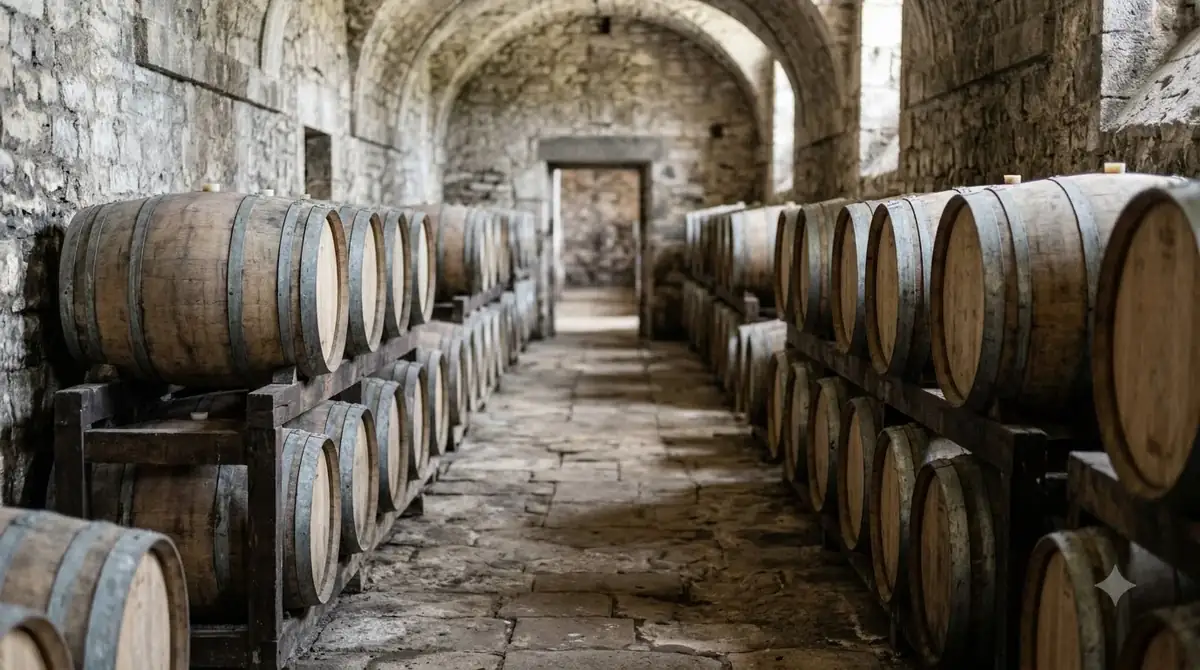
The region occupies part of the Mount Lofty Ranges, southeast of Adelaide. Wine Australia’s regional profile records approximately 3,957 hectares of vineyard area across a geographical indication covering nearly 1,500 square kilometers. Vineyard elevations range from 149 to 714 meters above sea level, creating substantial differences in growing conditions between individual locations.
Cooler locations generally favor varieties that benefit from a longer, more moderate growing season. Chardonnay and Pinot Noir are particularly important in higher, cooler vineyards, while Sauvignon Blanc performs exceptionally well across the region. Warmer and more sheltered sites can accommodate Shiraz and other red varieties.
The region’s geography also creates noticeable differences between individual vineyards. Steep slopes, changing aspects, and varied soil profiles mean that two producers growing the same grape variety can create wines with different levels of ripeness, texture, and aromatic intensity. This makes comparing producers an important part of a rewarding tasting experience.
According to Wine Australia’s regional profile, the growing season receives approximately 268 millimeters of rainfall, while the mean January temperature is 20.4 degrees Celsius. Elevation creates different mesoclimates across the valleys and sub-valleys. These conditions help explain why Adelaide Hills wines often retain refreshing acidity and balanced fruit character.
For visitors interested in understanding regional differences, it is useful to compare Adelaide Hills wines with other established destinations. For example, Dundee Hills wine tasting provides a different perspective on cool-climate Pinot Noir from Oregon, while the Adelaide Hills offers a broader combination of Sauvignon Blanc, Chardonnay, sparkling wine, and elegant red wines.
The region is also worth exploring for its developing alternative-variety movement. Producers work with grapes such as Grüner Veltliner, Arneis, Gamay, and Fiano, creating additional reasons to visit wineries beyond the familiar regional specialties.
Wine Australia provides a useful regional overview of vineyard elevations, climate, soils, and principal grape varieties in its Adelaide Hills regional profile.
The Best Adelaide Hills Wine Varieties to Taste
Start with Sauvignon Blanc and Chardonnay to understand the region’s signature white wines, then compare Pinot Noir and Shiraz to explore its red-wine styles. Sparkling wine and alternative varieties provide further opportunities to discover the area’s diversity.
Sauvignon Blanc
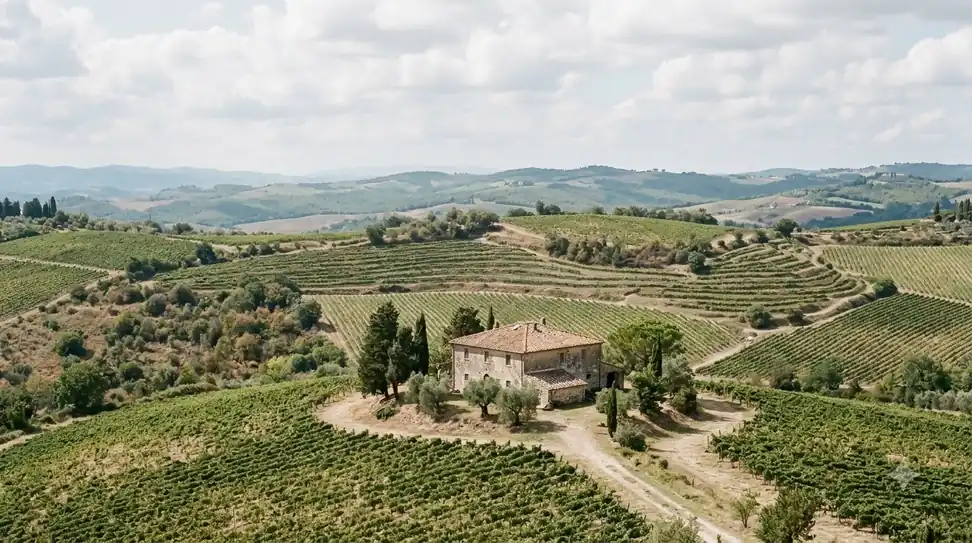
Sauvignon Blanc is one of the defining Adelaide Hills varieties. Wine Australia identifies it as the region’s most widely planted white grape, with a style that often emphasizes ripe tropical fruit, gooseberry, fresh herbs, and crisp acidity. Lime, grapefruit, pineapple, and passion fruit are useful descriptors to look for during a tasting.
Different producers emphasize different characteristics. Some wines are especially crisp and citrus-driven, while others show ripe tropical fruit and a more pronounced herbal character. Compare two or three examples side by side to understand how vineyard location and winemaking decisions influence the final wine.
Chardonnay
Adelaide Hills Chardonnay can range from lean and mineral to textured and complex. Expect refreshing acidity, citrus, stone fruit, and sometimes subtle oak-derived notes of toast, vanilla, or spice.
When comparing Chardonnay, ask whether the wine was fermented or matured in stainless steel, oak barrels, or a combination of both. Stainless-steel styles generally emphasize freshness and fruit, while barrel fermentation and maturation can contribute texture and additional layers of flavor.
Chardonnay also plays an important role in the region’s sparkling wine production. Sampling both a still Chardonnay and a sparkling example provides a useful comparison of how the same variety can perform in different styles.
Pinot Noir
Pinot Noir is another regional specialty. Adelaide Hills examples are commonly medium-bodied, with cherry and strawberry flavors, refreshing acidity, and relatively soft tannins.
Look for differences in red-fruit intensity, earthy notes, spice, and texture. Cooler vineyard locations can produce particularly delicate wines, while warmer sites may offer more concentrated fruit. Pinot Noir is also used in traditional-method sparkling wine, making it a versatile variety to explore.
Shiraz and Alternative Varieties
Adelaide Hills Shiraz offers a different expression from the powerful, fuller-bodied Shiraz associated with warmer South Australian regions. Expect a more restrained profile, with dark berries, pepper, savory notes, and balanced structure.
Alternative varieties are particularly interesting for visitors who already know the region’s major grapes. Grüner Veltliner can show citrus, herbal, and peppery characteristics, while Arneis offers a fresh, aromatic white-wine alternative. Gamay provides a lighter red option, and Fiano introduces another distinctive Mediterranean grape.
Artwine in Woodside is a useful destination for discovering these less familiar varieties. Its selection includes grapes such as Falanghina, Fiano, Arneis, Grüner Veltliner, and Gamay.
Tip: Ask the tasting-room staff to pour a regional Sauvignon Blanc, Chardonnay, Pinot Noir, and Shiraz flight if available. Comparing four different varieties provides a practical introduction to the region without requiring an extensive tasting schedule.
Cellar Doors and Wineries Worth Including in Your Visit
The Adelaide Hills has more than 50 cellar doors, giving visitors plenty of choice between established wineries, intimate tasting rooms, sparkling specialists, and vineyard restaurants. Choose wineries according to the experience you want rather than attempting to visit as many locations as possible.
The Lane Vineyard
Located in Hahndorf, The Lane Vineyard is a strong option for visitors who want wine tasting combined with scenic surroundings and food. Its 360-degree Panorama Experience provides a way to appreciate the surrounding landscape while enjoying the winery’s hospitality.
It is particularly suitable for visitors who want a relaxed tasting rather than a quick stop between several distant wineries. The combination of vineyard scenery and dining makes it a useful choice for a longer lunch or a leisurely afternoon.
Shaw + Smith
Shaw + Smith is a recognizable Adelaide Hills producer associated with the region’s cool-climate wine identity. Its location in Balhannah makes it convenient to combine with other nearby wineries.
Consider exploring its Sauvignon Blanc and Chardonnay to understand two of the area’s strongest white-wine styles. Comparing these wines also provides a useful starting point before moving on to Pinot Noir or other regional reds.
Hahndorf Hill Winery
Hahndorf Hill offers an interesting experience for visitors curious about Austrian grape varieties and cool-climate winemaking. Grüner Veltliner is particularly relevant here because the Adelaide Hills has become known for experimenting with this variety.
The winery also offers its ChocoVino experience, pairing premium wines with chocolate. This is an appealing option for visitors who want a more interactive tasting and an opportunity to explore how food changes the perception of wine.
Sidewood and Nepenthe
Sidewood in Hahndorf combines wine tasting with restaurant dining and hosted masterclasses. It is a useful stop for visitors who want more structured information about wine production and regional styles.
Nepenthe in Balhannah offers a modern cellar-door setting with large windows, an expansive deck, and a barrel room opening toward the lawn. The setting makes it an attractive choice for visitors who appreciate architecture and vineyard scenery alongside their wine.
Artwine and Pike & Joyce
Artwine in Woodside is particularly interesting for people seeking something beyond Sauvignon Blanc and Chardonnay. Its alternative varieties provide opportunities to compare lesser-known grapes and discover how Mediterranean varieties perform in a cool-climate Australian region.
Pike & Joyce in Lenswood is another worthwhile name to investigate, particularly for visitors interested in the area’s elevated vineyard conditions and sparkling wine production. Lenswood also provides an opportunity to understand how different parts of the Adelaide Hills contribute distinctive expressions of familiar grape varieties.
For a broader overview of individual producers, browse our guide to Adelaide Hills vineyards before choosing your stops.
Understanding Lenswood, Piccadilly Valley, and Other Vineyard Areas
The Adelaide Hills is not a single uniform vineyard landscape. Lenswood, Piccadilly Valley, Hahndorf, Woodside, and other localities offer different settings and growing conditions that influence the wines produced there.
Lenswood is particularly interesting for visitors seeking elevated vineyard sites and cool-climate wines. Its reputation is closely associated with Chardonnay, Pinot Noir, and sparkling wine. Producers such as Pike & Joyce and Mt Lofty Ranges Vineyard are useful names to investigate when planning a Lenswood-focused visit.
Piccadilly Valley is another important area for understanding the region’s diversity. Its cooler conditions are well suited to varieties such as Chardonnay and Pinot Noir, including grapes destined for sparkling wine production. Ashton Hills Vineyard, for example, is situated in the Piccadilly Valley at approximately 570 meters above sea level and is particularly associated with Pinot Noir.
Hahndorf provides a convenient combination of wine tasting, restaurants, and historic village attractions. The Lane Vineyard and Sidewood are examples of wineries that can fit into a Hahndorf-focused day. Hahndorf Hill adds a different perspective through its Austrian varieties and chocolate-pairing experience.
Woodside offers another worthwhile concentration of wineries. Artwine is especially relevant for alternative grape varieties, while Petaluma and other nearby producers provide opportunities to explore established regional styles. Visitors interested in combining wine with local produce can also investigate the area’s food experiences.
These locations are useful planning categories rather than strict indicators of wine style. Elevation, vineyard aspect, soil, grape selection, and winemaking choices all contribute to the character of an individual bottle. Two vineyards in the same locality can still produce noticeably different wines.
When tasting wines from different areas, ask producers about vineyard elevation, exposure, and harvesting decisions. These details can help explain differences in acidity, ripeness, aromatic expression, and body more effectively than relying on geographic names alone.
Planning a Wine-Tasting Day and Choosing the Best Season
A successful Adelaide Hills wine trip generally works best with two or three cellar-door visits, a planned lunch, and enough time to enjoy each tasting without rushing. Spring, summer, and autumn offer different scenery, while winter brings seasonal red-wine events.
Start by identifying the wine styles that interest you most. A visitor focused on Sauvignon Blanc and Chardonnay might choose producers in Balhannah and Lenswood, while someone interested in alternative varieties could include Woodside and Hahndorf Hill.
For a first visit, a three-stop itinerary is a practical structure. Begin with a morning tasting of white wines, continue with a vineyard lunch, and finish with Pinot Noir, Shiraz, or sparkling wine in the afternoon. This gives you a good overview without making the day feel like a checklist.
A Practical One-Day Itinerary
The following example uses well-known destinations to demonstrate how a relaxed day might work. Travel times between wineries depend on the selected route, traffic, and road conditions, so allow additional time rather than planning back-to-back appointments.
| Approximate time | Activity | What to explore |
|---|---|---|
| 9:30 AM | Leave Adelaide | Travel east toward the Adelaide Hills. |
| 10:00 AM | First cellar door | Compare Sauvignon Blanc and Chardonnay. |
| 11:30 AM | Second winery | Explore Pinot Noir or traditional-method sparkling wine. |
| 12:45 PM | Vineyard lunch | Enjoy a meal with regional wines and local produce. |
| 2:30 PM | Third cellar door | Try Shiraz, Grüner Veltliner, or alternative varieties. |
| 4:00 PM | Begin the return journey | Allow time for the drive back to Adelaide. |
These are suggested planning times, not guaranteed winery opening hours or appointment slots. Confirm tasting availability, restaurant reservations, and any booking requirements directly with each venue before setting out.
When to Visit
Spring brings fresh vineyard growth, flowering gardens, and attractive scenery. It is a good season for visitors interested in combining wine tasting with outdoor activities and local food experiences.
Summer is generally suitable for exploring the region’s white wines and enjoying outdoor tasting areas. The higher elevations provide a cooler alternative to Adelaide, although sunny afternoons can still be warm. Booking popular cellar doors ahead of time is sensible during busy travel periods.
Autumn is particularly appealing for vineyard scenery. Tourism Australia highlights the changing colors across vineyards, orchards, and gardens as an attraction during this season. It is also a natural time to focus on Pinot Noir, Shiraz, and other red wines.
Winter has its own appeal, particularly for visitors interested in the Winter Reds celebration, which takes place over the last weekend in July. Participating venues feature warming red wines, food, and seasonal activities.
Chardonnay May is another event to consider. The month-long celebration focuses on the region’s Chardonnay, with tastings, food pairings, and masterclasses offered by participating wineries and restaurants.
The official Visit Adelaide Hills winery directory is a useful resource for checking cellar doors, regional experiences, and seasonal wine events before arranging a trip.
How to Taste, Pair, and Serve Adelaide Hills Wines
Getting the most from a tasting involves more than simply identifying favorite grapes. Compare acidity, body, fruit intensity, texture, and finish, while considering how food and serving temperature influence each wine.
Begin with lighter white wines before moving to fuller whites, sparkling wines, and reds. If a tasting includes several Sauvignon Blancs, compare them together before moving on to Chardonnay. This makes differences in aromatic intensity and texture easier to recognize.
For each wine, look at its color, smell the glass, take a small sip, and consider how the flavor changes. Sauvignon Blanc may show citrus, tropical fruit, or herbs, while Chardonnay can reveal differences in oak influence, weight, and acidity. Pinot Noir often provides a useful contrast through its red-fruit character and softer tannins.
Recommended Serving Temperatures
Temperature has a significant effect on how wine smells and tastes. White wines served too warm can seem heavy, while reds served too warm may emphasize alcohol and reduce their freshness.
| Wine style | Recommended temperature | What it helps emphasize |
|---|---|---|
| Sparkling wine | 40–50°F | Freshness, bubbles, and crispness |
| Light white wines | 45–50°F | Acidity and aromatic freshness |
| Fuller-bodied whites | 50–55°F | Texture and layered aromas |
| Light-bodied reds | 55–60°F | Fruit character and balanced structure |
| Full-bodied reds | 60–65°F | Complexity and aromatic development |
Adelaide Hills Pinot Noir generally benefits from the cooler end of the red-wine range, while fuller Shiraz can be served slightly warmer. Sparkling Chardonnay and traditional-method sparkling wines are best enjoyed well chilled.
Food Pairing Suggestions
The region’s high-acidity whites work particularly well with foods that have fresh, bright flavors. Sauvignon Blanc is a natural partner for oysters, grilled prawns, goat cheese, and salads with citrus-based dressings. Its acidity helps balance the richness of seafood and creamy ingredients.
Chardonnay is versatile at the table. A leaner example pairs nicely with roast chicken, grilled fish, and vegetable dishes, while a fuller, oak-influenced style can accompany roast pork, creamy mushroom dishes, or richer poultry preparations.
Pinot Noir works well with roast duck, grilled salmon, mushroom risotto, and herb-roasted chicken. Its relatively moderate tannins and fresh acidity make it particularly useful with foods that might overpower a heavier red wine.
Shiraz pairs comfortably with grilled lamb, roasted beef, sausages, and dishes featuring black pepper or herbs. Its tannin and fruit concentration can complement savory foods, while salt and fat soften the perception of tannin.
For visitors exploring dessert wines, remember that the wine should generally be at least as sweet as the dessert. A dessert that is sweeter than the wine can make the wine seem thin or sharply acidic.
Making the Most of a Tasting Flight
A tasting flight is most useful when the wines have a clear point of comparison. Rather than selecting several unrelated wines, try three Sauvignon Blancs from different producers or compare Chardonnay from two different vineyard locations.
Ask the staff whether the wines share a grape variety, vineyard, or production technique. This gives you a framework for understanding why one wine feels more aromatic, textured, or restrained than another.
Take brief notes using straightforward descriptions. Terms such as citrus, peach, cherry, pepper, fresh herbs, oak, and acidity are more useful than complicated tasting language if you want to remember your preferences later.
For standard wine servings, a 5-ounce pour is a useful reference, and a 750-milliliter bottle contains approximately five such glasses. Tasting pours are normally smaller, so the number of wines sampled and the amount consumed can vary considerably.
If you are purchasing bottles to take home, store them away from direct sunlight and excessive heat. A storage temperature near 55°F is a useful target, with bottles containing natural cork generally stored on their sides.
Transportation, Reservations, and Responsible Winery Visits
Transportation deserves as much attention as winery selection because the Adelaide Hills is spread across winding roads and separate vineyard localities. A designated driver, guided wine tour, or prearranged transportation makes it easier to enjoy tastings without worrying about the return journey.
Tourism Australia identifies driving and guided tours as practical ways to explore the region. Although public transportation connects Adelaide with parts of the Hills, it does not necessarily provide convenient access to every cellar door. Visitors planning multiple winery stops should arrange transportation in advance.
Guided wine tours can be especially useful for first-time visitors. A local guide can help organize the sequence of wineries, coordinate appointments, and explain regional differences. Private tours may also make it easier to visit smaller producers that require advance arrangements.
If driving independently, select a designated driver who abstains from alcohol. Do not assume that tasting pours make driving safe or legal. Visitors should follow South Australian road laws and arrange alternative transportation whenever alcohol has been consumed.
Reservations are another important consideration. Some wineries welcome walk-in visitors, while others offer appointment-based flights, private tastings, or limited-capacity experiences. Experiences such as masterclasses, winery lunches, and special pairing sessions may require advance booking.
Before departure, confirm the following details:
- Opening days and tasting-room hours for each winery.
- Whether reservations are required for individual tastings.
- Whether food is available on-site or nearby.
- How long each tasting experience takes.
- Whether the venue offers indoor and outdoor seating.
- Whether special experiences require separate bookings.
- How transportation will be arranged for the entire day.
It is also important to respect the vineyards themselves. Follow winery instructions about vineyard access and avoid walking or driving between vine rows unless the producer specifically permits it. Vineyard environments need protection from pests and diseases that can spread through contaminated soil, footwear, and equipment.
Visitors can enjoy the scenery from designated paths, tasting areas, restaurant terraces, and approved viewing locations. Respecting winery instructions helps protect the vineyards and supports the producers who make the region’s wines possible.
For people interested in exploring additional wine destinations after their Adelaide visit, our Wine Regions collection provides further background on the grape varieties, growing conditions, and distinctive wine styles found in different areas. Visitors comparing American and Australian cool-climate wines may also find the differences between Adelaide Hills and Red Hills wine useful when developing their tasting preferences.
Frequently Asked Questions
Is Adelaide Hills an officially recognized wine geographical indication?
Yes. Adelaide Hills is a recognized Australian wine geographical indication, meaning the regional designation is governed by rules concerning grape origin. Australian wine geographical indications help protect regional identities and provide consumers with information about where the grapes used in a wine were grown.
What does the term méthode traditionnelle mean on a sparkling wine label?
Méthode traditionnelle refers to sparkling wine made using a second fermentation in the bottle rather than a pressurized tank. This technique can develop additional complexity through contact with spent yeast cells, known as lees. It is the production method traditionally associated with Champagne.
Can visitors purchase wines that are unavailable outside the cellar door?
Some wineries offer cellar-door-exclusive releases, limited bottlings, and wines from smaller production runs. These selections may not appear in ordinary retail distribution. Ask the tasting-room staff whether any exclusive or limited-release bottles are available during your visit.
What does single-vineyard Adelaide Hills wine mean?
A single-vineyard wine is made from grapes sourced from one identified vineyard rather than fruit blended from multiple vineyard sites. This approach allows a producer to communicate the characteristics of a particular growing location. Differences in soil, elevation, exposure, and vineyard management can influence the resulting wine.
What is the difference between a cellar door and a winery?
A winery is the production facility where grapes are processed and wine is made. A cellar door is the visitor-facing tasting and sales area associated with a winery or wine producer. Some cellar doors are located directly at the winery, while others operate separately from the production facilities.
Adelaide Hills wine tasting offers an excellent introduction to Australia’s cool-climate wines, with Sauvignon Blanc, Chardonnay, Pinot Noir, Shiraz, and traditional-method sparkling wine providing plenty of variety. Choose a manageable number of cellar doors, plan transportation before your visit, and leave time for local food and vineyard scenery. A thoughtfully planned day makes it easier to appreciate the region’s distinctive wines and the differences between its vineyard communities.
More in Wine Regions
 Willcox Wine Trail: Discover Arizona’s High-Elevation Wine CountryUpdated Nov 20, 2026
 Yakima Valley Wine Region: Find the Best Styles to TryUpdated Nov 20, 2026
 Vosne Romanee Wine Tasting: Identify Aromas and Choose Better PairingsUpdated Nov 20, 2026
 Yakima Valley Wine Festival: Find the Best Seasonal Wine EventsUpdated Nov 20, 2026
 Wales Vineyards: Discover Cool-Climate Wines and Where to VisitUpdated Nov 20, 2026
 Yountville Wine Festival: Discover Napa Wines and Local FoodUpdated Nov 20, 2026