

We may earn a commission when you buy through links on this page, at no extra cost to you. Learn more.
When to drink vintage port depends on the vintage, producer, and storage conditions, but many bottles reach an enjoyable balance after 15 to 25 years in the bottle. Some can be enjoyed young for their concentrated fruit, while exceptional examples can develop beautifully for several decades. For a classic mature experience, look for developed aromas, softer tannins, and a balance between sweetness, acidity, and complexity rather than relying on age alone.
Vintage Port is one of the most age-worthy styles of fortified wine, but deciding when to open a bottle can be challenging. Unlike many everyday wines, it is bottled young and develops much of its character through extended bottle aging. Its journey from powerful, fruit-filled youth to mature complexity can take decades, and the best moment to open a bottle depends on what you enjoy drinking. Understanding its aging stages, storage requirements, and preparation will help you choose the right occasion instead of opening a valuable bottle too early or waiting until its best years have passed.
Typical Vintage Port Drinking Windows and Aging Stages
Most traditional Vintage Port benefits from substantial bottle aging, with approximately 15 to 25 years providing a useful starting point for drinkers who prefer mature flavors. However, younger bottles can offer plenty of enjoyment, and well-made examples may remain rewarding for considerably longer.
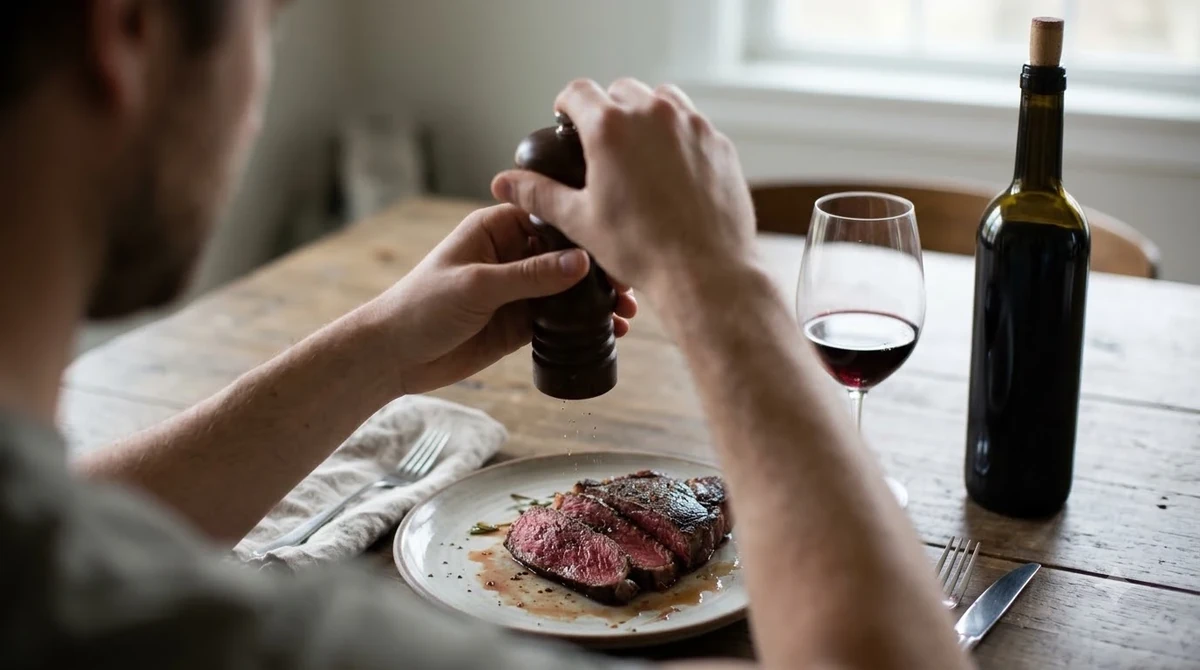
Vintage Port begins its life with concentrated fruit, considerable structure, and considerable sweetness. Producers generally bottle it after a relatively short period of maturation in large wooden vessels. Unlike Tawny Port, which develops through extended barrel aging, Vintage Port spends most of its long maturation period inside the bottle. This difference explains why patience is so important.
During the first two or three years after bottling, a Vintage Port may display an appealing combination of fresh black fruit, floral aromas, and powerful sweetness. It can be enjoyable at this stage, particularly for people who like intense fruit flavors. However, its tannins and alcohol can feel prominent, and its different components may not yet have settled into a harmonious whole.
After this initial youthful period, many Vintage Ports enter what wine professionals describe as a closed or adolescent phase. Their fruit aromas become less expressive, and the wine may seem less generous than it did shortly after release. According to Richard Mayson in Decanter’s discussion of Vintage Port drinking windows, this stage can last as long as 20 years, depending on the vintage and shipper.
As the wine matures, its character gradually changes. Fresh blackberry and plum can give way to dried fruit, fig, raisin, spice, cocoa, and more developed aromas. Tannins generally become less assertive, allowing the wine’s sweetness, acidity, and mature complexity to work together. This is the stage many collectors wait for, although the exact timing differs from bottle to bottle.
The following timeline provides practical starting points rather than guaranteed drinking dates:
| Age after bottling | Typical development | Drinking guidance |
|---|---|---|
| 0–3 years | Fresh, concentrated fruit and firm structure | Enjoy young if you like powerful fruit |
| 3–10 years | May enter a closed, less expressive phase | Often worth holding |
| 10–15 years | Some examples begin showing mature character | Consider single-quinta bottlings |
| 15–25 years | Many bottles develop greater balance and complexity | A useful target for mature enjoyment |
| 25–40 years | Developed fruit, spice, and more nuanced aromas | Assess individual bottle condition |
| 40+ years | Potentially delicate, complex, and fully mature | Open carefully and serve promptly |
These ranges are broad because there is no universal maturity schedule for every producer or harvest. A strong bottle from an excellent vintage may remain youthful after 20 years, while another may reach an attractive drinking stage sooner. Proper storage is equally important. A bottle kept in a cool, stable cellar is more likely to follow its expected development than one exposed to repeated temperature changes.
How Vintage Quality and Producer Influence Maturity
The vintage and producer are two of the most important factors in deciding when to open Vintage Port. A celebrated harvest from a producer known for structured, long-lived wines may need more patience than a lighter single-quinta bottling from the same period.
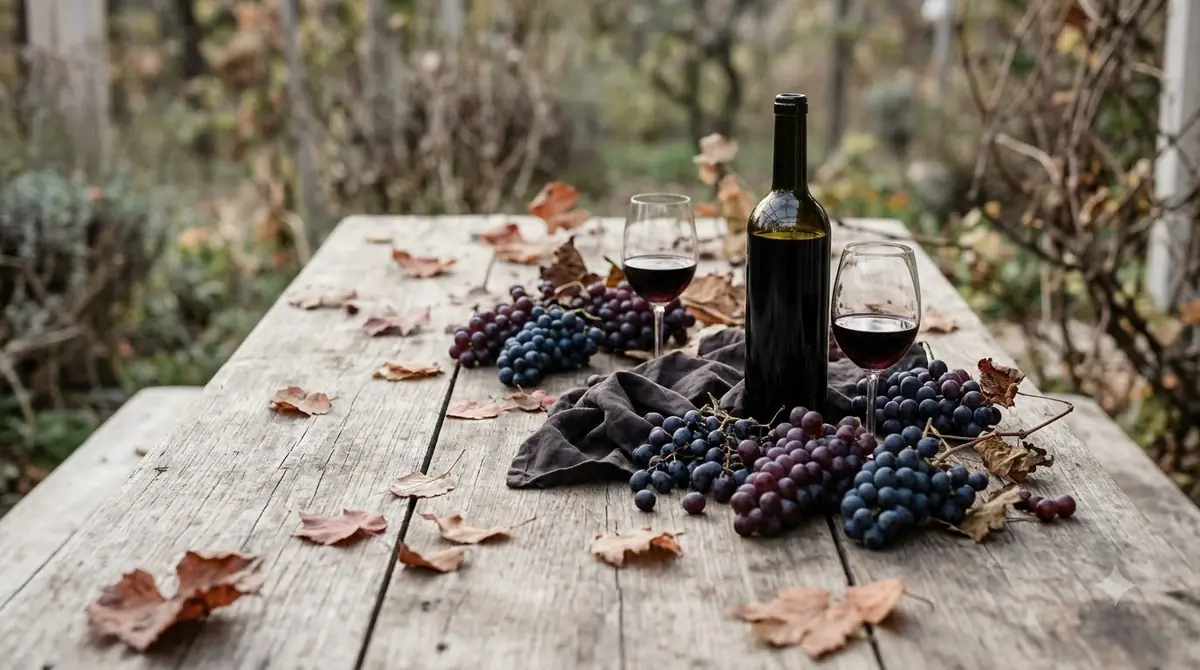
Vintage Port is not necessarily declared every year. Producers evaluate the quality of the harvest and the resulting wines before deciding whether to release a Vintage Port under the full vintage designation. This selective approach means that the quality and aging potential of individual years can vary considerably.
The Douro Valley in northern Portugal is the source of Vintage Port. Its steep vineyards, hot summers, and distinctive growing conditions contribute to wines with concentrated fruit and substantial structure. The grape varieties commonly used in Port blends include Touriga Nacional, Touriga Franca, Tinta Roriz, Tinta Barroca, and Tinto Cão. Their proportions and the conditions of the growing season help shape the finished wine.
Producer style also matters. Some houses favor particularly powerful, dense wines that can take many years to become approachable. Others produce Vintage Ports with expressive fruit and a more accessible early character. This is why two bottles from the same declared year may not reach their ideal drinking windows at exactly the same time.
Single-quinta Vintage Port
Single-quinta Vintage Port comes from one named estate rather than a blend assembled from several properties. These wines can offer a different maturity profile from a producer’s main Vintage Port. Richard Mayson notes that single-quinta examples may begin to emerge into fragrant adulthood after approximately 10 years in bottle.
That does not mean every single-quinta Port should be opened at 10 years. The estate, vintage, and producer’s winemaking approach still influence its development. Some examples can benefit from considerably more time, while others provide an appealing introduction to mature Port without requiring the longest possible wait.
Understanding vintage-specific differences
When assessing a bottle, look for information about the producer and the particular harvest rather than relying entirely on its age. A well-regarded vintage can provide a useful indication of potential longevity, but it cannot guarantee that an individual bottle has been stored properly or is currently drinking well.
It also helps to distinguish between a declared Vintage Port and Late Bottled Vintage (LBV). LBV generally spends longer aging before release and is often ready to drink earlier. Traditional Vintage Port, by contrast, is designed for extended bottle maturation. They are different styles, so an LBV’s age should not be used as a direct guide to opening a Vintage Port.
Signs That a Vintage Port Is Ready to Drink
A ready-to-drink Vintage Port should show a satisfying balance of fruit, sweetness, acidity, tannin, and mature aromas. Age provides a useful clue, but the wine’s actual condition and character are more important than the number printed on its label.
One of the clearest signs of maturity is a change in aroma. Younger Vintage Port often emphasizes black cherry, blackberry, cassis, plum, and violet. As it develops, these primary fruit characteristics can become more integrated with dried fig, raisin, prune, spice, cocoa, nuts, and earthy notes.
The appearance may also change. A young Vintage Port is often deep purple or nearly opaque, while an older bottle can develop a lighter rim with garnet, brick-red, or brownish tones. Some sediment is normal and expected. It forms as the wine ages and is not automatically a sign of spoilage.
Texture offers another important clue. A young bottle can feel dense and tightly structured, with powerful tannins and a pronounced concentration of fruit. A mature bottle generally feels more integrated, with a smoother impression on the palate. Its sweetness should remain balanced by acidity rather than tasting simply sugary or heavy.
What if the wine still tastes young?
A bottle that appears closed or restrained is not necessarily past its prime. Vintage Port can temporarily lose some aromatic expression during its adolescent phase. If it seems firm, muted, or dominated by tannin, it may benefit from further bottle aging rather than immediate opening.
However, a wine that seems unusually flat, excessively oxidized, or lacking in fruit may have experienced poor storage or may have passed its best period. An old bottle is not automatically better than a younger one, and additional aging cannot reverse deterioration.
For a special occasion, a practical approach is to research the producer and vintage, then consider opening a bottle from the same case before serving the remaining bottles. This provides a useful indication of how that particular wine is developing. It also helps avoid opening the last bottle of a case without knowing whether it is still in good condition.
Tip: If you have several bottles from one vintage, open one when it enters its expected drinking window. Make a note of its aromas, structure, and finish. That experience can help you decide whether the remaining bottles should be enjoyed soon or kept in the cellar longer.
How to Store Vintage Port Before Opening
Correct storage helps Vintage Port mature gradually and preserve its fruit, structure, and complexity. A cool, dark location with a stable temperature is preferable to a warm kitchen cabinet or a storage area exposed to seasonal temperature changes.
Keep traditional cork-sealed Vintage Port bottles on their sides. This position keeps the cork in contact with the wine and helps maintain a suitable seal during extended storage. A temperature near 55°F is a useful cellar target, although consistency is more important than achieving one exact number.
Temperature fluctuations can be particularly damaging. Repeated warming and cooling can accelerate unwanted chemical changes and increase the risk of oxidation. A bottle kept in a room that regularly reaches 75°F is unlikely to age as reliably as one stored in a properly controlled cellar.
Light is another consideration. Direct sunlight and strong artificial lighting can affect wine over time, so choose a dark storage space whenever possible. Avoid placing valuable bottles near heating equipment, ovens, radiators, or windows.
Vibration should also be minimized, particularly for older bottles that have accumulated sediment. A quiet storage location allows the deposit to remain settled rather than being repeatedly disturbed.
Preparing an old bottle for opening
Before opening a mature Vintage Port, stand the bottle upright so its sediment can settle at the bottom. The exact preparation time depends on how much the bottle has been moved and how much sediment it contains. If the bottle has been resting undisturbed in a cellar, it may need less time than one recently transported across a long distance.
Very old corks can become fragile and may crumble during removal. A traditional corkscrew can work with a sound cork, but an older bottle may require a two-pronged opener or another suitable tool designed for delicate corks. Work slowly rather than pulling aggressively.
If you are planning a celebration, prepare the bottle ahead of time. Allow enough time for sediment to settle, the cork to be removed carefully, and the wine to be decanted. These simple steps reduce the risk of disturbing the deposit and help preserve the bottle’s character.
For readers interested in how bottle size changes the amount available to serve, our guide to how many glasses in a magnum explains standard wine bottle and magnum serving quantities.
How Long to Decant Vintage Port Before Drinking
Vintage Port should generally be decanted to separate the wine from its natural sediment and allow the aromas to develop. A useful starting point is two to three hours before serving for bottles younger than 40 years and 30 to 60 minutes for bottles older than 40 years.
These recommendations come from Charles Symington, whose guidance is published by The Vintage Port Site. The difference reflects how younger and older wines respond to oxygen. A relatively young Vintage Port can benefit from additional air exposure, while a very mature example may lose freshness if left in a decanter for too long.
Start by standing the bottle upright. According to the Vintage Port Site, bottles younger than 40 years generally need approximately 10 to 15 minutes, while bottles older than 40 years can stand upright for about 30 minutes. This allows the heavier sediment to settle before pouring.
Next, prepare a clean decanter and arrange a light source behind the bottle. Remove the cork carefully, wipe the bottle neck, and pour slowly in one steady movement. Watch the neck of the bottle as the wine flows. Stop when sediment begins moving toward the opening, leaving the cloudy final portion behind.
Decanting younger Vintage Port
For a bottle aged 10, 15, or 25 years, begin with the two-to-three-hour recommendation. These wines often have enough concentration and structure to benefit from a longer period of exposure to air. Their aromas may become more expressive, and their tannins may seem better integrated after some time in the decanter.
Do not assume that more air is always better. Taste a small amount immediately after opening and again before serving. If the wine is already expressive and balanced, there may be little reason to extend its time in the decanter.
Decanting very old Vintage Port
For bottles older than 40 years, a shorter decanting period is usually the safer choice. These wines can offer delicate aromas and subtle flavors that are easily overwhelmed by excessive oxygen exposure. A 50-year-old Port, for example, may need only 30 to 60 minutes before serving.
Older bottles also require greater care during pouring. Their corks may be fragile, and their sediment may be substantial. A funnel lined with clean muslin or thin cotton cloth can help catch particles if the cork crumbles or the sediment becomes difficult to separate.
Avoid ordinary paper coffee filters, which can introduce unwanted aromas or flavors. The aim is to remove sediment while keeping the wine’s delicate character intact.
Best Serving Temperature, Glassware, and Food Pairings
Vintage Port is generally best served slightly below room temperature, at approximately 60–64°F. This range allows the wine to reveal its aromas and flavors without making its alcohol or sweetness seem overly prominent.
Serving temperature matters particularly for mature bottles. A bottle served straight from a cold cellar may initially seem muted, with aromas that have not fully opened. At the other extreme, a bottle served at 70°F or warmer can appear heavy and unbalanced. If the room is warm, a brief period of gentle cooling can help bring the wine into its preferred range.
Use a glass that provides enough room to appreciate the wine’s aromatic complexity. Premium Port Wines recommends an 8–10 oz white wine glass or a traditional Port glass. A glass with a narrower opening can help concentrate the aromas, while sufficient bowl space allows gentle swirling.
Pouring approximately 2–3 oz is a practical serving size for Vintage Port. Its concentration and sweetness mean that a smaller pour can provide plenty of enjoyment. A standard 750 ml bottle contains approximately five traditional 5 oz wine servings, although Port is often poured in smaller quantities.
Chocolate and blue cheese
Young and moderately mature Vintage Port pairs especially well with dark chocolate. The wine’s concentrated fruit and sweetness can complement chocolate’s bitterness, particularly when the dessert is not excessively sweet. A rich chocolate tart or a small piece of dark chocolate provides a satisfying match.
Blue cheese is another classic partner. Stilton and other strong blue cheeses have salty, creamy, and savory characteristics that contrast with Port’s sweetness. Salt can soften the perception of tannin, while the cheese’s richness helps balance the wine’s intensity.
Nuts, dried fruit, and lighter accompaniments
Walnuts, almonds, dried figs, and dried apricots can complement Vintage Port without overpowering it. These foods echo some of the mature aromas that appear as the wine develops in the bottle. A small plate of nuts and dried fruit is especially suitable for a relaxed after-dinner serving.
Very old Vintage Port often deserves a simpler presentation. A mature bottle with subtle aromas of dried fruit, spice, nuts, and earthy notes may be best enjoyed without a strongly flavored dessert or cheese course. Serving it on its own gives the wine room to develop in the glass.
Think about sweetness when selecting dessert. A dessert that is sweeter than the wine can make the Port seem less expressive and more acidic. Choosing a dessert with restrained sweetness, such as dark chocolate or lightly sweetened nuts, usually produces a more balanced experience.
How Long Vintage Port Lasts After Opening
Once opened, Vintage Port is best enjoyed within one or two days, with very old bottles ideally consumed soon after decanting. Although fortified wine generally keeps longer than many unfortified wines, Vintage Port is sensitive to oxygen after opening, particularly once it has reached maturity.
The wine has spent decades developing in a relatively protected bottle environment. Once exposed to air, its aromas and flavors begin to change more rapidly. A younger, powerful bottle may retain much of its character through the following day, but a delicate 50-year-old example may lose some of its complexity within hours.
After serving, close the remaining wine promptly and refrigerate it if it is still in the bottle. Cooler storage slows the changes caused by oxygen. Allow the next serving to move toward the recommended 60–64°F range before drinking.
If the wine has already been decanted, transfer any remaining Port to a smaller, clean, airtight bottle if possible. Reducing the amount of air above the wine can help slow further deterioration. Nevertheless, decanting does not extend the wine’s natural life after opening.
It is helpful to plan the occasion around the bottle rather than assuming that leftovers will remain excellent for a week. If the Vintage Port is particularly old or fragile, invite enough people to enjoy it on the day it is opened. A bottle with decades of development deserves to be served while its aromas are still expressive.
Remember that Vintage Port is different from Tawny Port and many LBV bottlings. Tawny Port has already experienced extended oxygen exposure during barrel aging, while some LBV wines are filtered and intended for earlier consumption. Their longer post-opening windows should not be applied to traditional Vintage Port.
For additional wine fundamentals and practical serving advice, explore our Wine Q&A. You can also learn more about vineyard timing through our explanation of when do grapes get harvested, which provides useful background on the growing season behind the wines that eventually become Vintage Port.
Frequently Asked Questions
Can Vintage Port improve for 50 years or longer?
Yes, exceptional Vintage Port can remain enjoyable for 50 years or longer when stored under suitable conditions. Some bottles from outstanding harvests have developed successfully over several decades. However, longevity varies by producer, vintage, and bottle condition, so a 50-year-old Port is not automatically better than a younger one.
Does Vintage Port contain sediment even when it is young?
Yes, sediment can begin forming during bottle maturation because traditional Vintage Port is bottled unfiltered. The amount and appearance of the deposit vary between bottles and over time. A heavy deposit is not, by itself, evidence of a defective wine.
Can Vintage Port be stored after opening in a vacuum-sealed bottle?
A smaller, tightly closed bottle can reduce the amount of oxygen in contact with leftover Port. However, vacuum systems are not a substitute for prompt refrigeration and careful storage. For a delicate mature Vintage Port, finishing the bottle on the day of opening remains the better approach.
Is Vintage Port always made from a single grape variety?
No. Traditional Vintage Port is generally a blend of several authorized Douro grape varieties. Touriga Nacional, Touriga Franca, Tinta Roriz, and Tinta Barroca are among the varieties commonly used. Their proportions contribute to the wine’s structure, color, aromatic profile, and aging potential.
Why do some Vintage Port bottles have different closure types?
Traditional Vintage Port normally uses a driven cork designed for extended bottle aging. Other Port styles may use a T-shaped stopper intended for convenient opening and earlier consumption. The closure can therefore provide a useful clue about the intended maturation style, although the Port category and producer information remain essential.
The best time to drink Vintage Port is when its maturity, condition, and flavor profile match your preferences. For many traditional bottles, 15 to 25 years is a sensible starting point, but exceptional wines can develop for much longer. Store your bottles carefully, decant according to their age, and enjoy them at the right temperature to make the most of every occasion.
More in Wine Basics
 Which Rose Is Best for Your Taste, Budget, and Food PairingsUpdated Nov 21, 2026
 Is Cheap Wine Bad? How to Find Bottles Worth DrinkingUpdated Nov 21, 2026
 What To Write On A Wine Gift Tag: Thoughtful Messages For Every OccasionUpdated Nov 21, 2026
 Which Wine Is Best For Weight Loss? Compare Lower-Calorie ChoicesUpdated Nov 21, 2026
 What Is The Best Wine For Mimosas? Choose Bubbly That Balances Orange JuiceUpdated Nov 20, 2026
 Which Prosecco Is Best for Your Taste and OccasionUpdated Nov 20, 2026