

We may earn a commission when you buy through links on this page, at no extra cost to you. Learn more.
The practical answer to how to keep wine from oxidizing is to limit its contact with air, reseal it immediately after pouring, and refrigerate the bottle. Store it upright so less wine touches the air pocket, and use a smaller container or a suitable preservation system when only a little wine remains. These steps slow oxidation; they cannot reverse changes that have already happened.
Opening a bottle starts a gradual change, not an instant countdown to undrinkable wine. A little oxygen can help a tight young red open up in the glass, but too much exposure dulls fresh fruit and can leave the wine smelling bruised, nutty, or vinegary. The best routine is simple: pour what you need, close the bottle, reduce the air space when practical, and keep the remainder cold.
What Oxygen Does to Wine After Opening
Oxygen changes wine through a series of chemical reactions, and the amount of exposure matters. A freshly opened bottle may gain expressive aromas for a short period, while the same bottle left open overnight can lose its freshness; Wine Enthusiast’s explanation of wine oxidation notes that ordinary air contains about 21% oxygen and that opening a bottle exposes wine to it much faster than controlled aging does.
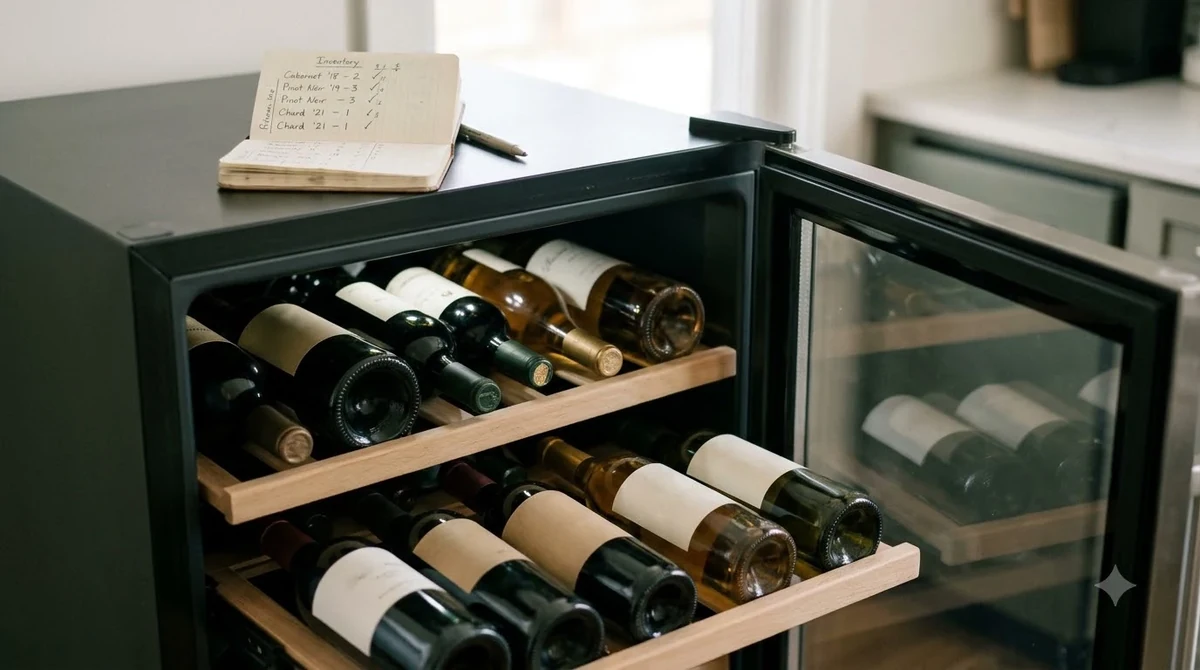
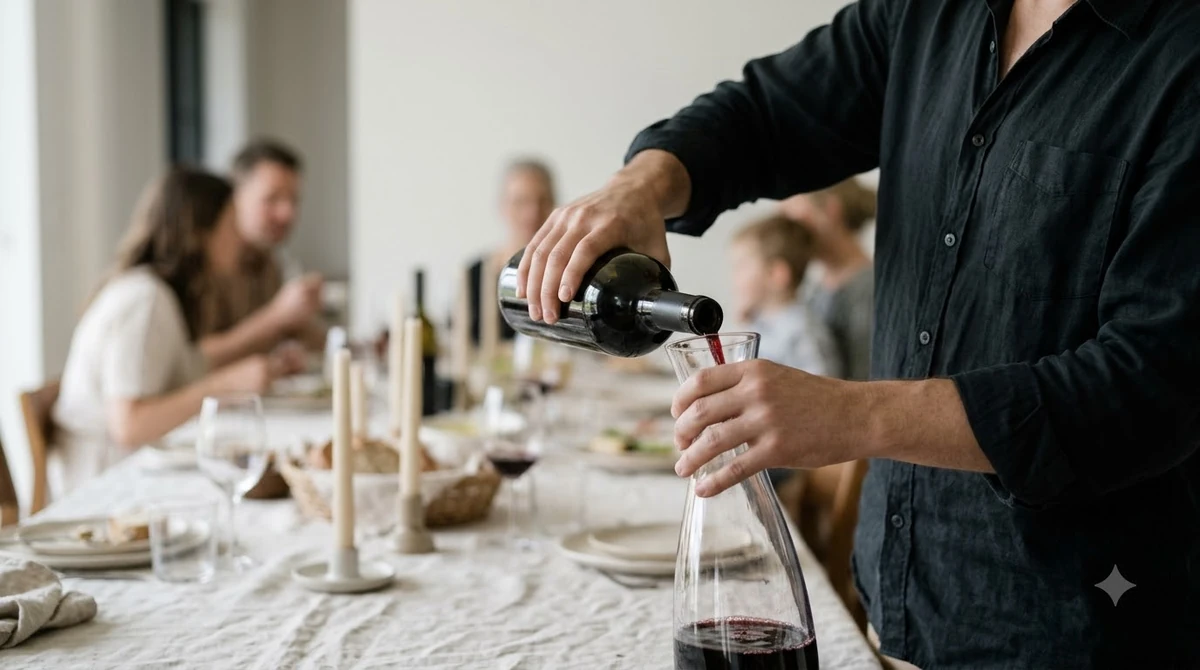
Oxidation is not automatically a fault. During winemaking and maturation, measured oxygen contact can soften a tannic Cabernet Sauvignon, develop nutty or earthy notes, and help some wines gain complexity. An open bottle is different because the wine has a much larger and less controlled contact with air. Swirling, decanting, and repeatedly leaving the bottle uncorked accelerate that change, so give a young, structured red the breathing time it needs in a glass or decanter rather than leaving the remaining bottle exposed for hours.
As oxidation progresses, fresh fruit aromas become muted and the wine can taste flat or tired. Color may shift as well: white wine can darken toward gold or brown, while red wine can look more brick-toned or brown at the rim. Oxidized wine can develop penny-like, apple-like, grassy, or vinegar-associated aromas, although the exact signs depend on the wine and its condition. Vinegar character can also involve acetic acid bacteria, so do not assume every sharp smell has one cause.
Reseal the Bottle Immediately and Store It Upright
The easiest preservation step is also the one people most often delay: put the closure back as soon as the pour is finished. A cork, screw cap, or fitted reusable stopper will not remove oxygen already in the bottle, but it limits additional air exchange and keeps the wine from sitting open while dinner continues.
Replace a natural cork with the clean end that was inside the bottle, and press it in only as far as it goes without forcing it. A screw cap can be twisted back on firmly, while a reusable stopper should fit snugly without being difficult to remove. Avoid leaving a cork balanced loosely in the neck; it is not a dependable seal. If the cork has crumbled or become too damaged to close the bottle, move the wine to a clean, sealable container instead.
After opening, store the bottle upright, whether it has a cork or a screw cap. The upright position reduces the surface area of wine exposed to the air pocket in the neck, which is why the WSET preservation guidance recommends it for opened bottles. Keep the closure clean and dry, wipe any wine from the rim before sealing, and avoid repeatedly opening the bottle just to check it. Each opening introduces another exchange with air, so pour the amount you expect to drink and close the bottle again.
Reduce the Air Space as the Bottle Empties
Every pour leaves a larger pocket of air above the remaining wine. That headspace is the key reason a half-full bottle generally changes faster than a bottle with only one glass removed. When there is a small amount left, transfer it into a clean, airtight bottle or jar that is just large enough to hold it, leaving as little empty space as practical.
A 750-milliliter bottle holds about five standard 5-ounce pours. If roughly one glass remains, the original bottle contains far more air space than wine; a smaller 187- or 375-milliliter vessel can reduce that gap. Use a container designed for food, wash and dry it thoroughly, and choose a closure that seals well. A small screw-cap wine bottle is especially convenient because its narrow neck and cap are easy to close. Do not fill a container to the brim: leave a little room for the liquid, and avoid spills around the threads that could compromise the seal.
Transfer the wine gently rather than splashing it down the side of the new container. The transfer itself exposes the wine to oxygen, so this method is most useful when you can do it promptly and then leave the wine sealed. It is not a way to rescue a bottle that already smells oxidized. Nor should you pour leftovers into an unwashed bottle that previously held another drink; residue and odors can affect the wine. Label the container with the wine name and the date opened, especially when several partial bottles are stored together.
Use the Refrigerator to Slow Oxidation
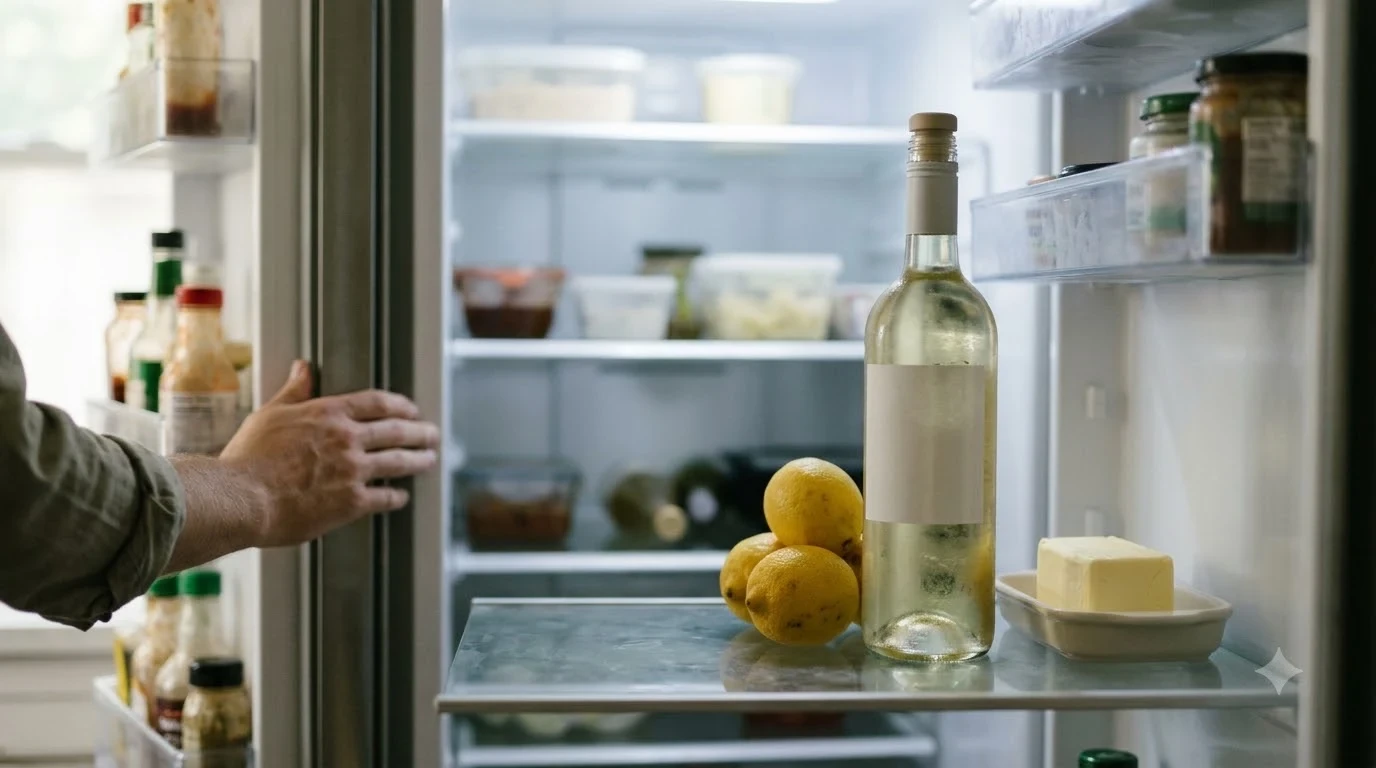
Refrigeration is useful for opened red, white, rosé, and many sweet wines because lower temperatures slow the chemical reactions associated with oxidation. A reclosed bottle does not need to remain at its ideal serving temperature while it is being stored; chill it first, then let a red warm slightly before pouring its next glass.
For everyday storage, put the sealed bottle upright in the refrigerator rather than leaving it on a warm kitchen counter. WSET advises that a reclosed red or white wine can remain relatively fresh for up to five days in the fridge, while Decanter gives more specific typical windows of two to three days for white and rosé wines and three to five days for reds. Use those windows as practical estimates, not guarantees: a delicate older Pinot Noir may fade sooner than a young, concentrated Syrah, and a bottle with very little wine left may change faster because its air gap is larger.
| Wine Style | Typical Open-Bottle Window | Best Storage Move |
|---|---|---|
| White and rosé | 2–3 days | Reseal and refrigerate upright |
| Red wine | 3–5 days | Reseal and refrigerate; allow it to warm before serving |
| Sparkling wine | 1–3 days | Use a pressure-rated sparkling stopper and refrigerate |
| Fortified wine | Several weeks, depending on style | Reseal and store appropriately; vintage Port needs faster consumption |
| Sweet wine | More than a week in many cases | Keep sealed and refrigerated |
| Bag-in-box wine | 4–6 weeks | Keep the dispensing tap clean and follow storage instructions |
Before serving, bring the wine toward its normal drinking temperature. A light red can be pleasant around 55–60°F, while a fuller red is usually served around 60–65°F; whites range from roughly 45–50°F for lighter styles to 50–55°F for fuller Chardonnay. A few minutes out of the refrigerator may be enough for a small pour, while a very cold bottle may need longer. For practical party service, chill wine ahead of time and use how to keep wine cold at a party without leaving open bottles sitting in warm air between pours.
Choose a Preservation Method That Fits the Wine
Wine-preservation tools work in different ways, and no single gadget is best for every bottle. Vacuum pumps reduce the air pressure in a bottle, while inert-gas systems introduce gases such as argon to displace some of the oxygen above the wine. Both can help, but they do not make an opened bottle immune to time, temperature, or poor sealing.
A vacuum stopper is a straightforward option for an everyday still wine that you plan to finish within a few days. Fit the stopper according to its instructions, pump until the seal is secure, and then refrigerate the bottle. Do not treat a manufacturer’s maximum preservation claim as a promise for every wine or kitchen. Decanter reports that a vacuum pump may add roughly one or two days compared with replacing the original closure, while WSET describes vacuum systems as a common, relatively affordable preservation choice.
Argon-based systems are designed to create a protective layer between wine and air, or to replace wine as it is poured through a specialized device. They can be useful for expensive bottles that are sampled over a longer period, but the result depends on the equipment, closure, technique, and storage conditions. A gas spray used after opening still allows some initial air contact, so apply it promptly and seal the bottle securely. Read the instructions for the specific system rather than assuming every device works with cork, screw cap, sparkling wine, or every bottle shape.
Tip: Match the tool to the bottle: use a simple stopper and refrigerator for ordinary still wine, a pressure-rated sparkling stopper for fizz, and an inert-gas system when you regularly preserve valuable still wine over multiple pours.
For a bottle that is opened only to pour one small glass, a needle-based system that withdraws wine through the cork can limit the amount of air entering in the first place. For most casual drinkers, however, a clean small bottle and a refrigerator provide a simpler routine. More equipment is not automatically better; a poorly fitted stopper or a bottle left warm can undermine an otherwise sophisticated preservation method.
Handle Sparkling, Fortified, and Boxed Wine Differently
Wine style changes the preservation plan. Sparkling wine loses both freshness and carbon dioxide after opening, fortified wines often have a longer useful life, and bag-in-box wine uses a collapsible inner pouch that reduces the amount of air entering as wine is dispensed.
For Champagne, Cava, Prosecco, and other sparkling wines, use a stopper made specifically for sparkling bottles and keep the bottle cold. The seal must grip the bottle securely because pressure remains inside; an ordinary still-wine stopper may not hold. A spoon placed in the neck is not a reliable way to preserve bubbles. A practical target is one to three days in the refrigerator, with the best texture and fizz usually found earlier in that window. Vacuum pumps are inappropriate for sparkling wine because they can pull out carbon dioxide along with air and leave the wine noticeably flatter.
Fortified styles such as Port, Madeira, and Marsala vary widely, so do not apply the same schedule to every bottle. Ruby and reserve Port commonly last several weeks after opening, while vintage Port is more fragile and is best finished within a few days; Decanter notes that Tawny Port can last up to six weeks refrigerated. Madeira and Marsala can last for months because their production involves substantial oxygen exposure and they often retain high acidity. Bag-in-box wine is another different case: the sealed pouch collapses as wine leaves, limiting new air from entering, and opened boxes commonly remain usable for about four to six weeks when stored as directed. For cork-related projects after a bottle is finished, these saved stoppers can be used in how to make a cork board from wine corks.
Frequently Asked Questions
Preservation times depend on wine style and storage conditions. A reclosed red may last three to five days, while sparkling wine commonly retains its best character for one to three days.
Does every wine style respond to oxygen in the same way?
No. Wines produced under reductive conditions, such as certain stainless-steel-fermented whites, can have especially fresh, fruit-forward characteristics and may react noticeably when exposed to air. Carbonic maceration, associated with Beaujolais Nouveau, is one example of a winemaking approach that limits oxygen exposure.
Why can some Sherries taste nutty without being oxidized?
Fino and Manzanilla Sherry can develop under a protective layer of flor yeast. This yeast consumes oxygen and creates a biological barrier between the wine and the surrounding air. The resulting savory character is therefore not automatically evidence of unwanted oxidation.
Can oxidation happen before a wine bottle is opened?
Yes. Small amounts of oxygen can enter through natural cork over extended bottle aging. This gradual interaction is one reason mature wines can develop tertiary characteristics that differ from their original fruit aromas.
Does sunlight cause the same damage as oxidation?
Not exactly. Ultraviolet light can produce a fault called light strike, which changes a wine’s aroma and flavor through a different process. Dark glass offers some protection, but storing bottles away from direct sunlight provides better protection.
How long should a young red wine breathe before serving?
A young, full-bodied red may benefit from approximately 30–60 minutes in a decanter, depending on its structure and aromatic development. Delicate older reds generally need more careful treatment because extended oxygen exposure can cause their aromas to fade quickly.
To keep an opened bottle enjoyable, make the sequence automatic: pour, reseal, store upright, and refrigerate. Reduce the headspace when only a small amount remains, and choose a stopper designed for the wine style. A little planning preserves the character of the next glass far better than trying to fix a bottle after its freshness has faded; for more practical answers, visit Wine Q&A and explore the basics of serving and storing wine.
More in Wine Basics
 Which Rose Is Best for Your Taste, Budget, and Food PairingsUpdated Nov 21, 2026
 Is Cheap Wine Bad? How to Find Bottles Worth DrinkingUpdated Nov 21, 2026
 What To Write On A Wine Gift Tag: Thoughtful Messages For Every OccasionUpdated Nov 21, 2026
 Which Wine Is Best For Weight Loss? Compare Lower-Calorie ChoicesUpdated Nov 21, 2026
 What Is The Best Wine For Mimosas? Choose Bubbly That Balances Orange JuiceUpdated Nov 20, 2026
 Which Prosecco Is Best for Your Taste and OccasionUpdated Nov 20, 2026