

We may earn a commission when you buy through links on this page, at no extra cost to you. Learn more.
What wine goes with spaghetti bolognese? Chianti, particularly a medium-bodied Chianti made primarily from Sangiovese, is one of the best choices because its bright acidity complements the tomato while its savory fruit and moderate tannins work with the rich meat sauce. Barbera, Montepulciano d’Abruzzo, and dry Lambrusco are excellent alternatives, especially when the sauce contains plenty of beef, pork, or pancetta. The best bottle balances acidity, body, and tannin without overpowering the pasta or making the tomato taste excessively sharp.
Spaghetti Bolognese is a satisfying combination of slow-cooked meat, tomatoes, aromatic vegetables, herbs, and often a little cheese. Its richness calls for a wine with enough structure to stand beside the sauce, while its acidity makes freshness especially important. Italian reds are a natural starting point, but several wines from other regions can work just as well. The right choice also depends on whether the recipe is tomato-heavy, particularly meaty, creamy, or generously topped with Parmesan.
Why Chianti Is the Classic Wine for Spaghetti Bolognese
Chianti is the most reliable starting point for spaghetti Bolognese because Sangiovese combines refreshing acidity, savory character, and moderate tannin. Those qualities complement both the tomato component and the richness of a slow-cooked meat sauce.
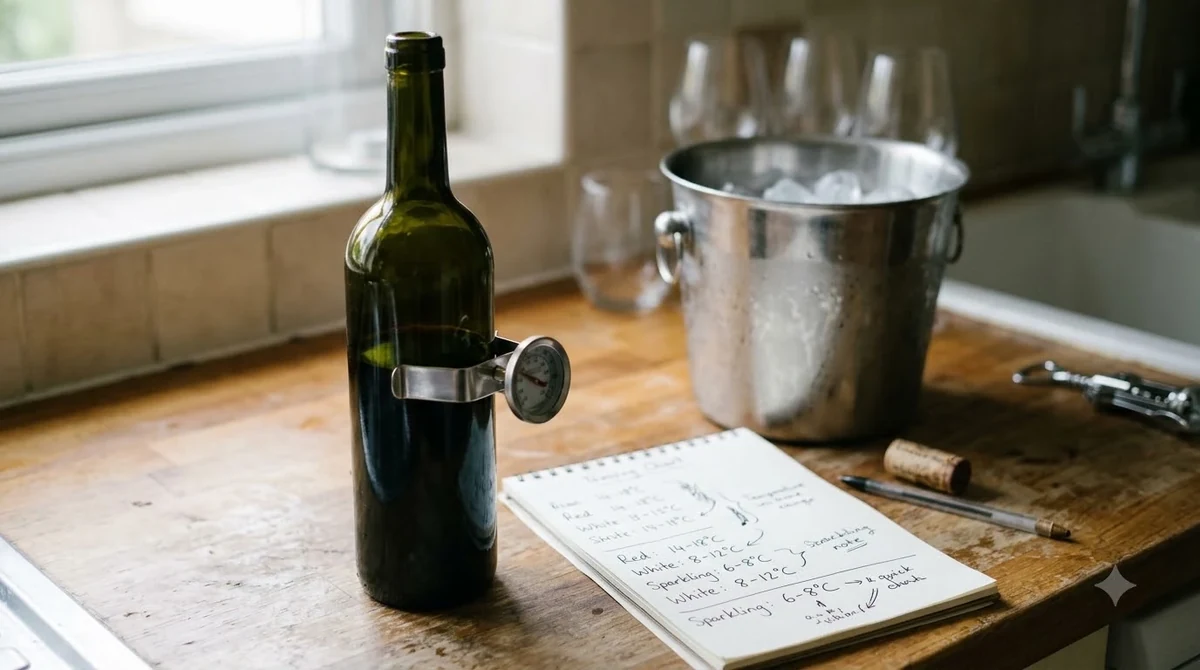
Sangiovese is the principal grape associated with Chianti, a wine region in Tuscany, Italy. Its characteristic flavors often include sour cherry, red plum, dried herbs, and subtle earthy notes. These flavors make sense alongside browned beef, pork, tomato, onion, carrot, and celery. Rather than competing with the sauce, the wine contributes freshness and a complementary savory character.
Acidity is particularly important. Tomatoes naturally contain substantial acidity, and a wine with insufficient freshness can seem flat or dull beside them. A lively Sangiovese maintains its character throughout a meal, refreshing the palate between bites of meat and pasta. Its acidity also helps balance the sensation of richness from olive oil, butter, or fatty ground meat.
Another advantage is tannin. Sangiovese generally has noticeable but manageable tannins, providing enough structure for beef and pork without the aggressive drying sensation that some heavily extracted reds produce. The protein and fat in the sauce also help soften the perception of tannin, making the combination feel more harmonious.
Chianti Classico or standard Chianti?
Both can work, but they offer slightly different experiences. A straightforward Chianti is usually an accessible choice for a weeknight spaghetti dinner. Look for fresh cherry fruit, moderate alcohol, and a lively finish. It should be flavorful without demanding more attention than the food.
Chianti Classico is a good option when the Bolognese is particularly rich or has simmered for several hours. Wines from this Tuscan denomination often offer additional savory complexity, structure, and depth. A Classico Riserva can be especially appropriate with a sauce containing substantial beef, pork, and aged cheese, although a younger, fresher bottling may be more enjoyable with a lighter recipe.
For most dinners, choose a dry Chianti with balanced acidity and moderate tannin rather than automatically selecting the most powerful or heavily aged bottle. The objective is a wine that remains refreshing from the first forkful to the last.
Berry Bros. & Rudd also identifies Chianti and Sangiovese among the natural choices for tomato-based pasta sauces in its guide to pairing wine with pasta.
Best Red Wine Alternatives to Chianti
Several other red wines deliver the acidity, fruit, and moderate structure that make Chianti successful. Barbera, Montepulciano d’Abruzzo, Merlot, and dry Lambrusco each bring a different balance to the plate.
Barbera: Barbera is one of the strongest alternatives for a particularly rich Bolognese. Associated with Piedmont in northwestern Italy, this grape produces wines with naturally high acidity and relatively soft tannins. Its flavors commonly include black cherry, red plum, and blackberry. That combination makes it especially useful when the sauce contains fatty pork, pancetta, or a generous amount of olive oil.
Barbera d’Asti and Barbera d’Alba are two useful styles to look for. Barbera d’Asti often makes a fresh, fruit-forward pairing, while Barbera d’Alba can offer additional depth and structure depending on the producer and winemaking. Both can complement a substantial meat sauce without making the meal feel excessively heavy.
Montepulciano d’Abruzzo: This red from Abruzzo offers a fruitier, generally softer alternative to the more sharply defined acidity of Sangiovese. Expect dark cherry, plum, and sometimes earthy or herbal notes. Its medium to full body works well with a sauce containing substantial ground beef, while its rounded fruit complements the savory character of slow-cooked meat.
Choose a fresh, fruit-driven Montepulciano for everyday Bolognese rather than an especially concentrated or heavily oaked version. The wine should have enough freshness to balance the tomato and enough structure to stand beside the meat.
Merlot: Merlot is a useful choice for people who prefer softer reds. Its medium tannins, rounded texture, and flavors of plum, black cherry, and sometimes chocolate work particularly well with a meat-heavy Bolognese. Compared with Cabernet Sauvignon, Merlot generally produces a gentler impression on the palate.
A medium-bodied Merlot from California, Washington, or Bordeaux can all work. Choose a version with enough acidity to handle the tomatoes, and avoid one dominated by sweetness from ripe fruit or excessive oak. A fresh, balanced Merlot is more versatile at the dinner table than a particularly powerful bottle.
Dry Lambrusco: Lambrusco is a distinctive choice because it introduces gentle carbonation alongside acidity and fruit. This sparkling red wine comes from Emilia-Romagna, the region associated with Bolognese cooking. A genuinely dry version can be especially enjoyable with fatty meat sauce because the bubbles refresh the palate and the wine’s acidity helps counter the richness.
Look for a dry Lambrusco rather than a noticeably sweet bottling. Grasparossa styles can provide more body and structure, while Sorbara styles are often lighter and brighter. Both offer an interesting alternative to conventional still reds.
How Different Wine Styles Match the Ingredients
The most successful pairing considers the complete sauce rather than treating Bolognese as simply a tomato dish or a beef dish. Meat, tomato, cooking fat, herbs, and cheese each influence how a wine tastes.
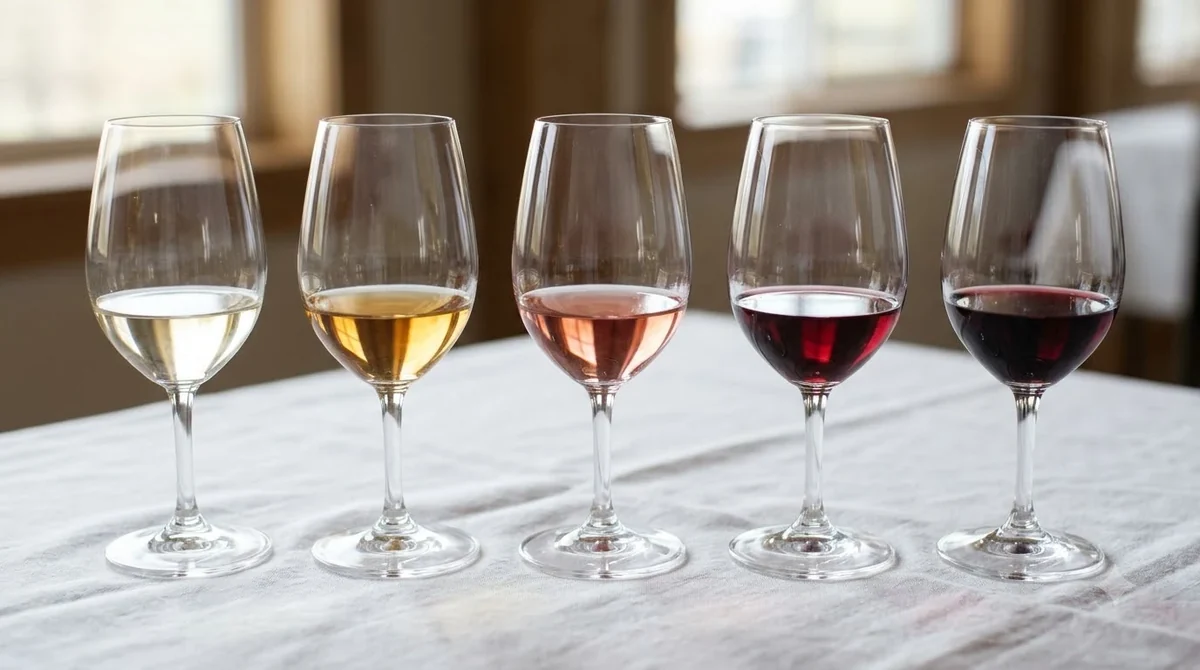
Tomato contributes acidity, which means the wine needs sufficient freshness to remain lively. Beef and pork contribute savory flavors and protein, while fat softens the perception of tannin. Parmesan adds salt and umami, making wines with balanced fruit and acidity particularly useful.
The proportions matter. A sauce with abundant tomato and relatively little meat behaves differently from a long-simmered ragù dominated by beef and pork. The former benefits from a fresher, more acidic red. The latter can accommodate additional body and some extra tannin, provided the wine retains enough acidity.
| Wine | Acidity | Tannin | Best Bolognese match |
|---|---|---|---|
| Chianti (Sangiovese) | High | Medium | Classic tomato and beef sauce |
| Barbera | High | Low to medium | Rich, fatty meat sauce |
| Montepulciano d’Abruzzo | Medium to high | Medium | Dark, savory meat ragù |
| Merlot | Medium | Medium | Softer, meat-forward sauce |
| Syrah | Medium | Medium-plus to high | Deeply savory, heavily meaty sauce |
| Pinot Noir | High | Low to medium | Lighter Bolognese with moderate fat |
| Dry Lambrusco | High | Low to medium | Rich sauce with pork or pancetta |
These are general grape and style characteristics, not fixed measurements for every bottle. Growing conditions, ripeness, fermentation, and aging can change the balance significantly.
For a tomato-forward recipe, prioritize acidity. Chianti and Barbera are particularly dependable because their freshness keeps pace with the sauce. A soft, low-acid red may seem pleasant by itself but become flat after a bite of tomato-rich pasta.
For a fatty, meat-dominant sauce, moderate tannin can be helpful. Fat and protein soften the drying impression of tannins, while the wine’s structure gives it enough presence to accompany the meat. This is where Montepulciano, some Merlot styles, and carefully selected Syrah can work well.
Cheese introduces another consideration. Parmesan and Pecorino bring saltiness and concentrated savory flavors. Salt can soften the perception of tannin, allowing structured reds to feel smoother. However, a wine with excessive oak or aggressive tannins can still overwhelm the delicate flavors of the cheese.
Choosing Wine for Different Bolognese Recipes
Not every spaghetti Bolognese tastes the same. A traditional slow-cooked ragù, a quick ground-beef sauce, and a creamy modern variation have different levels of acidity, fat, and intensity, so the wine should reflect the recipe.
Traditional slow-cooked Bolognese
A traditional-style ragù generally combines meat, aromatic vegetables, and a modest tomato component. Some recipes also use milk or cream to soften the sauce. Because the meat is often the dominant flavor, the wine can have a little more body than one chosen for a simple tomato sauce.
Chianti Classico is a reliable option, particularly when the sauce contains both beef and pork. Sangiovese from Emilia-Romagna is another logical regional choice. Montepulciano d’Abruzzo can also work when the finished sauce is particularly savory and rich.
Dry Lambrusco deserves special attention here. Its regional connection to Emilia-Romagna makes it an appealing companion, and its sparkling character provides contrast to the texture of a slow-cooked ragù.
Tomato-heavy spaghetti Bolognese
Some American-style Bolognese recipes use substantially more tomato sauce than traditional ragù. These versions benefit from a particularly fresh red with noticeable acidity. Chianti, Barbera, and young Sangiovese are all suitable.
Be careful with powerful reds that emphasize alcohol, oak, or concentrated dark fruit. They may overpower a relatively straightforward tomato and ground-beef sauce. A medium-bodied wine with bright cherry or plum flavors will usually provide better balance.
Extra-rich Bolognese with pancetta or pork
When the sauce contains pancetta, fatty ground pork, or a generous amount of butter, Barbera becomes especially attractive. Its high acidity provides freshness, while its relatively gentle tannins avoid making the pairing feel excessively drying.
Dry Lambrusco is another excellent possibility. Its bubbles provide a lively contrast to the richness, and its fruit complements the savory pork. Serve it slightly chilled for a refreshing alternative to a conventional room-temperature red.
Cheesy Bolognese and baked variations
A generous topping of Parmesan increases the dish’s saltiness and savory intensity. Chianti and Montepulciano remain good choices because they have enough flavor to accompany both the meat and cheese.
If the dish includes béchamel, mozzarella, or a substantial amount of melted cheese, the overall texture becomes richer and creamier. Barbera and dry Lambrusco can provide useful freshness. The same principle applies to baked pasta dishes: the wine should balance the combined weight of the meat, sauce, and cheese rather than focusing on just one ingredient.
For another Italian-American dinner with tomato, cheese, and vegetables, the recommendations for what wine goes with eggplant parmesan offer a useful comparison.
Can White Wine or Rosé Work With Spaghetti Bolognese?
Red wine is the most natural choice, but white wine and rosé can also work with certain versions of Bolognese. The important considerations are sufficient acidity, enough flavor intensity, and a body that suits the sauce.
White wine: Choose a dry white with good acidity and enough body to stand beside the meat. Chardonnay with moderate oak, a structured Italian white, or a fuller-bodied Pinot Gris can work with a lighter Bolognese containing a relatively small amount of tomato.
For example, an unoaked or lightly oaked Chardonnay can complement a sauce with milk, cream, or a softer texture. Its medium acidity and rounded body provide a reasonable match for the richness. However, a delicate, very light white may disappear beside a heavily seasoned meat ragù.
Sauvignon Blanc is another possible choice, particularly with a lighter tomato-based sauce. Its high acidity can complement the tomatoes, although its pronounced herbal and citrus character may not suit every recipe. A restrained style is preferable to an intensely aromatic bottle.
Rosé: Dry rosé is a flexible option when a red feels too heavy but a white seems insufficiently substantial. A dry rosé made from Grenache, Sangiovese, or Pinot Noir can offer fresh acidity and red-fruit flavors that complement the tomatoes and meat.
Choose a medium-bodied rosé rather than an extremely delicate, pale style if the Bolognese contains substantial beef or pork. A richer rosé with good structure will be more satisfying alongside a full serving of pasta.
Sparkling wine: Dry sparkling wine can also provide an interesting contrast. Lambrusco is the most obvious Italian option, but a dry sparkling rosé can work with a lighter recipe. The carbonation helps refresh the palate between bites, while acidity provides balance against fat and cheese.
One important distinction is sweetness. The wine should generally be dry for a savory meat sauce. A noticeably sweet white or sparkling wine can make the savory flavors seem unbalanced, particularly when the sauce has little sweetness of its own.
Wine pairing is not restricted to red versus white. The broader principles of acidity, body, tannin, and sweetness are explained in this Wine Pairing resource.
Serving Temperature, Glasses, and Pouring Tips
Serving temperature can make a noticeable difference to the pairing. Chianti and other light-to-medium-bodied reds generally show their freshness and fruit best when slightly cooler than a warm room, while sparkling Lambrusco needs more chilling.
For most Chianti, Barbera, and lighter Montepulciano wines, aim for approximately 55–60°F. This temperature range helps preserve freshness without suppressing the fruit. A fuller-bodied Syrah or richer red blend can be served closer to 60–65°F.
Dry Lambrusco is best served colder, generally around 40–50°F, depending on the style and desired level of refreshment. A dry rosé can also benefit from chilling to approximately 45–50°F. If serving Chardonnay, choose approximately 50–55°F for a fuller-bodied style.
Glassware does not need to be complicated. A standard red wine glass with enough room to allow aromas to develop is appropriate for Chianti, Barbera, and Montepulciano. Sparkling Lambrusco can be served in a flute or a tulip-shaped sparkling wine glass.
A standard wine serving is approximately 5 ounces. A 750 ml bottle provides about five such glasses, making one bottle suitable for a small dinner with several guests. For a larger gathering, plan the number of bottles around the number of guests and whether wine is being served with additional courses.
Tip: Put your red wine in the refrigerator for approximately 15–25 minutes before serving if the bottle has been sitting in a warm kitchen. A slightly cool Chianti or Barbera generally tastes fresher and more balanced than one served too warm.
Decanting is usually unnecessary for straightforward young Chianti or Barbera. However, a young, particularly full-bodied red can benefit from approximately 30–60 minutes of decanting. This gives the wine some exposure to air and can help its aromas become more expressive.
Open bottles should be recorked and refrigerated. Most opened still wines retain their best character for approximately 3–5 days when stored properly. Allow a chilled red to warm slightly in the glass before serving if its aromas initially seem restrained.
How to Choose the Right Bottle for Dinner
Choosing a bottle becomes easier when you start with the recipe and the people sharing the meal. The best wine does not have to be the most expensive or powerful option; it simply needs to complement the sauce and suit the occasion.
Begin by identifying the dominant ingredient. If the sauce is mostly tomato, choose a wine with high acidity, such as Chianti or Barbera. If beef and pork dominate, a medium-bodied Montepulciano or Merlot can provide additional fruit and structure. If the recipe contains plenty of pancetta or fatty pork, Barbera and dry Lambrusco deserve consideration.
Next, consider the sauce’s texture. A relatively light sauce needs a wine with similar weight. A thick ragù that has simmered for several hours can handle a more substantial red. The wine should complement the depth of the dish without making each mouthful feel heavier.
Alcohol level is another practical consideration. Wines with high alcohol can intensify the sensation of chili heat, particularly if the sauce includes red pepper flakes or hot sausage. For a mildly spicy Bolognese, choose a balanced wine with moderate alcohol and avoid extremely tannic reds.
Should you use the same wine in the sauce?
Using a little wine during cooking can contribute acidity and aromatic complexity. Many Bolognese recipes call for dry white or red wine, although the exact choice varies. If you use red wine in the sauce, Sangiovese or another dry Italian red is a natural option. A dry white can also work without contributing as much red-fruit character.
The wine used for cooking does not have to be identical to the bottle served at dinner. However, using a similar dry, balanced style can create continuity between the flavors in the sauce and those in the glass.
Avoid using a bottle with noticeable faults or one that is unpleasant to drink. Long cooking does not reliably remove undesirable flavors. A sound, uncomplicated wine is a better cooking ingredient than a bottle selected only because it is labeled for cooking.
Quick recommendations for different dinners
For a traditional Sunday ragù, choose Chianti Classico or Sangiovese. For a quick weeknight ground-beef sauce, a straightforward Chianti or Montepulciano d’Abruzzo is practical and versatile. For a particularly fatty sauce, select Barbera or dry Lambrusco.
If guests prefer softer reds, Merlot is a sensible compromise. If they enjoy lighter wines, Pinot Noir or dry rosé can suit a less concentrated recipe. For a cheese-heavy baked variation, select a fresh red with enough body to accompany the additional richness.
Consider the other dishes on the table, too. If the meal begins with cured meats or hard cheese, Chianti and Barbera can continue through the main course. If there is a richer cheese course afterward, the suggestions for what wine goes with blue cheese provide a useful starting point for selecting a separate bottle.
Ultimately, a good bottle of wine should make the food taste more balanced, not distract from it. Start with acidity, match the wine’s body to the sauce, and keep tannins moderate unless the dish is particularly rich in meat and fat.
Frequently Asked Questions
Is Cabernet Sauvignon too strong for spaghetti Bolognese?
Not necessarily, but Cabernet Sauvignon typically has higher tannin than Chianti or Merlot. A mature, balanced Cabernet can accompany a substantial beef ragù, particularly one with plenty of fat and protein. However, a young, heavily extracted Cabernet may make a simple tomato-forward sauce taste harsher.
Does spaghetti Bolognese traditionally contain milk?
Traditional Bolognese preparations can include milk, which helps soften the meat and contributes a rounded texture. This ingredient is one reason the finished ragù can taste less sharply tomato-driven than many American-style meat sauces. A milk-enriched version can accommodate a softer, medium-bodied red as well as a bright Sangiovese.
Is sparkling red wine appropriate for an Italian pasta dinner?
Yes. Dry Lambrusco is an established regional wine style from Emilia-Romagna and is particularly appropriate with rich local dishes. Different Lambrusco denominations include lighter and fuller expressions, so the choice can be adjusted to the weight of the sauce.
Which Italian wine regions produce good alternatives to Chianti?
Piedmont produces Barbera, while Abruzzo is associated with Montepulciano d’Abruzzo. Emilia-Romagna offers Sangiovese di Romagna and Lambrusco, providing several regional alternatives for meat-based pasta. These wines offer different combinations of acidity, fruit, tannin, and carbonation.
Can you pair Bolognese with an older red wine?
Yes, particularly if the wine has retained enough freshness and structure. Mature reds can develop tertiary aromas such as dried leaves, leather, and earthy notes that complement slow-cooked meat. However, an older bottle with faded fruit or delicate structure may be overwhelmed by a strongly seasoned sauce.
For most spaghetti Bolognese dinners, Chianti is the dependable first choice, while Barbera, Montepulciano d’Abruzzo, Merlot, and dry Lambrusco provide excellent alternatives. Match the wine to the sauce’s acidity, meat, and richness, serve it at an appropriate temperature, and choose a bottle that complements the meal rather than overpowering it. With those simple principles, a well-balanced glass of Italian wine can make a comforting plate of Bolognese even more enjoyable.
More in Food & Wine Pairing
 Risotto With White Wine Recipe: Make a Creamy Dinner at HomeUpdated Nov 20, 2026
 Wassail With Wine Recipe for a Festive Spiced Holiday DrinkUpdated Nov 20, 2026
 Spritz Veneziano Recipe: Make a Classic Venetian Aperitivo at HomeUpdated Nov 20, 2026
 Summer Wine Punch Recipe for Easy Homemade EntertainingUpdated Nov 20, 2026
 Bishop Recipe: How to Make a Bright, Citrus-Forward Red Wine CocktailUpdated Nov 20, 2026
 Wine Cupcakes Recipe: Bake Rich Chocolate Cupcakes at HomeUpdated Nov 20, 2026