


We may earn a commission when you buy through links on this page, at no extra cost to you. Learn more.
What wine goes with pears? Chenin Blanc, Pinot Gris, Chardonnay, and Prosecco are excellent choices, with the best match depending on whether the pears are fresh, grilled, paired with cheese, or served as dessert. Pears have delicate floral sweetness, gentle acidity, and a juicy texture that work particularly well with aromatic white wines. For cooked pear dishes, consider Gewürztraminer, Viognier, or a fruit-forward red, while sweeter pear desserts call for wines with enough residual sugar to match the dish.
Pears are among the most adaptable fruits for wine pairing because their flavor changes noticeably with preparation. A crisp, freshly sliced Bartlett pear needs a different wine from a Bosc pear poached in red wine, while grilled pears with Gorgonzola introduce salt, fat, and smoky flavors that influence the choice further. Understanding the fruit’s sweetness, texture, accompanying ingredients, and cooking method makes it easier to select a bottle that complements the entire dish rather than overwhelming the pear itself.
Best Wines to Pair With Fresh Pears
Chenin Blanc, Pinot Gris, and Chardonnay are excellent starting points for fresh pears. These wines offer orchard-fruit flavors, varying levels of acidity, and enough aromatic character to complement the fruit without hiding its delicate sweetness.
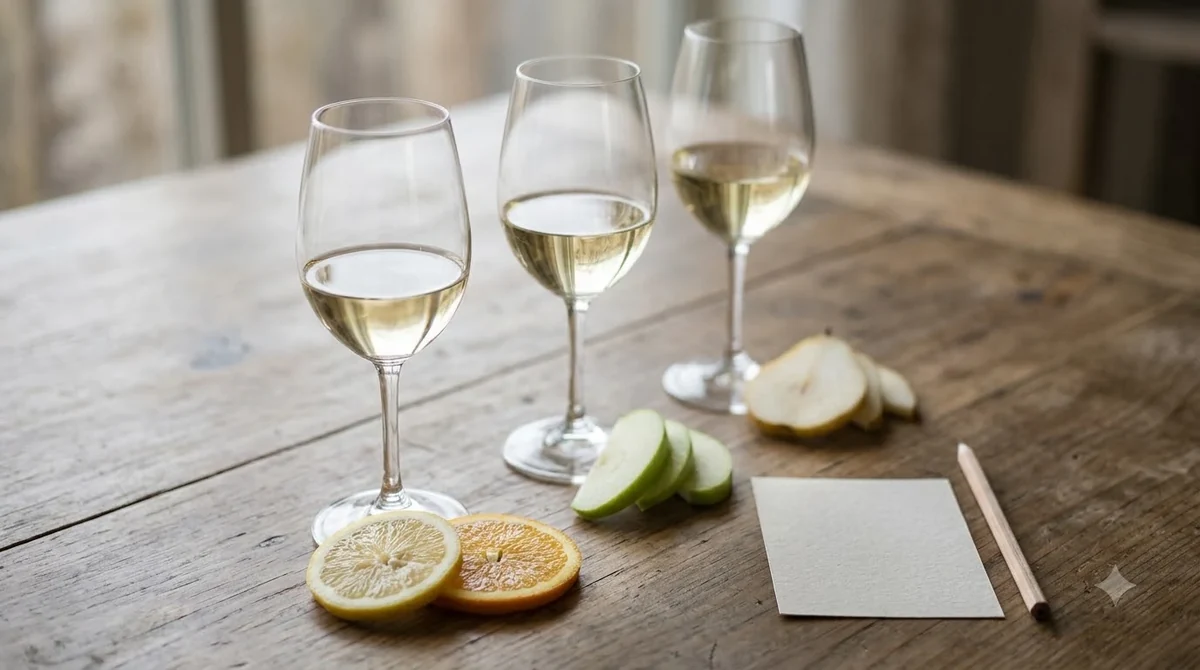
Chenin Blanc is particularly versatile because it can be made in both dry and sweet styles. Dry Chenin Blanc from the Loire Valley offers refreshing acidity, citrus, and apple-like flavors that complement sliced pears. A slightly off-dry version provides a closer match for particularly ripe fruit, especially when the pears are served with honey or soft cheese. Its natural honey and orchard-fruit characteristics echo the floral sweetness of pears.
Pinot Gris is another dependable choice. Oregon Pinot Gris often offers pear, apple, citrus, and gentle spice notes. Its refreshing acidity keeps fresh fruit tasting lively, making it suitable for a simple pear plate, a fruit salad, or a light appetizer. Choose a dry version when serving plain pears and a slightly sweeter expression when the fruit is especially ripe or accompanied by honey.
Chardonnay works particularly well with pears that have a creamy or buttery texture. Unoaked Chardonnay emphasizes apple, citrus, and orchard-fruit characteristics, while oak-aged California Chardonnay can introduce vanilla and baking-spice notes. Those vanilla aromas complement the subtle perfume of ripe pears, particularly Bartlett and Comice varieties.
For a lighter appetizer, sparkling wine also deserves consideration. Dry Prosecco combines pear-like fruit flavors with bubbles that contrast with the juicy texture of fresh fruit. It is especially appealing when pears are served as part of a brunch spread or alongside mild cheeses.
The following comparisons provide a practical starting point:
| Wine | Typical style | Best pear preparation | Serving temperature |
|---|---|---|---|
| Chenin Blanc | Dry to sweet | Fresh pears and honey | 45–50°F |
| Pinot Gris | Dry to off-dry | Fresh or grilled pears | 45–50°F |
| Chardonnay | Dry, medium-bodied | Pears with cream or vanilla | 50–55°F |
| Prosecco | Dry to slightly sweet | Fresh pears and soft cheese | 40–50°F |
| Gewürztraminer | Dry to off-dry | Spiced pears | 45–50°F |
| Muscat | Often sweet and aromatic | Poached pears and desserts | 43–50°F |
These are practical serving ranges rather than strict requirements. The ideal wine should preserve the fruit’s freshness while matching its sweetness. For a simple fruit course, a dry Chenin Blanc or Pinot Gris is usually the most flexible choice. If the pears are served with a sweetened cream or honey dressing, move toward a wine with a little more sweetness.
Wine Pairings for Pear Varieties and Their Flavors
Bartlett, Bosc, Anjou, and Comice pears each bring different textures and flavor characteristics to the table. Matching those differences with wine helps create a more balanced pairing, particularly when the fruit is served without complicated sauces or seasonings.
Bartlett pears are juicy, aromatic, and naturally sweet when ripe. Their soft texture works well with dry Prosecco, unoaked Chardonnay, and Chenin Blanc. A glass of Prosecco provides lively bubbles that contrast with the fruit’s buttery consistency. Chenin Blanc, meanwhile, emphasizes the honey-like aromas of the pear.
Comice pears are also known for their particularly rich, buttery texture. They are excellent with sparkling wine, especially dry or extra-dry Prosecco. The combination of creamy fruit and lively carbonation creates an appealing contrast. Chardonnay is another good option, especially a lightly oaked bottle with restrained vanilla characteristics.
Bosc pears have firmer flesh and a more structured texture. Their subtle spicy undertones make them especially suitable for Gewürztraminer, Pinot Gris, and Chenin Blanc. These wines complement the fruit’s gentle spice without requiring additional sweetness. Bosc pears are also useful in cooked preparations because they hold their shape relatively well.
Anjou pears have a mild, balanced flavor that makes them easy to pair with a broad range of wines. Green Anjou pears are particularly suitable for crisp Sauvignon Blanc or dry Pinot Gris, while ripe red Anjou pears can work with a slightly richer Chardonnay. When served with cinnamon, ginger, or honey, an aromatic Gewürztraminer becomes a particularly appealing alternative.
Ripeness is just as important as variety. A firm pear generally tastes less sweet and more restrained than a fully ripe one. Pears are commonly harvested mature but firm and allowed to ripen off the tree. A gentle yield around the neck indicates that a pear is ready to eat.
For an uncomplicated tasting, serve two or three varieties together with separate glasses of Chenin Blanc and Pinot Gris. This makes it easier to identify how the wines respond to differences in sweetness, firmness, and aroma. It also demonstrates why one wine does not necessarily work equally well with every pear variety.
Pairing Wine With Pears, Cheese, and Savory Dishes
Pears served with cheese, nuts, and savory ingredients call for wines that balance sweetness with acidity and texture. Pinot Gris, Riesling, Chenin Blanc, and Gewürztraminer are especially useful because they can complement the fruit while handling richer ingredients.

Pears and blue cheese are a classic combination. Gorgonzola, Stilton, and Roquefort bring salty, creamy, and pungent flavors that contrast with the fruit’s floral sweetness. A slightly off-dry Riesling is an excellent option because its acidity refreshes the palate and its residual sugar softens the intensity of the cheese.
Gewürztraminer is another strong choice. Its floral aromas and characteristic spice notes connect naturally with pears, while an off-dry example can balance the saltiness of blue cheese. For a particularly rich cheese board, consider a fuller-bodied aromatic white rather than a very light wine that might disappear beside the cheese.
For additional pairing ideas, what wine goes with blue cheese explains how different cheese styles influence wine selection. A mild Brie may suit Chardonnay, while a strongly flavored blue cheese often benefits from a sweeter Riesling.
Pears and walnuts create another useful pairing opportunity. Walnuts bring earthy, slightly bitter flavors and a crunchy texture that contrast with juicy fruit. Dry Pinot Gris and Chardonnay both work well, particularly when the pears are served with greens and a light vinaigrette. If the salad includes blue cheese and honey, an off-dry Riesling can bring the ingredients together.
Pears with pork benefit from wines that have enough acidity to balance the richness of the meat. Pinot Gris is a particularly good option for grilled pork chops topped with pear slices. The wine’s orchard-fruit character complements the pears, while its freshness provides contrast to the savory meat. A lightly oaked Chardonnay can also work with pork dishes that include butter, roasted vegetables, or creamy sauces.
For a practical example, Oregon Wine Press’s pear pairing feature describes grilled pear slices with pork chops and dry, slightly chilled Pinot Gris. It also presents grilled pear halves filled with Gorgonzola, honey, toasted walnuts, or blue cheese, with a slightly sweeter Pinot Gris as another option.
Pear chutney introduces another dimension. When prepared with raisins, onions, and herbs, the fruit becomes more concentrated and savory. Oregon Pinot Noir can accompany this preparation, particularly when the chutney is served with ham or lamb. Its relatively moderate tannins and bright fruit flavors make it more suitable than a heavily tannic Cabernet Sauvignon for this kind of dish.
For a more substantial meal, the seasoning and sauce should guide the final choice. A rich meat preparation may need a different wine from the pear garnish alone. Our guide to what wine goes with beef brisket explains how cooking method, fat, and smoky flavors influence red wine selection.
For a broader explanation of acidity, sweetness, and texture, explore our Wine Pairing fundamentals before selecting a bottle for a multi-course meal.
Best Wines for Grilled and Roasted Pears
Grilling and roasting concentrate the natural sweetness of pears and introduce caramelized flavors that call for wines with more aromatic depth. Pinot Gris, Chardonnay, Viognier, and Gewürztraminer are particularly suitable, depending on the accompanying ingredients.
Grilled pears are a simple but versatile appetizer. Halve firm pears, remove the cores, and grill the cut surfaces until they develop light browning and become tender. Their concentrated sweetness works especially well with dry Pinot Gris, whose acidity keeps the pairing from becoming heavy.
For a more substantial appetizer, fill the grilled pear halves with Gorgonzola, honey, and toasted walnuts. A slightly off-dry Pinot Gris complements the sweet and savory elements while providing enough acidity to balance the cheese. A dry Riesling can also work, particularly if the honey is used sparingly.
Roasted pears with butter and herbs are a better match for Chardonnay. The wine’s fuller texture complements the richness of the preparation, while its apple and citrus notes maintain a connection with the fruit. A lightly oaked Chardonnay is often preferable to an aggressively oaked bottle because excessive oak can dominate the delicate pear aromas.
Pears with cinnamon and nutmeg create an opportunity to serve Gewürztraminer. The wine’s floral and spicy character complements the seasonings, particularly when the fruit is roasted with a little honey. Viognier is another possibility, offering aromatic stone-fruit characteristics and a fuller mouthfeel.
Temperature also matters. Serve light whites and rosé at 45–50°F, while fuller Chardonnay is generally more expressive at 50–55°F. Excessive chilling can suppress the aromatic qualities that make these wines particularly appealing with roasted fruit.
When pears accompany roasted pork or poultry, consider the entire plate rather than treating the fruit as a separate course. A dry Pinot Gris is flexible with lighter preparations, while Chardonnay offers more body for dishes with cream, butter, or roasted vegetables.
Choosing Wine for Poached Pears and Pear Desserts
Poached pears and other sweet pear desserts need wines with enough sweetness to avoid tasting sour or thin beside the food. Muscat, late-harvest Riesling, sweet Chenin Blanc, and late-harvest Pinot Gris are strong choices, while dry reds can work in certain savory or less-sweet preparations.
Poached pears are commonly prepared with white or red wine, sugar, citrus, and spices. The cooking liquid becomes part of the dish, concentrating its flavors and giving the fruit a more complex character. Bosc pears are especially useful because their firmer structure helps them retain their shape during cooking.
White-wine-poached pears pair naturally with aromatic white wines. A slightly sweet Chenin Blanc can complement pears cooked with honey, cloves, and cinnamon. Gewürztraminer is another good option when the recipe includes ginger or other warming spices. Viognier can also accompany lightly sweetened pears when the dessert is not excessively sugary.
Red-wine-poached pears require a different approach. The fruit absorbs color and flavor from the cooking liquid, while the accompanying spices create a richer dessert. A fruity Merlot or Pinot Noir can be suitable when the preparation is moderately sweet and served with unsweetened cream. A heavily tannic Cabernet Sauvignon is generally less forgiving, particularly when the fruit is served without enough savory or creamy ingredients to balance it.
A useful alternative to red-wine poaching is the white-wine method described in Giesen’s aromatic poached pear recipes. Its savory version uses four pears, a 750 ml bottle of Pinot Gris, lemon, ginger, peppercorns, sugar, and water. The pears simmer gently for approximately 25 minutes, and the cooking liquid is reduced before serving.
The same recipe collection includes a sweeter version with vanilla mousse. It uses 350 ml of Pinot Gris, approximately 750 ml of water, and 170 g of sugar, with the pears simmered for approximately 10–15 minutes. This approach demonstrates how the same wine can contribute to both a savory fruit preparation and a sweeter dessert.
Chocolate and pear desserts are another consideration. Pears with dark chocolate can be more challenging because cocoa introduces bitterness and the dessert may contain substantial sugar. A sweet, aromatic wine such as Muscat can work well, while a richer late-harvest Riesling is suitable when the chocolate is accompanied by cream or vanilla.
For pear tarts, cakes, and pies, consider the crust and filling. A pear tart with almond cream is generally richer than plain poached fruit, so a medium-sweet Chenin Blanc can provide a useful balance. Pear pie with cinnamon and nutmeg is particularly compatible with late-harvest Pinot Gris or a similarly sweet aromatic white.
Tip: Always match the sweetness of the wine to the finished dessert, not just the fruit. A pear poached with sugar, citrus, and syrup needs a sweeter wine than a fresh pear served with unsweetened mascarpone. If the dessert tastes sweeter than the wine, the wine can seem sharp, thin, or unpleasantly acidic.
How to Serve and Store Wine With Pears
Serving temperature and glass size influence how successfully a wine complements pears. Light whites benefit from moderate chilling, sparkling wines should be served colder, and aromatic dessert wines need enough warmth to reveal their floral and honeyed characteristics.
Use these serving temperatures as a practical reference:
- Prosecco: 40–50°F to preserve its refreshing bubbles.
- Chenin Blanc: 45–50°F for crispness and aromatic freshness.
- Pinot Gris: 45–50°F for fruit clarity and balanced acidity.
- Riesling: 45–50°F for fresh citrus and floral aromas.
- Gewürztraminer: 45–50°F to preserve its aromatic character.
- Chardonnay: 50–55°F for fuller texture and oak-derived aromas.
- Sweet dessert wines: 43–50°F for freshness alongside concentrated fruit.
- Light-bodied red wines: 55–60°F for softer fruit and balanced structure.
- Full-bodied red wines: 60–65°F for poached pear preparations with richer sauces.
Very cold wine can lose much of its aromatic expression, while wine served too warm can seem heavy or alcoholic. Take a bottle out of the refrigerator briefly before serving if its aromas seem muted. This is especially useful with Chardonnay, Chenin Blanc, and Gewürztraminer.
Pouring also deserves attention. A standard wine serving is approximately 5 ounces, and a 750 ml bottle provides about five glasses. For a tasting featuring several pear preparations, smaller pours allow guests to compare multiple wine styles without overwhelming the meal.
Storage is straightforward. Unopened bottles should generally be kept in a cool, dark place near 55°F, with cork-finished bottles stored on their sides. Avoid direct sunlight, frequent temperature changes, and locations near ovens or heating equipment.
Once opened, sparkling wines generally retain their best character for approximately 1–3 days in the refrigerator with an appropriate sparkling-wine stopper. Most still wines remain suitable for around 3–5 days when properly recorked and refrigerated. Sweet fortified wines can last several weeks, depending on their style and storage conditions.
If you are serving several pear dishes, open the sparkling wine shortly before the meal and keep the remaining whites chilled. Bring fuller-bodied wines to their serving temperature gradually. This approach helps preserve the contrast between crisp fresh fruit, creamy cheese, warm cooked pears, and sweet desserts.
Frequently Asked Questions
Can you pair pears with red wine?
Yes. Pears can accompany red wines in dishes such as pear chutney with ham or lamb, and red-wine-poached pears are a traditional dessert preparation. A fruit-forward Merlot or Pinot Noir is generally more flexible than a strongly tannic red. For a savory pear dish with grilled meat, consider the seasoning and sauce before choosing the bottle.
Does pear wine taste like grape wine?
Pear wine is made by fermenting pear juice rather than grape juice, so its fruit character can be quite different from conventional table wine. Some examples are dry and refreshing, while others retain noticeable fruit sweetness. Its alcohol content and acidity depend on the producer’s winemaking choices and the fruit used.
Can sparkling rosé accompany pears?
Yes. Sparkling rosé can complement fresh pears, particularly when served with strawberries, raspberries, or mild cheeses. Its red-berry aromas introduce another fruit dimension, while the bubbles provide contrast to the pear’s juicy texture. Choose a Brut style for savory preparations and a sweeter version for sweeter fruit desserts.
Which pear variety is best for wine-based cooking?
Bosc pears are particularly useful because their firm flesh helps them retain their shape during poaching and baking. They are also a good choice for recipes using cinnamon, cloves, and citrus. Bartlett pears are softer and juicier, making them better suited to fresh preparations, purées, and dishes where a softer texture is desirable.
Can pear dishes be paired with fortified wine?
Yes. Ruby Port can accompany rich poached pear desserts, particularly those containing chocolate, dried fruit, or reduced cooking syrup. Tawny Port can also work with baked pears and toasted nuts because of its nutty, caramel-like characteristics. Serve these wines in smaller portions than ordinary table wine because their alcohol content is generally higher.
The best wine for pears depends on the preparation, but Chenin Blanc, Pinot Gris, Chardonnay, and Prosecco provide excellent starting points for most fresh and savory dishes. For cheese, grilled fruit, and poached desserts, adjust the wine’s sweetness, acidity, and body to match the other ingredients. With a thoughtful choice, pears can move comfortably from a simple appetizer to a richly flavored dessert while remaining the centerpiece of the pairing.
More in Food & Wine Pairing
 Risotto With White Wine Recipe: Make a Creamy Dinner at HomeUpdated Nov 20, 2026
 Wassail With Wine Recipe for a Festive Spiced Holiday DrinkUpdated Nov 20, 2026
 Spritz Veneziano Recipe: Make a Classic Venetian Aperitivo at HomeUpdated Nov 20, 2026
 Summer Wine Punch Recipe for Easy Homemade EntertainingUpdated Nov 20, 2026
 Bishop Recipe: How to Make a Bright, Citrus-Forward Red Wine CocktailUpdated Nov 20, 2026
 Wine Cupcakes Recipe: Bake Rich Chocolate Cupcakes at HomeUpdated Nov 20, 2026