

We may earn a commission when you buy through links on this page, at no extra cost to you. Learn more.
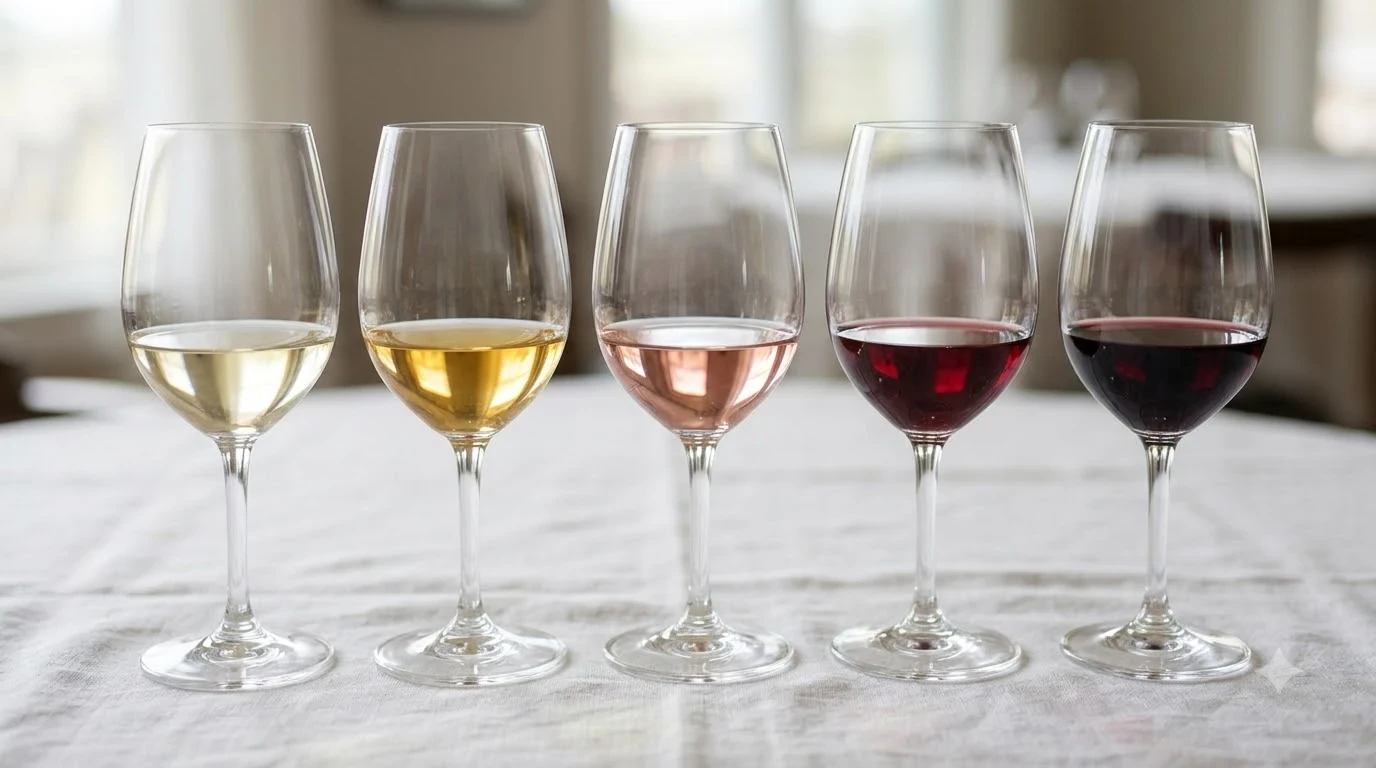
What wine goes with pate? Pinot Noir, Beaujolais, dry rosé, and Champagne are excellent choices for most pâtés because their freshness and acidity balance the rich, savory texture of the dish. The best bottle depends on the ingredients and preparation, with rustic pork pâté favoring light reds and creamy chicken liver mousse working particularly well with sparkling wine or aromatic whites. For foie gras, a sweet white such as Sauternes is a classic choice. Matching the wine to the pâté’s richness, seasoning, and accompaniments makes the pairing more successful.
Pâté can range from a coarse country terrine filled with pork and herbs to a smooth chicken liver mousse or an exceptionally rich foie gras preparation. Although these dishes share a reputation for richness, they do not all have the same flavor intensity or texture. Some are earthy and peppery, others are buttery and delicate, and some include fruit, spices, or pastry. That variety creates several opportunities for excellent wine pairings. Understanding acidity, sweetness, tannin, and body will help you choose a bottle that complements the food instead of competing with it.
Why Acidity and Freshness Matter With Pâté
The most reliable wine pairing for pâté has enough acidity to refresh the palate between bites. Many pâtés contain butter, animal fat, cream, or fatty meat, creating a rich coating sensation that can make a low-acid wine seem heavy. Fresh whites, sparkling wines, rosé, and lighter reds provide a useful contrast without overwhelming the savory ingredients.
Acidity is particularly valuable when pâté is served with cornichons, pickled onions, mustard, or other sharp accompaniments. These ingredients introduce additional tanginess and make fresh wines such as Sauvignon Blanc, Riesling, and traditional-method sparkling wine especially useful. Decanter’s guidance on charcuterie pairing also emphasizes freshness because salt and fat influence how wine tastes alongside cured meats. Its discussion of wine and charcuterie pairing explains why acidity and bubbles work particularly well with fatty foods.
Tannin deserves equal attention. Cabernet Sauvignon and some Syrah wines have substantial tannic structure, which can become unpleasantly firm alongside salty pâté. Salt tends to make tannins seem harsher, while a delicate liver mousse may disappear behind a powerful red wine. Pinot Noir, Gamay, and other softer reds generally provide a better balance.
Sweetness can also help, particularly with liver-based preparations. Chicken liver mousse has a savory, sometimes slightly bitter character that can benefit from a white wine with a little residual sugar. For very rich foie gras, the combination of sweetness and acidity provides a classic contrast. The aim is not to make every pairing sweet, but to choose a wine whose structure complements the particular preparation.
Best Wines for Traditional Pork and Country Pâté
Traditional pork pâté and pâté de campagne are especially good with Beaujolais, Pinot Noir, and dry rosé. These wines offer fresh fruit, moderate structure, and enough acidity to complement the meat without introducing excessive tannin. They are dependable choices for a charcuterie board or a simple appetizer of pâté and toasted bread.
Beaujolais is an excellent starting point. Made from Gamay, this French red commonly offers cherry, raspberry, and other fresh berry flavors. Its relatively low tannin and lively acidity suit the savory character of coarse pork pâté. Wines from Fleurie, Brouilly, or Morgon offer different expressions of the region, although a straightforward Beaujolais can work very well too.
Pinot Noir is another strong match, especially for pâté containing pork, chicken, or veal. Burgundy provides classic examples, while cooler-climate Pinot Noir from Oregon or California can also offer the bright fruit and acidity needed for the pairing. Look for moderate oak influence rather than a heavily extracted, powerful style. Pinot Noir’s earthy and red-fruit characteristics can complement herbs, mushrooms, black pepper, and savory meat flavors.
Dry rosé provides a useful alternative for people who prefer white wine or want something refreshing for an outdoor lunch. Provence rosé and other dry rosé wines offer crisp fruit and refreshing acidity. A rosé made from Grenache, Cinsault, or Pinot Noir can work particularly well with a rustic terrine served cold.
Wine writer Fiona Beckett recommends Beaujolais, red Burgundy, and refreshing rosé styles for country pâtés. Her suggestions are particularly relevant when the pâté is served as part of a casual meal rather than a formal foie gras course.
Tip: Chill a light Beaujolais or Pinot Noir for approximately 20 to 30 minutes before serving if the room is warm. A slightly cooler red emphasizes freshness and makes a rich pork terrine feel less heavy.
Wine Pairings for Chicken Liver Mousse and Foie Gras
Chicken liver mousse and foie gras benefit from wines that balance their concentrated, buttery richness. Sparkling wine, aromatic white wine, off-dry Riesling, and sweet wines are all useful choices, although the best option depends on the preparation. A delicate mousse generally needs freshness, while an especially rich foie gras terrine can accommodate a more luxurious sweet wine.

Chicken liver pâté is usually smooth, creamy, and savory, often containing butter, shallots, herbs, or brandy. Champagne and Crémant provide bubbles and acidity that refresh the palate after each bite. A dry Riesling or Pinot Gris is another good option, particularly if the mousse has a slightly sweet garnish or a delicate herbal flavor. An off-dry Riesling adds a little sweetness without losing the refreshing acidity needed for a rich spread.
Foie gras is a more concentrated preparation, traditionally made with duck or goose liver. Sauternes is a classic French pairing because its sweetness complements the rich texture, while its acidity keeps the combination from becoming excessively heavy. Other possibilities include Monbazillac, Jurançon moelleux, and late-harvest Alsatian Riesling.
Champagne is another excellent option, especially when foie gras is served as a starter with toasted bread. A traditional-method sparkling wine offers freshness and bubbles, while a more mature style can provide additional texture and complexity. The result is less sweet than the classic Sauternes pairing but remains balanced.
For a richer mousse served with apricot preserves, fig jam, or onion confit, consider a lightly sweet white such as demi-sec Vouvray. Chenin Blanc’s natural acidity helps balance the richness while its fruit complements the garnish. Avoid choosing a wine that is noticeably less sweet than a particularly sweet accompaniment, since the food can make the wine seem thin or sour.
For further inspiration, VinePair’s guide to pâté and wine pairings distinguishes between traditional terrines, country pâté, pâté en croûte, and foie gras, offering different wine suggestions for each preparation.
Wine Choices for Pâté en Croûte, Fish Pâté, and Vegetable Pâté
Different pâté ingredients call for different wine characteristics. Pastry, seafood, mushrooms, and vegetables all influence the intensity and texture of the dish, so the best pairing may be quite different from the one selected for traditional pork pâté. Focus on the main ingredient and the strongest seasoning when selecting a bottle.
Pâté en croûte
Pâté en croûte combines a meat filling with an outer pastry crust. Depending on the recipe, the filling may include pork, poultry, veal, herbs, pistachios, or other ingredients. The pastry adds richness, making fresh sparkling wine particularly useful. Brut Champagne or Crémant provides acidity and bubbles that balance both the pastry and meat.
Gamay is another excellent choice, especially when the filling contains pork or poultry rather than particularly rich game meat. A dry sherry can also work with a savory preparation, particularly when the recipe contains mushrooms, herbs, or roasted meat flavors. For a more substantial filling, a medium-bodied Pinot Noir can provide additional depth without the heavy tannins associated with Cabernet Sauvignon.
Fish and seafood pâté
Fish pâté generally benefits from crisp white wine rather than tannic red wine. Smoked salmon pâté works with Chablis, Sauvignon Blanc, or dry sparkling wine. These wines provide freshness that complements the seafood while avoiding the metallic or bitter impression that some tannic reds can create with oily fish.
Shrimp and crab pâté often have a lighter, sweeter seafood flavor. Albariño from Rías Baixas, Muscadet from the Loire Valley, and Pinot Grigio are useful options. Their refreshing acidity and restrained structure allow the seafood to remain the main focus. If the preparation includes cream cheese or mayonnaise, Champagne or another dry sparkling wine can provide a particularly pleasant contrast.
Vegetable and mushroom pâté
Vegetable pâtés made with zucchini, artichokes, eggplant, or roasted peppers usually suit aromatic white wines and dry rosé. Sauvignon Blanc is useful for preparations containing herbs or green vegetables, while Pinot Grigio can complement milder vegetable spreads. A Mediterranean-style rosé is another flexible option for a vegetable appetizer.
Mushroom pâté has a deeper, earthier character and can work particularly well with Pinot Noir. The wine’s red fruit and earthy notes complement mushrooms without overpowering their delicate savory flavors. A lightly oaked Chardonnay can also work with a creamy mushroom terrine, especially when the recipe contains thyme or roasted garlic.
How Bread, Mustard, Pickles, and Chutney Change the Pairing
The accompaniments served with pâté can influence the wine choice as much as the meat itself. Bread, pickles, fruit preserves, mustard, and salad introduce additional flavors that can change how a wine tastes. Consider the complete plate rather than selecting a bottle based only on the pâté.
Toasted baguette and country bread are relatively neutral partners. They provide a crisp or chewy texture without dramatically changing the flavor of the pâté. With these simple accompaniments, Pinot Noir, Beaujolais, dry rosé, and Champagne remain dependable choices.
Cornichons and pickled onions introduce acidity and salt. A dry sparkling wine or high-acid white can handle these additions particularly well. Sauvignon Blanc, Riesling, and Brut Champagne are useful options. A light red such as Gamay can also work if the pickles are not excessively sharp.
Fruit accompaniments require a different approach. Apricot jam, fig preserves, caramelized onions, and fruit chutneys can make a dry wine taste less fruity and more acidic. If the garnish is noticeably sweet, choose a wine with some residual sugar. Demi-sec Vouvray, off-dry Riesling, or Sauternes can work depending on the richness of the pâté.
Mustard and strongly seasoned accompaniments introduce additional pungency. A highly tannic red may become more aggressive alongside these flavors, particularly when the pâté is already salty. A fresh rosé, sparkling wine, or juicy Gamay is usually a safer selection.
When pâté appears on a larger charcuterie board, consider the other foods too. Salami, prosciutto, soft cheese, and olives introduce different levels of salt and fat. A dry rosé or Brut sparkling wine can cover several of these elements without requiring a separate bottle for every item. For a broader understanding of matching different dishes, see our Wine Pairing principles.
Serving Temperatures and Wine Selection for Pâté
Serving temperature influences how fresh, aromatic, and balanced a wine tastes. Light reds and whites generally benefit from cooler serving temperatures, while full-bodied whites and structured reds need slightly more warmth. Correct temperatures help preserve the freshness that makes these pairings successful.
Use the following temperatures as practical starting points for a pâté course.
| Wine style | Serving temperature | Best pâté pairing |
|---|---|---|
| Brut Champagne | 40–50°F | Chicken liver mousse, pâté en croûte |
| Dry sparkling wine | 40–50°F | Pork terrine, seafood pâté |
| Light white wine | 45–50°F | Fish pâté, vegetable pâté |
| Full-bodied white wine | 50–55°F | Creamy mushroom pâté, foie gras |
| Dry rosé | 45–50°F | Country pâté, chicken terrine |
| Light red wine | 55–60°F | Pork pâté, pâté de campagne |
| Full-bodied red wine | 60–65°F | Rich game terrine |
| Sweet white wine | 43–50°F | Foie gras, fruit-accompanied liver pâté |
These temperatures are useful guidelines rather than strict requirements. A refrigerator is usually colder than the ideal serving temperature for wine, so remove a bottle a little before pouring. Light reds such as Beaujolais and Pinot Noir benefit from a gentle chill, while sparkling wine should remain properly cold to preserve its freshness and bubbles.
For a dinner party, a 750 ml bottle provides approximately five standard 5-ounce glasses. That makes one bottle sufficient for a small appetizer course for five people, assuming each guest receives one glass. If the meal includes several courses, plan the wine quantities around the number of guests and whether you intend to offer additional pours.
Choose a wine with moderate oak influence and balanced alcohol whenever the pâté is delicate. Heavy oak, pronounced alcohol, and high tannin can make a simple chicken or pork preparation seem less expressive. If you are serving a particularly substantial game terrine, a fuller wine may be appropriate, but freshness should remain part of the selection.
Building a Balanced Pâté and Wine Serving Board
A well-planned pâté board should combine contrasting textures, moderate seasoning, and accompaniments that complement the wine. Three to five different charcuterie selections provide enough variety without making the board difficult to pair. Include one or two pâtés, bread, pickles, and a suitable cheese or fruit accompaniment.
For a classic French-inspired board, start with pork pâté de campagne, chicken liver mousse, sliced baguette, cornichons, and Dijon mustard. Pour Beaujolais or dry rosé with the country pâté and offer Champagne with the mousse. Both wines have sufficient freshness to work across much of the board.
A more luxurious board can feature foie gras terrine, toasted brioche, fig preserves, and a small serving of soft cheese. Sauternes is a traditional choice for the foie gras and fruit accompaniment. If guests prefer dry wines, Brut Champagne provides an alternative, particularly when the serving portions are small and the garnishes are restrained.
For a seafood-focused board, choose smoked salmon pâté, crab spread, toasted bread, lemon, and fresh herbs. Albariño, Chablis, or sparkling wine will complement the seafood and provide a clean contrast to creamy textures. Avoid including oily fish alongside heavily tannic reds, as the combination can produce an unpleasant metallic impression.
Portion sizes also matter. Wine Enthusiast suggests approximately 2 ounces of charcuterie per person when serving a board as an appetizer, with up to 4 ounces when it is the main event. These amounts provide a useful starting point for planning, particularly when pâté is served alongside other meats and cheeses.
Think about the entire menu when selecting the bottle. A board that includes blue cheese, for example, introduces a stronger flavor and sweetness requirement than a simple pork terrine. If you are planning additional courses, our article on what wine goes with blue cheese explains why sweet wines are particularly useful with salty, pungent cheeses. For a larger meat-focused dinner, our guide to what wine goes with beef brisket offers further ideas for choosing wines that complement richer dishes.
Frequently Asked Questions
Can you drink red wine with chicken liver pâté?
Yes. Light-bodied Pinot Noir and Gamay are good options, particularly when the pâté contains thyme, shallots, or mushrooms. Red wines with restrained tannins are preferable because chicken liver mousse is usually delicate and buttery. A lightly chilled red also works well for a cold appetizer.
Does Port go with pâté?
Port can accompany particularly rich liver pâtés, especially preparations containing dried fruit, walnuts, or sweet onion accompaniments. Tawny Port offers nutty, caramelized characteristics, while Ruby Port has more pronounced red and dark fruit flavors. Serve a small pour because Port has greater alcohol and sweetness than most table wines.
Can you serve Chardonnay with pâté?
Yes. A balanced Chardonnay can complement creamy chicken liver mousse and mushroom pâté, particularly when the wine has moderate oak influence. White Burgundy and unoaked Chardonnay are useful styles to consider. Avoid excessively buttery or heavily oaked examples if the pâté is already very rich.
Is Lambrusco suitable for pâté?
Dry Lambrusco can be a good pairing with pork pâté and mixed charcuterie boards. Its refreshing bubbles and berry fruit provide contrast to salty, fatty meats. Choose a dry or secco style rather than a sweeter version if the pâté is served with mustard and pickles.
Should you decant red wine before serving pâté?
Most light reds served with pâté do not require decanting. Young, full-bodied red wines may benefit from approximately 30 to 60 minutes of aeration, but these are generally not the first choices for delicate liver mousse. For an ordinary Beaujolais or Pinot Noir, opening the bottle shortly before the meal is usually sufficient.
The best wine for pâté is one that balances its richness while respecting the flavor of its main ingredients. Beaujolais, Pinot Noir, dry rosé, and Champagne are dependable choices for many traditional preparations, while Riesling and Sauternes offer excellent alternatives for richer liver-based dishes. Start with the pâté, consider its accompaniments, and choose a wine with the right balance of freshness, sweetness, and body.
More in Food & Wine Pairing
 Risotto With White Wine Recipe: Make a Creamy Dinner at HomeUpdated Nov 20, 2026
 Wassail With Wine Recipe for a Festive Spiced Holiday DrinkUpdated Nov 20, 2026
 Spritz Veneziano Recipe: Make a Classic Venetian Aperitivo at HomeUpdated Nov 20, 2026
 Summer Wine Punch Recipe for Easy Homemade EntertainingUpdated Nov 20, 2026
 Bishop Recipe: How to Make a Bright, Citrus-Forward Red Wine CocktailUpdated Nov 20, 2026
 Wine Cupcakes Recipe: Bake Rich Chocolate Cupcakes at HomeUpdated Nov 20, 2026