


We may earn a commission when you buy through links on this page, at no extra cost to you. Learn more.
What wine goes with goose? Pinot Noir, Barbera, and Riesling are among the best choices because their refreshing acidity balances goose’s rich, fatty meat without overpowering its distinctive flavor. For a traditional roast goose with gravy and potatoes, choose a fruity Pinot Noir or Barbera. If the meal includes apple stuffing, cranberry sauce, or braised red cabbage, consider an off-dry Riesling. The preparation, seasoning, and side dishes determine whether a red or white wine makes the better match.
Goose deserves a different approach to wine pairing than ordinary roast chicken or turkey. Its dark, succulent meat has a deeper flavor, and the fat rendered during roasting gives the finished dish considerable richness. Fortunately, several classic wine styles work beautifully with these characteristics. Understanding acidity, tannin, body, and sweetness makes it easier to choose a bottle that complements the entire meal, whether you are preparing a holiday centerpiece, a Sunday roast, or a slow-cooked goose dish.
Why Goose Needs Wine With Good Acidity
Goose is naturally rich, flavorful meat, so the most reliable wine pairings combine refreshing acidity with enough body and fruit to match its intensity. The goal is to balance the fat while allowing the roasted flavors to remain prominent.

Unlike chicken breast or turkey, goose has a substantial layer of fat beneath its skin. During roasting, much of this fat renders into the roasting pan, while the skin becomes crisp and the meat develops a concentrated savory character. This combination creates a satisfying but substantial dish that can make soft, low-acid wines seem heavy.
Acidity provides the most useful counterbalance. A wine with noticeable freshness makes the mouth feel cleaner between bites, helping the next forkful of rich meat taste appealing rather than overwhelming. This is why varieties such as Pinot Noir, Barbera, and Riesling are particularly dependable choices.
Body matters too. A delicate, watery white can disappear beside a substantial goose roast, while an extremely concentrated red can dominate the meal. Medium-bodied wines generally provide the most versatile balance.
Tannin requires a little more consideration. Goose meat and fat can soften the perception of tannin, but a heavily extracted red with a firm, drying finish may still overwhelm fruit-based sauces or delicate accompaniments. Pinot Noir and Gamay are useful because their tannin levels are generally lower than those of Cabernet Sauvignon or Syrah.
Decanter recommends medium-bodied wines with relatively high acidity, concentrated fruit, and enough depth to match the intensity of roast goose. Its suggested varieties include Pinot Noir, Barbera, Riesling, and Pinot Gris. These recommendations provide a practical starting point for choosing between red and white wine. Read Decanter’s recommendations for roast goose and duck wine pairings for additional grape and regional suggestions.
The other ingredients on the plate matter just as much as the bird. Cranberry sauce introduces tart fruit, apple stuffing adds sweetness, gravy contributes savory depth, and red cabbage may bring both vinegar and sugar. A successful pairing accounts for all these elements rather than treating goose as an isolated ingredient.
Best Red Wines for Roast Goose
Pinot Noir is the safest all-around red choice for roast goose, while Barbera, Gamay, and Nebbiolo offer alternatives with different levels of intensity. Choose based on the richness of the gravy, the seasoning, and the character of the accompanying vegetables.
Pinot Noir: The Most Versatile Choice
Pinot Noir is an excellent match for roast goose because it combines bright acidity, relatively low-to-medium tannin, and appealing red-fruit flavors. Its lighter structure allows the flavor of the bird to remain central while providing enough freshness to balance the fat.
Look for Pinot Noir from Burgundy in France, Oregon, California, or New Zealand. Burgundy often offers savory, earthy characteristics alongside red fruit, while many California examples show riper cherry and raspberry flavors. Oregon Pinot Noir can provide a useful middle ground, combining freshness with a satisfying level of fruit concentration.
Pinot Noir works particularly well with traditional roast goose served with roasted potatoes, mushrooms, herbs, and moderate amounts of gravy. It also complements cranberry sauce because its red-fruit character connects naturally with the tart berries.
Barbera: Freshness for Rich Meat
Barbera is an especially appealing choice when the goose is fatty and the plate includes cranberry sauce or other fruit-based accompaniments. This Italian red grape is known for lively acidity and generous cherry and berry flavors, usually with moderate tannin.
Barbera d’Alba and Barbera d’Asti from Piedmont are useful styles to explore. Their acidity helps balance the richness of roast goose, while their fruit character provides enough intensity to accompany the meat.
Decanter’s discussion of goose pairings includes a recommendation from master sommelier Ronan Sayburn for Barbera d’Alba. The suggested combination centers on the dark, flavorful meat, its fat, and the refreshing acidity and red-fruit character of Barbera. It is an especially good alternative for people who find Pinot Noir too delicate.
Gamay: A Lighter, Fruit-Forward Alternative
Gamay offers another dependable option, particularly if you want a juicy red that does not dominate the meal. Beaujolais and its cru villages, including Morgon, are worth considering for their red-fruit flavors, freshness, and generally modest tannin.
Gamay is particularly attractive with goose served alongside cranberry sauce, roasted root vegetables, or lightly seasoned stuffing. Its cherry and raspberry character provides a natural connection with fruit-based accompaniments, while its acidity keeps the pairing lively.
Serve Gamay slightly cool rather than allowing it to become warm and heavy. A short period in the refrigerator before serving can make its fruit and freshness more apparent.
Nebbiolo: For a More Structured Dinner
Nebbiolo-based wines offer a more powerful alternative for strongly flavored goose preparations. Barolo and Barbaresco from Piedmont have substantial structure, noticeable acidity, and firm tannins, making them more suitable for intensely savory dishes than for delicate fruit preparations.
Consider Nebbiolo when the goose has deeply browned skin, concentrated roasting juices, mushroom stuffing, or a rich savory gravy. Its structure can stand up to these flavors without disappearing.
However, Barolo is not the first choice for every goose dinner. Its tannin and intensity can overwhelm a simple roast with delicate fruit accompaniments. A younger, more approachable Langhe Nebbiolo may offer a more flexible alternative.
Tip: If you are uncertain which red to choose, start with Pinot Noir. Move toward Barbera when you want more acidity and fruit, Gamay when you prefer a lighter style, and Nebbiolo when the dish has particularly concentrated savory flavors.
Best White Wines for Goose
White wine can be an excellent match for goose, especially when the dish includes fruit, aromatic spices, or sweet-and-sour accompaniments. Riesling, Alsace Pinot Gris, and Chenin Blanc provide the acidity and flavor concentration needed to complement the richness of the meat.
Riesling: The Best White-Wine Starting Point
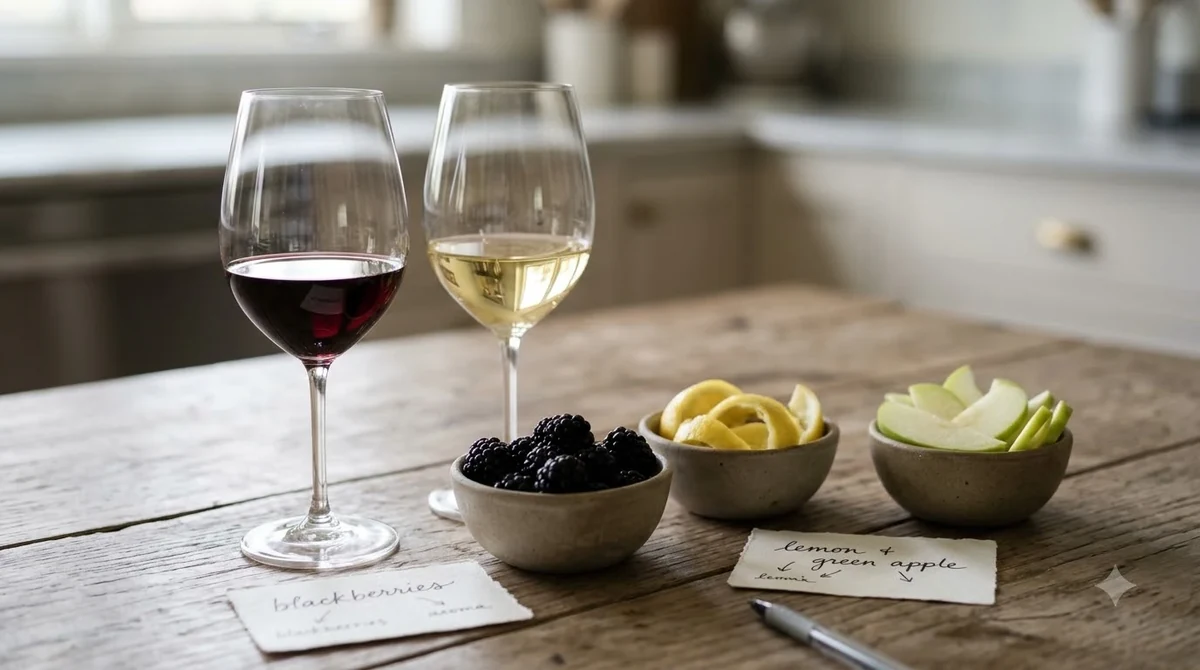
Riesling is one of the most versatile white wines for goose because it combines naturally high acidity with aromatic fruit and a range of sweetness levels. Dry Riesling works well with a straightforward roast, while an off-dry style can complement apple stuffing, cranberry sauce, and sweet-and-sour red cabbage.
German Riesling is particularly useful because its different styles allow you to adjust the sweetness to the meal. A dry Trocken Riesling is a sensible choice when the plate is mostly savory. A Kabinett or Spätlese with some residual sweetness can be more successful when the goose is served with fruit or a sweet glaze.
The sweetness level is important. A wine that tastes dry alongside sweet apple stuffing can seem unusually sour or sharp. A wine with a little residual sugar is often more balanced in that situation. However, avoid choosing a very sweet dessert-style Riesling for a savory roast unless the accompanying sauce is also notably sweet.
Pinot Gris: Texture and Aromatic Fruit
Pinot Gris is another strong option, particularly from Alsace in northeastern France. Compared with many lighter white wines, Alsace Pinot Gris can have a broader texture, concentrated fruit, and enough weight to accompany rich poultry.
Look for flavors such as pear, apple, stone fruit, and subtle spice. These characteristics work particularly well with goose accompanied by roasted apples, onions, root vegetables, or herbs.
Pinot Gris is also useful when the table includes guests who prefer white wine but do not enjoy noticeable sweetness. Choose a dry or gently rounded example, depending on the sauce and stuffing.
Chenin Blanc: A Versatile Alternative
Chenin Blanc offers another combination of acidity and texture that can work well with roast goose. Vouvray from France’s Loire Valley is a particularly interesting place to start because the wines range from dry to off-dry and can show apple, quince, citrus, and honeyed notes.
A dry Vouvray is a good choice for goose with savory stuffing and gravy. A slightly off-dry version can be more suitable when the meal includes caramelized apples, roasted pears, or a fruit-based sauce.
Chenin Blanc is especially useful when you want something more textured than a crisp Sauvignon Blanc but do not want the stronger tannin and structure of a substantial red.
Gewürztraminer for Aromatic Seasonings
Gewürztraminer deserves consideration when goose is prepared with fragrant spices. Its aromatic profile can include lychee, rose, ginger, and exotic spice, making it an interesting companion for dishes featuring five-spice seasoning, orange, or warming herbs.
Choose a dry or slightly off-dry style according to the seasoning. A modest amount of sweetness can complement aromatic spices and fruit, but the wine should not be sweeter than the dish. Its relatively softer acidity also means it is not always as effective as Riesling at balancing a particularly fatty preparation.
Choosing Wine for Goose With Different Sauces and Side Dishes
The best pairing changes according to what accompanies the goose. Cranberry sauce, apple stuffing, orange glaze, red cabbage, and savory gravy each introduce different flavors, so the wine should respond to the complete plate.
| Goose preparation | Recommended wine | Why it works |
|---|---|---|
| Traditional roast with gravy | Pinot Noir | Red fruit, freshness, and moderate tannin |
| Roast goose with cranberry sauce | Barbera or Pinot Noir | Acidity and complementary berry flavors |
| Goose with apple stuffing | Off-dry Riesling | Fruit sweetness and refreshing acidity |
| Goose with red cabbage | Off-dry Riesling | Balances sweet and acidic flavors |
| Goose with orange sauce | Pinot Gris or Madeira | Fruit, texture, and aromatic complexity |
| Goose with mushroom stuffing | Pinot Noir or Nebbiolo | Earthy flavors and savory depth |
| Confit goose legs | German Riesling or Barbera | Acidity balances richness and seasoning |
| Spiced roast goose | Gewürztraminer or Riesling | Aromatic flavors complement the spices |
Goose With Cranberry Sauce
Cranberry sauce brings tartness, fruit sweetness, and sometimes a slightly bitter edge. Pinot Noir is an excellent red choice because its cherry and raspberry flavors complement the berries without introducing excessive tannin.
Barbera is another good option. Its acidity helps balance the fatty meat, while its red-fruit flavors connect with the cranberry sauce. If the sauce is particularly sweet, choose a fruit-forward wine rather than a very austere, high-tannin red.
Goose With Apples and Red Cabbage
Apple stuffing and braised red cabbage are common accompaniments to European-style roast goose. Both can introduce noticeable sweetness, while cabbage preparations often include vinegar for additional acidity.
Off-dry Riesling is a reliable choice because its natural acidity balances the fatty meat and the sweet-and-sour character of the vegetables. A slightly sweet wine also prevents the fruit components from making the wine taste excessively sharp.
If you prefer red wine, try a juicy Gamay or Pinot Noir with fresh fruit character. Avoid an especially tannic Cabernet Sauvignon if the cabbage is strongly sweet and acidic.
Goose With Orange Sauce or Madeira
Orange sauce changes the pairing because citrus, sweetness, and sometimes caramelized flavors become prominent. Pinot Gris can work well when the sauce has a moderate sweetness and the meal retains a savory character.
For a more traditional combination, Madeira deserves consideration. The International Wine & Food Society specifically lists Madeira, Meursault, and Médoc Bordeaux for roast goose prepared with oranges and Madeira. These options demonstrate how the sauce can justify a more unusual pairing than plain roast goose would require. Its game pairing guide also includes separate recommendations for goose pâté and foie gras.
Goose With Savory Gravy and Mushrooms
A rich gravy or mushroom stuffing generally favors red wine. Pinot Noir is particularly effective because its earthy characteristics can complement mushrooms, while its acidity balances the fat from the roasted bird.
For more intense mushroom dishes, consider Nebbiolo or a structured Barbera. The additional concentration provides enough flavor to accompany the gravy without requiring the most heavily tannic wines in the cellar.
For more ideas on matching substantial meat dishes with red wine, see our guide to what wine goes with beef brisket. The same principles of balancing savory flavors, fat, and tannin can help when selecting a wine for a rich goose dinner.
Wine Pairings for Goose Confit, Pâté, and Other Preparations
Goose is not limited to a whole roasted bird, and different preparations create different pairing requirements. Confit, pâté, and foie gras each have distinct textures and levels of richness that influence the best wine choice.
Goose Confit
Goose confit is prepared by slowly cooking seasoned goose legs in fat. The result is tender meat with concentrated flavor and often crisp skin, creating a dish that benefits from a wine with substantial acidity.
German Riesling is a particularly useful choice. A fresh Spätlese can offer aromatic intensity, acidity, and a degree of sweetness without necessarily overwhelming the savory preparation. If the confit is heavily salted, a dry or gently off-dry style is generally more suitable than a very sweet wine.
Barbera is a good red alternative. Its lively acidity and fruit can provide a refreshing contrast to the richness of the meat. A juicy Gamay can also work when the seasoning is relatively straightforward.
Goose Pâté
Goose pâté has a smoother, more concentrated texture than roast meat. It often includes additional fat, seasoning, and sometimes herbs or aromatics, so wines with freshness and aromatic complexity are particularly useful.
Pinot Gris and Gewürztraminer are among the choices listed for goose pâté by the International Wine & Food Society. Both can provide enough aromatic character to accompany the concentrated flavor of the preparation.
For a more substantial appetizer, sparkling wine can also be considered. Its acidity and bubbles provide contrast to the creamy texture, especially when the pâté is served with toasted bread or a small amount of fruit preserve.
Goose Foie Gras
Goose foie gras is a particularly rich preparation, and its smooth, fatty texture often calls for a different pairing from ordinary roast goose. Sweet wines can be especially successful because their sweetness and acidity complement the concentrated texture.
Consider Sauternes from Bordeaux, late-harvest Riesling, or Tokaji from Hungary. These wines combine sweetness with enough acidity to keep the pairing balanced. Champagne and aromatic Pinot Gris are additional possibilities, particularly when the preparation includes savory accompaniments.
For a broader understanding of matching rich, salty, and creamy foods with wine, our article on what wine goes with blue cheese explains why sweetness and acidity can work particularly well with intense flavors.
Serving Temperature and Practical Wine Selection
Serving temperature can significantly affect how a wine tastes beside goose. Slightly cool reds retain freshness, while properly chilled whites show their acidity and aromatic character without losing their structure.
For a typical roast goose dinner, use these serving temperatures:
| Wine style | Serving temperature | Suggested pairing |
|---|---|---|
| Light red Pinot Noir | 55–60°F | Roast goose and cranberry sauce |
| Medium-bodied Barbera | 55–60°F | Goose with gravy and potatoes |
| Structured Nebbiolo | 60–65°F | Goose with mushroom stuffing |
| Dry Riesling | 45–50°F | Goose with savory stuffing |
| Off-dry Riesling | 43–50°F | Goose with apples or red cabbage |
| Alsace Pinot Gris | 45–50°F | Goose with roasted vegetables |
| Vouvray Chenin Blanc | 45–50°F | Goose with fruit-based sides |
Light reds should be served cooler than many people expect. Pinot Noir that has become too warm can lose its freshness, making the combination of rich meat and wine seem heavier. A short period in the refrigerator before serving can help bring the wine into its ideal range.
Fuller reds such as Barolo generally benefit from a slightly warmer serving temperature than lighter Pinot Noir. However, avoid serving them excessively warm, particularly in a heated dining room.
Young, structured red wines may benefit from decanting for approximately 30–60 minutes before serving. This can help open their aromas and soften the impression of firm tannins. Pinot Noir usually needs less aeration than a young Barolo.
For a standard dinner pour, allow approximately 5 ounces per glass. A 750 ml bottle provides about five standard servings, making it relatively easy to estimate how many bottles are needed for a group. If the dinner includes both red and white wine preferences, serving one bottle of each style can provide flexibility without requiring several different pairings.
If goose is the centerpiece of a larger meal, consider the other courses too. A white wine that works with an appetizer may also complement the goose if the main course includes fruit or aromatic seasoning. For additional advice on matching wine to different foods, explore our Wine Pairing guide or our suggestions for what wine goes with eggplant parmesan.
Frequently Asked Questions
Is goose considered red meat or white meat?
Goose is classified as poultry, although its meat is darker than most chicken and turkey meat. The dark appearance is associated with the greater concentration of myoglobin in its muscles. Its rich flavor and substantial fat content explain why it often pairs successfully with medium-bodied red wines.
Can you serve Champagne with roast goose?
Yes. Dry Champagne can provide refreshing acidity and lively bubbles that contrast with the richness of roasted goose. A rosé Champagne can be particularly attractive when the dish includes cranberry, cherry, or other red-fruit accompaniments. Traditional-method sparkling wines such as Cava are additional alternatives.
Is Chardonnay a suitable wine for goose?
Chardonnay can accompany goose, particularly when the dish includes creamy sauces or roasted vegetables. Meursault, a well-known white Burgundy appellation, is specifically included in the International Wine & Food Society’s recommendations for goose with oranges and Madeira. A Chardonnay with sufficient freshness and texture is preferable to an excessively heavy style.
Does goose pair with rosé wine?
Yes. A dry, full-bodied rosé can work with roast goose, particularly when the meal includes cranberry sauce, grilled vegetables, or fruit-based stuffing. Choose a rosé with noticeable acidity and enough flavor concentration to stand up to the meat rather than a very delicate, lightly flavored example.
Should you use the same wine for cooking goose and serving it?
You can use the same general wine style for cooking and serving, but the cooking wine does not need to be an expensive bottle. For a red-wine-based goose sauce, Pinot Noir or Barbera can provide suitable fruit and acidity. Madeira is a traditional option for certain orange-based preparations, where its distinctive concentrated character becomes part of the sauce.
The best wine for goose is one that balances its rich meat while complementing the flavors around it. Pinot Noir is the most versatile red, Barbera offers lively acidity, and Riesling is an outstanding white option for fruit-based accompaniments. Start with the preparation and side dishes, then choose a wine with enough freshness, fruit, and body to make the entire meal feel balanced.
More in Food & Wine Pairing
 Risotto With White Wine Recipe: Make a Creamy Dinner at HomeUpdated Nov 20, 2026
 Wassail With Wine Recipe for a Festive Spiced Holiday DrinkUpdated Nov 20, 2026
 Spritz Veneziano Recipe: Make a Classic Venetian Aperitivo at HomeUpdated Nov 20, 2026
 Summer Wine Punch Recipe for Easy Homemade EntertainingUpdated Nov 20, 2026
 Bishop Recipe: How to Make a Bright, Citrus-Forward Red Wine CocktailUpdated Nov 20, 2026
 Wine Cupcakes Recipe: Bake Rich Chocolate Cupcakes at HomeUpdated Nov 20, 2026