

We may earn a commission when you buy through links on this page, at no extra cost to you. Learn more.
What wine goes with baked salmon? Chardonnay is the best all-around white wine choice, particularly when the fish is roasted with butter, garlic, or herbs. Sauvignon Blanc is an excellent alternative for lemon-seasoned salmon, while Pinot Noir offers a versatile red wine pairing for richer, simply seasoned fillets. The best bottle depends on the sauce, seasoning, and richness of the finished dish.
Baked salmon is one of the more flexible dishes to pair with wine because its naturally rich flesh can complement both white and red varieties. However, baking changes the fish’s texture and concentrates its savory flavors, making the ingredients used during preparation especially important. A fillet baked with lemon and dill calls for a different wine than one covered in garlic butter or a sweet maple glaze. Understanding a few basic pairing principles makes choosing a bottle much easier, whether you are preparing a weeknight dinner or serving salmon at a dinner party.
Chardonnay Is the Best All-Around Wine for Baked Salmon
Chardonnay is an excellent starting point for baked salmon because its medium acidity, fuller texture, and range of flavor profiles complement the fish’s natural richness. Choose a lightly oaked or moderately oaked bottle for salmon prepared with butter, garlic, or roasted vegetables.
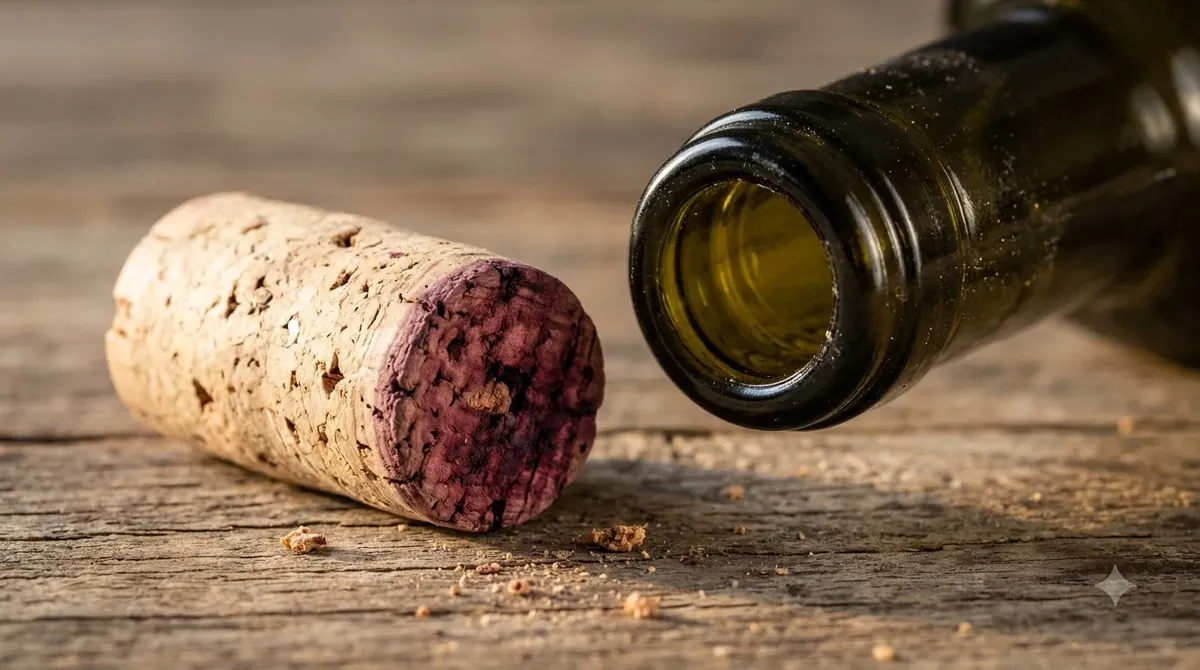
The advantage of Chardonnay is its ability to match the weight of baked salmon without requiring particularly complicated seasoning. Salmon has a substantial texture compared with delicate white fish, and a thin, neutral wine can sometimes disappear beside a generously sized fillet. Chardonnay offers enough body to remain noticeable while maintaining the freshness needed for a balanced meal.
For salmon baked with olive oil, black pepper, and a little garlic, consider an unoaked or lightly oaked Chardonnay. These wines tend to emphasize apple, pear, citrus, and mineral characteristics rather than pronounced vanilla or toast. They complement the fish without making a relatively simple preparation taste overly rich.
When butter, cream, or a creamy sauce is involved, a more substantial Chardonnay becomes attractive. A California Chardonnay or white Burgundy with restrained oak can echo the richness of melted butter and the browned edges of the fish. The wine’s texture creates a satisfying connection with the sauce, while its acidity helps refresh the palate.
Choosing an appropriate Chardonnay style
- Unoaked Chardonnay: Best for simply baked salmon with olive oil, garlic, and light seasoning.
- Lightly oaked Chardonnay: A versatile choice for salmon with roasted potatoes, herbs, or browned butter.
- Moderately oaked Chardonnay: Particularly suitable for salmon with cream sauce, garlic butter, or richer accompaniments.
- Chablis: An unoaked Chardonnay style with freshness and mineral character that works well when lemon or other acidic ingredients feature prominently.
Geography can also help narrow the selection. Burgundy in France offers Chardonnay styles ranging from lean and mineral to rounded and oak-influenced. California produces a wide range of expressions, including fuller wines with ripe orchard-fruit characteristics. Both can work with baked salmon, provided the wine’s weight suits the preparation.
Serve full-bodied Chardonnay around 50–55°F. This temperature allows the wine to retain freshness while making its texture and aromas accessible. If the bottle is too warm, its alcohol and richness may become more noticeable, especially alongside buttery salmon.
Sauvignon Blanc Complements Lemon, Dill, and Fresh Herbs
Sauvignon Blanc is one of the strongest alternatives to Chardonnay when baked salmon includes lemon, dill, parsley, or other fresh herbs. Its naturally high acidity and citrus-driven character provide contrast to the fish’s richness while reinforcing the bright flavors of the seasoning.
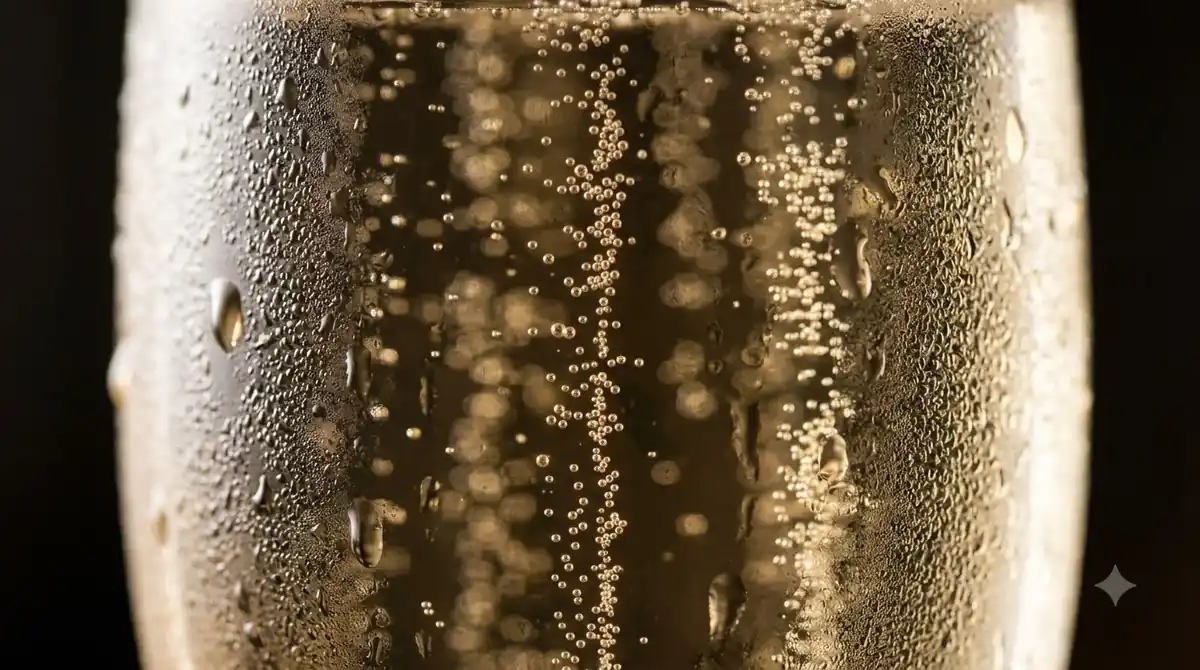
Consider a straightforward baked fillet prepared with olive oil, lemon slices, cracked black pepper, and fresh dill. A crisp Sauvignon Blanc brings lime, grapefruit, green apple, and herbal notes that connect naturally with these ingredients. Its refreshing acidity also keeps each bite from feeling too heavy.
New Zealand Sauvignon Blanc is a useful choice for particularly herbaceous preparations. Wines from Marlborough often feature pronounced citrus and fresh green-fruit characteristics. These flavors work especially well with salmon served alongside asparagus, green beans, or a salad dressed with lemon vinaigrette.
For a more restrained expression, consider Sauvignon Blanc from the Loire Valley in France. Sancerre and Pouilly-Fumé are recognizable examples. Their fresh acidity and mineral character can complement simply seasoned salmon without introducing excessive tropical fruit flavors.
When Sauvignon Blanc is better than Chardonnay
The difference becomes clearer when considering the sauce. If the salmon is finished with a squeeze of lemon and a handful of fresh herbs, Sauvignon Blanc usually makes the more natural pairing. Chardonnay can still work, but its rounder texture may be less refreshing beside a particularly sharp citrus dressing.
However, Sauvignon Blanc is not always the best choice for heavily buttered salmon. A very lean, sharply acidic version can feel disconnected from a rich cream sauce. In that situation, a fuller Chardonnay or a high-acid white with more body, such as Greek Assyrtiko, is often a better option.
For another perspective on matching wine with citrus and different salmon preparations, explore what wine goes with smoked salmon. Although smoking changes the fish’s flavor and texture, acidity remains an important part of the pairing decision.
For additional expert pairing suggestions, Decanter’s guide to wine with salmon also discusses how herbs, citrus, creamy sauces, and cooking methods influence the choice of wine.
Tip: Match the wine’s acidity to the lemon or vinaigrette on the plate. If your salmon has a generous squeeze of lemon, choose a wine with enough natural acidity to remain lively rather than tasting flat beside the food.
Serve Sauvignon Blanc around 45–50°F. This temperature helps preserve its crisp character and makes it refreshing alongside warm salmon. Avoid serving it extremely cold, since excessive chilling can make its aromas and herbal nuances harder to appreciate.
Pinot Noir Is the Best Red Wine Alternative
Pinot Noir is a reliable red wine pairing for baked salmon because it combines relatively gentle tannins with bright acidity and moderate body. Its red-fruit flavors complement the savory richness of the fish without overwhelming its delicate characteristics.
Although white wine is often the first recommendation for fish, salmon has a firmer, richer texture than many white-fleshed varieties. Its natural oils and substantial flesh make it suitable for certain red wines, especially when the salmon has browned edges or roasted seasoning.
Pinot Noir typically offers cherry, raspberry, strawberry, and sometimes earthy or forest-floor characteristics. These flavors work particularly well with salmon baked alongside mushrooms, roasted onions, thyme, or rosemary. The combination feels especially natural when the vegetables develop browned, savory flavors during cooking.
Oregon Pinot Noir from the Willamette Valley is a useful starting point. Its fresh fruit character and relatively restrained structure can complement a simply roasted fillet. Pinot Noir from California’s cooler coastal growing areas offers another direction, often with a combination of ripe fruit and refreshing acidity.
Wine Enthusiast also discusses the suitability of fruit-forward Pinot Noir for salmon in its salmon wine-pairing recommendations, including examples from Central Otago in New Zealand.
Other red wines worth considering
Beaujolais, made from Gamay, is another suitable option. Its juicy red fruit and generally gentle tannins make it appealing alongside salmon prepared with garlic, herbs, and roasted vegetables. It can also work when the dish includes a lightly caramelized exterior.
Some lighter styles of Valpolicella are worth considering for salmon with mushrooms or roasted tomatoes. Their fruit-forward character can complement the savory ingredients without the heavy tannin associated with more structured red wines.
The important distinction is tannin. Cabernet Sauvignon is typically high in tannin, which can clash with oily fish and create an unpleasant metallic impression. Syrah can also be too structured for a delicate baked fillet, depending on its style. Merlot is generally softer, but a full-bodied example may still overwhelm simply prepared salmon.
Pinot Noir is not limited to plain fish, either. It can work with salmon seasoned using smoked paprika, black pepper, or dried herbs. However, a heavily sweetened glaze may call for a wine with more obvious fruit and a little residual sweetness rather than a very dry, delicate red.
Serve light-bodied Pinot Noir at approximately 55–60°F. A slight chill can emphasize its freshness and prevent the wine from feeling too warm or heavy alongside the fish.
Choose Wine According to the Salmon Seasoning and Sauce
The seasoning often determines the final pairing more than the salmon itself. Butter, lemon, fresh herbs, roasted garlic, mustard, and sweet glazes each introduce different characteristics that influence the wine selection.
Before choosing a bottle, identify the dominant flavor on the plate. A preparation with generous lemon juice behaves differently from one finished with maple syrup, even if both use the same salmon fillet and oven temperature. The wine should complement the strongest ingredient without losing its ability to match the fish.
Butter and garlic
Butter adds richness and a smooth texture, while garlic contributes a savory, aromatic character. Chardonnay is usually the first choice for this combination, especially when the salmon is basted with melted butter during baking. A lightly oaked version adds subtle toasted notes that complement the browned surface.
If the recipe uses garlic butter with lemon juice, a fresher Chardonnay or Assyrtiko can provide a useful contrast. The acidity prevents the overall pairing from feeling excessively rich.
Lemon and dill
Lemon and dill create a bright, fresh preparation that generally favors high-acid white wines. Sauvignon Blanc is particularly effective, while Albariño, Vermentino, and Grüner Veltliner provide alternatives with citrus and herbal characteristics.
For salmon with a yogurt-based dill sauce, consider a crisp white rather than a heavily oaked wine. The wine should refresh the palate and complement the herbal ingredients without adding unnecessary weight.
Honey, maple, and brown sugar glazes
Sweet glazes require a different approach. Honey, maple syrup, and brown sugar introduce sweetness that can make an extremely dry wine taste sharper or more acidic than expected. A fruit-forward wine or a slightly off-dry Riesling is often a better match.
Riesling is particularly useful because it combines high acidity with a range of sweetness levels. A dry version works with lightly sweetened preparations, while an off-dry style is more suitable for a pronounced honey or maple glaze.
The fundamental rule is that the wine should be at least as sweet as the dessert-like component of the dish. This principle also applies to sweet salmon glazes: a wine that is noticeably drier than the food can lose its balance.
Mustard and spice rubs
Dijon mustard, black pepper, smoked paprika, and Cajun-style seasoning introduce stronger flavors. For a moderate mustard crust, Chardonnay or Pinot Noir can work, depending on the amount of butter and herbs involved.
For more pronounced chili heat, consider an off-dry Riesling. Wines with high alcohol and substantial tannin can make chili heat feel more intense, so avoid a powerful Cabernet Sauvignon or heavily structured Syrah with a spicy preparation.
These distinctions are useful when planning a complete meal. The same general approach applies to other baked dishes, including what wine goes with baked ziti, where the sauce, cheese, and seasoning influence the final pairing as much as the main ingredient.
Compare the Best Wines for Different Baked Salmon Recipes
A quick comparison makes it easier to select a bottle for the recipe rather than relying on one universal recommendation. The following pairings account for the dominant ingredients, texture, and acidity of common baked salmon preparations.
| Salmon preparation | Best wine choice | Alternative | Serving temperature |
|---|---|---|---|
| Plain baked salmon | Chardonnay | Pinot Noir | 50–55°F for Chardonnay |
| Lemon and dill salmon | Sauvignon Blanc | Albariño | 45–50°F |
| Garlic butter salmon | Oaked Chardonnay | Assyrtiko | 50–55°F |
| Honey-glazed salmon | Off-dry Riesling | Fruit-forward rosé | 45–50°F |
| Herb-crusted salmon | Sauvignon Blanc | Vermentino | 45–50°F |
| Mushroom and thyme salmon | Pinot Noir | Beaujolais | 55–60°F |
| Smoky paprika salmon | Pinot Noir | Dry rosé | 45–60°F, depending on style |
| Creamy baked salmon | Chardonnay | Grüner Veltliner | 50–55°F for Chardonnay |
These are practical starting points rather than rigid rules. For example, a lemon-dill salmon recipe that includes a generous amount of cream may favor Chardonnay over Sauvignon Blanc. Likewise, a mushroom-crusted salmon with a substantial amount of lemon juice may benefit from a more acidic wine than a typical Pinot Noir.
Consider the side dishes, too. Roasted asparagus, green beans, potatoes, rice, and glazed carrots can change the overall character of a meal. A lemon-dressed green vegetable reinforces the case for Sauvignon Blanc, while buttery mashed potatoes make Chardonnay particularly appealing.
If several guests have different wine preferences, dry rosé is a practical alternative. It can provide enough acidity for the fish while offering fruit flavors that work with roasted vegetables and moderate seasoning. A pale Provence-style rosé is particularly useful for relatively simple preparations.
Another flexible option is sparkling wine. Brut Champagne, Cava, or other dry traditional-method sparkling wines can work with salmon because their acidity and bubbles refresh the palate. These wines are particularly useful when the meal includes rich appetizers or several different side dishes.
Serve and Store Wine Properly for a Salmon Dinner
Serving temperature can change how a wine tastes alongside baked salmon. A properly chilled white retains freshness, while a slightly cool red emphasizes fruit and acidity rather than alcohol or heavy texture.
For Chardonnay, aim for 50–55°F. Sauvignon Blanc, Albariño, and other lighter whites are generally best around 45–50°F. If serving a full-bodied white with a cream sauce, avoid excessive chilling because it can conceal the wine’s aromas and texture.
Pinot Noir and Beaujolais should be served around 55–60°F. This is cooler than many people expect for red wine, but it helps maintain freshness and makes these lighter styles particularly appealing with salmon.
Dry rosé should generally be served around 45–50°F. Sparkling wines benefit from a slightly colder serving temperature of approximately 40–50°F. These temperatures preserve the refreshing character that makes both styles useful with richer foods.
How much wine should you pour?
A standard serving is approximately 5 ounces, and a typical 750 ml bottle provides around five glasses. For a dinner with four guests, one bottle is generally enough for a single moderate pour each, although additional bottles may be needed if wine is being served throughout a longer meal.
Pouring smaller amounts can also help preserve the wine’s temperature. This is particularly useful for whites and rosés that warm up during dinner. Rather than filling every glass at once, pour another serving when needed.
Storing an opened bottle
If wine remains after dinner, reseal the bottle and store it in the refrigerator. Most opened still wines remain enjoyable for approximately 3–5 days when properly refrigerated. Sparkling wine generally keeps for around 1–3 days with an appropriate sparkling-wine stopper.
Keep unopened bottles in a cool, dark location away from temperature fluctuations. A storage temperature near 55°F is a useful target, and bottles with traditional cork closures are generally stored on their sides.
Planning the wine before preparing the salmon also makes serving easier. Chill the white wine in advance, allow lighter reds to cool slightly if necessary, and bring the bottles to the table when the fish is ready. These small details help the wine maintain its intended character throughout the meal.
For more general guidance on matching acidity, sweetness, tannin, and food texture, explore our Wine Pairing fundamentals. The same principles can help with seafood, poultry, pasta, and other dishes.
Frequently Asked Questions
What wine goes best with baked salmon for a dinner party?
Chardonnay is a convenient dinner-party choice because it accommodates several common salmon preparations, from simple roasted fillets to butter-based sauces. A dry sparkling wine is another useful option if the menu includes appetizers and multiple side dishes. For guests who prefer red, a lightly chilled Pinot Noir provides a suitable alternative.
Is Pinot Grigio a good wine with baked salmon?
Yes, particularly when the salmon is prepared with light seasoning, olive oil, or fresh herbs. Pinot Grigio from northern Italy often offers crisp apple, pear, and citrus characteristics. Choose a version with enough body to complement the fish rather than an especially thin, neutral example.
Can rosé wine go with baked salmon?
Dry rosé is a versatile pairing, especially when the salmon is served with roasted vegetables, tomatoes, or Mediterranean herbs. Rosé from Provence is a useful example, offering refreshing acidity and restrained red-fruit flavors. Sparkling rosé also works when the meal includes richer sauces or crisp, roasted accompaniments.
Does salmon baked in foil need a different wine?
Not necessarily, but foil baking can retain moisture and create a softer texture than uncovered roasting. A crisp Chardonnay or Sauvignon Blanc works well with a simple preparation, while a richer Chardonnay is suitable when butter or cream is included. Vegetables cooked inside the foil packet can also influence the final choice.
What wine goes with leftover baked salmon served cold?
Cold salmon in a salad or sandwich often pairs well with Sauvignon Blanc, Albariño, or dry rosé. If the salmon is mixed with mayonnaise or a creamy dressing, choose a white with enough acidity to balance the additional richness. A sparkling Brut wine is another good option for cold salmon served with capers or pickled vegetables.
The best wine for baked salmon depends on the ingredients surrounding the fish, but Chardonnay remains the most versatile starting point. Choose Sauvignon Blanc for lemon and herbs, Pinot Noir for roasted and savory flavors, and off-dry Riesling for sweeter glazes. With the right balance of acidity, body, and serving temperature, a simple baked salmon dinner can become a particularly satisfying food-and-wine pairing.
More in Food & Wine Pairing
 Risotto With White Wine Recipe: Make a Creamy Dinner at HomeUpdated Nov 20, 2026
 Wassail With Wine Recipe for a Festive Spiced Holiday DrinkUpdated Nov 20, 2026
 Spritz Veneziano Recipe: Make a Classic Venetian Aperitivo at HomeUpdated Nov 20, 2026
 Summer Wine Punch Recipe for Easy Homemade EntertainingUpdated Nov 20, 2026
 Bishop Recipe: How to Make a Bright, Citrus-Forward Red Wine CocktailUpdated Nov 20, 2026
 Wine Cupcakes Recipe: Bake Rich Chocolate Cupcakes at HomeUpdated Nov 20, 2026