

We may earn a commission when you buy through links on this page, at no extra cost to you. Learn more.
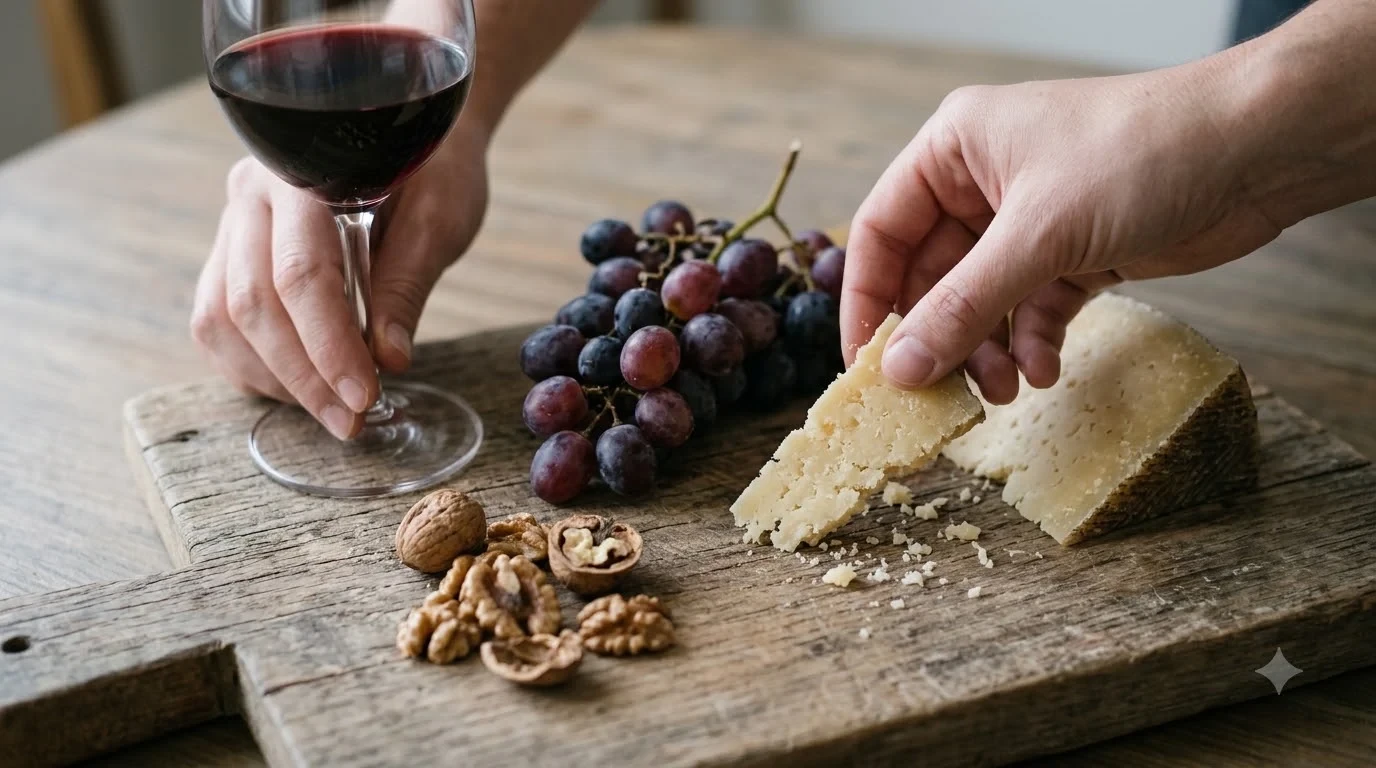
Semillon food pairing works best with seafood, chicken, pork, fresh salads, and mild cheeses, with the ideal match depending on whether the wine is young and dry, mature and honeyed, or sweet and botrytized. Young Semillon’s citrus character and freshness complement delicate seafood, while aged examples have enough richness for smoked fish and roasted poultry. Sweet Semillon from Sauternes and Barsac belongs with desserts, blue cheese, and other intensely flavored foods.
Semillon deserves more attention at the dinner table than it often receives. This versatile white grape produces several distinct wine styles, from crisp Australian bottles to richer oak-aged Bordeaux whites and luscious French dessert wines. Understanding those differences makes choosing food considerably easier. Rather than treating every bottle as interchangeable, consider its sweetness, acidity, body, age, and texture before deciding what to serve. For an overview of the grape’s regional styles, Wine Australia’s Semillon profile provides useful background.
Understanding Semillon’s Flavor and Structure
Semillon is a flexible white grape that can produce everything from light, dry wines to full-bodied, intensely sweet bottles. Its flavor profile changes considerably with climate, winemaking, and bottle age, so recognizing the style is the first step toward a successful pairing.
Young, dry Semillon commonly displays lemon, lime, green apple, quince, and sometimes herbal notes. These characteristics make it particularly suitable for dishes with delicate flavors. Its texture can feel slightly rounded or waxy, even when the wine is relatively light. That combination of freshness and texture allows it to work with foods that need both acidity and a little richness.
Regional differences matter. Hunter Valley Semillon from New South Wales is typically picked early and fermented dry in stainless steel. According to Wine Australia, young examples are light and lemony, with high acidity. After approximately 6–8 years, they can develop fig, toast, and honey characteristics. Some examples have the capacity to mature for 40 years or more.
Barossa Valley Semillon offers another direction. Some bottles are richer, fuller-bodied, and oak-aged, while others remain lighter and crisp. Margaret River producers frequently blend Semillon with Sauvignon Blanc, creating wines with freshness, herbal notes, and additional texture.
French Semillon introduces another important distinction. Dry Bordeaux whites often combine Semillon with Sauvignon Blanc, while Sauternes and Barsac use noble-rot-affected grapes to create concentrated sweet wines. Decanter’s guide to the Semillon grape variety explains how the grape contributes waxy texture and honeyed richness to Bordeaux blends.
Tip: Identify the wine’s style before choosing the meal. Young, dry Hunter Valley Semillon is a natural seafood companion, while mature Semillon and sweet Sauternes need different food matches.
For broader comparisons between white wines, the albarino food pairing approach is also useful. Both varieties can work beautifully with seafood, but their differences in texture and aromatic character give them distinct strengths.
Seafood and Shellfish Are Natural Semillon Partners
Fresh seafood is one of the most dependable choices for dry Semillon. Oysters, scallops, shrimp, mussels, and mild white fish complement the wine’s citrus character, while its freshness helps balance naturally rich seafood preparations.
Oysters are particularly suitable with young, unoaked Semillon. Their delicate salinity and clean flavor allow the wine’s lemon and green apple notes to come forward. Serve oysters simply, perhaps with a little lemon, rather than adding a strongly flavored sauce that could overpower the wine.
Scallops offer another excellent match. Pan-seared scallops with a light butter sauce combine gentle sweetness, browned edges, and a silky texture. A crisp Hunter Valley Semillon provides freshness that cuts through the butter without overwhelming the scallops. Grilled prawns with garlic, parsley, and lemon offer a similar balance.
Mussels and clams work well in preparations involving white wine, garlic, herbs, or a light cream sauce. The wine’s acidity refreshes the palate between bites, while its texture complements the shellfish. A Semillon and Sauvignon Blanc blend from Margaret River can be particularly suitable when the dish includes fresh herbs or citrus.
Choosing the right fish
White fish such as cod, halibut, haddock, and sea bass are reliable partners for dry Semillon. Grilled or baked preparations preserve the delicate character of the fish and allow the wine to contribute its citrus and herbal flavors. A simple lemon and herb dressing is usually more effective than an aggressively spiced sauce.
Pink-fleshed fish can work too. Salmon and trout have more natural richness, making them better candidates for fuller-bodied or bottle-aged Semillon. Smoked trout is especially appealing with a mature Hunter Valley example because the wine’s developing toast and honey notes can complement the fish’s savory character.
Preparation matters as much as the type of seafood. Grilling, steaming, baking, and light pan-searing are generally reliable. Heavy, sweet barbecue glazes can dominate delicate wines, while very oily fish served with a tannic red would create a different structural problem. Dry Semillon avoids that red-wine tannin issue and offers a more appropriate white-wine alternative.
For seafood dishes with sharp lemon or vinegar sauces, choose a Semillon with enough acidity to keep pace. A very mild, mature bottle may seem less lively beside an intensely acidic preparation. The general rule is to avoid making the food noticeably more acidic than the wine.
Chicken and Pork Suit Richer Semillon Styles
Chicken and pork are excellent choices when Semillon has a little more body, bottle age, or oak influence. Their mild flavors provide room for the wine’s citrus, honey, toast, and rounded texture to complement the dish.
Roast chicken is one of the easiest combinations to prepare. A golden-skinned chicken with rosemary, thyme, garlic, and lemon works with both dry Bordeaux-style Semillon blends and mature Australian bottles. The roasted skin contributes savory depth, while the meat remains delicate enough not to overwhelm the wine.
Chicken with mushroom sauce is another useful option. Mushrooms bring earthy flavors, and a lightly creamy sauce adds richness. A mature Hunter Valley Semillon with developing toast and honey notes can match those characteristics particularly well. For a richer oak-aged example, chicken with a modest amount of butter or cream provides a suitable texture match.
More ways to serve chicken
Grilled chicken with lemon and herbs is particularly good with younger Semillon. The citrus in the marinade echoes the wine’s fruit profile, while grilling contributes enough savory flavor to make the pairing interesting. Chicken piccata, with its lemon and caper sauce, can also work when the wine has sufficient acidity.
For Asian-inspired meals, consider chicken dumplings, steamed chicken with ginger, or lightly seasoned chicken with coconut milk. Semillon blended with Sauvignon Blanc can work particularly well with herbal ingredients and moderate spice. Avoid excessively hot sauces, however, because alcohol can intensify the perception of chili heat.
Pork provides a wider range of possibilities. Roast pork loin with apples is a particularly attractive match for Semillon. The fruit complements the wine’s apple and quince characteristics, while the meat provides enough richness for a fuller-bodied bottle.
Grilled pork tenderloin with herbs, pork chops with mushrooms, and slow-roasted pork with fennel are other useful choices. Aged Semillon is especially suitable for preparations that include browned meat, roasted vegetables, or gentle sweetness from cooked fruit.
Smoked pork can work with mature Semillon as well. The wine’s developing toast, honey, and savory complexity offer a bridge to the smoky flavors. Keep barbecue sauces moderate in sweetness so that a dry wine does not seem thin or overly sharp beside the food.
Vegetables, Salads, and Cheese Add Versatility
Semillon is not limited to fish and meat. Its citrus, herbal, and sometimes waxy characteristics make it suitable for vegetable dishes, fresh salads, and several styles of cheese, particularly when the preparation avoids excessive acidity or sweetness.
Asparagus is a good candidate for an herbal Semillon and Sauvignon Blanc blend. Roast or steam it with olive oil, salt, and a small amount of lemon. Green beans, peas, zucchini, and artichokes can also work, especially when prepared with fresh herbs rather than heavy sauces.
Roasted vegetables are particularly useful with fuller-bodied Semillon. Carrots, cauliflower, fennel, and squash develop sweeter, deeper flavors during roasting. A lightly oaked bottle can complement their caramelized edges and soft textures. A younger, sharper wine is generally better with steamed or lightly grilled vegetables.
Salads and dressings
Green salads with cucumber, lettuce, fennel, and fresh herbs suit dry Semillon. Add toasted almonds, walnuts, or dried fruit for extra texture and a more interesting flavor connection with mature examples. A salad containing roasted chicken or grilled shrimp can also serve as a complete meal alongside the wine.
Dressings require some attention. Lemon vinaigrette and vinegar-based dressings can make a wine taste less lively if their acidity greatly exceeds the wine’s. Use a moderate amount of vinegar and balance it with olive oil. Creamy dressings can be suitable with richer Semillon, provided they are not excessively heavy.
For a Mediterranean-style salad, combine tomatoes, cucumber, olives, parsley, and mild goat cheese. A dry Semillon and Sauvignon Blanc blend can complement the herbal ingredients and fresh vegetables. This is also a practical choice for a lunch where the wine should accompany several ingredients rather than one dominant dish.
Cheese combinations
Fresh goat cheese is one of the strongest cheese choices for dry Semillon. Its gentle tang and creamy texture work with the wine’s citrus character. Goat cheese served with crackers, herbs, or a simple green salad makes an easy appetizer.
Brie and Camembert can also work, especially with fuller-bodied or slightly mature Semillon. Their creamy interiors and soft rinds provide richness, while the wine supplies freshness. A young, light wine is generally better with mild cheese than with intensely aged varieties.
Sweet Semillon offers a different cheese experience. Botrytized Sauternes can pair beautifully with blue cheese, whose saltiness contrasts with the wine’s concentrated sweetness. For this style, the cheese can be more intense because the wine has sufficient sweetness and flavor concentration to remain present.
These combinations illustrate why wine pairing should consider texture as well as flavor. Creamy cheese can soften the impression of acidity, while salt can make a wine’s fruit and sweetness seem more pronounced.
Sweet Semillon and Sauternes Need Different Foods
Sweet Semillon should not be treated like a typical dry white wine. Sauternes and Barsac are famous examples of concentrated, botrytized Semillon-based wines, and their sweetness, honeyed character, and rich texture call for more substantial food matches.
Noble rot, caused by Botrytis cinerea, concentrates sugars and flavor compounds in affected grapes. In Bordeaux, this process helps produce wines with intense sweetness and flavors that can include apricot, honey, marmalade, and dried fruit. Semillon plays an important role in these wines because of its susceptibility to noble rot.
One of the most recognizable combinations is Sauternes with blue cheese. Roquefort and other salty blue cheeses contrast with the wine’s sweetness. This balance prevents either component from becoming overwhelming and creates a combination suitable for a cheese course or a small appetizer.
Foie gras and savory dishes
Foie gras is another classic partner for sweet Semillon. Its rich, buttery texture and savory character provide a strong contrast with the wine’s concentrated fruit and sweetness. A modest serving is usually sufficient because both components are intense.
Roasted poultry with fruit-based accompaniments can also work. Duck with apricot, chicken with lightly caramelized apples, or pork with a restrained fruit glaze can provide a bridge between savory ingredients and sweet wine. The important consideration is that the wine should not taste less sweet than the dish.
For a more casual serving, consider sweet Semillon with a cheese board containing blue cheese, ripe Brie, dried apricots, and toasted nuts. The combination offers several textures and flavor contrasts without requiring a complicated recipe.
Desserts and fruit
Fruit-based desserts are often safer choices than intensely chocolate-heavy preparations. Apricot tart, apple puff pastry, poached pears, and peach desserts can complement the wine’s fruit and honey notes. Desserts with caramelized fruit can be particularly appealing with mature sweet examples.
The essential principle is sweetness balance. The wine should be at least as sweet as the dessert. Otherwise, the wine may taste sour or less expressive after a very sugary bite. This is why a concentrated Sauternes can work with fruit pastries while a dry Hunter Valley Semillon generally cannot.
For dessert service, small pours are sufficient. Sweet Semillon has substantial flavor concentration, and a smaller serving allows guests to enjoy its complexity without making the final course feel too heavy.
Semillon Pairing Guide: Food, Wine Style, and Serving Temperature
The easiest way to plan a Semillon meal is to match the wine’s weight and development with the food’s richness. Young, dry wines generally suit delicate dishes, while mature and oak-influenced examples can handle more substantial preparations.
The following guide summarizes practical combinations and serving temperatures. These temperatures are useful starting points for typical wine styles, rather than rigid requirements for every producer or bottle.
| Semillon style | Best food matches | Serving temperature |
|---|---|---|
| Young, dry, unoaked | Oysters, scallops, prawns, white fish | 45–50°F |
| Dry Semillon and Sauvignon Blanc blend | Salads, sushi, dumplings, grilled vegetables | 45–50°F |
| Mature Hunter Valley Semillon | Smoked fish, roast chicken, pork loin | 50–55°F |
| Oak-aged Semillon | Creamy chicken, mushrooms, roast pork | 50–55°F |
| Sweet Botrytis Semillon | Blue cheese, foie gras, fruit tarts | 43–50°F |
Temperature influences how the wine feels alongside food. Very cold white wine can conceal aromas and make its texture seem less apparent. Slightly warmer service allows mature Semillon to show more of its honey, toast, and dried-fruit character.
Young, unoaked Semillon generally benefits from cooler service because its citrus freshness is central to its appeal. Sweet Semillon should also be served chilled, although extremely cold temperatures can make its aromatic complexity harder to appreciate.
Planning portions and bottles
A standard wine serving is approximately 5 ounces. A 750-milliliter bottle contains about five such servings, making it a convenient starting point for a dinner with four or five wine-drinking guests. For a seafood dinner, a bottle of young dry Semillon is often an easy choice.
If the meal includes several courses, consider using different styles rather than expecting one bottle to suit every dish. A young dry Semillon can accompany oysters and grilled fish, followed by a mature example with roast chicken. A small pour of sweet Sauternes can finish the meal alongside blue cheese or fruit pastry.
Storage also affects the wine’s presentation. Keep unopened bottles on their sides in a cool, dark location near 55°F. Once opened, still wines generally keep for approximately 3–5 days in the refrigerator when properly recorked. Allow a refrigerated bottle a little time to approach its preferred serving temperature before pouring.
When building a larger meal, consider how other grape varieties compare. For instance, barbera food pairing offers a useful contrast for tomato-based dishes and red-meat courses, while amarone food pairing is more appropriate for richer, intensely flavored meals. Semillon occupies a different role, particularly with seafood, poultry, and cheese.
For more general principles involving sweetness, acidity, salt, fat, and food texture, the site’s Wine Pairing resource provides a useful foundation for choosing wines beyond Semillon.
Frequently Asked Questions
Is Semillon always a dry white wine?
No. Semillon is used to produce dry wines as well as sweet late-harvest and botrytized wines. In Bordeaux, it is an important grape in Sauternes and Barsac, where noble rot concentrates the grapes’ natural sugars. The sweetness of the finished wine depends on the production style rather than the grape name alone.
Can Semillon be aged after purchase?
Yes, although aging potential varies significantly between bottles. Some Hunter Valley examples are capable of developing for decades, with particularly age-worthy wines retaining freshness while gaining complex aromas. Storage conditions are important: stable temperatures, darkness, and limited exposure to vibration help protect the wine during maturation.
Does Semillon have a French and Australian spelling?
French wine labels commonly use the spelling Sémillon, with an accent over the first e, while Australian and many English-language labels use Semillon. Both spellings refer to the same grape variety. The accent is a linguistic distinction rather than an indication of a different grape.
Can Semillon be used in cooking?
Dry Semillon can be used in seafood sauces, chicken preparations, and recipes that call for dry white wine. Its citrus character works particularly well in sauces for shellfish and white fish. Sweet Sauternes is a different ingredient and can be used in fruit-based sauces or reductions where its sweetness is appropriate.
Is Semillon suitable for a wine tasting flight?
Yes. A comparison of three distinct styles can demonstrate the grape’s range particularly well: young Hunter Valley Semillon, oak-aged dry Semillon from Bordeaux or Barossa, and sweet Sauternes. Pouring approximately 2 ounces of each wine gives guests an opportunity to compare differences in sweetness, texture, aroma, and development without requiring full dinner-sized servings.
Semillon is one of the more adaptable white grapes for food because it can move from crisp seafood-friendly wines to mature, richly textured bottles and concentrated dessert styles. Start with the wine’s sweetness, acidity, and body, then choose ingredients that complement those characteristics. With oysters, roast chicken, pork, goat cheese, or a fruit tart, the right Semillon can make an excellent companion at the table.
More in Food & Wine Pairing
 Risotto With White Wine Recipe: Make a Creamy Dinner at HomeUpdated Nov 20, 2026
 Wassail With Wine Recipe for a Festive Spiced Holiday DrinkUpdated Nov 20, 2026
 Spritz Veneziano Recipe: Make a Classic Venetian Aperitivo at HomeUpdated Nov 20, 2026
 Summer Wine Punch Recipe for Easy Homemade EntertainingUpdated Nov 20, 2026
 Bishop Recipe: How to Make a Bright, Citrus-Forward Red Wine CocktailUpdated Nov 20, 2026
 Wine Cupcakes Recipe: Bake Rich Chocolate Cupcakes at HomeUpdated Nov 20, 2026