

We may earn a commission when you buy through links on this page, at no extra cost to you. Learn more.
Sweet Syrah is a fruit-forward red wine style with noticeable residual sugar, although most Syrah wines are traditionally dry. Shoppers looking for genuine sweetness should distinguish ripe blackberry and plum flavors from sugar remaining after fermentation. Sparkling Shiraz, selected off-dry red wines, and occasional specialty bottlings offer useful starting points for finding a sweeter expression of this grape.
Syrah is one of the most recognizable full-bodied red grape varieties, known for dark berries, black pepper, smoky aromas, and substantial structure. Its Australian counterpart, Shiraz, often delivers especially ripe fruit flavors that can seem sweet even when the wine contains very little residual sugar. Understanding that distinction makes it easier to choose a bottle that matches your preferred sweetness level rather than relying on the grape name alone. For wine shoppers, the key is to look beyond tasting descriptions and understand how the producer has made the wine.
What Sweet Syrah Actually Means
Sweet Syrah refers to a Syrah-based wine with perceptible residual sugar, rather than simply a dry red with intense fruit aromas. The distinction matters because traditional Syrah from France’s Northern Rhône and many Australian Shiraz bottlings are fermented until nearly all grape sugar has been converted into alcohol.
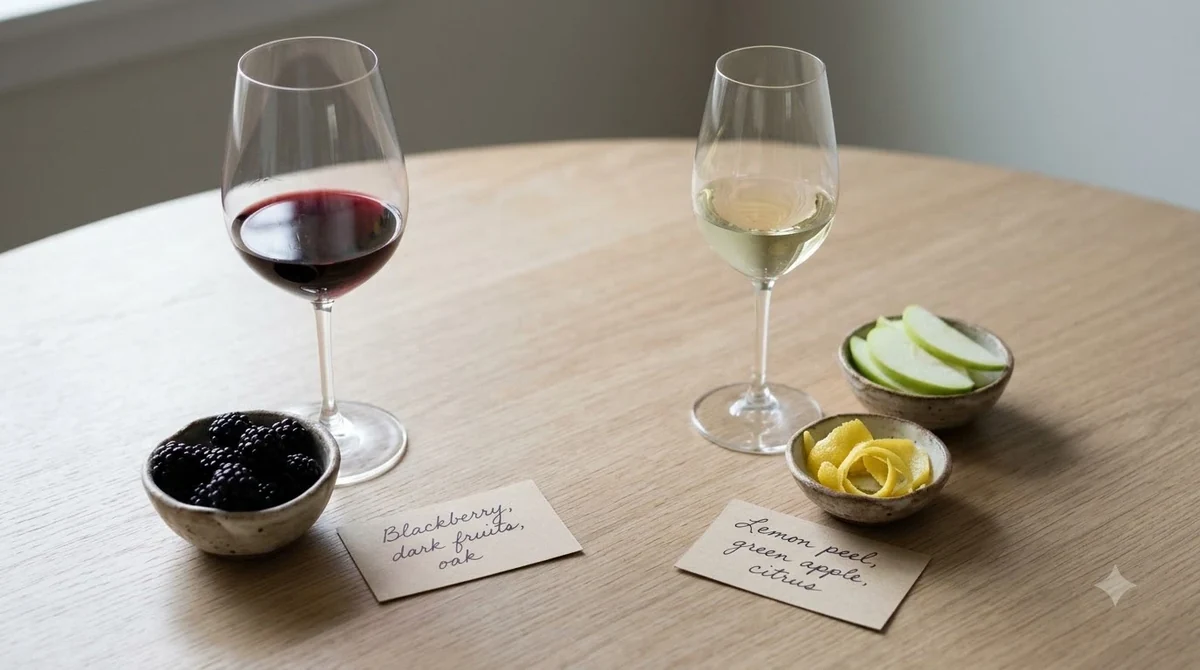
During fermentation, yeast consumes the natural sugars in grape juice and produces alcohol. When fermentation finishes with little sugar remaining, the resulting wine is classified as dry. When a winemaker deliberately leaves more sugar behind, the finished wine can become off-dry, medium-sweet, or fully sweet.
Syrah grapes naturally provide concentrated fruit character. Depending on the growing conditions and production decisions, a finished wine may smell of ripe blackberry, blueberry, black cherry, plum, and dark chocolate. Those aromas can suggest sweetness even when the wine has almost no perceptible sugar.
For example, a warm-climate Shiraz from South Australia’s Barossa Valley may have a jammy blackberry character, generous body, and approximately 14% to 15.5% alcohol. That does not automatically make it sweet. The wine can still finish dry, with tannins and acidity balancing its ripe fruit.
Genuine sweetness is more apparent on the palate. It may produce a rounded, slightly sugary sensation that remains after swallowing. A dry Syrah can instead deliver juicy fruit flavors followed by pepper, spice, earthy notes, and a drying finish.
Sweetness and fruitiness are different characteristics
Think of sweetness and fruit intensity as two separate measurements. A wine can be intensely fruity but dry, lightly fruity but sweet, or rich in both characteristics. The distinction is particularly important when shopping for Shiraz because its ripe fruit profile frequently creates an impression of sweetness.
Acidity and tannins also influence perception. Firm tannins create a drying sensation, while acidity provides freshness and can make residual sugar seem less pronounced. Two wines with similar sugar levels can therefore taste noticeably different.
For a useful comparison of Australian Shiraz’s flavor profile and traditional dryness, see the Qantas Wine Shiraz guide.
How Residual Sugar Determines Sweetness
Residual sugar, usually abbreviated as RS, measures the natural grape sugar remaining in finished wine. It is commonly expressed in grams per liter, making it a useful starting point when comparing bottles that have different sweetness descriptions.
There is no single sweetness level that applies to every Syrah producer or regional style. The following ranges provide a general shopping reference based on broad sweetness categories. Individual wines may taste different because acidity, tannin, alcohol, and fruit concentration affect the overall balance.
| Style | Residual sugar | Expected impression |
|---|---|---|
| Dry | 0–17 g/L | Little to no obvious sweetness |
| Off-dry | 17–35 g/L | Gentle, noticeable sweetness |
| Sweet | 35–120 g/L | Clearly sweet, rounded palate |
| Very sweet | Above 120 g/L | Rich, concentrated sweetness |
These are broad reference categories rather than universal legal definitions for Syrah. Acidity can change the perception of sweetness, and some wine classification systems use different thresholds. A wine with moderate residual sugar and lively acidity may taste less sweet than another wine with a similar sugar concentration and softer structure.
A useful real-world example comes from McWilliam’s Sparkling Shiraz. Its producer information lists 26 g/L residual sugar and 13.5% ABV. That combination illustrates how a sparkling red can have perceptible sweetness while retaining the alcohol level and concentrated character associated with Shiraz.
The figures also demonstrate why shoppers should not assume that sweetness always means low alcohol. A wine made by stopping fermentation early may have less alcohol because some grape sugar remains unconverted. A wine with sweetness added or adjusted through other production methods can have a substantially different alcohol level.
Tip: Look for residual sugar expressed in g/L when you want a specific sweetness level. Descriptions such as jammy, ripe, smooth, and fruit-forward usually describe flavor or texture, not a guaranteed sugar concentration.
Where to Find Sweet Syrah and Shiraz Styles
Shoppers searching for sweet Syrah should begin with Australian Shiraz, especially sparkling versions. Traditional still Syrah is generally dry, but some Shiraz bottlings have a softer, fruitier profile or retain a small amount of residual sugar.
The Northern Rhône Valley in France is an important reference point for understanding classic Syrah. Wines from Hermitage and Côte-Rôtie are generally structured, savory, and dry rather than dessert-like. They can show dark fruit, pepper, smoke, herbs, and firm tannins without containing noticeable sweetness.
Australia offers a different expression of the same grape. Barossa Valley and McLaren Vale are associated with richer Shiraz styles, often featuring ripe blackberry, plum, chocolate, and spice. These wines can be appealing to people who prefer fruit-forward reds, but a ripe flavor profile does not establish that the wine is sweet.
For shoppers specifically seeking a sweeter experience, sparkling Shiraz deserves particular attention. Australian producers make sparkling red wines that combine dark fruit, bubbles, and varying degrees of residual sugar. Their sweetness levels differ significantly, so the producer’s technical information is more useful than the word sparkling alone.
Why sparkling Shiraz is a useful starting point
McWilliam’s Sparkling Shiraz provides one documented example. The producer lists a blend containing 85% Shiraz, 8.5% Lambrusco, 5.5% Durif, and 1% other red varieties. Its tasting description includes concentrated plum and cherry aromas, dark chocolate, spice, and delicate bubbles.
The wine is made using the Charmat method, in which secondary fermentation takes place in a pressurized tank. This production approach preserves fresh fruit character while producing its sparkling texture. Its listed residual sugar of 26 g/L places it within the broad off-dry range used in the sweetness reference above.
Other producers may use different grape compositions, sweetness levels, and sparkling techniques. A sparkling red can be relatively dry, gently sweet, or distinctly sweet. For shoppers who enjoy bubbles but want something darker and richer than conventional white sparkling wine, the category offers an interesting alternative.
McWilliam’s producer details, including its alcohol, residual sugar, grape composition, and winemaking method, are available in the official McWilliam’s Sparkling Shiraz information.
For additional comparisons, shoppers can explore sweet Cava, which provides a contrasting sparkling style based on white and sometimes rosé wine production rather than the dark-fruit profile of Shiraz.
How to Choose the Right Bottle
The best bottle depends on how much sweetness you actually want, whether you prefer still or sparkling wine, and how you plan to serve it. A shopper who wants ripe fruit and a dry finish should approach Shiraz differently from someone looking for a noticeably sweet red to accompany chocolate cake.
Start by deciding whether fruit-forward flavor is sufficient or whether you specifically want residual sugar. This simple distinction prevents a common disappointment: buying a powerful, jammy Shiraz expecting a dessert wine and discovering that it finishes dry.
Read the producer’s description carefully
Terms such as ripe, concentrated, rich, jammy, and smooth generally indicate flavor intensity or texture. They are not reliable substitutes for sweetness information. A wine described as blackberry-rich may contain very little residual sugar.
Descriptions such as off-dry, medium-sweet, sweet, and residual sugar provide more direct clues. If the producer publishes technical details, look for the RS measurement in g/L and compare it with the wine’s acidity.
Alcohol content can provide additional context, but it should not be treated as a sweetness measurement. A lower-alcohol wine may retain more grape sugar because fermentation stopped earlier, while a sparkling Shiraz can retain substantial alcohol alongside noticeable sweetness.
Match the wine to your preferred style
Consider these general shopping profiles:
- Fruit-forward and mostly dry: Choose a warm-climate Australian Shiraz with blackberry, plum, and chocolate characteristics.
- Lightly sweet and refreshing: Explore sparkling Shiraz with a documented off-dry residual sugar level.
- Noticeably sweet: Seek a producer-confirmed sweet red or specialty bottling with higher residual sugar.
- Rich and dessert-focused: Compare sweet red blends, fortified wines, and other dessert styles if conventional Syrah does not provide enough sweetness.
Shoppers interested in sweeter alternatives can also compare sweet Chenin Blanc. Chenin Blanc is a versatile white grape that can range from dry to lusciously sweet, often with refreshing acidity that balances its sugar.
Another option is to explore organic sweet red wine if organic production is an important buying preference. Organic certification and sweetness are separate characteristics, so a shopper should evaluate both rather than assuming that an organic red will have a particular sugar level.
Food Pairings for Sweet and Fruit-Forward Syrah
Sweetness changes how red wine interacts with food, especially dishes containing salt, fat, spice, or concentrated flavors. A fruit-forward Shiraz can complement grilled meats and barbecue, while a genuinely sweet sparkling Shiraz can work with glazed dishes and selected desserts.
For a dry or lightly off-dry Shiraz, grilled beef, lamb, and roasted meats are natural starting points. The wine’s dark fruit, pepper, and firm structure complement the savory intensity of these dishes. Barbecue ribs with a moderately sweet sauce can also work particularly well with a fruit-forward Australian example.
Sweetness becomes more important when the food contains sugar. The wine should be at least as sweet as the dessert. Otherwise, the dessert can make the wine taste sour, thin, or unexpectedly bitter.
Meat, barbecue, and savory dishes
Roast lamb with rosemary and garlic is a classic partner for a rich Shiraz. The savory meat and aromatic herbs complement the grape’s peppery character, while the wine’s body stands up to the dish’s richness.
Maple-glazed ham offers another useful combination, particularly with sparkling Shiraz. The sweetness of the glaze connects with the wine’s residual sugar, while bubbles and acidity help refresh the palate between bites.
Salt and fat can soften the perception of tannin. This is one reason a structured red wine can work with fatty grilled meats, aged cheese, and rich roasted dishes. However, a heavily tannic red is less suitable for oily fish because the combination can create an unpleasant metallic impression.
Chocolate and dessert combinations
Dark chocolate is an especially interesting partner for some sparkling Shiraz wines. Plum, black cherry, and cocoa notes can complement chocolate-based desserts, particularly preparations that are rich without being excessively sugary.
Chocolate pudding, dark chocolate tart, and brownies can work with a genuinely sweet red. For very sweet desserts, choose a wine with equal or greater sweetness. A lightly off-dry Shiraz may be overwhelmed by a heavily sweetened cake or caramel dessert.
Fruit-based desserts can also work, especially those containing blackberries, cherries, or plums. Avoid assuming that every fruit dessert needs a red wine, however. Highly acidic fruit preparations may work better with an equally acidic wine, and delicate desserts can be overwhelmed by a powerful full-bodied Shiraz.
Spicy foods and cheese
Moderately spicy barbecue and savory dishes may suit fruit-forward Shiraz, but very hot chili dishes require more care. Alcohol and tannin can amplify the sensation of chili heat, making a powerful 15% ABV Shiraz an uncomfortable partner for extremely spicy food.
For cheese, try mature cheddar, aged Gouda, or Parmesan with a dry, structured Shiraz. Their savory and salty qualities provide a useful contrast to concentrated dark fruit. Sweeter sparkling Shiraz can also complement richer cheese boards, especially when accompanied by dried fruit and dark chocolate.
Serving Temperature and Storage
Serving temperature has a noticeable effect on the way Syrah and Shiraz express their fruit, acidity, alcohol, and tannins. A slightly chilled red generally offers a more balanced drinking experience than one served too warm, particularly when the wine has high alcohol.
For a full-bodied still Shiraz, aim for approximately 60–65°F. This temperature allows dark-fruit aromas and spice to emerge without making alcohol seem overly hot. If the bottle has been stored at a warm room temperature, place it in the refrigerator for about 15 minutes before serving as a practical starting adjustment.
Sparkling Shiraz should be served colder to preserve its bubbles and refreshing character. A temperature around 40–50°F is a useful range for sparkling wine. Chill the bottle thoroughly before opening and handle the closure carefully because pressure can cause the wine to foam rapidly.
Sweet still reds can also benefit from a slight chill. The cooler temperature helps balance richness and makes a sweeter wine feel fresher. Avoid serving a full-bodied red so cold that its aromas become muted.
Glassware and pouring
A standard red wine glass with a reasonably large bowl works well for still Syrah and Shiraz. The space allows concentrated blackberry, plum, pepper, and smoky aromas to develop. For sparkling Shiraz, a sparkling wine glass can help retain the bubbles while still providing room for the wine’s aromas.
A standard wine serving is approximately 5 ounces, and a 750 ml bottle provides about five such servings. For dessert-focused tastings, smaller pours can be useful because sweetness and alcohol may make the wine feel richer over several glasses.
Young, full-bodied still Syrah can benefit from 30–60 minutes of decanting when its tannins are firm or its aromas seem restrained. This is not necessary for every bottle, and sparkling Shiraz should not be decanted because doing so would remove much of its carbonation.
Keeping an opened bottle fresh
Once opened, reseal still wine and store it in the refrigerator. Most still wines retain their best qualities for approximately 3–5 days, depending on their structure and exposure to oxygen. Sparkling wines generally retain their freshness for approximately 1–3 days when properly resealed with a sparkling wine stopper.
For unopened bottles, store wine in a cool, dark location with a relatively stable temperature near 55°F. Bottles with natural cork closures are generally stored on their sides to help keep the cork from drying out.
Good storage conditions are especially useful for bottles intended for later enjoyment. However, most everyday sparkling Shiraz is suitable for drinking without extended cellaring. Follow the producer’s guidance for any bottle specifically made for aging.
Alternatives When Sweet Syrah Is Difficult to Find
Sweet still Syrah is less common than dry Syrah, so shoppers may need to consider adjacent styles. Sparkling Shiraz is the most direct place to begin, but other red wines and sweet white wines can provide a more predictable sweetness experience.
Lambrusco is a useful alternative for shoppers who enjoy fruity sparkling red wine. It is available in different sweetness styles, including sweeter versions, and generally offers a lighter, more refreshing drinking experience than a full-bodied still Shiraz.
Port is another possibility for those who want a distinctly sweet red. Its fortified production style creates a richer, more concentrated wine, often with a higher alcohol level than ordinary table wine. It is usually served in smaller portions and works particularly well with chocolate and other rich desserts.
For shoppers who are flexible about grape variety, sweet Chenin Blanc and Riesling offer additional choices. Both grapes can produce wines with noticeable residual sugar and enough acidity to maintain freshness. Their flavor profiles differ considerably from Shiraz, but they may be more suitable for someone whose main priority is sweetness rather than a particular red grape.
Sweet sparkling wine is another category worth exploring. A sweet Cava can provide refreshing bubbles and a softer sweetness profile, while sparkling Shiraz delivers darker fruit and more pronounced red-wine structure.
For a wider overview of sweetness, grape varieties, labels, and bottle selection, the Wine Buying Guides section can help shoppers compare different wine categories before choosing a bottle.
The most important buying principle is to prioritize the finished wine’s sweetness rather than relying on the Syrah or Shiraz name. If a producer provides residual sugar information, use it alongside acidity and alcohol to build a clearer picture of what is inside the bottle.
Frequently Asked Questions
Is sweet Syrah the same as sweet Shiraz?
Yes. Syrah and Shiraz are names for the same grape variety, so both names can describe a wine with residual sugar. The naming convention usually reflects regional traditions and stylistic preferences rather than a different grape. A sweet Australian Shiraz and a sweet French Syrah would still belong to the same grape family.
Can Syrah grapes produce rosé wine?
Yes. Syrah can be used to make rosé as well as still red and sparkling wines. Rosé production involves limited contact between the grape skins and juice, producing a lighter color than conventional red wine. A Syrah rosé may be dry or sweet depending on the producer’s approach.
Does sweet Syrah always have a lower alcohol percentage?
No. Stopping fermentation early can preserve sugar while reducing the amount of alcohol produced, but other production approaches can result in sweet wines with higher alcohol. McWilliam’s Sparkling Shiraz, for example, lists 13.5% ABV alongside 26 g/L residual sugar. Alcohol content alone cannot establish whether a wine is dry or sweet.
Can sweet Syrah be aged in a wine cellar?
Some bottles can benefit from additional aging, but the potential depends on acidity, tannin, sugar concentration, production method, and the producer’s intentions. Sparkling Shiraz is not automatically suitable for long-term storage simply because it contains residual sugar. Look for specific cellaring recommendations from the winery before keeping a bottle for several years.
Is sparkling Shiraz made only in Australia?
Australia is particularly associated with sparkling Shiraz, making the style an important part of its distinctive red-wine tradition. However, the Shiraz grape is grown in several wine-producing countries, and sparkling red wine production is not exclusive to Australia. The grape composition, carbonation technique, and sweetness can differ between producers.
Sweet Syrah is a worthwhile style to explore, particularly for shoppers who enjoy dark fruit, pepper, and the richer character of Shiraz. Start with sparkling Shiraz if you want a more distinctive sweet-red experience, and compare residual sugar figures before choosing still wines. With the right bottle, you can enjoy the grape’s familiar depth while finding the sweetness level that suits your food and personal preference.
More in Wine Buying Guides
 Cheap Red Blend: How to Find a Flavorful Bottle for LessUpdated Nov 20, 2026
 Pinot Grigio Gift: How to Choose a Bottle They’ll EnjoyUpdated Nov 20, 2026
 Best White Wine at Total Wine for Every MealUpdated Nov 20, 2026
 Wine Fridge Replacement Shelves: Find the Right FitUpdated Nov 20, 2026
 Best Sparkling Wine Under 20: Find Bubbles Worth BuyingUpdated Nov 20, 2026
 Best Wine For Birthday Celebrations With Perfect Party PairingsUpdated Nov 20, 2026