
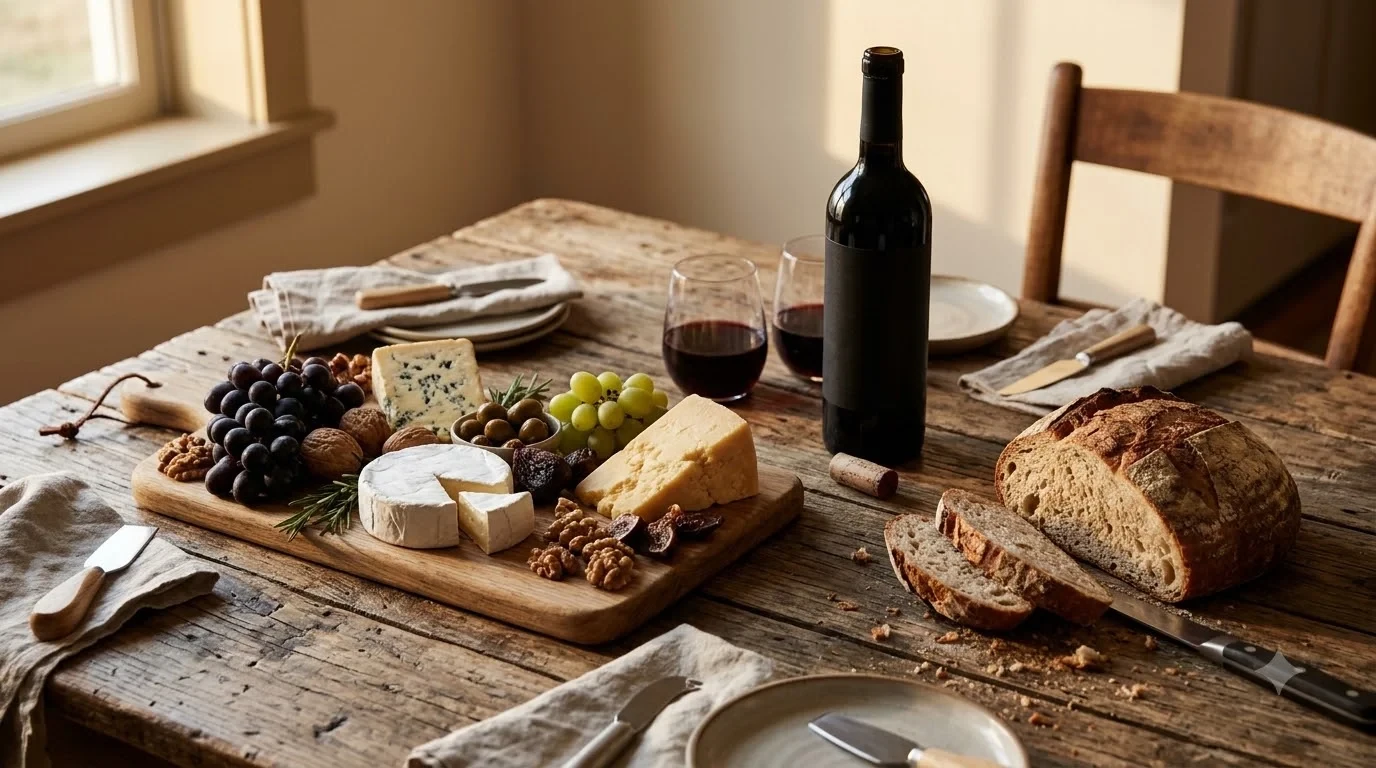

We may earn a commission when you buy through links on this page, at no extra cost to you. Learn more.
Pairing shiraz with cheese works best when you match the wine’s full body, ripe dark fruit, and black pepper spice with firm, aged, or intensely savory cheeses. Aged cheddar, smoked Gouda, Manchego, Gruyère, and bold blue cheeses like Stilton have enough fat, salt, and protein to soften Shiraz’s tannins and balance its higher alcohol, which typically sits between 13% and 15.5% ABV. Serve the wine slightly cool at 60°F to 65°F alongside room-temperature cheese so neither element overwhelms the palate.
Because Shiraz brings concentrated blackberry, plum, and spice notes rather than sharp, mouth-watering acidity, soft and mild cheeses often get lost beside a glass. Choosing cheeses with crystalized textures, nutty depth, or a touch of smoke creates a balanced match where both the wine and the board shine.
Why Shiraz and Cheese Work Together
Shiraz and cheese succeed on the palate because the fats, proteins, and salt in dense cheeses buffer the wine’s gripping tannins and warm alcohol. Instead of fighting each other, the structural elements in each bite and sip cancel out harsh edges and highlight underlying fruit and savory flavors.
According to Wine Folly, bold red wines such as Syrah and Shiraz match best with equally intense cheeses that are firm, salty, and often dotted with crunchy tyrosine crystals. When you chew a piece of aged cheese, its proteins bind with the polyphenols in red wine, which reduces astringency and makes the Shiraz feel smoother and more velvety across the tongue. At the same time, the wine’s natural acidity and tannic grip scrape rich dairy fat off your palate, resetting your taste buds before the next bite.
Intensity matching is equally critical for getting the balance right. A warm-climate Shiraz can reach 14.5% to 15.5% ABV and pack concentrated notes of blackberry jam, licorice, and sweet oak. If you pair that glass with a delicate, milky cheese like fresh mozzarella or mild Havarti, the wine will steamroll the cheese and taste overly alcoholic. Stepping up to cheeses aged for at least a year gives the dairy enough savory weight to stand shoulder-to-shoulder with the wine.
Best Cheeses to Pair with Shiraz
The top cheeses for Shiraz fall into four distinct categories: aged hard cheeses, smoked cheeses, nutty Alpine styles, and pungent blues. Each category interacts with the grape’s dark fruit and peppery profile in a slightly different way, making it easy to build a varied cheese board around a single bottle.
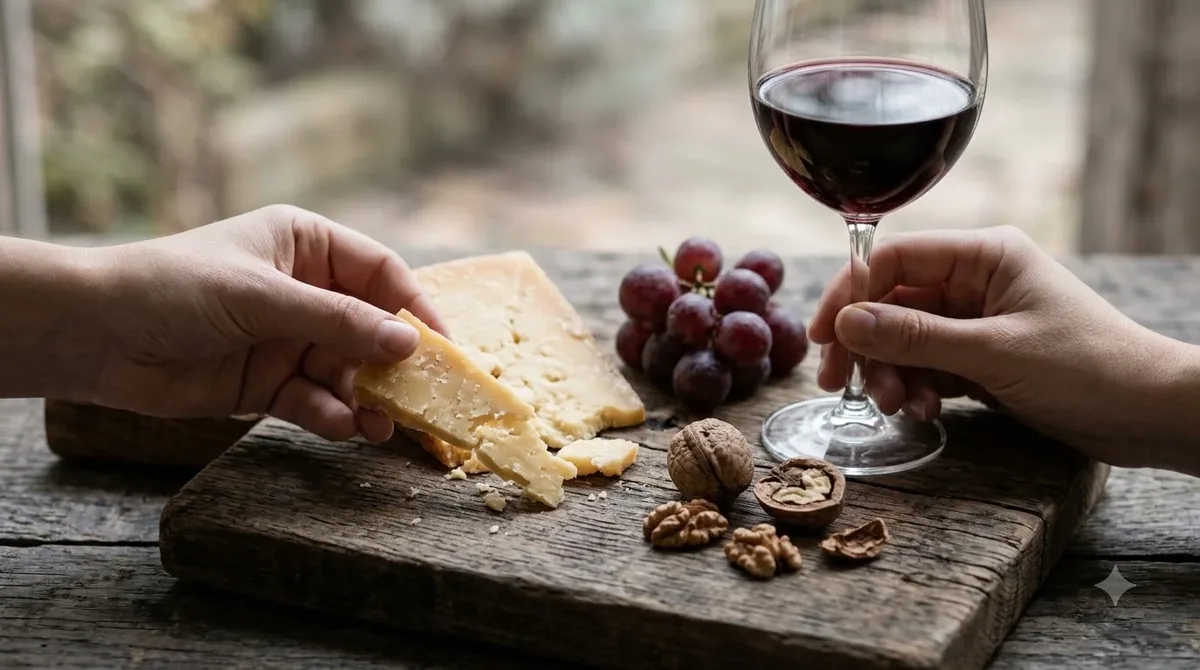
Aged cow’s milk and sheep’s milk cheeses are the safest and most reliable starting points. Sharp, bandage-wrapped cheddar, aged Gouda, Parmigiano-Reggiano, and Spanish Manchego develop nutty, caramel-like complexity and crunchy amino acid crystals as they mature. Those savory, umami-rich flavors echo the toasted oak and leather notes found in mature Shiraz while their firm textures hold up to full-bodied reds. If you want a deeper look at what does shiraz taste like across different climates, you will notice that the grape’s signature black pepper spice acts like a built-in seasoning for salty, hard cheeses.
Smoked cheeses and blue cheeses offer bolder, more dramatic pairings. Smoked Gouda or smoked cheddar picks up on the campfire, bacon, and tobacco aromas that define classic Shiraz, creating a harmonious flavor bridge. Meanwhile, creamy yet pungent blue cheeses such as Stilton or Roquefort bring a sharp, salty tang that cuts right through lush, fruit-forward New World styles, creating a sweet-and-savory contrast reminiscent of fruit compote over blue cheese.
| Cheese Style | Top Examples | Why It Pairs with Shiraz | Best Shiraz Style |
|---|---|---|---|
| Aged Hard Cow’s Milk | Bandage-wrapped cheddar, aged Gouda, Parmigiano-Reggiano | Salt, fat, and crunchy tyrosine crystals soften firm tannins and echo caramel oak notes | Full-bodied Australian Shiraz (Barossa Valley, McLaren Vale) |
| Aged Sheep’s Milk | 12-month Manchego, Pecorino Sardo, Basque Ossau-Iraty | Lanolin richness and nutty depth balance dark plum fruit and black pepper spice | Cooler-climate Shiraz or Northern Rhône Syrah |
| Smoked Cheeses | Smoked Gouda, smoked cheddar, Idiazábal | Wood-smoke notes mirror the wine’s tobacco, cured meat, and charred oak aromas | Oaked, smoky, or earthy Shiraz |
| Alpine & Nutty Cheeses | Gruyère, Comté, aged Swiss | Sweet, roasted-nut flavors and dense paste buffer alcohol without overpowering fruit | Medium- to full-bodied, balanced Shiraz |
| Bold Blue Cheeses | Stilton, Roquefort, Rogue River Blue | Sharp, salty tang contrasts with ripe blackberry and plum notes | Ripe, jammy, higher-ABV Shiraz |
Matching Cheese to Cool-Climate Syrah vs. Warm-Climate Shiraz
Although Syrah and Shiraz are the exact same grape variety, the name on the label usually signals whether the wine leans savory and peppery or lush and fruit-driven. Adjusting your cheese selection based on the wine’s regional style prevents clashes between herbal acidity and heavy dairy.
As Wine Enthusiast notes, winemakers in cooler regions—such as France’s Northern Rhône Valley, Washington State, or Australia’s Adelaide Hills—typically label the grape as Syrah and produce wines around 13% to 14% ABV with brisk acidity, firm tannins, and notes of black pepper, smoke, and violet. These leaner, more herbal bottles thrive alongside medium-firm, earthy cheeses like Gruyère, Comté, or aged sheep’s milk cheeses such as Pecorino Sardo. The wine’s higher acidity cuts cleanly through dense Alpine cheeses without making the pairing feel heavy.
Conversely, bottles labeled Shiraz from warmer climates like South Australia’s Barossa Valley or McLaren Vale soak up intense sunshine, yielding plush textures, soft tannins, and bold flavors of blackberry, spiced plum, and dark chocolate at 14.5% to 15.5% ABV. These generous wines have the sweetness of fruit needed to tame salty, aggressive cheeses like aged Stilton, sharp blue cheese, or extra-mature cheddar. If you prefer softer, creamier cheeses that might struggle beside a heavy red, exploring white wine with cheese gives you higher-acidity options without tannins.
Cheeses to Avoid (and When to Break the Rule)
Not every cheese belongs next to a glass of Shiraz, because high tannins and elevated alcohol can turn delicate dairy bitter or metallic. Knowing which styles to skip saves you from disappointing combinations at the table.
Fresh, high-acid cheeses and mild triple-creams are the trickiest matches for Shiraz. Fresh goat cheese (chèvre), ricotta, burrata, and young mozzarella carry bright, lactic tanginess that clashes with red wine tannins, often leaving an unpleasant tinny aftertaste on the finish. Similarly, ultra-mild, buttery cheeses like young Brie or Camembert can taste flat and greasy next to a 15% ABV Shiraz, as the wine’s alcohol overwhelms their subtle mushroom and cream aromas. For tangy fresh goat cheese, sauvignon blanc with cheese is a classic regional alternative because the crisp white wine matches the cheese’s bright acidity.
You can bend these rules only when you add bridge ingredients or choose an aged version of a soft cheese. If you serve a bloomy-rind cheese like Brie or Camembert alongside a fruit-forward Shiraz, topping the cheese with dark cherry jam, fig preserves, or toasted walnuts gives the wine’s ripe fruit something to latch onto. You can also swap fresh chèvre for an aged, firm goat’s milk Gouda or aged goat cheddar, which trades bright acidity for nutty caramel notes that welcome bold red fruit.
How to Serve Shiraz and Cheese Together
Temperature control is the single easiest way to improve a Shiraz and cheese tasting, because wine and cheese taste best at opposite ends of the room-temperature spectrum. Serving both straight from the counter or straight from the fridge dulls their best qualities.
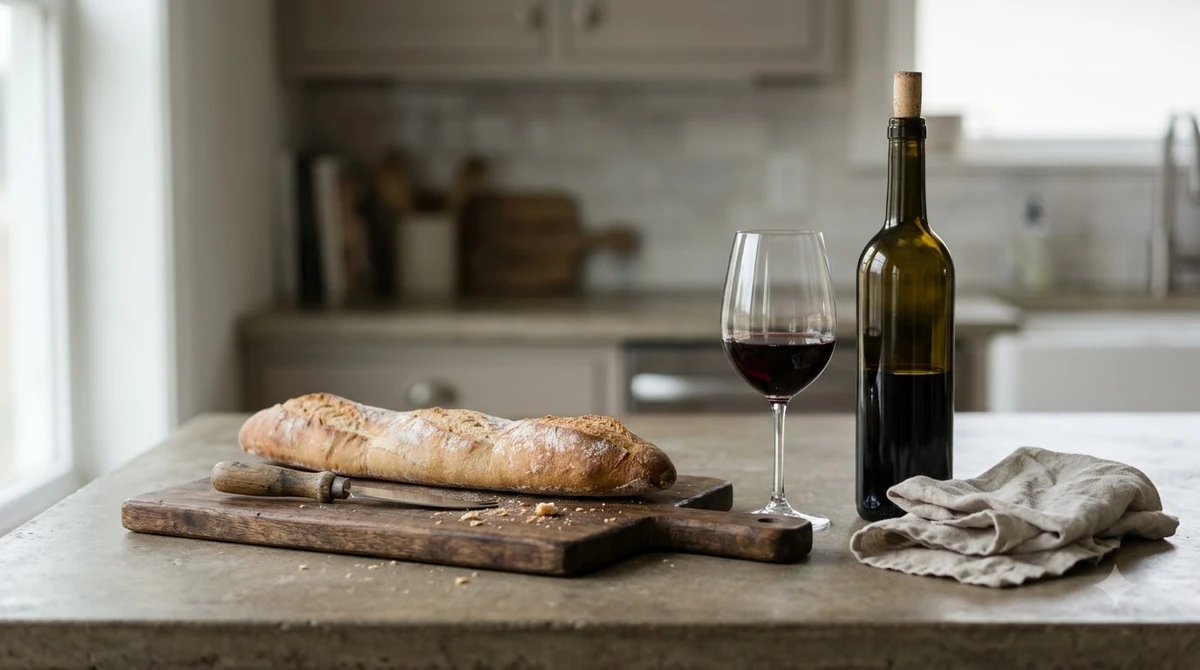
Shiraz should always be served slightly below modern room temperature, ideally between 60°F and 65°F. Because Shiraz frequently reaches 14% to 15.5% ABV, letting the bottle sit in a warm 72°F kitchen makes the alcohol taste hot and muddles the dark fruit and spice aromas. Placing a room-temperature bottle in the refrigerator for 15 to 20 minutes before pouring brings it right into the sweet spot. If you are opening a young, tightly wound bottle, decanting it for 30 to 60 minutes helps soften the tannins and opens up savory notes of smoked meat and black pepper.
Cheese, on the other hand, needs time to warm up so its milk fats soften and release their full aroma. Pull firm, aged cheeses out of the refrigerator 45 to 60 minutes before serving, keeping them covered so they do not dry out. Cut hard cheeses like Parmigiano-Reggiano or aged Gouda into small, bite-sized chunks rather than thin slices to expose their crystalline texture, and arrange them on a wooden or slate board with plain water crackers, crusty baguette slices, and a few savory accompaniments like black olives or roasted almonds.
Tip: Put your Shiraz in the fridge for 15 minutes at the exact same time you pull your hard cheeses out of the fridge so both reach their ideal serving temperatures together.
Building a Complete Shiraz Cheese Board
A well-rounded Shiraz cheese board balances textures, milk types, and savory garnishes so every sip of wine reveals a slightly different nuance. Aim for three contrasting cheeses rather than crowding the platter with too many competing flavors.
Start with an anchor cheese—such as a 2-year-aged sharp cheddar or aged Gouda—that delivers familiar salty, nutty comfort. Add a second cheese with a different milk source and aromatic profile, like a 12-month Spanish Manchego or a nutty Gruyère, to highlight the wine’s peppery and herbal side. Finish with a wildcard wedge, such as a creamy Stilton or a lightly smoked Gouda, to test how the Shiraz handles intense salt or wood smoke.
Keep accompaniments simple and savory so sugar does not make your dry Shiraz taste tart or astringent. Skip overly sweet milk chocolates or sugary candied fruits, and stick to crusty sourdough bread, plain crackers, marinated Kalamata olives, prosciutto, and dried figs. If you are hosting a larger tasting and want to compare how different red and white bottles interact with the same platter, browsing Wine by Type can help you pick a lighter, high-acid contrast bottle alongside your Shiraz.
Frequently Asked Questions
Does Shiraz go well with Brie?
Standard young Brie is usually too mild and buttery for a full-bodied Shiraz, which can overwhelm the cheese’s delicate flavor and leave a slightly metallic finish. However, if you serve a ripe, earthy Brie topped with fig jam, blackberry compote, or toasted walnuts, the added sweetness and texture help bridge the gap with a fruit-forward Shiraz.
What is the best cheese with Australian Shiraz?
Aged sharp cheddar, aged Gouda, smoked Gouda, and Stilton are the strongest matches for rich Australian Shiraz from regions like Barossa Valley and McLaren Vale. These cheeses have high fat, salt, and bold savory flavors that stand up to the wine’s lush blackberry fruit and 14.5% to 15.5% alcohol.
Is Syrah or Shiraz better for a cheese board?
Both work well on a cheese board, though they favor slightly different styles of cheese. Cooler-climate Syrah, with its higher acidity and black pepper notes, shines alongside nutty Alpine cheeses like Gruyère and aged sheep’s milk cheeses like Manchego, while riper, fuller-bodied Shiraz pairs effortlessly with sharp aged cheddar and pungent blue cheeses.
Should I chill Shiraz before serving it with cheese?
Yes, giving Shiraz a brief chill in the refrigerator for 15 to 20 minutes brings it to its ideal serving range of 60°F to 65°F. Serving Shiraz cooler than modern room temperature keeps its higher alcohol from tasting hot and sharpens the fruit and spice flavors needed to cut through rich cheese.
Matching shiraz with cheese comes down to balancing weight, salt, and temperature rather than following rigid rules. Stick to firm, aged, smoked, or blue cheeses, serve your bottle slightly chilled at 60°F to 65°F, and let the rich dairy fats smooth out every peppery, dark-fruited sip.
More in Wine Types & Grapes
 Zinfandel Sugar Content: Dry Red vs. White Zinfandel GramsUpdated Nov 21, 2026
 Best Zinfandel Substitute Options for Sipping and CookingUpdated Nov 21, 2026
 Zweigelt Food Pairing: Best Dishes, Cheeses, and Serving TipsUpdated Nov 21, 2026
 Zinfandel Tannins Explained: How Structure Shapes Every BottleUpdated Nov 21, 2026
 Zinfandel Sweetness Level: Dry Red vs. Sweet White Zin ExplainedUpdated Nov 21, 2026
 Xinomavro Food Pairing: Best Dishes, Styles, and Serving TipsUpdated Nov 21, 2026