


We may earn a commission when you buy through links on this page, at no extra cost to you. Learn more.
Dessert wine for beginners is sweet wine with noticeable natural grape sugar, balanced by acidity or richness, and designed to complement desserts, cheese, or an after-dinner occasion. Popular starting points include Moscato d’Asti, late-harvest Riesling, Sauternes, and Ruby Port. These wines differ in sweetness, alcohol, texture, and production method, so choosing the right one starts with understanding their basic styles. A small, chilled serving is usually enough to appreciate their concentrated flavors.
Sweet wine can seem confusing if most of your experience comes from dry Chardonnay, Sauvignon Blanc, Cabernet Sauvignon, or Pinot Noir. Labels introduce unfamiliar words, bottles sometimes come in smaller formats, and the range stretches from lightly sparkling Italian whites to intensely concentrated Hungarian wines and fortified Portuguese reds. The good news is that a few practical distinctions make shopping considerably easier. This guide explains how dessert wines are made, which styles suit different preferences, what to look for on labels, and how to serve your first bottle confidently.
What Makes a Wine a Dessert Wine?
Dessert wine is a broad category rather than one specific grape variety or production method. Its defining characteristic is sweetness from residual sugar, the natural grape sugar remaining after fermentation has finished or been stopped.
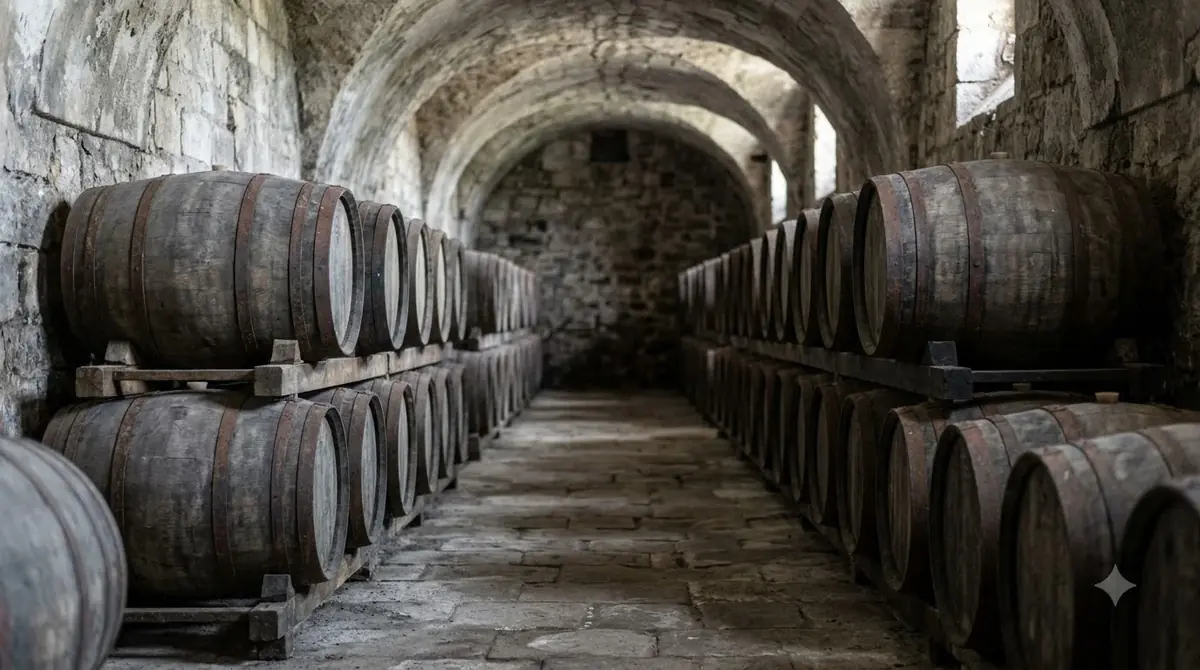
During ordinary winemaking, yeast converts grape sugar into alcohol and carbon dioxide. When fermentation finishes with very little sugar remaining, the result is a dry wine. Dessert wines retain considerably more sweetness, either because their grapes contain concentrated sugar or because the winemaker interrupts fermentation before all the sugar is consumed.
That sweetness does not automatically make every dessert wine taste heavy. Some examples are refreshing, aromatic, and lightly sparkling, while others have a thick, concentrated texture that resembles honey or syrup. Acidity is an important part of the difference. A sweet Riesling, for example, can feel surprisingly refreshing because its natural acidity balances the sugar.
It is also useful to distinguish dessert wine from wine that simply tastes fruity. A ripe, fruit-forward Pinot Noir may suggest cherries and strawberries without containing substantial residual sugar. Similarly, a Chardonnay with aromas of ripe peaches is not necessarily sweet. Fruit aromas and actual sweetness are separate characteristics.
The term dessert wine is also used broadly in the American wine market. It can include naturally sweet late-harvest wines, botrytized wines, ice wines, passito wines, sweet sparkling wines, and fortified wines such as Port and certain Sherries. These categories do not all taste alike, which is why identifying the production style is more useful than relying on the word sweet alone.
For a first bottle, think about the experience you want. Someone who enjoys fresh fruit, flowers, and gentle bubbles may prefer Moscato d’Asti. A person who likes honey, apricot, and concentrated white wine may prefer Sauternes. Someone who enjoys richer flavors such as chocolate, dried fruit, and toasted nuts may find Port more appealing.
How Dessert Wines Get Their Sweetness
There are four important production approaches to understand: late harvesting, noble rot, freezing grapes, and fortification. Each method concentrates or preserves sugar differently, creating recognizable differences in flavor, alcohol, and texture.
Late-harvest grapes
Late-harvest wines are made from grapes left on the vine longer than grapes intended for ordinary dry wine. As the fruit continues to ripen and lose moisture, its sugar becomes more concentrated. Depending on the grape variety and growing conditions, the finished wine can have flavors of ripe peaches, apricots, tropical fruit, and honey.
Late-harvest Riesling is a particularly approachable example. The grape’s naturally high acidity provides freshness alongside its sweetness. Chenin Blanc, Gewurztraminer, and Pinot Gris can also produce excellent late-harvest wines. The exact sweetness varies between producers and bottles, so the style name and producer description are useful clues.
Noble rot and concentrated grapes
Noble rot is the traditional name for the beneficial effects of Botrytis cinerea under suitable vineyard conditions. The fungus affects ripe grapes, allowing moisture to escape through their skins and concentrating their sugars and flavor compounds. It can also contribute distinctive aromas reminiscent of honey, ginger, dried apricot, and citrus peel.
This technique is associated with Sauternes and Barsac in Bordeaux, France, and Tokaji Aszú in Hungary. Production can be demanding because suitable weather conditions are necessary, and affected grapes often need to be selected individually. The resulting wines can be intensely flavorful without losing the acidity needed for balance.
Frozen grapes and ice wine
Ice wine, also called Eiswein in Germany, uses grapes that freeze naturally on the vine. They are harvested while frozen and pressed before the ice melts. Much of the water remains behind as ice crystals, leaving concentrated juice with substantial sugar and acidity.
Canada and Germany are well-known sources of ice wine. Riesling and Vidal are familiar choices, while some Canadian producers also make red ice wine from Cabernet Franc. Expect concentrated fruit character, with possible notes of pineapple, mango, peach, honey, or red berries depending on the grape.
Fortification
Fortified dessert wine is made by adding grape spirit during production. In styles such as Port, the spirit interrupts fermentation while natural grape sugar remains, creating a wine that is both sweet and higher in alcohol than ordinary table wine.
Port, sweet Pedro Ximénez Sherry, and sweet Madeira are important examples. They offer different combinations of sweetness, oxidation, barrel aging, and alcohol. Port is particularly useful for beginners who prefer darker fruit and chocolate-like flavors rather than floral or citrus-driven whites.
Tip: Start by identifying how the wine gets its sweetness. Late-harvest and botrytized wines generally offer concentrated fruit and acidity, ice wine emphasizes intense fruit and freshness, while fortified wines such as Port bring more alcohol and a richer style.
Popular Dessert Wine Styles to Try First
The easiest way to shop for dessert wine is to recognize a few established names and understand their typical flavor profiles. Moscato d’Asti, sweet Riesling, Sauternes, Tokaji, Icewine, and Port offer distinct experiences rather than interchangeable versions of the same drink.

The following styles provide a useful starting point. Their sweetness can vary by producer, grape variety, and bottling, but each has a recognizable identity that helps narrow down your choice.
| Wine style | Origin | Typical character | Best starting point |
|---|---|---|---|
| Moscato d’Asti | Piedmont, Italy | Floral, peachy, lightly sparkling | Fresh fruit and gentle bubbles |
| Sweet Riesling | Germany | Apricot, citrus, floral acidity | Sweetness with refreshing acidity |
| Sauternes | Bordeaux, France | Honey, apricot, citrus, rich texture | Concentrated white dessert wine |
| Tokaji Aszú | Hungary | Apricot, ginger, honey, nuts | Complex, concentrated sweetness |
| Icewine | Canada and Germany | Tropical fruit, peach, honey | Intense fruit and high acidity |
| Ruby Port | Douro Valley, Portugal | Cherry, raspberry, chocolate | Rich red-fruit sweetness |
| Tawny Port | Douro Valley, Portugal | Dried fruit, caramel, nuts | Nutty, developed flavors |
| Pedro Ximénez Sherry | Andalusia, Spain | Raisins, figs, molasses | Very concentrated sweetness |
Moscato d’Asti: A gentle introduction
Moscato d’Asti is one of the easiest styles to recommend to someone who is unfamiliar with sweet wine. Made in Piedmont from Moscato Bianco grapes, it combines floral aromas with flavors of peach, pear, and orange blossom. Its gentle sparkle and relatively low alcohol make it feel lighter than many traditional dessert wines.
This wine works particularly well with fresh berries, fruit tarts, peach desserts, and lightly sweet pastries. It can also be enjoyable by itself as a refreshing finish to a meal. If you usually prefer aromatic whites or approachable sparkling wines, Moscato d’Asti is a natural first purchase.
Sweet Riesling: Freshness alongside sugar
Sweet Riesling is another excellent starting point because the grape naturally retains pronounced acidity. This freshness keeps the wine lively and prevents its sugar from dominating every sip. Depending on the bottling, flavors can include green apple, peach, apricot, lime, and white flowers.
German Riesling is particularly useful for exploring sweetness levels. Some wines are only slightly off-dry, while others are richly sweet and concentrated. It is a versatile choice for fruit desserts, spicy Asian dishes, and foods with sweet-and-sour flavors.
Sauternes and Tokaji: Richer traditional styles
Sauternes is a classic French dessert wine made primarily from Semillon, often blended with Sauvignon Blanc and Muscadelle. Noble rot helps concentrate the grapes, producing flavors of honey, apricot, citrus, and sometimes toasted nuts. Its richness is balanced by acidity, which makes it suitable for both desserts and savory dishes.
Tokaji Aszú offers a different interpretation of noble-rot sweetness. Produced in Hungary, it commonly features Furmint alongside other permitted grapes. Its flavor profile can include dried apricot, orange peel, ginger, and hazelnut. It is especially interesting for drinkers who enjoy complexity rather than straightforward sugary fruit.
Port: A richer after-dinner option
Port is a fortified wine from Portugal’s Douro Valley. Ruby Port emphasizes dark berries, cherries, and chocolate, whereas Tawny Port develops dried-fruit, caramel, and nutty flavors through extended barrel aging. Both are richer in alcohol than most unfortified dessert wines.
Port is particularly convenient for serving alongside cheese, chocolate, nuts, and other substantial desserts. It is a strong choice for someone who already enjoys full-bodied red wines but wants something sweeter for the end of a meal.
How to Read Dessert Wine Labels
Dessert wine labels can contain unfamiliar words, but a few important terms reveal how sweet the wine is likely to be and where it comes from. Start with the grape, region, and production designation rather than assuming every bottle from a particular country tastes the same.
For German wines, Spätlese indicates late harvesting, while Auslese refers to selected, riper grapes. Beerenauslese and Trockenbeerenauslese identify increasingly selective categories involving very ripe or concentrated berries. These terms provide useful guidance, although sweetness still depends on the finished wine.
One especially important German word is trocken, meaning dry. A Spätlese Trocken, for example, is a dry wine made from late-harvested grapes. The grape ripeness category does not guarantee that the finished wine is sweet, so beginners should pay attention to the complete designation rather than one word.
Other label terms offer clues about production. Late Harvest indicates grapes picked later than normal, while Icewine or Eiswein identifies wine made from naturally frozen grapes under the applicable regional production rules. Passito usually indicates a wine made from grapes that have been dried or partially dried to concentrate their sugars.
For fortified wines, the name and style are particularly useful. Ruby and Tawny indicate different Port styles, while Pedro Ximénez identifies a particularly rich Sherry category. Madeira labels may include terms such as Boal and Malmsey, which are associated with sweeter expressions of the wine.
Tokaji labels may use puttonyos to communicate sweetness categories. Traditionally, higher puttonyos numbers indicate greater concentration and sweetness, making the term useful when comparing bottles of Tokaji Aszú.
When shopping online or in a store, read the producer’s tasting description as well as the label. Look for words such as off-dry, sweet, richly sweet, honeyed, concentrated, and botrytized. If you are unsure whether a bottle will be lightly sweet or intensely sweet, the grape, production style, and sweetness description together provide a more reliable indication than the word dessert alone.
It also helps to consider the difference between sweetness and alcohol. A fortified Port may have substantial sweetness and approximately 19% alcohol, while a lightly sparkling Moscato d’Asti generally has much less alcohol. Both are sweet, but the experience in the glass is very different.
Serving Temperature, Glassware, and Storage
Dessert wines generally benefit from being served cool, but the ideal temperature depends on the style. Light sparkling wines and concentrated whites need enough chill to preserve freshness, while richer fortified wines can show more aroma when served slightly warmer.
For most sweet white wines, a serving temperature around 43–50 F is a useful starting range. Moscato d’Asti and Icewine are particularly appealing when chilled, while Sauternes can be served around 50 F. Sweet sparkling wines generally work well around 40–50 F.
Port requires a little more attention because its styles differ. Tawny Port is often served slightly chilled, while Ruby and Vintage Port can be served closer to 60–65 F. Pedro Ximénez Sherry and other sweet fortified wines are often best served cool enough to keep their sweetness balanced and their aromas clear.
Glassware does not need to be complicated. A small white wine glass works for many sweet whites, while a Port glass or small wine glass suits fortified styles. A glass with enough room to release aromas is more useful than an unusually large vessel for concentrated dessert wines.
Choosing a serving size
Dessert wine is normally poured in smaller quantities than everyday table wine. A serving of approximately 2–3 ounces is a practical starting point for most concentrated dessert wines, Sherry, and Port. This smaller serving allows guests to enjoy the wine without overwhelming the palate, especially when the wine has intense sweetness or higher alcohol.
A standard 750-milliliter bottle contains approximately 25.4 fluid ounces. That provides about eight servings of 3 ounces, with a little wine left over. For a tasting with several dessert wines, even smaller pours can make it easier to compare their sweetness, texture, and aromas.
Keeping an opened bottle fresh
Storage matters because sweet wines do not all react to oxygen in the same way. After opening, reseal the bottle securely and refrigerate it. Lighter sweet wines should generally be enjoyed relatively soon, while some fortified styles can remain enjoyable for longer because of their higher alcohol and production methods.
Do not assume that every sweet wine can be stored indefinitely. Fino and Manzanilla Sherries, for example, are particularly sensitive to freshness once bottled and opened. Some concentrated Sherries and Ports have different keeping characteristics, so the style makes a meaningful difference.
Unopened dessert wine should be stored away from direct sunlight, heat, and major temperature fluctuations. A cool, stable environment is preferable. More concentrated wines such as quality Sauternes and Tokaji can develop additional complexity over years, but not every bottle is intended for long-term cellaring.
Pairing Dessert Wine With Food
The simplest pairing principle is to serve a wine that is at least as sweet as the food beside it. If a dessert is much sweeter than the wine, the wine can taste thin, acidic, or unexpectedly bitter by comparison.
For example, Moscato d’Asti works well with peach tart, fresh strawberries, and fruit-based pastries because its aromatic fruit character complements the food without overwhelming it. Sweet Riesling can accompany apple pie, lemon desserts, and fruit salads, particularly when the wine has enough acidity to balance the dish.
Rich desserts call for more concentrated wines. Ruby Port is a natural partner for dark chocolate, chocolate brownies, and berry desserts. Tawny Port complements pecan pie, almond cookies, caramel, and other desserts with roasted or nutty flavors. Pedro Ximénez Sherry can work particularly well with vanilla ice cream and desserts featuring dried figs or caramel.
Cheese and savory food pairings
Dessert wine is not limited to the final sweet course. Sweetness, acidity, and concentrated fruit can create excellent contrasts with salty and savory foods. Blue cheese is one of the most reliable partners because its saltiness and rich texture complement the sweetness of wines such as Sauternes, Tokaji, and Port.
Sauternes can also accompany foie gras, while Tawny Port works with aged Gouda and mature cheeses. The contrast between the wine’s sweetness and the food’s saltiness gives each component a distinct role rather than making the pairing taste uniformly sweet.
Sweet Riesling is especially flexible with spicy foods. Its acidity and residual sugar can complement dishes such as spicy Asian preparations, jerk chicken, and foods with sweet-and-sour sauces. The Michelin Guide’s guide to pairing sweet wines with savory foods also highlights Riesling with spicy dishes and Sauternes with grilled seafood. However, alcohol and tannin can amplify chili heat, so a high-alcohol fortified wine is not always the best choice for particularly hot dishes.
Matching wine to dessert texture
Think about the dominant flavors and texture of the dessert. Fruit-based desserts usually work well with aromatic sweet whites, while chocolate and nut-based desserts often benefit from richer fortified wines. Creamy desserts can be paired with wines that have enough sweetness and acidity to maintain their presence alongside the food.
For a simple dinner-party plan, serve Moscato d’Asti with a fruit tart, Sauternes with blue cheese, and Ruby Port with dark chocolate. These three combinations demonstrate how different dessert wines can serve different purposes throughout a meal.
It is also possible to serve dessert wine on its own. A small glass of well-chilled Icewine or a carefully poured Tawny Port can function as the dessert course, particularly when guests prefer a concentrated wine instead of another sweet dish.
If you are still learning the wider wine categories, exploring rosé for beginners can help you understand another group of wines that often features fruit-forward aromas. Readers interested in sparkling wine can also explore Champagne for beginners to understand how traditional sparkling wine differs from lightly sparkling Moscato d’Asti. For a broader look at everyday dry whites, Pinot Grigio for beginners offers a useful comparison. Additional buying advice is available in our Wine Buying Guides.
Frequently Asked Questions
Is dessert wine always served after dinner?
No. Dessert wine can be served as an aperitif, alongside a savory course, or as part of a cheese selection. Moscato d’Asti can work before a meal, while sweet Riesling is versatile enough for spicy main courses. The name describes the style rather than a strict serving time.
Can dessert wine be made from red grapes?
Yes. Ruby Port is made from red grape varieties grown in Portugal’s Douro Valley. Brachetto d’Acqui is another example of a sweet red wine, produced in Italy’s Piedmont region. These wines demonstrate that dessert wine is not limited to white grapes.
What is the difference between dessert wine and ice wine?
Dessert wine is the broader category, while ice wine is one particular style within it. Ice wine is produced by pressing grapes that have frozen naturally on the vine, concentrating their juice. It is recognized for its intense fruit character and high acidity, which distinguishes it from many other sweet wines.
Does a dessert wine have to be expensive?
No. Dessert wine covers a wide range of production methods and bottle formats, so there are approachable options as well as rare collectible examples. Moscato d’Asti and some sweet Rieslings are accessible starting points, while highly concentrated Sauternes, Tokaji Esszencia, and vintage Port can represent more specialized purchases. Production difficulty, grape selection, aging, and availability all influence what a particular bottle costs.
Can dessert wine improve with age?
Some can develop additional complexity over many years, particularly quality Sauternes, Tokaji, and Vintage Port. Other styles, including many lightly sparkling Moscato wines, are intended to be enjoyed relatively young. The aging potential depends on the wine’s structure, acidity, concentration, production method, and storage conditions.
For a first bottle, choose Moscato d’Asti if you prefer floral fruit and gentle bubbles, sweet Riesling if you enjoy refreshing acidity, or Ruby Port if you prefer concentrated dark-fruit flavors. Once you understand the differences between these styles, exploring Sauternes, Tokaji, and Icewine becomes much easier. The best dessert wine is the one whose sweetness, flavor, and texture suit the food and occasion.
More in Wine Buying Guides
 Cheap Red Blend: How to Find a Flavorful Bottle for LessUpdated Nov 20, 2026
 Pinot Grigio Gift: How to Choose a Bottle They’ll EnjoyUpdated Nov 20, 2026
 Best White Wine at Total Wine for Every MealUpdated Nov 20, 2026
 Wine Fridge Replacement Shelves: Find the Right FitUpdated Nov 20, 2026
 Best Sparkling Wine Under 20: Find Bubbles Worth BuyingUpdated Nov 20, 2026
 Best Wine For Birthday Celebrations With Perfect Party PairingsUpdated Nov 20, 2026