

We may earn a commission when you buy through links on this page, at no extra cost to you. Learn more.
Zuccardi red wine is best known for its Argentine Malbec from Mendoza’s Valle de Uco, offering fresh dark and red fruit, balanced acidity, and structured but approachable tannins. The producer makes several styles, ranging from fruit-forward regional bottlings to more complex vineyard-focused wines. Serie A, Q, and José Zuccardi are useful starting points for understanding the differences in grape selection, winemaking, and character. Choosing between them depends on how much structure, complexity, and concentration you want in a bottle.
Zuccardi is a recognizable name in Argentine wine, particularly for its work with Malbec in the foothills of the Andes. Its wines reflect the variety of landscapes found throughout Mendoza, where altitude, cool nights, sunny days, and mineral-rich soils influence how grapes ripen. Although Malbec is the natural starting point, the producer’s red portfolio offers more than one interpretation of the grape. Understanding its principal labels makes it easier to choose a bottle for dinner, a celebration, or a relaxed evening with friends.
What Makes Zuccardi Red Wine Distinctive?
Zuccardi red wine stands out for its combination of ripe fruit, freshness, and carefully managed tannins. Its connection to the Valle de Uco gives many bottlings an expression that balances the richness associated with Argentine Malbec against lively acidity and a recognizable sense of place.
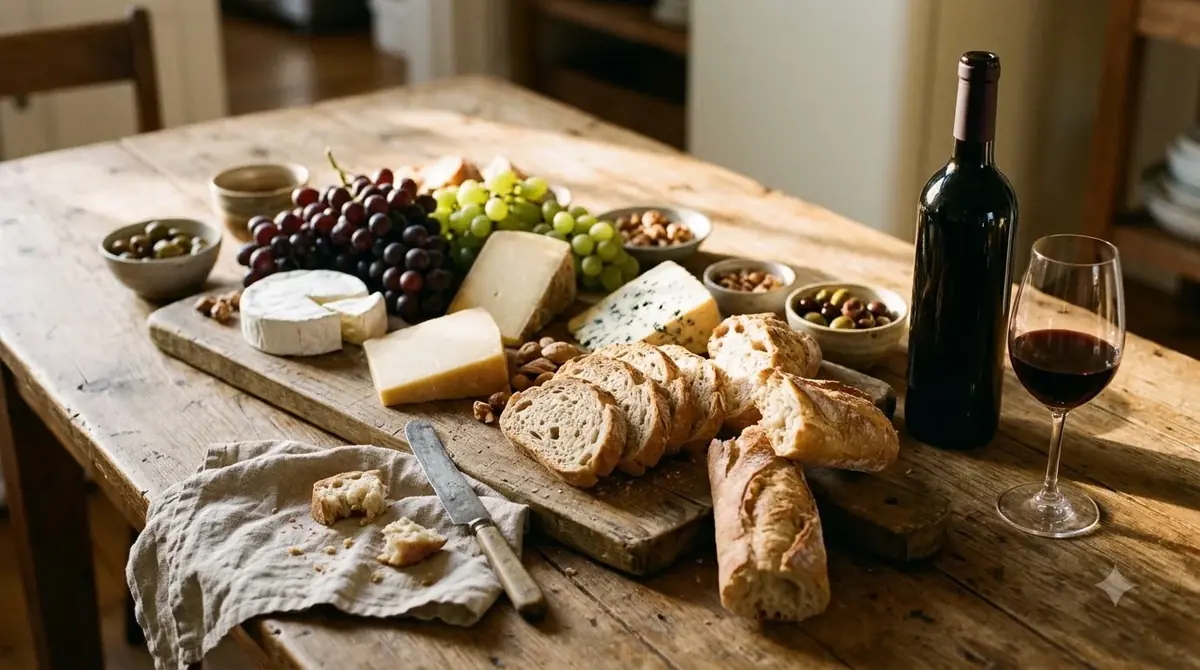
The Zuccardi family has developed a wine portfolio that emphasizes vineyard selection and the differences between growing locations. The Q label has particular historical importance: according to the producer, it was launched in 1999 and became the first wine to carry the family name on its label. The letter originally marked selected vineyard parcels considered especially suitable for producing distinctive wines.
This approach helps explain why two Zuccardi Malbec bottles can have noticeably different personalities. A regional blend can combine grapes from multiple locations to create a consistent varietal expression, while a vineyard-specific wine emphasizes the characteristics of a particular site. Separate harvesting dates and careful selection allow the winemaking team to preserve those differences rather than treating all grapes as interchangeable.
Fruit is an important part of the house style. Depending on the bottling and vintage, aromas can include plum, cherry, blackberry, violet, and fresh herbs. Some wines also show pepper, mint, licorice, or subtle earthy notes. The fruit generally comes across as ripe rather than sugary, so the wines should be understood as dry reds rather than sweet wines.
Another defining characteristic is the use of different fermentation and maturation vessels. Concrete, large oak vessels, and selected French oak barrels all appear in the producer’s documented winemaking approaches. These choices influence texture and development without requiring every bottle to have a strong vanilla or toasted-oak character.
For American wine drinkers, the practical takeaway is that Zuccardi offers several interpretations of Argentine red wine rather than one uniform Malbec style. If you already enjoy fuller reds but want something with freshness and definition, its Valle de Uco bottlings are particularly interesting.
Valle de Uco: The Region Behind the Wines
The Valle de Uco is central to understanding Zuccardi’s red wines because its elevation, dry climate, and varied soils help shape their acidity, tannins, and fruit character. Its vineyards commonly sit between 1,000 and 1,500 meters above sea level, creating growing conditions that differ from warmer, lower-elevation areas of Mendoza.
The valley lies south of Mendoza city and includes important wine-growing areas in Tupungato, Tunuyán, and San Carlos. These locations are not identical. Differences in elevation, soil composition, exposure, and local climate can influence the way Malbec develops. That variation gives producers opportunities to create wines with distinct expressions even when they work with the same grape variety.
Cold nights and sunny days are important features of the growing environment. Warm daytime conditions help grapes develop ripe flavors, while cooler nighttime temperatures support the retention of natural acidity. This balance is one reason many Uco Valley reds combine generous fruit with a fresh finish instead of tasting heavy or excessively jammy.
The soils are equally important. Alluvial deposits from the Andes include different combinations of stones, gravel, sand, and calcareous material. In Paraje Altamira, the producer describes granite gravel and large stones covered with calcareous material. Its 2021 Q Malbec also draws on Los Chacayes, where sandy soils contain smaller stones.
Gualtallary provides another example of the valley’s diversity. Zuccardi’s technical information describes it as an arid, high-altitude area with soils containing sand, caliche, stones, and calcareous material. The José Zuccardi 2021 bottling incorporates fruit from both Gualtallary and Paraje Altamira, bringing together two distinct growing environments.
The regional setting also helps explain the difference between Mendoza Malbec and wines from other Argentine areas. According to Argentina’s official tourism information, the Uco Valley’s cool, dry climate and mineral-rich soils are associated with freshness, aromatic intensity, and elegant wine structure. These characteristics are useful reference points when selecting a bottle from the region.
For additional background on Argentine wine styles, the broader Wine Brands category provides context for comparing producers and their regional identities. The key point is that a Zuccardi label is not simply a grape-variety name: the vineyard origin and production choices are important parts of its character.
Principal Zuccardi Red Wine Styles and Bottlings
The main Zuccardi red selections offer different levels of concentration, vineyard specificity, and structure. Serie A is a useful introduction to regional Malbec, Q provides a more selective regional expression, and José Zuccardi offers a more detailed blend of selected Valle de Uco vineyards.
Zuccardi Serie A Malbec
Serie A is a practical choice for drinkers who want to understand the producer’s interpretation of Argentine Malbec without beginning with a highly specialized vineyard bottling. Its 2023 technical information identifies Valle de Uco vineyards between 950 and 1,400 meters in elevation and lists the wine as 100% Malbec.
The producer describes the wine as medium-bodied, with ripe plum, cherry, subtle herbal notes, balanced acidity, and approachable, rounded tannins. The overall impression is fruity and fresh, making it suitable for casual meals and gatherings where a red wine with noticeable character is welcome but excessive heaviness is not.
The 2023 production details also reveal an approach designed to develop fruit and structure. The grapes underwent cold maceration for five to seven days, followed by fermentation with native yeasts. Fermentation took place at 25–27°C, and maceration continued for 20 days with periodic pump-overs and delestages. Part of the wine was aged in French oak barrels. The producer’s Serie A Malbec technical sheet provides the specific production and tasting details for this vintage.
Zuccardi Q Malbec
Q Malbec represents a more selective regional approach. The producer explains that its grapes come from carefully chosen vineyards, with individual parcels harvested at different times to preserve their varietal and regional expression.
The documented 2021 bottling combines Malbec from Paraje Altamira and Los Chacayes. It is made from 100% Malbec, with 14% alcohol by volume. Its winemaking includes native-yeast fermentation in concrete vessels and maturation in concrete and used, untoasted French oak barrels of 500 liters.
Its expected character includes fresh red fruit, flowers, herbs, subtle spice, and mint. The producer describes firm but ripe tannins, medium body, and a long finish. This makes Q a good option for someone who enjoys Malbec but wants more detail and structure than a straightforward fruit-driven red.
Independent tasting commentary also illustrates the style. Wine Enthusiast’s review of the 2024 Q Malbec awarded 91 points and described ripe strawberries, dark cherries, and peppery spice. The review identifies the wine as a 14% ABV Valle de Uco Malbec. Read the Wine Enthusiast review of Zuccardi 2024 Q Malbec for its full tasting assessment.
José Zuccardi Malbec
José Zuccardi is a more ambitious expression within the producer’s portfolio. Its 2021 bottling combines 95% Malbec with 5% Cabernet Sauvignon, drawing fruit from Paraje Altamira and Gualtallary.
The winemaking process includes native-yeast fermentation in concrete vessels, followed by 24 months of aging in large 2,500-liter foudres. This maturation approach gives the wine time to develop its structure while avoiding an approach based entirely on small, heavily toasted barrels.
Wine Enthusiast awarded the 2021 José Malbec 94 points, describing floral aromas, plum, a light licorice note, and a combination of dark and red berries. The blend’s Cabernet Sauvignon component can also contribute additional structural definition compared with a Malbec-only wine.
| Wine | Grape composition | Alcohol | Documented production detail | General style |
|---|---|---|---|---|
| Serie A Malbec 2023 | 100% Malbec | 14% | 20 days of maceration | Fresh, medium-bodied |
| Q Malbec 2021 | 100% Malbec | 14% | 500-liter French oak barrels and concrete | Fruity, structured |
| José Malbec 2021 | 95% Malbec, 5% Cabernet Sauvignon | 14% | 24 months in 2,500-liter foudres | Complex, structured |
These specifications refer to the particular vintages listed, not every release carrying the same label. Vintage conditions and changes in production can affect the finished wine, so it is useful to distinguish between a producer’s general style and the details of an individual bottling.
How Zuccardi Malbec Tastes and Feels
Zuccardi Malbec typically combines dark and red fruit with moderate-to-firm tannins and enough acidity to keep the wine lively. The precise balance depends on the label, vineyard origin, and vintage, but plum, cherry, blackberry, floral aromas, and spice are useful starting points.
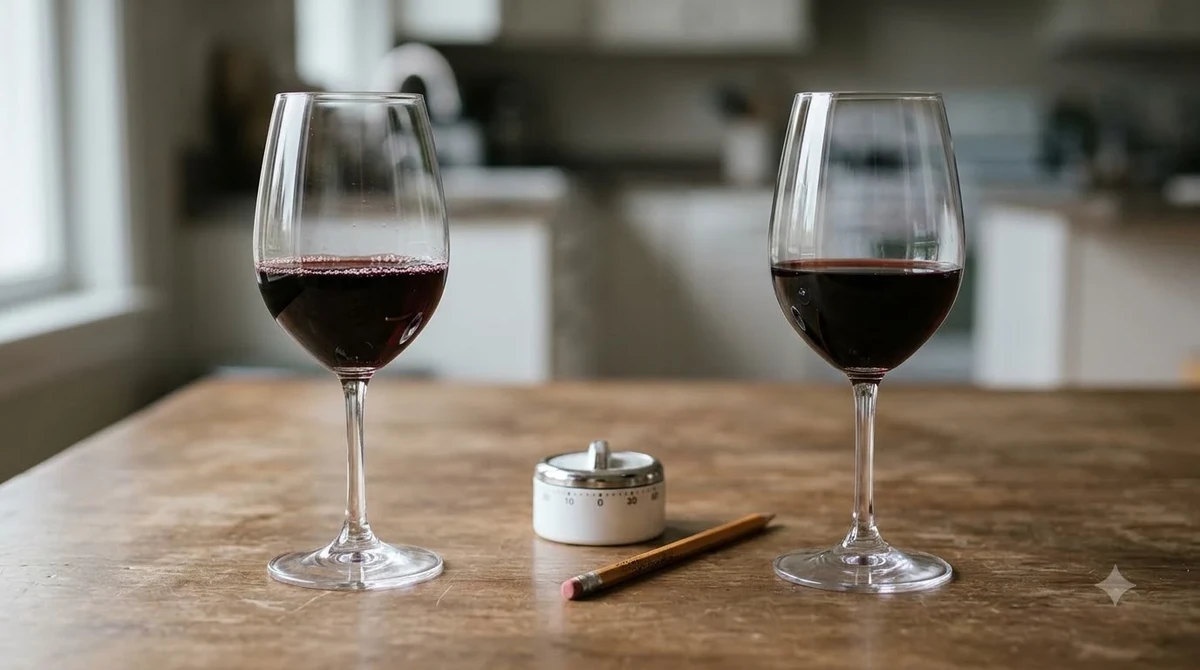
Fruit character: Plum and cherry are especially relevant to the producer’s documented tasting descriptions. More concentrated examples can also suggest dark berries, while some wines show fresher red-fruit aromas. These characteristics make Malbec versatile at the table because its fruit can complement grilled meats, roasted vegetables, and savory sauces.
Acidity: Freshness is an important feature of many Valle de Uco reds. Acidity gives the wine definition and prevents its fruit character from seeming overly heavy. This quality is particularly useful when serving the wine with tomato-based dishes or meals that include ingredients with noticeable acidity.
Tannins: Malbec generally has medium to medium-plus tannin, although the level can vary with extraction, grape maturity, and winemaking. Zuccardi’s Q and José bottlings are good examples of wines where tannin structure contributes to the finish and gives the wine a more substantial presence.
Oak influence: The producer uses several maturation methods rather than applying one uniform oak treatment. The Q 2021 technical sheet identifies used, untoasted 500-liter French oak barrels alongside concrete. José 2021 uses 2,500-liter foudres. Large vessels and used barrels generally create a different oak impression from small new barrels, allowing fruit and vineyard character to remain prominent.
Body and finish: Serie A is described as medium-bodied, while Q is also described as medium-bodied with a notably long finish. More structured selections can feel fuller because of their tannins and concentration. A dry finish is normal, even when the aromas suggest ripe fruit.
One helpful distinction is between fruitiness and sweetness. A wine can smell like ripe cherries, plums, or blackberries while remaining completely dry on the palate. Zuccardi Malbec should generally be approached as a dry red rather than a sweet wine.
If you enjoy Cabernet Sauvignon, you may appreciate the structure of José Zuccardi, although Cabernet typically has higher tannin. If you prefer softer reds, Serie A may be a more comfortable starting point. Drinkers who enjoy Pinot Noir’s freshness but want a more substantial red may find the balance of a Valle de Uco Malbec appealing.
Best Food Pairings for Zuccardi Red Wine
Zuccardi Malbec works particularly well with grilled meat, roasted vegetables, savory sauces, and dishes containing moderate amounts of fat. Its fruit and tannins complement rich flavors, while its acidity helps balance food that includes tomatoes or other tangy ingredients.
Beef and grilled meats
Grilled steak is a natural match for Malbec. Ribeye, sirloin, flank steak, and grilled short ribs provide enough savory intensity to stand alongside the wine’s fruit and tannin. The fat in these cuts also softens the perception of tannins, making the combination feel balanced.
For a practical pairing, serve a grilled steak with roasted potatoes, mushrooms, and a modest amount of black pepper. The wine’s plum and cherry notes complement the browned meat, while the savory flavors help emphasize its structure.
Roasted and grilled vegetables
Eggplant, mushrooms, bell peppers, and grilled zucchini are useful alternatives to meat. Their roasted flavors provide savory depth, especially when seasoned with rosemary, thyme, garlic, or olive oil. The freshness of Malbec helps balance these dishes without overwhelming their flavors.
Mushroom dishes are particularly suitable for more structured selections such as Q and José Zuccardi. A mushroom risotto with Parmesan or a roasted portobello with herbs can provide enough richness to complement the wine’s tannins.
Tomato-based meals
Tomato sauce requires attention to acidity. Highly acidic food can make a wine taste less fresh or seem flatter, so a red with equal or higher acidity is generally the better match. A fresh Valle de Uco Malbec can work with moderately acidic tomato dishes, particularly when the sauce also includes meat, mushrooms, or olive oil.
Try a beef ragù, baked pasta, or tomato-based meatballs. Avoid excessively sour sauces that dominate the palate, especially when serving a more structured bottle.
Cheese and savory snacks
Aged cheddar, Gouda, and other firm cheeses are sensible choices for Malbec. Their salt and fat help soften tannins, while their savory flavors work with the wine’s ripe fruit. A simple board with cheese, olives, roasted nuts, and crusty bread can be a convenient pairing for an informal gathering.
For more information about comparing different grape varieties and wine styles, the guide to Zuccardi white wine provides a useful contrast to the producer’s red bottlings. White wines generally offer different acidity, body, and serving-temperature considerations.
Tip: Start with grilled beef, roasted mushrooms, or aged cheese when pairing Zuccardi Malbec. Salt and fat soften tannin, while very spicy chili dishes can make alcohol and tannin feel more pronounced. Avoid pairing a tannic red with oily fish, which can create an unpleasant combination.
Serving Temperature, Glassware, and Decanting
The best way to serve Zuccardi red wine is slightly cooler than typical warm room temperature. A light or medium-bodied red is generally best around 55–60°F, while a fuller, more structured red is better around 60–65°F.
Temperature affects how the wine’s aromas, alcohol, and tannins are perceived. If the bottle is too warm, alcohol can seem more prominent and the wine may feel heavier. If it is too cold, aromas become less expressive and tannins can seem firmer than expected.
For Serie A, try approximately 57–60°F. This range preserves its fruit and freshness without making the wine feel overly chilled. For Q or José Zuccardi, approximately 60–63°F is a useful starting point, especially when serving with steak or other substantial dishes.
A standard red wine glass with a reasonably wide bowl is suitable. The larger surface area helps release aromas, making it easier to recognize plum, cherry, herbs, and spice. There is no need for specialized glassware to enjoy these wines properly.
Decanting depends on the wine’s age and structure. A young, fuller-bodied red can benefit from approximately 30–60 minutes in a decanter. This gives the wine time to open and allows aromas to become more expressive. A medium-bodied, approachable bottle may need only a short period in the glass.
Older bottles require more care. Rather than automatically decanting an aged red for an hour, pour a small sample first and evaluate its condition. If sediment is present, careful pouring can help leave the deposits in the bottle. Older wines can lose aromatic intensity more quickly after exposure to air.
Serving the wine with food can also influence how it feels. A structured José Zuccardi may seem more approachable alongside a fatty steak than when tasted alone. Serie A may be enjoyable with a lighter meal and require less preparation before serving.
Buying, Storing, and Choosing the Right Bottle
The best Zuccardi red wine depends on your preferred style and the occasion. Serie A is a sensible introduction, Q is a good choice for someone interested in vineyard selection, and José Zuccardi suits drinkers seeking a more structured and detailed Malbec-based blend.
When shopping, begin with the grape variety and regional designation. Valle de Uco is a useful indication of origin, but the individual subregion can provide additional information. Paraje Altamira, Los Chacayes, and Gualtallary are important names associated with Zuccardi’s documented wines.
Next, consider the production details. A 100% Malbec wine will give you a direct expression of the variety, while a blend such as José Zuccardi 2021 adds 5% Cabernet Sauvignon. That small proportion does not turn the wine into a Cabernet-led red, but it contributes another dimension to the blend.
Alcohol content can help set expectations, although it does not determine quality. The documented 2021 Q, 2023 Serie A, and 2021 José wines each have 14% ABV. The alcohol level should be considered alongside acidity, tannins, and body rather than in isolation.
Vintage also matters. Weather conditions influence ripeness, acidity, and tannin development, meaning two releases of the same label may not taste identical. A cooler growing season may produce a fresher impression, while warmer conditions can result in riper fruit and a fuller palate. Producer information and independent reviews can help clarify these differences.
Storage at home
Unopened red wine should be kept in a cool, dark location with stable conditions. A storage temperature near 55°F is a useful target. Avoid keeping bottles near radiators, ovens, sunny windows, or appliances that produce regular temperature fluctuations.
If storing bottles with natural cork closures for an extended period, keep them on their sides so the cork remains in contact with the wine. Minimize unnecessary movement and avoid areas with strong odors or excessive vibration.
After opening
Once opened, reseal the bottle and refrigerate it. Most still wines remain enjoyable for approximately three to five days when stored properly, although freshness can decline sooner depending on oxygen exposure and the wine’s condition.
Before serving the remaining wine, allow it to warm slightly from refrigerator temperature. A brief period in the glass can help restore its aromas. If the wine develops pronounced vinegar-like smells, stale flavors, or an unpleasant appearance, it may have deteriorated beyond its best drinking condition.
A standard 750 ml bottle provides approximately five glasses when poured at 5 oz each. This is a convenient amount for planning dinner service, especially when pairing one bottle with a meal for two or three people.
For drinkers comparing Argentine Malbec with international wine houses, the article on Baron Philippe de Rothschild wine offers another perspective on producer identity, grape selection, and regional style. Comparing these approaches can help clarify whether you prefer fresh, fruit-focused reds or wines with a different balance of oak and structure.
Frequently Asked Questions
Is Zuccardi considered a premium wine producer?
Zuccardi has received substantial international recognition for its Argentine wines, including high ratings for individual Malbec releases. Its wines span different levels of vineyard selection and complexity, so the producer’s name alone does not indicate one fixed quality tier. Individual labels and vintages should be considered separately.
Does Zuccardi make red wines other than Malbec?
Yes. The producer’s red portfolio includes blends as well as Malbec-focused bottlings. José Zuccardi 2021, for example, contains 5% Cabernet Sauvignon alongside 95% Malbec. Mendoza also has established plantings of varieties such as Bonarda and Syrah, providing a broader regional context for Argentine red wine.
What does the Q on a Zuccardi bottle mean?
The Q stands for Quality and refers to the careful selection of vineyard parcels. The producer explains that the project began by marking particularly promising sections of vineyards with the letter Q. The label subsequently became an important part of the family’s wine identity and was launched in 1999.
Is Zuccardi red wine suitable for a wine gift?
Yes, especially for someone interested in Argentine wines or Malbec. A bottle from the Q or José Zuccardi range can make a thoughtful gift for a wine enthusiast interested in vineyard origin and winemaking techniques. A regional Serie A bottling is another option for someone who enjoys approachable red wines and is exploring Mendoza for the first time.
What does Paraje Altamira mean on a wine label?
Paraje Altamira is a recognized geographical indication in the San Carlos area of Valle de Uco, Mendoza. It identifies a specific growing area rather than a grape variety or winemaking technique. Its alluvial landscape includes gravel, stones, and calcareous material, making it an important origin for several distinctive Argentine Malbec wines.
Zuccardi red wine offers an appealing introduction to the diversity of Argentine Malbec, from the approachable fruit and freshness of Serie A to the vineyard selection of Q and the added complexity of José Zuccardi. Valle de Uco’s altitude, climate, and varied soils give these wines a recognizable regional identity. Start with the style that best suits your meal and preferences, then explore the different labels to discover how much variety one producer can express through its red wines.
More in Wine Brands
 Underwood Wine Price: Compare Bottles, Cans, and Pack SizesUpdated Nov 21, 2026
 Zenato Wine Price: Compare Styles and Choose the Right BottleUpdated Nov 21, 2026
 Zuccardi Wine Price: Compare Bottles and Find the Right RangeUpdated Nov 21, 2026
 Yellow Tail Moscato Review: Taste, Sweetness and Serving TipsUpdated Nov 21, 2026
 Wolf Blass Yellow Label Review: Choose Your Best StyleUpdated Nov 21, 2026
 Wolffer Estate Rose Review: Choose the Right Bottle for Your TableUpdated Nov 21, 2026