

We may earn a commission when you buy through links on this page, at no extra cost to you. Learn more.
Seghesio red wine is best known for its Sonoma County Zinfandel, a full-bodied, fruit-forward red that combines ripe berry flavors, spice, and the character of historic California vineyards. Produced by a family winery with roots dating to 1895, these wines range from approachable Sonoma County bottlings to concentrated single-vineyard selections. Seghesio also makes Italian-inspired reds, giving wine drinkers several ways to explore its heritage and winemaking style.
Seghesio Family Vineyards has built its reputation around Zinfandel and the distinctive growing conditions of Sonoma County. Its wines appeal to people who enjoy generous fruit, lively acidity, and enough structure to accompany a substantial meal. Understanding the different bottlings, vineyard sources, grape varieties, and serving recommendations makes it easier to choose a bottle that suits a particular occasion. This guide covers the winery’s history, principal red wines, flavor characteristics, food pairings, and practical buying considerations.
The History Behind Seghesio Red Wine
Seghesio’s identity is closely connected to Italian immigration, family winemaking, and the development of Sonoma County as a major California wine region. Its history began with Zinfandel plantings in Alexander Valley in 1895, creating a connection between the family and the grape that continues through successive generations.
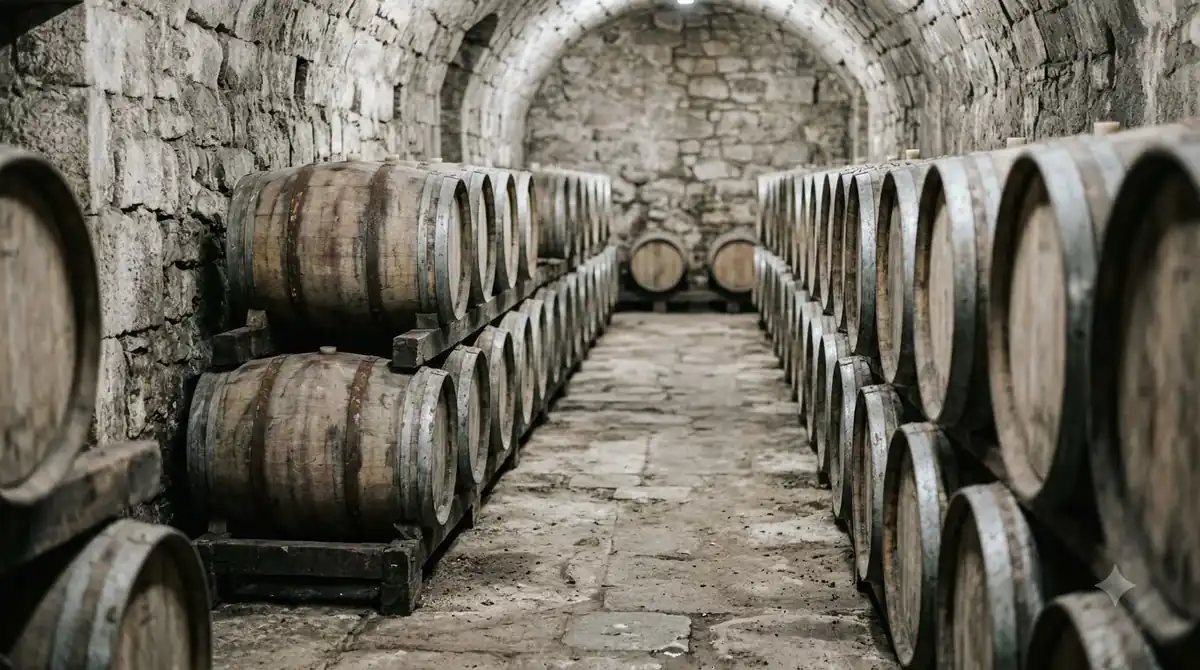
The winery’s founders brought Italian agricultural traditions to California and established their vineyard operation around the opportunities offered by Sonoma’s climate and soils. Rather than treating Zinfandel as simply another commercial grape, the family made it central to its identity. That long-standing commitment helped establish Seghesio as a recognizable name among California Zinfandel producers.
The original Home Ranch Vineyard remains an important part of this story. Its first Zinfandel vines were planted in 1895, and Seghesio continues to farm some of those original vineyard blocks. The property covers 130 acres and includes Zinfandel, Sangiovese, Petite Sirah, and Barbera. Its shallow topsoil, measuring approximately 8 to 16 inches in places, sits above clay and underlying basalt, sandstone, and volcanic rock.
Family continuity is another defining feature. The winery’s history spans five generations, and its approach combines traditional vineyard knowledge with modern cellar practices. Its current winemaking philosophy emphasizes expressing the character of individual vineyard sites rather than making every bottling taste identical.
Seghesio is also part of the broader story of Italian grape varieties in California. Its Chianti Station Vineyard preserves historic Sangiovese plantings alongside smaller quantities of Canaiolo Nero, Malvasia, and Trebbiano. The vineyard was planted in 1910 and represents an unusual piece of North American winegrowing history.
For consumers, this background helps explain why Seghesio offers more than a standard California Zinfandel. Its wines reflect a particular combination of family history, vineyard preservation, and regional identity. Readers exploring other established producers can also learn about baron philippe de rothschild wine and the different traditions behind internationally recognized wine names.
Sonoma Vineyards and the Importance of Old Vines
Seghesio’s vineyard sources help explain the differences between its red wine bottlings. The winery farms more than 300 acres of sustainably managed vineyards across Alexander Valley, Dry Creek Valley, and Russian River Valley, with each area contributing distinct growing conditions.
Alexander Valley is particularly important for the family’s historic plantings. Warm daytime temperatures encourage grape ripening, while afternoon breezes help moderate vineyard conditions. Home Ranch is a good example of how difficult soils can influence the fruit produced by a particular site. Its limited topsoil and rocky underlying layers create growing conditions that the winery associates with concentrated grapes.
Dry Creek Valley provides another important source of Zinfandel. Chen’s Vineyard, planted in 1972, covers 45 acres and is entirely planted to Zinfandel. Summer morning fog helps moderate the early part of the growing day, while the vineyard’s gravelly Cortina loam contributes to the character associated with its fruit.
Chen’s Vineyard is particularly relevant to Cortina Zinfandel. The wine takes its name from the characteristic soil found in the area, and the vineyard provides the core of its blend. Some blocks have sandy soils that the winery calls Sand Point, adding another element of variation within the property.
Russian River Valley offers a different expression. Its cooler coastal influences and frequent morning fog can produce Zinfandel with a more savory character than fruit grown in warmer vineyard locations. Keyhole Ranch includes Zinfandel blocks alongside plantings of white varieties, while Montafi Ranch preserves old vines dating to 1926.
Seghesio uses the term old vine for vineyards with vines at least 50 years old. This is the winery’s own definition rather than a universal legal standard. Its Old Vine Zinfandel draws on vineyards averaging approximately 75 years in age, with fruit from multiple Sonoma County locations.
Several individual vineyards illustrate the range of historical plantings:
| Vineyard | Planting year | Important details |
|---|---|---|
| Home Ranch | 1895 | 130 acres; historic Zinfandel blocks |
| Chianti Station | 1910 | 1.5 acres; Sangiovese field blend |
| Montafi Ranch | 1926 | 21 acres; 99% Zinfandel and 1% Alicante Bouschet |
| Chen’s Vineyard | 1972 | 45 acres; entirely Zinfandel |
| Todd Brothers Ranch | 1958 | Historic hillside Zinfandel planting |
These sites show why vineyard selection matters. Two wines made primarily from Zinfandel can have different levels of concentration, acidity, and savory character depending on their growing locations. For a broader look at regional wine styles, the Wine Brands resource provides additional context for comparing producers and their offerings.
Popular Seghesio Red Wine Styles
Seghesio’s red wine selection centers on Zinfandel, with different bottlings highlighting regional blends, older vineyards, and individual sites. The most useful distinction for shoppers is whether they want an approachable introduction to Sonoma Zinfandel or a more specific expression of vineyard character.
Sonoma County Zinfandel is a practical starting point. This bottling represents the winery’s broader regional style rather than focusing on a single vineyard. Expect a ripe fruit profile, recognizable Zinfandel spice, and enough freshness to keep the wine suitable for a range of meals. It is a sensible choice for someone discovering the producer for the first time.
Wine Enthusiast’s review of the 2023 Sonoma County Zinfandel provides a useful example of the style. The publication awarded the wine 90 points and described aromas of spiced cherry, chocolate malt, and purple flowers. Its tasting notes also mention concentrated berry flavors, plum, cinnamon, and lavender. The reviewed bottle had 15% alcohol by volume.
Old Vine Zinfandel offers another perspective. Its grapes come from multiple vineyards rather than one isolated property. The winery’s emphasis on older vines is intended to preserve the character of established vineyards and the concentrated fruit they can produce. The average vine age of approximately 75 years gives this bottling a clear identity within the range.
Old Vine is particularly interesting for drinkers who enjoy Zinfandel with substantial fruit, noticeable spice, and a more developed structure. It can be a good choice for grilled meat, roasted vegetables, and dishes with concentrated sauces. Its vineyard sources also make it a useful introduction to the diversity of Sonoma County growing locations.
Cortina Zinfandel highlights the Dry Creek Valley influence, with Chen’s Vineyard providing the core of the blend. Its connection to gravelly loam soils gives it a distinctive vineyard identity. People who enjoy fresh fruit character alongside concentration and structure may find this bottling especially appealing.
Single-vineyard Zinfandels provide a more focused way to explore the producer. Names such as Home Ranch, Montafi, Saini Farms, and Rockpile identify wines associated with particular growing locations. These bottlings are useful for comparing how soil, elevation, vineyard age, and local climate influence the finished wine.
Seghesio has also produced wines from Pagani Ranch and Todd Brothers Ranch. These historic vineyard selections have been identified by the winery as final-release wines, meaning their availability is limited to remaining stock rather than an ongoing production program. Consumers interested in these bottlings should distinguish them from the winery’s continuing core selections.
The range also includes Italian-inspired reds. Sangiovese is particularly important because of the family’s heritage and its historic Chianti Station plantings. These wines offer a different direction from Zinfandel, with a food-oriented profile that can work particularly well alongside tomato-based dishes and traditional Italian cooking.
Flavor, Body, Tannins, and Winemaking
Seghesio red wine generally appeals to drinkers who enjoy ripe fruit, moderate-to-full body, and a noticeable presence on the palate. Zinfandel provides the foundation for much of the range, although vineyard conditions and blending decisions influence the final character of each bottling.
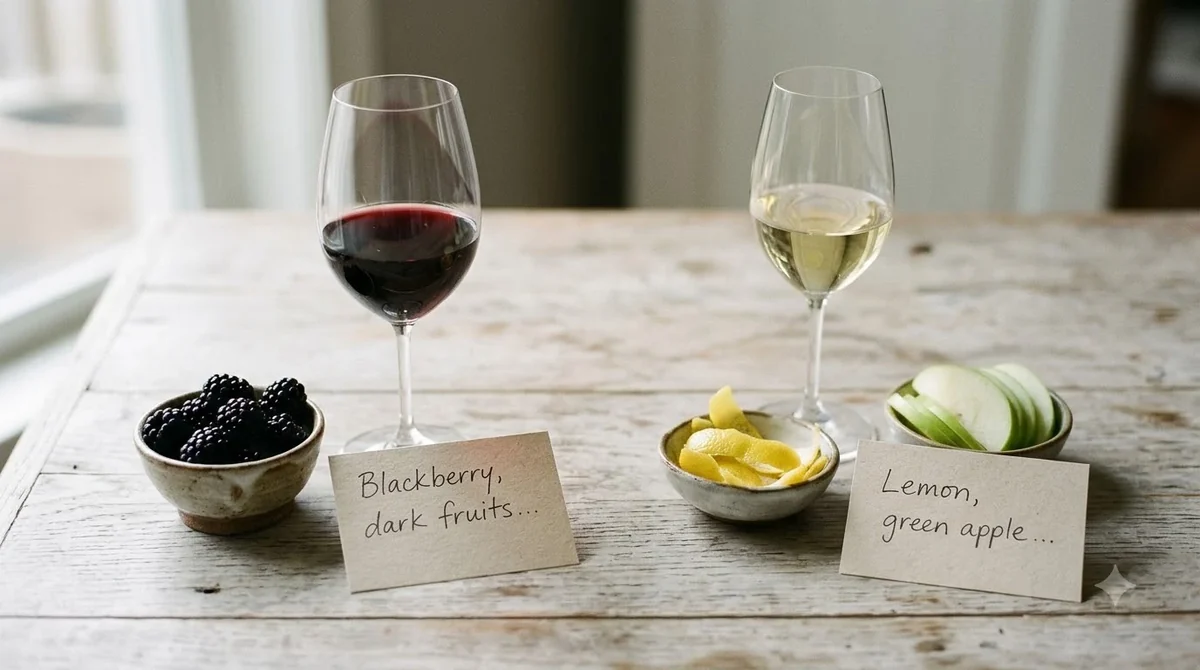
Common Zinfandel aromas include blackberry, black cherry, raspberry, plum, and baking spices. Depending on the wine, additional impressions can include pepper, cocoa, dried herbs, vanilla, or earthy notes. These are typical characteristics of the grape and winemaking style rather than a guarantee that every Seghesio bottle will display identical flavors.
The Sonoma County example reviewed by Wine Enthusiast illustrates the combination of ripe fruit and freshness that can make the wines appealing. Its notes of spiced cherry, plum, chocolate malt, cinnamon, and lavender show that a full-bodied Zinfandel can offer more than simple sweetness or heavy fruit concentration.
Despite the generous fruit, dry Zinfandel is not the same as sweet wine. Ripe fruit aromas may suggest jam or compote, but the wine can finish dry. This distinction matters when choosing a bottle for people who prefer red wines without noticeable residual sugar.
How tannins and acidity affect the experience
Zinfandel typically has moderate tannin, although concentration and blending can influence how firmly it feels. Tannins create a drying sensation along the gums and inside the cheeks. They also help provide structure, particularly in wines intended to develop additional complexity with bottle age.
Acidity is another important component. It provides freshness and helps balance the richness of ripe fruit. A Zinfandel with sufficient acidity can work well with tomato sauces, grilled foods, and dishes containing moderate amounts of fat.
Alcohol also influences the impression of body and warmth. Some Seghesio Zinfandels are relatively high in alcohol, as demonstrated by the 15% ABV listed for the reviewed 2023 Sonoma County bottling. That figure belongs to that particular wine and should not automatically be applied to every vintage or vineyard selection.
Winemaking decisions
Seghesio’s winemaking approach focuses on vineyard expression and careful handling of the fruit. Winemaker Andy Robinson joined the winery in 2003 after gaining experience in the cellar under fourth-generation family member Ted Seghesio. He became winemaker in 2015.
The winery describes several important cellar techniques, including open-top fermenters, rigorous grape sorting, indigenous yeast strains, and fermentation in small lots. These methods allow individual vineyard selections to be handled separately before decisions are made about blending.
Open-top fermentation is particularly useful for red wine production because it allows winemakers to manage the grape skins and cap during fermentation. Skin contact contributes color, tannin, and flavor compounds. Careful extraction can help preserve fruit character while developing enough structure to support the wine.
Small-lot fermentation also provides flexibility. Fruit from different vineyards can be evaluated individually, making it easier to identify the characteristics each source contributes. The final blend can then combine fruit concentration, acidity, texture, and aromatic complexity.
For further technical background, Seghesio explains its vineyard-focused approach and cellar practices in its winemaking overview.
How to Choose the Right Seghesio Bottle
The best Seghesio red wine depends on your preferred flavor intensity, familiarity with Zinfandel, and the type of meal you intend to serve. Starting with the regional bottling is generally the easiest way to understand the house style before exploring individual vineyard selections.
For a first purchase, Sonoma County Zinfandel makes a straightforward introduction. Its regional identity offers a recognizable expression of the grape without requiring detailed knowledge of individual vineyards. It is also a useful option for casual dinners and gatherings where a versatile red wine is appropriate.
Old Vine Zinfandel is a logical next step for someone who enjoys concentrated fruit and wants to explore the winery’s historic vineyard sources. Its older-vine character and multi-site composition make it particularly interesting for people who already appreciate California Zinfandel.
For a more specific experience, consider a single-vineyard selection. Home Ranch offers a direct connection to the family’s earliest Zinfandel plantings, while Montafi Ranch provides a window into the Russian River Valley’s historic vineyards. Cortina is a useful choice for those interested in Dry Creek Valley and the influence of Chen’s Vineyard.
People who prefer Italian food and more traditional red-wine combinations may also want to explore the Italian Heritage collection. Sangiovese provides a different style from Zinfandel and can offer a more natural match for dishes based on tomatoes, herbs, and olive oil.
When comparing bottles, consider these factors:
- Grape variety: Decide whether you want Zinfandel’s ripe fruit and spice or the more savory, food-oriented character associated with Sangiovese.
- Vineyard source: Regional blends provide a broad Sonoma expression, while single-vineyard selections focus on a particular location.
- Vine age: Old Vine bottlings emphasize historic plantings, although vine age alone does not determine quality.
- Alcohol level: Higher alcohol can make a red feel warmer and fuller, especially when served too warm.
- Food plans: Rich Zinfandel generally works better with substantial dishes than with delicate seafood.
- Availability: Some vineyard bottlings are produced in smaller quantities or are final releases, so the selection can differ between retailers and vintages.
Tip: If you are unfamiliar with Seghesio, begin with Sonoma County Zinfandel before moving to Old Vine or single-vineyard bottlings. Comparing two wines side by side makes differences in fruit intensity, acidity, and vineyard character easier to recognize.
Vintage is another consideration. Weather conditions vary between growing seasons, influencing ripeness, acidity, and the overall balance of a finished wine. A warmer season may produce particularly ripe fruit, while cooler conditions can preserve a fresher impression. This is one reason the same vineyard bottling may show small but meaningful differences from one release to another.
Readers comparing different red wine traditions may also find it useful to explore campo viejo red wine. Comparing Rioja-based Tempranillo with Sonoma Zinfandel highlights how grape variety, growing region, and winemaking tradition influence a wine’s structure and flavor.
Food Pairings and Proper Serving Temperature
Seghesio Zinfandel works especially well with savory food, grilled meats, roasted vegetables, and dishes containing herbs or concentrated sauces. Its ripe fruit and moderate-to-full body provide enough intensity for flavorful meals without requiring every dish to be especially rich.
Grilled beef is one of the most reliable pairings. Burgers, ribeye, grilled flank steak, and beef short ribs all offer savory flavors that complement Zinfandel’s berry fruit and spice. Salt and fat also soften the perception of tannin, making the combination feel more balanced.
Barbecue is another strong option. Smoked pork ribs, grilled chicken with a savory glaze, and beef brisket can work particularly well. For sweeter barbecue sauces, choose a wine with generous fruit character so the sauce does not make the wine seem excessively sharp or bitter.
Italian dishes offer additional possibilities. Beef lasagna, sausage with tomato sauce, mushroom pasta, and baked eggplant are all suitable choices. The acidity in tomato-based sauces is important: an acidic food generally needs a wine with equal or higher acidity to avoid making the wine taste flat.
For lighter meals, roasted mushrooms, grilled zucchini, eggplant, and aged cheeses provide good alternatives to meat. The earthy flavors of mushrooms can complement the savory side of cooler-climate Zinfandel, while cheese fat helps soften tannin.
There are also pairings to approach carefully. Very spicy dishes can make high-alcohol red wines feel hotter because chili heat and alcohol amplify each other. Delicate white fish is generally better suited to a lighter white wine, since oily fish can clash with tannic reds.
Serving temperature
Serving temperature can change how a red wine feels. Full-bodied reds are generally best served between 60 and 65 degrees Fahrenheit rather than at warm room temperature. Excessive warmth can make alcohol more noticeable and reduce the impression of freshness.
For a bottle that has been stored at ordinary indoor temperature, a short period in the refrigerator can help bring it closer to the preferred range. Avoid serving a full-bodied Zinfandel directly from a cold refrigerator because excessive chilling can make its tannins seem firmer and its aromas less expressive.
Use a standard red wine glass with enough room to swirl the wine and release its aromas. A 5-ounce pour is a practical serving size, and a standard 750 ml bottle provides approximately five glasses.
Decanting and opening the bottle
Young, full-bodied red wines can benefit from 30 to 60 minutes of decanting. This gives the wine time to interact with air and can make its aromas easier to appreciate. Whether decanting is necessary depends on the individual bottle, its age, and your preferences.
Older bottles require more care. Extended exposure to oxygen can diminish delicate aromas, so an older Zinfandel may need only a short time in a decanter. Pouring slowly also helps prevent sediment from entering the glass when a bottle has developed deposits during aging.
After opening, store the remaining wine in the refrigerator with a suitable closure. Most opened still wines retain reasonable quality for approximately three to five days, although the exact period depends on the wine and its exposure to oxygen. Allow refrigerated red wine a little time to warm before pouring another glass.
Frequently Asked Questions
Is Seghesio an Italian or American wine producer?
Seghesio Family Vineyards is an American winery based in Sonoma County, California. Its founder brought Italian heritage to the region, and the winery continues to produce wines that reflect that background. Its best-known red wines are California Zinfandels rather than Italian-imported wines.
Does Seghesio produce wines other than Zinfandel?
Yes. The winery also works with Italian varieties, including Sangiovese and Barbera, as well as white varieties such as Vermentino and Chardonnay. Its historic Chianti Station planting includes small quantities of Canaiolo Nero, Malvasia, and Trebbiano alongside Sangiovese.
Where can visitors taste Seghesio wines?
The winery’s tasting room is in Healdsburg, California, in northern Sonoma County. Visitors can explore its wines and experience the winery’s hospitality without having to travel to the individual vineyards. Reservations are recommended for many tasting experiences, particularly during busy travel periods.
Can Seghesio Zinfandel improve with bottle aging?
Some Seghesio Zinfandels are made with the structure and concentration to develop additional complexity over time. The winery specifically identifies age-worthiness as one of its goals for its Zinfandel program. However, aging potential varies by bottling and vintage, so there is no single ideal cellaring period for the entire range.
What does the name Zinfandel mean in California wine history?
Zinfandel has become closely associated with American wine culture, particularly in California. Its European genetic connection is to the Croatian grape Crljenak Kaštelanski, which is also closely related to Italy’s Primitivo. The grape’s long history in California makes it an important part of the state’s wine identity.
Seghesio red wine offers an appealing introduction to Sonoma County Zinfandel, combining historic vineyard sources with fruit-forward flavors and carefully managed winemaking. Sonoma County and Old Vine bottlings are useful starting points, while single-vineyard selections provide opportunities to explore individual sites and their distinctive characteristics. Whether served with barbecue, grilled beef, or Italian cooking, these wines demonstrate why Zinfandel remains central to Seghesio’s family heritage.
More in Wine Brands
 Underwood Wine Price: Compare Bottles, Cans, and Pack SizesUpdated Nov 21, 2026
 Zenato Wine Price: Compare Styles and Choose the Right BottleUpdated Nov 21, 2026
 Zuccardi Wine Price: Compare Bottles and Find the Right RangeUpdated Nov 21, 2026
 Yellow Tail Moscato Review: Taste, Sweetness and Serving TipsUpdated Nov 21, 2026
 Wolf Blass Yellow Label Review: Choose Your Best StyleUpdated Nov 21, 2026
 Wolffer Estate Rose Review: Choose the Right Bottle for Your TableUpdated Nov 21, 2026