


We may earn a commission when you buy through links on this page, at no extra cost to you. Learn more.
Is cava gluten free? Cava is made from grapes, and grapes do not contain gluten, so a plain cava is generally considered gluten free. Gluten comes from wheat, barley, and rye, and cava’s ingredients are grapes, yeast, and a small amount of added sugar for the second fermentation. The sources reviewed for this article describe cava as a grape-based Spanish sparkling wine and do not list any gluten-containing ingredient in its standard production.
Cava is one of the most popular sparkling wines on American shelves, and it is often chosen for celebrations and casual dinners alike. Because people ask about gluten in drinks more often now, it is useful to understand what goes into cava, how it is made, and where a question about gluten might still come up. This guide explains the basics in plain language.
What Cava Is Made From
Cava is a sparkling wine from Spain. The official Cava site calls it a handcrafted quality Spanish sparkling wine and says it is the most widely exported sparkling wine with a Spanish Designation of Origin. The wine is made from grapes, which is the central fact for anyone asking about gluten.
Wine Folly describes cava as made from Spanish native grape varieties, including Macabeu, also known as Viura, Xarel-lo, and Parellada. These are all grape varieties, and fermented grape juice does not contain the proteins that make up gluten. The drink is therefore grain-free by design, which is different from beer, whiskey, and many other spirits that start with barley, wheat, or rye.
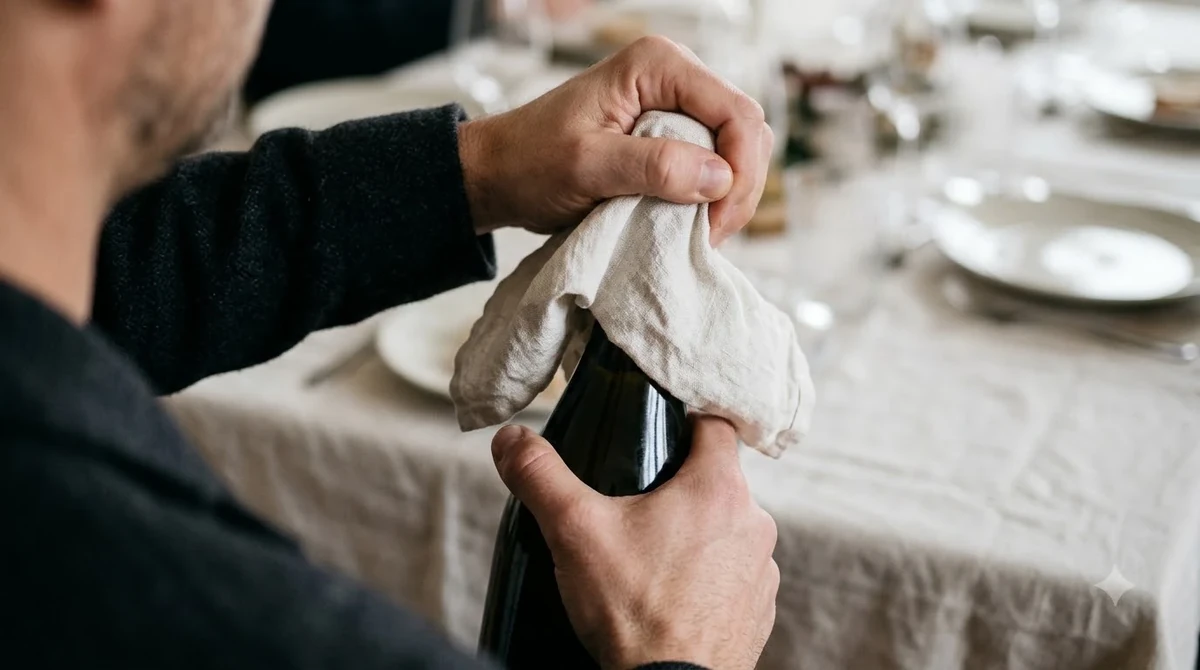
How Cava Is Made
Cava uses the traditional method, the same process used for Champagne. Wine Folly notes that the method is shared with Champagne but that cava is generally more affordable. In this process, a base wine is bottled with a small amount of sugar and yeast, and a second fermentation in the bottle creates the bubbles. After that, the wine rests on its lees before it is disgorged and finished.
The steps that matter most for an ingredient question are the base wine, the sugar, and the yeast. The base wine comes from grapes, the sugar is a sugar dose, and the yeast is a fermentation culture. None of these is a wheat, barley, or rye product, so the wine’s standard ingredients do not contain gluten.
| Element | Typical Cava | Gluten Concern? |
|---|---|---|
| Main ingredient | Grapes (Macabeu, Xarel-lo, Parellada) | No, grapes are not a gluten grain |
| Second fermentation | Sugar and yeast added in the bottle | No standard gluten source |
| Style | Dry, light body, high acidity | Not applicable |
| Typical flavor | Quince, lime, yellow apple, chamomile, almond | Not applicable |
Tip: If a question about a specific bottle comes up, check the producer’s website or the label for its full ingredient information, since some producers publish more detail than others.
Where a Gluten Question Might Still Come Up
The main reason people still ask about gluten in sparkling wine is that they are reading about other drinks. Beer is made from barley and is not gluten free, and many distilled spirits are made from grain. People who are checking labels sometimes group all alcoholic drinks together, which is why the question about cava comes up even though the grape base is clear.
A second reason is shared equipment or flavored products. Flavored sparkling drinks and mixers sometimes contain additives that the base wine does not. If you are buying a flavored product rather than a plain cava, read its ingredient list, because the added flavors are the part to check.
Reading a Cava Label for Ingredient Details
Most wine labels show the producer, region, vintage, and style, but they rarely list every ingredient in detail. For cava, the front label usually tells you the style, such as brut or brut nature, and the back label may include a short description of the producer’s approach. Those details are useful for general shopping, but they do not replace a full ingredient statement when the question is about a specific allergen or dietary need.
When a label is unclear, the most reliable step is to check the producer’s website or contact the producer directly. Many wineries publish technical sheets with information about their production process, and the official Cava regulatory body publishes general information about the category. Spending a minute on this step is usually enough to settle the question for a specific bottle. Keeping a note of the producers you have checked also saves time on future shopping trips, since many cava houses use the same general production approach across their range.
Cava Compared With Other Sparkling Wines
Cava is often compared with Prosecco and Champagne, and all three are made from grapes. Prosecco is usually made with a different method, while Champagne uses the traditional method like cava. Because all three are grape-based, the gluten question is handled the same way for each: the wine is grape-based, and the thing to check is any added flavoring.
If you want to compare the gluten question across other popular wines, our guides on whether Prosecco is gluten free and whether red wine is gluten free cover the same basic logic. The short version is that plain wine is made from grapes, so the same reasoning applies across most still and sparkling wines.
How to Serve Cava
Cava is best served cold, and the bubbles hold up well in a chilled glass. A flute keeps the bubbles lively, while a tulip-shaped glass shows more of the aroma. Keep the bottle in the refrigerator before opening, and pour gently to avoid losing too much of the fizz.
Cava is also a practical choice for a mixed group, because a single bottle can be poured into several glasses and the dry style suits a wide range of tastes. Some people prefer a brut style with a crisp finish, while others enjoy a softer, more fruit-forward bottle. Tasting two styles side by side is an easy way to see which one you like.

Cava pairs well with light foods such as tapas, grilled vegetables, fried snacks, and fresh seafood. Its high acidity and dry style make it a good match for salty and fried dishes, which is one reason it is popular in Spanish restaurants and at casual gatherings.
Frequently Asked Questions
Is cava gluten free?
Plain cava is made from grapes, so it does not contain gluten as a standard ingredient. The sources reviewed describe the grape base and traditional method, and they do not list any gluten-containing ingredient in the usual production.
Is all sparkling wine gluten free?
Most plain sparkling wines are made from grapes and are handled the same way as cava. The thing to check is any added flavoring or unusual product, since flavored drinks can contain ingredients that the base wine does not.
Why do people ask about gluten in wine?
Many people see gluten listed for beer and grain-based spirits, and they assume the question applies to all alcoholic drinks. Wine is a different category because it starts with grapes rather than grains, which is why the answer is usually simpler.
Where can I check the ingredients in a specific bottle of cava?
The label, the producer’s website, and any technical information the producer publishes are the best sources. The official Cava site is a useful place to start for general background on the category.
Cava is grape-based, which makes the gluten question easy for most plain bottles. If you want to learn more about the style itself, the official Cava wine site gives background on the category, and the Wine Folly guide to cava covers the grapes and flavors. You can also browse the wine types section to compare cava with other styles.
More in Wine Types & Grapes
 Zinfandel Sugar Content: Dry Red vs. White Zinfandel GramsUpdated Nov 21, 2026
 Best Zinfandel Substitute Options for Sipping and CookingUpdated Nov 21, 2026
 Zweigelt Food Pairing: Best Dishes, Cheeses, and Serving TipsUpdated Nov 21, 2026
 Zinfandel Tannins Explained: How Structure Shapes Every BottleUpdated Nov 21, 2026
 Zinfandel Sweetness Level: Dry Red vs. Sweet White Zin ExplainedUpdated Nov 21, 2026
 Xinomavro Food Pairing: Best Dishes, Styles, and Serving TipsUpdated Nov 21, 2026