


We may earn a commission when you buy through links on this page, at no extra cost to you. Learn more.
Is prosecco gluten free? Generally yes, because prosecco is made from grapes, not from wheat, rye, barley, or triticale. Gluten is the protein group found in those grains, and the base ingredient of prosecco is the Glera grape. Most bottles of prosecco contain no gluten-containing ingredients, but the label and producer details are the best place to confirm any specific product.
Gluten questions come up often with sparkling wine, partly because beer is made from barley and many people link any fermented drink with grain. Prosecco is a different case. This guide explains what gluten is, why grapes are not a gluten source, what to check on a label, and how prosecco compares with other wines that people ask about.
What Gluten Is and Where It Comes From
Gluten is a general name for the proteins found in wheat and related grains. According to the Celiac Disease Foundation, gluten acts as a glue that holds food together, which is why it is common in bread, pasta, and baked goods. The grains that contain it are wheat, rye, barley, and triticale, which is a cross between wheat and rye.
Oats are a separate case. The same source notes that oats themselves do not contain gluten, although they are often grown and processed alongside gluten-containing grains. That detail matters for any drink or food made with grain, but it does not apply to grapes.
Why Prosecco Starts Without Gluten
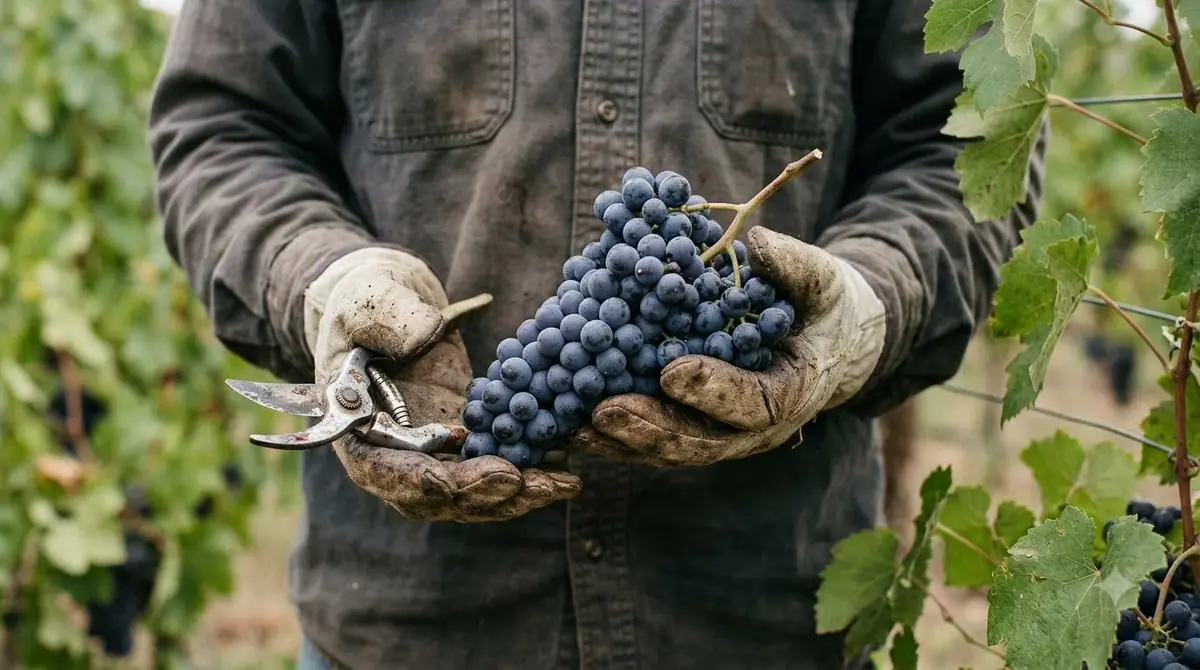
Prosecco is a sparkling wine made from grapes. The base grape is Glera, and the official consortium for Prosecco DOC describes it as the main variety in the wine. The rules allow other varieties to be added, including Verdiso, Chardonnay, and Pinot Bianco, up to a combined limit of 15 percent. None of these grapes are grains, so none of them carry the gluten proteins found in wheat or barley.
The production process also starts from grape must rather than grain mash. Selected yeasts turn the must into wine in the first fermentation, and the bubbles come from a second fermentation. The consortium describes two historical stages for those bubbles, first in the bottle in the late 19th century and then in pressurized tanks, called autoclaves, in the early 20th century. Neither stage adds a grain ingredient.
What to Check on a Label
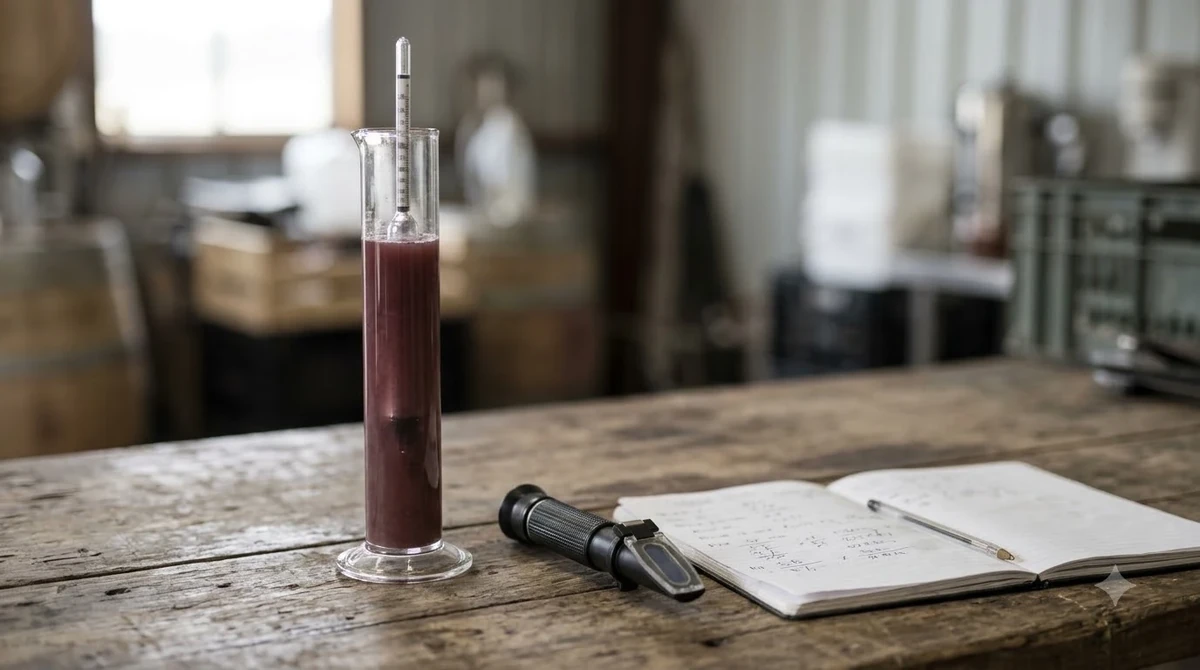
A grape-based wine can still come with added ingredients, and the label or the producer’s product sheet is the place to confirm details. Most prosecco labels list only the wine itself, along with the alcohol content and the producer’s name. The consortium explains that a Prosecco DOC label guarantees the wine follows a set production specification and carries the State Seal, which is a useful sign that the bottle meets the official standard.
If a label or product page does not give ingredient information, contact the producer directly. Producers can describe their filtering and clarifying methods, which are the steps most people ask about when they check a wine for ingredients derived from other foods.
| Drink | Main base | Gluten source to watch |
|---|---|---|
| Prosecco | Glera grape, with allowed blends up to 15 percent | None from the grape itself; check labels for added ingredients |
| Beer | Barley and other grains | Barley and wheat, which contain gluten |
| Rye whiskey | Rye grain mash | Rye, which contains gluten |
| Red wine | Red grapes | None from the grape itself; check labels for added ingredients |
Tip: Compare the drink’s base ingredient first. If it is a grape, the starting point is different from a grain-based drink, and that is usually the fastest way to answer the question.
How Prosecco Compares With Other Sparkling Wines
Many people ask about prosecco and cava in the same conversation, because both are sparkling wines sold at similar price points. Cava is made from a different set of grapes and follows its own production rules, but the base ingredient is still the grape rather than grain. That shared starting point is why the gluten answer is usually the same for both styles.
The difference that matters more to most buyers is style. Prosecco is typically fruit-forward, with light bubbles and a fresh finish, and the consortium recommends serving it cold in a fairly large tulip glass at about 6 to 8 degrees Celsius. It is best enjoyed within the year after harvest, which is one reason you will often see recent vintages on store shelves. If you want a deeper look at the style itself, the prosecco guide covers serving and food pairings in more detail.
Gluten and Other Wines People Ask About
The same logic applies to still wine. Red wine is made from red grapes, so the grape itself is not a gluten source. A common question is whether red wine is safe, and the answer follows the same pattern: the base is grape, and any extra ingredients appear on the label or in producer information. The is red wine gluten free guide walks through that question with more examples.
Sparkling wine from other regions works the same way. The is cava gluten free article covers the Spanish sparkling style and its production, and it follows the same base-ingredient approach. Comparing styles this way helps you see why grape-based drinks are treated differently from beer and some spirits.
Common Questions About Prosecco and Gluten
Most questions come back to the same two points: what the base ingredient is, and whether anything was added during production. For prosecco, the base is grape and the added ingredients are usually limited to other allowed grape varieties. Reading the label, checking the producer website, and asking the seller are the steps that give the clearest answer for a specific bottle.
It is also worth separating prosecco from flavored products. Some sparkling drinks are mixed with other ingredients, such as premade cocktails or ready-to-drink cans, and those products have their own ingredient lists. A plain bottle of prosecco is a different product from a mixed drink, so check the exact item you are buying.
Serving context can also shape how people think about prosecco. Because the consortium recommends a cold serving temperature and a fairly large tulip glass, many people open a bottle for brunch, a casual dinner, or a celebration. Those settings often include other foods, and the gluten question sometimes gets mixed up with the foods on the table. The drink and the food each need their own check. Prosecco itself is a grape wine, while bread, crackers, or batter on a snack tray are separate items with their own ingredients.
Frequently Asked Questions
Is prosecco gluten free?
Prosecco is generally considered gluten free because it is made from grapes, mainly Glera, rather than from grains such as wheat, rye, barley, or triticale. Labels and producer details are the best place to confirm a specific bottle.
Does the bubbling process add gluten to prosecco?
The bubbles come from a second fermentation, which happens in the bottle or in pressurized tanks. Those methods use the wine and yeast, not a grain ingredient, so the process itself does not introduce gluten.
Are all sparkling wines gluten free?
Sparkling wines made from grapes follow the same base-ingredient logic as prosecco. Flavored or mixed sparkling drinks can contain other ingredients, so their labels should be read on their own.
Where can I find an official source on prosecco?
The official consortium website for Prosecco DOC explains the production rules, the Glera grape, and the State Seal on labels. It is a useful reference when you want to confirm how the wine is made.
Prosecco is made from grapes, so the common gluten sources in beer and grain spirits do not apply to its base. Read the label, check any mixed product carefully, and use the producer’s information for specific questions. For more wine-type guides, the Wine by Type hub gathers the main styles in one place. Background on the grain side of the question is also available from the Celiac Disease Foundation’s explanation of gluten.
More in Wine Types & Grapes
 Zinfandel Sugar Content: Dry Red vs. White Zinfandel GramsUpdated Nov 21, 2026
 Best Zinfandel Substitute Options for Sipping and CookingUpdated Nov 21, 2026
 Zweigelt Food Pairing: Best Dishes, Cheeses, and Serving TipsUpdated Nov 21, 2026
 Zinfandel Tannins Explained: How Structure Shapes Every BottleUpdated Nov 21, 2026
 Zinfandel Sweetness Level: Dry Red vs. Sweet White Zin ExplainedUpdated Nov 21, 2026
 Xinomavro Food Pairing: Best Dishes, Styles, and Serving TipsUpdated Nov 21, 2026