

We may earn a commission when you buy through links on this page, at no extra cost to you. Learn more.
Is red wine gluten free? In most cases yes, because red wine is made from red grapes, and grapes are not one of the grains that contain gluten. Gluten is found in wheat, rye, barley, and triticale. A plain bottle of red wine has no grain in its base, so the usual answer is that red wine is gluten free, while any added ingredients still need to be checked on the label.
Red wine is one of the most common drinks people ask about when they start reading ingredient lists. Many people know that beer is made from barley, and they wonder whether other alcoholic drinks follow the same pattern. This guide explains what gluten is, why red grapes are a different starting point, how to check a label, and where the answer can change.
What Gluten Is and Which Grains Contain It
Gluten is a general name for the proteins found in wheat. The Celiac Disease Foundation describes gluten as a substance that helps foods keep their shape, acting as a glue that holds food together. That description explains why gluten is common in bread, pasta, and many baked goods.
The grains that contain gluten are wheat, including varieties such as spelt, durum, farro, and einkorn, along with rye, barley, and triticale. Triticale is a wheat-rye hybrid. Oats do not contain gluten themselves, but they are often contaminated during growing and processing. Grapes are not on that list, and the same source does not mention grapes or fruit as a gluten source.
Why Red Wine Starts From Grapes
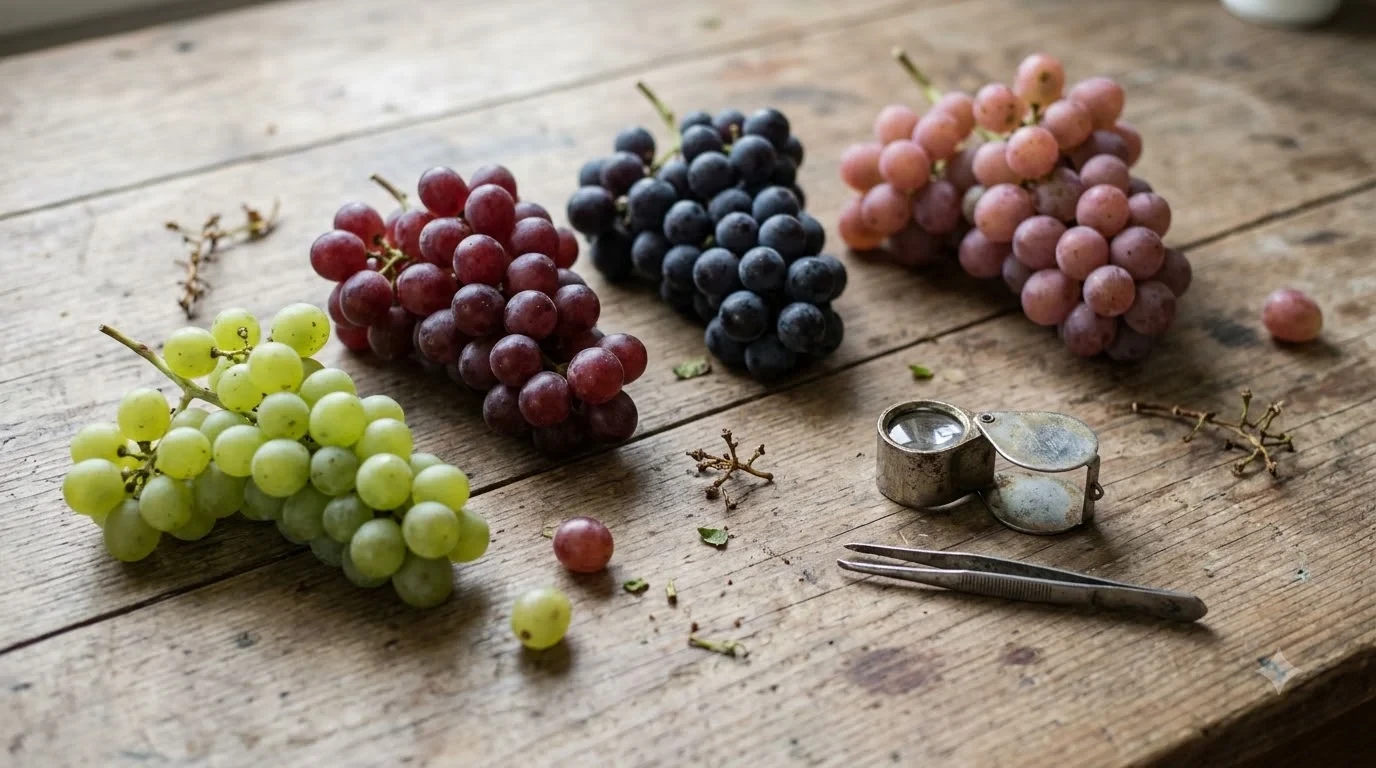
Red wine is made by fermenting red grape juice. The skins, seeds, and stems of the grapes stay in contact with the juice for part of the process, which is how red wine gets its color and tannin. Because the main ingredient is fruit, the grain-based sources that matter for beer and malt-based drinks do not apply in the same way.
Different grape varieties produce very different styles. Cabernet Sauvignon, for example, is a natural cross between Cabernet Franc and Sauvignon Blanc from Bordeaux in France, according to Wine Folly. The grape is known for its high concentration and aging potential, and its tannins are often rated as medium-high. None of this involves grain, which is why the gluten answer for red wine usually depends on the bottle rather than on the grape.
Where the Answer Can Change
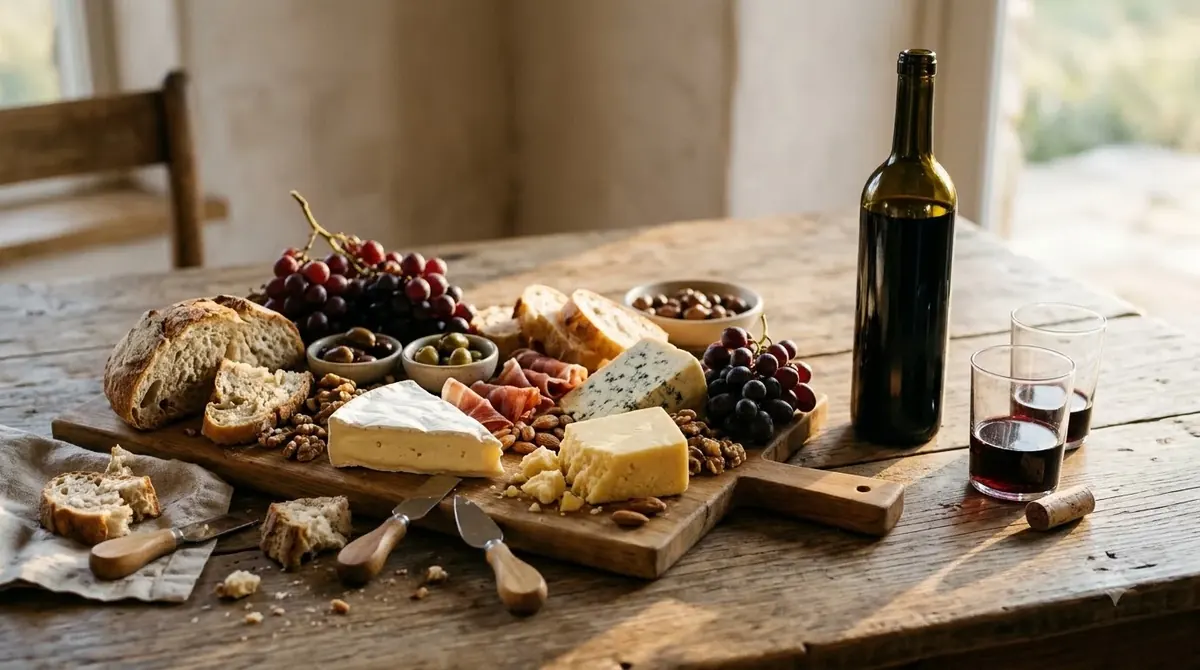
A grape-based wine can still come with added ingredients, and the label or producer information is the place to confirm details. Most red wine labels list the wine itself, the alcohol content, and the producer. They do not always list every processing aid, such as fining agents or filtering materials, so the producer’s technical information can be useful for a specific question.
Flavored red wines, wine-based cocktails, and ready-to-drink red wine products are different. They can contain sweeteners, flavorings, or other ingredients that are not part of a plain bottle. Reading the complete ingredient list on those products is the safest way to get a clear answer. A plain bottle of red wine and a mixed product should be checked separately.
| Drink | Main base | Gluten source to watch |
|---|---|---|
| Red wine | Red grapes | None from the grape itself; check labels for added ingredients |
| Prosecco | Glera grape | None from the grape itself; check labels for added ingredients |
| Beer | Barley and other grains | Barley and wheat, which contain gluten |
| Rye whiskey | Rye grain mash | Rye, which contains gluten |
Tip: Start with the base ingredient. If the drink is made from grapes, the question shifts to the label, not the grain list.
How Red Wine Compares With Other Wines
People often ask about red wine next to other popular styles. Sparkling wines made from grapes follow the same base-ingredient logic, so the gluten answer is similar. The is cava gluten free guide covers the Spanish sparkling style, and the is prosecco gluten free article explains why grape-based bubbles usually start without grain.
Style matters for other reasons. Red wine ranges from light, fruity bottles to firm, long-aging wines, and the grape variety shapes that range. Cabernet Sauvignon is often decanted and cellared, while lighter reds may be served younger. Those choices affect taste and serving, but they do not change the gluten question, which depends on ingredients rather than style.
Learning More About Red Wine Grapes
If you want to know more about the grape behind a red wine, a grape profile is a good place to start. The Cabernet Sauvignon profile on Wine Folly explains the origin, the flavor profile, and the aging potential of the variety. Knowing the grape can help you understand why one red wine tastes firm and structured while another tastes soft and fruity, even though both are made from fruit.
For a broader view of red wine styles and how they are grouped, the Wine by Type hub gathers guides on the main categories in one place. Grape-specific questions also come up for other varieties, and those are covered in separate guides on this site.
Checking a Bottle Before You Buy
A quick check at the store takes less time than most people expect. Start with the front label, which usually names the producer, the region, and the grape or blend. Then look at the back label for the alcohol content and any allergen or ingredient statement the producer chooses to include. Many wines in the United States carry a short statement only, so a missing ingredient list does not automatically mean the wine has added grain.
If the answer is still unclear, the producer’s website is the next stop. Many wineries publish technical sheets that describe how the wine was fined and filtered. Those documents often use plain terms, and they can answer questions about clarifying agents without any guesswork. Email or a phone call to the winery is also a reasonable option, and most producers respond to product questions directly.
Retailers and wine shops can help too. Staff can often look up a producer’s product information, and some stores keep technical sheets on hand for popular brands. Asking the shop before you buy avoids surprises at home, especially when you are shopping for a group or buying a gift.
Frequently Asked Questions
Is red wine gluten free?
Red wine is generally gluten free because it is made from red grapes. Gluten is found in wheat, rye, barley, and triticale, and grapes are not on that list. The label and producer information are the best place to check any specific bottle.
Does red wine ever contain gluten?
A plain bottle of red wine has no grain in its base, so gluten would only come from an added ingredient. Flavored red wines and mixed products can contain other ingredients, so their full ingredient lists should be read carefully.
Is red wine gluten free if it is aged in oak?
Oak aging involves wood, not grain, so it does not add gluten to the wine. The question of added ingredients is still the same, and it is answered by the label or the producer.
Are red wine and beer treated the same way?
No. Beer is made from barley and other grains, which contain gluten. Red wine is made from grapes, which are a different starting ingredient. That difference is the main reason the two drinks are usually discussed separately.
Red wine starts from grapes, which is why most bottles are considered gluten free from the start. Read the label on the bottle you plan to buy, and check the full ingredient list on any mixed or flavored product. For a clear, sourced definition of gluten and the grains that contain it, the Celiac Disease Foundation explanation of gluten is a useful reference.
More in Wine Types & Grapes
 Zinfandel Sugar Content: Dry Red vs. White Zinfandel GramsUpdated Nov 21, 2026
 Best Zinfandel Substitute Options for Sipping and CookingUpdated Nov 21, 2026
 Zweigelt Food Pairing: Best Dishes, Cheeses, and Serving TipsUpdated Nov 21, 2026
 Zinfandel Tannins Explained: How Structure Shapes Every BottleUpdated Nov 21, 2026
 Zinfandel Sweetness Level: Dry Red vs. Sweet White Zin ExplainedUpdated Nov 21, 2026
 Xinomavro Food Pairing: Best Dishes, Styles, and Serving TipsUpdated Nov 21, 2026