

We may earn a commission when you buy through links on this page, at no extra cost to you. Learn more.
Laurent perrier rose tasting notes center on fresh raspberry, strawberry, redcurrant, and black cherry, supported by crisp acidity, fine bubbles, and a supple, rounded finish. Laurent-Perrier Cuvée Rosé is a dry rosé Champagne made entirely from Pinot Noir using an extended grape-skin maceration process. Its combination of expressive red-fruit aromas, refreshing freshness, and subtle savory complexity makes it suitable for both special occasions and food-focused meals.
Laurent-Perrier Cuvée Rosé occupies a distinctive position among premium rosé Champagnes. Rather than relying on the addition of still red wine to a white Champagne base, the producer uses Pinot Noir skin contact to develop the wine’s characteristic color, aromatic intensity, and fruit-driven personality. Understanding its appearance, aromas, palate, production, and serving requirements helps explain why this Champagne appeals to drinkers who appreciate both freshness and structure.
Laurent-Perrier Rosé Appearance and First Impressions
Laurent-Perrier Cuvée Rosé typically displays a luminous raspberry-pink color that can develop salmon-pink nuances. Its appearance reflects the Pinot Noir grape skins used during maceration, while its persistent bubbles give the wine an elegant presentation.
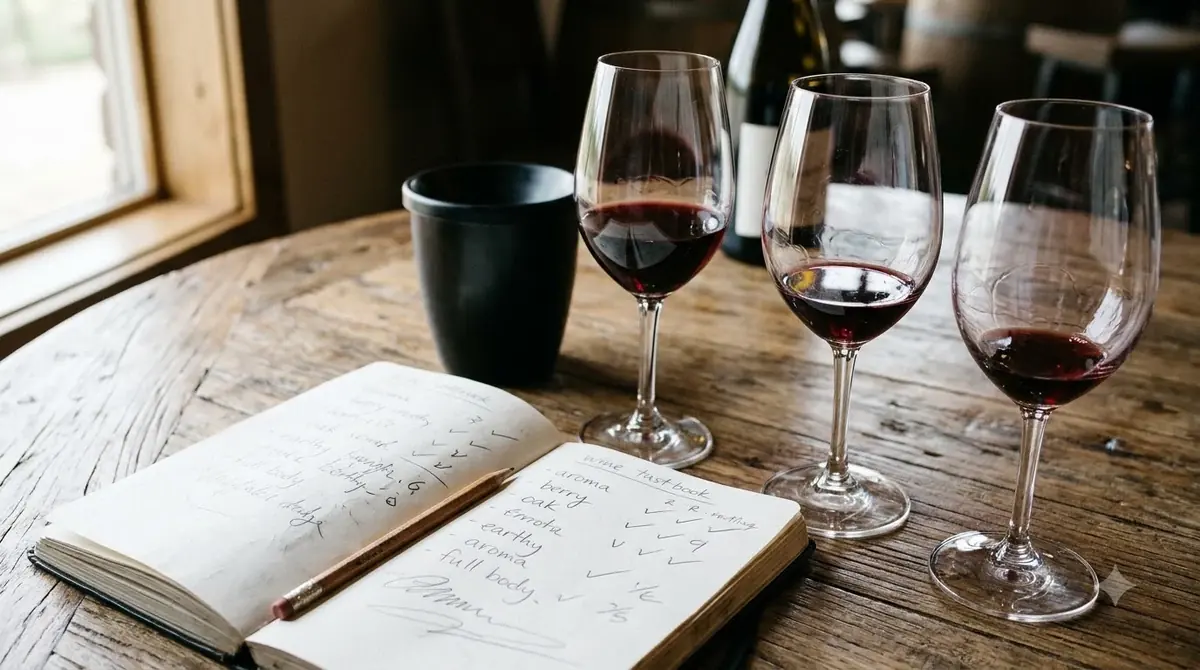
The color is one of the wine’s most recognizable characteristics. Unlike some pale Provence rosés, which often have delicate pink or almost copper-colored appearances, Laurent-Perrier Cuvée Rosé presents a more pronounced red-fruit hue. The producer describes the color as naturally evolving between raspberry and salmon pink. This variation is part of the wine’s identity rather than an indication of added coloring or sweetness.
In the glass, the Champagne should look clear and bright. Its bubbles create a lively visual impression, helping communicate the wine’s freshness before the first sip. A gentle stream of small bubbles is particularly attractive in a tall Champagne glass, although the exact appearance depends on the glassware and pouring technique.
The color also offers a useful introduction to the wine’s production. Pinot Noir has red skins, but the juice inside the grapes is relatively pale. Allowing the juice to remain in contact with those skins extracts natural pigments and aromatic compounds. Laurent-Perrier uses this technique to produce a rosé Champagne with a recognizable raspberry hue and pronounced red-fruit character.
For an accurate first impression, examine the wine against a white background under natural or neutral lighting. A very dark environment can make the color appear deeper than it really is. Look for clarity, an even pink tone, and active effervescence rather than judging quality by color intensity alone.
The bottle also contributes to the presentation. Cuvée Rosé is associated with a distinctive shield-shaped bottle, which reinforces its recognizable identity at celebrations, formal dinners, and special gatherings. The visual presentation is memorable, but the wine’s real character becomes clearer through its aroma and palate.
Laurent-Perrier Rosé Aroma: Raspberry, Strawberry, and Black Cherry
The aroma is primarily defined by fresh red berries, particularly raspberry, redcurrant, strawberry, and black cherry. Additional bottle development can introduce more complex notes, including dried fruit, citrus peel, vanilla, toasted nuts, and bread-like aromas.
Raspberry is often the first recognizable fruit impression. It gives the nose a lively, slightly tangy character rather than a heavy, jam-like sweetness. Strawberry adds a softer and rounder impression, while redcurrant contributes a sharper fruit note that reinforces the Champagne’s fresh personality.
Black cherry brings additional depth. Compared with strawberry and raspberry, its aroma can seem darker, richer, and more concentrated. The combination creates a layered bouquet that is recognizably fruit-driven without becoming excessively sweet or confectionery-like.
These primary fruit aromas are consistent with the producer’s published sensory description. Laurent-Perrier specifically identifies raspberry, redcurrant, strawberry, and black cherry as central elements of the wine’s aromatic profile. Its official Cuvée Rosé tasting and production description also highlights the relationship between Pinot Noir maceration and the wine’s fresh red-fruit character.
However, the aromatic experience does not stop with fresh fruit. Decanter’s October 2024 tasting notes identify vanilla, sweet strawberry tart, dried red fruits, orange peel, quince, and toasted nuts. These observations illustrate how the Champagne can display additional complexity beyond its familiar berry character.
To explore the bouquet, pour a small amount into a tulip-shaped Champagne glass and allow it to settle for approximately 30 seconds. Begin with a gentle sniff before swirling. After a light swirl, look for additional aromas that were less obvious immediately after pouring.
It is useful to distinguish between primary fruit aromas and secondary or developed aromas. Fresh raspberry and strawberry are closely associated with the grapes and their handling. Toasted nuts, sourdough, and vanilla-like impressions contribute a more developed dimension to the overall aromatic profile.
Temperature also affects aromatic expression. Excessively cold Champagne can seem muted, making it difficult to identify individual fruit and savory notes. Allowing the wine to warm slightly in the glass can reveal more detail without sacrificing its refreshing character.
Palate, Acidity, Bubbles, and Finish
Laurent-Perrier Cuvée Rosé is dry, medium-bodied Champagne with refreshing acidity, energetic bubbles, and a rounded texture. Its palate combines bright red fruit with subtle savory complexity, creating a balance between freshness and richness.
The first impression is generally lively. Acidity and effervescence provide an energetic opening, while raspberry, strawberry, and redcurrant flavors develop across the middle of the palate. Black cherry can contribute a deeper fruit impression, giving the wine more substance than a particularly light, delicate sparkling rosé.
The texture is an important part of its appeal. Laurent-Perrier describes the palate as supple and rounded after a fresh, sharp attack. This means the Champagne is not simply acidic or aggressively bubbly. It combines freshness with a more generous mouthfeel.
Decanter’s October 2024 review adds another perspective, describing a savory, supple mousse with sourdough character. That observation suggests a combination of fruit, texture, and developed complexity rather than a straightforward fruit-only profile.
Wine Enthusiast also highlights the relationship between ripe fruit, toastiness, and crisp texture in its reviewed bottling. Its 94-point assessment describes a wine with texture and bright fruit, illustrating why the Champagne can appeal to drinkers who enjoy both fresh and developed flavors.
Understanding the finish
The finish typically combines lingering red-fruit impressions with freshness. Raspberry and strawberry can remain noticeable, while citrus-like brightness and subtle savory notes help prevent the ending from feeling heavy. A dry Champagne does not need to taste austere; fruit richness and a refreshing finish can coexist.
Its medium body also makes it versatile at the table. It has sufficient structure for dishes with richer ingredients, yet its acidity and bubbles provide a refreshing contrast to salt, fat, and delicate seafood preparations.
The bubbles are not merely decorative. Effervescence influences how the wine feels in the mouth and helps refresh the palate between bites. This is particularly useful when serving the Champagne alongside fried appetizers, cured meats, or creamy dishes.
For readers comparing sparkling rosés, the balance is more important than any single flavor. A wine dominated by sweetness will behave differently from a dry Champagne with bright acidity and substantial red-fruit character. Laurent-Perrier belongs to the latter style.
Pinot Noir, Maceration, and Five Years of Aging
Laurent-Perrier Cuvée Rosé is made from 100% Pinot Noir sourced from 10 crus in the Montagne de Reims. Its distinctive style comes from 48 to 72 hours of maceration followed by five years of aging.
This production method is central to understanding the wine. Many rosé Champagnes use the assemblage method, in which still red wine is blended with white base wine. Laurent-Perrier instead uses maceration to extract color and aromatic compounds directly from Pinot Noir skins.
The grapes are carefully selected, sorted, and destemmed before entering the vats. During maceration, the grape juice remains in contact with the skins. According to the producer, the process lasts between 48 and 72 hours depending on the harvest.
The duration matters because skin contact influences both the appearance and aromatic intensity of the finished Champagne. A shorter or longer extraction can produce different results, so managing this stage requires careful attention to the grapes and their characteristics.
Pinot Noir is particularly suitable for this approach because it contributes red-fruit aromas and sufficient structure to create a more expressive rosé Champagne. The producer’s focus on selected crus in the Montagne de Reims also gives the wine a clear regional identity.
Why the five-year aging period matters
Laurent-Perrier identifies five years of aging for Cuvée Rosé. Extended cellar aging allows the wine to develop additional complexity beyond its initial fresh-fruit character.
Fresh strawberry, raspberry, and redcurrant remain important, but developed aromas can introduce toasted bread, dried fruit, nuts, and pastry-like impressions. These characteristics help explain the difference between the youthful fruit expression and the more layered tasting notes found in professional reviews.
It is important not to confuse extended aging with sweetness. Aging can influence texture and aromatic complexity without turning a dry Champagne into a sweet wine. Cuvée Rosé retains its dry Champagne identity while offering a more developed flavor profile.
The producer’s approach also explains why this Champagne differs from many simple sparkling rosés. Its identity is shaped by grape selection, extraction, and cellar maturation rather than by color alone.
For further background on different producers and wine styles, explore our Wine Brands section. Understanding how individual producers approach grape selection and winemaking can make comparisons between premium bottles more meaningful.
Tip: Do not judge Laurent-Perrier Cuvée Rosé solely by its raspberry color. Its distinctive character comes from the combination of 100% Pinot Noir, extended skin maceration, five years of aging, and the balance between red fruit, freshness, and savory complexity.
Sweetness, Alcohol, and Ideal Serving Temperature
Laurent-Perrier Cuvée Rosé is a dry rosé Champagne, not a sweet sparkling wine. Its fruit-forward aromas may suggest ripe berries, but the overall style balances fruit richness with refreshing acidity and Champagne effervescence.
Decanter classifies its reviewed Cuvée Rosé as dry and medium-bodied. This distinction matters because the perception of fruit sweetness is not the same as actual residual sugar. Ripe strawberry or black cherry aromas can make a wine seem generous without making it sweet.
For sweetness terminology, Brut is a useful reference point among Champagne styles. The traditional sparkling-wine sweetness sequence runs from Brut Nature and Extra Brut through Brut, Extra Dry, Dry, Demi-Sec, and Doux. These terms describe progressively sweeter categories, although individual wines can vary in their exact residual sugar levels.
Laurent-Perrier’s fruit-focused style makes it approachable for people who enjoy expressive sparkling wines but do not necessarily want a dessert-style drink. Its acidity provides balance, and the bubbles help keep the overall impression lively.
Alcohol and serving temperature
Decanter lists 12.5% ABV for its reviewed bottling. Alcohol contributes to the wine’s overall structure and warmth, although the refreshing acidity and effervescence keep the palate from feeling heavy.
A suitable serving temperature for rosé Champagne is approximately 40–50°F. Laurent-Perrier’s producer information also gives a recommended range of 8–10°C, equivalent to approximately 46–50°F.
Serving too cold can suppress the aroma of raspberry, strawberry, and developed pastry notes. Serving too warm can make the alcohol more noticeable and reduce the refreshing effect of the bubbles.
| Wine characteristic | Typical description |
|---|---|
| Grape variety | 100% Pinot Noir |
| Crus used | 10 Montagne de Reims crus |
| Maceration | 48–72 hours |
| Cellar aging | 5 years |
| Alcohol | 12.5% ABV in Decanter’s reviewed bottling |
| Body | Medium |
| Sweetness | Dry |
| Serving temperature | 40–50°F |
| Standard bottle size | 750 ml |
| Typical serving pour | 5 oz |
For the best experience, chill the bottle gradually in a refrigerator before serving. An ice bucket with water and ice can also bring the wine to serving temperature. Avoid leaving an opened bottle warm on a dining table for extended periods.
Use a tulip-shaped Champagne glass when possible. Its shape offers more room for aromatic development than a narrow flute while preserving the visual appeal of the bubbles. A standard 750 ml bottle provides approximately five 5-ounce servings.
If the bottle is not finished, reseal it with a suitable sparkling-wine stopper and refrigerate it. Opened sparkling wine generally retains its best quality for approximately one to three days, depending on the stopper, storage conditions, and initial freshness.
Food Pairings: Seafood, Asian Cuisine, and Red-Fruit Desserts
Laurent-Perrier Cuvée Rosé pairs particularly well with grilled prawns, marinated fish, Parma ham, Asian dishes, and red-fruit desserts. Its acidity, bubbles, and Pinot Noir character make it suitable for both delicate seafood and more flavorful meals.
Seafood is a natural starting point. Grilled prawns offer a slightly sweet, savory flavor that complements the wine’s raspberry and strawberry notes. The Champagne’s acidity refreshes the palate, while its bubbles provide contrast to the texture of the seafood.
Marinated fish is another particularly suitable pairing. Citrus-based marinades, fresh herbs, and lightly seasoned preparations work well because the wine has enough acidity to complement the food. The fruit character adds another dimension without overwhelming the delicate flavors of the fish.
For richer seafood dishes, consider grilled salmon or tuna preparations with moderate seasoning. The Pinot Noir character provides more structure than many very light rosés, making it a useful partner for fish with a firmer texture.
Pairing with Asian and spicy cuisine
Laurent-Perrier recommends Asian and exotic cuisine as pairing options. Dishes featuring ginger, citrus, aromatic herbs, and moderately spicy sauces can work particularly well with the Champagne’s lively fruit profile.
However, intense chili heat requires some attention. Alcohol and tannin can amplify the sensation of spice, so very hot preparations may make the Champagne feel more aggressive. Choose dishes with balanced seasoning rather than extremely hot sauces.
Thai-style prawns with lemongrass, Vietnamese grilled seafood with herbs, and lightly spiced Asian appetizers can provide suitable combinations. The freshness of the wine complements aromatic ingredients, while the bubbles help refresh the palate.
Cheese, cured meats, and richer dishes
Parma ham is specifically recommended by Laurent-Perrier. Its saltiness and savory character provide a pleasant contrast to the wine’s bright fruit. Salt can also soften the perception of tannin, although Cuvée Rosé is not a strongly tannic sparkling wine.
Chaource, a soft French cheese, is another producer-recommended pairing. Its creamy texture complements the wine’s mousse and rounded palate. Other soft, creamy cheeses can also work, particularly when served with plain crackers or lightly toasted bread.
For a more substantial meal, try roast poultry with a light berry sauce or pork tenderloin with herbs. The Pinot Noir fruit profile can complement these dishes without requiring a heavy red-wine-style pairing.
Desserts and sweetness balance
Red-fruit desserts offer a natural connection to the Champagne’s strawberry, raspberry, and cherry notes. Fresh strawberries, raspberry tart, and lightly sweetened berry pastries can create harmonious combinations.
One important principle applies: wine should generally be at least as sweet as the dessert. A very sugary chocolate or caramel dessert can make dry Champagne taste sharply acidic or bitter. For this reason, keep desserts relatively light and fruit-focused rather than excessively sweet.
Readers interested in comparing rosé styles can also explore Miraval rosé tasting notes, Whispering Angel rosé tasting notes, and Hampton Water rosé tasting notes. These wines offer useful comparisons with Laurent-Perrier because still rosé and sparkling rosé can differ considerably in texture, acidity, and aromatic development.
How Laurent-Perrier Rosé Compares With Other Rosé Styles
Laurent-Perrier Cuvée Rosé stands apart from many still rosés because it combines 100% Pinot Noir, traditional Champagne production, extended skin maceration, and five years of aging. Its fine bubbles, developed aromas, and medium body create a more layered experience than a simple fruit-driven still rosé.
One of the clearest differences is effervescence. Still rosés rely primarily on acidity, fruit, and texture to create their character. Laurent-Perrier adds the texture and freshness of sparkling wine, making the palate feel more energetic.
The grape variety is another important distinction. Pinot Noir can contribute red cherry, raspberry, strawberry, and subtle savory characteristics. Other rosé wines may use Grenache, Cinsault, Syrah, Mourvèdre, or blends of several varieties, resulting in different aromatic and structural profiles.
Winemaking also changes the final result. A pale Provence rosé may emphasize delicate citrus, watermelon, and fresh herbs. Laurent-Perrier’s maceration method extracts more pronounced red-fruit aromas and gives the wine its distinctive raspberry-pink appearance.
Its five-year aging period further separates it from many everyday still rosés, which are often intended to be enjoyed relatively young. The extended maturation contributes to the additional aromatic dimensions identified in professional tasting reviews.
Which wine style suits different occasions?
For an aperitif, Laurent-Perrier Cuvée Rosé works particularly well because its acidity and bubbles stimulate the palate. It can be served with small seafood appetizers, Parma ham, and soft cheese before a larger meal.
For a summer lunch, a still Provence rosé may be more suitable if the goal is a lighter, less complex wine. For a celebration or a more elaborate dinner, Laurent-Perrier offers the added structure and presentation associated with Champagne.
For a meal centered on seafood, both styles can work. The choice depends on the preparation. Delicate grilled fish can suit a lighter still rosé, while richer seafood, marinated fish, and shellfish can benefit from Laurent-Perrier’s acidity and effervescence.
For people who enjoy mature sparkling wines, the developed aromas of toast, dried fruit, vanilla, and nuts make Cuvée Rosé an interesting alternative to straightforward fruit-focused sparkling rosés.
Ultimately, the most useful comparison is not simply which bottle is better. It is which style best suits the occasion, food, and desired drinking experience. Laurent-Perrier is particularly appealing to those who want the red-fruit character of Pinot Noir combined with the freshness and texture of Champagne.
Frequently Asked Questions
Is Laurent-Perrier Cuvée Rosé a vintage or non-vintage Champagne?
Laurent-Perrier Cuvée Rosé is generally presented as a non-vintage Champagne. Non-vintage Champagne combines wines from different harvests to maintain a consistent house style. This approach allows the producer to preserve its recognizable red-fruit profile across releases.
What glass is best for Laurent-Perrier Rosé?
A tulip-shaped Champagne glass is an excellent choice because it provides more space for aromas to develop while retaining the wine’s bubbles. A standard narrow flute is also suitable for emphasizing effervescence. A wide coupe is less effective at preserving carbonation and concentrating aromas over time.
Does Laurent-Perrier Cuvée Rosé contain tannins?
Yes, it can contain subtle tannic compounds because the Pinot Noir juice spends time in contact with grape skins during maceration. The resulting structure is generally much gentler than that of a full-bodied still red Pinot Noir. Its bubbles, acidity, and rounded texture remain more prominent features of the drinking experience.
Can Laurent-Perrier Rosé be kept for several years?
Properly stored Champagne can develop additional complexity over time, although the ideal drinking period depends on the specific release and storage conditions. Keep unopened bottles away from direct sunlight, temperature fluctuations, and excessive heat. A cool storage environment near 55°F helps preserve quality.
Why does Laurent-Perrier use a shield-shaped bottle?
The distinctive shield-shaped bottle is part of the identity of Cuvée Rosé, which Laurent-Perrier introduced in 1968. Its unusual presentation helped distinguish the wine in a category that was considerably less established at the time. The bottle has remained an important visual characteristic of the Champagne.
Laurent-Perrier Cuvée Rosé combines fresh raspberry, strawberry, redcurrant, and black cherry with crisp acidity, fine bubbles, and a supple finish. Its distinctive Pinot Noir maceration process and extended aging give it more aromatic depth than a simple fruit-driven sparkling rosé. Served at approximately 40–50°F, it makes an excellent choice for seafood, Asian cuisine, Parma ham, and red-fruit desserts.
More in Wine Brands
 Underwood Wine Price: Compare Bottles, Cans, and Pack SizesUpdated Nov 21, 2026
 Zenato Wine Price: Compare Styles and Choose the Right BottleUpdated Nov 21, 2026
 Zuccardi Wine Price: Compare Bottles and Find the Right RangeUpdated Nov 21, 2026
 Yellow Tail Moscato Review: Taste, Sweetness and Serving TipsUpdated Nov 21, 2026
 Wolf Blass Yellow Label Review: Choose Your Best StyleUpdated Nov 21, 2026
 Wolffer Estate Rose Review: Choose the Right Bottle for Your TableUpdated Nov 21, 2026