


We may earn a commission when you buy through links on this page, at no extra cost to you. Learn more.
Hampton Water rose tasting notes reveal a fresh, dry French rosé with strawberry, citrus, floral aromas, and a refreshing finish. Made in the South of France with a blend led by Grenache, this wine combines approachable red-fruit flavors with lively acidity and subtle oak influence. Expect a light-to-medium-bodied style that works well as an aperitif, alongside seafood, or with casual summer meals.
Hampton Water Rosé brings together French Mediterranean grape varieties and a brand identity inspired by the relaxed coastal atmosphere of the Hamptons. Its appeal comes from the balance between fruit, freshness, and a slightly more textured finish than some very light, unoaked rosés. Understanding its aromas, grape composition, and serving characteristics makes it easier to decide whether this bottle suits your preferences and what to serve alongside it.
Overall Flavor Profile and First Impressions
Hampton Water Rosé is best understood as a fresh, fruit-driven, dry rosé with a combination of red berries, citrus, and floral details. Its character is approachable rather than heavy, while its acidity and oak influence give it enough structure to accompany food.
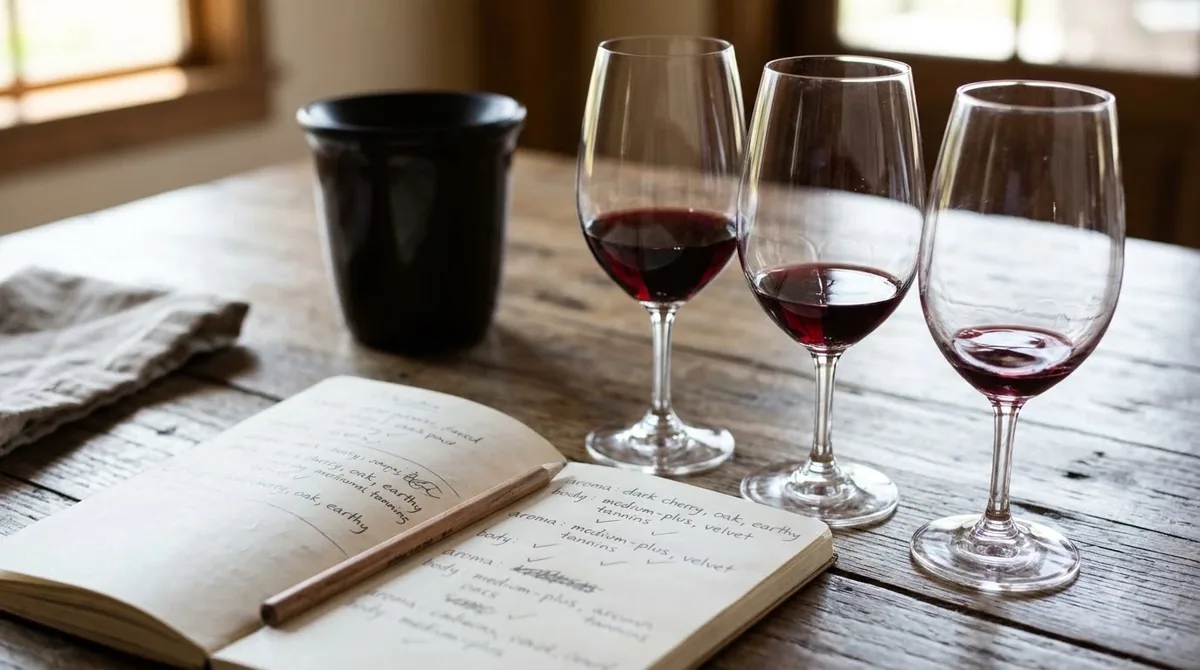
The first impression typically centers on fresh strawberry and citrus. Strawberry provides a recognizable red-fruit character without making the wine taste like sweet strawberry juice. Citrus adds brightness, helping the fruit feel crisp and refreshing rather than rich or syrupy. Depending on the vintage, additional impressions can include peach, melon, cherry, and delicate floral aromas.
Professional descriptions illustrate how these characteristics can shift between bottlings. Wine Enthusiast’s review of the 2024 vintage identifies pink rose petal and brisk melon on the nose, followed by citrus peel and pith on the palate. The reviewer also describes a chalky texture that gives the wine more dimension than fruit flavors alone might suggest. The Wine Enthusiast 2024 Hampton Water Rosé review provides a useful vintage-specific reference for these characteristics.
The producer’s description emphasizes strawberry, citrus, and a long finish associated with new French oak barrel aging. These details provide a useful starting point for understanding the wine’s general identity, although individual vintages can express different proportions of fruit and texture. The official Hampton Water Rosé tasting description also identifies the grape blend and serving information.
On the finish, expect lingering citrus and fruit impressions rather than a heavy, lingering sweetness. The producer specifically associates its long finish with careful aging in new French oak barrels. This detail distinguishes Hampton Water from rosés that rely exclusively on delicate fruit and acidity for their character.
For someone who enjoys recognizable strawberry flavors but also wants a wine with citrus freshness and some texture, this profile offers a useful middle ground. It is neither a particularly austere, mineral-only rosé nor a rich, sweet pink wine.
Grape Blend and French Winemaking Character
Hampton Water Rosé uses four Mediterranean grape varieties, with Grenache accounting for 60% of the published blend. Cinsault, Mourvèdre, and Syrah contribute the remaining 40%, creating a combination of fruit, freshness, structure, and aromatic complexity.
According to Hampton Water’s official product information, the standard blend is:
| Grape Variety | Blend Percentage | Contribution to the Profile |
|---|---|---|
| Grenache | 60% | Red-fruit character, body, and generous fruit expression |
| Cinsault | 15% | Freshness, delicate fruit, and an approachable texture |
| Mourvèdre | 15% | Structure, savory depth, and additional complexity |
| Syrah | 10% | Color, spice, and darker berry character |
| Total | 100% | Balanced Mediterranean blend |
Grenache: The Main Source of Fruit
Grenache makes up more than half of the blend, so it plays the central role in the wine’s identity. This Mediterranean variety is widely used in southern French rosé production because it can provide expressive red-fruit flavors and a generous palate.
In Hampton Water, the strawberry and cherry impressions fit naturally with Grenache’s typical fruit profile. The grape also helps give the wine enough body to work with grilled vegetables, seafood, and dishes containing herbs or olive oil. Its influence is especially important for drinkers who prefer a rosé with recognizable fruit rather than a very restrained flavor profile.
Cinsault and Mourvèdre: Freshness and Structure
Cinsault contributes 15% of the blend. It is commonly used in southern French rosé to produce approachable wines with delicate fruit and an easy-drinking character. Its presence helps complement Grenache without making the finished wine feel overly concentrated.
Mourvèdre also represents 15%. This variety is associated with more substantial structure and savory characteristics in Mediterranean wine blends. In a rosé, its role can help provide a firmer framework beneath the fruit, particularly when the wine is served with food rather than enjoyed by itself.
Syrah: Aromatic Complexity
Syrah accounts for the final 10%. This variety is known for darker fruit, spice, and greater structural potential in red wines. Its contribution to a rosé blend is more restrained, helping add complexity without turning the wine into something that drinks like a light red.
The four varieties create a recognizable southern French style. The combination is useful to understand because Hampton Water is not simply a Grenache rosé with a decorative label. Its blend incorporates several grapes that perform different roles in the finished wine.
Aroma, Acidity, Texture, and Oak Influence
The aromatic profile combines strawberry, peach, melon, citrus, and floral notes, while the palate balances bright acidity with a lightly textured finish. French oak adds another layer, making the wine more substantial than a simple fruit-forward rosé.
On the nose, strawberry is a natural starting point. It can appear alongside fresh cherry, peach, and delicate floral impressions. The exact balance depends on the vintage and serving conditions. A colder glass may initially emphasize citrus and freshness, while a slightly warmer pour can make the fruit and floral elements easier to identify.
Melon is another useful reference point. Wine Enthusiast identifies brisk melon and pink rose petal in the 2024 bottling, providing a slightly different aromatic emphasis from the strawberry-led producer description. These notes help explain why different reviewers can describe the same wine with different but compatible language.
On the palate, citrus peel and pith provide a fresh impression. These are not the same as pronounced lemon sweetness. Instead, they suggest the more aromatic and slightly bitter side of citrus, which can help balance ripe fruit characteristics. The chalky texture described by Wine Enthusiast adds a tactile dimension that makes the finish more interesting.
How French Oak Changes the Finish
Oak is one of the more distinctive details in Hampton Water’s production description. The producer identifies new French oak barrels as part of the aging process and associates this treatment with the wine’s long finish.
French oak can contribute subtle spice, texture, and aromatic complexity. However, the presence of oak does not mean the wine should taste like a heavily oaked Chardonnay. Hampton Water remains a rosé whose primary identity comes from fruit and freshness. The oak treatment is a supporting element rather than the dominant flavor.
It is also useful to distinguish the standard rosé from other releases in the brand’s portfolio. Special editions can have different grape compositions and aging periods. Their vanilla, toast, or richer oak impressions should not automatically be applied to the standard Hampton Water Rosé.
For drinkers who usually prefer crisp Provence-style rosé, the oak influence may provide a slightly more rounded impression. Those who enjoy richer white wines may also appreciate the added texture, while people seeking an extremely delicate, neutral rosé may prefer a simpler style.
Tip: Serve Hampton Water Rosé chilled, but avoid leaving it in an ice bucket for too long. A temperature around 46–50°F helps preserve citrus freshness while allowing strawberry, peach, and floral aromas to remain noticeable.
Is Hampton Water Rosé Dry or Sweet?
Hampton Water Rosé is best approached as a dry, fruit-forward rosé rather than a sweet wine. Its strawberry and peach aromas can suggest ripe fruit, but aromatic fruitiness does not automatically indicate residual sugar or dessert-wine sweetness.
The official product information lists 0.6 grams of sugar per 5-fluid-ounce serving. This figure supports the wine’s fresh, dry positioning. It also helps explain why the wine can have noticeable strawberry and citrus flavors without producing a sugary finish.
There are several characteristics worth separating when evaluating sweetness. Fruit aroma describes what the nose detects, while perceived sweetness relates to the balance of sugar, acidity, alcohol, and fruit ripeness on the palate. A wine can smell like ripe strawberries while still finishing dry.
Acidity plays an important role in this balance. Bright acidity makes the wine feel refreshing and helps prevent the fruit from seeming heavy. It also makes Hampton Water a practical choice for dishes with citrus dressing, tomatoes, and fresh herbs.
What the Different Vintages Tell You
Vintage differences can influence how sweet or dry a wine appears, even when its basic production style remains consistent. Fruit ripeness, growing-season conditions, and winemaking decisions can change the balance between fruit intensity and acidity.
The 2024 review from Wine Enthusiast emphasizes melon, citrus peel, and a chalky texture. The producer’s description emphasizes strawberry, citrus, and a long finish. Neither description suggests that the wine should be treated as a sweet rosé.
The best way to assess sweetness is to pay attention to the finish. A dry wine generally leaves a cleaner impression without a pronounced sugary coating on the palate. Hampton Water’s citrus character and refreshing finish support this style.
Drinkers who enjoy dry rosé but find extremely lean wines uninteresting may appreciate its combination of fruit and texture. If you normally prefer Moscato or sweet blush wines, however, Hampton Water will likely seem noticeably drier.
Best Food Pairings for Hampton Water Rosé
Hampton Water Rosé pairs particularly well with seafood, grilled chicken, Mediterranean salads, and light vegetable dishes. Its strawberry and citrus character provides enough fruit for flavorful food, while its acidity helps refresh the palate between bites.
Seafood is one of the most natural pairing categories. Grilled shrimp, scallops, crab cakes, and simply prepared white fish work well because they do not overwhelm the wine’s relatively light structure. A squeeze of lemon or a fresh herb dressing can connect the citrus character in the wine with the flavors on the plate.
Salmon can also work, particularly when grilled or prepared with rosemary, dill, and moderate seasoning. Unlike heavily tannic red wines, rosé does not create the same potential clash with oily fish. A preparation featuring fresh herbs and a light citrus sauce is especially suitable.
Cheese, Vegetables, and Mediterranean Food
Fresh goat cheese is a particularly useful match. Its tangy character complements the wine’s acidity, while its creamy texture gives the fruit flavors something to balance. Feta, mozzarella, and mild young cheeses are also suitable options.
Mediterranean dishes offer another natural direction. Consider grilled zucchini, roasted peppers, olives, couscous, and tomato salads. Olive oil and salt soften the impression of acidity, while herbs such as basil, thyme, and rosemary connect with the wine’s floral and savory details.
For chicken, choose grilled or roasted preparations rather than heavily smoked or heavily sweetened sauces. Lemon-rosemary chicken, herb-roasted chicken, and chicken skewers with vegetables are good starting points.
Pairing Suggestions by Dish
| Food | Why It Works | Preparation Suggestion |
|---|---|---|
| Grilled shrimp | Light seafood complements the fresh fruit and acidity | Lemon, parsley, and olive oil |
| Salmon | Fruit and acidity balance the fish’s richer texture | Grilled with rosemary |
| Goat cheese | Tanginess complements the wine’s freshness | Serve with crackers and strawberries |
| Greek salad | Acidity matches tomatoes and balances salty feta | Olive oil and oregano dressing |
| Roast chicken | Moderate richness works with the wine’s body | Garlic and fresh herbs |
| Vegetable skewers | Grilled flavors complement the fruit and savory details | Zucchini, peppers, and onion |
| Sushi | Clean seafood flavors work with a crisp rosé | Salmon or shrimp rolls |
For a more complete summer menu, serve the wine with grilled shrimp as an appetizer, Greek salad as a side, and herb-roasted chicken as the main course. This progression keeps the flavors relatively light while allowing the wine to accompany several dishes.
Be more cautious with strongly spicy dishes. Alcohol can intensify the perception of chili heat, and heavily seasoned food can obscure delicate fruit and floral notes. If serving spicy cuisine, choose moderately seasoned dishes rather than extremely hot sauces.
Very sweet desserts are also not ideal. A wine should generally be at least as sweet as the dessert served alongside it. Since Hampton Water is dry, fresh fruit, lightly salted nuts, or mild cheeses are better choices than rich, sugary cakes and pastries.
Readers comparing different French pink wines may also find our Miraval Rosé tasting notes useful when choosing between styles with different fruit, acidity, and texture profiles.
Serving Temperature, Glassware, and Storage
Serve Hampton Water Rosé at approximately 46–50°F for a balance of freshness and aroma. A standard white wine glass or rosé glass is suitable, and a 750 ml bottle provides approximately five standard 5-ounce servings.
Temperature makes a noticeable difference in how the wine presents itself. If served too warm, its fruit may seem softer and its refreshing acidity less pronounced. If served excessively cold, some of its strawberry, peach, and floral aromas can become difficult to detect.
Refrigerating the bottle before serving is a simple approach. Allow enough time for the wine to become thoroughly chilled, then pour and let the glass sit briefly if it seems too cold. A temperature-controlled wine refrigerator is helpful, but ordinary refrigeration works perfectly well for casual enjoyment.
Glassware and Pouring
A medium-sized white wine glass is a practical choice. Its bowl provides enough room for aromas to develop without requiring the larger volume associated with full-bodied red wines. A dedicated rosé glass is also suitable, although special glassware is not necessary.
Pour approximately 5 ounces per serving. This leaves enough space in the glass for gentle swirling and aroma evaluation. Since the standard bottle contains 750 ml, five servings of this size use almost the entire bottle.
For a tasting with friends, start with a smaller pour and compare the wine at slightly different temperatures. The colder sample will generally emphasize freshness, while the sample that warms gradually in the glass may reveal more fruit and floral details.
Opening and Resealing the Bottle
Hampton Water uses a distinctive glass closure rather than a traditional cork. According to the producer’s opening instructions, place both thumbs beneath the glass cap, push upward, and remove it.
This design makes opening straightforward because a corkscrew is unnecessary. The closure can also be used to reseal the bottle if there is wine remaining after dinner.
Once opened, keep the bottle refrigerated. For a still rosé such as Hampton Water, a practical general guideline is to consume the remaining wine within three to five days. The wine may gradually lose some of its fresh fruit and aromatic intensity after exposure to oxygen.
For best results, reseal the bottle promptly and return it to the refrigerator. Before serving again, allow the wine a short time in the glass to regain some aromatic expression.
Drinkers exploring the brand’s other characteristics can also read our guide to Hampton Water Rosé alcohol content for more information about its strength and how that affects serving expectations.
Hampton Water Compared With Other French Rosés
Hampton Water belongs to the broader family of southern French rosés, but its fruit profile, blend, and oak influence give it a recognizable identity. Comparing it with Miraval and Whispering Angel helps clarify the differences between popular bottles in this category.
All three wines are associated with the French rosé tradition, but they should not be assumed to taste identical. Differences in grape composition, production choices, vintage conditions, and aging can affect the balance of fruit, acidity, and texture.
Hampton Water vs. Miraval Rosé
Hampton Water emphasizes strawberry and citrus, with peach, melon, and floral notes appearing in professional descriptions of particular vintages. Its blend is led by Grenache, with Cinsault, Mourvèdre, and Syrah completing the composition.
Miraval is another well-known French rosé often considered by drinkers looking for a fresh, refined style. It offers a useful comparison for people interested in how different southern French rosés express fruit, freshness, and mineral character.
The main consideration is personal preference. Choose Hampton Water if its red-fruit character and subtle oak influence appeal to you. Explore Miraval if you want to compare another French rosé’s aromatic and textural profile before choosing a bottle.
Hampton Water vs. Whispering Angel
Whispering Angel is another popular reference point in the French rosé category. It is frequently associated with a pale, fresh, dry style, making it a natural comparison for someone considering Hampton Water.
Hampton Water’s published blend provides a clear point of distinction: 60% Grenache, 15% Cinsault, 15% Mourvèdre, and 10% Syrah. Its producer also specifically identifies new French oak aging as part of the wine’s finishing process.
These details give Hampton Water a slightly different presentation from rosés whose identity centers more heavily on restrained fruit and freshness. The distinction is not that one wine is automatically better, but that each offers a different interpretation of French rosé.
For a closer look at the alternative, read our Whispering Angel Rosé tasting notes to compare its aromatic profile and style.
Hampton Water is therefore a sensible choice for someone who wants a fruit-forward French rosé with enough texture to accompany food. Its strawberry and citrus flavors are easy to understand, while the oak treatment and four-grape blend provide additional details for more attentive tasting.
Frequently Asked Questions
Who created Hampton Water Rosé?
Hampton Water is a family collaboration associated with Jon Bon Jovi and his son Jesse Bongiovi, alongside French winemaker Gérard Bertrand. The project connects the Hamptons lifestyle with French winemaking. Gérard Bertrand brings established experience with Mediterranean wine varieties to the collaboration.
Where is Hampton Water Rosé produced?
Hampton Water Rosé comes from France’s southern wine-producing region, with the product identified with Languedoc. The brand describes its rosé as crafted in the South of France. Its Mediterranean grape varieties reflect the region’s established rosé traditions.
What color is Hampton Water Rosé?
Hampton Water is a pale pink rosé rather than a deep, dark-colored pink wine. The precise shade can vary with the vintage and bottling. Its delicate color is consistent with the light, refreshing style described in professional reviews.
Does Hampton Water Rosé need decanting?
No, Hampton Water Rosé generally does not require decanting. It is designed to be opened and served chilled rather than treated like a young, tannic red wine. Allowing it a few minutes in the glass is usually sufficient for its aromas to become more expressive.
Can Hampton Water Rosé be used in wine cocktails?
Yes, dry rosé can be used as a base for light wine cocktails. Its strawberry and citrus characteristics work with sparkling water, fresh lemon, and fruit garnishes. A simple rosé spritz is one option, combining chilled rosé with sparkling water and a citrus slice.
Hampton Water Rosé is a dry, refreshing French wine built around Grenache, strawberry, citrus, and delicate floral character, with additional texture from its French oak aging. Its combination of fruit and freshness makes it suitable for seafood, salads, grilled chicken, and relaxed gatherings. Serve it chilled at 46–50°F to appreciate its balance of aromatic fruit, acidity, and a lingering finish. For more comparisons and information about individual bottles, explore our Wine Brands collection.
More in Wine Brands
 Louis Latour Wine Price: Compare Bottles by Style and TierUpdated Nov 20, 2026
 Yellow Tail Moscato Price: What to Expect Before You BuyUpdated Nov 20, 2026
 Sutter Home Sweet Red Review: Find the Right Food PairingsUpdated Nov 20, 2026
 Franzia Chillable Red Review: Find the Right Serving StyleUpdated Nov 20, 2026
 Veuve Clicquot Rose Review: Flavor, Food Pairings and Buying AdviceUpdated Nov 20, 2026
 Rombauer Wine Price: Compare Bottles Before You BuyUpdated Nov 20, 2026