
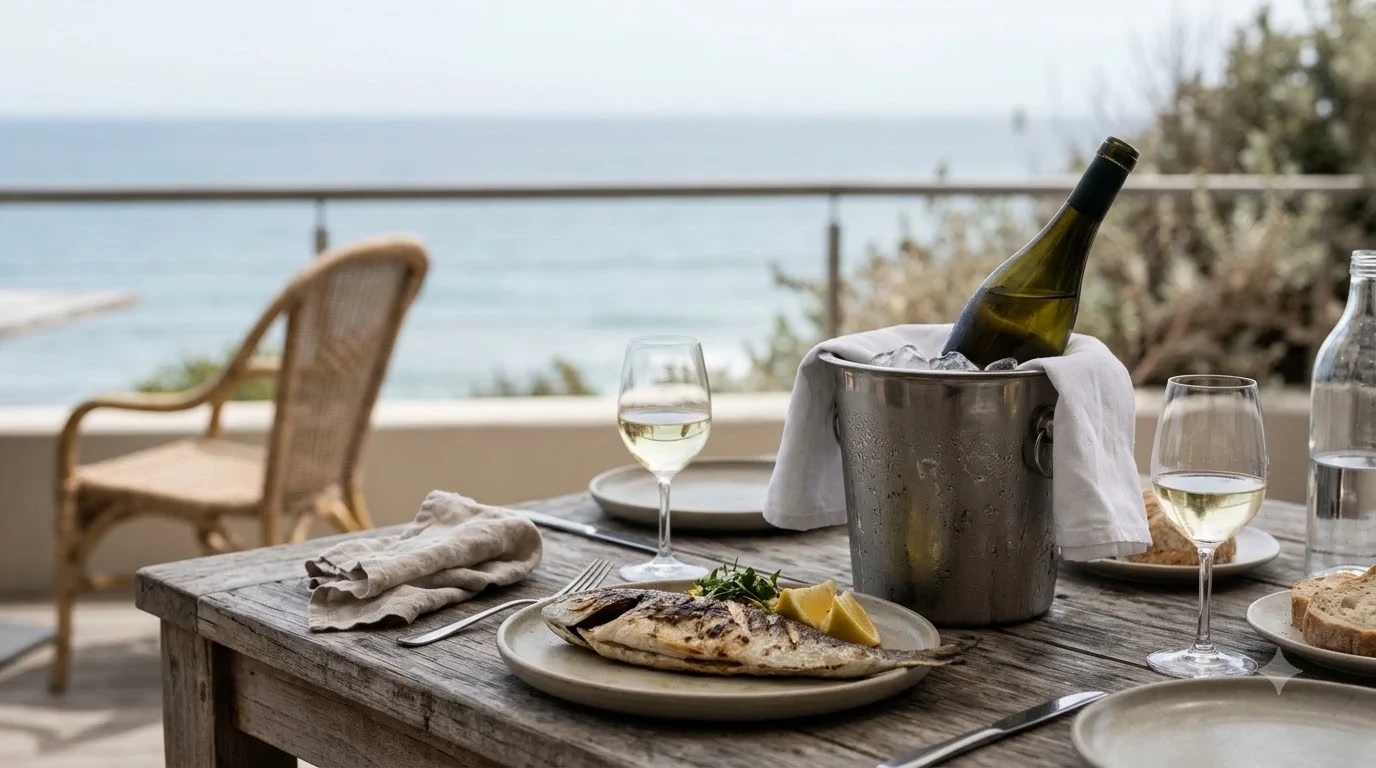

We may earn a commission when you buy through links on this page, at no extra cost to you. Learn more.
Kenwood white wine includes several approachable California white wines, most notably Chardonnay, Sauvignon Blanc, and Pinot Gris, made with grapes sourced from Sonoma County and other California growing areas. Each variety offers a different experience, from the ripe apple, pear, and toasted oak character of Chardonnay to the citrus-driven freshness of Sauvignon Blanc. Understanding these differences makes it easier to choose a Kenwood bottle for seafood, poultry, casual dinners, or entertaining.
Kenwood Vineyards has a long connection with Sonoma Valley winemaking, where its history dates to 1970. Its white wines reflect the diversity of California grape-growing conditions and the different styles that can be achieved with familiar international varieties. Whether you prefer a rounder Chardonnay, a crisp Sauvignon Blanc, or a lighter Pinot Gris, the Kenwood portfolio offers useful starting points for exploring American white wine. This guide explains the main varieties, flavor profiles, food matches, serving temperatures, and practical buying considerations.
What Makes Kenwood White Wine Different?
Kenwood white wine stands out for its connection to Sonoma County and its emphasis on recognizable grape varieties. Chardonnay, Sauvignon Blanc, and Pinot Gris offer distinct styles, while the winery’s historical small-lot approach reflects the importance of individual vineyard sources.
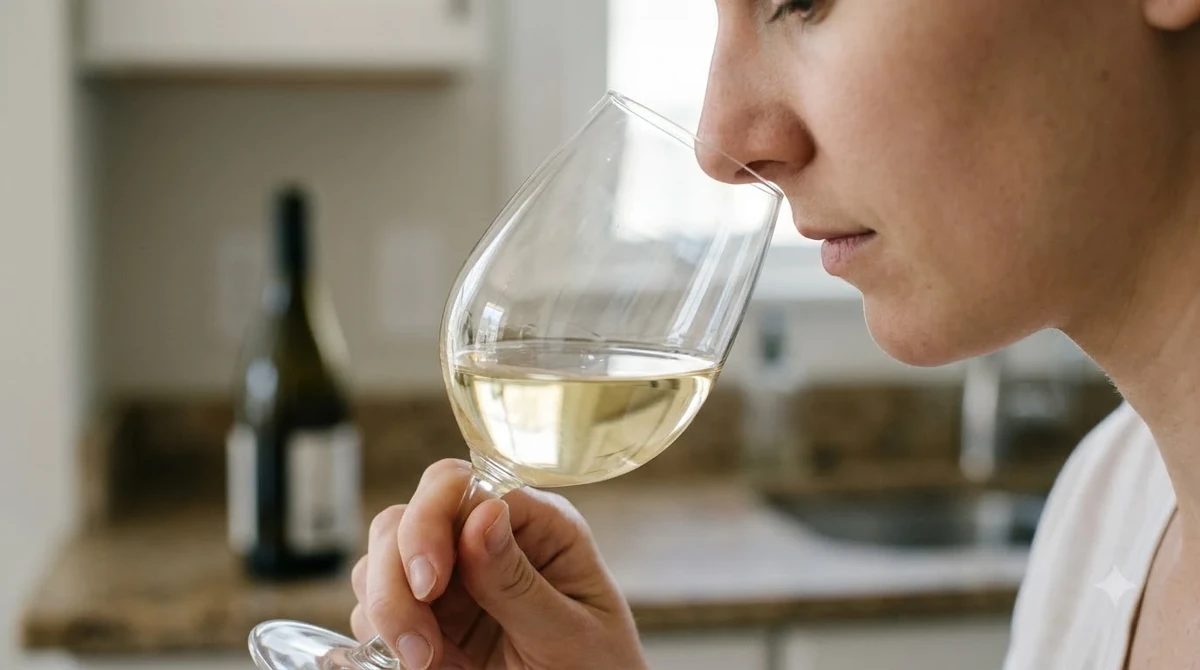
Kenwood Vineyards was established in 1970 at the former Pagani Brothers Winery site on Highway 12 in Sonoma Valley. The Pagani property had a much longer history: the family built its winery in 1906. The new owners developed the operation into a premium wine producer, initially concentrating on Zinfandel and Cabernet Sauvignon before Chardonnay and Sauvignon Blanc became important additions.
Sonoma County is a significant part of the winery’s identity. Its vineyards and grape sources have included Russian River Valley, Alexander Valley, Dry Creek Valley, Sonoma Valley, and Sonoma Mountain. These areas do not produce identical grapes. Differences in temperature, fog, elevation, soil, and exposure influence ripeness, acidity, and the balance between fruit and structure in the finished wine.
Kenwood’s historical small-lot approach kept grapes from individual vineyards separate during winemaking. This gave the winemaking team more flexibility when deciding how to assemble wines with the desired character. Rather than treating all Chardonnay or Sauvignon Blanc as interchangeable, this approach recognizes that different vineyard sources can contribute different qualities to a final blend.
Sonoma Valley Vintners & Growers identifies Chardonnay, Pinot Grigio or Gris, and Sauvignon Blanc among Kenwood’s white varieties. That range gives drinkers several options without requiring them to explore unfamiliar grapes immediately. Chardonnay generally offers a broader palate, Sauvignon Blanc emphasizes freshness, and Pinot Gris provides another fruit-forward alternative.
The winery’s history also helps explain its connection to California’s broader premium-wine development. Kenwood became known for developing wines that represented Sonoma County’s growing reputation rather than relying exclusively on inexpensive, generic California blends. Its white-wine range is part of that longer regional story.
For additional background on the producer’s other wines, see our guide to Kenwood red wine. Comparing its white and red varieties offers a useful introduction to the different grape-growing environments represented in Sonoma County.
Kenwood Chardonnay: Rich Fruit and Versatile Character
Kenwood Chardonnay is a good choice for drinkers who enjoy familiar orchard-fruit flavors, a rounded palate, and the possibility of subtle oak influence. Its style can suit both everyday meals and more substantial dishes, depending on the particular bottling.

Chardonnay is one of California’s most important white grapes, and Sonoma County has a particularly strong reputation for producing it. The grape can take on a wide range of characteristics depending on climate, harvest timing, fermentation, and aging. Cooler growing areas tend to preserve more acidity, while riper fruit can produce fuller flavors of apple, pear, and tropical fruit.
A useful example is Kenwood Vineyards’ 2023 Discoveries Chardonnay. Wine Enthusiast describes this bottling with aromas of golden delicious apple, pear, and toasted oak. Its palate includes orange blossom, honey, and crystallized ginger, followed by a mouthwatering finish. The combination suggests a more rounded Chardonnay with both ripe fruit and aromatic complexity.
These tasting characteristics are useful when deciding whether Chardonnay suits your preferences. Apple and pear provide recognizable fruit flavors, while oak can contribute toast-like aromas and a broader impression on the palate. Orange blossom and ginger add aromatic detail rather than making the wine taste like a sweet dessert beverage.
How Chardonnay Changes with Winemaking
Chardonnay is particularly flexible in the winery. Fermentation in stainless steel can preserve a fresher fruit profile, while oak fermentation or aging may introduce toast, spice, and a fuller texture. Malolactic fermentation can soften sharper malic acidity and contribute a creamy impression.
Not every Chardonnay receives the same treatment. Some California examples are deliberately crisp and restrained, while others emphasize ripe fruit and richer textures. Sonoma County’s Chardonnay tradition includes both approaches, making the region an interesting place to explore the variety.
For drinkers who prefer a fuller white wine, a Chardonnay with noticeable oak influence can work particularly well with roasted chicken, creamy pasta, and grilled seafood. Those who prefer lighter dishes can serve it with simply prepared fish, vegetables, or mild cheeses.
Chardonnay also offers an accessible introduction for people who are transitioning from lighter whites to more substantial wines. Its medium acidity provides freshness without the sharper profile often associated with Sauvignon Blanc, and its fruit character makes it relatively easy to understand.
Kenwood Sauvignon Blanc: Crisp Citrus and Fresh Fruit
Kenwood Sauvignon Blanc is the variety to consider if you prefer brighter acidity, citrus flavors, and a refreshing finish. It provides a different experience from Chardonnay, making it particularly useful with seafood, salads, and vegetable-focused meals.
One specific example is Kenwood Vineyards’ 2024 Discoveries Sauvignon Blanc. Wine Enthusiast describes its aromas as citrus, green bell pepper, melon, and pineapple. The palate features youthful lemon and green apple, with a mineral character on the finish.
This combination illustrates the familiar Sauvignon Blanc profile. Citrus and green apple contribute freshness, while melon and pineapple bring a slightly riper fruit dimension. Green bell pepper is a recognizable aromatic characteristic of Sauvignon Blanc and can provide a more savory impression alongside the fruit.
Sauvignon Blanc generally has high acidity, which helps it remain refreshing alongside dishes with lemon juice, vinegar, fresh herbs, and other sharp ingredients. It is often a better choice than a rich, heavily oaked white when the meal has a distinctly fresh or acidic character.
What to Expect in the Glass
Compared with Chardonnay, Sauvignon Blanc usually feels lighter and more energetic. It is often less creamy, more aromatic, and more focused on citrus and green fruit. The acidity also makes it useful as an aperitif before dinner.
Kenwood’s Discoveries Sauvignon Blanc provides a recognizable California interpretation of the variety. Its combination of lemon, green apple, melon, and pineapple makes it accessible to people who enjoy fruit-forward wines but do not necessarily want sweetness.
For a simple comparison, consider the following differences:
- Chardonnay generally has medium acidity and can offer a fuller texture.
- Sauvignon Blanc typically has high acidity and a fresher citrus profile.
- Chardonnay can show oak, toast, and creamier characteristics.
- Sauvignon Blanc more commonly emphasizes green fruit, citrus, and herbal aromas.
Neither variety is automatically better. The right choice depends on the food, the desired texture, and whether you prefer a rounder or sharper style.
For readers exploring other accessible white wines, our article about Black Box Pinot Grigio alcohol content provides another useful comparison point for understanding the body and strength of popular American-market white wines.
Pinot Gris and Other White Wine Options
Pinot Gris, also known as Pinot Grigio, gives Kenwood’s white-wine range another style to explore. It is particularly useful for drinkers who want fruit-forward flavors and a relatively easygoing alternative to Chardonnay or Sauvignon Blanc.
Pinot Gris and Pinot Grigio are names for the same grape variety. The difference in terminology often reflects regional winemaking traditions and stylistic preferences rather than two entirely separate grapes. Italian Pinot Grigio is frequently associated with lighter, crisp wines, while some Pinot Gris examples can have fuller textures and more expressive fruit.
Typical Pinot Gris flavors include pear, apple, lemon, melon, and sometimes stone fruit. Depending on the growing conditions and winemaking decisions, the wine can feel light and refreshing or more rounded and aromatic.
Kenwood’s historical portfolio includes Pinot Gris alongside Chardonnay and Sauvignon Blanc. This makes the variety an important option for consumers who want to compare three familiar white grapes from one producer.
Choosing Between the Three Main Varieties
The easiest way to understand the differences is to consider acidity, texture, and fruit character. Chardonnay tends to be broader and more adaptable to richer food. Sauvignon Blanc generally has the sharpest acidity and a more pronounced citrus or herbal profile. Pinot Gris often falls between these two experiences, offering fresh fruit without the same emphasis on green aromatics.
| Variety | Typical Acidity | Common Flavors | General Style |
|---|---|---|---|
| Chardonnay | Medium | Apple, pear, citrus, toast | Medium-bodied to full |
| Sauvignon Blanc | High | Lemon, lime, green apple, herbs | Light to medium-bodied |
| Pinot Gris | Medium to high | Pear, melon, apple, citrus | Light to medium-bodied |
These are general grape-variety characteristics rather than guarantees about every Kenwood bottling. Harvest conditions and winemaking can change the balance considerably. A particularly ripe Pinot Gris, for example, may feel fuller than a lean Chardonnay.
Another consideration is the type of occasion. Sauvignon Blanc works well for an outdoor lunch or a seafood appetizer, Chardonnay can accompany a substantial dinner, and Pinot Gris is a flexible choice for informal gatherings where different dishes are being served.
For a broader look at how producers position familiar grape varieties, explore our guide to Wine Brands.
Food Pairings for Kenwood White Wine
Kenwood white wine pairs well with many familiar American dishes, but the best match depends on the grape and its acidity. Chardonnay generally suits richer foods, Sauvignon Blanc works with fresh and acidic ingredients, and Pinot Gris is versatile with lighter meals.
Food pairing becomes easier when you think about matching the weight and intensity of the wine to the dish. A delicate white fish preparation can be overwhelmed by a heavily oaked Chardonnay, while a rich cream sauce may make a very light white seem thin. The aim is to create a balance in which neither the food nor the wine dominates.
Chardonnay Pairings
Chardonnay is particularly effective with roasted chicken, turkey, lobster, scallops, and creamy pasta. Its broader texture can stand up to butter, cream, and roasted flavors. A Chardonnay with noticeable oak character can also work with grilled corn, roasted mushrooms, and dishes featuring toasted nuts.
For a simple dinner, try Chardonnay with roast chicken, mashed potatoes, and sautéed green beans. The wine’s apple and pear flavors complement the savory poultry, while its texture works with the buttery elements of the meal.
Sauvignon Blanc Pairings
Sauvignon Blanc is a natural match for shellfish, grilled shrimp, oysters, goat cheese, asparagus, and salads with citrus-based dressings. Its high acidity helps it work with foods that contain lemon juice, vinaigrette, and fresh herbs.
Try it with grilled shrimp seasoned with garlic, parsley, and lemon. The citrus flavors in the wine complement the seasoning, while its acidity keeps the combination refreshing. It can also accompany fish tacos with cabbage slaw, provided the chili heat is not excessive.
Pinot Gris Pairings
Pinot Gris can work with grilled vegetables, light pasta dishes, mild cheeses, chicken salads, and seafood. Its fruit-forward profile is especially useful with meals that combine several ingredients without relying on a heavy sauce.
A simple plate of grilled chicken, couscous, cucumber, and fresh herbs is a practical pairing. The wine’s pear and melon characteristics can complement the vegetables and herbs without competing with the chicken.
There are a few general rules worth remembering. Acidic dishes need wines with equal or higher acidity, while salt and fat can soften the perception of tannin in wine. White wines such as Sauvignon Blanc are generally more suitable than strongly tannic reds for oily fish.
Tip: Match the wine to the dominant ingredient and sauce, not just the name of the dish. A chicken meal with lemon and herbs may favor Sauvignon Blanc, while chicken with a cream sauce is more likely to suit Chardonnay.
Be cautious with very spicy food. Alcohol can amplify the sensation of chili heat, so a high-alcohol wine may make an already hot dish seem more intense. For heavily seasoned meals, choose a less alcoholic, fruit-forward white when possible.
Serving Temperature, Storage, and Opening Tips
Serving temperature has a noticeable effect on how Kenwood white wine tastes. Light whites benefit from cooler temperatures, while fuller Chardonnay generally shows more detail when it is slightly warmer.
For light white wines such as many Sauvignon Blanc and Pinot Gris bottlings, aim for 45–50 degrees Fahrenheit. Fuller Chardonnay is generally better served around 50–55 degrees Fahrenheit. These ranges help preserve freshness without suppressing the wine’s aromas.
A bottle taken directly from a refrigerator may be colder than ideal. Allowing it to stand for several minutes before serving can help its fruit and aromatic qualities become more noticeable. Conversely, a bottle left at room temperature in a warm kitchen may become too warm and seem less refreshing.
Glassware and Pouring
A standard white wine glass with a moderately narrow bowl works well for Sauvignon Blanc and Pinot Gris. It helps concentrate the aromas while providing enough room to assess the wine. Chardonnay can benefit from a somewhat wider bowl, particularly if it has a fuller texture or oak influence.
A typical wine serving is 5 ounces. A standard 750 ml bottle contains approximately five such servings, making it a convenient size for a small dinner gathering. Pouring smaller amounts initially also gives guests room to swirl the wine and assess its aromas.
White wine generally does not need decanting. Unlike some young, full-bodied red wines, which can benefit from 30–60 minutes of aeration, most everyday Chardonnay, Sauvignon Blanc, and Pinot Gris are ready to serve shortly after opening.
Storing an Open Bottle
Once opened, reseal the bottle and place it in the refrigerator. Even Chardonnay should generally be refrigerated after opening, regardless of whether it was originally served at a warmer temperature.
Most opened still white wines remain enjoyable for approximately 3–5 days when properly refrigerated. The exact period depends on the wine, the amount of air in the bottle, and how securely it is sealed. Aromas and flavors can gradually become less vibrant as oxidation progresses.
For unopened bottles, a cool, dark, relatively stable environment is preferable. A storage temperature near 55 degrees Fahrenheit is a useful target. Avoid direct sunlight, strong temperature fluctuations, and locations close to ovens or heating equipment. Bottles with traditional cork closures are generally best stored on their sides for longer-term storage.
For wines intended for everyday drinking, there is usually no need for elaborate cellaring. Proper storage simply helps preserve the original character until the bottle is opened.
How to Choose the Right Kenwood White Wine
The best Kenwood white wine depends on your preferred flavor profile, the food you plan to serve, and the occasion. Start with the grape variety, then consider the specific bottling and its tasting description.
If you enjoy richer white wines, Chardonnay is the logical starting point. Look for descriptions mentioning apple, pear, toast, honey, or oak. These characteristics suggest a fuller experience that can work with roasted poultry, seafood, and creamy dishes.
If you prefer refreshing wines with pronounced acidity, Sauvignon Blanc is a better option. Citrus, lemon, green apple, and herbal aromas are useful clues. It is particularly practical for warm-weather meals, salads, shellfish, and lighter appetizers.
Pinot Gris is a good alternative if you want a middle ground. Its pear, apple, and melon flavors can suit casual lunches and mixed menus. It is also a reasonable choice when serving guests with different preferences, since its fruit character is usually easy to appreciate.
Understanding Labels and Bottlings
Kenwood’s portfolio has included different collections and vineyard-designated wines. A Discoveries label, for example, provides a recognizable entry point for exploring its varietal wines. Other historical collections have included Sonoma Series, Reserve, and vineyard-specific bottlings.
Pay attention to the grape, vintage, and appellation when comparing bottles. The grape identifies the main variety, while the appellation provides information about the geographic origin of the grapes. A California designation is broader than a specific Sonoma County growing area.
Vintage also matters. Weather conditions during a growing season can influence ripeness, acidity, and fruit concentration. Two bottles made from the same grape by the same producer can therefore show meaningful differences from one vintage to another.
Alcohol content is another useful comparison point. The reviewed 2023 Discoveries Chardonnay and 2024 Discoveries Sauvignon Blanc are both listed at 13.5% ABV in Wine Enthusiast’s buying guide. That is a useful reference for those particular bottlings, not a universal figure for every Kenwood white wine.
Choosing for Different Occasions
- Casual lunch: Choose Sauvignon Blanc or Pinot Gris with salads, seafood, or sandwiches.
- Family dinner: Chardonnay is a flexible option for chicken, pasta, and roasted vegetables.
- Outdoor gathering: Sauvignon Blanc is refreshing with grilled shrimp and lighter appetizers.
- Cheese board: Pinot Gris and Sauvignon Blanc can work with goat cheese and mild fresh cheeses.
- Special dinner: Consider a more distinctive Chardonnay bottling with lobster, scallops, or roasted poultry.
Availability can differ between retailers and regions, so it is useful to distinguish between historical Kenwood wines, specific reviewed vintages, and bottles currently offered for sale. A tasting note for one vintage should not automatically be applied to another.
Kenwood’s identity is closely tied to Sonoma Valley, but its historical sourcing across several Sonoma County appellations means the wines should not all be expected to taste alike. Exploring different varieties and bottlings is a practical way to understand the producer’s range.
For additional regional context, Sonoma County Tourism’s history of Chardonnay explains how the grape developed in the area, including the influence of Russian River Valley’s cooler growing conditions and the early adoption of oak and temperature-controlled fermentation in Sonoma Valley.
Frequently Asked Questions
Is Kenwood white wine made entirely from California grapes?
Kenwood’s reviewed Discoveries Chardonnay and Sauvignon Blanc examples are identified as California wines. The California appellation is a broad geographic designation rather than a specific Sonoma Valley designation. Individual bottles may have different appellations depending on their grape sources.
Does Kenwood produce sparkling white wine?
Kenwood Vineyards has historically been listed as producing sparkling wine in addition to still whites. Sparkling wine differs from still Chardonnay or Sauvignon Blanc because it retains carbon dioxide, creating bubbles. Its sweetness level can range from very dry to noticeably sweet.
Can Kenwood white wine be used in cooking?
Dry Chardonnay and Sauvignon Blanc can both be used in cooking. Chardonnay is useful in cream sauces, risotto, and poultry dishes, while Sauvignon Blanc can add freshness to seafood sauces and vegetable preparations. Use a wine you would be comfortable drinking rather than relying on a bottle with unpleasant oxidized flavors.
Does Sonoma Valley Chardonnay have a connection to California wine history?
Yes. Sonoma County played an important role in the development of California Chardonnay. The famous 1973 Chateau Montelena Chardonnay, which received grapes from Sonoma County’s Bacigalupi Vineyards, helped draw international attention to California wine after the 1976 Judgment of Paris tasting.
Is Pinot Gris the same grape as Pinot Blanc?
No. Pinot Gris and Pinot Blanc are separate grape varieties, although both belong to the Pinot family. Pinot Gris has naturally grayish-pink skins, while Pinot Blanc has lighter skins. Pinot Blanc wines often emphasize delicate apple and citrus flavors, while Pinot Gris can show broader pear and stone-fruit characteristics.
Kenwood white wine offers a useful introduction to Sonoma’s Chardonnay, Sauvignon Blanc, and Pinot Gris traditions, with each grape providing a different combination of fruit, acidity, and texture. Start with Chardonnay for a fuller style, Sauvignon Blanc for crisp citrus freshness, or Pinot Gris for a versatile fruit-forward alternative. Matching the bottle to your meal and serving it at the right temperature will help you get the most from whichever Kenwood white you choose.
More in Wine Brands
 Underwood Wine Price: Compare Bottles, Cans, and Pack SizesUpdated Nov 21, 2026
 Zenato Wine Price: Compare Styles and Choose the Right BottleUpdated Nov 21, 2026
 Zuccardi Wine Price: Compare Bottles and Find the Right RangeUpdated Nov 21, 2026
 Yellow Tail Moscato Review: Taste, Sweetness and Serving TipsUpdated Nov 21, 2026
 Wolf Blass Yellow Label Review: Choose Your Best StyleUpdated Nov 21, 2026
 Wolffer Estate Rose Review: Choose the Right Bottle for Your TableUpdated Nov 21, 2026