

We may earn a commission when you buy through links on this page, at no extra cost to you. Learn more.
Dry rosé wines typically contain between 100 and 200 parts per million (ppm) of total rose sulfites, placing them alongside dry white wines and well below the United States legal limit of 350 ppm. Because rosé spends very little time macerating on red grape skins, it lacks the natural tannin antioxidants found in red wine and relies on modest additions of sulfur dioxide to protect its pale color and delicate berry aromas. Off-dry and sweet styles generally contain higher amounts to prevent leftover sugar from refermenting in the bottle.
Understanding how sulfur dioxide works in pink wine helps clarify why nearly every bottle on the shelf carries a “Contains Sulfites” warning on its back label. From natural yeast activity during fermentation to strict federal labeling thresholds, the chemistry behind rosé preservation is straightforward once you break down the numbers.
What Are Rose Sulfites and Why Are They Used?
Sulfites in rosé are sulfur-based compounds—primarily sulfur dioxide (SO2)—that occur naturally during alcoholic fermentation and are also added by winemakers as an antioxidant and antimicrobial preservative. Without this protection, pink wine quickly loses its crisp fruit character and turns brownish-orange.
During fermentation, wine yeasts naturally produce small amounts of sulfur dioxide as a metabolic byproduct, usually generating around 10 to 40 ppm even before a winemaker touches the tank. Because winemakers want rosé to taste fresh, vibrant, and expressive of the vintage, they commonly add small, measured doses of potassium metabisulfite or liquid sulfur dioxide at key stages—such as when grapes arrive at the winery, after primary fermentation, and just prior to bottling.
In the finished bottle, total sulfites divide into two distinct categories: bound sulfites and free sulfites. Bound sulfites attach themselves to sugars, acids, and other molecules in the liquid, becoming chemically inactive. Free sulfites remain unbound and active, forming an invisible shield that blocks oxygen from dulling the wine’s aromatics while stopping unwanted bacteria or stray yeasts from spoiling the batch.
How Much Sulfite Is in Rosé Compared to Other Wines?
Rosé generally contains more total sulfites than dry red wine, roughly the same amount as dry white wine, and significantly less than sweet dessert wines. Conventional dry rosé usually lands between 100 and 200 ppm, whereas dry red wine averages closer to 50 to 150 ppm.
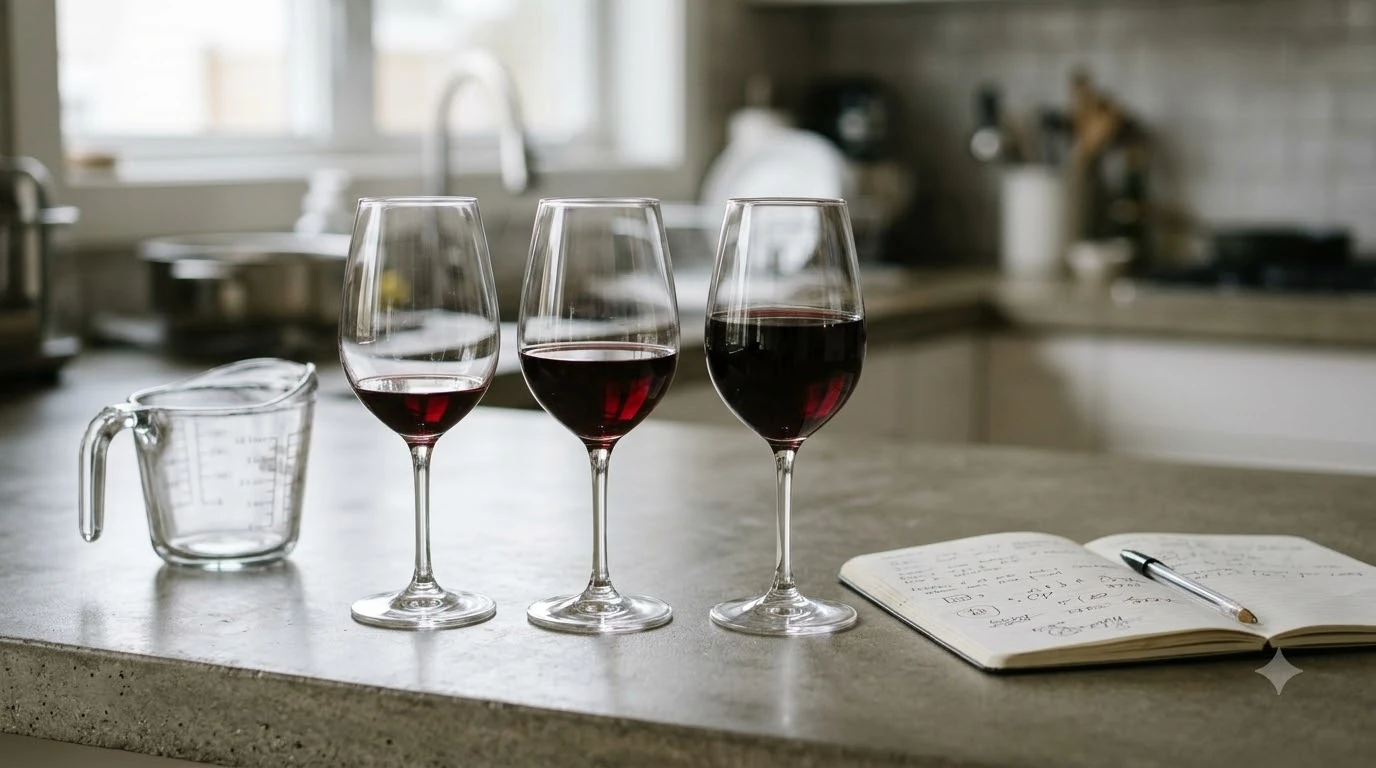
The reason comes down to grape skins. Red wines ferment for weeks in contact with dark grape skins and seeds, extracting high concentrations of tannins and polyphenols that act as built-in antioxidants. Rosé is made from red wine grapes, yet winemakers press the juice off the skins after just a few hours of contact to achieve a pale pink hue. Because that brief skin contact leaves rosé with minimal tannin, the wine behaves much like a white wine in the cellar and requires comparable sulfur protection.
Acidity and residual sugar also shift the numbers. High-acid rosés—such as crisp bottles from Provence or the Loire Valley—require less sulfur dioxide because natural acidity already discourages microbial growth. Conversely, if you are wondering whether a rosé is sweet or dry, keep in mind that off-dry styles with noticeable residual sugar need extra sulfites to prevent surviving yeast cells from triggering an accidental second fermentation inside the sealed bottle.
| Wine Style | Typical Total Sulfites (ppm / mg/L) | Legal Maximum in the U.S. | Legal Maximum in the EU |
|---|---|---|---|
| Dry Rosé | 100 – 200 ppm | 350 ppm | 200 ppm |
| Off-Dry Rosé | 150 – 250 ppm | 350 ppm | 250 ppm |
| Dry White Wine | 100 – 200 ppm | 350 ppm | 200 ppm |
| Dry Red Wine | 50 – 150 ppm | 350 ppm | 150 ppm |
| Sweet / Dessert Wine | 250 – 350 ppm | 350 ppm | 300 – 400 ppm |
Even at the upper end of the scale, wine carries far fewer sulfites than many everyday pantry staples. According to Wine Folly’s breakdown of sulfites in wine, processed foods such as dried fruits, molasses, and packaged snacks frequently contain much higher concentrations than a standard glass of rosé.
Reading Rosé Labels and Legal Limits
In both the United States and the European Union, any bottle of rosé containing 10 ppm (or 10 mg/L) or more of total sulfur dioxide must print “Contains Sulfites” on its label. Because yeast naturally creates sulfites during fermentation, almost every commercial bottle meets or exceeds that 10 ppm threshold.
While the label warning tells you sulfites are present above 10 ppm, it does not tell you whether the bottle holds 15 ppm or 200 ppm. In the United States, federal law caps total sulfites at 350 ppm across all conventional wine styles. European Union regulations are stricter and vary by color and sweetness, setting a ceiling of 200 mg/L for dry rosé (wines with less than 5 grams per liter of residual sugar) and 250 mg/L for off-dry rosé.
Organic labeling rules add another layer of distinction across borders. Under USDA National Organic Program rules in the United States, a bottle certified simply as “Organic Wine” cannot contain any added sulfites at all, meaning its total level stays below 10 ppm from natural fermentation alone. Bottles labeled “Made with Organic Grapes” in the U.S., as well as certified organic rosés produced under European rules, permit modest sulfite additions capped at 100 ppm in the U.S. and 150 mg/L for dry styles in the EU.
Can You Smell or Taste Sulfites in Rosé?
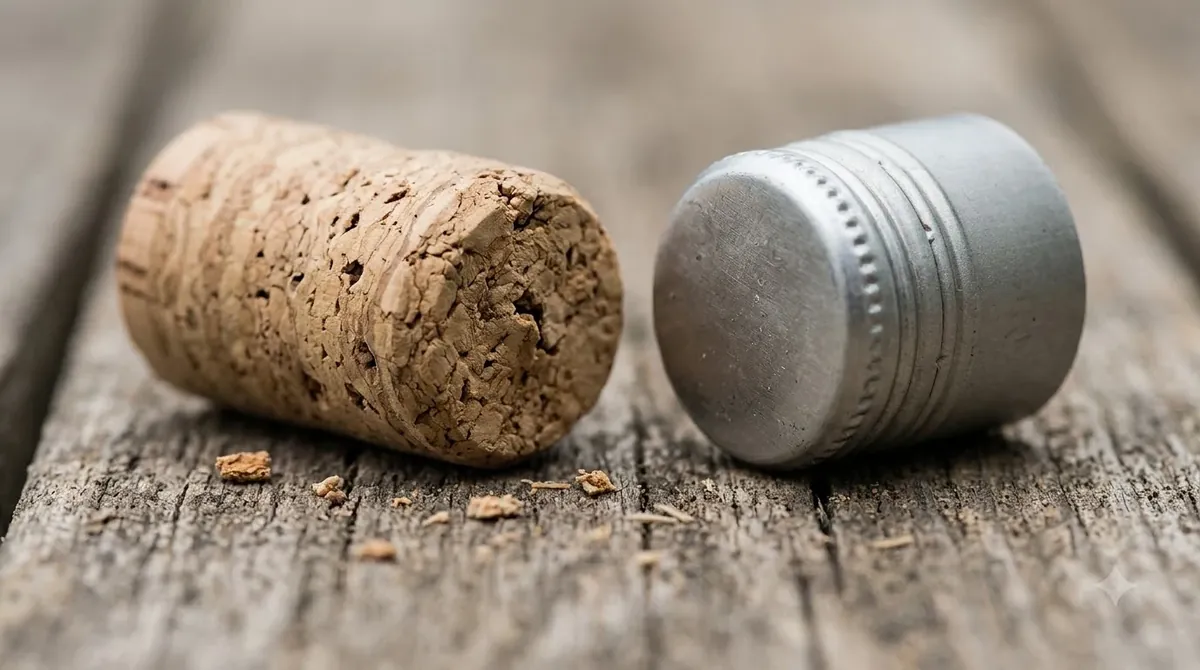
At normal winemaking levels, sulfites are odorless and tasteless, though an excessive dose of free sulfur dioxide can produce a sharp aroma reminiscent of a freshly struck match or cooked eggs. Temperature plays a direct role in how strongly that scent appears when you pull the cork.
Warmer liquids release more molecular sulfur gas into the air above the glass. If a bottle of rosé has been stored in a warm kitchen or served at room temperature, a sudden whiff of struck match may greet your nose on the first pour. Knowing how to properly chill and serve rosé keeps volatile sulfur compounds dissolved in the wine where they belong, letting bright notes of strawberry, watermelon, and citrus take center stage.
If you ever open a bottle that smells noticeably sulfurous, the aroma rarely means the wine is ruined. Exposure to oxygen and cold temperatures quickly dissipates excess free sulfur. Swirling the wine vigorously in your glass or pouring it into a decanter for 15 to 30 minutes in the refrigerator allows the sharp smell to blow off, leaving clean fruit flavors behind.
Tip: If a newly opened rosé smells faintly like a struck match, pour it into a carafe and chill it in the refrigerator for 20 minutes to let excess free sulfur dissipate before serving.
How to Find Low-Sulfite Rosé Bottles
If you prefer rosé made with minimal intervention, look for bottles labeled “No Sulfites Added,” certified U.S. organic rosés, or minimal-intervention wines produced from clean, high-acid fruit. Because sulfite levels in white wine follow the exact same cellar dynamics, the shopping cues that work for crisp whites also apply to pink wines.
As Napa Valley Wine Academy notes in its guide to wine sulfites, wines made without added sulfites still contain trace amounts created naturally by yeast, typically landing between 10 and 40 ppm. Producers who skip sulfur additions rely on spotless winery hygiene, stainless steel tanks that block oxygen, and healthy grapes harvested with firm natural acidity.
Keep shelf life in mind when buying low-sulfite rosé. Without a standard protective dose of sulfur dioxide, delicate pink wines oxidize faster than conventional bottles. Check the vintage date on the front label and choose the most recent harvest available, storing the bottle in a cool, dark place until you are ready to open it.
Frequently Asked Questions
Is there any rosé that is completely sulfite-free?
No wine is 100 percent sulfite-free because yeast naturally generates trace amounts of sulfur dioxide as a byproduct of fermentation. Even wines labeled “No Sulfites Added” or certified as USDA Organic Wine contain naturally occurring levels, typically between 10 and 40 ppm.
Why does rosé have more sulfites than red wine?
Red wines ferment on their grape skins for weeks, extracting natural tannins and pigments that protect the wine from oxygen. Rosé has only brief skin contact, leaving it with very few natural antioxidants, so winemakers add sulfur dioxide at levels similar to white wine to preserve its color and fresh fruit flavors.
Does sweet rosé contain more sulfites than dry rosé?
Yes, sweet and off-dry rosés generally contain higher sulfite levels than dry styles. Winemakers add extra sulfur dioxide to wines with residual sugar to prevent dormant yeast cells from restarting fermentation after the wine has been bottled.
How can I tell how many sulfites are in a specific bottle of rosé?
Standard U.S. wine labels only state “Contains Sulfites” whenever total levels reach 10 ppm or higher, without listing the exact measurement. To find exact numbers, check the winery’s technical sheet online, or look for USDA “Organic Wine” seals (no added sulfites) and “Made with Organic Grapes” labels (capped at 100 ppm).
Sulfites play a quiet, essential role in keeping rosé crisp, bright, and stable from the winery cellar to your glass. Whether you prefer a classic dry Provençal bottle or a minimal-intervention organic release, knowing how sulfur dioxide interacts with acidity, sugar, and serving temperature helps you get the freshest pour every time. Explore more wine styles and cellar fundamentals in our Wine by Type guide.
More in Wine Types & Grapes
 Zinfandel Sugar Content: Dry Red vs. White Zinfandel GramsUpdated Nov 21, 2026
 Best Zinfandel Substitute Options for Sipping and CookingUpdated Nov 21, 2026
 Zweigelt Food Pairing: Best Dishes, Cheeses, and Serving TipsUpdated Nov 21, 2026
 Zinfandel Tannins Explained: How Structure Shapes Every BottleUpdated Nov 21, 2026
 Zinfandel Sweetness Level: Dry Red vs. Sweet White Zin ExplainedUpdated Nov 21, 2026
 Xinomavro Food Pairing: Best Dishes, Styles, and Serving TipsUpdated Nov 21, 2026