


We may earn a commission when you buy through links on this page, at no extra cost to you. Learn more.
Cook s champagne is an American sparkling wine brand from California, known for its approachable fruit flavors, lively bubbles, and several sweetness styles suited to celebrations and everyday occasions. Founded by Isaac Cook in 1859, the brand has a long history in American winemaking. Its lineup includes Brut, Extra Dry, Spumante, Rosé, and other sparkling selections. Understanding its production method, sweetness, alcohol content, and serving temperature makes it easier to choose the right bottle.
Cook’s is a familiar name for birthday celebrations, brunch cocktails, holiday gatherings, and casual sparkling wine toasts. Although its name includes Champagne, its wines are made in California rather than France’s Champagne region. The distinction matters because sparkling wines can share bubbles and serving traditions without having the same geographic origin or production requirements. Here is what to know about the brand, its history, flavor profiles, and practical uses.
Cook’s Champagne History and American Origins
Cook’s has a history stretching back to 1859, making it one of the established names in American sparkling wine. Its founder, Isaac Cook, helped introduce sparkling wine to a wider American audience long before California became internationally recognized for its wine industry.
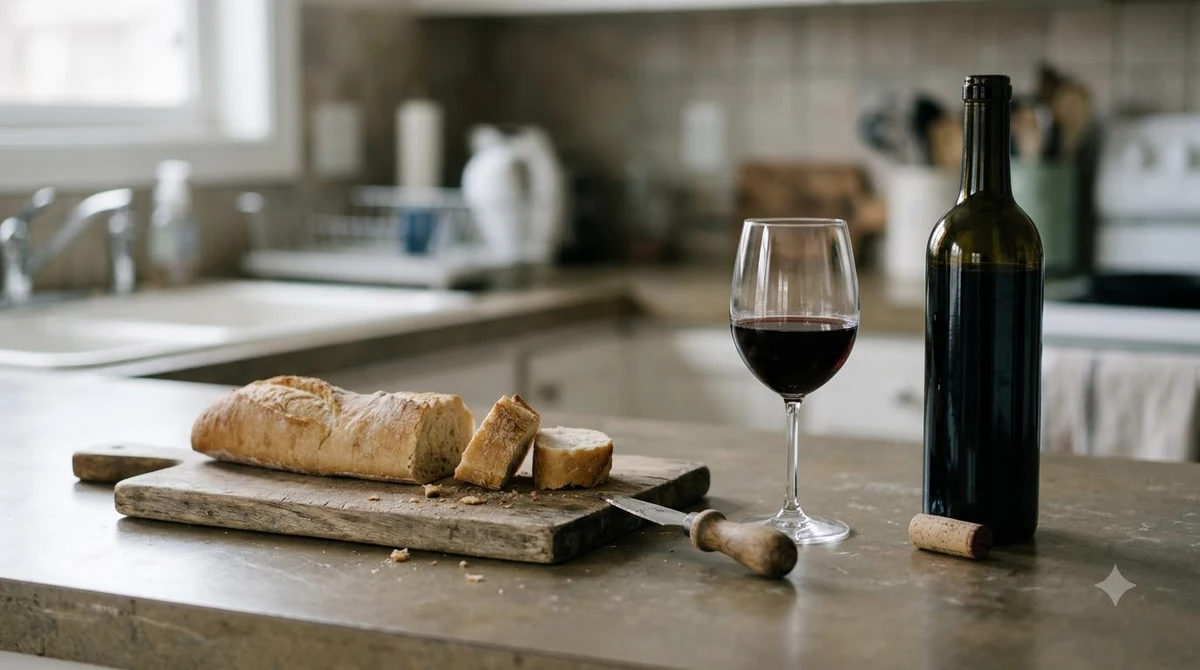
According to the brand’s historical account, Isaac Cook founded the business in 1859 and later became president of the American Wine Company. His work helped establish the company’s reputation during the period before Prohibition. The brand’s early history is particularly interesting because American sparkling wine production was still developing, and European Champagne was already an important reference point for celebratory wines.
One notable milestone came in 1939, when Cook’s Imperial Champagne was selected as the only domestic sparkling wine served at President Franklin Roosevelt’s Birthday Ball at the Waldorf Astoria. This event became an important part of the brand’s identity and helped reinforce its association with American celebrations.
The company experienced several ownership changes during the twentieth century. Schenley Distillers acquired the brand in 1945 and moved operations to Fresno, California. Guild Wineries of Lodi purchased it in 1971, followed by the acquisition by Canandaigua Wine Company in 1991. These changes formed part of Cook’s transition into the recognizable California sparkling wine brand familiar to American consumers.
Its name also has an unusual legal history. Cook’s is among the American sparkling wine producers permitted to retain the term Champagne under grandfathered approval. This historical exception does not make the wine French Champagne. The protected Champagne designation normally refers to sparkling wine produced in the Champagne region of France under its specific regional rules.
For readers interested in how established producers and labels differ, the broader Wine Brands category provides useful context for understanding the companies and traditions behind familiar bottles.
How Cook’s California Sparkling Wine Is Made
Cook’s makes its sparkling wine through a process involving grape harvesting, pressing, primary fermentation, blending, secondary fermentation, and sweetness adjustment. The method helps create a consistent house style with fresh fruit character and dependable bubbles.
According to the producer, grapes are generally harvested between early August and mid-September from California vineyards. The timing helps provide the desired balance of grape ripeness and acidity. After harvesting, the grapes are crushed and lightly pressed to obtain free-run juice, which is separated from the skins and pulp.
Yeast converts the grape juice into alcohol during primary fermentation. The resulting base wines are then blended with wines from previous vintages to create a cuvée. This blending approach helps maintain a recognizable flavor profile between production batches instead of relying entirely on the characteristics of one year’s harvest.
The next important stage is secondary fermentation. Cook’s adds yeast and sugar to the blended wine, allowing another fermentation to produce carbon dioxide. The resulting bubbles provide the lively sparkling texture associated with the brand.
Cook’s is associated with the Charmat, or tank, method. In this production approach, secondary fermentation takes place in a pressurized tank rather than separately inside every individual bottle. The wine can then be filtered and bottled while retaining its carbonation. The method is commonly associated with approachable, fruit-forward sparkling wines and is also used for many Prosecco-style wines.
Sonoma State University’s Wine Business Institute discusses the distinction between tank fermentation and traditional bottle fermentation in its sparkling wine industry analysis. The distinction helps explain why two sparkling wines can have very different textures and production costs despite both being made with a second fermentation.
The final stage is dosage, which involves adding a measured sugar solution to adjust sweetness. Cook’s uses this stage to establish the different sweetness profiles found across its range. Brut, Extra Dry, and Spumante therefore offer different experiences even though they belong to the same brand.
Cook’s Wine Styles, Sweetness, and Flavor Profiles
Cook’s offers several sparkling wine styles, ranging from relatively dry selections to noticeably sweeter bottles. The most useful distinction is the sweetness level: Brut generally provides a drier impression, Extra Dry has more noticeable sweetness, and Spumante is intended for drinkers who enjoy sweeter fruit flavors.
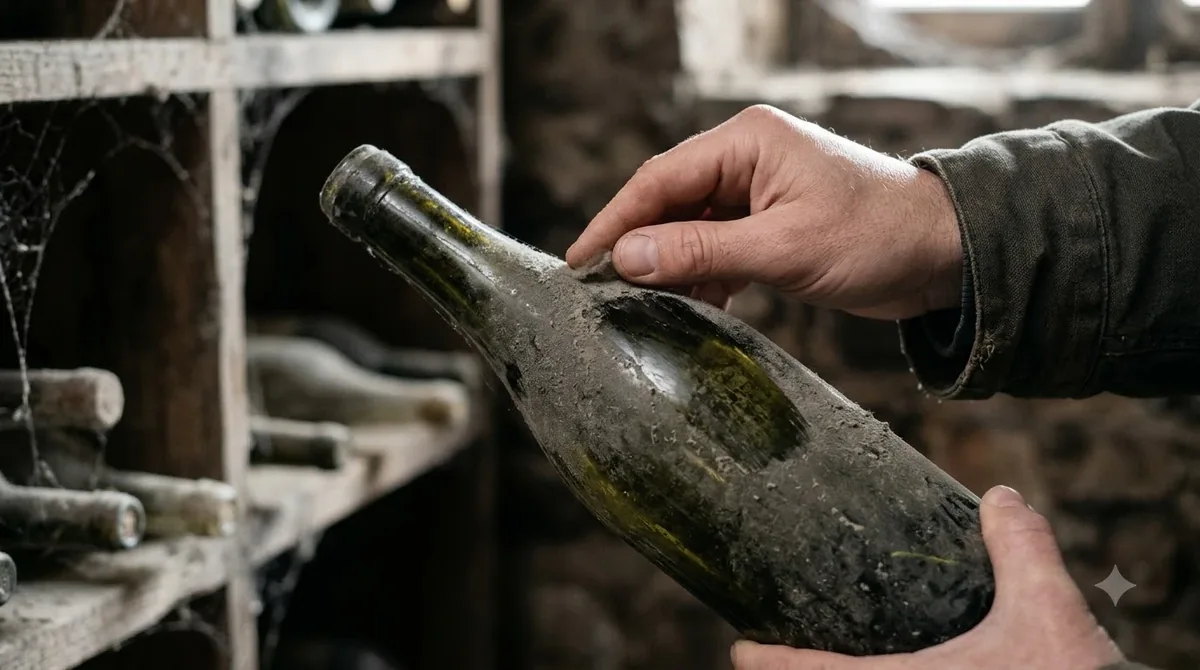
Brut is a useful starting point for people who prefer a sparkling wine that does not taste distinctly sugary. Cook’s Brut features apple and pear flavors, with toasty yeast and floral notes. Its fresh fruit character makes it suitable for general celebrations, appetizers, and brunch. Despite the Brut designation, the producer describes the wine as medium-dry in its tasting information, so it should not automatically be assumed to taste as austere as the driest traditional sparkling wines.
Extra Dry is a fruit-forward option with light citrus and floral aromas, supported by pear and apple flavors. Despite its name, Extra Dry is generally sweeter than Brut in sparkling wine terminology. This style works particularly well for people who enjoy a gentle impression of sweetness without moving into a dessert-wine profile. Cook’s lists fresh salads, grilled chicken, sushi, salted nuts, potato chips, apple pie, and fruit salad as suitable food matches.
Spumante is a sweeter choice, with peach, lychee, floral aromas, and hints of toasty oak. Its fruit-driven profile makes it appropriate for sweet-and-savory snacks, fruit desserts, and gatherings where guests prefer a sweeter sparkling wine. The producer describes it as an Asti-style sparkling wine.
Rosé offers a different flavor direction through its pink color and semi-sweet strawberry and raspberry character. Berry flavors make it an appealing choice for fruit-based appetizers, mild cheeses, and desserts that are not excessively sweet.
Grand Reserve Brut is another option in the lineup. Its producer describes a balanced, toasty style with apple and vanilla flavors, floral nuances, and a touch of brandy. It provides an alternative for drinkers looking for a sparkling wine with more layered aromas than a straightforward fruit-forward selection.
| Cook’s style | Typical flavor profile | Sweetness impression | Best use |
|---|---|---|---|
| Brut | Apple, pear, toast | Relatively dry | Appetizers and brunch |
| Extra Dry | Citrus, pear, apple, flowers | Medium-dry to gently sweet | Salads, sushi, chicken |
| Spumante | Peach, lychee, floral notes | Sweet | Fruit desserts and snacks |
| Rosé | Strawberry and raspberry | Semi-sweet | Fruit plates and celebrations |
| Grand Reserve Brut | Apple, vanilla, toast | Brut-style | Celebratory dinners |
These descriptions provide a practical comparison rather than a claim that every bottle has identical sweetness or flavor intensity. The winemaking process and final dosage determine the style, while individual palates influence how dry or sweet a wine seems.
Alcohol Content and Bottle Sizes
Cook’s sparkling wines generally have a moderate alcohol level, with several familiar varieties around 11.5% ABV. This makes the brand comparable in alcohol strength to many everyday sparkling wines and some light-bodied white wines.
Cook’s Extra Dry contains 11.5% alcohol by volume, according to the producer. This means that 11.5% of the wine’s volume is pure alcohol. Cook’s Spumante is listed at 9.5% ABV, making it a lower-alcohol option within the brand’s range. Different products should not be assumed to have identical alcohol levels.
For comparison, a standard 750 ml wine bottle contains approximately five 5-ounce servings. This is a useful planning figure for a dinner or small celebration, although actual pours often vary depending on the glass and occasion.
| Measurement | Amount |
|---|---|
| Cook’s Extra Dry ABV | 11.5% |
| Cook’s Spumante ABV | 9.5% |
| Standard bottle volume | 750 ml |
| Typical wine serving | 5 oz |
| Approximate servings per 750 ml bottle | 5 |
| Approximate servings per 1.5-liter magnum | 10 |
| Small single-serving bottle size | 187 ml |
A 187 ml bottle is a convenient format for an individual serving, while a standard 750 ml bottle is more suitable for sharing. A 1.5-liter magnum provides approximately twice the volume of a standard bottle, making it useful for larger gatherings.
When comparing alcohol levels, remember that sweetness and alcohol are separate characteristics. A wine can taste sweet without having a particularly high ABV, and a relatively dry sparkling wine can contain more alcohol than a sweeter selection. For another example of how alcohol figures are presented for different wine categories, see the guide to Black Box Pinot Grigio alcohol content.
Serving size also affects how much wine is poured at a gathering. Five-ounce pours are a practical standard for still wine, while sparkling wine is often poured in smaller stages to allow the foam to settle and preserve the bubbles.
Food Pairings for Cook’s Champagne
Cook’s pairs well with a variety of foods because its sparkling texture, fruit flavors, and different sweetness levels provide several matching possibilities. Brut and Extra Dry are particularly useful with savory appetizers, while Spumante and sweeter Rosé work better with fruit-based dishes and desserts.
Brut with savory appetizers
Cook’s Brut is a practical match for fried appetizers, mild cheeses, roasted chicken, and seafood dishes that are not heavily seasoned. Its apple and pear character provides a refreshing contrast to foods with moderate richness. The bubbles also help make the combination feel lighter than pairing the same food with a full-bodied still wine.
For a casual gathering, serve Brut with crackers, mild cheddar, shrimp appetizers, or small sandwiches. Avoid overly spicy sauces if the wine is served at a warmer temperature or if the dish contains a large amount of chili. Alcohol can make chili heat feel stronger, so a slightly sweeter and lower-alcohol sparkling style may be more comfortable alongside spicy food.
Extra Dry with chicken and sushi
Extra Dry offers a particularly flexible pairing style. Its citrus, pear, and apple flavors work with grilled chicken, fresh salads, and sushi. The wine’s modest sweetness can also balance lightly salty foods such as potato chips and salted nuts.
For sushi, consider simpler combinations such as salmon rolls, cucumber rolls, shrimp nigiri, or vegetable-based rolls. Strongly sweet sauces and very hot wasabi mixtures can overpower the wine’s subtle fruit character. Fresh ingredients and moderate seasoning are generally easier matches.
Spumante with fruit desserts
Spumante is better suited to dishes with an appreciable amount of sweetness. Peach cobbler, fruit tarts, fresh peaches, and raspberry sorbet are useful choices. A dessert wine or sparkling wine should ideally be at least as sweet as the dessert, otherwise the wine may seem sharp or thin by comparison.
Rosé with fruit and mild cheese
Cook’s Rosé works with strawberries, raspberries, mild soft cheeses, and fruit-based appetizers. Its berry profile makes it particularly suitable for a brunch spread containing pastries and fresh fruit. For a simple serving board, combine strawberries, grapes, mild cheese, and plain crackers.
Tip: Match the wine’s sweetness to the food rather than relying on the word Brut or Extra Dry alone. Choose Brut for savory dishes, Extra Dry for lightly salty or moderately seasoned foods, and Spumante for noticeably sweet desserts.
Food acidity matters as well. A dish with strong lemon or vinegar flavors generally needs a wine with equal or higher acidity to avoid making the wine taste flat. Cook’s citrus-forward Extra Dry is a sensible option for lighter salads, particularly when the dressing is not excessively acidic.
Serving Temperature, Glassware, and Storage
Cook’s is best served well chilled, with sparkling wine generally tasting fresher and more balanced between 40 and 50 degrees Fahrenheit. The correct temperature helps preserve the wine’s refreshing character and makes the bubbles more enjoyable.
A useful target for a standard bottle is approximately 45 degrees Fahrenheit. Roth’s Fresh Markets recommends serving Cook’s Extra Dry at around 40 degrees Fahrenheit after chilling the bottle for approximately three to three and a half hours. These recommendations provide a practical starting point, although serving preferences vary slightly.
For glassware, a flute helps retain the visual stream of bubbles and is a traditional option for celebrations. A white wine glass is also useful because its wider bowl gives the wine more room to release its aromas. Choose whichever format best suits the occasion rather than assuming that one glass is required for every sparkling wine.
Opening a bottle requires some care because sparkling wine contains dissolved carbon dioxide under pressure. Remove the foil and loosen the wire cage while keeping a hand over the cork. Hold the bottle at an angle of approximately 45 degrees, point it away from people, and rotate the bottle slowly while controlling the cork. A gentle release is preferable to a forceful pop.
After opening, use a proper sparkling wine stopper and place the bottle in the refrigerator. Cook’s should generally be enjoyed within one to three days after opening for the best preservation of its bubbles and freshness. A regular wine stopper may not maintain the pressure as effectively as a stopper designed for sparkling wine.
Unopened bottles should be stored in a cool, dark location away from direct sunlight and sudden temperature changes. A storage temperature near 55 degrees Fahrenheit is a useful general target for wine. Bottles with traditional cork closures can be stored on their sides for longer-term storage.
Cook’s is generally intended for fresh, relatively early enjoyment rather than extended cellar aging. Keeping a bottle for a special occasion is reasonable, but it is better to avoid prolonged exposure to heat or sunlight, both of which can negatively affect the wine’s freshness.
Cook’s Champagne Compared with French Champagne and Other Sparkling Wines
Cook’s and French Champagne share the basic purpose of providing sparkling wine for celebrations, but they differ in origin, production, and typical style. Understanding these differences prevents confusion when choosing a bottle for a particular occasion.
French Champagne must come from the Champagne region of France and follow its regional production requirements. Traditional Champagne undergoes its second fermentation in the individual bottle. The process can create more pronounced bread, biscuit, and yeast-related characteristics through extended contact with spent yeast cells.
Cook’s is produced in California and is associated with tank fermentation. This approach generally emphasizes fresh fruit flavors and a consistent, approachable sparkling style. Its apple, pear, citrus, and floral characteristics are different from the more complex yeast-driven profiles commonly associated with traditional bottle-fermented Champagne.
Prosecco is another useful comparison. Most Prosecco uses Glera grapes and the tank method, although its exact sweetness and production details depend on the style. Cook’s Extra Dry is described as Prosecco-style by its producer, but it is not Italian Prosecco. It is a California sparkling wine with its own brand identity and production specifications.
Cava from Spain provides another point of comparison. Cava traditionally undergoes secondary fermentation in the bottle, similar to the classic Champagne method. This can create a different texture and aromatic profile from wines made using the tank method.
For a broader comparison of wine producers and their different market positions, the Baron Philippe de Rothschild wine guide offers another example of how a wine brand’s identity, origin, and production traditions shape consumer expectations.
None of these styles is automatically the best for every situation. A bottle of traditional Champagne may be appropriate for a formal toast, while Cook’s can be a practical choice for casual brunches, large parties, and mixed-drink gatherings. The right selection depends on the flavor profile, occasion, and expectations of the people drinking it.
Frequently Asked Questions
Who founded Cook’s Champagne?
Isaac Cook founded the brand in 1859. He was also a former Cook County Sheriff and U.S. Postmaster before becoming president of the American Wine Company. His involvement helped establish Cook’s as an early American sparkling wine name.
Why does Cook’s use the word Champagne on its bottles?
Cook’s retains the Champagne name through a historical grandfathered approval. This is an exception to the modern geographic protection associated with Champagne. It does not mean that Cook’s is produced in France or comes from the Champagne appellation.
Was Cook’s Champagne ever served at the White House?
Cook’s Imperial Champagne was selected for President Franklin Roosevelt’s Birthday Ball in 1939 at the Waldorf Astoria. According to the brand’s history, it was the only domestic sparkling wine served at that event. The occasion remains one of the most notable milestones in its American history.
What is the difference between Cook’s Spumante and Moscato?
Spumante is a broad Italian term for sparkling wine, while Moscato generally refers to wines made from Muscat grapes. Cook’s Spumante is described as an Asti-style sparkling wine with peach and lychee flavors. The two terms describe different aspects of wine style and grape identity rather than interchangeable varieties.
Can Cook’s Champagne be used to make mimosas?
Yes. Cook’s Brut and Extra Dry are both suitable bases for mimosas. A traditional mimosa combines sparkling wine with orange juice, commonly using equal portions for a balanced starting recipe. Extra Dry gives the cocktail a slightly sweeter fruit impression, while Brut provides a comparatively drier result.
Cook’s remains a recognizable American sparkling wine brand with a history dating to 1859 and a range of styles for different occasions. Its Brut, Extra Dry, Spumante, and Rosé selections make it possible to choose between drier, fruit-forward, and sweeter sparkling wines. Serve the bottle chilled, match its sweetness to the food, and enjoy it while its fresh fruit character and bubbles are at their best.
More in Wine Brands
 Underwood Wine Price: Compare Bottles, Cans, and Pack SizesUpdated Nov 21, 2026
 Zenato Wine Price: Compare Styles and Choose the Right BottleUpdated Nov 21, 2026
 Zuccardi Wine Price: Compare Bottles and Find the Right RangeUpdated Nov 21, 2026
 Yellow Tail Moscato Review: Taste, Sweetness and Serving TipsUpdated Nov 21, 2026
 Wolf Blass Yellow Label Review: Choose Your Best StyleUpdated Nov 21, 2026
 Wolffer Estate Rose Review: Choose the Right Bottle for Your TableUpdated Nov 21, 2026