

We may earn a commission when you buy through links on this page, at no extra cost to you. Learn more.
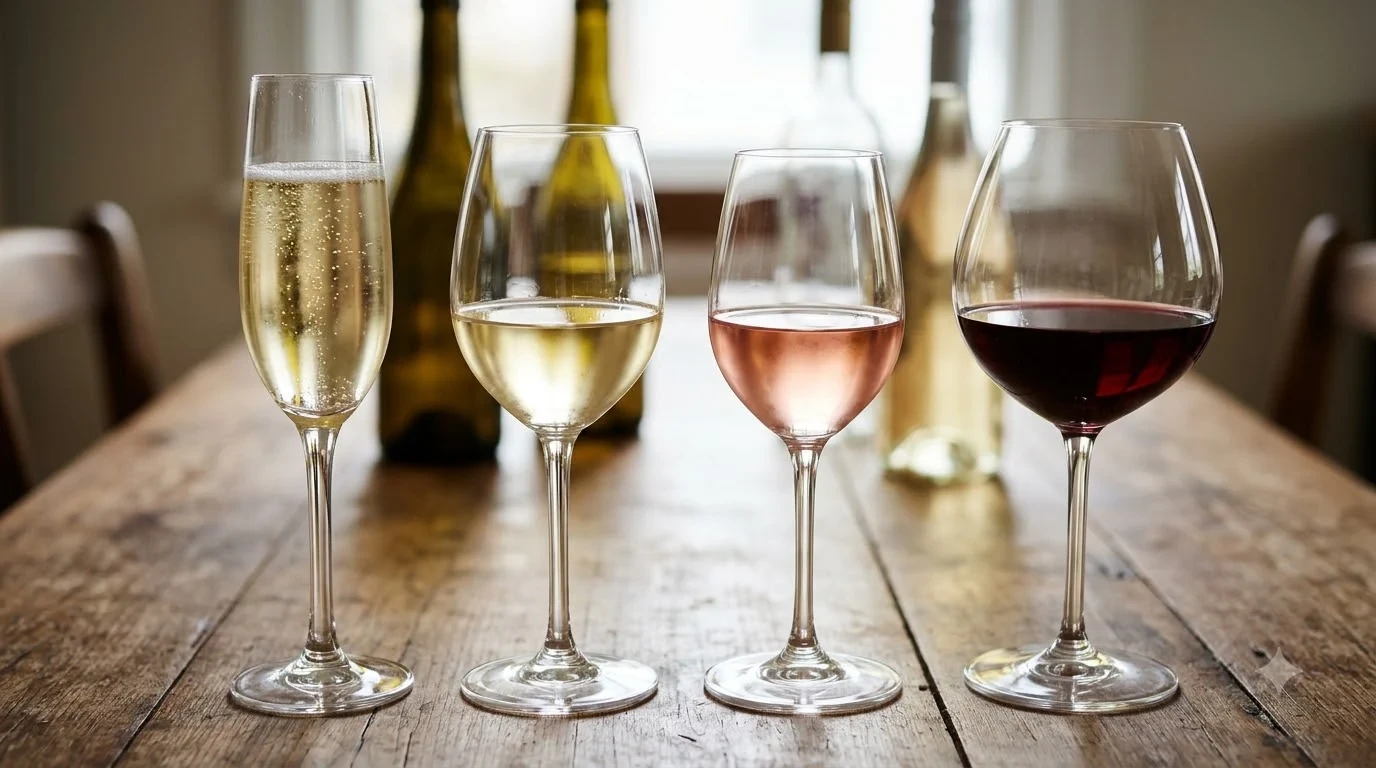
Barefoot refresh wine is a lightly sparkling, fruit-forward wine spritzer range that offers an easy-drinking alternative to conventional still wine. The collection includes white, pink, and red expressions, with flavors ranging from crisp citrus and orchard fruit to ripe berries and sweeter stone fruit. Its gentle carbonation, approachable sweetness, and chilled serving style make it particularly suitable for casual gatherings, warm-weather meals, and relaxed occasions.
Barefoot Refresh appeals to drinkers who enjoy fruit-driven wine without the heavier structure of many traditional bottles. Rather than approaching it like a classic Cabernet Sauvignon or a dry Sauvignon Blanc, think of it as a wine-based spritzer designed to be served cold. Understanding the different varieties, alcohol levels, sweetness, and serving options makes choosing the right bottle or can much easier.
What Barefoot Refresh Wine Is and How It Differs From Regular Wine
Barefoot Refresh is a collection of wine-based spritzers that combines wine characteristics with carbonation and fruit-forward flavor. It is intended to be lighter in style than many conventional still wines, with a refreshing texture that works particularly well when chilled.
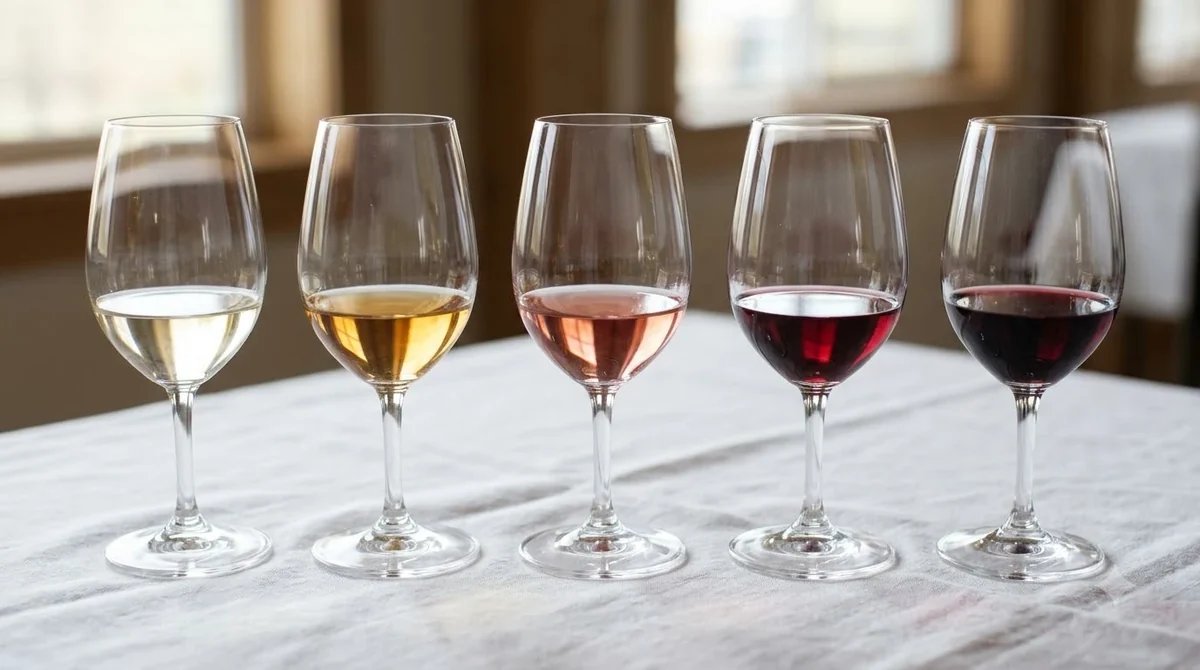
The distinction starts with carbonation. Traditional still wine generally does not have noticeable bubbles, while a spritzer has a lively, fizzy character. That carbonation makes each sip feel brighter and gives the wine a more casual drinking style. It also makes the range a natural option for people who enjoy sparkling drinks but prefer something based on wine rather than a traditional cocktail.
Another difference is body. A full-bodied red wine such as Cabernet Sauvignon usually has more noticeable tannin, structure, and weight. Barefoot Refresh is positioned around lighter-bodied expressions, with fruit flavors playing a more prominent role than oak, tannin, or complex aging characteristics.
The product family includes Sweet White, Crisp White, Perfectly Pink, Summer Red, and Crisp Red. These names communicate the broad style of each expression, although the precise flavor profile depends on the particular product.
It is also useful to distinguish the Refresh range from other Barefoot products. Barefoot Bubbly, for example, is a separate sparkling wine collection. The two categories may both contain bubbles, but they are not interchangeable product names.
For shoppers, the distinction between bottled Refresh products and canned Barefoot Spritzers also matters. Gallo describes its canned Barefoot Spritzer range as containing 5.5% alcohol by volume, with a light body and signature fizz. That figure should not automatically be applied to every Refresh-branded bottle or international product. The manufacturer’s Barefoot Spritzer product description provides the published details for its canned range.
For a broader look at the producer’s portfolio, the Wine Brands collection provides useful context for understanding how different wine labels organize their product ranges.
The Main Barefoot Refresh Flavors and Varieties
The Refresh collection covers several different taste preferences, from crisp white styles to sweeter pink and red expressions. Choosing between them is easier when you consider fruit character, perceived sweetness, and the type of food you plan to serve.
The official Barefoot Refresh collection identifies five principal expressions. Their general styles provide a useful starting point for selecting a bottle.
Sweet White Spritzer
Sweet White is the option to consider if you enjoy noticeable fruit sweetness. White wine spritzers in this style generally emphasize ripe orchard fruit, peach-like characteristics, and a softer impression of acidity. The sweetness makes the wine approachable for drinkers who find very dry white wines too sharp.
Serve it well chilled, ideally around 45 to 50 degrees Fahrenheit. It works particularly well with mildly spicy Asian dishes, fruit-based desserts, and fresh summer snacks. The sweetness can also balance the saltiness of certain cheeses and savory appetizers.
Crisp White Spritzer
Crisp White is the more refreshing direction for people who prefer a brighter white-wine profile. Expect a style built around freshness rather than the heavier sweetness associated with dessert wines. It is a sensible choice for light appetizers, grilled chicken, and simple seafood dishes.
Serve it at approximately 45 to 50 degrees Fahrenheit. A cooler temperature helps preserve its fresh impression and makes the carbonation more noticeable.
Perfectly Pink Spritzer
Perfectly Pink offers a rosé-style alternative with an emphasis on red-fruit character. The pink color also makes it visually appealing for outdoor lunches, casual celebrations, and gatherings where a refreshing wine is more suitable than a structured red.
Related Barefoot rosé spritzer descriptions identify Grenache and Moscato as blending grapes, with notes of mandarin orange, peach, raspberry, and cherry. These descriptions provide a useful indication of the fruit-forward character associated with the pink category, although individual formulations may differ.
Serve this style at 45 to 50 degrees Fahrenheit. It pairs nicely with grilled chicken, shrimp, mild cheeses, and fruit salads.
Summer Red Spritzer
Summer Red is the red-fruit option in the collection. Its light-bodied character distinguishes it from conventional red wines that emphasize tannin, oak, and concentrated dark-fruit flavors.
Lowes Foods describes a Summer Red formulation containing Pinot Noir, rosé, and Moscato, with raspberry, orange, and freshly picked berry notes. The result is a fruit-forward style that is intended to be enjoyed chilled or over ice. Its Summer Red product description and nutrition information provide additional details about its ingredients, serving instructions, and listed nutritional values.
Unlike a traditional full-bodied red, this spritzer does not need to be served at room temperature. A chilled glass helps emphasize its refreshing character.
Crisp Red Spritzer
Crisp Red provides another red-wine-inspired option in the Refresh collection. It is worth considering if you enjoy red-fruit flavors but prefer a lighter, more refreshing drinking experience.
Because individual blends can differ, avoid assuming that Crisp Red has exactly the same grape composition or sweetness as Summer Red. Compare the product descriptions and packaging when choosing between them.
Tip: If you are buying Barefoot Refresh for a mixed group, Crisp White and Perfectly Pink are useful starting points for people who prefer lighter wine styles, while Sweet White is a better direction for guests who actively enjoy sweeter drinks.
Alcohol Content and Bottle Sizes
Barefoot Refresh and the wider Barefoot Spritzer range are designed around a lighter drinking style, but alcohol content depends on the specific product and packaging. The manufacturer’s published figure for its canned Barefoot Spritzer range is 5.5% ABV.
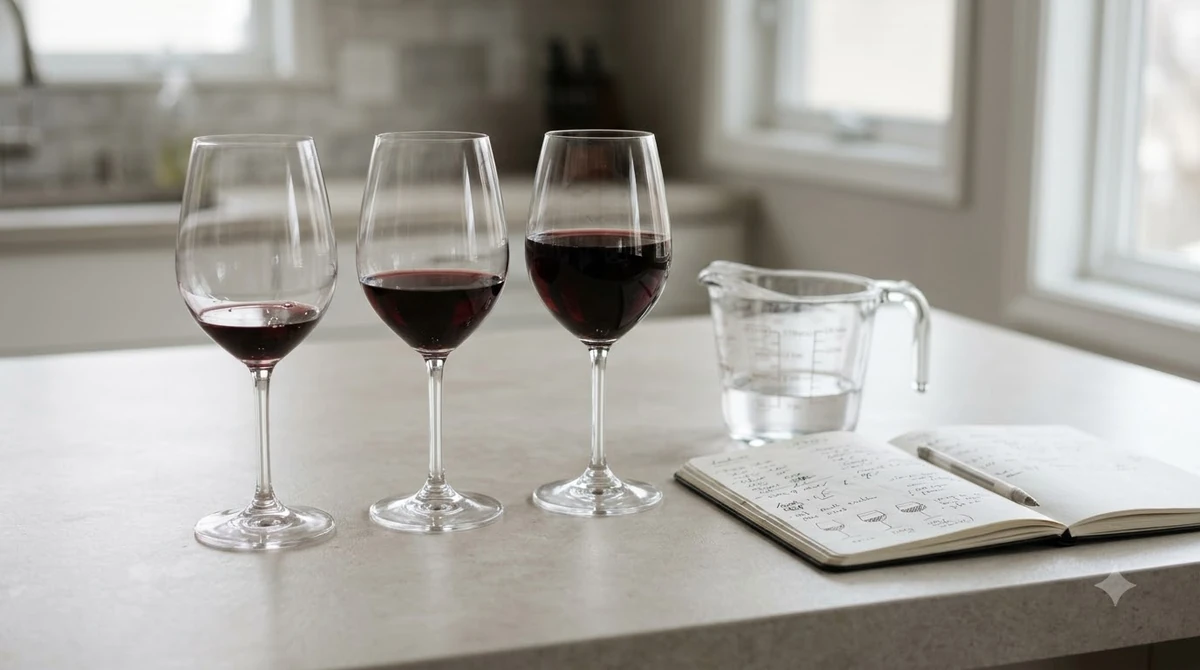
ABV means alcohol by volume. It measures the percentage of a drink’s total volume that consists of pure alcohol. For comparison, a wine containing 12% ABV has a higher alcohol concentration than a spritzer containing 5.5% ABV.
The difference matters because two drinks that look similar in a glass may contain different amounts of alcohol. A wine spritzer also contains carbonation and may have a lighter mouthfeel, but those characteristics do not make its alcohol content irrelevant.
Gallo identifies five flavors in its canned Barefoot Spritzer range. Retail catalogs also show Barefoot spritzer products in smaller containers and standard 750-milliliter bottles. These formats are convenient for different occasions, but the exact available varieties and alcohol percentages depend on the particular product.
| Measurement | Typical or listed figure | What it means |
|---|---|---|
| Canned Barefoot Spritzer ABV | 5.5% | Manufacturer-published alcohol concentration |
| Small-format can | 250 ml | Convenient individual serving format |
| Standard wine bottle | 750 ml | Approximately five traditional 5-ounce wine pours |
| Standard wine pour | 5 oz | Traditional serving reference |
| Summer Red nutrition serving | 240 ml | Serving size used in the Lowes Foods nutrition listing |
| Summer Red calories | 170 | Calories per listed 240 ml serving |
These figures should not be confused with one another. The 5.5% ABV figure applies to the canned Barefoot Spritzer range described by Gallo, while the nutrition figures belong to a specific Summer Red retail listing. A 250-milliliter can is also not equivalent to a traditional 5-ounce wine serving.
For shoppers comparing other Barefoot wines, the Barefoot Bubbly alcohol content breakdown is useful because sparkling wine products can have different alcohol levels from the spritzer range.
Another practical consideration is serving quantity. A 750-milliliter bottle provides approximately five 5-ounce glasses. A smaller can is generally closer to an individual serving, making it convenient for picnics or occasions where opening a full bottle would be unnecessary.
Sweetness, Sugar, and Calorie Information
Barefoot Refresh generally appeals to drinkers who enjoy fruity, approachable wine rather than extremely dry styles. However, sweetness varies between expressions, and a fruity aroma does not necessarily mean that every variety contains the same amount of residual sugar.
Sweet White is the obvious starting point for people who prefer a sweeter profile. Crisp White is positioned toward a fresher style, while the pink and red expressions provide different combinations of fruit character and perceived sweetness.
One important distinction is the difference between perceived sweetness and measured sugar. A wine may smell strongly of peach or berries without having the same sugar concentration as another wine that tastes sweeter. Acidity, carbonation, temperature, and fruit aromas all influence how sweetness is perceived.
What the Summer Red nutrition listing shows
Lowes Foods provides a nutrition panel for Barefoot Refresh Summer Red using a 240-milliliter serving. It lists 170 calories, 21 grams of total carbohydrates, and 18 grams of total sugars for that serving.
Those figures are useful when comparing the specific Summer Red product with other packaged drinks. They should not be treated as universal values for Sweet White, Crisp White, Perfectly Pink, or Crisp Red.
Ingredients also provide useful information about the drink’s composition. The listed Summer Red formulation contains grape wine, carbonated water, cane sugar, natural flavors, potassium citrate, citric acid, potassium sorbate, and sulfiting agents.
The inclusion of carbonated water explains the spritzer’s bubbly character. Cane sugar and natural flavors contribute to the overall flavor profile, while citric acid contributes acidity.
If you are comparing sugar information across the Barefoot range, use the specific product’s nutrition panel rather than transferring numbers from another variety. The Barefoot Pinot Grigio sugar content article offers a useful comparison with another familiar Barefoot white wine.
It is also important not to assume that a lower alcohol percentage automatically means fewer calories or less sugar. Alcohol and carbohydrates are separate contributors to a drink’s nutritional composition. A product with less alcohol can still contain appreciable sugar.
Best Serving Temperature and How to Serve It
Barefoot Refresh is best served thoroughly chilled, with ice as an optional addition depending on the variety and personal preference. A cool serving temperature emphasizes its refreshing character and helps the carbonation remain enjoyable.
For the white and pink expressions, a temperature of approximately 45 to 50 degrees Fahrenheit is a useful starting point. This range is suitable for lighter white wines and rosé, helping preserve freshness without making the fruit flavors difficult to perceive.
For Summer Red and Crisp Red, serving slightly chilled is preferable to following the room-temperature convention used for many traditional red wines. A temperature around 55 to 60 degrees Fahrenheit is appropriate for light-bodied red styles, although a spritzer can also be served colder when its intended presentation emphasizes refreshment.
Serving over ice
Ice is a practical option, particularly during warm weather. Use a reasonably large wine glass or stemless glass, fill it with ice, and pour the chilled spritzer over the cubes.
There is one important detail: melting ice gradually dilutes the drink. If you want to preserve its original flavor, chill the bottle or can before pouring and use fewer ice cubes. If you prefer a lighter, longer-lasting drink, additional ice may be perfectly suitable.
A simple serving routine works well:
- Refrigerate the product before serving.
- Choose a clean wine glass or suitable tumbler.
- Add ice if you prefer a more diluted, colder presentation.
- Pour slowly to preserve the bubbles.
- Serve immediately while the carbonation is lively.
Glassware and presentation
A standard wine glass is perfectly suitable for Barefoot Refresh. A stemmed glass helps keep warm hands away from the bowl, while a tumbler works well for casual outdoor settings.
For a simple presentation, add a thin orange slice to Summer Red or a few fresh berries to Perfectly Pink. Lemon or lime can also complement the fresh character of a white spritzer. Keep garnishes restrained so they do not overpower the wine’s existing fruit profile.
Avoid adding too many mixers. The wine already contains carbonation and flavor components, so complicated cocktail additions are generally unnecessary. A small amount of fresh citrus is usually enough if you want a slightly different presentation.
Food Pairings That Work With Barefoot Refresh
The best food pairings depend on the variety’s sweetness, acidity, and fruit character. Barefoot Refresh works particularly well with casual dishes, lightly seasoned appetizers, grilled foods, and fresh fruit.
For white expressions, consider foods that have a clean flavor and moderate seasoning. Crisp White can accompany grilled chicken, shrimp, mild cheeses, and vegetable appetizers. Sweet White can work particularly well with salty snacks, spicy dishes, and desserts that are not overwhelmingly sweet.
Acidity is an important part of pairing. Foods containing lemon, vinegar, or tomato benefit from wines with sufficient acidity. A crisp white spritzer is generally a better match for a citrus-dressed salad than a noticeably sweet wine with little acidity.
Pairing Perfectly Pink
Perfectly Pink works well with lighter dishes and foods featuring fresh fruit. Try it with grilled shrimp, chicken skewers, watermelon salad, or a mild cheese board.
The berry and citrus characteristics associated with rosé spritzers can complement fresh ingredients without overwhelming their flavors. Avoid pairing a particularly sweet expression with an intensely sweet dessert because the wine may taste less refreshing beside it.
Pairing Summer Red
Summer Red is a useful option for casual barbecue dishes. Its raspberry and orange characteristics can work with grilled chicken, mildly seasoned sausages, and lightly smoked foods.
Because it is a lighter red style, it is also more adaptable to chilled serving than a highly tannic Cabernet Sauvignon. The fruit-forward character works best with food that does not demand a powerful, structured red wine.
Pairing Sweet White
Sweet White can complement salty appetizers, mild Asian dishes, and fruit-based desserts. Sweetness helps balance salt and can soften the perception of spicy seasoning when the alcohol level and other structural elements remain moderate.
For dessert, follow a useful wine-pairing principle: the wine should be at least as sweet as the dessert. A moderately sweet fruit tart may work better than a very sugary chocolate dessert that overwhelms a lighter spritzer.
Foods to approach carefully
Very spicy foods can make alcohol feel more prominent, while intensely acidic dishes may make a low-acid wine seem flat. If serving chili-heavy dishes, consider a sweeter, lighter expression rather than a more tannic red.
Oily fish can also be difficult to pair with tannic red wine. A crisp white or pink spritzer is generally a more suitable direction. Strongly flavored sauces, heavy cream, and very sweet desserts may also dominate a delicate wine spritzer.
Storage, Refrigeration, and Keeping an Opened Bottle Fresh
Barefoot Refresh should be refrigerated before serving, and an opened bottle or can should be kept cold. Carbonation is an important part of the product’s appeal, so limiting exposure to air and heat helps preserve its intended character.
For an unopened product, follow the storage instructions on the packaging. A cool, stable storage environment is preferable to a location exposed to direct sunlight or repeated temperature changes.
Once opened, reseal a bottle securely if its closure allows it. Place it in the refrigerator rather than leaving it on a kitchen counter. A sparkling wine stopper can help preserve carbonation in an opened bottle, although it cannot restore bubbles that have already escaped.
For general wine-storage reference, opened sparkling wines commonly retain their best qualities for approximately one to three days in the refrigerator, while still wines often last around three to five days. A wine-based spritzer’s carbonation makes refrigeration particularly important.
Individual cans are simpler because their smaller format is designed for individual consumption. Once a can has been opened, its carbonation begins to dissipate. Pouring it into a glass and drinking it promptly generally provides the best experience.
Do not leave an opened spritzer sitting in direct sunlight, in a hot vehicle, or outside during a long afternoon gathering. Heat can affect the wine’s freshness, and the loss of carbonation makes the drink less lively.
For a bottle that will be served over ice, chill it first rather than relying on ice to cool the entire drink. This reduces dilution and preserves more of the original flavor.
Finally, avoid assuming that all Barefoot products have identical storage requirements. A canned spritzer, a 750-milliliter bottled spritzer, and a conventional still wine may have different packaging instructions. The manufacturer’s directions for the individual product take priority.
Frequently Asked Questions
Is Barefoot Refresh considered a wine cooler?
Barefoot Refresh is presented as a wine-based spritzer rather than a malt-based beverage. Its composition centers on grape wine, with carbonation and other ingredients contributing to the finished drink. The term wine spritzer is therefore a more useful description of its general style.
Does Barefoot Refresh contain sulfites?
Some listed Barefoot spritzer formulations include sulfiting agents. These ingredients are used in wine production and preservation. The specific ingredient declaration can differ between products, so people concerned about sulfites should examine the packaging for the particular variety.
Can Barefoot Refresh be used to make a cocktail?
Yes. A chilled spritzer can serve as the base for a simple fruit-forward mixed drink. Try combining it with fresh citrus, sliced strawberries, or a small amount of sparkling water. Keep additional sweeteners modest because some varieties already have noticeable sweetness.
Is Barefoot Refresh available throughout the United States?
Availability depends on the retailer, state alcohol regulations, and local distribution. The same flavor may be available in one market but missing from another. Barefoot provides a store-finder feature that can help shoppers identify nearby retailers carrying its products.
What is the difference between Barefoot Refresh and Barefoot Bubbly?
They are separate product categories within the Barefoot portfolio. Refresh focuses on wine-based spritzers with a lighter, casual serving style, while Bubbly is the brand’s sparkling wine collection. Their carbonation, production styles, alcohol concentrations, and individual product specifications should be compared separately.
Barefoot Refresh is a practical choice for drinkers who enjoy fruity flavors, gentle carbonation, and a chilled wine style without the structure of a traditional full-bodied bottle. Sweet White, Crisp White, Perfectly Pink, Summer Red, and Crisp Red each offer a different direction, making the collection suitable for a variety of casual occasions. Choose the expression that matches your preferred sweetness and food pairing, serve it cold, and enjoy it while its refreshing bubbles are at their best.
More in Wine Brands
 Underwood Wine Price: Compare Bottles, Cans, and Pack SizesUpdated Nov 21, 2026
 Zenato Wine Price: Compare Styles and Choose the Right BottleUpdated Nov 21, 2026
 Zuccardi Wine Price: Compare Bottles and Find the Right RangeUpdated Nov 21, 2026
 Yellow Tail Moscato Review: Taste, Sweetness and Serving TipsUpdated Nov 21, 2026
 Wolf Blass Yellow Label Review: Choose Your Best StyleUpdated Nov 21, 2026
 Wolffer Estate Rose Review: Choose the Right Bottle for Your TableUpdated Nov 21, 2026